I remember sitting in my garage last July, sweat dripping off my forehead as I finally tightened the last lug on my brand-new Level 2 charger. I had it all figured out, or so I thought. The status light turned a beautiful, solid green, the car started humming, and I felt like a total DIY king. Fast forward exactly three months, and that expensive piece of technology on my wall suddenly turned into a dead weight. When I called tech support, thinking I was safely covered by that ‘5-year limited warranty,’ the very first thing the agent asked for wasn’t my serial number or a photo of the unit—it was a copy of my final electrical inspection report from the city. My heart sank into my stomach. I had skipped the permit to save eighty bucks and avoid a morning of waiting for an inspector to show up. Just like that, my warranty was effectively trash.
The Day I Realized My New Charger Was a Very Expensive Paperweight
It is a gut-wrenching feeling to realize you have outsmarted yourself. Many of us focus so much on avoiding common DIY installation mistakes that we completely forget the administrative side is what actually protects our financial investment. I thought I was being savvy, similar to how I felt when I first researched how to save five hundred dollars by choosing a plug-in charger over hardwired. But even a plug-in unit requires a circuit that meets modern safety standards. If your local building department doesn’t have a record of a passed inspection, manufacturers like Tesla, JuiceBox, or ChargePoint have specific clauses in their fine print that allow them to deny a claim instantly. They categorize it as a ‘failure to install according to local codes.’ Without that inspector’s signature on a piece of paper, you have zero legal proof you did the job right. This isn’t just about bureaucracy; it is about ensuring code compliance for your charger so your home doesn’t become a safety statistic. According to the Electrical Safety Foundation International (ESFI), thousands of home fires are caused by electrical malfunctions annually, and manufacturers use this reality as a shield to protect themselves from liability when uncertified work fails.
Does the Manufacturer Really Care About My Local Permit?
You might be thinking, ‘How would they even know if I got a permit?’ Trust me, they know. When a high-voltage component inside your charger melts, the manufacturer’s forensic team will look for any sign that the circuit was improperly sized or that you committed a wire sizing error that causes voltage drops. They will look for any excuse to avoid a three-hundred-dollar motherboard replacement. Today, I am going to walk you through exactly how to navigate the permit process so you can pass your electrical inspection on the first visit and keep that warranty ironclad for years to come. Have you ever been tempted to skip the permit process because it felt like too much red tape for a ‘simple’ job?
Calculate Your Load Before You Touch a Screwdriver
Before you even buy a charger, you need to know if your home can handle the massive continuous draw of electricity. An EV charger isn’t like a toaster; it pulls high amperage for hours. I once tried to help a neighbor who had just bought a top-tier Level 2 unit, only to realize his older home was already maxed out. If we had just plugged it in, we would have seen why a main breaker hums when the EV is plugged in. To avoid this, you must learn how to calculate if your 100-amp service can handle a daily commute. If your math shows you are over the limit, don’t panic. You can often how to load balance your home electrical system without a full panel swap by using a smart energy manager that pauses your car charging when the clothes dryer kicks on.
Pick the Right Wire or Risk a Meltdown
Think of electricity like water flowing through a garden hose. If you try to push a fire hydrant’s worth of water through a tiny hose, it’s going to burst. In the electrical world, that ‘burst’ is heat—and heat melts insulation. For a 48-amp charger, you generally need 6-gauge wire, but you have to know the exact gauge of wire you need for a 60-amp circuit based on the distance from your panel. I made the mistake of using aluminum once because it was cheaper, but I quickly learned the difference between copper and aluminum wiring for high-load circuits. Copper is far more reliable for the intense, sustained heat an EV generates. 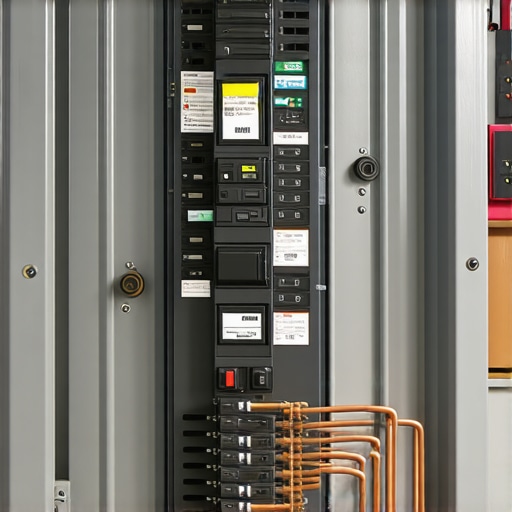
Label Everything to Please the Inspector
When the city inspector walks into your garage, they are looking for reasons to trust your work. Nothing says ‘amateur’ louder than a mystery breaker. I spent twenty minutes in the dark once because I hadn’t properly identified which circuit was which during an upgrade. You are legally required to provide the specific circuit labels required by the electrical inspector. Use a permanent marker or a label maker to clearly identify the EV circuit at the panel. It sounds like a small detail, but it is often the first thing they check. If your labels are clear and your conduit is straight, the inspector is already in a better mood before they even open the panel cover.
Prepare for the 2025 Standard Upgrades
Code requirements are constantly evolving, and what passed two years ago might fail today. If you are planning ahead, you need to look at panel upgrade strategies to meet EV charging code requirements in 2025. This includes ensuring your grounding is up to par. Many DIYers overlook this, but learning how to ground your EV charger according to the latest standards is the difference between a safe installation and a potential shock hazard. I always double-check my torque settings on the lugs—a loose neutral wire is a silent killer of electronics. By following a strict pre-inspection checklist, you can pass your electrical inspection on the first visit and finally get that permit signed off, securing your warranty and your peace of mind.
Stop Throwing Money at Panel Upgrades You Don’t Need
Everyone tells you that a 200-amp service is the absolute baseline for modern living, especially once you add an EV to the mix. But in my experience, that is often an expensive exaggeration. I have seen homeowners drop five thousand dollars on a full service upgrade when they could have spent a fraction of that on a smart load shedder. You can successfully learn how to use a 100-amp panel for ev charging without a costly upgrade by intelligently prioritizing your appliance loads. The ‘Oops’ factor here is usually the 125% rule found in NEC Article 625. Because an EV is a ‘continuous load,’ you cannot simply look at the breaker number; you must calculate the headroom for sustained current. If you skip this math, you will end up wondering why your main breaker hums when the ev is plugged in, which is a loud, vibrating precursor to a total equipment failure.
Why does my smart charger app keep losing its mind?
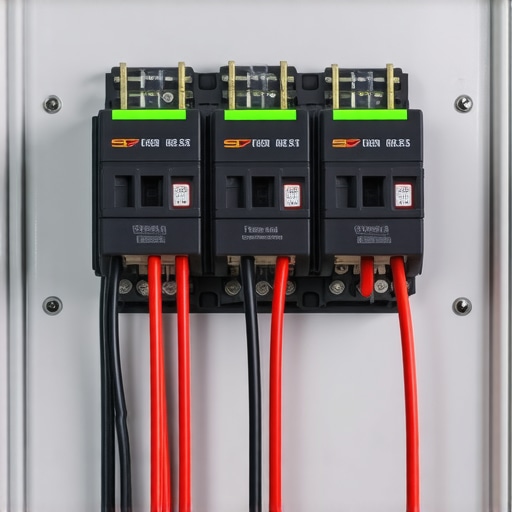
It is the most common ‘advanced’ complaint I hear: the charger delivers power, but the ‘smart’ features are completely bricked. Most people assume it is bad Wi-Fi or a server error, but the hidden nuance is often electromagnetic interference (EMI) within the conduit itself. If you ran your communication or data lines too close to the high-voltage lines without proper shielding, you are going to find the reason your smart charger app keeps losing connection is actually physical, not digital. This is one of those troubleshooting ev chargers common compliance pitfalls and fixes that even seasoned DIYers miss. Furthermore, installing a GFCI breaker on a circuit for a charger that already has internal GFCI protection is a recipe for ‘nuisance tripping.’ I have identified the specific breaker brand that keeps tripping on level 2 chargers simply because the two internal sensors are fighting each other for control.
The Hidden Code Rules That Fail Inspections Every Single Time
You might have the right wire gauge and the correct breaker, but did you check the tape measure? I once saw a perfect installation fail because the unit was mounted too close to a utility sink. Knowing the code-required safety distance between a charger and a sink is vital for moisture safety and passing that final sign-off. According to the National Fire Protection Association (NFPA), nearly 15% of home electrical fires involve equipment issues that stem from poor environmental placement or environmental stress. Before you close that panel, check for ensuring code compliance when installing ev chargers by looking for overcrowded gutters or improper lug torque settings. Have you ever fallen into this trap where a tiny measurement detail ruined your whole weekend? Let me know in the comments. If you are still stuck in the middle of a project, check out my ev charger troubleshooting expert tips for common issues to get your vehicle back on the road safely.
I learned the hard way that owning an EV charger isn’t just a ‘set it and forget it’ situation. After that warranty scare I mentioned, I became a bit obsessed with the long-term health of my electrical system. If you want to avoid a middle-of-the-night failure, you need to treat your charger like the high-performance appliance it is. I stopped relying on cheap hardware store tools and invested in a few specific pieces of gear that actually help me sleep at night. For starters, I never touch my panel without a calibrated torque screwdriver. Most people think ‘hand-tight’ is enough, but thermal expansion is real. A loose connection creates resistance, resistance creates heat, and heat creates fire. I personally use the Klein Tools Torque Screwdriver set because it ensures every lug is set to the exact inch-pounds required by the manufacturer’s specifications, which is a key part of how to verify code compliance for your ev charger installation.
The Gear That Separates Pros from Frustrated DIYers
Beyond the torque wrench, I highly recommend a basic infrared thermometer. Once a month, while my car is pulling its full 48 amps, I point that laser at my breaker and the charging handle. If I see temperatures spiking significantly above the ambient room temp, I know I’m looking at a potential failure. It is the easiest way for how to spot a dangerous heat build-up in your ev charging cable before it melts your car’s port. This habit saved me from a major headache last winter when I noticed my main breaker was running dangerously hot during overnight charging. It turned out to be a slightly loose neutral wire—a simple fix that could have been a catastrophe. According to the 2023 National Electrical Code (NEC) Article 625, equipment must be maintained and used according to its labeling, and these tools are how you prove you are doing exactly that.
How do I keep my home charging station running for a decade?
Maintenance is surprisingly simple if you stay consistent. First, keep your charging handle off the floor. Dirt and moisture are the enemies of conductivity. I make it a point to inspect the internal pins of the connector every few months. If you see any black soot or green oxidation, you need to learn how to clean the pins on your charging handle safely using specialized electronic contact cleaner—never water or a damp rag. Second, listen to your panel. If you hear a faint buzzing or see your garage lights flickering when the car starts charging, something is vibrating loose. I also suggest upgrading your panel for better ev charging performance if you notice your breakers are constantly running at their thermal limits. 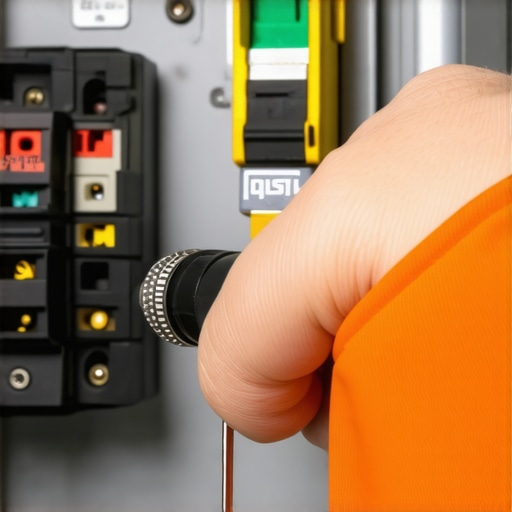
Prepare Your Home for the Bidirectional Revolution
Looking ahead, the trend is moving toward ‘Vehicle-to-Home’ (V2H) technology. In the next five years, your car won’t just take power; it will provide backup power to your house during a blackout. This means your current installation needs to be robust enough to handle current flowing in both directions. If you cut corners now, you are going to pay double later to retro-fit your system. I suggest looking into panel upgrade strategies to meet ev charging code requirements in 2025 now, while you are already working in the panel. My advanced tip for today? Go buy a cheap infrared thermometer and scan your panel while the car is charging tonight. If any breaker is over 140°F, you need to tighten those lugs immediately. If you’re not comfortable doing that, contact us or a local pro before your next charge cycle.
The High Cost of Cutting Corners I Wish I’d Avoided
Looking back at my first DIY attempt, I realized that technical skill is only half the battle. The other half is respecting the rules that keep your house from burning down. I’ve learned that thermal expansion is the silent enemy of every electrical connection. Even if a wire feels tight today, the constant heating and cooling of daily charging sessions can loosen it over time. This is why you must learn how to verify code compliance for your ev charger installation specifically regarding torque specs. I also discovered that the hidden danger of loose neutral wires in your electrical panel can cause voltage spikes that fry your car’s expensive onboard computer. It’s not just about passing the test; it’s about making sure your home stays a safe haven for your family.
My Personal Toolkit for a Bulletproof Garage Setup
If you want to move from ‘guessing’ to ‘knowing,’ you need the right gear. I don’t go anywhere without my Klein Tools Torque Screwdriver; it’s the only way to meet the manufacturer’s terminal requirements precisely. Secondly, I always keep an infrared thermometer handy to monitor my equipment. It’s the fastest way for how to spot a dangerous heat build-up in your ev charging cable before it becomes a hazard. Lastly, I highly recommend keeping a digital copy of the latest NEC handbook. Staying updated on ensuring code compliance when installing ev chargers is much easier when you have the source material at your fingertips.
Your Path to a Safer and Smarter Home Charging Experience
You’ve taken a huge step toward energy independence by installing your own equipment. By focusing on EV charger code compliance and performing regular maintenance, you are protecting one of your biggest financial investments. Whether you are looking into panel upgrade strategies to meet ev charging code requirements in 2025 or just cleaning your pins, stay diligent. If you ever feel overwhelmed by the technical details, don’t hesitate to contact us for expert guidance. Have you ever noticed your charger getting unusually warm during a long summer charging session? Let me know your experiences in the comments below!