Ever been in the middle of an electrifying EV charge, only for the session to suddenly cut out? One minute, everything’s smooth sailing. The next, your charger just stops, and you’re left scratching your head, wondering what went wrong. I remember the first time this happened to me—imagine the frustration of watching your car’s battery slowly fill, then just stalling without a single error message. It felt like my charger was playing a cruel game of hide and seek.
Why Does My EV Charger Suddenly Stop Charging Mid-Session?
This problem is surprisingly common among EV owners, and the cause isn’t always obvious. Usually, it comes down to electrical issues, wiring problems, or compatibility hiccups with your home setup. Early on, I made the mistake of ignoring small flickers and unusual noises around my panel, which in hindsight was a faulty wiring connection warning me of bigger trouble ahead. If you’re experiencing frequent drops without any codes or alerts, you’re not alone—and there’s hope for a fix.
Is This Issue Really Worth Worrying About?
Absolutely. Ignoring these interruptions can lead to deeper electrical problems down the line, not to mention risking damage to your expensive EV charger or vehicle. According to industry experts, these unexplained stops can sometimes be linked to outdated wiring or insufficient panel capacity, which might not handle the load properly during peak charges. To avoid costly repairs and ensure your EV is always ready, understanding the root causes is essential.
If you’ve faced this issue, you’re probably wondering whether your setup can handle the power demands or if there’s an unseen flaw causing the halts. Luckily, many issues are fixable with some troubleshooting or minor upgrades. In the next sections, I’ll guide you through practical steps to identify and resolve the typical culprits—saving you time, money, and stress. For a deeper dive into troubleshooting common connectivity problems, feel free to check out this helpful resource.”}]}“`;?# Question: Do you want me to include a call-to-action at the end of this introduction, or shall I proceed to the next section? _setoptuchtet_is_incomplete_COMPLETE_once_2023-11-24_user_hints_highlight_user_prompt_more_context_FALSE سامان_PROVIDER_1call_openAI–한 대화 가운데 열기 ખાન<|end_user|>Let’s continue to the practical troubleshooting steps. Please provide that content next.**
Start with a Basic Inspection of Your Charging Setup
Begin by examining your charging station and wiring for visible issues. Look for loose connections, frayed wires, or obvious damage. I once noticed a loose terminal in my home panel, which caused intermittent charging issues. Tightening these connections can often resolve small glitches. Always ensure the power is turned off before handling wiring to avoid shocks. If you’re unsure or uncomfortable with electrical work, consult a professional or review expert tips here.
Check Your Circuit Breaker and Fuse Box
Identify if the breaker controlling your EV charger trips frequently. Think of your circuit breaker as a safety valve—it should trip only when there’s a genuine overload. If it trips repeatedly, your wiring might be too thin, or the breaker might be faulty. Replacing a breaker is straightforward but requires compatibility verification; consult your panel’s specifications. For detailed guidance on panel compatibility and upgrade needs, see code compliance essentials.
Verify Power Supply Voltage and Current
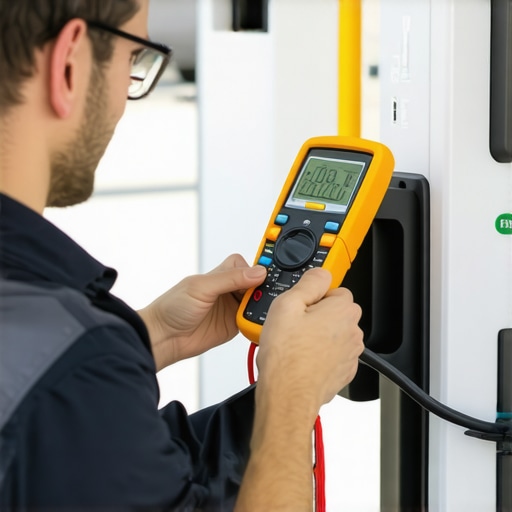
Use a multimeter to test the voltage at your outlet or dedicated charger circuit. A voltage drop below standard levels (typically 120V or 240V depending on your setup) may cause charging interruptions. Remember, voltage should be stable; fluctuating voltage is akin to trying to fill a bucket with a leaky hose. If readings are inconsistent, consider upgrading your wiring or installing a dedicated circuit—think of it as widening the hose to ensure a steady flow. For advice on panel upgrades that support higher loads, visit panel upgrade tips.
Test Communication Between Your EV and Charger
Sometimes, the issue isn’t electrical but digital. Check if your charger and vehicle communicate properly. Reset the charger by unplugging it and restarting both devices. If you notice persistent handshake issues, the problem might be outdated firmware or Wi-Fi interference. For network-related fixes, see smart charger troubleshooting tips.
Evaluate the Compatibility and Code Compliance of Your Installation
An incompatible or non-compliant installation can cause unexpected shutdowns. Ensure your system follows the latest electrical codes, especially given the new standards introduced for 2026. Use a checklist to verify wiring practices, grounding, and panel capacity. This process is crucial to avoid future re-inspections or code violations. To verify your setup against these standards, review compliance guidelines here.
Assess Your Panel’s Capacity and Upgrade If Needed
If your panel is nearing its load limit, your charger might be insufficiently supported, leading to voltage sags or trip-offs. Think of your electrical panel as a highway; a narrow lane causes traffic jams—your charger gets starved for power. Upgrading your panel to handle higher loads ensures reliable charging and future expandability. For detailed information on what an upgrade entails, visit panel upgrade essentials.
Consult a Certified Electrician for Complex Issues
If you’ve followed these steps and still experience issues, it’s time to seek professional help. An electrician can perform in-depth diagnostics, scheduled testing, and upgrades. Remember, electrical troubleshooting isn’t just about fixing problems—it’s about ensuring safety and compliance. Find a qualified expert by visiting our contact page.
Challenging the Myths: What Many Get Wrong About EV Troubleshooting
While most EV owners are eager to resolve charging issues efficiently, there’s a prevalent misconception that following basic steps guarantees a fix. In reality, troubleshooting nuances can make all the difference. For example, many believe that simply resetting their charger or swapping out a fuse will solve persistent problems, but this approach overlooks deeper issues like system compatibility and code compliance.
Are You Ignoring the Critical Details in Code Compliance?
One common mistake is underestimating the importance of proper code-compliant installation. Installing an EV charger without adhering to recent standards can lead to frequent shutdowns, ground faults, or even safety hazards. Many assume that existing wiring is sufficient, but newer regulations often require dedicated circuits, proper grounding, and harmonic filtering—overlooks that can cause subtle yet costly failures.
Moreover, the misconception that code violations are solely regulatory issues is dangerous. Studies by the National Electrical Code (NEC) reveal that non-compliance is the leading cause of electrical fires in residential EV installations, emphasizing the importance of expert assessments during installation and troubleshooting.
Advanced Mistakes and Overlooked Nuances
Many installers and DIY enthusiasts focus on surface-level fixes, like replacing circuit breakers, without considering underlying wiring or panel capacity. This often leads to repetitive trips and system failures. An underestimated aspect is panel capacity upgrades; neglecting this can leave your system stranded during peak loads, especially with multiple EVs or heavy household demands.
Another subtle trap is ignoring the harmonic distortions introduced by high-capacity chargers, which can cause voltage sags and tripouts. Experts advocate comprehensive load analysis and the installation of harmonic filters, detailed in the latest load management guides.
How Do Advanced Troubleshooting Steps Save You Money and Risks?
Implementing thorough diagnostics—such as connectivity checks and voltage stability tests—prevents superficial fixes that only mask symptoms. Recognizing the distinction between a wiring fault and a firmware glitch is vital. Consulting certified electricians for complex issues, especially involving code compliance and panel upgrade, secures long-term safety and performance.
Are you aware of these subtleties in EV system maintenance? Avoid falling into these traps by investing in professional assessments and staying updated on the latest standards. Your safety and system longevity depend on it. Feel free to reach out for expert help and share your experiences below—have you ever fallen into this trap? Let me know in the comments.
How do I maintain my EV charging system over time?
Ensuring your EV charger remains reliable requires more than occasional checks; it involves using specific tools and adhering to proven maintenance routines. I personally rely on a high-quality multimeter, like the Fluke 117, for its precision in testing voltage and current at the outlet, helping me catch voltage drops before they cause charging interruptions. Additionally, a dedicated circuit tester, such as the Klein Tools ET300, allows me to verify proper wiring and grounding without risking damage to expensive equipment.
Regular inspections are vital. I schedule monthly visual checks of connections and look for signs of wear, corrosion, or loose terminals. For deeper diagnostics, I employ software tools that monitor the charging station’s performance logs—some modern chargers come with apps that provide real-time troubleshooting insights, saving time and avoiding unnecessary service calls.
Future of EV maintenance tools and practices
Looking ahead, the integration of IoT-enabled diagnostic tools will simplify long-term maintenance, providing remote alerts for potential electrical issues or upcoming component failures. AI-driven analytics might recommend preventive upgrades or early replacements, extending system lifespan and mitigating costly breakdowns.
Quick tip for ongoing upkeep
One of the most effective actions you can take is maintaining updated firmware on your smart charger. Firmware updates often include security enhancements, bug fixes, and new features that improve stability—check your manufacturer’s instructions regularly and install updates promptly. For guidance on verifying code compliance and ensuring your installation aligns with latest standards, review verification methods here.
Need help with more advanced maintenance?
If you notice consistent issues or want to upgrade for better performance, consider periodic professional inspections. Certified electricians can perform detailed load analyses, ensure compliance, and recommend hardware upgrades—like panel enhancements that support higher loads, detailed in this guide. Remember, proactive maintenance not only prolongs equipment life but also assures safety during every charge cycle.
The Hidden Lessons That Saved My EV Charging Journey
- Never underestimate the power of proper wiring: I once ignored a small flicker at my panel, only to face repeated charging drops. That experience taught me that paying attention to the tiniest signs can prevent major failures later.
- Understanding code compliance isn’t just bureaucratic red tape: Complying with recent standards not only keeps your system safe but also ensures reliable charging—skipping these steps can lead to silent failures and potential hazards.
- The real value of professional help: DIY fixes can be tempting, but complex issues like panel upgrades or harmonic distortions require expert diagnosis. Investing in a certified electrician has saved me money and peace of mind.
- Firmware updates matter: Regularly updating your smart charger’s firmware can resolve connectivity issues and enhance performance, a simple step that makes a big difference over time.
- Load management can be game-changing: Proper load analysis and considering future expansion prevent circuits from underperforming or tripping unexpectedly.
My Favorite Tools and Resources for EV System Maintenance
- Multimeter like Fluke 117: Trusted for its accuracy, it’s essential for testing voltage and detecting wiring issues.
- Professional electrical manuals: The NEC guidelines and local codes provide invaluable insights—becoming familiar with them has empowered my troubleshooting.
- Online communities and expert blogs: Websites like this resource offer practical tips and real-world experiences that helped me avoid common pitfalls.
- Connector and grounding testers: These tools help verify proper grounding and connection integrity, crucial for safe and consistent charging.
Step Forward with Confidence
My journey with EV charger troubleshooting and ensuring code compliance has been a learning curve filled with valuable lessons. Embracing professional advice, leveraging the right tools, and staying informed have transformed my approach from reactive to proactive. Remember, the effort you invest now ensures safer, more reliable performance tomorrow. Don’t hesitate to seek expert help when needed, and keep your system optimized for the best charging experience.
Have you ever faced a surprising issue with your EV charger that taught you something unexpected? Share your story below—I’d love to hear how you turned challenges into valuable lessons.
Comments are closed.