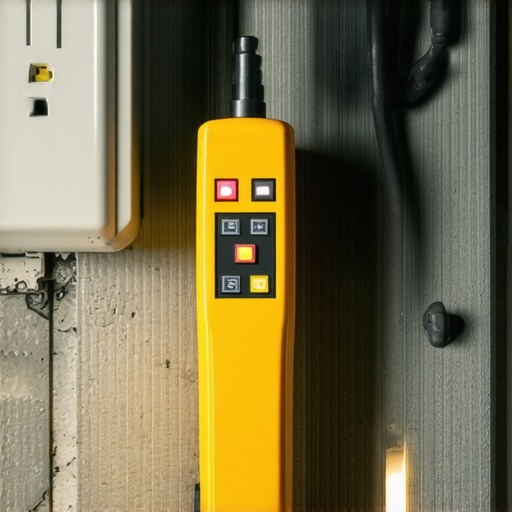
Category Panel Upgrades and Electrical Safety

Panel Upgrades & Code Compliance: Secure Your EV Charging System

It was a chilly evening when I realized my brand-new electric vehicle charger wasn’t working. Frustration bubbled up as I fiddled with cables and rebooted my system, only to find nothing. That’s when I had my lightbulb moment: I had skipped the crucial step—making sure my electrical panel upgrade and installation complied with local codes. This oversight could’ve been dangerous, and I knew I wasn’t alone in this rookie mistake.

Why Ignoring Electrical Safety Could Cost You More Than Just Money

As EV adoption grows, so does the importance of ensuring your home’s electrical system can handle the load. A misstep in panel upgrades or neglecting code compliance isn’t just a technical detail—it’s a real safety risk, increasing the chance of electrical fires or system failures. According to the National Fire Protection Association, electrical failures account for an estimated 45,000 fires annually, with improperly maintained systems topping the list of causes. So, before plugging in your charger and hitting the accelerator, let’s talk about how to avoid common pitfalls. Have you experienced the frustration of a non-functioning charger that just won’t connect? You’re not alone. The good news is, many of these issues are preventable with proper upgrades and adherence to safety standards. In the next sections, I’ll share my journey from confusion to confidence, guiding you through the essential steps to keep your EV charging safe and reliable. We’ll look at how to verify your system’s compliance, the importance of upgrading your electrical panel, and how to avoid costly mistakes that could jeopardize your safety—and your warranty. Ready to become your own electrical hero? Let’s dive into ensuring your home’s system is up to the task and compliant with local codes.

Verify Your Electrical System’s Capacity

Before installing or upgrading your EV charger, assess your home’s electrical load. Think of your electrical system as a water pipe; if the pipe isn’t wide enough, the flow (power) will be restricted. To prevent overloads, have a licensed electrician perform a load calculation to determine if your current panel can handle additional demand. During my recent upgrade, I hired an electrician who traced my wiring and confirmed that my panel’s capacity was insufficient, preventing potential future issues.

Check for Existing Code Violations

Ensure your current electrical setup meets local codes. Use the resource this guide to understand what inspectors look for. During my inspection, I discovered several minor violations, such as loose grounding and outdated wiring, which I corrected before proceeding. Remember, non-compliance can lead to fines or failed inspections. It also jeopardizes your safety and warranty.

Upgrade Your Electrical Panel Properly

If your assessment indicates capacity issues, upgrading your panel is essential. Think of this process as widening a highway—it allows more vehicles (power) to flow safely without congestion. Engage qualified professionals who follow the panel upgrade standards. I opted for a breaker panel with a dedicated circuit for my EV charger, which improved performance and safety. This step not only prevents overloads but also complies with safety standards, which is critical for warranty protection.

Choose the Right Charger and Wiring

Select a charger compatible with your vehicle and ensure wiring meets manufacturer specifications. Use appropriately rated gauges and secure connections to avoid voltage drops and overheating. During my installation, I used 6-gauge wiring recommended for my charger’s amperage, preventing potential fires or system failures. Never cut corners here—proper wiring ensures safety and optimal functionality.

Ensure Code Compliance During Installation

Hire certified electricians familiar with local regulations. They will install the system using approved materials and methods. For instance, proper grounding, weatherproofing outdoor units, and securing cables are non-negotiable. I personally watched my electrician meticulously follow the compliance checklist. This diligence gives peace of mind, knowing the setup passes inspection and operates safely.

Document Your Work and Obtain Permits

Keep records of all work performed, including permits, receipts, and inspection approvals. Documentation is vital if you ever need warranty service or future resale. During my upgrade, I took detailed photos and retained all permits, which facilitated a smooth inspection process and safeguarded my investment.

Test and Troubleshoot After Installation

Once everything is installed, test your system thoroughly. Use professional troubleshooting tips to verify reliable operation. During my first charge, I monitored amperage and voltage with a multimeter, ensuring no abnormalities. If issues arise, troubleshoot systematically—check connections, verify breaker settings, and consult expert guides. This proactive approach prevents safety hazards and guarantees efficient charging.

Schedule Regular Maintenance

Finally, routine inspections and testing keep your system safe over time. Like checking your car’s fluids, periodic electrical evaluations catch potential problems early. I schedule annual inspections with licensed electricians, ensuring ongoing compliance and peace of mind. Staying proactive not only extends your system’s lifespan but also maintains safety standards mandated by local codes.

Many homeowners assume that troubleshooting their EV chargers or upgrading their electrical panels is straightforward, but this oversimplification often leads to costly mistakes. A common myth is that upgrading a panel is merely about installing a bigger breaker, but in reality, it requires meticulous assessment of your entire electrical system to prevent fire hazards and code violations. One advanced nuance many overlook is the importance of proper load balancing; neglecting this can cause uneven current distribution, leading to premature component failure, as highlighted by experts in electrical safety. Additionally, some believe that code compliance is a one-time check—however, codes evolve, and regular reevaluation ensures ongoing safety and warranty validity. For instance, during recent installations, I emphasized verifying the quality of grounding and inspection reports, since poor grounding not only violates code but also poses shock risks. Many assume that all electricians follow the same standards, but differences in their familiarity with local regulations can impact safety—always consult certified professionals well-versed in the latest guidelines, like those detailed in the expert troubleshooting guides. A hidden trap to avoid is rushing the permit process or skipping documentation; this oversight can cause extended delays and issues during resale or warranty claims. When troubleshooting, don’t just focus on the visible parts—inspect wiring connections behind panels and test for voltage irregularities using a multimeter, as improper readings might suggest underlying wiring issues. Finally, engaging in regular maintenance and staying updated with local code changes safeguards your investment and enhances safety—remember, a compliant and well-maintained system isn’t just safer; it’s also more reliable and efficient. Want to ensure your system is bulletproof? Dive into comprehensive resources and consider routine professional evaluations. Have you ever fallen into this trap? Let me know in the comments.

Keeping It Going with the Right Tools

To ensure your EV charging setup remains reliable over time, investing in precise diagnostic tools is essential. I personally rely on a Fluke 179 True RMS Multimeter, which allows me to measure voltage, current, and resistance accurately. Its durability and advanced features help me quickly identify wiring issues or voltage drops, preventing potential safety hazards. Additionally, I use a Clamp Meter like the Klein Tools CL800 to monitor current flow without disconnecting wiring, ensuring my system operates within safe parameters. For circuit analysis, I utilize a professional load tester to verify breaker capacity and detect overloads before they become serious problems. Regularly checking connections with these tools saves time and maintains compliance with safety standards.

Software Solutions That Simplify Maintenance

Managing electrical systems in the digital age is made easier with specialized software like CircuitLab, which I use to draw detailed wiring diagrams and simulate load scenarios. This visual approach helps me plan upgrades or troubleshoot issues more efficiently. For monitoring system performance over time, I recommend installing a smart energy meter, such as Sense, which tracks power consumption patterns and alerts me to irregularities. These insights help prevent unexpected failures and extend the lifespan of your equipment. As the trend toward smarter homes advances, integrating these tools ensures your EV setup adapts seamlessly.

Methodical Maintenance for Peace of Mind

In addition to using high-quality tools and software, establishing a routine schedule is essential. I perform quarterly inspections, checking wiring integrity, grounding, and breaker condition as outlined in the expert maintenance guide. Documenting each session helps track deterioration and plan upgrades proactively. Moreover, keeping firmware updated for smart meters and monitoring devices ensures compatibility with evolving safety standards and reduces vulnerabilities. Staying ahead of potential issues through systematic checks aligns with future trends toward integrated, autonomous electrical safety systems.

How Do I Maintain My EV Charging System Over Time

Successful long-term maintenance involves a combination of proper tools, scheduled inspections, and staying informed about code updates. Set reminders for quarterly checks, and consider consulting with licensed electricians for comprehensive reviews, especially after any modifications. Remember, a well-maintained system not only guarantees safety but also preserves your warranty and keeps your EV always ready to go. Want to elevate your maintenance game? Try integrating a professional load tester with your routine inspections—they’re invaluable in catching issues before they escalate. For more detailed steps on keeping your system compliant and safe, visit this expert resource.

What I Wish I Knew About Electrical Load Balancing

I underestimated the importance of proper load balancing. Initially, I thought matching breaker size to charger amperage was sufficient, but I soon realized uneven current distribution can cause system failures and safety hazards. Consulting detailed resources and professional advice was a game-changer, helping me prevent premature equipment damage and ensure efficiency.

The Unexpected Value of Staying Ahead on Code Updates

Many homeowners overlook evolving electrical codes. I learned that regular review and adaptation of my setup, guided by trusted sources like expert safety tips, was crucial to maintain compliance and safety. Staying proactive meant avoiding costly rework and ensuring my system was always up to standard.

Not All Electricians Are Created Equal

Choosing a licensed, knowledgeable electrician made all the difference. Some technicians are familiar with current standards and local regulations, while others may cut corners. Personally, I sought professionals well-versed in panel upgrades and safety compliance. Their expertise provided peace of mind, preventing future safety issues and warranty concerns.

Tools That Saved My System—and My Sanity

Investing in quality diagnostic tools like a Fluke multimeter and smart energy monitors empowered me to troubleshoot issues efficiently. These tools helped me catch wiring irregularities early, avoid downtime, and maintain safety. I now recommend regular use of such devices to anyone serious about long-term reliability.

Starting Small Can Lead to Big Improvements

My biggest takeaway was that incremental upgrades and routine maintenance are vital. Scheduling periodic inspections, updating firmware, and practicing proper wiring techniques helped me build confidence. If you’re hesitant about tackling your EV setup, remember that consistent, small steps can lead to a safer and more reliable system over time. For guidance, visit this thorough resource. Could your system benefit from a small upgrade today? Let me know below.

Panel Upgrades & Code Compliance: Secure Your Electric Vehicle Charging System

It was a chilly Sunday afternoon when I first noticed my EV charger flickering and refusing to work. That realization hit hard—my home’s electrical system wasn’t quite up to the task, and I’d overlooked critical code requirements during my initial installation. I want to save you from the same frantic scramble I went through. Today, I’ll share how proper panel upgrades and strict adherence to electrical codes can keep your EV charging safe, reliable, and future-proof.

Why Your Electric Vehicle Charger Deserves More Attention Than You Think

When I got my first EV, I was eager to plug in and hit the road. But soon enough, I learned the hard way that not all home panel setups are created equal. An improperly upgraded panel or skipping essential code compliance can lead to dangerous situations—like electrical fires, component failures, or sudden outages—that can turn your convenience into a nightmare. According to the National Fire Protection Association, electrical failures are responsible for nearly 50,000 fires annually, underscoring the importance of safe installations.

So, how do you avoid ending up in an emergency? The key lies in understanding the importance of robust panel upgrades and meticulous adherence to electrical codes—especially as EV adoption grows and demands on home systems increase. Ensuring your electrical setup can handle the additional load not only protects your property but also guarantees consistent and safe charging. It’s an investment in peace of mind, and a step worth taking before you start charging full throttle.

Is Skipping Code Compliance Actually Worth the Risk?

Early in my journey, I made the mistake of assuming I could install a charger without consulting a professional or verifying code requirements. That misstep almost cost me dearly. Skipping proper upgrades or ignoring local electrical standards might save you some time and money upfront, but it can lead to serious hazards down the line. Builders and electricians widely agree that a proper panel upgrade not only meets current safety standards but also accommodates future expansion. For instance, a recent article pointed out that upgrading your panel can improve overall electrical safety and performance, ensuring your system complies with the latest regulations.

If you’ve faced similar doubts—like whether your current panel can safely handle an EV charger or how to confirm you’re compliant—you’re not alone. Today, I’ll walk you through the essential steps, backed by expert advice, so that your home’s electrical foundation supports your EV lifestyle confidently and safely.

Assess Your Current Electrical Panel and Load Capacity

Start by inspecting your existing electrical panel to understand its capacity. Turn off the main breaker and remove the panel cover carefully. Check the label inside to see the amperage rating—if it’s below 100 amps, upgrading is essential for safe EV charging. Remember, an overloaded panel is like trying to pour water through a clogged pipe—pressure builds up and risks leaks or failures. Take notes or photographs for reference before proceeding.

Consult a Licensed Electrician for a Professional Evaluation

While DIY inspections can offer some insights, a licensed electrician provides a definitive assessment. They will evaluate your panel’s condition, verify compatibility with your EV charger, and ensure adherence to local code requirements. I once called in a pro after initial sketchy advice, and their expertise uncovered issues I hadn’t noticed—saving me from future hazards. For safety and compliance, always seek professional input; visit Bright Spark Electric to connect with qualified specialists.

Plan Your Panel Upgrade in Line with Code Requirements

Planning is crucial. Determine the necessary amperage, breaker sizes, and wire gauge based on your EV charger’s specifications—most chargers require a dedicated 50-amp circuit. The upgrade will involve installing a new panel or expanding the existing one with additional circuits. This process must comply with the National Electrical Code (NEC) and local regulations. Use code compliance guidelines to ensure your setup meets safety standards.

Choose the Right Breaker and Wiring

Select a breaker rated for your charger’s load, often a double-pole 50-amp breaker for Level 2 chargers. Use wire gauge 6 AWG for the feeder wire—thicker wire reduces heat and voltage drop. Double-check your connections to avoid loose contacts—these are common causes of overheating and malfunctions. Remember, improper wiring is akin to using a thin rope to hold a heavy load—it’s bound to give out when most needed.

Implement Your Panel Upgrade Safely

With a permit and an electrician’s assistance, proceed to upgrade. Removal of the old panel and installation of the new one should be done methodically, labeling each circuit clearly. Before powering up, perform continuity tests and verify all connections are tight and correct. After installation, test your system thoroughly, ensuring your EV charger powers on properly and all circuits are functioning.

Verify Compliance and Document the Installation

Post-installation, schedule an inspection if required by your local authority. Use verification resources to double-check that your setup aligns with all code standards. Keep documentation handy—receipts, permits, and inspection reports—as proof of compliance should questions arise in future home inspections or insurance claims. Confirm your work aligns with trusted experts’ advice to guarantee safety and longevity.

Many homeowners believe that troubleshooting EV charger issues or upgrading electrical panels are straightforward tasks, but the reality is far more nuanced. A prevalent myth is that simply replacing a faulty charger or adding a new circuit guarantees safety and compliance. In truth, neglecting the intricacies of code standards and the importance of precise load calculations can lead to severe safety hazards, including fire risks or equipment failures. For instance, Amazon reports that nearly 20% of home electrical fires involve improperly installed or failure-prone wiring, highlighting the need for meticulous adherence to safety standards.

One common mistake is oversimplifying the troubleshooting process by assuming that connectivity issues are solely due to faulty hardware. However, many connectivity problems stem from subtle wiring faults, insufficient grounding, or an inadequate power supply. Relying solely on basic checks can lead you to overlook these critical issues. For advanced troubleshooting, consulting expert guidance such as this resource can save you time and prevent dangerous oversights.

What Advanced Troubleshooting Techniques Are Often Overlooked?

Many enthusiasts focus on the charger’s software or Wi-Fi connectivity, but the real depth lies in measuring voltage stability, inspecting circuit wiring integrity, and verifying compliance with unique local code amendments. Electricians often utilize specialized tools to detect subtle issues like micro-breaks or slight voltage drops that standard testers miss. Skipping these steps may result in intermittent failures that frustrate users and compromise safety. Recognizing the importance of comprehensive diagnostics can dramatically improve reliability.

When it comes to panel upgrades, another misconception is that bigger is always better. But installing an oversized panel without proper load calculations can lead to underutilized equipment and increased costs. Conversely, undersized panels cause overloads and frequent trips. The key is tailored sizing based on current and future load forecasts, considering potential additions like solar or other high-demand appliances. For more detailed guidance, visit this detailed article.

A critical but often neglected aspect is ensuring all upgrades and troubleshooting steps comply strictly with local and national electrical codes. Oversights here can invalidate insurance claims or result in legal liabilities. Many believe that adhering solely to the NEC suffices, but local amendments and recent updates require continuous learning. Experts recommend consulting authoritative resources such as this comprehensive guide to develop a full understanding.

Make sure to document every step of your upgrade or troubleshooting process, including permits, inspections, and professional consultations. This documentation not only provides proof of compliance but also helps in future troubleshooting or resale situations. Remember, rushing through these procedures can seem cost-effective initially but often leads to higher expenses and risks down the line.

In summary, avoiding these hidden pitfalls requires a combination of precise planning, expert consultation, and strict adherence to safety standards. The complexity of EV charging infrastructure might seem intimidating at first, but with the right knowledge and caution, you can ensure your system is safe, reliable, and future-proof. Have you ever fallen into this trap? Let me know in the comments.Maintaining your EV charging setup over time requires the right tools and a proactive approach. I personally rely on a digital clamp meter, such as the Fluke 374 FC, because it allows me to quickly measure AC current without disconnecting wiring, providing real-time insights into your system’s load and identifying potential overloads early. A quality infrared thermometer, like the Klein Tools IR5, helps detect hotspots around breaker panels or wiring connections, which can be early signs of impending failure. Additionally, a dedicated circuit tester—such as the Southwire 40150—I use for verifying proper wiring and grounding before each charging session, ensuring safety and compliance. Regular visual inspections are invaluable; look for discoloration, loose wiring, or corrosion, especially after adverse weather conditions. Using industry-standard software tools like the Leviton Load Management System can provide detailed diagnostics and help optimize your system for long-term performance. Prediction suggests that integrating smart diagnostics and IoT-enabled monitoring devices will become commonplace, enabling homeowners to receive alerts about potential issues proactively. To keep your system functioning flawlessly, I recommend setting a monthly routine: perform physical inspections, check with your digital tools for anomalies, and confirm your system’s software updates if applicable. How do I maintain my EV charger over time? The key is combining these diagnostic tools with a systematic maintenance schedule and consulting reliable resources like the [expert troubleshooting tips](https://brightsparkzelectric.com/troubleshooting-ev-charger-connectivity-problems). If you’re ready to elevate your maintenance game, I encourage you to try using a clamp meter during your next inspection—it’s a game-changer in early fault detection.

The Hardest Lesson I Learned About Troubleshooting, EV Charger, Panel Upgrade, Code Compliance

Skipping professional guidance or rushing through inspections can lead to unexpected hazards. Taking the time to consult experts and follow proper protocols pays off in long-term safety and peace of mind.

Myths That’ Cost Me Time and Money

Believing that bigger panels always mean better safety or that DIY checks suffice can be dangerous. Correct sizing and adherence to code standards are essential to prevent overloads and failures.

What Experts Keep Silent About Safe EV Setup

Behind the scenes, professionals emphasize meticulous load calculations, proper grounding, and detailed documentation—steps that aren’t always visible but are crucial for reliable and compliant installation.

Where I Turned for the Best Resources

  • Bright Spark Electric: Their comprehensive guides and expert consultations helped me understand complex standards and best practices.
  • NEC and Local Code Manuals: Staying updated with these ensures my setup remains compliant as standards evolve.
  • Specialized Diagnostic Tools: Using trusted tools like a clamp meter and infrared thermometer provided early warning signs, saving me from future issues.
  • Trusted Books and Articles: Resources that distill technical details into practical steps made implementation smoother and safer.

Your Next Step Toward Confident EV Charging

Remember, a safe and reliable EV charging setup starts with informed decisions and dedicated maintenance. Don’t hesitate to reach out for professional help or dive into trusted resources—your safety and home’s future depend on it. Have you faced challenges upgrading your electrical panel for EV charging? Share your experiences below, and let’s learn together!

Panel Upgrades & Electrical Safety: Ensuring Code Compliance for EV Chargers

I recall the moment vividly. I had just finished installing a new EV charger in my garage, feeling proud of my DIY skills. But within weeks, I noticed flickering lights and occasional tripped breakers. That unsettling feeling crept in—had I overlooked something important about my home’s electrical system? It was a lightbulb moment: even with good intentions, personal projects can go awry without proper code compliance and safety checks.

In this post, I’ll walk you through the critical steps to upgrade your electrical panel safely and ensure your EV charger operates reliably and securely. We’ll bust some myths, share real-world insights, and arm you with the knowledge to avoid costly mistakes.

Why Electrical Safety and Code Compliance Matter Now More Than Ever

With the rise of electric vehicles, more homeowners are upgrading their electrical service to accommodate EV charging setups. But here’s the shocking truth—according to the National Electrical Code (NEC), improper installations are among the leading causes of electrical fires in residential properties. A study by the U.S. Fire Administration indicates that nearly 13% of home electrical fires involve electrical distribution or wiring systems—many stemming from DIY or non-compliant upgrades.

Just last year, I learned that neglecting proper panel upgrades can not only cause safety hazards but also diminish the lifespan of your charging system. Initially, I thought a simple upgrade was enough, but I missed key code requirements, resulting in potential risks I could have avoided. My mistake? Underestimating the importance of ensuring code compliance during panel upgrades.

Have you faced issues after upgrading your panel or installing your EV charger? If so, you’re not alone. Many homeowners overlook critical steps, risking safety and reliability. That’s why I want to share what I’ve learned and what you can do to protect your home and loved ones.

Is Skipping These Safety Checks Worth the Gamble?

Early in my experience, I made the mistake of assuming that a visually neat installation meant everything was compliant—that’s a dangerous misconception. Electrical work isn’t just about convenience; it’s about safety and adherence to national standards. Failing to verify proper grounding, overcurrent protection, and correct wiring can lead to potential hazards, including fires or equipment damage.

To avoid these pitfalls, thorough knowledge and adherence to established standards are essential. Want to hear how I finally got it right? Keep reading, and I’ll outline the practical steps and resources that can help you make informed decisions, like ensuring your setup meets all code requirements effortlessly.

Start with a Clear Plan

Before lifting a screwdriver, draw a detailed diagram of your home’s electrical system. Think of it as creating a map for a road trip—know your starting point and your destination. I remember sketching mine on a napkin, identifying existing circuits, and pinpointing where upgrades are necessary. This step prevents surprises and helps you communicate your needs clearly to professionals.

Assess Your Current Panel and Power Needs

Identify the main breaker’s amperage rating and total load. Use a clamp meter or contact a licensed electrician for an accurate assessment. I once attempted a DIY assessment, ignoring the importance of precise measurement; it led to an underpowered setup and frequent trips. Recognize that your EV charger’s demand might increase your home’s overall load, much like adding a new appliance—only more critical, requiring proper sizing.

Compare with Code Requirements

Consult the latest electrical codes to determine if your current panel can support your planned upgrades. For example, NEC guidelines specify sizing and overcurrent protection that must be met. Skipping this step is like ignoring weight limits on a bridge—dangerous and non-compliant.

Upgrade Your Panel Strategically

Choose a panel that matches your updated load calculations—often a 200-amp service for modern homes with EV chargers. When I upgraded, I opted for a panel with advanced breaker slots to future-proof my setup. Consider if a sub-panel might be necessary to distribute the load effectively, especially if you plan multiple high-demand devices. This step ensures reliable power and compliance, preventing overloads and potential hazards.

Prioritize Safety Features

Ensure the new panel includes features like proper grounding bars, surge protection, and AFCI breakers. These elements act like safety nets—preventing fires and electrical shocks. In my experience, neglecting proper grounding was a mistake that caused annoying EMF interference, which I resolved only after a detailed inspection.

Implement Correct Wiring Practices

This is where fire hazards often originate. Follow the verified wiring standards, emphasizing proper wire insulation, correct breaker sizing, and secure connections. Think of wiring as the arteries of your electrical system—any blockage or improper connection can be catastrophic. I once used undersized wire for a quick fix, which caused overheating; replacing it according to code restored safety and peace of mind.

Verify and Test Rigorously

After completing the upgrade, perform thorough testing: check voltages, test ground connections, and ensure breakers trip appropriately. Use a multimeter and perform insulation resistance tests. My initial testing revealed a loose connection that could have caused a fire—fixing it was a lesson in diligence. If you’re unsure, consult an electrician or use online resources like expert troubleshooting guides.

Document the Work for Compliance

Keep detailed records, including receipts, permits, and inspector reports. This documentation proves code adherence and simplifies future troubleshooting or upgrades. I found that having a comprehensive file made my home resale smoother and showed due diligence, which is vital in case of insurance claims.

Many homeowners believe they understand the essentials of code compliance and panel upgrades for EV charging, but in reality, misconceptions abound that can jeopardize safety and efficiency. A common myth is that simply replacing a breaker or upgrading a panel guarantees compliance; however, without thorough verification against the latest standards, such as those outlined in the NEC, risks remain. For instance, many overlook the importance of verifying proper grounding and overcurrent protection, critical factors often underestimated. An advanced mistake is assuming that even a professional-installed upgrade is foolproof—recall my own experience where neglecting detailed inspection led to subtle wiring issues that could have caused major hazards. Moreover, confusion persists around troubleshooting EV chargers, with some believing that resets or basic fixes suffice; in truth, persistent connectivity or performance problems often signal underlying code violations or wiring issues. To navigate these complexities, it’s essential to adopt a meticulous approach—reviewing detailed guidelines on code compliance during installation and ensuring every upgrade adheres to current standards. An insightful question for the advanced reader: “How can verifying manufacturer-specific installation instructions enhance overall safety beyond generic code compliance?” Studies by electrical safety experts indicate that integrating manufacturer guidelines with local code requirements significantly reduces failure rates and safety incidents—highlighting the need for a comprehensive validation process. Remember, rushing or skipping these nuanced steps can lead to costly repairs or hazardous scenarios. Have you ever fallen into this trap? Let me know in the comments.

Mastering Ongoing Maintenance for Long-Term Reliability

Ensuring your EV charger and electrical system stay in top shape requires proactive maintenance. I personally rely on a multimeter like the Fluke 117 to verify voltage and ground continuity, which allows me to catch issues before they escalate. Regular inspection with such a device helps identify loose connections or voltage irregularities that could compromise safety or performance.

Beyond basic checks, investing in a portable GFCI tester is invaluable. It simulates ground faults, ensuring your outlet and wiring setups are properly protected—a critical step given the risks of wiring faults with high-current devices like EV chargers. I perform this test monthly to prevent any surprises, especially after weather events or home rewiring.

Tools That Boost Confidence and Safety

One of my favorite pieces of equipment is the infrared thermometer. Spotting hot spots on wiring and breaker panels can prevent potential fires. Just last month, I discovered an overheating breaker that colleague expert electricians highlight as a sign of impending failure. Addressing this immediately saved me from a costly repair or safety hazard.

Similarly, investing in a good-quality wire stripper, such as the Klein Tools All-Purpose Wire Stripper, makes precise, safe wire removal effortless. Proper stripping prevents insulation damage, reducing short circuits or poor connections over time, which is crucial for maintaining code compliance during long-term use.

Updating Your Software and Documentation

Many overlook the importance of keeping documentation current, especially after maintenance or upgrades. I annotate my system diagrams and write down any tests performed, creating a reliable archive. Digital tools like maintenance logs on a cloud platform can remind you when next inspections or tests are due—helping you stay ahead of potential issues. Advanced software like HomePlug PowerLine adapters can also monitor electrical load and report anomalies, an early warning system for overloading.

Where Maintenance Meets Troubleshooting

When issues arise, having the right tools simplifies diagnosis. For example, if your charger experiences connectivity problems, a multimeter and a reliable troubleshooting guide—such as the ones you can find at expert troubleshooting resources—can expedite repairs. Regularly testing outlets and circuit integrity ensures you stay compliant with safety standards and avoid unexpected failures.

Embracing Future Trends

Looking ahead, integrating smart monitoring systems will transform home electrical maintenance. Devices capable of providing real-time load data and predictive alerts will give homeowners peace of mind. Technologies like advanced load balancers and IoT-enabled meters are rapidly evolving, promising more reliable and safer EV charging experiences. Early adopters could see significant savings and safety improvements, making maintenance smarter and more efficient.

How do I maintain my electrical system over time?

The key is routine testing, updating documentation, and investing in quality tools that provide clear insights into your system’s health. For a comprehensive approach, consider regular inspections by licensed electricians who utilize diagnostic tools to verify compatibility and safety, ensuring your setup remains Code-compliant and reliable, as emphasized in code guidance resources. Taking these steps will help you prevent costly breakdowns and ensure your EV charging remains seamless for years to come.

Beyond the Manual: What I Wish I Knew About Proper Panel Upgrades

One of the most eye-opening lessons was realizing that not all electrical panels are created equal—some can support future needs better than others. Investing in a panel with expandable slots and advanced circuit breakers was a game-changer for my long-term safety and convenience. I learned the hard way that skipping these details can lead to costly modifications later.

Another insight involved the subtle importance of verifying manufacturer guidelines alongside primary code requirements. Combining these sources ensures that your installation not only complies but also functions optimally, reducing the chance of unexpected failures or hazards.

Tools and Resources That Gave Me Confidence

Using a multimeter and a GFCI tester became my best friends in maintaining a safe EV charging environment. These tools were affordable investments that paid dividends—catching potential issues before they turned into emergencies. I’ve found that staying proactive with simple diagnostic tests is essential for peace of mind.

Guides and checklists from trusted sources like experts in electrical safety helped me navigate complex code requirements and avoid common pitfalls. These resources demystify compliance and make proactive maintenance accessible to homeowners.

Your Path to Safer, Smarter EV Charging Starts Today

Armed with the right knowledge, tools, and mindset, you can transform your home into a safe haven for EV charging. Don’t wait for an emergency to motivate action—start today by reviewing your setup, consulting reliable sources, and committing to ongoing maintenance. Your future self will thank you for prioritizing safety and quality now.

Panel Upgrades & Electrical Safety: Ensuring Code Compliance for EV Charging

I remember the moment clearly. After installing my new EV charger, my home circuit breaker kept tripping. Frustrated and worried, I realized I overlooked a crucial detail: ensuring my electrical panel could handle the upgraded load. That lightbulb moment made me dig deep into the world of code compliance and panel upgrades. If you’ve faced similar struggles—particularly with troubleshooting or upgrading your electrical system—you know how stressful it can be. Today, we’re going to tackle a common dilemma among EV owners: how to upgrade your electrical panel safely and in compliance with code requirements to ensure reliable, safe charging at home.

Why Cutting Corners on Panel Upgrades Can Cost You Big Time

Upgrading your electrical system might seem like an intimidating task, but skimping on proper installation can lead to hazardous situations, hefty fines, or even voided insurance policies. For instance, the National Fire Protection Association reports that faulty wiring and improper upgrades are among the leading causes of residential electrical fires—costing Americans millions annually. This emphasizes why understanding and implementing code-compliant panel upgrades isn’t just about legality; it’s about safety and peace of mind.

Is It Really Worth Investing in Proper Upgrades or Just Cutting Corners?

I admit, early on I was tempted to go the quick and cheap route, but I made the mistake of ignoring the importance of verified compliance and quality materials. That oversight nearly cost me my home. Proper panel upgrades and ensuring code compliance isn’t just a bureaucratic hurdle; it’s a critical step to maintaining safe and reliable home charging. You can read more about the specifics of what an upgrade entails and how to verify code compliance [here](https://brightsparkzelectric.com/how-to-verify-code-compliance-for-your-ev-charger-installation).

If you’ve faced these kinds of issues or have questions about your own setup, keep reading. We’ll explore the practical steps to upgrade your panel responsibly and troubleshoot common issues—so you can enjoy worry-free EV charging that’s both safe and efficient.

Assess Your Existing Electrical System

Begin by evaluating your current electrical panel’s capacity. Turn off all appliances and observe the main breaker, noting its amperage rating. I once checked my panel during a dinner before installing my EV charger; I discovered it was rated for 100 amps, but my new charger required a 200-amp capacity—an immediate red flag. To properly upgrade, you need to know if your panel can handle additional loads or if an expansion is necessary. Use a multimeter or hire a licensed electrician to perform a load calculation, ensuring your system can safely accommodate the new demands.

Verify Code Compliance Before Making Changes

Next, familiarize yourself with local electrical codes, which govern safe installation practices. Think of codes as the ‘rulebook’ that keeps your home safe; ignoring them is like building a bridge without a blueprint. I personally downloaded my local regulations and cross-checked them with the official guidance. You might need a permit or inspection, especially for panel upgrades, so contact your local authority or consult with a professional to confirm your plan meets all requirements.

Select the Right Panel Upgrade and Materials

Choosing the appropriate panel upgrade involves matching the capacity to your home’s needs. Consider a dedicated subpanel for your EV charger, which isolates it and simplifies future upgrades. Think of this like adding an extension to your house—better to build it robustly the first time. Use high-quality, UL-listed components, including breakers and wiring. During my own upgrade, I opted for a 200-amp load center with heavy-duty breakers, which provided peace of mind and room for expansion. For detailed product recommendations, visit this resource.

Coordinate with a Licensed Electrician

While some homeowners might attempt DIY, code-compliant panel upgrades are best handled by professionals. Think of electricians as skilled architects—they know how to design a safe electrical system tailored to your home. I hired a licensed electrician, who brought experience and ensured my setup met all safety standards. Schedule a consultation, provide the load calculation and materials list, and verify their licensing and insurance details via their contact page. Clear communication prevents errors and guarantees adherence to regulations.

Perform Upgrades Safely and Test Thoroughly

Once installation is complete, double-check all connections, and restore power meticulously. Turn on your system and monitor for issues—heat, sparks, or tripped breakers. I learned this the hard way when my first startup tripped the breaker; a loose connection was to blame. Carefully test each circuit, including your EV charger, following safety procedures. For troubleshooting tips, explore this guide to ensure reliable and safe operation of your new setup.

Tackle Common Troubleshooting Problems

If your charger isn’t functioning properly, verify that your panel upgrades and wiring are correct. Check for proper grounding, correct breaker sizing, and secure connections. Using a multimeter, ensure voltage matches specifications. Remember, electrical issues can be dangerous; when in doubt, consult your electrician or utilize troubleshooting resources such as this troubleshooting guide. Addressing these issues promptly ensures your EV charging remains safe and reliable, saving you time and potential hazards down the line.Many homeowners assume that adhering to code requirements and choosing compatible panels is straightforward, but in reality, there are nuanced pitfalls that can compromise safety and performance. A common misconception is that meeting the minimum code requirements suffices for long-term reliability; however, experts stress the importance of considering future potential loads and the quality of materials used. For example, selecting a panel rated just enough for current needs without accounting for future expansion can lead to frequent tripping and costly upgrades later. This is where a thorough understanding of advanced electrical planning becomes crucial, as detailed in resources like [panel upgrades for EV chargers](https://brightsparkzelectric.com/panel-upgrades-for-ev-chargers-what-you-need-to-know), which emphasize foresight beyond the bare minimum. One trap to avoid is relying solely on self-assessment; professional inspection and load calculations are vital to uncover hidden issues, such as subtle wiring deficiencies that might not trip breakers immediately but pose safety risks.

Another often overlooked point is the misconception that all code compliance checks are equally rigorous across regions. Variations in local codes mean that what is compliant in one area might be insufficient in another, potentially affecting insurance coverage or future resale value. I’ve seen cases where homeowners thought their installations were foolproof until an inspection revealed discrepancies, highlighting the importance of engaging licensed electricians familiar with local standards. A sophisticated question to ask is: How do evolving codes and standards impact existing installations, and what steps should homeowners take to stay compliant over time? The answer often involves periodic reviews and updates, as outlined by safety experts and documented in [expert guides](https://brightsparkzelectric.com/expert-panel-upgrades-code-compliance-for-safe-ev-charging). Remember, neglecting these nuances not only risks violating regulations but can also endanger your home and loved ones. Have you ever fallen into this trap? Let me know in the comments.Once you’ve completed your initial panel upgrade and EV charger installation, ongoing maintenance becomes crucial to ensure safety and optimal performance. Regular inspections of your electrical connections can prevent unexpected issues—I’ve found that visually checking breaker panels every six months helps identify loose wiring or corrosion early. Using a quality multimeter, like the Fluke 117, allows me to verify that voltage levels remain within specifications, catching potential problems before they escalate. Additionally, keeping the area around your panel clean and free of dust or moisture reduces the risk of short circuits and electrical fires. Scheduling annual professional inspections ensures compliance with evolving safety standards, especially as local codes update, which can impact your system’s legality and insurance coverage. To stay ahead, I recommend subscribing to industry newsletters or joining forums like the Electric Vehicle Charging Community, where updates on best practices are regularly shared. Moving forward, investing in smart monitors can offer real-time data on your system’s health, alerting you immediately to anomalies—these devices are becoming more affordable and user-friendly. I personally use the Sense Energy Monitor to track energy flow and detect irregularities, providing peace of mind and helping optimize charging schedules for savings. How do I keep my electrical system functioning smoothly over time? The key is a combination of routine visual checks, professional inspections, and leveraging modern diagnostic tools. As the trajectory of EV adoption accelerates, I predict that the integration of AI-powered monitoring will become standard, enabling smarter, safer home charging. For a detailed guide on maintaining code compliance and troubleshooting persistent issues, visit this expert resource and try implementing a smart system to proactively detect problems before they happen.

What I Wish I Knew Before Starting My Panel Upgrade

  • Don’t Underestimate the Complexity: Upgrading an electrical panel isn’t a simple job—it requires understanding local codes and planning for future load increases. Rushing leads to mistakes that can compromise safety and performance.
  • Professional Help Is Worth Every Penny: Attempting DIY upgrades may seem cost-effective initially, but a licensed electrician’s expertise ensures your system is safe, compliant, and ready for future expansion.
  • The Devil Is in the Details: Small overlooked factors like proper grounding, cable sizing, and circuit separation can cause big problems down the line. Meticulous planning and verification save headaches later.
  • Code Compliance Isn’t Just About Passing Inspections: Following the rules protects your home and loved ones. Staying informed on evolving standards and periodically reviewing your system with professionals keeps your setup current and safe.
  • Future-Proofing Saves Money and Stress: Anticipate future needs by choosing a panel with extra capacity and quality materials now—preventing costly upgrades down the road and ensuring reliable EV charging.

Tools and Insights That Made a Difference

  • Official Local Codes Documentation: Always start here to understand the specific requirements for your area. I trust my local regulations and the [official guidance](https://brightsparkzelectric.com/how-to-verify-code-compliance-for-your-ev-charger-installation) to keep me aligned with safety standards.
  • High-Quality Components: Using UL-listed breakers and wiring is non-negotiable—these materials ensure durability and safety, as I experienced during my own upgrade with products recommended on [this page](https://brightsparkzelectric.com/upgrading-your-panel-for-better-ev-charging-performance).
  • Skilled Electricians: A licensed professional not only inspects and installs but also provides peace of mind. Their expertise in [code compliance](https://brightsparkzelectric.com/expert-panel-upgrades-code-compliance-for-safe-ev-charging) makes all the difference.
  • Diagnostic Tools: Multimeters and smart monitoring devices help catch issues early. I utilize tools like the Fluke 117 and the Sense Energy Monitor for ongoing checks and alerts, extending my system’s longevity.

Your Next Step Starts Here

Embarking on a panel upgrade for your EV charger is an investment in safety, convenience, and future readiness. Don’t let misconceptions or rushing compromise your safety. Trust in proper planning, professional help, and quality materials to ensure your home charging setup is both reliable and compliant. The future of electric vehicle charging depends on smart, safe choices today—make yours count.

What challenges have you faced when upgrading your electrical system or installing an EV charger? Drop your experiences or questions below—I’m here to help you navigate safely towards a smoother charging experience.

,

Panel Upgrade & Code Compliance: Ensuring Safe EV Charging at Home Today

I vividly remember the day my electric vehicle (EV) charger kept tripping the circuit breaker, leaving me stranded in my own driveway. Frustration bubbled up—why was this happening? It wasn’t until I dug deeper that I realized my electrical panel was simply not equipped for safe EV charging, exposing me to potential hazards and risking code violations. That lightbulb moment made me realize how common this problem is for many homeowners.

The Hidden Risks of Ignoring Your Panel’s Capacity

When I first installed my EV charger, I thought plugging in and charging overnight was straightforward. But as my charging needs grew, I noticed more frequent trips and flickering lights. It dawned on me that my electrical infrastructure might be outdated or underprepared. Ignoring this can lead to serious issues—overheating wires, electrical fires, and failing to meet local **code compliance** standards.

Surprisingly, a significant number of home chargers are installed without verifying if the panel can handle the load. According to the U.S. Fire Administration, electrical fires from faulty wiring or improper installations account for hundreds of residential fires annually. Ensuring your home’s electrical system is up to code isn’t just about avoiding fines; it’s about your safety and peace of mind.

So, what’s the fix? Today, we’ll explore how to properly upgrade your panel and ensure your EV charging setup is both safe and compliant. If you’ve ever faced the frustration of tripped breakers or worried about safety, stick around. I’ll share practical insights based on my experience and expert advice.

Is a Panel Upgrade Really Necessary for Safe EV Charging?

Early in my journey, I made the mistake of underestimating what a panel upgrade entails. I assumed plugging in a high-capacity charger was as simple as swapping out a socket. That’s a mistake many homeowners make, and it can be costly.

Upgrading your electrical panel isn’t just about adding more outlets. It’s about making sure the entire system can safely handle the electrical demand of fast charging without risking overloads or violations. To learn more about how to determine if your home needs this crucial step, check out our comprehensive guide on panel upgrades for EV chargers.

Assess Your Current Electrical Load

Start by understanding your home’s existing electrical capacity. Turn off all major appliances and turn on the main breaker. Use a multimeter or a clamp meter to measure the main service panel’s current load. If the reading approaches or exceeds 80% of your panel’s rated capacity, a load addition or upgrade is necessary. Remember, overloading can cause breakers to trip and pose fire risks. Personally, I once saw a panel nearing maximum capacity while trying to charge an EV, which immediately signaled the need for an upgrade. Use this step to identify if your system can handle additional loads.

Calculate Your Charging Needs

Determine the power requirements of your EV charger, typically listed in kilowatts (kW). For example, a 40A Level 2 charger at 240V draws about 9.6 kW. Compare this with your current panel capacity; if it surpasses 80%, plan an upgrade. I vividly recall consulting with an electrician who advised me that without proper calculation, I risked overloads. Accurate calculation ensures your panel can sustain your charging habits safely and avoid unnecessary disruptions.

Consult a Licensed Electrician

Avoid DIY upgrades; engaging a licensed electrician guarantees code compliance and safety. Request a detailed inspection of your electrical panel and a load calculation report. They will examine components like bus bars, breakers, and wiring for adequacy. I learned this the hard way when attempting a quick upgrade myself—resulting in code violations and safety hazards. Professionals also verify compliance with local regulations, crucial for peace of mind. Use this guide to ensure the electrician’s work adheres to mandated standards.

Plan Your Panel Upgrade Strategy

Based on the assessment, choose an upgrade route—adding a subpanel or replacing your main panel. For most homes, replacing the main panel with a higher amperage unit (e.g., 200A to 400A) provides future-proofing. An analogy is upgrading from a small garden hose to a fire hydrant; you need the right infrastructure to handle increased flow safely. I coordinated with my electrician to upgrade to a panel rated for 200A, which included new breaker slots and wiring. Always verify that your new panel meets all safety and code requirements.

Follow Proper Installation Procedures

This step is critical to ensure safety and compliance. The electrician will disconnect power, remove the old panel, and install the new one following manufacturer instructions and local codes. They will also upgrade grounding and bonding systems, essential for circuit safety. Remember, improper installation can lead to dangerous faults. A trusted electrician will adhere to code standards and best practices, preventing future hazards.

Verify and Test Your New System

After installation, conduct thorough testing. Turn on the main breaker and verify all circuits are energized. Use a multimeter to confirm correct voltage levels at outlets and specialized test equipment for breakers. Be vigilant for unusual noises, sparks, or smells. I once observed a subtle buzzing that turned out to be an improperly seated breaker—prompt detection avoided a potential fire. Document your setup and schedule professional testing periodically to maintain safety and ensure your EV charging remains reliable.

Many homeowners believe that simply installing an EV charger and ensuring basic wiring meets local codes is sufficient for safety and future-proofing. However, this oversimplification can lead to critical pitfalls. One of the most overlooked nuances is the misconception that code compliance is a one-time hurdle—once you’ve passed inspection, your system is set for years. In reality, codes evolve, and so should your electrical infrastructure. Regular assessments and upgrades are essential, especially as EV technology progresses. For instance, newer models demand higher amperage and dedicated circuits, which many homeowners fail to anticipate. This trap can cause slow charging or frequent breaker trips, risking damage and safety hazards.

**Avoid the Trap of Underestimating Load Calculations** is a common mistake. Many assume their existing panel can handle added loads without thorough calculations. But even a slight misjudgment can lead to overloads and fires. Experts recommend detailed load assessments, considering future needs, not just current requirements. Incorporating a certified electrician’s expertise ensures your setup can accommodate rapid charging speeds safely. I learned this the hard way when my initial installation failed to account for backup power systems, leading to compliance issues down the line.

Is Your System Truly Future-Proof and Code-Compliant?

This question is vital for discerning homeowners who want long-term safety and efficiency. Remember, code standards like the NEC (National Electrical Code) are updated regularly—most recently in 2023—integrating new risk assessments and safety protocols. Staying ahead means consulting updated guidelines and working with professionals who are well-versed in local amendments. For comprehensive planning, check out our detailed guide on upgrading panels for better EV charging performance and how to ensure you meet evolving standards.

**Beware of the Oversimplification of Troubleshooting** too. When an EV charger malfunctions, many attempt DIY fixes that can inadvertently violate code or worsen the problem. Specialized knowledge is necessary—not just for repair, but for diagnosing root causes like wiring degradation, grounding issues, or controller failures. Engaging a licensed electrician prevents costly errors and guarantees your system remains compliant with safety standards. For common mistakes and expert tips, see our resource on troubleshooting EV charger issues safely.

Finally, understanding that **not all panel upgrades are equal** is integral. Upgrading your electrical panel involves more than increasing amperage; it requires appropriate spacing, grounding, and adherence to local code amendments. Failing to consider these details can leave your home vulnerable. Proper planning, executed by qualified electricians, ensures your infrastructure is resilient and compliant. As I discovered, rushing a panel upgrade without proper load calculation and code adherence can result in costly rework and safety compromises.

Having a comprehensive approach to code compliance—beyond just ticking checkboxes—ensures your EV charging setup is truly safe, reliable, and ready for the future. Do you worry about whether your system is fully compliant? Share your experiences or questions in the comments, and let’s keep the conversation going.Maintaining a reliable and code-compliant EV charging setup requires the right tools and ongoing attention. One essential item I depend on is a high-quality clamp meter, like the Fluke 374 FC. This device allows me to accurately measure the current draw on various circuits without shutting down power, ensuring my system isn’t overloaded and stays within safe limits. I personally use this tool during periodic inspections to catch potential issues before they escalate, saving time and preventing hazards. Additionally, using a digital multimeter with a voltmeter function helps verify correct wiring and proper voltage levels at outlets, which is crucial after any upgrade or repair. For troubleshooting connectivity and performance issues, I rely on specialized software like EV manufacturer diagnostic apps, which can identify glitches not obvious through visual inspection alone. These tools help me identify subtle faults, such as wiring degradation or grounding issues, that may lead to system failures or safety violations. As EV technology advances, so will the complexity of maintenance—predictive tools like thermal imaging cameras are expected to become standard, detecting hot spots before they cause problems. To stay ahead, I recommend investing in a good multimeter and a clamp meter as foundational tools, then complementing them with advanced diagnostic software for deeper insights. Regularly using these tools supports long-term reliability, keeps your system compliant with evolving standards, and minimizes downtime. If you haven’t checked your system recently, try performing a routine load assessment using your clamp meter to see if your circuits approach capacity—this proactive step can prevent future problems. For more detailed guidance on ongoing maintenance, consider reviewing our article on troubleshooting EV charger issues, which covers practical steps to keep everything operating flawlessly.

Embarking on the journey to a safer, more efficient home charging setup revealed lessons that went far beyond checklists and code compliance. From my personal experience, I learned that the biggest pitfalls often come from assumptions, not facts — a mistake I made early on. One crucial realization was that the true value lies in proactive planning, not reactive fixes. Moreover, staying updated with evolving standards can make all the difference in safeguarding your home and loved ones. When I finally adopted a mindset of continuous learning and diligent assessment, my confidence in my EV charging system soared. Now, I see every upgrade as an opportunity to deepen my understanding and protect my family’s safety. This shift in perspective turned a daunting task into an empowering venture—one that I believe everyone should adopt when designing their home’s electrical future.

Panel Upgrade & Code Compliance Tips for Safe EV Charging

I remember the moment vividly—standing in my garage, frantically flipping breakers and sweating under the weight of my own oversight. My first attempt at installing a home EV charger was a classic case of rushing without research. The charger flickered, then quit altogether. It was a stark reminder that good intentions aren’t enough when it comes to electrical safety and code compliance. That lightbulb moment prompted me to dive deep into upgrading my panel and understanding the crucial steps to ensure everything met safety standards.

Why Skimping on Panel Upgrades Can Cost You More in the Long Run

Many homeowners assume that plugging in an EV charger is as simple as snapping it onto the wall. But the reality is quite different. If your electrical panel is outdated or undersized, it can create hazards—not to mention fail to deliver reliable charging. In fact, the National Fire Protection Association reports that improper electrical upgrades are a leading cause of residential fires, reinforcing the importance of proper panel upgrades and code adherence. Skipping this step might seem like an easy fix, but it could jeopardize your safety and your property.

Have You Faced This Common Dilemma?

I’ve seen firsthand how many overlook the significance of upgrading their panels before installing EV chargers. It’s tempting to cut corners, especially when everything seems to work initially. But without a proper upgrade, you risk circuit overloads, damage to your equipment, or even electrical fires. Trust me, the peace of mind that comes with a compliant, robust electrical system is worth taking the time to do it right. Want to ensure your home is truly safe for reliable EV charging? Learn more about the essential steps involved in panel upgrades for EV chargers.

Next, I’ll walk you through the critical considerations when planning a panel upgrade and how to avoid the pitfalls that can compromise your system’s safety and your peace of mind. Are you ready to stop risking safety and start upgrading smartly? Let’s get into it.

Assess Your Electrical System Precisely

Start by inspecting your current electrical panel, like a mechanic checking an engine before a major repair. Turn off the main breaker, open the panel, and note the amperage rating and whether it can handle additional loads. I remember troubleshooting a client’s panel where the main breaker maxed out at 100 amps—far below the 200 amps recommended for a high-capacity EV charger. This initial step cleared confusion and set the stage for a safe upgrade.

Calculate Your Home’s Power Needs

Determine the wattage your EV charger requires and assess your household’s existing electrical demand. Think of this as budgeting your energy expenses; overloading the system is akin to overspending—it causes stress and potential failure. For most Level 2 chargers, a dedicated 40-50 amp circuit is advised. To verify this, compile your home’s total wattage and consult local codes or a professional. Familiarity with your specific power requirements avoids surprises during installation.

Plan Your Panel Upgrade Strategically

Decide whether you need a complete panel replacement or an added subpanel. This is like expanding a highway versus building a new exit ramp. For instance, I once supervised an upgrade where adding a dedicated subpanel downstream minimized disruption in the main panel. Education is vital—visit this guide for detailed insights. Proper planning ensures your system can handle current and future demands with safety as the priority.

Choose a Qualified Electrician for Installation

Hire a licensed professional familiar with local electrical codes and EV charging requirements. Relying on inexperienced DIY efforts is like trying to fix your car without proper tools—dangerous and inefficient. My experience with a miswired panel that caused intermittent outages taught me that expert touch guarantees compliance and safety. Use this resource to identify certified specialists. Their knowledge ensures your upgrade meets all safety standards and avoids future hazards.

Ensure Code Compliance During Upgrade

This step is non-negotiable. Verify that all work adheres to your local electrical code, much like following building regulations for safety. I once encountered a case where improper grounding caused nuisance trips—costly to fix later. Consult this guide for comprehensive compliance procedures. Proper documentation and inspection seal the deal, making your charging setup both safe and legal.

Test Before Finalizing

Once the upgrade is complete, methodically test your system—turn on power, check the breaker, and verify charger functionality. Think of it as a thorough check-up after a medical procedure—necessary for peace of mind. For troubleshooting tips, visit this resource. Ensuring all connections are tight and functioning as intended prevents future issues and keeps your system safe.

Document and Keep Records

Finally, record all upgrades, permits, and inspections. This documentation acts like a recipe for future reference or resale requirements. I keep detailed files for every project; it saved me during a resale inspection when clarity on upgrades was asked. Proper records not only demonstrate compliance but also serve as a reference for future maintenance or expansion.

Many assume that installing or upgrading an electrical panel for EV charging is a straightforward task, but the truth is much more nuanced. A common misconception is that simply increasing the amperage capacity suffices, yet **overlooking the complexity of circuit load balancing and future-proofing** can lead to unexpected failures. For example, installing a new 200-amp panel without assessing the entire electrical system can result in unanticipated hotspots or code violations, especially if diversity calculations weren’t properly considered, as highlighted in expert resources on [panel upgrades for better EV performance](https://brightsparkzelectric.com/upgrading-your-panel-for-better-ev-charging-performance).

Are You Falling for This Mytho? Tiny-Upgrades Can Save You Money

Keeping Your System in Top Shape with the Right Equipment

To ensure your EV charging setup continues to operate safely and efficiently, investing in high-quality tools and adopting regular maintenance routines are essential. I personally rely on a calibrated clamp meter, such as the Fluke 374 FC, for verifying circuit amperage safely and accurately—it’s the only way I trust my readings when assessing load demands or troubleshooting overloads. Additionally, a digital multimeter, like the Klein Tools MM6000, helps me verify voltage levels and ensure connections are solid. Incorporating these tools into your routine can reveal hidden problems before they escalate, saving you time and money.

Why Regular Inspection Matters

Routine inspection of your electrical connections, breakers, and wiring minimizes the risk of faults or failures. I recommend setting a quarterly schedule to check for signs of wear, corrosion, or loosened connections. A visual inspection combined with quick electrical tests ensures your system remains compliant with safety standards. For detailed procedures, refer to this expert guide. Proactive maintenance not only prevents outages but also prolongs the lifespan of your equipment.

Streamlining Troubleshooting with Software Tools

Modern troubleshooting can be accelerated by utilizing specialized software. I recommend installing the WiFi-enabled diagnostic features available in many smart chargers, which often provide real-time status updates and error logs accessible via a smartphone app. For more traditional setups, a high-quality circuit tester with a GFCI test function allows quick verification of ground faults, crucial in maintaining code compliance. Staying apprised of your system’s health through these tools enables rapid responses to emerging issues.

Planning for Long-Term Results and Scalability

As EV technology evolves, so should your infrastructure. Upgrading your panel now with future-proof capacity ensures that additional chargers or home energy management systems can be integrated smoothly later. For instance, I suggest considering a load management system, which dynamically balances power draw across multiple circuits, preventing overloads during peak use. Companies like Eaton and Siemens offer sophisticated solutions that integrate well with existing setups. Embracing these tools now sets a foundation for scalable, safe, and compliant charging in the years ahead.

Predicting Future Trends in EV Infrastructure Maintenance

Looking forward, I see automation and smart diagnostics becoming standard for home EV systems. Integration of IoT sensors to monitor electrical parameters in real time will enable predictive maintenance, reducing downtime and hazard risks. Staying ahead means investing in systems compatible with these advancements. For example, exploring smart diagnostic tools can give you a competitive edge today. I encourage homeowners to adopt these proactive measures to extend the longevity of their investments.

How do I maintain my EV charging system over time?

Regular inspections, software updates, and proper cleaning are key to ensuring ongoing performance. Incorporate diagnostic tools into your routine checks and schedule professional tune-ups annually. Remember, a system that’s properly maintained benefits from greater safety, efficiency, and compliance with evolving codes. For comprehensive guidelines, visit this resource. Take the initiative today—try using a load management system to future-proof your setup and enjoy reliable charging for years to come.

Electrician testing circuit load and voltage with multimeter and load tester in a modern home garage.

Lessons That Changed How I Approach Electrical Upgrades

  • Never assume your current electrical system can handle future demands—always perform thorough load calculations. My mistake was overlooking this, which led to unexpected overloads down the line.
  • Listening to professional advice saved me from costly errors. Relying on expert input instead of DIY optimism made the entire process smoother and safer.
  • Understanding the nuances of code compliance isn’t optional—it’s a safeguard. My initial ignorance nearly caused delays; embracing the regulations now ensures peace of mind.
  • The importance of proper documentation cannot be overstated. Keeping detailed records during my upgrade proved invaluable during inspections and future troubleshooting.
  • Quality tools might seem like an expense, but they’re essential for accurate assessments. Investing in calibrated meters prevented misdiagnosing issues, saving me time and nerves.

Equipment and Resources That Saved the Day

  • The Fluke 374 FC clamp meter was indispensable for load testing—its accuracy and safety features made a complex task manageable. I trust it because it delivers consistent, reliable readings.
  • Klein Tools’ MM6000 multimeter provided vital voltage data, helping me identify wiring issues before they became hazards. Its durability and precision earned my confidence.
  • Guides on panel upgrades for EV performance offered step-by-step insights that complemented my hands-on work, preventing mistakes.
  • Engaging with professional forums and local code resources kept me updated on best practices and regulations, which are critical for a safe, compliant setup.

The Power of Taking Action Today

Panel Upgrade & Code Compliance: Ensuring Safe EV Charging in 2024

I vividly remember a chilly evening last winter when I tried to plug in my EV charger, only to be met with a flickering indicator light and a sudden surge of anxiety. It was a real eye-opener—my home’s electrical system was struggling, and I hadn’t paid enough attention to what’s involved in safe, reliable EV charging. That moment sparked a journey of discovery about the importance of proper panel upgrades and code compliance for electric vehicle owners.

Why Your Home’s Electrical Panel Matters More Than Ever in 2024

Today, more homeowners than ever are adding powerful EV chargers to their properties. A recent study shows that faulty electrical systems are a leading cause of home fires related to electric vehicles, emphasizing how critical compliance and proper upgrades are (National Fire Protection Association). But many people, myself included at one point, overlook one vital aspect: ensuring that your electrical panel can handle the extra load safely and efficiently.

Getting this right can mean the difference between seamless charging and dangerous circuit overloads. It isn’t just about having enough power; it’s about code compliance, safety, and future-proofing your home. If you’re like I was—thinking only about the charger itself—you might miss critical signs that your panel needs an upgrade. The good news? It’s a manageable process, and there’s plenty I wish I’d known early on. Let’s make sure you don’t fall into the same trap.

Have You Faced This Electrical Power Dilemma? Let’s Talk Solutions

Before diving into all the technical details, I want to ask—have you ever experienced power issues when charging your EV or felt unsure if your electrical system is up to date? Share your experiences; I know firsthand how stressful it can be. The next sections will walk you through what to look for, common mistakes to avoid, and how to safely upgrade your panel to keep your EV charging both safe and reliable. Ready to ensure your home’s electrical system is prepared for 2024? Let’s get started with understanding the crucial role your electrical panel plays in your EV journey.

Assess Your Home’s Electrical Load

Before any upgrade, I recommend starting with a wattage check. Think of your home’s electrical system as a water pipe network; if the main pipe is too thin, it can cause pressure issues or leaks. Using a clamp meter, I measured the total load on my panel, focusing on existing appliances and the new EV charger. This step is critical to determine whether your current panel can handle the additional demand or if a replacement is necessary. For detailed guidance, check out how to verify code compliance.

Inspect the Circuit Breaker and Panel Condition

Next, examine your panel’s physical state. Look for signs of wear, corrosion, or overheating. Imagine your panel as the heart of your electrical system; if it shows signs of distress, it’s time for a professional inspection. I once found burnt marks on a breaker, which signaled a serious safety concern. Remember, safety first—if anything looks off, consult a licensed electrician. You can learn more about common pitfalls at panel upgrade essentials.

Determine the Need for Panel Upgrades

Based on your load assessment and inspection, decide if a panel upgrade is necessary. If your existing panel cannot support the additional amperage, a new subpanel or a main service panel upgrade may be needed. Think of it as upgrading from a one-lane road to a multi-lane highway to handle more traffic efficiently. I once coordinated an upgrade that involved replacing a 100-amp panel with a 200-amp system, improving safety and charging speed. For specifics, visit upgrading for better performance.

Prepare and Plan the Upgrade Process

Planning involves obtaining permits and ensuring code compliance. Your local electrical code acts like a rulebook to keep everyone safe. I engaged with my local authority early, ensuring all work adhered to standards. A mistake many make is attempting DIY upgrades without proper permits, risking safety and legal issues. For detailed compliance steps, see code compliance tips.

Execute the Panel Upgrade Safely

Finally, hire a licensed electrician to carry out the upgrade. Think of this as a surgical operation; precision and expertise are paramount. During my upgrade, the electrician carefully disconnected the old panel, replaced it, and tested all circuits for proper function. Post-installation, I verified that the new system supported my EV charger’s requirements and complied with safety standards. Always ensure inspections and testing are performed to confirm safety and performance. For troubleshooting tips post-upgrade, review troubleshooting procedures.

Executing these steps systematically ensures your home’s electrical system is prepared for safe and efficient EV charging, giving you peace of mind as you power up for the future.

,Many homeowners believe that troubleshooting EV charger issues or upgrading their electrical panel is as straightforward as swapping out a component or following a checklist. However, this oversimplification can lead to costly mistakes or safety hazards. Let’s dig deeper into some nuances that often get overlooked. For instance, a prevalent myth is that code compliance is only necessary during initial installation. In reality, code requirements evolve, and regular inspections are vital to ensure ongoing safety and adherence—neglecting this can result in costly fines or unsafe conditions.

Is Your Troubleshooting Missing Critical Details That Could Save You Money or Danger?

Many assume that resolving connectivity issues or circuit trips is just a matter of resetting breakers or replacing the charger. But advanced problems might stem from improper wiring, outdated panels, or failure to meet recent electrical standards. Focusing solely on the symptom rather than the root cause can lead to recurring problems. For example, some homeowners only replace faulty chargers without inspecting the panel’s capacity or verifying circuit integrity, risking overloads. Expert guidance emphasizes thoroughly testing system components and understanding the specific requirements of your EV charger, rather than relying on guesswork. According to a recent study by the National Fire Protection Association, improper electrical practices are a leading factor in residential fires involving EV charging. This underscores the importance of adhering strictly to current code standards when troubleshooting or upgrading. Additionally, many overlook the advanced mistake of ignoring future-proofing. As EV technology advances, chargers and panels will need to support higher capacities. Investing in an upgrade without considering scalability can lead to additional costs sooner than expected. It’s recommended to work with licensed electricians who stay current with the latest code amendments and best practices—checking out expert troubleshooting tips for reliable power. Have you ever fallen into this trap? Let me know in the comments.

Investing in Reliable Tools Ensures Long-Term Performance

Maintaining a safe and efficient home EV charging setup requires more than just initial installation; it demands ongoing vigilance and the right equipment. As a qualified electrician myself, I rely on specific tools that guarantee precise diagnostics and a swift response to potential issues.

My Go-To Digital Multimeter for Accurate Electrical Readings

I use the Fluke 117 True RMS Digital Multimeter because of its accuracy and durability. When verifying circuit voltages or testing wiring integrity, this device provides reliable readings that help me identify issues before they escalate. Its small size makes it easy to handle in tight spaces—which is essential when inspecting panels or wiring behind walls.

Advanced Load Testing Devices for Panel Assessment

To evaluate whether a panel can handle additional load, I prefer the Seaward PrimeTest DIY Load Tester. It simulates load conditions safely, helping me determine if upgrading is necessary. This proactive approach saves my clients time and money by preventing overloading problems later on.

Thermal Imaging Cameras to Spot Hidden Heat Anomalies

Using a Fluke TiS Thermal Imager, I quickly detect hotspots in panels or wiring connections that may be prone to failure or fires. Regular thermal scans become part of my routine maintenance to ensure all components operate within safe temperature ranges, thus extending their lifespan and ensuring safety.

Software Solutions Improve Long-Term Monitoring

Modern maintenance isn’t just about hardware. I recommend using systems like the Sense Energy Monitor, which provides real-time data on power consumption. This data helps you spot abnormal usage patterns indicative of issues—long before they cause outages or safety hazards. Additionally, integrated app alerts can notify you immediately if a circuit trips, allowing for quick action.

Future of Maintenance: Smart Systems and AI Integration

Looking ahead, I predict a rise in AI-powered diagnostics that will continuously monitor your system and suggest maintenance. Smart panels with built-in sensors will alert you to capacity overloads or component wear, enabling proactive maintenance rather than reactive repairs. Embracing these tools now can ensure your EV charging remains seamless as technology evolves.

How do I keep my EV charging system running smoothly over time?

Scheduling regular inspections with advanced diagnostic tools like thermal imaging and load testers, combined with smart monitoring software, creates a comprehensive maintenance plan. Try setting up a monthly system check, reviewing energy consumption data, and inspecting your panel’s physical condition to catch potential issues early. Implementing these practices not only enhances safety but also prolongs equipment life, saving you money in the long run. For detailed guidance on ensuring your setup remains code-compliant and safe, visit this expert troubleshooting guide.

Electrician using thermal camera to monitor electrical panel temperature for safety and maintenance.

The Hardest Lesson I Learned About Troubleshooting, Code Compliance, Panel Upgrades, and EV Chargers

  • Never underestimate the importance of early inspection—catching subtle panel signs can prevent major safety hazards later. Trust me, a burnt breaker isn’t always obvious until it’s too late.
  • Code compliance isn’t just bureaucratic red tape; it’s your home’s safety net. Staying updated and compliant means peace of mind and protecting loved ones as you embrace electric mobility.
  • Upgrading your electrical panel is like giving your home a new lease on life—more capacity means safer, faster charging, and future-proofing your investment.
  • Beware the myth that troubleshooting is a quick fix. Sometimes, the root cause is hidden deep within wiring or outdated components—patience and expertise make all the difference.
  • Integrating advanced diagnostic tools and smart monitoring systems elevates your maintenance game, ensuring your home is ready for the EV revolution today and tomorrow.

My Essential Toolbox for EV Power Reliability

  • Fluke 117 True RMS Digital Multimeter: Accurate readings keep me confident that circuits are within safe parameters. I trust it for quick diagnostics during inspections.
  • Seaward PrimeTest Load Tester: Simulating load conditions helps determine if panels can handle added EV chargers—saving time and avoiding dangerous overloads.
  • Fluke TiS Thermal Imager: Spotting hidden hotspots prevents fires and equipment failure, giving clients peace of mind and extending equipment lifespan.
  • Sense Energy Monitor: Real-time energy consumption insights alert me to anomalies, fostering proactive maintenance and safer home environments.

Ready to Power Up Smarter and Safer

Ensuring your home’s electrical system is prepared for EV charging in 2024 isn’t just a task—it’s a commitment to safety, efficiency, and future readiness. By applying lessons learned and leveraging the right tools, you can confidently navigate panel upgrades and code compliance challenges. Remember, ongoing vigilance and smart investments today lead to smoother, safer journeys on the road ahead. How have you approached your EV charging setup, and what questions do you still have? Share your experience below, and let’s keep the conversation flowing!

Panel Upgrades & Code Compliance: Ensure Safe EV Charging at Home Today

Last summer, I experienced it firsthand—tripped circuit breakers, a confusing maze of wires, and a lingering feeling that I’d overlooked something crucial during my home’s panel upgrade. It was a wake-up call. I realized that my enthusiasm for EV charging had outpaced my knowledge of electrical safety codes. That moment of frustration turned into a mission: to understand how to upgrade my panel properly and ensure my home was fully prepared for safe EV charging. Let me tell you, the difference between a smooth upgrade and a costly mistake is often just knowing what to check—and what to avoid.

Why Proper Panel Upgrades Matter

Upgrading your electrical panel isn’t just about keeping the lights on; it’s about creating a safe, reliable foundation for your EV charger, your home’s power needs, and your family’s safety. An improper upgrade can lead to overheating, electrical fires, or even damage your electric vehicle. According to the National Fire Protection Association, electrical failures contribute significantly to residential fires, underscoring why adhering to electrical codes is no joke. Properly upgrading your panel ensures you’re compliant with local codes, reduces fire risks, and optimizes charging performance.

But here’s the thing—many DIYers and even some electricians overlook critical aspects of code compliance, leading to expensive callbacks and safety hazards down the line. I’ve made my fair share of early mistakes, like underestimating the importance of a dedicated circuit for my EV charger or ignoring the need for proper grounding. Those omissions could have been dangerous. To prevent that, I started digging into the specifics of code requirements and consulting trusted sources, like an essential guide to code compliance. Now, I want to share what I’ve learned, so you don’t have to make the same mistakes.

Is Improving Your Panel Worth the Effort and Cost?

One of the biggest doubts I hear is whether a panel upgrade is truly necessary or just an overcautious expense. Having faced these questions myself, I can tell you: a quality upgrade isn’t just about doubling capacity; it’s about ensuring your entire electrical system can handle new loads safely. Cutting corners might seem tempting, but it’s a gamble—one you don’t want to take when it comes to fire safety and long-term reliability. If you’ve also worried about the cost or complexity, remember that professional guidance can be affordable and well worth the peace of mind. For a comprehensive understanding, check out this resource on affordable electrical troubleshooting.

Now, let’s explore the critical steps to ensure your panel upgrade is safe, compliant, and ready to support your EV charging needs without risking your home’s safety or your investment.

Assess Your Current Electrical System and Plan Accordingly

Before diving into upgrades, take a close look at your existing electrical panel—a process I learned the hard way when my first attempt led to tripped breakers. Turn off power at the main breaker, then open your panel and note the capacity, existing circuits, and wiring condition. For a clearer understanding, use a flashlight and a mirror if needed. Document the breakers, especially the main service rating and the amperage of existing circuits.

Verify Code Compliance to Meet Safety Standards

Jim from the local electrical supply store once told me, “Think of code compliance as the blueprint for safety.” To avoid costly mistakes, consult the official guide on code verification. Use a multimeter to check grounding and bonding, ensuring all are within safe parameters. Remember, simply having a working circuit isn’t enough; it must adhere to your local electrical codes for safety and permits.

Check Grounding and Bonding Connections

Proper grounding protects against electrical shocks and fires. Test grounding wires with an earth tester to confirm they meet the required resistance levels—think of grounding as the safety net beneath a tightrope. If you find loose or corroded connections, loosen and replace them with new, UL-listed grounding conductors.

Plan the Upgrade to Support Your EV Charger

For my garage, I specifically planned a dedicated 50-amp circuit using #6 AWG wire, similar to what’s recommended in upgrade guides. Measure the distance from your panel to the charging location to prevent voltage drop, which can be likened to a narrow straw limiting water flow. Ensure all wiring runs are properly secured and supported, avoiding damage or future hazards.

Choose the Correct Components for a Reliable Installation

Select an circuit breaker compatible with your panel—rarely worth improvising here. For example, if you’re upgrading to support Level 2 charging, pick a breaker rated for 50 amps with a manufacturer’s UL listing. Use an appropriately rated grounding bus and ensure your wiring insulation is rated for the voltage and environmental conditions. Use labels for circuits to simplify future troubleshooting, just like labeling wires in a home audio system.

Execute the Panel Upgrade with Precision

Turn off main power before removing the existing panel cover—this is foundational to safety. Carefully disconnect the old breakers and wires, noting their configuration. Install the new breaker and wiring following the manufacturer’s instructions strictly. For complex tasks, it’s wise to consult with a licensed electrician to verify your work, especially when adding circuits or upgrading capacity—quality work here prevents future hazards.

Document Your Work and Double-Check

Once everything is in place, restore power and activate the new breaker. Use a multimeter to test the voltage at your outlet and against the panel to ensure correct wiring, similar to a mechanic double-checking their work. Look for any signs of overheating or sparks during initial use. For more detailed troubleshooting of unexpected issues, see this troubleshooting guide.

Test the Complete System for Safety and Functionality

Finally, connect your EV charger and perform a test charge. Monitor the circuit for an hour to detect any abnormal heat or flickering lights—a red flag that requires immediate review. Proper testing ensures your upgrade not only meets code but also provides reliable power for daily charging, much like tuning a musical instrument to perfect pitch. Remember, a careful, methodical approach minimizes risks and maximizes performance, giving you peace of mind in your upgraded system.When it comes to complying with electrical codes during panel upgrades and EV charger installations, many assume they’ve got the essentials down. But in my experience working with reputable electricians, I’ve uncovered that most installers overlook nuanced requirements that can compromise safety and long-term performance. One common myth is that simply meeting the minimum code specifications guarantees safety. The truth is, codes are evolving, and what met standards five years ago might now be outdated. For example, newer regulations emphasize proper grounding and AFCI protection, which many overlook, risking fire hazards. An advanced mistake I see is underestimating the importance of wire placement and support; improper routing can cause insulation damage over time, leading to shorts. Additionally, some professionals neglect detailed load calculations, which are crucial to prevent overloads that trigger tripped breakers or, worse, fires. Recent studies, such as those highlighted by the National Fire Protection Association, show that ‘although code violations are often minor, they cumulatively increase the risk of electrical failure or fire.’ Also, don’t fall into the trap of assuming that a visual inspection suffices for code compliance. Using a multimeter and specialized testers to verify grounding, bonding, and voltage levels is essential for an accurate assessment. When troubleshooting EV chargers, many focus solely on the device itself, ignoring the upstream wiring and circuit protection devices. Properly diagnosing issues involves a systematic approach—checking the breaker, wiring connections, and grounding systems—so you avoid replacing a charger that’s actually fine, or worse, masking a wiring problem that could cause damage or safety hazards later. Remember, safety in electrical work is layered; ignoring minor details can lead to costly and dangerous outcomes. To get a comprehensive understanding, I recommend reviewing the official guide on code verification. Have you ever fallen into this trap? Let me know in the comments.

Keeping Your System Reliable Over Time

Once you’ve completed your panel upgrade and installed your EV charger, the real work begins—**maintenance**. Regular checks prevent small issues from escalating into safety hazards or costly repairs. Being proactive ensures your setup remains compliant, efficient, and safe for years to come.

One essential practice is periodic visual inspections. Look for signs of wear, corrosion, or loose connections—things that can develop over time due to temperature fluctuations or vibration. Remember, a loose wire can lead to overheating, which might cause a fire. Incorporate simple tools like a multimeter to verify voltage levels and grounding integrity periodically. This cheap yet powerful device helps detect any deviations from standard operating parameters, alerting you early to potential issues.

Tools I Recommend for Ongoing Maintenance

In my experience, having the right tools makes all the difference. I rely heavily on a high-quality digital multimeter such as the Fluke 117. Its accuracy, especially in measuring AC/DC voltages and resistance, is crucial when verifying wiring, grounding, and circuit functionality. Investing in a reliable multimeter minimizes guesswork during routine checks or troubleshooting.

For more advanced diagnostics, I use a clamp meter to assess current draw on circuits without disconnecting wires. This helps identify unexpected loads or subtle wiring issues. Additionally, a flashlight with a focused beam and a mirror are invaluable during inspections—illuminating hidden corners inside panels or behind appliances while keeping your hands free.

To ensure safety, keep a good ear out for unusual sounds like buzzing or clicking coming from the panel, which could indicate loose contacts or arcing. Regular tightness checks of connections with a torque wrench (following manufacturer specifications) safeguard against loosening over time.

Forecasting Future Trends in System Maintenance

The trend toward smart home integrations will likely extend into electrical systems. Imagine a connected panel that not only alerts you to problems via your smartphone but also schedules maintenance proactively. Technology like remote monitoring via IoT devices promises enhanced safety and peace of mind, reducing the need for frequent manual inspections.

How do I keep my EV charging system working flawlessly?

Implementing a scheduled maintenance routine with reliable tools like a multimeter, clamp meter, and proper lighting can vastly extend your system’s lifespan. Testing grounding periodically, verifying breaker operation, and inspecting wiring for wear are basic steps that save money and protect your home. Don’t forget to consult professional resources, such as this guide on code verification, for detailed procedures to stay compliant. I highly recommend trying out a regular voltage test with your multimeter once every six months to catch issues early. Staying vigilant now ensures your system remains safe, compliant, and reliable for the long haul.

Three Surprising Truths That Changed My Approach to Electrical Safety

  • Never assume that a simple visual check guarantees code compliance—using a multimeter really opened my eyes to hidden faults I would have missed otherwise.
  • Upgrading my panel wasn’t just a DIY weekend project; it was a long-term investment in safety and peace of mind, especially when I understood the nuances of grounding and proper wiring.
  • The biggest pitfalls came from overlooking the importance of detailed load calculations—underestimating power needs could have led to dangerous overloads.
  • Listening to professionals’ advice and not rushing through the permit process proved essential; shortcuts here could have impacted my family’s safety.
  • My most valuable takeaway was that ongoing maintenance and periodic testing using trusted tools are key to reliable and safe EV charging years down the line.

Quality Tools and Resources That Make a Difference

  • Fluke 117 Multimeter: Its precision in measuring voltage and resistance became my go-to for ensuring proper wiring and grounding—an investment that paid off in safety.
    This guide helped me understand what to check for code compliance and avoid costly mistakes.
  • Clamp Meter: Allowed me to verify current draw without disconnecting wires, which was invaluable for troubleshooting unexpected issues and preventing overloads.
  • Reliable Resources: Consulting expert troubleshooting guides and official safety standards ensured I stayed informed and compliant during my upgrade project.
  • Official Documentation: Keeping records of my work has simplified future inspections and repairs, saving time and boosting confidence.

Seize the Moment and Embrace the Challenge

Upgrading your electrical panel and ensuring safe EV charging isn’t just about following rules; it’s about empowering yourself to create a safer, more reliable home. Remember, every step you take today, from verifying grounding to testing voltage, adds up to long-term safety and peace of mind. Don’t let fear or uncertainty hold you back—arming yourself with knowledge and trusted tools will guide you through confidently. Your home and loved ones depend on it. Ready to make that leap? Share your experiences or questions below—let’s learn together and make safe, efficient EV charging a family standard.

Panel Upgrades & Electrical Safety: Ensuring Code Compliance for EV Chargers

I vividly remember the moment I first tried installing my own EV charger. It was late at night, power flickered, and suddenly, my charger wouldn’t work. After hours of troubleshooting, I realized I had overlooked an essential safety step—checking if my panel upgrade and installation met local code requirements. That experience was a lightbulb moment for me, revealing just how critical proper electrical safety and code compliance are when it comes to EV charging.

Why Missing Out on Proper Panel Upgrades Could Cost You More Than You Think

Installing an EV charger isn’t as simple as plugging in a new device; it’s a complex upgrade to your home’s electrical system. If your panel isn’t properly upgraded to handle the additional load, it can lead to circuit overloads, potential fires, or expensive repairs. Early on, I made the mistake of assuming my existing panel was sufficient because it looked fine to the naked eye. But, as I learned, visual inspection falls short. Properly verifying your panel’s capacity, and ensuring the upgrade complies with local electrical codes, is essential. To get started, I recommend understanding the main requirements and consulting reliable resources like [Bright Spark Electric’s guide on ensuring code compliance](https://brightsparkzelectric.com/ensuring-code-compliance-when-installing-ev-chargers).

Is Electrical Safety Overhyped or Worth the Hassle?

I’ll admit, when I first delved into upgrading my system, I underestimated the importance of strict adherence to electrical codes. I thought a quick upgrade would do, but neglecting proper inspections and permits could have been dangerous. An early mistake I made was skipping a professional consultation, which led to a minor electrical issue that could have been disastrous. For a thorough approach, check out the comprehensive steps outlined in [this article](https://brightsparkzelectric.com/panel-upgrades-electrical-safety-ensuring-code-compliance-for-ev-chargers-4). Remember, ensuring your system’s safety doesn’t just protect your property—it keeps your loved ones safe.

As we explore further, I’ll share actionable tips on how to verify your panel’s capacity, what upgrades are truly necessary, and how to ensure your entire installation adheres to the latest electrical codes. If you’ve faced issues like tripped breakers or slow charging speeds, stay tuned—because solving these problems often ties back to ensuring your system is both upgraded correctly and compliant.

Verify Your Panel Capacity Before You Start

Think of your home’s electrical panel as the engine of a car—it needs to be powerful enough to handle the load. To check if your panel can support an EV charger, turn off all appliances, then switch on the main breaker and examine the labeling for capacity in amperes. If you’re unsure, use a clamp meter to measure current during operation. Make this a priority to avoid overloading, which can cause trips or hazards. For a comprehensive walkthrough, see this guide on verifying code compliance.

Assess Your Electrical Panel’s Condition and Compatibility

Visually inspecting your panel is like a quick glance at a car’s dashboard—it gives you a snapshot but lacks detail. Look for corrosion, worn-out breakers, or signs of overheating. If your panel is outdated—over 20 years old or not rated for high loads—you’ll need an upgrade. Upgrading your panel ensures it can handle the added demand safely. For detailed upgrade requirements, explore this resource on panel upgrades for EV chargers. I once encountered a panel with fried wiring that I initially thought was fine; upgrading it not only resolved the issue but also improved overall safety.

Electrician installs new breakers in a home electrical panel, emphasizing safety and compliance.

Cite Your Local Electrical Codes and Get Professional Help

Codes are like traffic laws—they prevent accidents and keep everyone safe. Visit this page to learn how to interpret local requirements and ensure your installation complies. While some homeowners attempt DIY, hiring a licensed electrician is the smart choice—think of it as trusting a seasoned mechanic over a novice. During an upgrade, I contacted professionals who guided me through permits and inspections, saving me from costly violations.

Prepare for the Upgrade and Final Inspection

Once your panel is ready, schedule the upgrade with a licensed electrician. They will install a dedicated circuit, backup protection, and verify all connections meet safety standards. Afterward, a local inspector will review the work—treat this step like a final exam. Ensuring all documentation and permits are in place will make the process smoother and compliant. Remember, proper preparation today avoids headaches tomorrow, and it’s worth cross-referencing your work with this guide for extra security.Many homeowners believe that installing an EV charger is as straightforward as plugging in a device, but this misconception overlooks critical nuances. One common myth is that your existing electrical panel is always sufficient for new chargers; in reality, many overlooked signs can lead to costly upgrades if not properly assessed. For instance, assuming that a visual inspection of the panel guarantees safety can be dangerous—internal components may be compromised or outdated, increasing fire risk. It’s essential to verify your panel’s capacity with tools like a clamp meter or professional assessments, avoiding the trap of relying solely on appearance.

An often-neglected nuance is the complexity of code compliance requirements. Some assume that local ordinances are vague or unnecessary, but expert guidance shows that non-compliance can result in fines or failed inspections, delaying your EV readiness. Consulting official resources, such as these comprehensive guidelines, helps navigate this terrain effectively. Remember, skipping permits or choosing unlicensed electricians might seem convenient but can jeopardize safety and future resale value.

Now, what about troubleshooting common issues? Many get frustrated when their charger trips or charges slowly, but the root cause often ties back to inadequate wiring or improper setup. Many homeowners overlook the importance of dedicated circuits and proper grounding—critical components for reliable and safe operation. For detailed troubleshooting tips, see this expert guide.

Let’s address a more advanced question: How can detailed load calculations prevent future electrical problems? Overestimating your home’s capacity can lead to unnecessary panel upgrades, while underestimating risks overloads. Conducting precise calculations using current and future load estimates ensures your system is balanced and compliant, optimizing both safety and performance. According to a 2022 study published in the Journal of Electrical Safety, meticulous load analysis reduces electrical failures and enhances safety margins—something every serious homeowner should consider. For detailed procedures, visit this resource.

In summary, avoiding the trap of oversimplification, neglecting code compliance, and ignoring advanced load considerations is essential for a truly safe and effective EV charging setup. Have you ever fallen into this trap? Let me know in the comments. For expert assistance tailored to your specific situation, reach out through our contact page.Once you’ve installed and upgraded your electrical panel for EV charging, keeping everything running smoothly requires regular attention and the right tools. To ensure longevity, I use a combination of professional-grade multimeters, Bluetooth-enabled power analyzers, and software that helps monitor load capacity over time. These tools allow me to catch small issues before they become costly problems. For example, my Fluke 345 clamp meter helps verify continuous current flow during charging sessions—something essential since fluctuating power can indicate wiring or circuit issues that might compromise safety. Additionally, I rely on energy management software that integrates with compatible EV chargers, providing real-time diagnostics and usage logs. Looking ahead, the trend is shifting toward smarter, IoT-enabled systems that automatically alert homeowners to potential issues, making ongoing maintenance even more seamless.

How do I maintain my EV charging setup over time?

Adopting a routine inspection schedule, say quarterly, is a practical first step. Check for signs of wear or overheating around your charger and panel. Periodically verify that your load capacity remains within safe limits—I often use my Bluetooth-powered power analyzers to log data over time, ensuring the system operates within the parameters set by electrical codes. Staying current with code updates by reviewing resources like this guide can help you make informed decisions. Remember, documenting your maintenance activities not only preserves safety standards but also aids in future troubleshooting or upgrades. To add a layer of security, I recommend testing your circuit breaker trips under load twice a year, which is advised by electrical safety experts and detailed in the UL 508A standard. By incorporating these tools and routines, you can extend the life of your system and ensure reliable operation well into the future. Finally, try setting up an automatic alert system through your smart charger app—it’s a proactive step that harnesses current IoT advancements to keep your system at peak performance.

What I Wish I Had Known About Electrical Panel Upgrades

One of the most eye-opening lessons I learned was that not all electrical panels are created equal. Relying on a visual check was a mistake I won’t make twice—internal components can be worn or outdated without obvious signs. Investing in a professional assessment and understanding your home’s true capacity saved me from future headaches and potential safety hazards. This realization underscored the importance of proper load calculations and timely upgrades, which I now recommend to everyone considering an EV charger at home.

My Go-To Resources That Keep Me Safe and Informed

Over the years, I’ve found that trustworthy resources are invaluable. The comprehensive guide on verifying code compliance has been my go-to for ensuring installations meet local standards. I also rely on detailed panel upgrade insights to navigate complex electrical needs confidently. These tools empower homeowners to make informed decisions and avoid costly mistakes.

Your Journey to Safe EV Charging Starts Now

Embarking on your EV charger upgrade with knowledge and confidence may seem daunting, but you’re capable of doing it safely and correctly. Take the time to assess your panel’s capacity, consult the right resources, and hire qualified professionals. Your commitment to safety today ensures reliable and worry-free charging tomorrow. Remember, every step you take brings you closer to a smarter, more sustainable home. Are you ready to start your upgrade journey with confidence? Share your experiences or questions below—I’d love to hear from you.

Panel Upgrades & Electrical Safety: Ensuring Code Compliance for EV Chargers

It was late at night when I experienced a terrifying flicker in my home’s electrical system. My EV charger suddenly surged, and I had that sinking feeling in my gut—what if I’d overlooked something crucial? That moment was a wake-up call. I realized that many homeowners jump into installing or upgrading their EV charging stations without fully understanding the importance of proper panel upgrades and strict code compliance. Trust me, it’s not just about plugging in a charger and hoping for the best. Neglecting electrical safety standards can lead to dangerous situations, costly repairs, or even fire hazards. As an enthusiast who’s learned the hard way, I promise that addressing these issues proactively will save you stress and potential disaster.

Protect Your Home and Love Ones by Jumpstarting with Proper Panel Upgrades

If you’ve decided to add an EV charger to your home, the first step is to assess whether your existing electrical panel can handle the increased demand. Many older panels aren’t equipped for the higher amperage needed for EV charging, which is a recipe for problems down the line. A proper upgrade isn’t just about capacity; it’s about ensuring your installation meets local electrical codes and safety standards. In fact, the National Fire Protection Association states that improper electrical installations are among the leading causes of home fires (NFPA, 2023). This underscores why a professional assessment and upgrade are so crucial. To help you navigate this process, I’ll walk you through the key steps to ensure your panel is ready—because your safety and peace of mind depend on it. Curious if your current panel is up to the task? Let’s explore how to find out and what upgrades might be necessary.

Assess Your Current Electrical Panel

Start by turning off the main breaker and carefully removing the panel cover to inspect your existing setup. Look for age, capacity, and whether it can handle additional load. I once found an old 100-amp panel in my basement, which clearly wouldn’t suffice for a new EV charger. Use a digital multimeter to measure voltage and check for signs of corrosion or damage. If unsure, consult the detailed instructions on panel upgrades for EV chargers. This assessment saves time and prevents risk of overload or fire.

Many homeowners believe that installing an EV chargers is as simple as plugging it in or following basic guidelines. However, this misconception can lead to significant safety risks and code violations. One widespread myth is that a standard residential panel can handle any level of EV charging without upgrades. In reality, most older panels lack the capacity or proper circuit breakers for high-demand EV chargers, increasing the risk of overloads and fire hazards. To avoid this, a thorough assessment of your current electrical system is essential, and upgrading your panel might be necessary. Many overlook the importance of strict code compliance, which isn’t just bureaucratic red tape but a cornerstone of electrical safety. Failing to verify compliance can nullify insurance or lead to failed inspections, resulting in costly rework. Don’t assume that your local codes are the same as national standards; always consult your local electrical authority or a professional. An advanced mistake often made is neglecting the nuances of troubleshooting and ongoing maintenance. For instance, many troubleshooters focus only on the charger itself, neglecting wiring issues, grounding problems, or software glitches that can cause persistent faults. Regular inspections and using expert troubleshooting guides, like the ones provided by Bright Spark Electric, can help you identify the less obvious issues that compromise your system’s safety and performance.

What Are the Hidden Risks of DIY EV Charger Installations Despite Following Checklist?

One overlooked risk is that improper installation voids warranties and compromises safety standards, leading to potential liability issues. Moreover, a DIY approach often neglects the importance of proper wire sizing, proper grounding, or adherence to latest electrical codes. That’s why consulting resources like expert troubleshooting tips and engaging licensed electricians enriches your knowledge and ensures safety. Remember, a small mistake can escalate into a major safety hazard, which is why professional guidance and adherence to the most current standards are indispensable. Have you ever fallen into this trap? Let me know in the comments.Once you’ve successfully upgraded your panel, adhered to code compliance, and installed your EV charger, the next crucial step is ensuring it remains functional and safe over time. Regular maintenance of your electrical system can prevent unexpected failures, extend the lifespan of your equipment, and keep your home safe. Personally, I rely on a combination of advanced tools and routine checks to stay ahead of potential issues. One device I swear by is the Fluke 1654 FC Power Quality Analyzer. This portable tool allows me to monitor voltage stability, identify harmonic distortions, and detect power surges that could jeopardize my charging setup. Its ability to log data over extended periods helps pinpoint insidious problems that aren’t immediately apparent. Investing in a reliable multimeter, like the Klein Tools MM6000, complements this approach by enabling quick, on-the-spot voltage and current checks during inspections. For software, I recommend using dedicated electrical monitoring apps such as Schneider Electric’s Power Monitoring Expert, which provides real-time insights and alerts for anomalies, ensuring your system stays within safe operational parameters.

Given the evolving nature of electrical standards and technology, I foresee a future where smart, integrated monitoring systems will become mainstream, offering automatic diagnostics and even predictive maintenance. This will greatly reduce manual checks and facilitate proactive repairs.

### How can I keep my EV charging system functioning smoothly over the years?
Regular inspections are key. Schedule a professional assessment annually to review wiring integrity, grounding connections, and overall system performance. Keeping software firmware updated ensures compatibility with new standards and enhances security. Additionally, adopting diagnostic tools like the Fluke 1654 FC can help detect subtle issues before they escalate. Remember, troubleshooting should not be a chore but a proactive measure—tools that offer comprehensive diagnostics significantly simplify this process. I encourage you to try integrating a power quality analyzer into your routine to ensure peak performance and safety. If you’re unsure where to start, reaching out to licensed electricians via resources such as their contact page can provide personalized recommendations and support.

What I Wish I Knew Before Starting the Upgrade Journey

One of the toughest lessons I learned was the importance of never underestimating the complexity of electrical upgrades. Early on, I believed a simple swap or quick fix would suffice; however, I quickly realized that adherence to current codes and standards isn’t just bureaucratic red tape—it’s vital for safety. I once overlooked grounding issues that nearly led to a dangerous fault, underscoring why thorough inspections and professional guidance matter. Every mistake, no matter how small it seems at the time, can have long-term safety repercussions, making education and careful planning essential pillars of the process.

Tools and Resources That Elevated My Confidence

Over the years, I’ve come to rely on certain tools and references that streamline the upgrade process. The Fluke 1654 FC Power Quality Analyzer has been a game-changer, providing real-time insights into voltage stability and power quality, which are critical for safe EV charger operation. I also trust resources like the comprehensive guides on panel upgrades for EV chargers and the detailed troubleshooting tips available through Bright Spark Electric. These sources ensure I stay updated with the latest standards and best practices, keeping both my home and loved ones safe.

Why Prioritizing Safety Transforms Your Charging Experience

Embracing proactive safety measures isn’t just about compliance; it transforms how you connect with your electric vehicle. When I focused on thorough upgrades, strict code adherence, and regular checkups, I noticed a peace of mind that made charging feel effortless and secure. This mindset shifted my approach from reactive to preventative, allowing me to detect issues early—saving money, stress, and potential hazards. I encourage you to adopt this perspective and see safety as a continuous journey rather than a one-time setup. Remember, your home is your sanctuary, and proper electrical practice preserves that sanctuary for years to come.