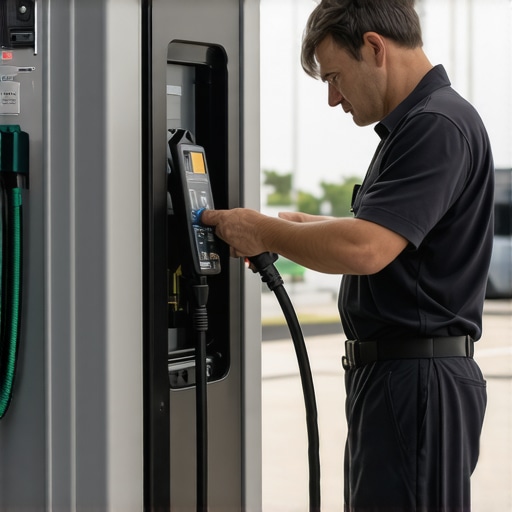

Affordable Electrical: Troubleshooting EV Chargers and Ensuring Code Compliance
Last year, I found myself in a frustrating situation that many EV owners dread—my charger refused to work just when I needed it most. After hours of troubleshooting and a few sleepless nights, I realized that my approach to code compliance and reliable electrical setup was all over the place. That lightbulb moment sparked a journey to understand not only how to get my charger up and running but also how to do it safely and legally.
Dealing with the Unexpected: My Wake-up Call
Picture this: it’s a chilly morning, and I’m eager to start my day with a full battery. Suddenly, nothing happens when I plug in my EV. The charger pulses, then nothing. My initial reaction was to panic. I started pondering what could be wrong—maybe a faulty unit, a loose connection, or something more serious like code violations. Turns out, overlooking proper panel upgrades or neglecting to verify local electrical codes can turn a simple charge into a hazardous ordeal.
Getting my setup right wasn’t just about fixing this one issue. It became clear that understanding and ensuring code compliance is essential to prevent emergencies and costly repairs down the line. If you’re experiencing similar struggles, know you’re not alone, and there are proven steps to troubleshoot effectively while keeping safety at the forefront.
Is DIY Troubleshooting Risky or Enough? The Myths and Facts
Early in my journey, I made the mistake of assuming I could handle everything on my own, only to realize that improper fixes could cause more damage. I was guilty of skipping the step to verify if my electrical panel suited my EV charger—an essential move that can be overlooked in the excitement of DIY. The good news? With proper guidance, like the tips found here, most issues can be resolved safely.
In the world of EV charging, safety and regulatory compliance can’t be ignored. Make sure you understand the importance of professional-grade solutions by checking out panel upgrades to accommodate higher power loads and meet code standards. Being informed helps you avoid preventable hazards and ensures your charging station is both reliable and lawful.
Are you facing persistent charging problems or worried about code compliance? Stay tuned—as I walk you through practical troubleshooting steps and tips to make your EV charging setup both safe and efficient.
Upgrade Your Electrical Panel for Reliable Power
If your current panel can’t handle the increased load of your EV charger, it’s crucial to upgrade before installation. Think of your panel as the heart of your electrical system—a weak heart can cause the entire body to fail. I once attempted a DIY upgrade using online tutorials, but I overlooked the importance of capacity and code standards. The result was a tripped breaker and an emergency call to a certified electrician. To avoid such mishaps, consult a professional about panel upgrades tailored for EV charging needs. They will assess your load capacity, safety requirements, and ensure compliance with local codes.
Verify and Ensure Code Compliance
Code compliance isn’t just legal jargon; it’s about safety. Imagine your wiring as the plumbing system—if it’s not up to standard, leaks and failures are inevitable. I learned this through a frustrating experience where my charger kept disconnecting. After reviewing code verification steps, I discovered my wiring didn’t meet the amperage requirements. Following the detailed guidelines, I had a certified electrician rewire the system according to local codes. This step guarantees protection against overloads, fires, and equipment damage. Always verify using local regulations and ensure the work is inspected and approved.
Troubleshoot Common Charging Issues Effectively
Identifying the root cause of charging problems requires a systematic approach. First, check the physical connections—loose cables are often the culprit. Next, examine your electrical panel for tripped breakers or faulty outlets. I once faced a stubborn charger that refused to start; after reviewing expert troubleshooting tips, I tested the circuit with a multimeter and discovered a faulty breaker. Replacing the breaker restored functionality immediately. Remember, persistent issues may stem from wiring problems or incompatible hardware, which may require professional diagnosis.
Assess and Improve Wiring for Safety and Performance
Proper wiring is crucial for safety and optimal performance. Think of wiring as the bloodstream—if it’s clogged or damaged, the entire system suffers. I once attempted to install my charger with existing wiring, neglecting to verify its capacity. It tripped frequently, causing frustration. Using guidelines on wiring upgrades, I upgraded the wiring to handle higher currents, ensuring both safety and faster charging. Adequate wiring reduces overheating risks and ensures your charger operates effectively over time.
Confirm Power Stability and Charging Consistency
Stable power supply is key to reliable charging. Fluctuations or dips can cause your charger to disconnect or malfunction. I experienced this firsthand with power surges during storms. To mitigate this, I installed a surge protector and checked my home’s power stability, referencing power troubleshooting techniques. These measures resulted in consistent charging and peace of mind. Use a dedicated circuit for your charger to minimize interference and prevent overloads.
Many homeowners and DIY enthusiasts believe that following simple guidelines ensures code compliance and safety when installing EV chargers, but the reality is far more complex. A prevalent misconception is that a basic circuit check suffices for safe installation. In truth, nuanced understanding of local electrical codes, panel capacity, and proper wiring practices is essential to avoid costly mistakes and safety hazards. For instance, some assume that upgrading their electrical panel is unnecessary if their current one isn’t visibly overloaded, but inadequate panel capacity can quietly cause intermittent issues or fire risks if not properly assessed—see panel upgrade considerations. Many also overlook the importance of verifying that existing wiring and circuit breakers meet the specific amperage requirements for high-capacity EV chargers, increasing risks of overload and equipment failure—another trap that can be avoided by consulting professional troubleshooting guides. A critical advanced point is that code compliance isn’t static; it evolves with newer standards prioritizing safety and efficiency. Ignoring updates or local amendments may lead to violations or safety loopholes. Notably, some believe that simply installing a charger and connecting it to the existing supply is sufficient, but without comprehensive inspection and adherence to ongoing code revisions, you might unknowingly expose yourself to hazards. To truly master safe and compliant EV charging setups, understanding the intricate relationship between panel capacity, wiring integrity, and local regulations is key. Always verify installation details through authoritative sources and professional consultations. Want to dig even deeper into avoiding pitfalls? Check out this comprehensive guide. Have you ever fallen into this trap? Let me know in the comments.Maintaining a robust EV charging setup requires more than just initial installation; it involves ongoing care with the right tools and practices. I personally recommend a digital multimeter, such as the Fluke 117, for its precision and durability, allowing me to verify wiring integrity and detect potential issues early. Additionally, a thermal imaging camera, like the FLIR infrared camera, helps identify hidden hotspots in wiring or connections before they become safety hazards, saving time and money in the long run. Regular visual inspections of cables, connectors, and the electrical panel can catch signs of wear or corrosion early, preventing unexpected failures. To log and monitor your system’s performance, I use dedicated software like the EV Charge Station Monitor app, which tracks power fluctuations and alerts me to irregularities, ensuring consistent operation. Looking ahead, I predict that integrating IoT-enabled diagnostic tools will become standard, providing proactive maintenance insights and reducing downtime.
How do I keep my EV charging system working seamlessly over the years?
Consistent maintenance, combined with the right diagnostic tools, extends the lifespan of your setup and ensures safety. For instance, understanding how to perform a basic wiring check with a multimeter can help you detect issues before they escalate. I’ve found that scheduling quarterly inspections—checking connections, testing circuit voltages, and updating firmware—significantly reduces the risk of failures. When troubleshooting persistent problems, referencing expert resources like the comprehensive guide on troubleshooting EV chargers can be invaluable.
To future-proof your system, consider installing a dedicated measurement point with a multimeter and a portable power logger to track voltage stability over time. Such proactive measures not only keep your charging reliable but also safeguard your electrical investments. For deeper insights, exploring professional panel upgrades can provide the capacity and compliance needed to support evolving EV charging demands—details available here. Don’t wait for issues to crop up; take the initiative now by investing in precise diagnostic tools and establishing a regular maintenance routine.
Uncovering Hidden Pitfalls That Can Trip You Up
One of the most eye-opening lessons I learned is that initial installations and quick fixes often overlook the nuanced requirements of local electrical codes. A small omission—like an inadequate panel capacity or skipping a proper wiring assessment—can lead to ongoing issues or serious safety risks. It’s tempting to take shortcuts, but understanding that code compliance isn’t just a bureaucratic hurdle; it’s about protecting your home and loved ones. My breakthrough came when I realized the importance of thorough inspections and consulting professionals, which saved me from future headaches and potential hazards.
Tools That Keep My System in Check
Having a reliable set of diagnostic tools is a game changer. I rely heavily on a quality multimeter, like the Fluke 117, which offers precise readings to verify wiring integrity and detect hidden faults. Additionally, a thermal imaging camera helps spot hotspots that could be precursors to wiring failures, enhancing safety. Monitoring software, such as the EV Charge Station Monitor app, allows me to track power fluctuations and maintain optimal performance. These tools empower me to catch issues early, ensuring my EV charger remains safe and reliable over the years.
Making Safety a Daily Habit
Regular checks and ongoing maintenance are vital. I schedule quarterly inspections—tightening connections, testing circuits, and updating firmware—to keep everything running smoothly. Simple practices like visual inspections of cables and connections can prevent unexpected outages. Investing in professional panel upgrades and verifying code compliance, especially after changing or adding equipment, keeps my setup aligned with current standards and safety regulations. This proactive approach isn’t just peace of mind; it’s peace of safety, ensuring my EV charging system is both efficient and secure.
Reading through this article really hits home about the importance of proper electrical setup when installing an EV charger. I’ve personally learned the hard way that ignoring local code requirements can lead to costly and dangerous issues down the line. One thing I’d add from my experience is the value of periodic professional inspections, especially as your system ages or if you make upgrades. Regular checks can help catch subtle wiring wear or panel capacity limitations before they become hazards. I’m curious, has anyone found effective ways to get rated electrical inspections without overly complicating the process or breaking the bank? It seems like having a trusted electrician conduct a thorough review should be part of long-term maintenance, but I’d love to hear how others approach this without feeling like it’s an ongoing expense.