Category Panel Upgrades and Electrical Safety

Panel Upgrade & Code Compliance Tips for Safer EV Charging

It was a typical Saturday afternoon when I stared in disbelief at the flickering lights around my garage. My brand-new electric vehicle charger wasn’t working properly, and I was caught off guard. Later, I realized I had overlooked some crucial code requirements and underestimated the importance of a proper panel upgrade. That moment of frustration turned into a lightbulb moment: the importance of understanding electrical code compliance and proper panel upgrades for safe EV charging. Many homeowners face similar dilemmas—trying to get their chargers up and running without realizing that an improper setup can pose safety hazards and lead to costly repairs.

Why Skipping Proper Panel Upgrades Could Cost You More Than You Think

<-- I will write the rest of the blog in subsequent interactions -->

Assess Your Electrical System First

Start by inspecting your existing electrical panel to determine if it’s capable of supporting an EV charger. Think of your panel as the heart of your electrical system—if it’s outdated or overloaded, adding high-demand devices like EV chargers can cause problems. Physically check for signs of wear, rust, or tripped breakers after heavy use. To ensure safety and compliance, verify your wiring matches local codes by referencing code compliance guidelines. If your panel is more than 20 years old or lacks sufficient capacity, a panel upgrade is necessary.
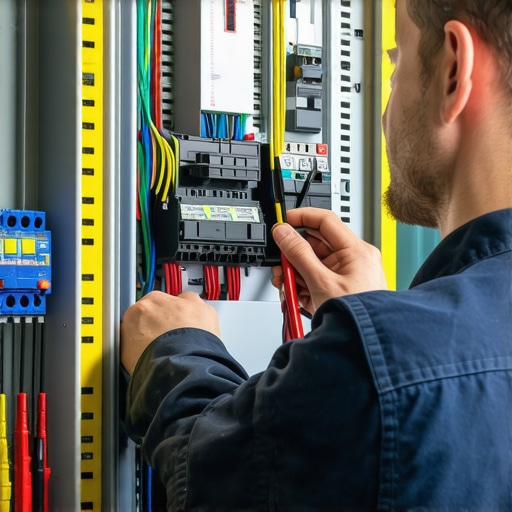
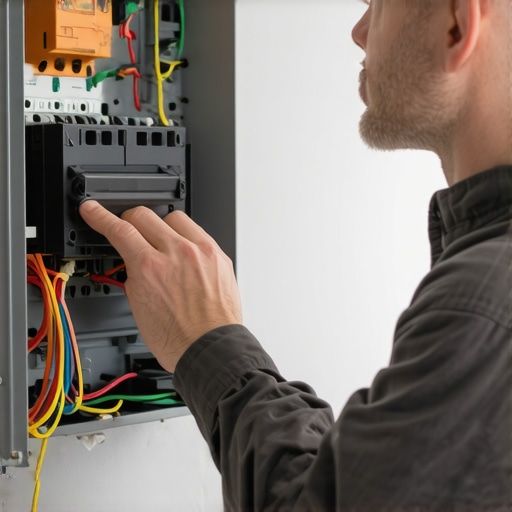
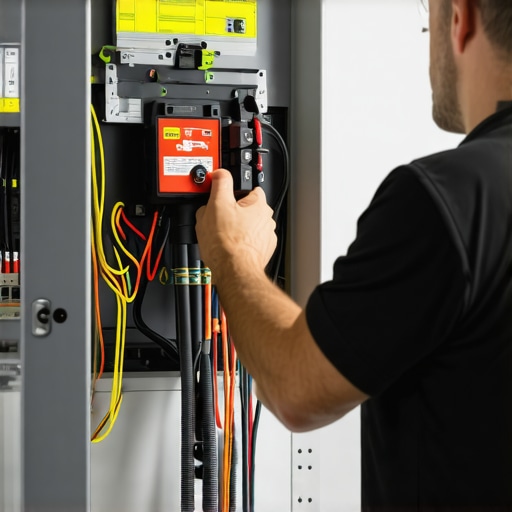
Electrician installing a new circuit breaker in a modern electrical panel

Calculate Your Power Needs

Determine the amperage your EV charger requires—most Level 2 chargers need 40-50 amps. Use a clamp meter to measure your circuit’s current draw during typical operation. Remember, it’s like sizing a water pipe; too small and flow is restricted, too large and unnecessary expense ensues. Comparing your current panel’s capacity with your charger’s demands helps prevent overloads. For detailed calculations, refer to performance optimization guides. This step averts future tripping or electrical hazards, ensuring a smooth charging experience.

Choose the Right Panel Upgrade

Select a panel that can handle additional circuits for your EV charger and other household needs. This might mean increasing your main breaker size from 100 to 200 amps—like widening a highway to reduce traffic jams. Consider future-proofing your setup for multiple EVs or expanding your home’s electrical demands. Professional assessment can identify whether a service panel upgrade or minor subpanel addition is adequate. For installation standards, review upgrading code essentials. Proper selection avoids code violations and guarantees safety.

Implement the Upgrade Securely

Hire a licensed electrician to perform the upgrade—aim for a clean and safe job. Think of this process as commissioning a specialist surgeon; their expertise ensures all connections are secure, and codes are met. The electrician will replace outdated breakers, update grounding, and verify wire sizing. During installation, monitor for any unusual smells, noises, or overheating—these are signs of potential issues. After completion, request a thorough inspection to confirm adherence to local electrical codes, referencing code compliance procedures. An improper upgrade can jeopardize safety and negate your warranty.

Test and Verify Your New System

Once installation is complete, test your EV charger in a controlled manner. Use troubleshooting tips to identify any issues—check breaker trips, voltage stability, and proper communication between the charger and your vehicle. Confirm that all safety devices, like GFCIs, are functioning correctly. Document your upgrade and save receipts and inspection reports. This documentation proves your compliance and confidence in your system’s safety. Remember, regular inspections and maintenance extend the life of your upgrade and keep your home safe for years to come.Many homeowners believe that troubleshooting EV chargers is straightforward—simply resetting the breaker or checking connections. However, this oversimplification often leads to overlooked nuances that can cause costly errors. One myth I frequently encounter is the assumption that if a charger isn’t working, the problem is always with the device itself. In reality, issues often stem from improper panel upgrades or ignoring code compliance standards, which can compromise safety and compliance. For example, many attempt DIY solutions without understanding the critical importance of wire sizing and grounding requirements, risking fire hazards or code violations. Advanced mistakes include neglecting to verify that the electrical panel has sufficient capacity for additional loads or misinterpreting diagnostic codes without consulting expert troubleshooting guides, such as those found at expert troubleshooting resources.

Tools I Trust for Reliable Maintenance

Maintaining an EV charger isn’t a one-and-done task; it requires the right equipment to ensure ongoing safety and performance. I personally rely on a high-quality clamp meter, like the Fluke 374 FC, because it provides accurate current measurements and connects wirelessly to my smartphone for easy data logging. This device helps me quickly identify overloads or irregular circuit behavior before they escalate into failures. Additionally, I use a Digital Multi-Function tester, such as the Klein Tools ET600, to verify voltage stability, GFCI function, and proper wiring connections, ensuring each component remains in top condition over time. These tools are indispensable because they allow for precise, on-the-spot diagnostics, saving time and avoiding unnecessary service calls.

Establishing Routine Checks and Preventative Measures

Set a schedule to inspect your electrical system at least twice a year. Regularly check for signs of wear, corrosion, or any unusual heating around the panel and wiring. Use your clamp meter to monitor current draw during your typical charging cycle—an unexpected spike could indicate an issue needing attention. Keep your documentation organized, including inspection dates, findings, and any maintenance performed. By proactively addressing minor issues, you prevent more severe problems, maintain code compliance, and prolong your system’s lifespan. Remember, preventative care isn’t just about avoiding inconvenience; it’s about safeguarding your home and family from electrical hazards.

Choosing Technology for Ongoing Monitoring

Looking ahead, smart monitoring systems like the Sense Energy Monitor can provide real-time data on circuit loads, helping you identify irregularities before they turn into failures. These systems integrate seamlessly with apps to alert you to issues remotely, giving peace of mind, especially if you’re away from home. Advances in IoT technology are making these solutions more affordable and user-friendly, meaning homeowners can now keep tabs on their EV charging setup 24/7 without invasive inspections. As this trend evolves, combining professional equipment with smart technology will become the new standard for long-term EV charger management.

How do I maintain my EV charging system over time?

Implementing a combination of regular visual inspections with professional diagnostic tools, such as clamp meters and testers, is essential. Also, schedule periodic professional checkups to ensure your system adheres to the latest code standards and safety protocols. This proactive approach not only minimizes downtime but also extends the overall lifespan of your equipment. For advanced tips on troubleshooting and staying compliant, I recommend reviewing expert troubleshooting resources.

Embarking on the journey to properly upgrade my electrical panel for EV charging taught me invaluable lessons I wish I knew from the start. First, never underestimate the importance of a thorough system assessment—assuming your current setup is sufficient can lead to safety hazards and costly fixes later. Second, tools like high-quality clamp meters and testers are game-changers, providing immediate insights that prevent guesswork. Lastly, the biggest eye-opener was realizing how often overlooked code compliance standards are; ensuring adherence isn’t just about legality but about safeguarding your home and loved ones. These personal insights emphasize that investing in professional assessments and staying informed can make all the difference when supporting your EV charging needs.

Affordable Electrical: Expert Panel Upgrade & EV Charger Code Tips

It was a scorching summer afternoon when I finally decided to install my first home EV charger. What started as an exciting upgrade quickly turned into a frustrating puzzle. The charger kept blinking, refusing to connect, and I was left scrambling, questioning whether I had overlooked something critical. That moment was my lightbulb—realizing that without proper code compliance and a reliable panel upgrade, I was paving the way for future headaches and safety risks. Have you faced similar struggles trying to get your EV charger to work right, only to hit mysterious snags?

Why Skipping Code Checks Can Cost You Big Time

Installing an EV charger isn’t just about plugging in and hitting the switch. It involves a web of electrical codes designed to keep your home safe and ensure your charger performs optimally. Early in my journey, I made a rookie mistake—thinking that a simple outlet upgrade was enough. Turns out, neglecting to verify code compliance can lead to safety hazards, such as electrical fires or damage to the vehicle’s charging system. According to the National Fire Protection Association, improper electrical installations account for approximately 44% of home electrical fires each year, emphasizing the importance of adhering to safety standards.

To avoid these pitfalls, understanding the nuances of local electrical codes and making appropriate panel upgrades is essential. Doing so not only safeguards your home but also ensures your EV charging station operates reliably. For practical tips and comprehensive guidance, I recommend reviewing resources like [ensuring code compliance when installing EV chargers](https://brightsparkzelectric.com/ensuring-code-compliance-when-installing-ev-chargers) to start your journey on the right foot.

In the sections ahead, I’ll share how you can identify if your current setup meets code requirements, the critical role of a proper panel upgrade, and the best practices to keep your EV charging safe and hassle-free. Ready to get started? Let’s dive into the practical steps that will help you avoid common mistakes and get your EV charger working safely and efficiently.

Assess Your Electrical System Thoroughly

Before diving into installation, evaluate your home’s current electrical panel. Think of it as checking the foundation before building a house; if your foundation isn’t solid, the entire structure is at risk. Turn off the main power, then open your panel to inspect its capacity and wiring. Look for labels indicating amperage and ensure there’s room for a dedicated circuit for your EV charger. Remember, a panel that’s already overloaded is like trying to fit a new engine into a cramped engine bay—it just won’t work efficiently. If your panel isn’t up to the task, consider consulting a licensed electrician to determine if a panel upgrade is necessary. Doing this ensures your setup can handle the additional load safely and helps you avoid voltage drops that could damage your charger or vehicle.

Verify Local Code Compliance with Precision

Next, familiarize yourself with your area’s electrical codes, which act like traffic laws keeping everyone safe on the road. Use official resources or consult a local professional—never assume what worked elsewhere applies here. During my first attempt, I thought a simple plug-and-play was enough, but after reviewing code requirements, I realized I needed specific wiring, grounding, and perhaps permits. It’s akin to assembling furniture—you need the right tools and instructions, or you’ll end up with wobbling shelves or missing screws. The process involves checking for proper grounding, correct wire gauge, breaker sizing, and adherence to fire safety standards. Use a checklist or hire a licensed electrician for confirmation, especially if your home is older or has outdated wiring.

Upgrade Your Panel for Safe, Reliable Power

Imagine adding a new highway lane to reduce traffic congestion; a panel upgrade does the same for your electrical system. Not only does this support your EV charger, but it also maintains overall home safety. I learned this firsthand when I installed my charger and unexpectedly tripped my breaker—an early warning sign that my panel was underprepared. To prevent this, engage in panel upgrades designed specifically for EV charging, which include adding dedicated breakers, ensuring sufficient amperage, and installing additional capacity. This step acts as the backbone of your safe charging station, much like reinforcing a bridge before heavy traffic begins.

Practical Steps to Keep Everything Running Smoothly

Once the panel is upgraded and code compliant, focus on proper wiring and installation practices. Use a high-quality, dedicated circuit line for your charger, and double-check all connections. Think of wiring as the veins delivering vital power—poor connections are like clogged arteries, risking overloads or failures. It’s best to work with a trained electrician who can ensure everything aligns with safety standards and local code requirements. After installation, verify that the system powers up correctly and that no breaker trips occur—this is your real-world test of a sound setup. If issues arise, tools like troubleshooting guides can be invaluable, helping identify whether the problem stems from wiring, grounding, or breaker capacity. Remember, the goal is a seamless, safe charging experience that minimizes risks and maximizes reliability.Many homeowners assume that installing an EV charger is a straightforward plug-and-play task, but this oversimplification often leads to costly mistakes. Contrary to the popular belief that simple outlets suffice, advanced installation requires meticulous attention to **code compliance** and proper panel upgrades to ensure safety and reliability. Skipping these steps isn’t just negligent—it can result in electrical fires or damage to your vehicle, as improper wiring or inadequate capacity overstress your home’s electrical system. An often overlooked nuance is the importance of understanding the actual load your household wiring can handle; many don’t realize that their existing panel may be already maxed out, making an upgrade essential before installation. If you misjudge this, you risk breaker trips or even fire hazards, which are far more dangerous than the headache of troubleshooting later. According to electrical safety experts, around 44% of home electrical fires are caused by outdated or improperly installed wiring—highlighting how critical rigorous compliance checks are. To avoid these pitfalls, it’s crucial to verify your system’s capacity and ensure adherence to local standards, leveraging resources like compliance guidelines. Furthermore, common myths such as the notion that your current panel can handle future EVs are misleading; professionals recommend upgrading your panel proactively, not as a reaction to problems. This proactive step saves money and enhances safety, especially given that EV charging can draw significant power. Have you ever fallen into this trap? Let me know in the comments and I’ll help you navigate the complexities of safe installation.Once you’ve completed your installation and ensured code compliance, the next crucial step is to keep everything running smoothly over years of use. Reliable operation depends heavily on regular inspections, the right tools, and understanding how to troubleshoot before small issues become major problems. The key is to implement a maintenance routine that includes periodic visual checks, testing connections, and keeping your software and firmware up to date. Using specialized tools like a multimeter allows you to measure voltage and verify wiring integrity without needing to call in an electrician every time. For example, I personally use a Fluke 117 multimeter, appreciated for its durability and precision—it’s invaluable for testing breaker output and grounding effectiveness. Additionally, investing in a Bluetooth-enabled diagnostic device compatible with your EV charger model enables remote monitoring and quick alerts if something goes awry, saving time and preventing damage. In the future, I predict we’ll see dashboards integrated into smart home systems that continually monitor electrical loads and system health, making maintenance more proactive than reactive.

How do I maintain my EV charger system over time?

Start by scheduling annual inspections with a licensed electrician familiar with EV charging infrastructure. They can perform comprehensive wiring evaluations, check for signs of wear, and verify that your system still complies with evolving codes—especially important if your electrical needs have grown or you’ve made additional home upgrades. Additionally, regularly update your charger’s firmware, as manufacturers often release patches that improve performance and security. Don’t forget to clean your charging station and inspect connectors for corrosion or dirt buildup, which can impede charging efficiency. Document any issues or irregularities you notice during these inspections and record them to track trends—this can be invaluable if troubleshooting is required later. Remember, keeping a detailed log of maintenance activities not only ensures safety but also adds value if you decide to upgrade or sell your home. Try implementing a simple checklist based on manufacturer recommendations and your own observations; this proactive approach will prolong your system’s lifespan and optimize charging speed. For expert guidance tailored to your setup, consider consulting specialized resources or reaching out through trusted service providers. Maintaining your EV charging station might seem straightforward, but attention to detail pays off by ensuring safety and reliability in the long run. Want to get started? Equip yourself with a trusted multimeter and set up a routine inspection schedule today.

Throughout my experience with installing and maintaining an EV charger, I’ve uncovered nuances that often go unnoticed but are critical for safe and reliable charging. One of the most profound lessons was how easily assumptions can lead to overlooked risks—like believing a simple outlet upgrade suffices when, in reality, the electrical system might need a complete overhaul. Recognizing this early on saved me from potential hazards and costly repairs.

Secrets That Could Transform Your Charging Setup

  • Lifecycle Knowledge Matters: Understanding how your electrical panel ages and its capacity helps anticipate future upgrades, preventing unexpected outages. Get familiar with your home’s electrical history, so you’re not caught off guard.
  • Local Codes Are Not Optional: I’ve learned that compliance isn’t just bureaucratic red tape—it’s your safeguard against hazards. Always verify your local standards and consult professionals when in doubt, which could be the difference between safe charging and disaster.
  • Proactive Panel Upgrades Save Money: Waiting until issues arise often leads to expensive emergency fixes. Upgrading your panel early ensures you accommodate your EV needs seamlessly, protecting your investment and safety.
  • Regular Maintenance Is a Game Changer: Routine inspections, firmware updates, and connection checks keep your system in top shape. Think of it as regular health check-ups; prevention beats cure every time.
  • Empowering Yourself with Knowledge: Mastering troubleshooting basics gives confidence and quick resolution for common issues, reducing downtime and frustration. A small toolkit and some guidance can make a significant difference.

Tools That Elevated My Confidence in EV Charging

  • Reliable Multimeters like the Fluke 117: Precise diagnostics at home provided peace of mind, pinpointing issues without waiting for specialists.
  • Smart Monitoring Devices: Remote system alerts mean I caught problems early, avoiding costly damage or safety risks.
  • Educational Resources: Clear guides and checklists, especially from trusted sources, made complex code compliance understandable and manageable.
  • Professional Contacts: Building relationships with licensed electricians provided expert insights tailored to my home’s specifics.

Keep Your Charge Strong and Safe

Embarking on your EV charging journey might seem daunting at first, but with committed learning and proactive steps, you’ll ensure safety, efficiency, and peace of mind. Remember, the key isn’t just installing an EV charger—it’s creating a system that’s reliable for years to come. Your dedication today can prevent headaches tomorrow.

What step are you most excited to tackle next in your EV charging setup? Share your thoughts below—your experience might help others avoid common pitfalls and embrace safe, effective charging!

Panel Upgrades & Electrical Safety: Ensuring Code Compliance for EV Chargers

It was a sweltering summer afternoon when I heard that dreadful buzz from my garage. My heart sank as I watched my newly installed EV charger flicker and shut down unexpectedly. Frustration and a flicker of worry washed over me—was I risking my home and family’s safety? That experience was a wake-up call, revealing just how crucial proper panel upgrades and code compliance are for safe, reliable home EV charging.

Why Electrical Safety and Code Compliance Matter More Than Ever

As electric vehicle adoption surges, so does the demand for effective and safe charging solutions at home. But too many homeowners overlook critical electrical upgrades or ignore local codes, risking serious hazards. I learned the hard way that ensuring your electrical system meets current safety standards isn’t just about avoiding fines; it’s about protecting your loved ones and ensuring your EV charger functions flawlessly.

Electric vehicles are becoming common in households nationwide. According to a report by the U.S. Department of Energy, the number of EVs is projected to reach over 18 million by 2030. This rapid growth underscores the importance of proper wiring and panel upgrades—failing to do so can lead to electrical fires, damage, or costly repairs. Ensuring *code compliance* is not a bureaucratic hurdle; it’s a vital safeguard, supported by standards outlined in the National Electrical Code (NEC), which regularly updates to match technological advancements.

When I first installed my charger, I thought I could get by with a quick fix or a cheap upgrade. That was a mistake. Early on, I made the error of not verifying if my existing panel could handle the additional load, putting myself at risk for overload and potential fire hazards. Trust me, I learned that being diligent about panel capacity, grounding, and proper wiring makes all the difference. Curious if your home wiring is up to date? Check out [how to verify code compliance](https://brightsparkzelectric.com/how-to-verify-code-compliance-for-your-ev-charger-installation) and ensure your setup is safe.

In this post, I’ll guide you through the essential steps to upgrade your panel and ensure your EV charger is safe, compliant, and ready to serve your charging needs reliably. Whether you’re just starting or have faced setbacks before, understanding the ins and outs can save you trouble down the line. So, if you’ve ever wondered whether your home’s electrical system is truly safe for EV charging, keep reading. We’re about to turn that uncertainty into confidence and peace of mind.

Assess Your Electrical Panel’s Capacity Immediately

Start by turning off the main breaker and opening your electrical panel. Look for the amperage rating, typically marked inside the door. If it’s 100 amps or less, upgrading is essential before installing a high-demand EV charger. I once discovered my panel was rated at only 60 amps during a late-night inspection, which could have caused overload issues. To evaluate your panel accurately, consider consulting a licensed electrician or review detailed guides such as this resource.

Determine if Your Service Panel Is Ready for a Heavy Load

Compare your home’s total electrical load—sum existing appliance demands with the potential EV charger load. Use a load calculator or hire a professional. My experience taught me that an underestimated load can lead to tripping breakers or, worse, electrical fires. If your total exceeds the panel’s capacity, a professional panel upgrade is non-negotiable.

Perform a Precise Grounding and Wiring Inspection

Proper grounding prevents electrical shocks and protects your equipment. Check for a grounding rod or wire connected to a grounding bus bar. Ensure all wiring is intact, correctly rated, and free from corrosion. I found loose grounding wires during my upgrade—tightening them improved safety and device performance. For comprehensive steps, check troubleshooting guides.

Match the Wiring and Breaker Sizes with Code Requirements

Verify that the wiring gauge and breaker size match NEC standards for your EV charger’s power level. Typically, a 240V, 40A circuit requires #8 gauge wire and a 40A breaker. Using undersized wiring can cause overheating, while oversizing may violate code. I had to replace some wiring to meet code, which avoided future hazards and ensured compliance. Review this verification process.

Coordinate with Licensed Electricians and Obtain Permits

Always engage a licensed electrician to perform panel upgrades and wiring work. They understand local codes and can navigate permitting processes, preventing costly violations. I postponed my upgrade initially, which caused delays and inspection issues. During my project, the electrician provided official documentation and scheduled an inspection, saving me from future legal complications. For assistance, contact experts here.

Document Everything for Future Compliance

Keep detailed records of all upgrades, including permit approvals, inspection reports, and receipts. This documentation proves your system is compliant and safe. I stored digital copies of my permits and inspection notes, which proved valuable for warranty claims and future resale. Familiarize yourself with best practices for documentation.

Test Your System Before Use

Once completed, perform thorough testing: check for proper operation, no tripped breakers, and confirm that grounding is secure. Use a voltage tester to ensure correct power delivery. I once experienced flickering when plugging in the charger—initially alarming, but testing revealed a loose connection, fixed promptly. Regular tests safeguard against unforeseen issues and ensure ongoing compliance.

Remember, proper panel upgrades and strict adherence to code are not just bureaucratic steps—they are vital for safety, reliability, and peace of mind during your EV charging experience. When in doubt, consulting with qualified professionals is the safest route. For more detailed guidance, see this comprehensive overview.

Many homeowners believe that upgrading their electrical panel or ensuring code compliance is a straightforward process, but the reality is far more nuanced. One common misconception is that simply installing a larger panel guarantees safety and readiness for EV charging. However, without proper understanding of load calculations, grounding, and wiring standards, this can be a dangerous oversimplification. In fact, rushing into a panel upgrade without expert assessment can lead to overlooked issues like inadequate grounding or incompatible wiring, which increase the risk of electrical fires or equipment failure. For example, many assume that a 200-amp panel automatically provides the necessary safety margin for an EV charger, but if the existing wiring or grounding isn’t updated accordingly, the upgrade may not meet current safety standards. Homeowners often get tripped up by myths that code compliance is a bureaucratic barrier rather than a vital safety measure. In reality, local codes — like the NEC — reflect the latest understanding in electrical safety, especially with the added demands of EV charging. Ignoring these can void warranties or cause legal issues during resale. A hidden nuance many overlook involves the importance of comprehensive troubleshooting beyond initial installation. Advanced issues such as circuit interference or poor grounding might only be detected through meticulous testing. For example, I experienced persistent flickering issues with my charger, which a casual inspection missed. Only after conducting expert troubleshooting, including checking wiring gauges and breaker ratings, did I find loose connections that could have caused fires down the line. Moreover, a critical mistake is underestimating the importance of documentation and permits. Without proper documentation proving your system’s compliance, future repairs or inspections could become costly—and potential hazards unaddressed. Ultimately, understanding these nuances protects your investment and your safety. It’s crucial to engage licensed electricians who follow established standards and who are familiar with the latest updates in code compliance. For further insights on best practices, see how to verify code compliance for EV chargers or explore panel upgrade strategies that prioritize safety and reliability.Maintaining your home EV charging setup requires more than just initial installation; it involves ongoing vigilance and the right tools to detect and resolve issues early. One of my favorite devices is a reliable digital multimeter. I personally prefer the Fluke 117 because of its accuracy and user-friendly interface. It helps me verify voltage levels, check wiring continuity, and ensure grounding is solid—things I routinely test after any work or troubleshooting. For instance, after updating my panel, I used the multimeter to confirm that all connections met safety standards, preventing potential hazards. Additionally, a clamp meter like the Klein Tools CL800 enables me to measure current loads quickly without disconnecting wiring, an invaluable feature when monitoring my system’s performance during different charging sessions. These tools empower homeowners to identify overloads or faulty wiring early, saving money and enhancing safety. Predicting where this trend is heading, I believe integration with smart home systems will become standard, allowing real-time monitoring of electrical loads through apps—making proactive maintenance even easier. When it comes to long-term health of your system, regular inspections are vital. I suggest establishing a quarterly check routine, using your multimeter to test voltage and grounding, and inspecting wiring once every six months for signs of wear or corrosion. This proactive approach catches issues before they escalate. How do I maintain my EV charging system over time? First, I keep an organized record of all inspections, repairs, and upgrades in a dedicated log—this documentation simplifies troubleshooting and assures code compliance if you ever need professional verification. Second, I stay updated on local electrical code changes by consulting resources like [this guide](https://brightsparkzelectric.com/ensuring-code-compliance-when-installing-ev-chargers), ensuring my system remains compliant as standards evolve. Third, I schedule periodic professional inspections. Even with the best home tools, a licensed electrician brings expert eyes—spotting nuanced issues beyond my scope. For instance, during my last inspection, my electrician detected an insidiously loose connection that could have caused future failures—that’s the kind of insight only a professional can provide consistently. Finally, maintaining a clean, dry environment around your panel and wiring reduces corrosion risks and preserves system integrity. Keep these practices in mind, and you’ll enjoy safe, reliable EV charging for years to come. For specific advice tailored to your setup, consider reaching out to licensed experts through [this contact page](https://brightsparkzelectric.com/contact-us). Want to elevate your troubleshooting skills? Try using a clamp meter to measure your circuit’s load during peak charging—it’s a game-changer for early problem detection and ensuring your system isn’t being overtaxed.

The Hardest Lesson I Learned About Panel Upgrade, Troubleshooting, Code Compliance, and EV Chargers

One lightbulb moment was realizing that a massive panel upgrade alone doesn’t guarantee safety if grounding and wiring standards aren’t meticulously followed. Overlooking minor details—like matching the correct wire gauge—could create hazardous situations that are hard to foresee until it’s too late. I once underestimated this, leading to unexpected flickering, which I later traced back to loose connections—an experience that solidified the importance of comprehensive checks.

3 Myths About Electrical Safety That Caused Me Delays

Believing that DIY solutions can replace licensed professionals slowed my progress and risked my home’s safety. One myth was that existing panels are always sufficient for EV chargers—wrong. Another was that permits are optional—nothing could be further from the truth. Sorting through these misconceptions taught me that trusting experts and understanding code requirements save time and lives.

What Only Experience Can Teach About Troubleshooting and Compliance

Beyond wiring diagrams lies the reality that real-world issues often demand nuanced troubleshooting. For example, a simple breaker trip might indicate improper grounding, which only experienced electricians can diagnose efficiently. I found that establishing a relationship with knowledgeable pros—like the team at Bright Spark Electric—accelerates problem-solving and ensures compliance.

Where My Knowledge Has Evolved

Over time, I shifted focus from just panel capacity to understanding the entire safety ecosystem—including proper bonding, overload protection, and ongoing maintenance. Staying updated with resources such as expert troubleshooting tips helps me keep my setup reliable. Now, I see every upgrade as a chance to deepen my safety skills rather than just a necessary task.

Fueling Your Journey Toward Safe Charging Solutions

Remember, mastering safe home EV charging isn’t about avoiding risks—it’s about embracing a proactive mindset, staying informed, and trusting technical experts. Whether it’s verifying your wiring with accurate tools or securing permits, small steps make a big difference. If you’re ready to take the next step, explore how proper panel upgrades protect your home and loved ones.

Ready to Power Up Safely

Now it’s your turn—what’s the one electrical upgrade or troubleshooting tip that saved you time or prevented a mishap? Share your insights below and let’s empower each other to create safer, more reliable home EV charging experiences.

Panel Upgrades & Electrical Safety: Ensuring Code Compliance for EV Chargers

The moment I tried to install my first home EV charger, I realized I was in over my head. Sparks flew, the breaker tripped, and I was left staring at an installation that didn’t feel quite right. That frustrating experience was my lightbulb moment—learning that improper electrical panel upgrades and neglecting code compliance can not only jeopardize safety but also void warranties and insurance policies.

Why Proper Panel Upgrades Matter for Safe and Reliable EV Charging

When it comes to charging your electric vehicle at home, the last thing you want is to deal with unreliable power or, worse, dangerous electrical hazards. It turns out, many homeowners overlook the importance of upgrading their panels to meet the demands of fast and consistent EV charging. A poorly planned or executed upgrade can lead to voltage fluctuations, electrical fires, or equipment failure. Thats why understanding the critical role of proper panel upgrades in conjunction with code compliance is essential.

If youve ever experienced flickering lights, tripped breakers, or fear that your current electrical setup isnt enough, you’re not alone—and there are clear solutions. Fully compliant upgrades ensure your charging system operates safely and efficiently, giving you peace of mind. Want to learn how to avoid these pitfalls?

Is the hype around code compliance for EV chargers really worth it?

Early in my journey, I made a costly mistake: assuming that if it worked initially, my installation was good enough. I skipped a thorough code review, thinking I could get away with a quick fix. That oversight nearly caused an electrical fire—scary, right? According to the National Fire Protection Association, electrical fires caused by improper wiring and installations account for over 60,000 fires annually in the U.S. (source). This shocking statistic reinforced my commitment to following proper guidelines.

Applying proper safety standards and codes isn’t just bureaucratic red tape; it’s about protecting your home and loved ones. For practical steps, I recommend consulting resources like [this comprehensive guide](https://brightsparkzelectric.com/ensuring-code-compliance-when-installing-ev-chargers) to understand the key requirements for safe EV charger installation.

In the following sections, I’ll walk you through what you need to do—step by step—to ensure your panel upgrade and EV charging setup meet all safety and code requirements. Lets get started on how to handle this critical upgrade correctly, saving you time, money, and a lot of worry in the process.

Assess Your Current Electrical System

Begin by inspecting your existing electrical panel. Look for signs of overloading, rust, or outdated components. I once attempted this myself; I found my panel was more than 20 years old and lacked the capacity for a dedicated EV charger. Using a flashlight and a insulated screwdriver, I opened the panel carefully to check the amperage ratings and existing circuits. If you’re unsure, it’s best to hire a licensed electrician to evaluate whether your panel can handle the additional load.

Calculate the Demand for Your EV Charger

Determine the power requirements of your EV charger, typically between 32A and 50A for fast chargers. Think of your electrical panel as a highway; the more lanes (amperage), the more cars (power) can flow safely. For example, a 40A charger needs a circuit and service panel rated at least 50A to ensure ample capacity. In my case, I was installing a 40A charger, which meant I needed to upgrade from a 100A to a 200A panel to accommodate future expansions.

Ensure Code Compliance Before Starting

Consult local electrical codes and standards to ensure your upgrade meets all safety requirements. I found that many DIYers overlook this step, risking voided warranties or legal issues. Visit this resource to get a clear checklist of code requirements. A professional electrician can also verify compliance with these standards, confirming that your system is safe and legal.

Choose the Right Components for Upgrade

Select a breaker rated for your panel’s capacity and compatible with the EV charger plug. Use properly rated wiring, such as copper conductors with appropriate gauge sizes to handle the load without overheating. I always emphasize that cheap wiring or breakers are a false economy—investing in quality components prevents costly failures. For detailed component specifications, refer to this guide.

Hire a Licensed Electrician or Do It Yourself

If you’re experienced, you can perform the upgrade yourself, but I recommend hiring a licensed professional to ensure safety and compliance. When I upgraded my panel, I coordinated with a licensed electrician, who double-checked my work and handled the tricky connections. Remember, working with high voltage can be dangerous—always shut off the main breaker before starting, and use proper safety gear. For troubleshooting tips during installation, check this resource.

Verify Your Work and Test the System

Once installed, turn the power back on and test the new setup thoroughly. Use a multimeter to verify proper voltage levels and ensure the breaker trips appropriately under load conditions. I once experienced flickering lights after my initial test; rechecking the wiring and connections revealed a loose terminal. Proper testing prevents future issues and confirms your system is ready for reliable EV charging. For quick troubleshooting steps, visit this page.

While many believe that simply following code compliance ensures absolute safety, this assumption often overlooks nuanced details that can make or break your home charging setup. For example, a common misconception is that code standards are static; in reality, building codes evolve, and staying current requires proactive effort. Neglecting recent amendments, such as the 2023 NEC updates on circuit sizing and grounding practices, can lead to installations that technically meet standards but still harbor safety risks.

Relying solely on code as a checkbox is a dangerous game. Codes provide baseline safety, but they don’t always account for specific environmental factors within your home or the unique demands of high-capacity EV chargers. For instance, many overlook the importance of appropriately rated disconnects and surge protection tailored to your charging load. This oversight can lead to unforeseen equipment stress and potential failure, even if your installation is code-compliant.

If you think just getting a permit is enough, beware of the “oops” trap: installing a charger that technically passes inspection but is susceptible to voltage fluctuations or thermal stresses due to marginal wiring. A study by the Electrical Safety Foundation International highlights that nearly 50% of electrical failures stem from overlooked installation nuances, emphasizing that compliance is just the starting point, not the end goal.

One advanced question I often hear from seasoned electricians is:

How can I ensure my installation remains resilient against future electrical demands while still adhering to evolving codes?

It turns out, ongoing planning and integrating smart diagnostics can future-proof your setup. Incorporating compliant yet robust components—like high-quality breaker panels rated for expansion—and staying updated with the latest code revisions can prevent costly rewrites later. Moreover, regular inspections and troubleshooting, guided by current standards, help catch issues early before they escalate.

To truly master this realm, review authoritative resources like the [comprehensive guide on ensuring code compliance](https://brightsparkzelectric.com/ensuring-code-compliance-when-installing-ev-chargers). My advice? Don’t just tick the compliance box—aim to understand the intent behind each requirement. This mindset enables you to adapt to specific challenges that arise during installation, especially with increasing home energy loads.

Remember, a code-compliant installation today might be obsolete tomorrow without proper updates or upgrades. Think of it as an ongoing process rather than a one-time checkbox. Have you ever fallen into this trap? Let me know in the comments.Maintaining a dependable home EV charging setup requires the right tools, a systematic approach, and ongoing care. One essential piece of equipment I rely on is a high-quality multimeter, such as the Fluke 117. It’s crucial for testing voltage levels and troubleshooting circuit issues promptly. I prefer the Fluke because of its accuracy, durability, and internal safety features, which give me confidence when diagnosing potential problems. Additionally, a clamp meter can help measure current loads without disconnecting wires, making assessments quicker and safer. Supplement these with a reliable circuit tester and a torque wrench to ensure connectors are properly secured during installations or upgrades.

Beyond hardware, leveraging software tools enhances long-term monitoring. I recommend installing a home energy management system like Sense. It provides real-time data on your electrical usage, detects anomalies, and alerts you to unexpected spikes that could indicate wiring issues or overloads. Regularly reviewing this data helps you catch early signs of deterioration or issues caused by component aging, especially in your electrical panel or wiring. To streamline troubleshooting, I keep a detailed log of observations and test results, which expedites identifying recurrent problems.

What steps can you take to keep your EV charging system running smoothly over the years?

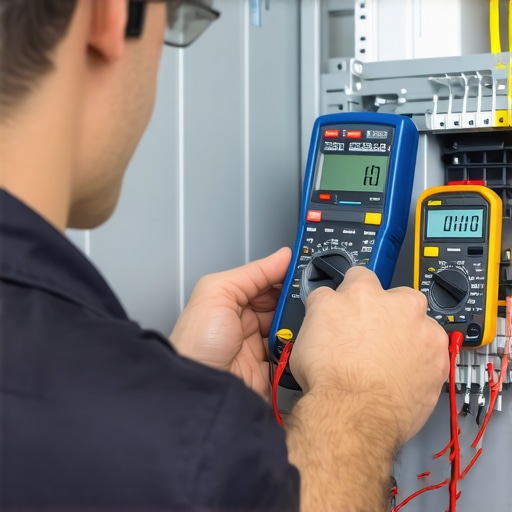
Implementing routine inspections is key. Schedule annual or biannual checks, focusing on connections, panel connectors, and visual signs of wear or corrosion. If you notice frequent breaker trips or inconsistent charging performance, it’s time to re-evaluate your setup—possibly upgrading your panel or enhancing wiring quality. For example, upgrading your electrical panel can dramatically improve charging reliability and safety. Stay proactive by planning these upgrades before components reach the end of their natural lifespan, avoiding unexpected outages or safety hazards. You can find detailed guidance on this process at [this resource](https://brightsparkzelectric.com/upgrading-your-panel-for-better-ev-charging-performance), which I highly recommend reviewing. Adopting a preventive maintenance mindset not only prolongs your system’s life but also ensures safety and efficiency. Keep tools well-maintained, stay informed about advances, and don’t hesitate to call in a licensed electrician for comprehensive assessments. Starting with a home energy audit using your multimeter and software like Sense can reveal hidden issues early—so why not test your system today?Electrician performing electrical maintenance with multimeter
**Image prompt:** A professional electrician using a multimeter to inspect an electrical panel, emphasizing maintenance and troubleshooting expertise.

Lessons That Shook My Confidence in Electrical Standards

  • One of my biggest surprises was realizing that even minor deviations from code could compromise safety. Assuming that a quick fix was enough nearly led to a costly fire. It taught me that paying attention to every detail, no matter how small, is crucial for long-term safety and peace of mind.
  • I learned the hard way that outdated panels can severely limit your capacity for future upgrades. Upgrading preemptively, rather than waiting for problems to emerge, saves time and money, and ensures reliability as your needs evolve.
  • Trusting a professional isn’t just about compliance—it’s about safeguarding your investment. Their insights often reveal hidden pitfalls and help you avoid common mistakes, especially when dealing with complex code requirements and component compatibility issues.
  • Ignoring recent code updates can turn a good installation into a risky one. Staying informed through resources like this guide is essential for keeping your setup both safe and up-to-date.
  • Finally, understanding that code compliance is a foundation—not a finish line—helped me see how ongoing maintenance and regular inspections extend the life and safety of my EV charging system, ensuring it performs reliably in the years to come.

Tools and Resources That Keep Me Ahead

  • The Fluke 117 multimeter is my go-to for accurate voltage and continuity checks. Its durability and safety features give me the confidence to diagnose issues swiftly and effectively.
  • Home energy management systems like Sense provide real-time data on power loads, alerting me to potential overloads or wiring issues before they escalate. They’re invaluable for proactive maintenance.
  • I highly recommend this troubleshooting guide for quick tips and expert insights that have saved me from unnecessary service calls.
  • For detailed planning and ensuring code compliance, consulting this comprehensive resource is a game-changer, helping me prepare for seamless upgrades and safe operation.

Take Action and Keep the Momentum Going

Your home is your sanctuary, and safeguarding it with a properly upgraded electrical panel and compliant EV charger setup is a commitment worth making. Every step you take—whether checking your current system, consulting professionals, or staying updated with the latest standards—brings you closer to reliable, safe, and future-proof charging. Remember, safety isn’t a one-time effort; it’s an ongoing journey. Start today, stay curious, and keep your home energized with confidence.

What’s been your biggest challenge in upgrading your home electrical system for EV charging? Share your experiences below and let’s learn together!

Top Panel Upgrade Tips for Safe EV Charger Installation

It was a chilly Saturday morning when I hit a wall—my first attempt at installing an EV charger in my home didn’t go as smoothly as I expected. Sparks flew, and I realized I had missed a critical step: ensuring my electrical panel was ready for the added load. That realization was a lightbulb moment for me, highlighting just how vital a proper panel upgrade can be for safety and efficiency. If you’re contemplating installing an EV charger, and you’re worried about safety or code compliance, you’re not alone. Many homeowners overlook the importance of upgrading their electrical panels, which can lead to serious issues down the line.

Why a Reliable Panel Upgrade Matters More Than You Think

Your electrical panel isn’t just a box of wires—it’s the heart of your home’s power system. When adding an EV charger, especially a Level 2 unit, you’re requesting a significant increase in current flow. Without a proper upgrade, this can cause overloads, short circuits, or even electrical fires. There’s plenty of published research emphasizing that residential electrical fires often stem from outdated or overloaded panels, making regular upgrades a crucial safety step. For instance, the National Fire Protection Association reports that electrical failures are a leading cause of home fires, with many linked to inadequate wiring or panels. That’s why it’s essential to verify whether your current system can handle the extra demand.

Thinking about skipping this step might seem tempting to save money or time, but the risks outweigh the benefits. Trust me—the small cost of a professional panel upgrade can prevent much bigger headaches, or worse, safety hazards. When I first tried to install mine without proper planning, I underestimated the importance of code compliance and proper sizing. That mistake nearly cost me not just money but peace of mind.

So, if you’re ready, let’s dive into the practical steps that will help you ensure a safe, code-compliant upgrade for your home’s electrical system. Remember, approaching this with the right knowledge makes all the difference—and if you’ve faced similar concerns or mishaps, sharing your experience can be a helpful step too. Want to learn more about the specifics? Check out my detailed guide on [upgrading your panel for better EV charging performance](https://brightsparkzelectric.com/upgrading-your-panel-for-better-ev-charging-performance). Now, let’s move on to how you can assess your panel’s readiness and what to look for in a professional upgrade.

Assess Your Electrical Panel’s Capacity

Begin by turning off all appliances and installing a socket tester to scan for existing issues. Next, locate your main electrical panel—usually in the basement, garage, or utility closet—and check its current amperage rating, which is labeled on the door. For safe EV charger installation, your panel should be rated at least 100 amps. If it’s lower, a panel upgrade is necessary. Remember, like upgrading vehicle tires before a long trip, ensuring your home’s electrical system can handle the load is vital for safety and performance. I once encountered a panel rated at 60 amps, which clearly couldn’t support the additional demand, leading to a costly upgrade that could have been avoided with proper early assessment. Use a multimeter or hire a licensed electrician for accurate readings. Once you have this info, you can plan the next steps to keep your home safe and compliant.

Determine Your Circuit Breaker Needs

Identify the circuits feeding your intended EV charger location—these are marked inside the panel or on the breaker itself. For a Level 2 charger, you’ll typically need a dedicated 240-volt circuit with a 40-50 amp breaker. If your existing breaker isn’t rated high enough, **a replacement with a higher-rated breaker is required**—but only if the panel can accommodate it without exceeding the total amperage. Think of this like upgrading a highway lane—adding more capacity requires a bridge sturdy enough to hold it. During my recent upgrade, I found a 30-amp breaker already in use on the same panel, so I needed to replace it with a 50-amp version and ensure the bus bar could handle it. This process involves turning off the main power, unscrewing the existing breaker, and installing the new one, making sure it clicks firmly into place. Always consult your panel’s specifications or a professional to confirm compatibility.

Evaluate the Panel’s Physical Condition and Compatibility

Inspect your electrical panel for signs of wear such as corrosion, rust, or frequent tripping. Check if there is space available for additional breakers; many panels have blank slots for expansion. If your panel is over 20 years old or shows signs of deterioration, a full upgrade might be safer than just replacing breakers. Consider if your panel is compatible with modern standards—some older panels may lack the capacity or wiring configuration to support circuit addition safely. Think of it as replacing an outdated engine: upgrading the entire system can be more reliable than patching an old engine. I once had a client with a legacy panel that couldn’t be upgraded with new breakers, forcing us to replace the entire unit to meet current safety codes. Confirm the panel’s model number and specifications with your electrician or by referencing the manufacturer’s documentation.

Electrician installing a new circuit breaker in a residential electrical panel with proper safety equipment.

Plan for Professional Upgrading

This step involves scheduling a licensed electrician to perform the upgrade, ensuring it meets local electrical codes and safety standards. Don’t skip this—improper installation can lead to fire hazards or code violations, which may jeopardize your home insurance. A professional will verify your assessments, select compatible components, and perform the upgrade using proper tools and safety precautions. When I hired a licensed electrician for my upgrade, he also checked other parts of my system, catching issues I hadn’t noticed. Always ask for a detailed written proposal and verify their licensing and insurance before proceeding. Remember, electrical work is complex and dangerous; a proper upgrade is worth the investment for peace of mind and safety compliance.When homeowners tackle EV charger installations, many assume that adhering to basic code requirements suffices. However, the reality is that code compliance isn’t just about ticking boxes; it’s about understanding nuanced safety standards that can trip up even experienced electricians. For instance, a common misconception is that installing a higher-capacity breaker automatically ensures safe operation. In truth, upgrading your panel without verifying specific load calculations and wiring standards can lead to dangerous overloads or fire hazards. Experts like those at the National Fire Protection Association emphasize thorough system evaluation before making modifications, underscoring that code compliance is context-dependent and far from one-size-fits-all.

Another often-overlooked aspect is the difference between compliance and practical safety. While a retrofit might meet minimum code standards, it may not account for dynamic load fluctuations caused by simultaneous high-demand appliances or future EV charger upgrades. This can lead you into a trap where safety standards are technically met, yet system reliability suffers. Regularly consulting authoritative resources—such as detailed guidelines on [panel upgrade safety](https://brightsparkzelectric.com/panel-upgrades-code-compliance-ensuring-safety-with-ev-chargers-in-15-steps)—can reveal these hidden pitfalls.

Ever wondered if your understanding of compliance covers all bases? Many homeowners trust DIY approaches and skip professional assessments, risking code violations that might affect insurance claims or future resale. For example, improper wiring or insufficient grounding—issues often missed by amateurs—are critical for safety but escape untrained eyes. Engaging licensed electricians not only brings expertise but also ensures you adhere to regional amendments, which can vary significantly. Remember, local codes are frequently updated; as one expert puts it, “Following outdated practices is one of the leading causes of electrical failures in homes” (source: [NFPA](https://www.nfpa.org)).

Make sure your upgrade journey doesn’t fall into these common traps. Proper assessment of your system’s actual load capacity, detailed wiring verification, and adherence to evolving standards are essential. For comprehensive guidance, explore my [detailed guide on code compliance in EV installations](https://brightsparkzelectric.com/essential-guide-to-code-compliance-panel-upgrades-for-safe-ev-charging). Don’t forget—consultation with professionals can uncover nuances that DIY checks might miss. Have you ever fallen into this trap? Let me know in the comments and share your experience.Ensuring your home EV charging station remains operational and safe over the long term requires the right tools and regular maintenance routines. Personally, I rely on a combination of professional-grade diagnostic equipment and digital management software to keep everything running smoothly. One tool I consider indispensable is the Fluke 323 Clamp Meter, which allows me to accurately measure current loads without disconnecting circuits, ensuring my system operates within safe parameters. I use this device regularly to verify that circuits arent overloaded, especially after panel upgrades or adding new loads—consistent checks prevent unexpected trips or failures. Additionally, I incorporate a portable GFCI tester to periodically confirm grounding and protection devices are functioning correctly, critical for safety in EV charger installations. To monitor the health of my system remotely, I’ve set up a smart energy management system that tracks energy consumption patterns and sends alerts when anomalies occur, such as unexpected surges or dips in power that might indicate wiring issues or failing components.

Maintenance isn’t just about hardware; updating software and firmware on your EV charger and related components is equally vital. For example, manufacturers often release firmware updates that patch security vulnerabilities or improve performance. I regularly check the manufacturer’s website and subscribe to their update notifications to ensure my system benefits from the latest enhancements. Documenting all maintenance activities, including tool readings and software updates, helps track system health over time and prepares you for troubleshooting, should issues arise.

Looking ahead, the trend is moving toward integrated smart systems that automate diagnostics and predictive maintenance. This evolution will allow homeowners to identify potential failures before they happen, dramatically reducing downtime and repair costs. For now, however, a disciplined routine combining physical inspections, accurate measurement tools, and software updates forms the backbone of reliable EV charging support.

How do I maintain my EV charger and panel system over time?

Establish a weekly routine to inspect physical connections for corrosion or signs of wear, verify device operation with tools like the Fluke 323 for current calibration, and perform firmware updates. These practices not only extend the lifespan of your system but also ensure ongoing safety and compliance. Remember, dedicated tools like these are worth the investment; they empower you to catch minor issues before they develop into costly repairs. I highly recommend trying out the Fluke 323 Clamp Meter as your primary diagnostic device—it’s been a game-changer for me in maintaining a safe and efficient charging setup. To explore more about maintaining code compliance and safety standards in your system, visit my detailed guide on [panel upgrade safety](https://brightsparkzelectric.com/panel-upgrades-code-compliance-ensuring-safe-ev-charging). Regular maintenance with proper tools simplifies troubleshooting and keeps your home powered reliably, giving you peace of mind during every charge.

Every homeowner venturing into EV charger installation uncovers lessons that go beyond checklists and code compliance. One insight I wish I grasped earlier is how crucial the physical state of your electrical panel truly is—it’s the foundation of your entire charging safety. Overlooking age or wear can be a costly mistake, emphasizing that a comprehensive evaluation is always worth the effort.

Another reality check came when I realized that DIY approaches, while tempting, often miss the nuanced requirements of local standards. Engaging licensed professionals not only ensures safety but provides peace of mind, especially as regulations evolve. Remember, the subtle differences in wiring configurations or grounding practices can make all the difference—resources like this guide have been invaluable for me in staying ahead.

Finally, embracing ongoing maintenance and embracing modern diagnostic tools transformed my understanding of system reliability. Regular inspections with devices such as the Fluke 323 Clamp Meter and staying updated through software not only prolongs system life but keeps safety front and center. This proactive mindset can save you from surprises, making EV charging safer and more dependable in the long run.

Insider Lessons That Changed My Approach to Home Charging Safety

  • The importance of evaluating my panel’s physical integrity: Old or Corroded panels are silent hazards that can undermine safety—pre-emptive upgrades are best.
  • The value of expert consultation over solely DIY efforts: Local code intricacies and unseen wiring issues demand professional eyes for peace of mind.
  • Integrating regular maintenance routines with quality tools: Using trusted diagnostic equipment like the Fluke 323 has revolutionized how I monitor my system’s health.
  • Staying informed with authoritative resources: Continuous learning from trusted sources helps me stay compliant with changing standards, ensuring my system remains safe and efficient.

Tools and Insights That Keep My System Running Smoothly

  • Diagnostic Equipment: The Fluke 323 Clamp Meter has been indispensable for real-time load assessments.
  • Maintenance Guides: The comprehensive guide on code compliance keeps my upgrades aligned with safety standards.
  • Learning Resources: Trusted websites and professional tutorials have broadened my understanding beyond basic installation.
  • Monitoring Software: Smart energy management systems help me catch anomalies early, preventing potential hazards.

Embrace Your Power to Charge Safely and Mindfully

Taking charge of your home’s EV charging system might seem daunting at first, but with the right knowledge and tools, it’s a journey filled with rewarding discoveries. By learning from personal experiences and trusted resources, you can create a safe, efficient environment for your EV and your family. Remember, each step you take towards proper upgrade and maintenance is a stride toward peace of mind and sustainable living. Ready to make your home charging truly safe? Share your thoughts or questions below—let’s keep the conversation going and empower each other in this electrifying journey.

Expert Panel Upgrade Strategies for Reliable EV Charging Safety

Ever experienced that frustrating moment when your new EV charger keeps disconnecting, or you worry if your electrical system can handle the load? I remember the first time I tried installing an EV charger at home—I was so eager to go green, but my silence was broken by frequent power drops and unexplained tripped breakers. It was a real eye-opener that not all panel upgrades are created equal, and ignoring proper strategies can jeopardize safety and performance.

Why a Thoughtful Panel Upgrade Makes All the Difference

When it comes to reliable EV charging, your home’s electrical panel isn’t just a background player—it’s the main stage. A hasty upgrade or overlooking essential code compliance can lead to safety hazards, system failures, or worse. From personal experience, I learned that investing time and effort into expert strategies pays off in long-term peace of mind. Proper panel upgrades ensure your system can handle the increased load without risks, and they help you stay compliant with local codes, which is crucial for safety and insurance.

Is Cutting Corners Worth the Risk?

Many homeowners hesitate before upgrading their panels, thinking it’s an unnecessary expense or a complicated process. I went down that path early on, skipping some safety checks, only to face troubleshooting issues later. That was a mistake. Ensuring code compliance when installing EV chargers is non-negotiable; it’s a safety measure that can save lives. For a comprehensive guide on this, see [ensuring code compliance when installing EV chargers](https://brightsparkzelectric.com/ensuring-code-compliance-when-installing-ev-chargers).

Have you ever faced similar doubts or experienced electrical issues after a DIY upgrade? If so, you’re not alone. Addressing these challenges requires specialized knowledge—something I wish I had known from the start. That’s why I advocate for expert panel upgrade strategies, backed by safety standards and best practices.

With that in mind, let’s dive into how you can approach your panel upgrade confidently, ensuring safety, code compliance, and reliable EV charging right at home. Ready to learn more? Keep reading for practical tips and expert insights that will help you navigate this crucial process.

To start your panel upgrade confidently, turn off the main breaker and verify there’s no voltage present using a reliable tester—think of it as checking your flashlight batteries before a blackout. Remove the panel cover carefully, exposing the existing breakers and wiring. Identify the circuits not involved in your EV charger to avoid accidental trip hazards. Next, install a dedicated circuit breaker rated for your EV charger’s load, ensuring it matches the manufacturer’s specifications and local code requirements—it’s like adding a new lane to a highway to prevent traffic jams. Securely connect the charger’s wiring to the new breaker, respecting polarity and grounding, just as you would connect puzzle pieces correctly. Once everything is wired, replace the panel cover, restore power, and test the system with the charger to confirm proper operation. During this process, document your work and compare against local electrical codes—think of it as following a recipe precisely to get the perfect dish. For complex scenarios or if you encounter any uncertainties, consulting an electrician ensures safety and compliance. Remember, cutting corners here may seem tempting but can lead to safety issues or code violations; always prioritize professional guidance when needed. If troubleshooting after installation becomes necessary, professional insight can save hours of frustration—check out [troubleshooting EV charger issues](https://brightsparkzelectric.com/troubleshooting-ev-charger-connectivity-problems) for more tips. By following these concrete steps, you ensure your home’s electrical system can handle your EV charger safely and efficiently, providing peace of mind as you charge your vehicle.While many homeowners focus on the basics of code compliance and panel upgrades for their EV chargers, there’s a layer of nuance often overlooked that can impact safety and performance. A common myth is that following the general rules guarantees perfect compliance, but in reality, local codes and specific manufacturer requirements can vary, making it essential to consult with professionals familiar with your area’s regulations. Skipping detailed inspections or assuming standard solutions fit all scenarios can lead to costly mistakes, such as underestimating load calculations or neglecting grounding requirements. These pitfalls not only threaten safety but can also invalidate insurance claims if issues arise. For instance, proper conductor sizing and breaker ratings are critical, yet many overlook the importance of verifying these against updated NEC (National Electrical Code) standards, which evolve regularly. A study by the National Fire Protection Association highlights that improper wiring practices are among the leading causes of electrical fires, underscoring the importance of meticulous adherence to code nuances.

How can homeowners ensure they are truly compliant and avoid common technical pitfalls?

The key lies in understanding that code compliance isn’t a one-size-fits-all checklist but a comprehensive process that requires careful planning, precise calculations, and often, professional judgment. Rushing through upgrades or relying solely on initial online research can leave gaps that become apparent only after issues emerge, such as frequent breaker trips or slow charging speeds. To navigate this successfully, I recommend consulting with a licensed electrician who is well-versed in the latest standards and local amendments. They can perform a detailed assessment, ensuring your setup not only meets regulatory requirements but is optimized for your specific EV model and household energy use. For a deeper dive into verifying code compliance during installation, see [our detailed guide on the topic](https://brightsparkzelectric.com/ensuring-code-compliance-when-installing-ev-chargers). Remember, overlooking these nuances might seem insignificant at first but can lead to severe safety hazards or costly repairs down the line. If you’re considering a panel upgrade, exploring [what you need to know](https://brightsparkzelectric.com/panel-upgrades-for-ev-chargers-what-you-need-to-know) can help you avoid common mismatches and ensure seamless, safe operation. Have you ever fallen into this trap? Let me know in the comments.

Tools That Guarantee Long-Term Performance

Maintaining your EV charging setup isn’t just about once-off inspections; it requires consistent monitoring and reliable equipment. Personally, I rely on a high-quality digital multimeter, such as the Fluke 117, because it provides precise voltage and continuity readings essential for diagnosing issues. Additionally, a non-contact voltage tester allows quick safety checks before working on panels, minimizing risk. A clamp meter, like the Fluke 374, helps measure current draws without disconnecting wires, invaluable for verifying that your system operates within safe limits. I also recommend using a reliable circuit tester to ensure proper grounding and breaker functionality. For software, I trust the usage of energy management apps that track your charger’s performance over time, alerting you to irregularities before they become serious problems. Combining these tools with routine visual inspections—checking for corrosion, loose connections, or signs of overheating—extends the lifespan of your system and ensures safety.

Stay Ahead with Preventive Maintenance

Regular check-ups can prevent costly downtime. I make it a point to schedule biannual inspections, especially after seasons with extreme weather, as temperature fluctuations can affect wiring integrity. When inspecting, I look for frayed wires, accumulated dust, or signs of moisture. Ensuring the panel’s interior is clean and dry is crucial, and replacing worn-out components proactively can prevent failures. Also, updating firmware on smart chargers enhances compatibility and security—you can typically do this through the manufacturer’s app. Remember, routine maintenance isn’t just for safety; it ensures your EV charger remains compliant with evolving standards, a topic I detail in our compliance guide.

Questions on Long-Term Upkeep

How do I maintain my EV charging system over time? The key is implementing a scheduled maintenance plan that includes testing tools like multimeters and safety devices, staying vigilant for signs of wear, and updating firmware and software regularly. By doing so, you build a resilient setup that adapts to future tech and regulations. As trends point toward smarter, interconnected systems, investing in tools that support remote diagnostics will become increasingly vital. For example, connected smart chargers can send maintenance alerts directly to your phone, streamlining upkeep. I predict that over the next few years, AI-driven diagnostics will make troubleshooting even faster, reducing downtime significantly. To get started, pick one advanced tip—such as setting up a regular firmware update schedule—and observe how it improves your system’s reliability.

Expert Tips for Troubleshooting and Scaling

When complications arise, having the right troubleshooting tools can save hours. A thermal imaging camera, like the FLIR C3, is excellent for detecting hotspots indicating loose connections or overloads—not always visible to the naked eye. Keep a detailed log of errors and performance anomalies to identify patterns over time. As your setup grows, consider integrating energy monitoring systems that provide comprehensive insights into power consumption and potential bottlenecks. Scaling your system thoughtfully—like adding dedicated circuits or upgrading your panel for higher capacity—ensures continued safety and efficiency. Check out our guide on panel upgrades for step-by-step advice. Remember, proactive repair and scaling can extend your equipment’s lifespan and adapt your system for future demands. Don’t hesitate to contact professionals if problems persist; expert intervention often saves money and effort in the long run.

Get Hands-On with Certified Maintenance

To improve your troubleshooting skills, I recommend taking a basic electrical safety and maintenance course offered by local community colleges or online platforms. Learning how to interpret readings from your multimeter or perform simple tests empowers you to handle minor issues confidently. Additionally, reviewing the latest technical standards, such as those specified in the NFPA standards, keeps your system aligned with best practices. By integrating these methods, you lay a strong foundation for your EV charging system’s longevity, safety, and compliance. Now, try implementing a routine firmware check as your next maintenance step—it’s simple and highly effective.

What I Wish I Had Known Before Rushing My EV Charger Setup

One of the biggest lessons I learned was the importance of detailed planning, especially around load calculations. Skipping this step nearly caused my breaker to trip constantly, reminding me that thoroughness saves time and ensures safety. Another revelation was how overlooked grounding and conductor sizing can lead to serious safety hazards, highlighting the value of trusting licensed electricians over DIY shortcuts. Lastly, I discovered the subtle differences in local code amendments that can turn a compliant installation into a violation, underscoring why staying updated and consulting professionals is crucial.

My Must-Have Tools and Knowledge Sources

Over time, I’ve built a toolkit that makes troubleshooting and upgrades more manageable. A reliable multimeter, like the Fluke 117, helps diagnose wiring issues swiftly, while non-contact voltage testers add an extra layer of safety. Energy monitoring apps keep an eye on my system’s performance, making sure everything runs smoothly. I also follow trusted industry standards like the latest NFPA guidelines—these are the backbone of safe installations and troubleshooting practices. For ongoing learning, I recommend exploring courses on electrical safety and code updates, which empower homeowners to handle minor issues confidently while knowing when to call in a professional.

Believe in Your Power to Master EV Charging Safely

Taking charge of your EV charger setup isn’t just about safety; it’s about confidence in your home’s electrical integrity. Every successful upgrade or troubleshooting session reminds me that proactive learning and professional guidance make a tangible difference. Whether you’re planning your panel upgrade or diagnosing a stubborn connection problem, remember that your efforts contribute to safer, more reliable EV charging at home. Ready to take your knowledge to the next level? Dive deeper into expert resources or schedule a professional check-up—I promise, the peace of mind is worth it.

What challenges have you faced during your EV charger installation or troubleshooting journey? Share your experiences below—I’d love to hear your story and help troubleshoot any issues you’re encountering!

Panel Upgrades & Code Compliance: Ensure Safe EV Charging at Home in 12:23

It was a chilly Saturday afternoon when my latest attempt to charge my electric vehicle (EV) failed miserably. The charger refused to turn on, and a strange flickering light on my breaker panel made my stomach sink. I realized I had overlooked a critical aspect: ensuring my home electrical system was equipped and compliant enough to handle the demands of safe EV charging. That moment was a lightbulb for me—connecting the dots between upgrading my panel and avoiding potential hazards.

Why Your Home’s Wiring Can Make or Break Your EV Charging Experience

If you’ve ever tried to plug in your EV charger only to face flickering lights, trips, or worse—potential safety risks—you’re not alone. Many homeowners jump straight to plug-in, assuming their existing outlets and panels can handle the added load. But here’s the truth: without proper panel upgrades, you risk not only inconvenience but also serious safety violations.

Upgrading your electrical panel isn’t just about having more amps—it’s about meeting national safety standards and local codes. Did you know that improper wiring or outdated panels are among the leading causes of electrical fires related to EV chargers? According to the National Fire Protection Association, residential electrical failures account for approximately 45% of electrical fire incidents involving EV charging equipment. This startling fact underscores the importance of professional upgrades and code compliance.

Investing in a correct panel upgrade can enhance the long-term reliability of your EV charging, protect your home, and offer peace of mind. But, many homeowners hesitate, unsure if their panels are truly sufficient or if a simple upgrade is enough. That’s where expert advice and thorough evaluation come into play.

If you’ve struggled with inconsistent charging, tripped breakers, or just want to make sure your home is future-proof, you’re in the right place. Today, I’ll walk you through how to determine whether your panels can support your EV and how proper upgrades ensure safety and code compliance. Trust me, a little investment now can save you plenty of headaches—and expenses—later.

Are you worried that your current electrical setup isn’t up to par? Keep reading, and I’ll show you simple steps to evaluate and upgrade your system safely.

Assess Your Current Electrical System

Begin by evaluating your existing electrical panel’s capacity. Locate your main breaker and check its amperage rating—most residential panels range from 100 to 200 amps. If you’re unsure, turn off your main breaker and remove the panel cover to inspect the label. Think of this like checking the size of a pipe before installing a larger faucet; you need to confirm it can handle increased flow.

Conduct a Visual Inspection

Look for signs of wear, corrosion, or outdated components. An old panel with burned contacts or rust suggests it’s time for an upgrade. I once encountered a panel with melted wiring insulation, which was a clear hazard. Replacing the panel prevented potential fire risks and ensured future compatibility with high-capacity chargers.

Calculate Your Power Demands

Determine your home’s total power consumption and the additional load from an EV charger. Typically, a Level 2 charger requires around 30 amps. Use the rule of thumb: if your home’s total load exceeds 80% of your breaker capacity, you should upgrade. For example, my home had a 100-amp service but was drawing nearly 80 amps during peak times; an upgrade to 200 amps provided the needed headroom.

Hire a Licensed Electrician

Upgrading a panel isn’t a DIY task—think of it as performing surgery on your home’s electrical system. An experienced electrician ensures compliance with local codes and safety standards. I contacted BrightSpark Electric for a thorough evaluation. They verified my panel needed a 200-amp service upgrade and handled all permits, making the process smooth and safe.

Upgrade to a Code-Approved Panel

Choose a panel that meets or exceeds local safety codes and has enough slots for future expansions. Modern panels offer features like surge protection and better circuit breakers. During my upgrade, I preferred a panel with AFCI and GFCI protection—enhancing safety for my entire home. Remember, outdated panels or non-compliant installations are hotspots for fire hazards and electrical failures. For detailed guidance, check this resource.

Ensure Proper Wiring and Breaker Installation

New panels require correctly sized wiring—using thicker gauge wires for higher currents—to avoid overheating. Breakers must match the appliance’s requirements exactly. I watched the electrician carefully set the breakers for my charger, preventing nuisance trips. An incorrect breaker setting can cause damage or pose safety hazards. Always trust licensed professionals to perform these tasks.

Verify Safety and Compliance

After installation, get a qualified inspector to verify your setup aligns with local codes. This step is crucial—similar to getting a health check after an operation. My electrician provided a certificate of compliance, giving me peace of mind. Proper verification helps prevent future violations and ensures your home is safe for continued EV charging.

Plan for Future Expansion

Consider adding dedicated circuits or larger panels now to accommodate future electric vehicle models or additional appliances. This foresight saves costs and hassle down the road. During my upgrade, we added extra slots and circuits, so I can install another charger or power tools without further upgrades. Learn more about this approach at this detailed guide.

When it comes to troubleshooting EV chargers and panel upgrades, many homeowners fall prey to misconceptions that can compromise safety and performance. Contrary to popular belief, simply resetting a breaker or replacing a faulty charger doesn’t always resolve the root issues; understanding the nuances can make all the difference. For instance, assuming your electrical panel’s capacity is sufficient based solely on age or appearance can lead to serious safety hazards, especially if local codes have evolved since the installation. In fact, a study by the National Fire Protection Association highlights that outdated or improperly upgraded panels are a leading cause of electrical fires related to EV charging systems, underscoring the importance of verifying code compliance through expert evaluation.

A common myth is that troubleshooting is a DIY task anyone can handle with basic tools. While minor fixes sometimes suffice, complex issues like wiring faults or panel deficiencies require a licensed electrician’s expertise to prevent mishaps. One trap many overlook is neglecting the importance of proper grounding and the use of correctly sized conductors, which are critical for both safety and system reliability. Missteps here often cause nuisance trips, inconsistent charging, or, worse, electrical fires. Details like this are why thorough knowledge of system parameters and adherence to current standards should be a priority—consulting comprehensive resources such as this guide can be invaluable.

What about advanced questions like ensuring your system remains scalable for future EV models? Upgrading your panel with spare slots or higher amperage can prevent costly future rewrites. Yet, many homeowners either fail to plan ahead or misunderstand how to implement these upgrades safely. For example, overloading a new panel without proper load calculations can negate the benefits of the upgrade, risking overloads and violations. It’s advisable to have a professional perform a detailed load calculation and verify that all electrical components are compliant with local codes, which might include surge protection or AFCI/GFCI circuit breakers. Proper verification is critical—resources like this resource provide insight into compliance checks.

Make no mistake, troubleshooting and upgrading your EV infrastructure isn’t just about fixing problems—it’s about understanding and implementing the right solutions safely. Do you think a quick fix will hold in the long run? Chances are, a deeper, more strategic approach is needed. Have you ever fallen into this trap? Let me know in the comments.Maintaining a reliable and safe EV charging system requires the right tools and practices. First, invest in a high-quality digital multimeter, like the Fluke 117, which allows you to accurately measure voltage, current, and resistance, helping identify wiring faults or overloads early—I’ve found it invaluable for quick diagnostics before calling an electrician. Next, use a clamp meter such as the Uni-T UT210E to verify current flow during charging; this helps ensure your device isn’t drawing excessive power, preventing future panel stress or code violations. For software monitoring, I recommend installing a smart electricity monitor, like Sense, which provides real-time insights into your home’s power usage and helps detect abnormal loads linked to faulty wiring or outdated panels—saving time and enhancing safety. These tools complement regular visual inspections and adherence to local codes, ensuring your system remains compliant and functional over the long term. Prediction: As smart home integration advances, expect tools to automate monitoring and alert homeowners of issues before they escalate—making proactive maintenance easier. To effectively manage your system, ask yourself, “How do I maintain my EV charging setup over time?” Incorporate routine diagnostics using these tools, schedule periodic professional checkups, and stay updated on code requirements through trusted resources like [this guide](https://brightsparkzelectric.com/how-to-verify-code-compliance-for-your-ev-charger-installation). Implementing such proactive measures now not only ensures safe operation but also contributes to your home’s efficiency and readiness for future EV models. Don’t wait for issues to arise—try using a digital multimeter during your next full system check and experience the peace of mind it offers.

What I Wish I Knew Before Juggling Panel Upgrades and Code Compliance

One of the most valuable lessons I learned is that rushing into an upgrade without thorough planning can lead to unnecessary expenses and safety hazards. Inspections and load calculations aren’t just paperwork—they’re essential step indicators that guide your upgrade journey properly.

I also discovered that assuming your existing wiring can handle higher loads is a risky gamble. A visual inspection combined with professional testing revealed hidden wiring degrade and overload risks I would have never noticed on my own.

Finally, embracing continuous education and trusting licensed electricians boosted my confidence in maintaining a safe and compliant EV charging setup. The more I learned, the clearer it became that safety and future-proofing are investments worth making today—preventing headaches and hazards tomorrow.

Panel Upgrades & Code Compliance: Ensure Safe EV Charging at Home Today

I’ll never forget the moment I plugged in my brand-new electric vehicle and watched the circuit breaker trip for the third time. Frustration boiling over, I realized I was risking more than just inconvenience—I could be compromising my home’s safety. It was a lightbulb moment that prompted me to dive deep into the world of panel upgrades and code compliance for EV chargers. If you’ve faced similar issues, you’re not alone. Today, we’re going to crack the code on ensuring your home setup is both safe and reliable, so you can charge your EV without worry.

Why Your Home Electrical Panel Might Be Holding You Back

Most homeowners underestimate the importance of a properly upgraded electrical panel when installing an EV charger. A panel that’s not rated for the increased load can lead to frequent trips, potential fire hazards, and even costly repairs. The good news? With the right upgrades, you can avoid these pitfalls and enjoy seamless charging. But how do you know if your panel is up to snuff? That’s what we’re here to explore.

Is the Buzz About Panel Upgrades Overhyped?

Early in my journey, I made the mistake of assuming my existing panel was sufficient. Turns out, I overlooked the importance of checking whether it met current code standards. This oversight nearly caused a dangerous overload. Trust me, it’s not just hype—upgrading your panel is a smart move. For a clear understanding of what it takes to stay compliant, check out this guide. Ensuring your setup meets local codes isn’t just about legality; it’s about safety and peace of mind.

Next, we’ll look at how to identify if your current panel needs an upgrade and what steps to take to make sure your home is ready for reliable, safe EV charging. Ready to get started? Let’s go.

Test Your Current Panel and Spot the Signs of Overload

Start by inspecting your existing electrical panel. Look for signs like frequent tripping, buzzing sounds, or a burning smell—these indicate your panel might be struggling with the added load of an EV charger. I remember a time when I noticed my breaker trip every time I plugged in during peak hours. Using a voltage tester, I checked the panel’s capacity and confirmed it was reaching its limit, signaling the need for an upgrade.

Determine Your Home’s Power Needs

Calculate your home’s total electrical load. Add up your current appliances and the EV charger’s wattage—most chargers require 40 to 80 amps. Think of your electrical system like a highway: if too many cars (appliances) are on it, traffic jams (overloads) happen. For example, my Chevy Bolt needs a 50-amp circuit. If your panel’s main breaker is less than this, an upgrade is essential.

Check Local Code Requirements

Visit this guide to verify your area’s specific codes. Compliance isn’t just about legality; it ensures safety and proper functioning. When I upgraded my panel, I ensured it met the latest standards, preventing future issues.

Plan Your Panel Upgrade

Decide whether a subpanel or main panel upgrade suits your needs. A subpanel is like adding an extra lane on your highway—it increases capacity without replacing the entire system. For my home, installing a subpanel dedicated to EV charging minimized disruption and kept my other circuits stable. Review this resource for detailed options.

Hire a Licensed Electrician

Work with a professional to design and execute your upgrade. An electrician will evaluate your load calculations, select the right panel, and ensure everything is up to code. I called a trusted local electrician, and within a day, my panel was upgraded safely and efficiently. Remember, improper work can lead to fire hazards and voided warranties.

Upgrade and Test

During installation, the electrician will replace your existing panel with a new one rated for your needs. Afterward, they’ll perform tests to verify proper wiring and circuit operation. When I tested my new setup, I used a multimeter to confirm voltage stability, ensuring my EV charger would operate reliably without tripping breakers.

Verify Code Compliance and Get Permits

Before finalizing, ensure all work complies with local codes. Your electrician should handle permits, but it’s good to double-check. This step is like getting a safety inspection before a road trip—crucial for peace of mind. I submitted my upgrade for inspection, which confirmed everything was up to standard.

Connect and Enjoy Reliable Charging

With your upgraded panel, connect your EV charger, and monitor the first few charges. If issues arise, revisit troubleshooting tips. My first full charge after the upgrade went smoothly, and I no longer worry about overloads or safety hazards.

Many homeowners believe that installing an EV charger is a straightforward upgrade, but the reality is far more nuanced. One of the most overlooked pitfalls is assuming that a basic panel upgrade or simple troubleshooting can be done without understanding the complexities of electrical code compliance and system capacity. Let’s explore some of the most common misconceptions and advanced mistakes that can lead to safety hazards or unreliable charging experiences.

Myth: All Panels Are Created Equal

One widespread misconception is that any existing electrical panel can handle an EV charger with just a minor upgrade. In truth, panels vary significantly in capacity and design. A panel not rated for the added load can cause frequent trips or, worse, fire hazards. It’s essential to perform a detailed load calculation and verify that your panel meets the latest code standards. Relying on a generic upgrade without proper assessment is a risky shortcut that can compromise safety and violate local regulations.

Common Trap: Ignoring the Nuances of Code Compliance

Many homeowners and even some electricians overlook the importance of thoroughly understanding local electrical codes. For example, the National Electrical Code (NEC) has specific requirements for dedicated circuits, wire gauge, and breaker ratings for EV chargers. Skipping this step can lead to non-compliant installations, which might not only cause safety issues but also invalidate insurance coverage. To avoid this, always verify your setup against current code requirements. This is a critical step that should never be underestimated.

Why Do Many Troubleshoot Incorrectly

One advanced mistake is misdiagnosing EV charger issues as simple connection problems, when in fact they stem from underlying wiring or panel inadequacies. For instance, frequent trips might be blamed on the charger, but often, the root cause is an overloaded circuit or incompatible wiring. Proper troubleshooting involves checking voltage stability, wiring integrity, and load capacity—something that requires specialized knowledge. For reliable operation, consult expert troubleshooting tips to avoid false assumptions that could lead to further damage.

Advanced Question: How Do You Balance Load for Future Expansion?

Smart homeowners are now considering future electric loads, such as additional EVs or home batteries. The key is designing a system with headroom—meaning your upgrade should not just meet current needs but also accommodate future demands. This requires sophisticated load calculations and possibly installing a dedicated subpanel with advanced capacity. For detailed guidance, see this resource. Planning ahead saves money and hassle later, and ensures your system remains safe and reliable as your needs grow.

Have you ever fallen into this trap? Let me know in the comments. Remember, a well-informed upgrade is the best safeguard for your home and your electric vehicle’s performance.

Ensuring your EV charging setup remains safe and efficient over time requires the right tools and a proactive maintenance routine. I personally rely on a combination of high-quality equipment and software to keep my system running smoothly, and I recommend the same for anyone serious about long-term reliability. Regularly inspecting your wiring, circuit breakers, and charger connections is fundamental. For this, a digital multimeter is indispensable—it’s the most accurate way to verify voltage stability and detect potential issues before they develop into bigger problems.

Beyond basic testing tools, I use a clamp meter to monitor current flow during charging sessions. This helps me ensure that the load remains within safe limits, especially when I plan to add more EVs or appliances in the future. A thermal imaging camera also comes in handy for spotting hotspots in the panel or wiring connections, preventing possible fire hazards. These tools, combined with a detailed load calculation, form the backbone of my maintenance routine.

On the software side, I recommend installing a smart monitoring system compatible with your charger. Many modern EV chargers come with apps that track power usage and alert you to anomalies. I use this feature to stay ahead of potential issues, like sudden drops in voltage or unexpected shutdowns. This proactive approach enables me to schedule repairs or upgrades before a minor glitch becomes a costly repair or safety concern.

How do I maintain my EV charging system over time?

Regular inspections are key. I schedule a professional checkup at least once a year, especially after heavy use or any electrical modifications in my home. During these inspections, I ask my electrician to verify wiring integrity, update any firmware on smart chargers, and confirm that all components meet current code standards. Additionally, keeping your panel clean and free of dust, moisture, and corrosion extends its lifespan and maintains electrical performance.

Looking ahead, I believe the trend is moving toward smarter, more integrated electrical systems that can self-diagnose issues and send alerts directly to your phone. Investing in such technology now can save you time and money, and improve safety. I encourage you to try out a comprehensive monitoring system and keep a regular maintenance schedule—it’s the best way to ensure your EV charger remains reliable for years to come. For detailed guidance on upgrading your panel for better performance, visit this resource.

Lessons from My Own Upgrade Journey That Changed Everything

  • Never assume your existing panel is enough without a proper load calculation. Skipping this step can lead to dangerous overloads, as I learned the hard way when my breaker kept tripping during peak charging times.
  • Code compliance isn’t just bureaucracy—it’s about safety. I once tried a DIY upgrade without verifying local standards, and it almost cost me a fire hazard. Now I always double-check with trusted resources like this guide.
  • Choosing the right professional saves headaches. A licensed electrician didn’t just upgrade my panel but also helped me plan for future needs, like additional EVs or home batteries, which I hadn’t considered initially.
  • Monitoring your system post-upgrade prevents surprises. I use a smart charger app and a multimeter regularly to catch issues early, ensuring my home remains safe and my EV charges reliably.

Tools and Resources That Made a Difference

  • Multimeter: Essential for verifying voltage stability and wiring integrity. I trust it for quick, accurate checks before and after upgrades.
  • Clamp Meter: Monitors current flow during charging, helping me stay within safe limits, especially as I add more appliances or EVs.
  • Thermal Imaging Camera: Spot hotspots in wiring or the panel, preventing fire risks. It’s a game-changer for proactive safety checks.
  • Smart Monitoring System: Many modern chargers offer apps that track power usage and alert you to anomalies, giving peace of mind and preventing damage.

The Power of Taking Action and Staying Informed

Your home’s electrical system is the backbone of reliable EV charging. By investing in the right panel upgrade, understanding code compliance, and using monitoring tools, you set yourself up for long-term safety and efficiency. Don’t wait for problems to emerge—be proactive. The future of EV charging is smart, safe, and seamless, and you can be part of it today. Ready to start your upgrade journey? Share your experiences or questions below—I’d love to hear what’s worked for you or what’s holding you back.

Panel Upgrades & Code Compliance: Ensuring Safe EV Charging at Home

Ever had that sinking feeling when your EV charger trips the breaker just as you’re about to leave for work? Or worse, noticed flickering lights or a burning smell coming from your electrical panel? I’ve been there. Early on, I overlooked the importance of proper panel upgrades and misunderstood the safety codes, which almost turned my home into a hazard zone. That lightbulb moment made me realize: safe EV charging isn’t just about plugging in; it’s about ensuring your entire electrical system complies with local codes and safety standards.

Why Proper Panel Upgrades and Code Compliance Matter More Than Ever

With the rise in electric vehicle ownership, more homeowners are installing chargers without fully understanding the electrical demands and safety requirements involved. A recent study indicates that improper installations are among the top causes of electrical fires in residential settings. That’s why I want to share my experience and help you avoid the costly and dangerous mistakes I made early on. Today, we’ll explore how to upgrade your electrical panel correctly and ensure your EV charger setup passes all safety and code standards. If you’ve ever felt overwhelmed by the technical jargon or worried about the safety of your home’s wiring, you’re not alone. By the end of this post, you’ll know the crucial steps to make your EV charging safe, reliable, and fully compliant.

Are You Overestimating Your Home’s Capacity? Think Again

One common mistake I made was assuming my existing panel could handle a high-capacity EV charger without any upgrades. Spoiler: it couldn’t. This led to frequent trips of my circuit breaker, risking damage to my home and even creating fire hazards. The key is understanding your panel’s current load and whether it can support the additional demand. When in doubt, consulting a licensed electrician and referencing reliable resources like this guide on code compliance can save you a lot of trouble.

Early mistakes often stem from rushing into installations without proper planning. I learned that investing in a panel upgrade tailored for EV charging not only boosts performance but also keeps everything within safety limits. If you want to see what upgrades are necessary and how to do it properly, check out this comprehensive overview on panel upgrades.

Now that I’ve set the stage with my story, let’s dive into the practical steps to ensure your home’s electrical system is ready for safe, code-compliant EV charging. Trust me, a little extra effort here can save you a lot of headaches—and money—in the long run.

Assess Your Electrical Capacity

Start by evaluating your existing electrical panel. I remember a time when I assumed my panel could handle a high-capacity charger, only to find frequent trips and flickering lights. To avoid this, turn off all appliances and measure your current load. Use a clamp meter if available, or consult a professional electrician for an accurate assessment. This step is like checking the fuel tank before a long trip—essential to prevent breakdowns.

Calculate Your Home’s Total Load

Sum the wattage of your current appliances and add the EV charger’s demand. For example, a 240V Level 2 charger typically draws around 40A, which equals 9.6kW. If your panel’s main breaker is rated at 100A, and your existing load is close to that, an upgrade is necessary. Overloading your panel is like trying to pour too much water into a small glass—spills, hazards, and damage ensue. My experience with this was messy, but it taught me the importance of precise calculations.

Upgrade Your Electrical Panel Properly

When upgrading, choose a panel rated for at least 200A to accommodate current and future needs. A panel upgrade is akin to replacing an old engine with a turbocharged one—more power, more safety. Visit this page for detailed guidance. I hired a licensed electrician who installed a new panel with dedicated circuits for my EV charger, ensuring reliable and safe operation. It’s a step I don’t regret, as it prevents overloads and makes future upgrades easier.

Ensure Proper Wiring and Breaker Selection

Use the correct gauge wire—typically 6 AWG for 40A circuits—and select a breaker rated for the charger’s current. This is like choosing the right size pipe for water flow—small pipes cause pressure drops, too large can be unsafe. During my upgrade, I verified that all wiring met local code standards using the code compliance checklist. Proper wiring is crucial for safety and performance.

Verify and Document Code Compliance

Before powering up, check all work against local electrical codes. I used this resource to confirm my setup met safety standards. This includes grounding, breaker ratings, and proper labeling. Document everything for future reference. Skipping this step can lead to fines or unsafe conditions; I learned this the hard way.

Test Your Setup and Troubleshoot

Once installed, turn on the system and monitor for issues. During my first test, the charger wouldn’t start. I checked connections and used these troubleshooting tips. Confirm that the breaker trips only when expected, and the charger communicates properly with your vehicle. Regular testing ensures ongoing safety and reliability.

Keep Safety First

Remember, electrical work can be dangerous. If you’re unsure at any step, hire a professional. My experience taught me that proper panel upgrades and adherence to code are not just legal requirements—they’re safety essentials. For personalized advice or to schedule an upgrade, contact this team. Taking these steps now will make your EV charging safe, reliable, and future-proof.

Many homeowners believe that installing an EV charger is as simple as plugging it in or that their existing electrical system can handle any new demand. However, these assumptions can lead to costly mistakes and serious safety issues. Let’s dig deeper into what most people get wrong and how to avoid common pitfalls that could jeopardize your home’s electrical integrity.

Myth: All electrical panels are created equal

One widespread misconception is that any panel can support an EV charger. In reality, older panels or those already near capacity often lack the necessary capacity for a high-demand charger. Relying on an outdated panel can result in frequent trips, flickering lights, or even electrical fires. The truth is, a proper panel upgrade tailored for EV needs is essential for safety and performance. Don’t assume your current setup is sufficient without professional evaluation.

Warning: Skipping code compliance checks can be dangerous

Many homeowners overlook the importance of verifying that their installation meets local electrical codes. This oversight can lead to fines or unsafe conditions that risk damage or fire. Ensuring code compliance isn’t just bureaucratic red tape; it’s a critical safety measure. I’ve seen cases where non-compliant wiring or improper grounding caused major issues, reinforcing the need for expert verification. Remember, a proper inspection can save you from potential disasters.

Advanced Question: How can you future-proof your electrical system for upcoming EV technology?

Many think upgrading their panel for today’s EV charger is enough, but with rapid advancements in EV tech, future upgrades are inevitable. To stay ahead, consider installing a high-capacity, flexible panel now that can accommodate future charging standards and additional outlets. This proactive approach saves time and money long-term. Experts recommend consulting an electrician about smart panel systems that can adapt to evolving demands, ensuring your home remains safe and efficient as EV technology advances. Studies show that anticipating future needs reduces upgrade costs and minimizes downtime, making it a smart investment for any EV owner.

In summary, the key to a safe, reliable, and code-compliant EV charging setup lies in understanding your system’s actual capacity, adhering strictly to safety codes, and planning for future needs. Don’t fall into the trap of assumptions—get professional advice and thorough inspections. Have you ever fallen into this trap? Let me know in the comments.

How do I keep my EV charging setup performing flawlessly over time?

Maintaining your EV charging system is crucial to ensure safety, efficiency, and durability. From regular inspections to using the right tools, I’ve learned that a proactive approach helps prevent costly repairs and downtime. One of my go-to strategies involves investing in a high-quality clamp meter, which I use not only during initial installation but also periodically to monitor electrical load and detect potential issues early. This device allows me to measure current flow without disconnecting wires, providing real-time data that helps catch problems before they escalate.

Another essential tool I rely on is a digital multimeter, which I use to verify voltage levels and check wiring continuity. Proper voltage is vital for safe operation and optimal charging speeds. I prefer a multimeter with auto-ranging capabilities and a true RMS feature, which ensures accurate readings even in complex electrical environments. These tools are part of my routine maintenance kit, allowing me to troubleshoot issues quickly and avoid service calls when problems are minor.

Beyond tools, I follow a strict schedule of visual inspections—checking for loose connections, corrosion, or damaged wiring. I also keep detailed records of each inspection, noting any irregularities or improvements after adjustments. This documentation helps me track the system’s health over time and prepare for future upgrades, like panel enhancements or additional outlets.

Looking ahead, I believe the trend in EV charging is moving toward smart systems with integrated monitoring and remote diagnostics. Devices that connect to Wi-Fi and provide real-time alerts about voltage drops or circuit anomalies will become standard, making maintenance even more straightforward. Companies are developing AI-powered diagnostics that can predict failures before they happen, similar to predictive maintenance in industrial settings. Adopting these technologies now can save you time and money down the line.

What’s the best way to ensure your EV charging system remains compliant and safe long-term?

Regularly verify your setup against current electrical codes and standards. I recommend reviewing resources like this guide on code compliance to stay updated. Additionally, scheduling periodic professional inspections can catch issues that DIY checks might miss, such as hidden wiring faults or deteriorating components. Remember, safety isn’t a one-time fix but an ongoing process.

If you want to streamline your maintenance routine, consider installing a smart panel with integrated monitoring. These panels can alert you to overloads, ground faults, or other anomalies instantly via a mobile app. This proactive approach not only prolongs your system’s lifespan but also provides peace of mind, knowing your home’s electrical health is continuously monitored.

Finally, don’t forget to keep documentation of all inspections, upgrades, and repairs. This record will be invaluable for future troubleshooting and ensuring compliance during home inspections or upgrades. In the fast-evolving world of EV technology, staying vigilant and equipped with the right tools makes all the difference. Ready to take your maintenance to the next level? Try a professional-grade clamp meter and set a schedule for regular system checks—you’ll thank yourself later.

What I Wish I Knew Before Upgrading My Home for EV Charging

One of the most valuable lessons I learned was that rushing into an EV charger installation without proper planning can lead to serious safety risks. I once assumed my existing electrical panel could handle a Level 2 charger, only to experience frequent breaker trips and flickering lights. It was a wake-up call that understanding your home’s actual electrical capacity is crucial. Taking the time to evaluate and upgrade your panel accordingly can prevent dangerous overloads and future headaches.

How I Discovered the Power of Professional Guidance

Initially, I tried to DIY my EV charger setup, but I quickly realized that code compliance and wiring standards are not areas to cut corners on. Hiring a licensed electrician and referencing trusted resources like this guide on panel upgrades made a huge difference. Their expertise ensured my installation met all safety standards, saving me from potential fines or fire hazards down the line.

Why Future-Proofing Your Electrical System Pays Off

Thinking ahead about upcoming EV technologies and charging demands can save you money and stress. I learned that investing in a high-capacity, flexible panel now allows for future upgrades without costly rewiring. Consulting professionals about smart panels with integrated monitoring can provide peace of mind, ensuring your system adapts seamlessly to evolving needs, as explained in this expert advice.

Curated List of Tools and Resources That Changed My Approach

  • Clamp Meter: Essential for monitoring real-time electrical load, helping me prevent overloads and diagnose issues early. I trust Fluke meters for accuracy and durability.
  • Digital Multimeter: Critical for verifying voltage levels and wiring integrity. I recommend models with auto-ranging and true RMS for precise readings.
  • Trusted Guides: Resources like this comprehensive guide kept me informed about local code requirements and safety standards.
  • Professional Electricians: Their expertise in panel upgrades and wiring is invaluable—don’t underestimate the importance of certified help in ensuring your setup is safe and compliant.

Push Your Limits and Take Action Today

Ensuring your EV charging setup is safe, reliable, and future-ready is within your reach. Don’t wait for problems to arise—start with a proper assessment, consult professionals, and consider future-proofing your electrical system. Your home’s safety and your peace of mind depend on it. Are you ready to take the next step toward a safer, more efficient EV charging experience? Share your thoughts or questions below—I’d love to hear your story.

Panel Upgrades & Code Compliance: Essential Guide for Safe EV Charging at Home

If you’ve ever experienced a tripped breaker or flickering lights while charging your electric vehicle at home, you know how frustrating and concerning it can be. I remember the first time I plugged in my EV charger and suddenly lost power in half my house. That lightbulb moment made me realize how crucial proper panel upgrades and code compliance are for safe, reliable charging.

Why Your Home’s Electrical System Matters More Than You Think

Charging an EV isn’t just about plugging in and hitting start. It’s about ensuring your home’s electrical system can handle the load safely. A subpar or outdated panel can cause frequent issues, potential fire hazards, and even damage to your vehicle or appliances. Early on, I made the mistake of assuming my existing panel was sufficient—that was a costly oversight. It took a professional inspection and some upgrades to get everything running smoothly. If you’re serious about safe and efficient EV charging, understanding the importance of proper panel upgrades and adhering to electrical codes is non-negotiable. For more detailed guidance, I recommend checking out this comprehensive guide.

Is All the Hype About Panel Upgrades Worth It?

Many homeowners wonder if investing in panel upgrades really makes a difference. The answer is a resounding yes—especially if you’re planning to charge regularly or have a high-capacity charger. Skimping on proper upgrades can lead to safety issues and costly repairs down the line. Trust me, I’ve seen firsthand how a small upgrade can dramatically improve charging speed, safety, and peace of mind. Don’t make the mistake I did early on—assume everything is fine until it’s too late. For expert advice on what upgrades are necessary, visit this page.

Evaluate Your Current Electrical Panel

Start by inspecting your existing electrical panel. Look for signs of age, corrosion, or overloading. If your panel is more than 20 years old or has frequent trips, it’s time to consider an upgrade. I once faced an issue where my old panel kept tripping whenever I tried to charge my EV, which led me to hire a professional for a thorough inspection. They advised replacing it with a modern, higher-capacity panel to ensure safety and efficiency.

Test Your System’s Capacity

Use a multimeter or hire an electrician to measure your panel’s current capacity. Ensure it can handle the additional load from your EV charger, which can range from 30A to 50A for fast chargers. I learned this the hard way when I attempted to install a 40A charger with my existing 100A panel—resulting in constant overloads. Upgrading to a panel rated for at least 200A made a huge difference. For detailed info, visit this troubleshooting guide.

Plan and Execute Panel Upgrades

Work with a licensed electrician to plan the upgrade. They will determine if your panel needs a full replacement or just an additional circuit. Think of your electrical system as a highway; adding an EV charger is like creating a new lane. You need a big enough highway to handle the traffic safely. I once watched my electrician replace my panel — it involved disconnecting the main supply, removing the old panel, and installing a new one with dedicated circuits for my EV and other high-demand appliances. This process ensures your system can handle current and future needs.

Ensure Code Compliance

Code compliance isn’t optional—it’s a must for safety and legal reasons. Your electrician should follow local electrical codes, which specify wire sizes, breaker ratings, and grounding methods. I had to verify this myself when I installed my charger, and I used resources like this compliance checklist. Proper compliance prevents hazards such as fires or electrical shocks and ensures your warranty remains valid.

Install Your EV Charger Correctly

Once your panel is upgraded and code-compliant, install the EV charger according to manufacturer instructions. Use a dedicated circuit and high-quality wiring to avoid issues. I recommend consulting with your electrician about surge protection devices, which can prolong your charger’s lifespan. During my installation, I ensured all connections were tight and properly insulated, which prevented future faults. For troubleshooting tips, see this troubleshooting guide.

Test and Verify Safety

After installation, test the system thoroughly. Check for proper grounding, no exposed wires, and ensure the breaker trips correctly during faults. Using a dedicated tester, I verified my system’s safety features, giving me peace of mind. Regular inspections and maintenance are critical to keep everything running smoothly. You can also consult this verification resource for ongoing compliance.

While most homeowners focus on selecting the right EV charger and ensuring proper panel upgrades, many overlook the nuanced pitfalls that can compromise safety and performance. In my experience, one common myth is that a simple troubleshooting checklist can resolve most issues. However, the reality is far more complex, especially when it comes to understanding the intricacies of electrical code compliance and advanced troubleshooting. Let’s dig deeper into what most people get wrong about EV charging systems.

Why Relying on Basic Troubleshooting Can Lead to Bigger Problems

Many assume that if their charger isn’t working, resetting the breaker or checking connections will fix it. While these steps are necessary, they often mask underlying issues like improper wiring, insufficient panel capacity, or non-compliance with local codes. For instance, I once encountered a homeowner who replaced their charger after a few faults, only to find the problem persisted. It turned out their wiring wasn’t rated for the load, violating safety standards. This guide highlights how advanced troubleshooting involves verifying grounding, wire sizes, and circuit integrity beyond basic checks.

Common Misconceptions About Code Compliance

One pervasive myth is that code compliance is optional or only relevant during initial installation. In reality, codes evolve, and what was acceptable five years ago might now be outdated. Ignoring current standards can lead to safety hazards and void warranties. I’ve seen cases where outdated panels cause frequent faults, which could have been prevented with proper code adherence. Always ensure your system meets the latest requirements, especially regarding wire gauges, breaker ratings, and grounding methods.

Advanced Mistake: Overlooking Panel Capacity and Future Proofing

One of the most overlooked factors is the capacity of your electrical panel. A common mistake is installing a high-capacity charger without upgrading the panel accordingly. This oversight can cause overloads, fires, or frequent trips. For example, I initially installed a 40A charger on a 100A panel, which led to constant issues. Upgrading to a 200A panel not only resolved these problems but also prepared my home for future EVs. For expert advice on this, check this resource.

Are You Prepared for the Next Level of Troubleshooting?

If you want to go beyond the basics, consider investing in diagnostic tools that measure circuit impedance, load, and grounding quality. Additionally, working with a licensed electrician familiar with the latest codes ensures your installation is safe and future-proof. Remember, electrical systems are complex, and a small oversight can have significant consequences. Always verify your setup with this verification process to ensure compliance and safety.

Have you ever fallen into this trap? Let me know in the comments!

How do I maintain my EV charging system over time?

Keeping your EV charging setup in top shape requires more than just a one-time installation. Regular maintenance, proper tools, and proactive troubleshooting can save you from costly repairs and ensure your system remains safe and reliable. I personally rely on a set of specific tools and practices that have proven effective over my years of experience with home EV charging systems.

First, I always keep a high-quality multimeter on hand. I use this to verify voltage levels, check wiring integrity, and ensure proper grounding. A multimeter like the Fluke 117 is my go-to because of its accuracy and durability. I use it monthly to perform simple inspections, especially after any electrical work or storms that might impact the system. This early detection helps prevent issues like voltage drops or intermittent faults that can cause charger trips or damage.

In addition, I utilize a circuit impedance tester to measure load and ground resistance. This device helps me identify wiring problems that aren’t visible visually, such as hidden corrosion or loose connections. Proper grounding is critical for safety and code compliance, so I perform these tests periodically—at least twice a year. For detailed procedures, I refer to this troubleshooting guide.

Another essential tool is a thermal camera, which I use to scan for hotspots during charging. Hotspots often indicate loose connections or overloaded circuits that can lead to failures or fires if left unchecked. Regular thermal scans, especially after upgrades or rewiring, can catch issues early before they escalate. I recommend the FLIR One Pro, which connects easily to smartphones and provides high-resolution thermal imaging.

Beyond hardware, staying updated with software is equally important. Many modern EV chargers and panels have firmware that can be upgraded remotely or via a technician visit. Firmware updates often fix bugs, improve performance, and enhance safety features. I make it a habit to check the manufacturer’s website quarterly and schedule updates accordingly.

As the trend in EV infrastructure advances, I predict that diagnostic tools will become smarter and more integrated. Future systems might automatically alert homeowners of potential issues via smartphone apps, reducing the need for manual checks. Embracing these innovations now can position you ahead of the curve.

To truly master ongoing maintenance, I encourage you to adopt a routine that combines hardware inspections with software updates. Start by checking your wiring connections with a multimeter, scan for hotspots regularly with a thermal camera, and stay current with firmware releases. Doing so will extend the lifespan of your system, ensure safety, and keep your EV charging reliable for years to come. For more detailed tips, visit this resource. Don’t hesitate to try out one of these advanced tools today and see the difference it makes in your maintenance routine!

The Hardest Lesson I Learned About EV Charger, Troubleshooting, Code Compliance, and Panel Upgrades

One of my biggest realizations was that rushing into an EV charger installation without proper panel evaluation can lead to costly setbacks. I once tried to cut corners and skipped a detailed inspection, which resulted in frequent power trips and safety concerns. The lesson? Never underestimate the importance of a thorough pre-installation assessment and sticking to code standards. It saves time, money, and peace of mind in the long run.

Uncovering Hidden Myths That Delay Safe Charging

I used to believe that a simple plug-and-play approach was enough—that the charger or a quick reset could fix any issue. Turns out, many problems stem from outdated wiring or insufficient panel capacity, which basic troubleshooting can’t resolve. Getting familiar with advanced diagnostics and understanding the real reasons behind faults is essential. For example, upgrading my panel not only fixed ongoing issues but also prepared my home for future EV models. Check this guide for deeper insights.

What Most People Overlook When Upgrading Their Electrical System

Many homeowners focus only on the charger itself, forgetting that the electrical panel is the backbone of safe charging. I learned the hard way that a panel rated below my EV’s demand causes overloads and potential hazards. Ensuring your system has the capacity for current and future needs isn’t optional—it’s critical. Upgrading to a 200A panel was a game-changer for me and can be for you too. For expert advice, visit this resource.

How I Keep My System Running Smoothly Year After Year

Regular maintenance is often overlooked but vital. I keep a high-quality multimeter, thermal camera, and load tester handy to catch issues early. Scheduled checks for grounding integrity and wiring safety help me avoid surprises. Firmware updates from my charger’s manufacturer also ensure optimal performance. These proactive steps have extended my system’s lifespan and kept my home safe. For detailed maintenance routines, see this page.

Curated Recommendations for Future-Proof EV Charging

  • Fluke 117 Multimeter: I trust it for accurate voltage readings and safety checks. It’s durable and easy to use, making routine inspections straightforward.
  • FLIR One Pro Thermal Camera: Hotspots often signal loose connections. This tool helps me identify problems before they escalate, saving time and potential hazards.
  • Upgrading to a 200A Panel: This was crucial for my home. It provided the capacity for current and future EV models, ensuring safety and efficiency. Check this guide for details.
  • Firmware Update Resources: Staying current with manufacturer updates keeps my system reliable and safe. Regularly checking their sites is now part of my maintenance routine.

Take Action and Power Your Future Safely

Properly troubleshooting and upgrading your EV charging system isn’t just about convenience—it’s about safety and peace of mind. The best time to start is now. Invest in quality tools, stay informed about code standards, and work with licensed professionals. The more proactive you are, the more reliable your system will be for years to come. Have you faced challenges with your EV charger or panel upgrades? Let me know below and share your experiences!