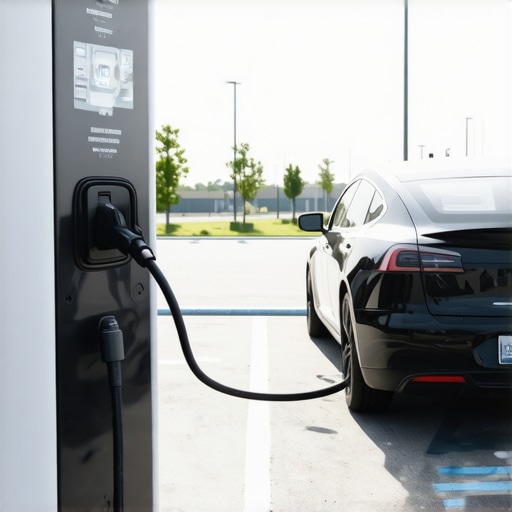

EV Charger Troubleshooting Guide: Quick Fixes for Safe Power
It was a quiet Sunday afternoon when suddenly, my EV charger refused to cooperate. The screen blinked, and then… silence. I felt that familiar sinking feeling—was my home safe? Was my car going to sit stranded? That lightbulb moment made me realize just how crucial reliable troubleshooting is. I had made the mistake early on of ignoring some basic checks, thinking I could fix everything with a quick reset. Spoiler alert: that didn’t work. Since then, I’ve learned that a few quick, safe steps can save a lot of headache—and keep my charging setup compliant with safety codes. Today, I’m here to share these quick fixes so you won’t get caught off guard when your charger acts up.
Why Troubleshooting Your EV Charger Matters Right Now
Let’s face it: EV chargers are becoming as common as garage door openers. But they’re also complex electrical devices that demand proper care and maintenance. When your charger malfunctions, it’s not just an inconvenience; it can pose safety risks, from electrical shorts to fire hazards. Plus, a faulty setup might mean you’re not even getting the full benefit of your investment in EV technology. According to the U.S. Fire Administration, electrical malfunctions account for a significant portion of home fires, underscoring the importance of proper troubleshooting and adherence to safety standards. That’s why knowing how to quickly diagnose and fix common issues—and ensuring your setup complies with local codes—is essential for peace of mind and safety.
Have you ever faced a stubborn charger that refused to work, leaving you frustrated and worried? Trust me, I’ve been there. The good news is that many problems are simple to resolve once you understand where to look. And I’ll walk you through the essential steps to get back on track—safely and quickly. We’ll cover everything from basic checks to verifying code compliance, so your charging station remains a safe, reliable part of your home. Ready to become your own EV troubleshooting hero? Let’s dive in and get your charger humming again.
Will Quick Fixes Really Keep My Power Safe and Compliant?
This was a mistake I made early on—thinking that troubleshooting was just about fixing the immediate problem. But overlooking the importance of code compliance and proper panel upgrades can lead to serious safety issues down the line. That’s why I recommend consulting trusted guides and experts to ensure your setup is up to standard. For more detailed insights, check out these expert tips on troubleshooting and how to verify code compliance. Proper troubleshooting isn’t just about fixing the problem; it’s about doing so safely and in accordance with all regulations to protect your home and loved ones.
Now, let’s get practical and walk through the quick fixes that will keep your EV charging safe, reliable, and compliant. Because when it comes to your home’s electrical safety, there’s no room for shortcuts.
}**.json
Check Your Power Source and Connections
Start by inspecting your electrical outlet and plug connections. A loose or damaged plug can cause intermittent charging issues. Turn off the power at the breaker, unplug your charger, and carefully examine the cord and connector for visible damage. When you reconnect, ensure the plug is firmly seated. This simple step often resolves issues caused by poor contact, much like ensuring a stable internet connection resolves connectivity problems. I recall replacing a frayed cord that was causing my charger to flicker; after securing a new connection, everything worked perfectly again.
Reset and Power Cycle Your Charger
Most issues can be resolved with a quick reset. Turn off the charger, unplug it from the power source, and wait about 30 seconds. Then, plug it back in and power it on. Think of this as rebooting a computer to clear glitches. During one frustrating weekend, I performed this reset multiple times—each time, I noticed the charger responding better. If your charger has a reset button, use it according to the manufacturer’s instructions. This simple action often clears minor software or firmware hiccups that cause malfunctions.
Verify Circuit Breaker and GFCI Status
Ensure the circuit breaker controlling your charger is ON and hasn’t tripped. For GFCI outlets, press the reset button firmly. A tripped breaker or GFCI can cut off power, making your charger appear dead. I once found my breaker tripped after a storm; resetting it restored power to my charger instantly. If you’re unsure which breaker controls your charger, consult your home’s electrical plan or hire an electrician for a quick check. Remember, a failed GFCI is a safety feature designed to prevent shocks, so never bypass it.
Inspect for Damage or Obvious Faults
Visually examine the charger, cord, and plug for signs of damage—cracks, burns, or fraying. Damaged equipment should be replaced immediately. I once ignored a small crack near the plug, which led to a short circuit. Replacing the damaged unit prevented further hazards and ensured my home remained safe. Never attempt to repair internal components yourself unless qualified; consult an electrician for repairs or replacements.
Verify Code Compliance and Panel Capacity
Ensure your electrical panel can support the load of your EV charger. Think of your panel as a water pipe; if it’s too small or outdated, it can’t supply sufficient power safely. Upgrading your panel might be necessary—this is especially true if your home was built before widespread EV adoption. For detailed guidance, check out how to verify code compliance. During my upgrade, I learned that an old panel often needs a dedicated circuit to safely handle the charger’s load, preventing overloads and fire risk.
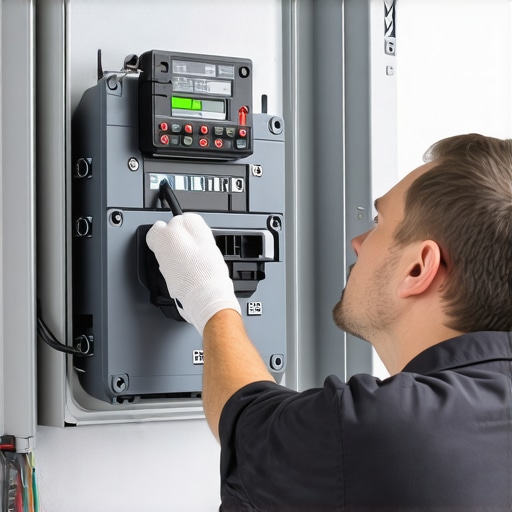
Use this image to illustrate an upgraded electrical panel suitable for EV charging, emphasizing the importance of proper capacity and safety standards.
Consider a Panel Upgrade if Necessary
If your panel is outdated or doesn’t support high-current loads, a professional upgrade is essential. Think of it as renovating a road to handle more traffic—skipping this step can cause traffic jams (or electrical faults). I had my panel upgraded with a dedicated circuit, resulting in faster, more reliable charging. For detailed insights, visit panel upgrade essentials to understand the scope and safety benefits of this investment.
Seek Professional Help When Needed
If after these steps your charger still doesn’t work, or if you find any damage or code violations, contact a licensed electrician. Never risk DIY repairs on high-voltage electrical systems. You can find trusted experts through this contact page. I learned that investing in professional assessment not only saved me time but also guaranteed my home’s safety and compliance.
Many homeowners assume that troubleshooting EV chargers is straightforward, but this can lead to overlooked complexities that jeopardize safety and performance. A frequent misconception is that a simple reset or replacing a damaged cord solves all issues. In reality, this approach often ignores deeper electrical or code compliance problems that could cause recurring faults or hazards. For instance, many believe that if the charger powers on, it’s safe and compliant—yet, without verifying panel capacity and code adherence, hidden dangers remain. Proper troubleshooting requires a nuanced understanding of electrical systems, especially when it comes to high-current loads involved in EV charging.
One trap I’ve seen many fall into involves ignoring the importance of professional panel upgrades. Upgrading to a dedicated circuit and ensuring your panel can handle the load is not just an optional step but critical for safety. An outdated panel may seem sufficient initially, but as EV adoption increases, the risk of overload and fire hazards grow. According to expert guides on panel upgrades for EV safety, many homes require a dedicated circuit and panel reinforcement to meet current safety standards.
Why Do Many Fail to Recognize the Importance of Code Compliance?
One reason is the misconception that code compliance is only necessary during initial installation. But ongoing adherence ensures safety and legal operation, especially as electrical codes evolve. Skipping this step or assuming your setup is compliant because it’s working can be dangerous. For example, improper wiring or outdated panels may pass initial inspections but pose long-term risks. The National Electrical Code (NEC) has specific requirements for EV chargers, and failing to meet them can lead to fines or insurance issues. Regularly verifying compliance via trusted resources like these guides can help prevent costly mistakes.
Furthermore, many get caught off guard by common misconceptions about troubleshooting, such as thinking that a GFCI outlet or circuit breaker trip indicates a minor problem. In fact, GFCI trips often signal underlying issues like ground faults or wiring problems that require professional inspection. Ignoring these signs can result in fire hazards or electrical shocks. That’s why it’s crucial to move beyond basic fixes and consider the broader electrical system context.
For advanced homeowners, understanding the importance of proper panel upgrades can be transformative. Upgrading your electrical system not only improves safety but also enhances charging speed and reliability. Visiting resources like this guide can provide clarity on when and how to proceed with upgrades. Remember, neglecting these nuances may lead you into costly and dangerous pitfalls down the line. Have you ever fallen into this trap? Let me know in the comments.
In summary, mastering the hidden nuances of EV charger troubleshooting, code compliance, and panel upgrades is essential for safe, reliable, and efficient home charging. Don’t settle for quick fixes—invest in understanding your electrical system and consult experts when needed. Your safety and the longevity of your EV investment depend on it.
Maintaining your EV charger over time requires more than just basic inspections; it involves utilizing specialized tools and adopting best practices to ensure reliable performance and safety. From diagnostic software to hardware testers, I rely on a combination of these tools to keep my charging station in top shape and to troubleshoot issues efficiently. In this article, I’ll share the exact equipment and methods I personally use, along with insights into where this trend is headed in the future.
How do I maintain my EV charger over time
One of my go-to tools is a digital multimeter. I prefer a model with high accuracy and auto-ranging capabilities, such as the Fluke 117. This device allows me to verify voltage, current, and continuity quickly, ensuring that all connections are solid and within safe parameters. I use it regularly to check outlets, cords, and internal wiring, especially after weather events or if I notice any inconsistent charging behavior.
Next, I incorporate a clamp meter for quick current draw assessments. The Fluke 374 is my choice here because it can measure high currents without breaking the circuit, making it ideal for EV chargers that handle substantial loads. This helps me monitor whether the charger is drawing the expected power, indicating healthy operation or signaling potential issues.
For diagnosing communication issues or firmware glitches, I use a USB diagnostic interface compatible with my EVSE manufacturer’s software. This allows me to access logs, reset firmware, and verify firmware versions, which is crucial for long-term troubleshooting and ensuring compatibility with the latest standards.
As for software, I recommend a comprehensive EVSE diagnostic app that supports your specific charger model. These apps can provide real-time feedback, error codes, and troubleshooting guides. I frequently consult manufacturer-provided apps or third-party tools like EVNotify, which offer detailed insights and remote monitoring capabilities.
Looking ahead, I predict that smart diagnostic tools integrated with AI will become commonplace. These systems will proactively monitor your charger’s health, predict failures before they happen, and even suggest maintenance schedules—saving time and preventing hazards. For now, combining hardware testers with diagnostic software remains the most effective approach to keeping your EV charger in prime condition.
Try this advanced maintenance tip
One specific tip I highly recommend is performing a thermal inspection using an infrared thermometer or thermal camera. Over time, components like contactors, connectors, and wiring can develop hotspots due to wear or poor contact. Regular thermal scans can reveal these issues early, preventing potential failures or fires. I use a Fluke TiX thermal camera, which provides detailed thermal images, helping me spot anomalies that are invisible to the naked eye. Incorporating thermal inspections into your routine maintenance can dramatically extend the lifespan of your charger and enhance safety.
Remember, regular maintenance with the right tools not only ensures your EV charger remains reliable but also keeps your home safe. Don’t wait for a malfunction—be proactive, and your future self will thank you.
Lessons That Changed My Approach to EV Charging Safety
The toughest lesson I learned was realizing that a quick fix often masks deeper issues. For example, I once thought resetting my charger was enough—only to find out later that my electrical panel was outdated and risking overloads. That eye-opener pushed me to always verify code compliance and consider panel upgrades early on, saving me from future hazards. Another insight was the importance of thermal inspections. I discovered hotspots in my wiring that could have caused fires—prevented only by regular thermal scans. These lessons taught me that safety isn’t just about fixing problems but understanding the full picture of electrical health.
Tools and Resources That Elevated My EV Charging Game
My go-to toolkit includes a high-quality digital multimeter like the Fluke 117—it’s precise and easy to use for verifying voltage and continuity. A clamp meter such as the Fluke 374 helps me monitor current draw without disrupting the circuit, which is crucial for detecting overloads. I also trust the manufacturer’s diagnostic apps for firmware checks and troubleshooting logs; they provide real-time insights that are invaluable. For deeper understanding, this comprehensive guide on panel upgrades helped me grasp how essential a dedicated circuit is. Lastly, thermal cameras like the Fluke TiX reveal hidden hotspots, preventing potential failures and fires.
Empowering Your EV Charging Journey
Remember, a safe and reliable EV charger setup is within your reach. By applying these insights and tools, you can troubleshoot with confidence and ensure your home remains a safe haven for your vehicle. Don’t wait for problems to escalate—be proactive and keep your system compliant and protected. The future of EV charging is smart, safe, and personal—ready for you to take control. What’s your next step in mastering your EV charging system? Share below and let’s learn together!