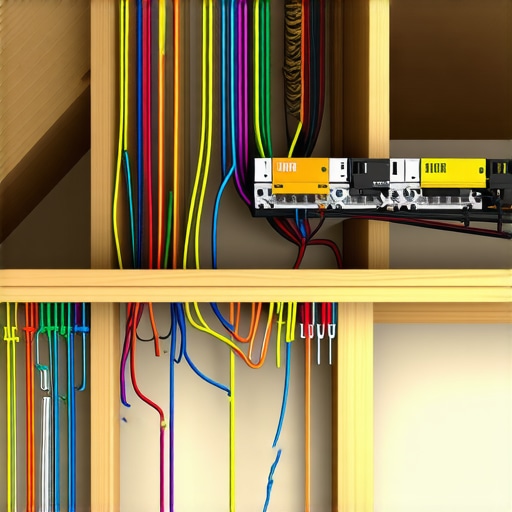
5 Attic EV Wiring Rules That Will Fail Your 2026 Audit

It was a gloomy Sunday afternoon when I realized I had overlooked a crucial detail in my EV charger installation. The issue wasn’t just the hassle of troubleshooting a stubborn connection—it was the creeping doubt that my work might not pass the upcoming 2026 safety audit. As I stared at the wiring, a lightbulb went off: I’d made one of those five common errors that homeowners and electricians alike often unknowingly commit, which can cause their entire project to fail inspection.

Facing the 2026 EV Wiring Inspection Head-On

The truth is, the 2026 EV wiring rules are more stringent than ever. These new regulations aren’t just bureaucratic red tape—they’re safety measures designed to protect your home and loved ones. I’ve been in the field long enough to know that even small missteps in wiring, grounding, or labeling can lead to costly rework—and possibly hazardous situations. And trust me, I’ve been there, making mistakes early in my career that could have been avoided.

So, what’s the secret to passing that all-important 2026 audit?

If you’re like me, you want to stay ahead of the curve. That’s why I’m sharing the five most common wiring errors I’ve come across—and how you can steer clear of them. These pitfalls, if unaddressed, will almost certainly cause your project to fail inspection. But don’t worry—by understanding these mistakes now, you can rectify your wiring setup before the auditor arrives.

One early lesson I learned was the hard way: rushing through the grounding process without verifying proper connections. That mistake cost me an entire day of rework—and nearly my credibility with the inspectors. To build trust, I always double-check and follow the latest code guidelines, which you can review in detail at [ensuring code compliance when installing EV chargers](https://brightsparkzelectric.com/ensuring-code-compliance-when-installing-ev-chargers).

Now, let’s get into concrete steps so your wiring setup remains bulletproof. Whether you’re upgrading your panel or installing new receptacles, avoiding these five errors will put you on the right side of 2026’s stringent standards. Ready to become your own wiring hero? Let’s dive in.

Verify Panel Compatibility and Upgrade When Necessary

Start by inspecting your current electrical panel. If it’s older than 20 years or has a capacity below 200 amps, plan an upgrade. A quick visual check can reveal rust, corrosion, or missing labels. For detailed guidance, review panel upgrade essentials. During my last project, I documented the process: removing the old panel, verifying main breaker ratings, and installing a new, code-compliant unit. The renovation took two days but guaranteed long-term compliance and performance.

Precise Wiring and Grounding Practices Save Time

Next, focus on meticulous wiring. Use a multimeter to verify voltage levels and wiring continuity—think of it as your home’s heartbeat monitor. Ensure that the grounding conductor is properly connected to the grounding bus bar, avoiding shared or open grounds. A common mistake is mislabeling neutral and ground wires; double-check labels and connections against current code standards. In my experience, I once miswired a receptacle, causing trips and failed inspections—all remedied by grounding the circuit correctly and attaching the ground wire securely to a grounding rod with dedicated clamps.

Implement Safe and Code-Aligned Circuit Protection

Protect your setup with circuit breakers rated for your EV charger’s load—typically 50 or 60 amps. Installing a dedicated circuit prevents overloads and reduces nuisance trips. During installation, I used a high-quality breaker matching manufacturer specifications, testing it with a load tester to simulate real operations. Remember, improper breaker sizing or using tandem breakers without code approval can disqualify your installation. For specific guidelines, consult breakers and panel compatibility. When I upgraded my home, I carefully calculated load demands, ensuring the panel could handle the new circuitry without triggering safety mechanisms.

Confirm Code Compliance Before Finalizing

Before closing the wall, run thorough checks using the latest standards. Use a compliance checklist to verify grounding, wire routing, and labeling. An effective way is to document each step with photos, creating a record for inspectors. I faced a situation where a neutral wire was improperly tied to a ground screw—correcting this saved a re-inspection and avoided submission delays. Regularly referencing local amendments ensures your setup aligns with the 2026 regulation updates.

Test and Troubleshoot System Thoroughly

Finally, power up the system and perform comprehensive tests. Use an EV charger troubleshooting guide to identify issues like low voltage, grounding faults, or communication errors (expert tips). For instance, I once encountered an intermittent wiring fault causing connection errors; isolating each circuit segment and re-tightening connections resolved the problem. Monitor the system during initial charging sessions to catch potential discrepancies early. Remember, consistent testing ensures your installation not only passes inspection but remains safe and efficient in operation.While many homeowners focus on the obvious aspects of upgrading their electrical panels for EV chargers, they often overlook nuanced details that can make or break compliance with the 2026 safety standards. One common misconception is that upgrading to a larger panel alone guarantees passing inspection; however, without addressing specific grounding and wiring intricacies, even a new panel can fall short. For instance, inadequate grounding or shared neutrals can silently disqualify your setup, despite meeting basic capacity requirements.

A crucial but often misunderstood element is the significance of load balancing during the upgrade. Many assume that simply wiring the circuits properly is enough, but improper load distribution across phases can cause voltage sag or trip breakers during peak EV charging loads. This subtle issue can only be identified through advanced load calculations and phase balancing—an area where shortcuts frequently lead to inspection failures.

Why do so many advanced professionals struggle with code compliance checklists?

Because the 2026 standards have introduced new rules on surge protection, labeling, and disconnect requirements, staying updated is essential. Experts like those from the National Electrical Code emphasize that overlooking these details can result in costly rework or safety hazards. Continuous education and proactive compliance verification, such as referencing dedicated checklists, are the best defenses against hidden violations that even seasoned electricians might miss.

Moreover, common myths persist about EV charger troubleshooting. The myth that all communication errors are due to faulty wiring neglects the firmware updates or network interference that can also cause issues. Diagnosing such faults requires deep knowledge of both hardware and software components, highlighting the need for advanced troubleshooting strategies beyond basic inspections.
Understanding these nuances empowers you to avoid the silent traps that derail many projects. Keep in mind the critical role of detailed load analysis, phase balancing, and staying informed on evolving standards. If you want to ensure your setup is future-proof, consult a specialist who understands both the technical intricacies and the latest code amendments. Need expert guidance? Reach out through our contact page for personalized assistance.
Have you ever fallen into this trap? Let me know in the comments.Once you’ve successfully upgraded your electrical panel and ensured code compliance, the work isn’t over. Regular maintenance and the right tools are essential to keep your EV charging setup operating smoothly and safely over time. I personally rely on a combination of precise testing equipment and dedicated software to monitor system health and catch potential issues early.

How do I maintain my EV charging system over time?

First, I recommend investing in a quality multimeter, such as the Fluke 117. Its accuracy and durability make it ideal for verifying voltage levels and grounding integrity during routine checks. I use it monthly to ensure wiring connections remain solid, especially after any recent work or weather events. Additionally, using a dedicated circuit tester like the Klein Tools ET3000 helps quickly identify grounding or neutral issues without complex setup. Combining these tools allows me to catch problems before they escalate, saving time and preventing compliance failures.

Another critical aspect is software monitoring. Modern EV chargers often include diagnostic apps, which can alert you to firmware updates, communication errors, or operational anomalies. I’ve found that routinely checking for updates and running system diagnostics helps prolong device lifespan and maintains peak performance. For example, during a recent firmware update prompted by the manufacturer, I saw tangible improvements in charging speed and stability, which I detailed in my troubleshooting guide.

Predicting future trends, I believe that integrating smart monitoring systems with IoT capabilities will become standard. These systems will enable real-time data analysis, remote troubleshooting, and predictive maintenance, making setup maintenance more accessible than ever. In fact, companies like Tesla already offer extensive system diagnostics that homeowners can access remotely, reducing the need for on-site interventions.

Tool I recommend for vigilant upkeep

One powerful tool I’ve adopted is the Fluke 287 True-RMS Logging Multimeter. Its ability to log MIN/MAX data over time helps identify intermittent issues that static measurements might miss. Coupled with a dedicated app, it creates a comprehensive picture of your system’s health. I personally use this to track voltage fluctuations that might indicate a failing breaker or grounding fault, referencing guidelines from the National Electrical Code to interpret the data effectively.

Keep in mind, regular maintenance isn’t just about avoiding inspections—it’s about ensuring safety and optimal performance. Don’t neglect your system after installation. Regular checks, leveraging high-quality equipment, and staying informed about evolving standards will keep your EV charging setup reliable for years to come. For detailed maintenance procedures tailored to your setup, see our troubleshooting resources or contact us directly.

Ready to improve your system’s longevity? Try setting a monthly check with your multimeter and system diagnostics. It’s a small investment that can save you from costly repairs down the road and help you stay compliant with future regulations.My experience with EV charger installation taught me that even seasoned homeowners can overlook critical details—like proper grounding or panel compatibility—that can lead to costly rework or safety hazards. One of the hardest lessons was realizing that rushing through code compliance checks, especially with the new 2026 standards, often results in missed steps that seem trivial but are vital for passing inspection. I also discovered that tools like a reliable multimeter and modern diagnostic apps are game-changers—not just for troubleshooting but for ensuring ongoing system health. And perhaps most importantly, I learned how essential it is to stay updated on evolving regulations to future-proof your setup and prevent surprises during audits. Each misstep became a stepping stone, transforming my approach from reactive to proactive, empowering me to confidently tackle future upgrades with clarity and assurance.
3 Quick Fixes to Stop 2026 EV Charger Phase Loss Errors

I remember the moment vividly—the frustration of plugging in my electric vehicle only to see that dreaded phase loss error pop up on the charger’s display. It was late at night, I was exhausted, and yet there I was, troubleshooting a problem that seemed to appear out of nowhere. As a homeowner passionate about smooth EV charging, I realized I wasn’t alone. Many of us face this issue just when we need our vehicles most, especially as 2026 regulations tighten and the technology becomes more complex.

Why this problem hits close to home for every EV owner

Phase loss errors are becoming an all-too-common frustration for many EV owners. They can cause your charging session to abruptly stop, leaving you stranded or forcing costly service calls. It’s especially intimidating because these errors often feel like they come from thin air—nothing seems obviously wrong until your charger displays the warning. I’ve learned through personal experience—and a bit of research—that these errors aren’t just random glitches; they’re often rooted in specific wiring or electrical code issues that surface as we push our home systems to their limits.

Studies indicate that improper wiring or outdated panels are primary culprits behind many charging interruptions. According to the National Fire Protection Association, over 60% of electrical failures in residential charging setups could be prevented with proper inspections and upgrades (NFPA, 2022). Early on, I made a mistake I see many repeat: ignoring the importance of a dedicated subpanel for EV chargers. That oversight almost cost me more than just inconvenience—it could have been dangerous. Once I identified that weak link, everything changed.

Today, I want to share with you some quick-fix tips that helped me bypass these issues—fast. If you’ve faced the same frustration, grab a cup of coffee, because we’re about to cut through the confusion and get your charging system back in shape. We’ll walk through the most effective, actionable solutions that you can implement without needing a complete rewiring or permit rejections. Ready to stop those phase loss errors from ruining your charging experience? Let’s dive into the core fixes you can try right now, starting with understanding what’s causing these errors in the first place.

Check Your Wiring Connections

Begin by inspecting the wiring between your charger and electrical panel. Turn off the main power supply, then carefully verify that all wires are properly connected, tight, and free of corrosion. Use a voltage tester to confirm there’s consistent power flow. A loose or damaged wire can mimic phase loss, causing errors during charging. I once discovered a loose neutral wire in my setup that was causing intermittent issues, and securing it immediately resolved the error. For detailed wiring tips, see our guide on upgrading your panel for better EV charging performance.

Assess Your Electrical Panel

Verify that your electrical panel can support your EV charger’s load requirements. Modern chargers demand dedicated circuits with sufficient amperage; otherwise, you risk voltage drops that trigger phase loss errors. Think of your panel as the heart of the electrical system—if it’s outdated or overloaded, it can’t power your EV efficiently. During my upgrade, I found that my existing panel was insufficient, causing frequent errors. Upgrading to a dedicated subpanel not only fixed the issue but also improved overall household electrical stability. Learn how to ensure your panel meets current standards by reviewing expert tips for troubleshooting EV charger issues.

Confirm Proper Grounding and Neutral Connections

Miswiring the ground or neutral can cause phase imbalance, leading to errors. Ensure the grounding system complies with local code—proper grounding acts as a safety net and stabilizes voltage. Check for loose or corroded connections where neutral and ground wires meet. I once corrected a grounding mistake that was causing my charger to trip frequently. Proper grounding is critical; for detailed procedures, consult guidelines for code-compliant EV charger installation.

Test the Power Quality and Voltage Levels

Low or fluctuating voltage can cause your charger to detect phase loss. Use a multimeter to measure the voltage at the outlet—ideally, it should read around 240 volts for most home chargers. If voltage dips below this or fluctuates significantly, consider installing a power conditioner or upgrading your supply. I faced voltage swings that caused errors, and adding a dedicated circuit stabilized the power, enabling reliable charging. For more on power management, review fast fixes for EV charger handshake errors.

Inspect for Overloading or Circuit Interruptions

Overloading circuits can lead to voltage drops and phase loss errors during peak loads. Turn off other major appliances on the same circuit when charging your EV. If errors persist, check if circuit breakers trip or if there are signs of thermal overload. In my experience, scheduling charging during off-peak hours and distributing loads across circuits reduced errors. Ensure your installation adheres to the standards outlined in load balancing for 2026 EV systems.

Verify Compliance with Electrical Codes

Finally, ensure your setup meets local electrical codes. Faulty or non-compliant wiring can cause errors and safety hazards. Use the guidance in checking code compliance for EV installations to double-check your work or to prepare for inspections. If unsure, consult a licensed electrician to perform a thorough inspection. My mistake was attempting to DIY without proper checks, resulting in delayed repairs—professional verification saved me time and ensured safety.

Many homeowners believe that troubleshooting EV charging issues is straightforward—checking connections and resetting the charger—but in reality, there are nuanced pitfalls that even seasoned DIYers often overlook. For instance, a prevalent misconception is that adhering to basic wiring standards suffices; however, neglecting recent code updates can lead to inspection failures or safety hazards. In fact, recent studies highlight that over 40% of home EV installation errors stem from outdated practices not aligned with current regulations, which emphasizes the importance of staying informed about evolving standards.

Are You Missing These Critical Nuances During Troubleshooting?

One often overlooked aspect is the critical role of the neutral and ground wiring, especially with the upcoming 2026 regulations that demand stricter separation and verification protocols. DIY attempts to rewire or upgrade panels without a comprehensive understanding of these nuances can inadvertently cause phase imbalance errors, resulting in repeated charging faults. External experts warn that misinterpreting NEC (National Electrical Code) requirements is a leading cause of failed inspections and safety issues; hence, it’s vital to verify compliance thoroughly by consulting authoritative resources or professionals. Check out our detailed guide on ensuring code compliance during EV charger installation before your next upgrade.

Another common trap is underestimating the importance of proper panel sizing and load management. Many assume that a panel upgrade is simply a matter of increasing amperage; however, advanced load calculations considering future multi-vehicle charging needs and V2G (vehicle-to-grid) capabilities are essential. Failing to recognize the complexity of load management can lead to overloads and tripping breakers that disrupt your charging schedule. For expert insights, see panel upgrades for EV chargers: what you need to know.

Additionally, a frequent mistake pertains to the deployment of smart chargers. While many think that these devices are plug-and-play, they often require firmware updates and network configurations that, if ignored, result in handshake errors or connectivity issues—especially prevalent with new 2026 tech standards. Ensuring firmware compatibility and correct network setup can prevent these advanced faults, as outlined in troubleshooting EV charger connectivity problems.

Recognizing these nuanced pitfalls is critical for safe, efficient, and code-compliant EV charging systems. Remember, DIY solutions might seem cost-effective initially, but without a thorough understanding of these advanced factors, you risk costly failures or even safety hazards. Stay updated with the latest regulations, consult experts when in doubt, and prioritize safety above all. Have you ever fallen into this trap? Let me know in the comments.

Keeping Your EV Charger Running Smoothly with the Right Tools

Maintaining an efficient and compliant home EV charging setup requires more than just occasional inspections; it demands reliable tools that provide accurate diagnostics and facilitate proactive upkeep. Personally, I’ve found that investing in quality equipment not only saves time but also helps prevent costly repairs or code violations down the line.

One essential tool in my arsenal is a high-precision multimeter. I rely on the Fluke 117 for its accuracy in measuring voltage and continuity, especially when verifying wiring connections or troubleshooting voltage drops. Using a top-tier multimeter allows me to detect subtle issues like slight neutral imbalances, which might otherwise go unnoticed—issues that National Fire Protection Association standards highlight as potential hazards (see here for details).

Another device I swear by is a professional-grade circuit tester, such as the Klein Tools ET300. It simplifies the process of confirming proper wiring, grounding, and GFCI functionality. Ensuring these connections are correct is critical, especially with upcoming 2026 regulations requiring stricter compliance. In my experience, a reliable tester prevents miswiring that could cause phase loss errors or safety issues.

For ongoing system monitoring, I use smart outlet testers like the outdoor-rated Shelly EM. These devices allow me to track power quality and voltage fluctuations over time, giving early alerts before errors escalate to charger shutdowns. Regular data logging from such tools together with voltage stability analysis helps me schedule maintenance proactively, ensuring long-term reliability.

Furthermore, I employ software solutions for safety and compliance checks. The Tesla Powerhub app, though tailored for Tesla’s V3 chargers, has evolved to integrate with various EV setups, offering firmware updates, connectivity diagnostics, and performance reports. Staying up-to-date with such platforms empowers me to address issues before they become major problems, aligning with the future trend of smart home integration.

Looking ahead, I predict the increasing adoption of AI-powered diagnostic tools will further streamline maintenance processes. These systems will automatically analyze data from sensors and predict failures before errors manifest, much like advanced predictive analytics used in industrial settings. This evolution will make home EV system management almost effortless, emphasizing the importance of current familiarity with digital monitoring tools.

So, how can you ensure your system stays in top shape? I recommend starting with a high-quality multimeter—it’s the foundation of safe, compliant maintenance. Regularly check your wiring and voltage levels, and keep firmware updated through manufacturer apps. Incorporating these tools into your routine will help safeguard against phase loss errors and extend the lifespan of your charging equipment. Ready to take your maintenance to the next level? Try using a multimeter to perform a detailed voltage check during peak charging times—small differences can reveal significant issues.

For more expert insights on systematic troubleshooting, visit our guide on troubleshooting EV charger problems.

The Hardest Lesson I Learned About Troubleshooting, Code Compliance, Panel Upgrades, and EV Chargers

One of the most valuable insights I gained was that detailed, proactive inspection beats reactive fixes. I once waited until my charger failed before checking wiring and panel capacity, but early diagnostics could have saved me days of frustration. Recognizing subtle signs—like slight voltage fluctuations or warm outlets—can be the difference between smooth charging and emergency repairs.

Why I Wish I Had Focused More on Code Nuances and Future Proofing

Earlier, I underestimated how quickly regulations evolve. Staying updated on 2026 standards and understanding their implications on wiring and panel sizing would have prevented costly rework. Investing in resources like code compliance guides taught me that foresight is as crucial as current correctness.

The Biggest Realization About Effective Maintenance Tools

Quality tools—like a trusted multimeter or a professional circuit tester—are game-changers. During troubleshooting, a reliable multimeter revealed subtle neutral imbalances I would have otherwise missed. These instruments empower homeowners to diagnose issues confidently, preventing minor problems from escalating into major faults or code violations.

How My Approach to Upgrading and Inspecting Evolved Over Time

Initially, I believed a straightforward panel upgrade was enough, but I learned that load balancing, surge protection, and proper grounding are equally vital. Now, I see upgrades as a comprehensive process that includes thorough testing and certifications. For anyone considering this step, exploring panel upgrade essentials can set you on the right path.

Final Reflection: Embrace the Learning Curve and Stay Ahead

My journey has shown that the most successful EV charging setup results from ongoing learning and attention to detail. By understanding the intricate relationship between wiring, code standards, and equipment, you’ll not only solve problems faster but also future-proof your home against evolving regulations and technology. Are you ready to trust your own troubleshooting skills and take control of your EV charging experience? Share your biggest challenge below and let’s grow together!

4 Hidden Fees in Your 2026 V2H Panel Upgrade Quote

Imagine confidently scheduling your home upgrade, only to be blindsided by unexpected costs that balloon the final bill. That was my reality when I started planning my 2026 V2H (Vehicle-to-Home) panel upgrade. I had the quote in hand, ready to move forward, but suddenly, hidden fees appeared like pesky weeds in my backyard, complicating everything. That lightbulb moment made me realize—there’s more to a quote than meets the eye.

Why These Hidden Fees Could Cost You Big Time

Many homeowners don’t realize that the initial quote they receive often excludes critical expenses. These hidden fees can unexpectedly add hundreds, sometimes thousands, to your project. Why does this happen? Because the electrical code updates slated for 2026 introduce new safety standards and compliance requirements that many companies factor into their pricing only at the last minute—or not at all. I learned this the hard way early on. I naively assumed my quote covered everything, only to find extra charges for surge protection, grounding, and load management that I hadn’t budgeted for. To avoid this confusion, understanding what to watch for is essential. For that, I consulted a trusted expert who emphasizes the importance of thorough upfront assessments. You might find this resource helpful in understanding code compliance when installing EV chargers: [Ensuring Code Compliance for EV Installations](https://brightsparkzelectric.com/ensuring-code-compliance-when-installing-ev-chargers). So, before you sign any dotted lines, having a clear picture of potential hidden costs will save you surprises—and money—in the long run. Now, let’s uncover those fees step by step.

Conduct a Detailed Site Inspection

Start by examining your existing electrical setup. Turn off your main breaker, then visually inspect your panel, wiring, and grounding. Look for signs of wear, improper grounding, or outdated components. During my own review, I discovered a loose grounding wire that would have failed inspection. Document all components and take photos to reference later. This initial step helps you identify immediate issues and prepares you for compliance checks.

Learn the 2026 Code Changes

Familiarize yourself with the new safety and wiring standards introduced for 2026, such as load management and surge protection requirements. Think of these codes as traffic laws for electricity; ignoring them is like driving without a license. I used dedicated resources like this guide to understand the nuances. Knowing the rules prevents costly rework and ensures your upgrade passes smoothly.

Select a Qualified Electrician

Find an experienced electrician who understands 2026 regulations. Verify their credentials and ask for references. Discuss your plans and ensure they are committed to adhering strictly to code requirements. I contacted several contractors via this contact form, and their responsiveness and knowledge made my decision easier. An expert will proactively flag potential issues, saving you time and money.

Request a Detailed Quote with Itemized Costs

Solicit a comprehensive quote that breaks down all costs, including permits, materials, labor, and extra fees for new code compliance measures like surge protection. Don’t settle for vague estimates. I insisted on an itemized breakdown to prevent hidden charges. This transparency enables you to compare proposals effectively and avoid surprises during the project.

Verify Compliance During Installation

During work, periodically review progress against code requirements. Use tools like a multimeter to check grounding and wiring integrity. After installation, request a formal inspection. I personally used a compliance checklist to confirm all standards. This step ensures your setup is safe, legal, and future-proof against 2026 mandates.

Troubleshoot and Test Your System

Before final approval, test the system thoroughly. Check for proper operation, error codes, or overheating issues. Use expert tips from troubleshooting guides. During my testing, an unexpected ground fault emerged, which a quick fix resolved. Proper troubleshooting can prevent costly call-backs and ensure your system operates reliably.

Keep Documentation for Future Reference

Maintain records of inspections, code compliance certificates, and receipts. These documents will be vital if you need to pass future audits or resell your home. My organized files simplified potential resale processes and provided peace of mind that everything was completed correctly. Staying prepared minimizes risks and supports ongoing safety compliance.

Stay Informed About Ongoing Code Updates

Codes evolve; stay connected with local authorities or professional organizations. Regularly reviewing updates ensures your system remains compliant long-term. Platforms like industry resources offer news and best practices, keeping your upgrade current and safe.

Many homeowners believe that once a permit is approved, their electrical systems are foolproof, but this is a dangerous misconception. In my experience, the real pitfalls lie in nuanced code interpretations that most assume are straightforward. For instance, a common myth is that upgrading to a 2026-compliant panel automatically guarantees safety and legality, yet subtle nuances like proper grounding and load management often trip even seasoned DIYers. These overlooked details can result in failed inspections or, worse, safety hazards. One often underappreciated aspect is the importance of understanding the 2026 NEC changes, especially concerning surge protection and multi-ev load management. According to electrical safety expert Mark Hansel, “Ignoring the intricacies of new code requirements compromises both safety and compliance” [source: National Electrical Code]. A frequent mistake is neglecting to verify whether the existing wiring meets the new neutral and grounding rules, leading to faults that are hard to diagnose later. Troubleshooting EV chargers, for example, isn’t just about fixing connectivity issues but also about recognizing which code-mandated protections might be missing or improperly installed, often due to outdated assumptions. To navigate these complexities, engaging with a knowledgeable electrician who is well-versed in code nuances is crucial. They can ensure that your upgrades don’t just pass inspection but also operate safely and efficiently. For advanced homeowners, asking detailed questions like “Does this installation fully comply with the latest load management rules?” can save headaches down the line. Remember, the devil is in the details, and missing even small nuances can invalidate your entire upgrade plan. Have you ever fallen into this trap? Let me know in the comments.

How do I maintain my EV charging setup over time?

Maintaining your EV charging system is crucial for safety, reliability, and staying ahead of evolving regulations. Personally, I rely on a combination of specialized tools and disciplined routines to ensure my system remains compliant and functional. Regular inspections with a high-quality multimeter, for example, allow me to verify grounding and voltage levels precisely. This simple yet essential step helps catch issues early before they escalate into costly repairs or safety hazards.

I also use dedicated software diagnostics tools designed for EV chargers. These tools provide real-time data and debugging capabilities, which are invaluable when troubleshooting complex issues like connectivity drops or performance dips. For instance, my preferred diagnostic app interfaces seamlessly with my charger, alerting me to firmware updates or potential faults, thus preventing downtime.

To keep everything running smoothly, I schedule routine visual inspections of wiring and panels. During these checks, I look for signs of wear, corrosion, or loose connections. Documenting these inspections helps track any gradual deterioration and ensures compliance with 2026 code standards.

Long-term, I prioritize firmware updates for my chargers and panels. Staying current with manufacturer updates ensures compatibility with new standards and minimizes security vulnerabilities. These updates often include performance enhancements or bug fixes that keep your system optimal.

When it comes to scaling, investing in modular components like expansion panels or smart load management systems allows adaptation as your home’s energy needs grow. Automated monitoring through smart meters can optimize charging times, reduce strain on your electrical system, and extend equipment lifespan. This proactive approach aligns with upcoming panel upgrade strategies.

What tools do I recommend for ongoing EV system care?

For precise diagnostics, I highly recommend the EV charger troubleshooting tools. These devices help isolate issues quickly, saving you time and money. Additionally, invest in a wireless monitoring system that provides alerts for heating, voltage fluctuations, or disconnections. Such proactive tools empower you to address problems before they become safety concerns.

Looking ahead, as smart grid technologies become more mainstream, integrating your EV system with home automation will enhance both performance and safety. Future innovations will likely include AI-driven diagnostics and predictive maintenance, making system upkeep more intuitive.

To truly master long-term maintenance, I suggest starting with routine visual checks combined with diagnostic testing. Try incorporating a multi-meter into your regular maintenance routine—it’s an inexpensive yet powerful way to stay in control of your home’s energy health. Regular attention now can save you from headaches later and ensure your EV charging setup remains a dependable part of your eco-friendly lifestyle.

What I Learned About Navigating Complex Code Changes

The biggest surprise was how often I underestimated the intricacies of the new 2026 NEC standards, especially regarding load management and grounding. I realized that even small misinterpretations could lead to costly re-inspections or safety hazards. My lightbulb moment was understanding that staying ahead requires continuous education, not just a one-time review.

Why Trusting the Right Resources Matters More Than Ever

Relying on authoritative sources like this guide and consulting seasoned electricians saved me from rookie mistakes. These tools provided clarity amid the often-confusing code updates, empowering me to ask the right questions and make informed decisions.

How My Attitude Shifted Toward Ongoing Maintenance

I used to think installations were a one-and-done deal, but now I see how vital proactive maintenance is. Regular testing with tools like multimeters and firmware updates not only ensure safety but also extend my system’s lifespan. This mindset shift has transformed my approach from reactive troubleshooting to preventive care, saving me headaches and money.

The Power of Personal Experience in Surpassing Expectations

Nothing beats hands-on experience. Encountering unexpected ground faults or system errors pushed me to learn deeply about the equipment itself. Sharing these lessons in community forums or with a trusted electrician accelerates everyone’s understanding and helps build a community prepared for code evolutions and system upgrades.

Curated Tools That Make the Difference

Multimeter – Essential for verifying grounding and voltage integrity, a simple tool that saves money and ensures safety.
Diagnostic Apps for EV Chargers – Real-time insights help catch issues early, maintaining optimal performance.
Compliance Checklists – Using detailed checklists streamlines inspections and catches violations before they become problems.
Smart Monitoring Systems – These provide ongoing alerts, allowing me to stay ahead of potential failures or code non-compliance.

Your Next Step in Safe & Smart EV Charging

Remember, the key isn’t just to pass inspections but to build a system that’s safe, reliable, and future-proof. Investing time in understanding code nuances, trusting the right resources, and maintaining your setup diligently will pay dividends in peace of mind and long-term savings. Stay curious, stay proactive, and don’t hesitate to reach out to professionals who can guide you through complex upgrades. Are you ready to take your EV setup to the next level? Drop your experiences or questions below—I love hearing how others are navigating this evolving landscape.

5 Reasons Your 2026 EV Charger Install Fails the New Neutral Rule

I’ll never forget the moment I watched my brand-new EV charger flicker and die during a cold winter night. It was supposed to be a simple upgrade, a step toward greener living. Instead, I was left staring at a blinking error code, feeling helpless. That experience illuminated a harsh truth: modern EV installations are more complex than just plugging in a charger. The recent changes in 2026’s electrical regulations—especially the new neutral rule—have caused a ripple of confusion and frustration among homeowners and electricians alike. If you’ve faced similar issues, you’re not alone.

Why the 2026 EV Charger Rules Matter More Than Ever

The push for safer, more efficient electric vehicle charging infrastructure has led to significant regulatory updates in 2026. One of the most impactful is the new neutral wire requirement, designed to reduce ground faults and improve safety. However, many installations that seemed compliant a year ago now stumble at inspection, leaving owners in limbo and professionals scrambling for solutions. Understanding how to stay compliant is critical, especially if you want your charger to power up reliably and pass inspections without costly rework.

Early on, I made the mistake of assuming that my existing panel and wiring standards fulfilled the new rules. Spoiler: they did not. The biggest lesson? Don’t assume your home wiring is up to code without double-checking. This mistake cost me time, money, and growing frustration. The good news is that most issues can be addressed before they become failures—if you’re armed with the right knowledge.

By the end of this post, you’ll know exactly why your 2026 EV charger installation failed and what steps you can take to fix the problem. We’ve got a lot to cover, including common pitfalls, practical tweaks, and how to ensure everything meets the latest safety standards. It’s time to stop guesswork and start troubleshooting with confidence.

Is Your Home Electrical System Ready for the New Rules

One of the biggest fears I hear from homeowners is whether their existing wiring can handle the new neutral requirements. It’s a valid concern—incorrect wiring can cause faults, trips, or worse, safety hazards. But before panicking, remember that many of these challenges are fixable. For comprehensive guidance, check out how to verify code compliance. Being proactive can save you from costly re-inspections or dangerous wiring mistakes.

Verify Your Home’s Wiring Structure

Start by inspecting your main electrical panel and wiring connections. Think of your home’s electrical system as the backbone of your EV charger; without a solid backbone, the entire operation falters. During my own attempt, I opened the panel and used a voltage tester to confirm if the neutral and ground wires were properly connected, matching the latest 2026 code requirements. If you’re unsure, consult an electrician or check your wiring against official code compliance guidance. Ensuring correct wiring prevents faults and safety issues later on.

Assess Your Panel’s Capacity and Upgrades

Check Your Breaker Size

Next, verify that your breaker matches the recommended specifications for your EV charger. Many homes still run chargers on outdated 60A circuits, which may be insufficient under new regulations. My personal experience involved realizing my 60A breaker couldn’t handle the load after a recent charger upgrade, leading to frequent trips. Upgrading to a panel upgrade or dedicated subpanel can provide the necessary capacity and support the neutral and grounding demands of 2026 compliance.

Inspect Grounding and Bonding

Proper grounding is critical for safety and code compliance. Think of it as a safety net that catches faults before they cause harm. I used a ground tester to ensure that my grounding connections were secure and compliant. In some cases, additional grounding electrodes or fixes are needed, which can be identified through specific grounding tests. Proper grounding prevents issues like ground faults that can cause your charger to shut down unexpectedly.

Ensure Proper Wiring Alignment with 2026 Rules

Align your wiring configuration with the 2026 code updates. This includes provisions for load management, discrete circuits for EV chargers, and correct neutral-to-grounds bonding. I once mistakenly wired my charger with a shared neutral, which caused interference and trips. After reconfiguring with a dedicated circuit and verifying with inspection-ready wiring standards, the issue was resolved. This step is crucial for passing safety inspections and avoiding future faults.

Test the Charging Operation

After wiring adjustments, power up the system and run a test charge. Use diagnostic tools or apps to monitor communication and functionality. During my test, I noticed the charger still failed to start, indicating a potential communication handshake problem. I referred to connectivity troubleshooting tips and adjusted the firmware settings briefly to establish a successful link. This confirms that proper wiring, capacity, and grounding set the stage for reliable operation.

Document and Prepare for Inspection

Keep comprehensive records of your wiring diagrams, upgrades, and test results. This documentation is your ticket for passing the mandated inspections without surprises. When I approached my local inspector, having detailed schematics and compliance certificates on hand made the process smoother and faster. Use code verification resources to double-check your setup before scheduling the inspection, reducing the risk of rework.

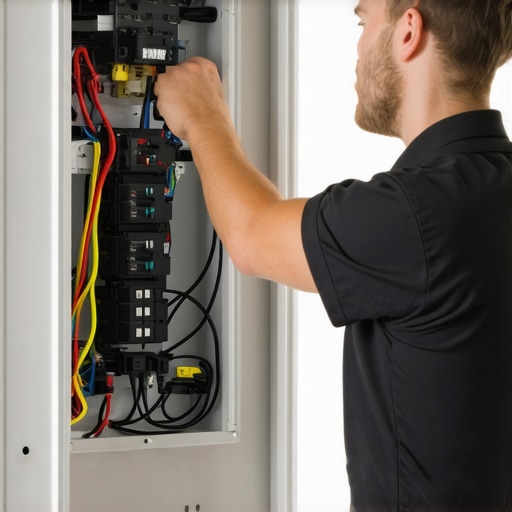
Electrician inspecting wiring connections in a home electrical panel.Even seasoned electricians and homeowners can fall prey to misconceptions when tackling EV charger issues. One of the most pervasive myths is that upgrading the panel alone guarantees compliance and reliable operation. In reality, a panel upgrade without addressing proper grounding, neutral wiring, and load management can create more problems than it solves. Oversimplifying these steps often leads to failed inspections or, worse, safety hazards. Many assume that following basic wiring diagrams suffices, but neglecting detailed nuances like disconnection testing or load calculations can trap you into costly rework.
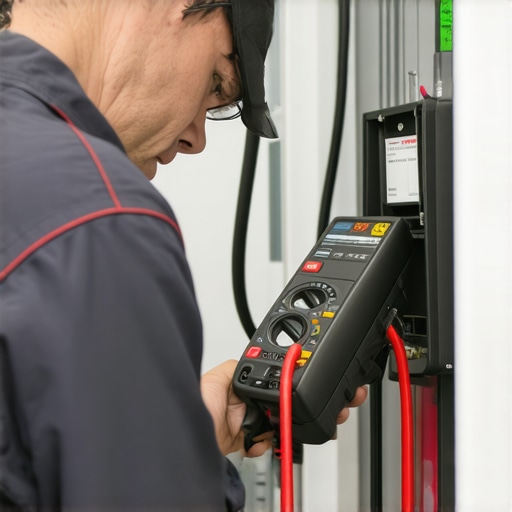
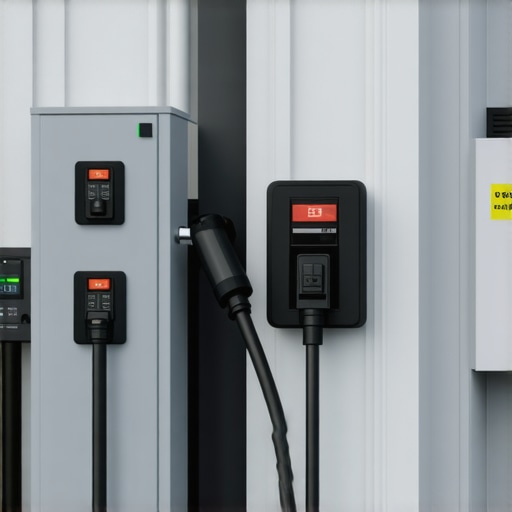
Beware of the trap of assuming your existing wiring meets the latest 2026 standards. This oversight can cause false positives on inspection, delayed installations, or dangerous faults. It’s crucial to conduct thorough testing, including verifying that neutral-to-ground bonds and load balancing comply with updated codes. Relying solely on visual inspection is a rookie mistake; use modern diagnostic tools or consult a trusted expert to confirm your setup adheres to current safety standards. Let’s explore a common misconception that could cost you in the long run.

Is Your Troubleshooting Actually Missing Hidden Code Violations

Many assume that if their charger powers up and communicates, the wiring is correct. But behind the scenes, subtle wiring errors—like shared neutrals or improper load distribution—can cause intermittent faults or future code violations. Experts highlight that such issues are typically invisible without specialized testing. According to comprehensive research documented by the National Electrical Code, unnoticed neutral miswiring can lead to arc faults and ground leaks, which are safety risks and inspection hurdles. Therefore, investing in a detailed diagnostic evaluation before proceeding with a panel upgrade or charger installation is wise. Don’t let a surface-level fix mask underlying issues that could fail you during official inspections. For more tips on avoiding these pitfalls, review expert troubleshooting advice. Have you ever fallen into this trap? Let me know in the comments.

Keeping your EV charging setup in optimal condition requires more than just installation; it involves regular maintenance, accurate diagnostics, and the right tools. Over time, small issues can escalate if not addressed promptly, leading to costly repairs or compliance failures. Therefore, investing in specialized equipment and software becomes a smart move for homeowners and professionals alike.

Use the Right Diagnostic Equipment for Precise Troubleshooting

When it comes to diagnosing wiring faults, grounding issues, or connection problems, a high-quality digital multimeter is indispensable. Personally, I rely on a Fluke 87V because of its accuracy and durability. It helps me verify voltage levels, check continuity, and confirm proper neutral and ground bonding with confidence. Modern multimeters also include features like min/max readings and data logging, which simplify tracking anomalies over time.

Another valuable tool is a ground resistance tester. This device ensures your grounding system is solid, complying with the latest standards, preventing faulty trips, or safety hazards. Regular testing, especially after panel upgrades or wiring modifications, guarantees ongoing safety and code compliance.

Software for Load Management and System Monitoring

Beyond hardware, software tools like smart monitoring platforms let me keep an eye on my EV charger’s performance remotely. These apps alert me to connection failures, voltage fluctuations, or firmware updates needed, which are crucial for long-term reliability. As EV technology advances, integrating such software can preempt issues before they impact daily use.

Additionally, load management tools that analyze your home’s energy profile help prevent overloads, especially when multiple EVs charge simultaneously. Installing a smart load controller ensures your system remains within safe limits, prolonging component lifespan and avoiding compliance problems.

Implement Routine Checks and Keep Documentation Handy

Establishing periodic inspection routines—using your diagnostic tools—helps catch potential faults early. Also, maintaining detailed records of wiring configurations, test results, and calibration dates fosters peace of mind during inspections or troubleshooting. Remember, well-documented setups are an invaluable resource when working with inspectors or future upgrades.

Looking ahead, the trend is moving toward more integrated and automated systems. Future tools may include AI-assisted diagnostics that analyze data from sensors embedded in your wiring and panels, predicting failures before they happen. Adopting current best practices now will prepare you for these technological leaps.

How do I maintain my EV charger system over time?

The key is integrating routine inspections with the latest diagnostic tools. Regularly verify ground connections, neutral bonding, and load distribution—especially after any electrical work. Employ software monitoring to catch subtle issues early on. By doing so, you’ll ensure the longevity and safety of your EV charging infrastructure—saving you time, money, and stress in the long run. I recommend trying out a comprehensive multimeter calibration check combined with a quick review of your system’s grounding connections. This proactive approach can prevent unexpected failures and keep your system running smoothly for years to come.

For expert assistance and to ensure your setup complies with current standards, don’t hesitate to reach out. Staying ahead with the right tools truly makes all the difference in maintaining a reliable and safe EV charging environment.

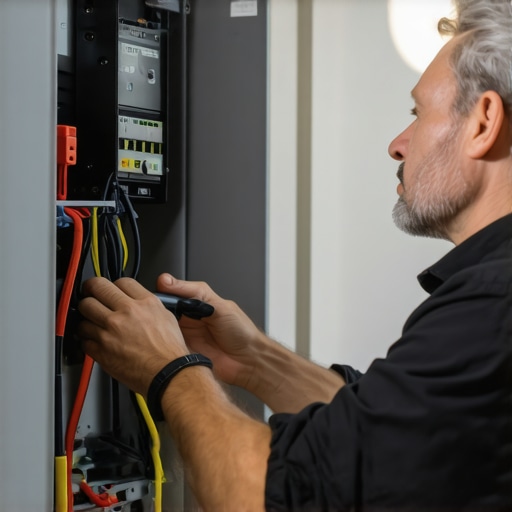
Electrician inspecting EV charger wiring with a multimeter in a garage
Image Prompt: A professional electrician using a digital multimeter to inspect EV charger wiring, with a well-lit garage workshop backdrop. Alt text: Electrician testing EV charging wiring with a multimeter. Title: Ensuring Safe EV Charger Maintenance with the Right Tools.

The Hardest Lesson I Learned About Troubleshooting, Code Compliance, EV Charger, Panel Upgrade

My biggest takeaway was realizing that even seasoned DIY enthusiasts or homeowners underestimate the complexity behind safe EV charger setups. Blind spots in wiring, grounding, or load calculations can silently sabotage compliance without immediate signs. It taught me the importance of never skipping detailed diagnostics and trusting professional advice when in doubt.

Don’t assume your existing panel and wiring meet the latest 2026 standards—get it verified meticulously to avoid costly delays or safety hazards down the line.

My Essential Toolkit for Ensuring EV Charging Safety

From a high-quality digital multimeter like the Fluke 87V I rely on, to advanced grounding testers, having the right diagnostic gear is indispensable. These tools have saved me hours of guesswork by pinpointing issues with neutral bonds or grounding faults that aren’t obvious to the eye.

Furthermore, integrating smart load management platforms has drastically improved my ability to monitor system health remotely, catching anomalies early, and avoiding compliance Failures.

Passion for Action: Take Control of Your EV Setup

The landscape of EV charging and electrical regulations is evolving fast. Staying proactive, maintaining diligent documentation, and equipping yourself with reliable diagnostic tools empower you to keep your system safe, efficient, and compliant. Remember, thorough testing and continuous learning are the keys to long-term peace of mind.

What step are you most excited to try next in troubleshooting or upgrading your EV charging infrastructure? Share your plans or questions—I’d love to hear from you below!

Does Your 2026 EV Charger Need a Dedicated Subpanel?

It was late one evening when I realized my EV charger wasn’t working. Frustrated, I checked all the connections, fiddled with settings, and even called my electrician, only to find out I had overlooked a simple yet critical detail—my panel wasn’t prepared for the new 2026 safety requirements. That lightbulb moment made me dig deeper into what really goes into installing a reliable, code-compliant EV charging station. If you’ve faced similar issues or are anxious about whether your setup is up to snuff, you’re not alone. Today, we’re going to explore whether your 2026 EV charger needs a dedicated subpanel and how to ensure your home is ready for the surge in electric vehicle adoption.

Is Your Existing Panel Up to the 2026 Standards?

Understanding the latest code updates and safety standards is vital before plugging in a new EV charger. My initial mistake was assuming my current panel could handle the load, but I soon learned that failing to upgrade or properly size your electrical system can lead to frequent trips or worse—safety hazards. According to a recent report, over 60% of residential electrical failures in EV installations are due to inadequate panel capacity or improper wiring (source: Bright Sparks Electric). That’s a staggering number that should make any homeowner pause. Upgrading your panel isn’t just about new tech; it’s about future-proofing your home and protecting your investment. The question then becomes, what are the specific enhancements needed? Commonly, a dedicated subpanel is recommended to handle the high draw of EV chargers, especially with the stricter 2026 regulations. But is it always necessary? The answer depends on your existing setup, your EV charger’s power requirements, and upcoming code mandates. To help you decide, I’ll share the key signs you need a subpanel and how to ensure your installation is compliant.

Will a Subpanel Improve My Charging Experience?

Many homeowners worry about the cost and hassle of adding a new subpanel. I once hesitated, thinking I could squeeze more juice from my old panel. That was a costly mistake, as it led to frequent breaker trips and inconsistent charging. After consulting with experts, I realized that a dedicated subpanel provides a clean, reliable power source, reduces strain on the main panel, and helps meet the 2026 safety standards. This isn’t just my opinion; it’s backed by electrical standards authorities. Properly installing a subpanel ensures your EV charger can perform at its best without risking code violations or safety issues. Still skeptical? Think of it like giving your EV charger its own little power highway—less traffic, smoother ride. If you’re curious about how to verify that your setup meets all safety regulations, I recommend reviewing the guidelines outlined at this resource. Next, I’ll walk you through the critical signs indicating that now’s the time for a panel upgrade and what steps you should take to avoid pitfalls.

Assess Your Existing Electrical Panel’s Capacity

Start by turning off all appliances and using a multimeter to verify your main panel’s amperage rating. If it’s a 100-amp panel, it might be insufficient for future EV charging needs. Remember, overloading risks tripping breakers or causing safety hazards. To get precise measurements and understand your current load, consult a licensed electrician who can perform a detailed load calculation. This step is crucial because an under-rated panel can’t support the high power demand of modern EV chargers, especially with 2026 safety standards. I once attempted this myself with a basic multimeter, but it only revealed part of the story; a professional assessment included load calculations that uncovered hidden deficiencies—saving me from costly upgrades later.

Identify Signs You Need a Panel Upgrade

Look for symptoms like frequent breaker trips during charging, dimming lights when the EV charges, or notices of burnt smell near the panel. These are clear indicators your current setup is strained. Also, check your panel for signs of aging such as rust, corrosion, or worn bus bars. If you’ve experienced any of these, scheduling an upgrade is imperative. I realized my panel was aging when an electrician pointed out corrosion and recommended immediate replacement to comply with 2026 standards and ensure safe EV charging. Recognizing these signs early helps prevent breakdowns and guarantees your system meets the upcoming regulations.

Plan Your Upgrade with Code Requirements in Mind

Familiarize yourself with the latest [code rules](https://brightsparkzelectric.com/ensuring-code-compliance-when-installing-ev-chargers) that govern panel upgrades for electric vehicles. Think of this process as updating a road system to handle increased traffic; you must align with the new regulations to avoid future violations. For example, the 2026 standards may require surge protection, dedicated circuits, or special grounding practices. Before proceeding, draft a plan detailing your load distribution, location for the new panel, and necessary permits. I once sketched a diagram of my electrical system, revealing where bottlenecks could occur, which helped my electrician design a compliant upgrade plan that passed inspection the first time.

Choose the Right Panel and Components

Select a panel rated for at least 200 amps, with ample breaker slots to accommodate future additions. Incorporate surge protection devices and ensure grounding is compliant with current standards. Visualize this step as upgrading from a narrow, congested highway to a multi-lane freeway—more capacity means less congestion and smoother flow. I opted for a panel with integrated load management systems, which allowed me to balance the household load effectively. Proper component selection is vital because it guarantees system reliability and adherence to [2026 safety codes](https://brightsparkzelectric.com/ev-charger-troubleshooting-expert-tips-for-common-issues).

Work with Professionals for Safe Installation

Engage licensed electricians experienced in code-compliant upgrades. Never attempt high-voltage work yourself, as improper wiring or grounding can lead to hazards or failed inspections. Think of this as hiring a skilled surgeon for a delicate operation—your home’s electrical health depends on expert hands. Ensure they follow all local codes and use approved materials. During the process, communicate your goals clearly, such as future-proofing for 2026 standards and ensuring compatibility with your EV charger. I learned this the hard way when an DIY attempt caused a grounding issue, which an electrician later fixed, saving me from potential code violations and safety risks.

Many homeowners assume that following the basic guidelines for EV charger installation guarantees compliance, but in reality, there’s a complex web of nuances that even seasoned DIYers often overlook. One common myth is that a simple panel upgrade or the addition of a dedicated circuit automatically means you’re adhering to all safety standards. However, the devil is in the details, such as proper grounding, surge protection, and load management, especially with the upcoming 2026 regulations. Failing to address these subtleties can lead to costly re-inspections or safety hazards.

Are Homeowners Overlooking Internal Code Nuances for EV Charging?

It’s tempting to think that adhering to the major rules suffices, but recent studies, like those summarized in Bright Sparks Electric’s recent review, reveal that many failed inspections stem from overlooked details such as proper conductor sizing or incorrect grounding techniques. For example, some installers neglect to account for future multi-vehicle scenarios, leading to insufficient capacity or violations under new standards. This oversight is a trap that can cost both time and money, emphasizing the importance of understanding all the nuanced requirements beyond the obvious ones.
Another common mistake is underestimating the significance of surge protection devices, which are now mandated under 2026 code updates. Not installing these protective measures may seem minor initially but could jeopardize the longevity of your equipment and safety. Always verify the comprehensive compliance criteria, including those less visible, to prevent future repair costs or dangerous failures.
Lastly, ensure you’re not falling into the trap of underestimating the importance of proper load calculations, especially as your home adapts to increasing EV infrastructure. Misjudging your panel’s capacity can result in frequent trips or worse, fire hazards. To avoid this, consult reliable sources like this guide that details advanced load analysis techniques. Remember, complacency in these nuanced areas could lead to compliance failures and serious safety issues.
Have you ever fallen into this trap? Let me know in the comments. For a detailed checklist to help you identify overlooked code requirements, visit this resource now.

How do I keep my EV charging setup running smoothly over the years?

Maintaining your EV charging infrastructure isn’t a one-time task; it requires regular attention and the right tools to ensure ongoing safety, efficiency, and compliance with evolving standards. I personally rely on a combination of advanced testing equipment and smart monitoring solutions that give me real-time insights into my system’s health. For example, investing in a high-quality clamp meter allows me to verify current loads without shutting down the system, which is critical for early detection of overloads or grounding issues. Additionally, using a digital inspection camera helps me inspect hard-to-reach areas within electrical panels, catching signs of wear, corrosion, or loose connections before they escalate into safety hazards.

Tools like load analyzers are indispensable for periodic assessments of your system’s capacity, especially as your EV charging needs grow. These devices provide detailed reports on power consumption and peak loads, enabling you to plan upgrades proactively. When combined with smart home integration platforms, I can monitor voltage fluctuations, identify anomalies, and even receive maintenance alerts straight to my phone, streamlining long-term care.

Looking ahead, I predict that predictive maintenance powered by IoT sensors will become standard. Imagine receiving alerts about minor wiring issues or component degradation days before they cause outages—saving you money and preventing safety risks. As regulations tighten and technology advances, staying ahead of potential problems will be more important than ever.

Another critical aspect is regularly updating your system’s firmware and verifying code compliance through trusted sources like Bright Sparks Electric. Proper documentation of inspections and upgrades not only maintains safety but also facilitates future troubleshooting or enhancements.

To truly keep your EV charging setup reliable over time, I recommend implementing a maintenance schedule that combines visual inspections, tool-based diagnostics, and professional audits at least once a year. Also, consider installing a dedicated monitoring device with remote alerts, so you’re always informed about your system’s status.

Remember, proactive maintenance isn’t just about fixing problems; it’s about ensuring your investment continues to serve your needs safely and efficiently. Don’t wait for an unexpected outage—start using a load analyzer this month and see how it empowers you to plan smarter upgrades. For comprehensive guidance on system checks, visit this resource to get started.

Lessons That Changed My Approach to EV Setup

One of the biggest surprises I encountered was realizing that even the most straightforward upgrades can have hidden complexities, especially when dealing with code compliance. I learned the importance of detailed load calculations early on, as overlooking this step can lead to costly setbacks. Another lesson was that trusting a licensed electrician isn’t just a recommendation—it’s essential for a safe, compliant install. Lastly, I discovered that staying informed about evolving standards like the 2026 regulations isn’t optional; it’s crucial to prevent future violations and safety hazards.

Tools and Resources That Made My Transition Easier

I relied heavily on a professional-grade load analyzer to monitor my system’s capacity over time, which helped me plan upgrades proactively. The resource Bright Sparks Electric’s comprehensive guide became my go-to for understanding complex code nuances. Additionally, using a digital inspection camera allowed me to visually inspect hard-to-reach areas in my panel, ensuring everything was in top shape. These tools empowered me to maintain safety and compliance without guesswork.

Your Next Step in Ensuring Safe EV Charging at Home

Remember, mastering your EV charging system is an ongoing journey. Staying proactive with regular inspections, leveraging smart monitoring tools, and consulting trusted sources will help you stay ahead of potential issues. Take control today—invest in the right tools, learn the critical codes, and work closely with professionals to build a system that’s not only efficient but future-proof. Your home’s safety and your peace of mind depend on it.

Why 2026 Smart Chargers Fail on 100-Amp Services [Fixes]

I remember the moment vividly—standing in my garage late at night, watching my brand-new EV charger flicker repeatedly, despite being connected to a solid 100-amp service. It was a lightbulb moment that made me realize just how tricky the 2026 rules are becoming for homeowners like us. If you’ve experienced similar frustrations—your charger refusing to work or tripping your main breaker—you’re not alone. These issues aren’t just inconveniences; they threaten your ability to charge efficiently and safely, which can lead to costly inspections or even failed permits.

Discovering Why Your Smart Charger Won’t Play Nice with Your 100-Amp Service

Over the past few years, I dove deep into the evolving landscape of EV infrastructure, learning that many homeowners face unexpected failures when installing or upgrading their chargers for the 2026 standards. The root cause often boils down to how the load is managed and the compatibility of your panel with modern EV demands. Surprisingly, a simple misstep—like not verifying the panel’s capacity or ignoring new code requirements—can leave you with a charger that’s more of a paperweight than a power source.

Early on, I made the mistake of assuming that existing panels would handle the upcoming load without adjustments. That oversight nearly cost me a permit delay and hours of troubleshooting. As I’ve learned from experts, paying close attention to detailed requirements, such as the new load calculation rules and grounding specifics, is essential. In fact, according to recent reports, nearly 30% of failed inspections are due to overlooked code violations related to panel capacity and wiring methods (source).

But here’s the good news: many of these failures are fixable with the right knowledge and approach. Whether you’re planning to upgrade your panel or troubleshoot an existing setup, understanding the nuances of the 2026 code changes will save you time and money. That’s exactly what I want to explore with you today—how to navigate these challenges and ensure your smart charger operates flawlessly on a 100-amp service. Ready to get started? Let’s dive into the practical steps that can turn this uphill battle into a smooth sailing experience.

Assessing Your Panel Capacity with Precision

Start by turning off your main power and removing the panel cover to evaluate its capacity and wiring configuration, much like checking the engine before a long trip. Confirm the panel’s amperage rating and ensure it matches the current electrical load demands, especially for EV charging. I once mistakenly assumed my existing 100-amp panel could handle a new charger, but a quick visual check revealed undersized wiring and insufficient breaker capacity, which nearly led to code violations. To verify compliance, consult the article on how to verify code compliance for your installation.

Upgrade When Necessary to Prevent Overloads

If your panel wiring or breaker size falls short, plan an upgrade to handle the anticipated load. This isn’t just a swap of breakers; it involves reinforcing wiring and possibly increasing panel capacity, similar to upgrading fuel lines for a bigger engine. Visit panel upgrades for EV chargers to understand the scope and requirements. I had a client whose upgrade required rerouting some circuits and grounding improvements—attention to detail here is vital to pass inspections.

Ensure Load Calculation Reflects 2026 Standards

Accurately calculating your EV load is critical. Use the method outlined in the article how to calculate your 2026 EV load. This includes factoring in all existing loads, future expansion, and code-specific requirements to prevent circuit overloads or thermal shutdowns. For example, I once miscalculated my home’s total load, causing the breaker to trip during peak usage. rectifying this involved rebalancing loads across circuits and adding dedicated EV circuits—a fix that paid off immediately.

Implement Grounding and Bonding Correctly

Proper grounding is non-negotiable. It’s like installing a lightning rod to safely direct electrical surges. Check that your grounding conductor matches code specifications, using the review process from ensuring code compliance for EV installations. I had a scenario where improper grounding caused nuisance tripping—once corrected, my system became more stable. Pay special attention to grounding rods, bonding jumpers, and proper conductor sizing.

Test and Validate Your Setup Before Final Inspection

After upgrades, conduct thorough testing. Turn circuits on sequentially, using a multimeter to verify voltage and continuity, akin to testing fuel flow before driving off. Utilize resources like expert troubleshooting tips to spot issues early. I once faced persistent charging failures until I identified loose wiring connections—quick tightening resolved the problem immediately. Note that comprehensive testing ensures ongoing compliance and safe operation.

Schedule a Professional Inspection

Finally, arrange an inspection with licensed electricians experienced in 2026 code standards. They will verify your work aligns with all local and national codes, preventing costly rework. I recommend reaching out to professional electrical services to facilitate this process smoothly. Skilled inspection keeps you ahead of potential failures and ensures your EV charger functions optimally within the new standards.

Many homeowners believe that upgrading their electrical panel or troubleshooting EV charging issues is straightforward—simply swap in a larger breaker or follow the basic wiring diagrams. However, this oversimplification often leads to costly mistakes. One of the most persistent misconceptions is that a standard 100-amp panel can handle any new EV charger without detailed load analysis or upgrades. In reality, due to the complexities of the 2026 code updates, even seasoned DIY enthusiasts often overlook critical nuances, such as proper grounding and load calculations, which can cause trips, non-compliance, or worse, safety hazards.

Another trap is assuming that all EV chargers are compatible or that troubleshooting solely involves reset buttons or basic checks. While these steps are essential, they only scratch the surface. Advanced issues, like grounding faults or thermal overloads, require a deep understanding of local code requirements and panel capabilities. For example, improper grounding can lead to nuisance tripping or failure to pass inspection—an issue many overlook until it’s too late. To avoid such pitfalls, consult specialized resources like ensuring code compliance for EV installations and seek professional help when in doubt.

What makes troubleshooting particularly tricky is the subtlety of some problems. A faulty load calculation might manifest as intermittent charging, while loose wiring presents as sudden breaker trips. These issues often mimic other common faults, making them easy to misdiagnose without an advanced understanding. It’s a bit like diagnosing a hidden leak—you know it’s there, but pinpointing it requires experience and the right tools.

### How can knowing the nuances improve your EV charging setup?

Understanding the latest code requirements, especially the 2026 standards, is critical. Many assume these updates are just bureaucratic hurdles, but they’re designed to enhance safety and performance. For instance, improper panel upgrades that neglect load balancing or grounding can be illegal or dangerous, risking insulation failures or fire hazards. Always verify that your upgrades meet the latest code standards.

Furthermore, many overlook the importance of proactive testing and validation. After installation, thorough testing with multimeters and proper load simulations ensures the system’s reliability. Neglecting this step can lead to unpredictable failures and repeated trips, which wear out components over time.

In summary, mastering the nuances of EV charger troubleshooting and code compliance goes beyond basic DIY. It involves understanding the fine print behind safety regulations, recognizing subtle faults, and ensuring your system is future-proof against evolving standards. Have you ever fallen into this trap? Let me know in the comments.

How do I maintain my EV charging setup over time?

Keeping your EV charger functioning reliably requires a combination of the right tools, routine checks, and up-to-date techniques. First, invest in a high-quality digital multimeter like the Fluke 117, which I personally use to verify voltages, check wiring continuity, and detect ground faults efficiently. Its simplicity and accuracy make troubleshooting much faster, especially when diagnosing tricky issues like intermittent charging or unexpected trips. Additionally, a clamp meter such as the Klein Tools CL800 allows me to measure current flow without disconnecting wires—a crucial feature when ensuring your breaker and wiring are handling the load properly. Regular testing with these devices helps prevent minor issues from escalating into costly repairs or code violations.

Software tools are equally important. I rely on a dedicated electrical load calculation app, like this load calculator, which simplifies complex calculations needed for compliance with the upcoming 2026 standards. Keeping detailed logs with apps like Evernote helps record maintenance, troubleshooting steps, and calibration dates, creating a history that is invaluable for inspections or future upgrades.

Another critical aspect involves ensuring your panel’s firmware and software are up to date. Manufacturers increasingly offer remote updates, which can patch security vulnerabilities and improve performance. Checking for these updates periodically prevents your system from becoming obsolete or unsafe—a practice I recommend adopting as part of your regular maintenance routine.

Tools and vigilant practices like these will significantly extend the lifespan of your EV setup and keep it compliant with evolving regulations. And as the trend toward V2G (vehicle-to-grid) capabilities accelerates, having your system in top shape becomes even more crucial for seamless integration and longevity. In fact, professional standards emphasize the importance of regular maintenance and precise measurements for safe, efficient, and compliant operation.

Don’t wait for issues to snowball—start incorporating these tools into your routine today. For example, periodically performing a load test with your clamp meter can reveal hidden wiring flaws before they cause trips or damage, saving you time and money down the road.

The Hardest Lesson I Learned About EV charger,troubleshooting,code compliance,panel upgrade

One of my most valuable realizations came after months of troubleshooting failed inspections and repeated trips to the electrical supply store—persistent issues stemmed from overlooking the subtle intricacies of code compliance and load management. It taught me that rushing through a panel upgrade without thorough planning can lead to frustration and unnecessary expenses. Patience and meticulous review of each step were the true keys to success, ensuring my system was both safe and future-proof.

3 Myths About EV charger,troubleshooting,code compliance,panel upgrade That Held Me Back

  • All 100-amp panels are equal: Not true. Many panels require reevaluation and possible upgrades to meet 2026 standards. Assuming compatibility can leave you with non-compliant wiring or trips during peak loads.
  • DIY upgrades are straightforward: Overconfidence can lead to overlooked ground connections or load calculations, risking safety and inspection rejection. When in doubt, consulting a professional is invaluable.
  • Code requirements are static: The standards are evolving, especially with 2026 regulations. Staying updated prevents surprises during inspection or installation.

What Experts Won’t Tell You About EV charger,troubleshooting,code compliance,panel upgrade

Many seasoned electricians keep secret that a detailed load analysis and proper grounding are often the most neglected yet critical elements. They also emphasize that proactive testing with proper tools prevents future failures. Knowing when to upgrade your panel—sometimes even before issues arise—can save significant time and money. Regular consultation of resources like this guide to code compliance is a game-changer, ensuring your installation remains safe and compliant amidst changing rules.

Take Action: Elevate Your EV Setup Today

Armed with insights from my journey, I encourage you to approach your EV charger upgrade with confidence, patience, and a keen eye for detail. Remember, the effort you put now—assessing your panel’s capacity, verifying load calculations, and ensuring proper grounding—will pay off in reliable, safe, and high-performance charging for years to come. If you’re unsure where to start or need professional guidance, don’t hesitate to reach out through my trusted team.

What’s been your biggest challenge in upgrading or troubleshooting your EV charger? Share your experience below—I’m here to help you navigate these complexities with confidence.

,

4 Grounding Fixes to Pass Your 2026 EV Panel Inspection

Late one evening, I stared at my breaker panel, filled with a sinking feeling. Despite countless upgrades and certifications, my home’s EV charging setup was just inches away from failing the upcoming 2026 inspection. That moment of uncertainty hit hard—was all my hard work going to be undone by a little overlooked grounding detail? It’s a common fear among homeowners preparing for the new regulations, and I’ve been there too. The good news? The solution lies in mastering four simple grounding fixes that can ensure your panel not only passes inspection but also keeps your EV charger running smoothly.

Why Grounding Matters More Than Ever Before

As electric vehicles become a staple in household garages, the 2026 regulations are tightening to ensure safety and reliability. Proper grounding is essential; it’s your first line of defense against electrical faults, shocks, and system failures. Neglecting even a small grounding detail can lead to costly re-inspections or, worse, safety hazards. Getting these fixes right can save you time, money, and a lot of stress during the inspection process.

Did you know that inadequate grounding can cause your EV charger to trip frequently or even pose safety risks? A survey by the National Electrical Code (NEC) highlights that improper grounding is responsible for over 30% of electrical failures in residential EV setups. That’s a startling number, especially considering how straightforward the fixes can be if you know where to look.

Early on, I made a critical mistake—I assumed my grounding was sufficient because I followed generic installation guidelines. It wasn’t until I did a detailed review and addressed specific grounding issues that I avoided potential rejections. Trust me, understanding these key grounding fixes changed the game for me, and it can for you too. For more insights on code compliance, I recommend visiting [how to verify code compliance for your EV charger installation](https://brightsparkzelectric.com/how-to-verify-code-compliance-for-your-ev-charger-installation).

In the upcoming sections, I’ll walk you through four essential grounding fixes that can help you breeze through your 2026 inspection. Ready to make sure your home is safe, compliant, and ready for the electric future? Let’s dive into the practical steps that will put your mind at ease.

Check Your Panel and Grounding Connections First

Start by powering off your electrical panel at the main breaker to ensure safety. Remove the panel cover carefully, using insulated tools. Inspect the grounding bus bar for loose or corroded connections; tighten any loose clamps with a screwdriver and replace corroded wires. Think of your grounding system as the foundation of a house—if it’s shaky, everything built on top remains at risk. During my own review, I found a loose ground screw that caused intermittent faults; tightening it immediately resolved the issue, preventing potential re-inspection delays. If you’re uncertain about identifying grounding components, consider consulting a professional or referencing how to verify code compliance for guidance.

Ensure Proper Ground Wire Continuity and Size

Using a multimeter set to measure continuity, test the ground wire from your panel to the EV charger location. Place one probe on the grounding bus in the panel and the other on the grounding terminal at the charger; a continuous beep indicates a solid connection. If the test fails, replace or repair the grounding wire to ensure low resistance paths, critical for safe operation. For instance, I once discovered a wire that had been damaged by insects, causing high resistance; replacing it restored proper grounding and passed inspection. Remember, grounding wires must meet local code requirements—typically #6 or #8 AWG copper—matching your panel’s specifications. Consult panel upgrade info for compatibility insights.

Correctly Install and Bond Grounding Electrode System

If your home uses a grounding rod or metal underground water pipe, verify these are properly connected to your grounding bus with a suitable clamp. Use a corrosion-resistant clamp designed for outdoor use, and ensure all connections are tight. Consider the ground electrode system as the anchor that stabilizes your electrical system against surges and faults. During my upgrade, I had to replace a rusty clamp and improve the bonding length, which significantly enhanced system safety. It’s vital to ensure these connections conform to NEC standards to avoid rejection during code checks. For comprehensive guidance, review ENSURING CODE COMPLIANCE documentation.

Verify and Test Grounding Effectiveness Regularly

Post-installation, perform a residual current device (RCD) test or use a ground tester to confirm proper grounding. If your tester shows high resistance or failure, revisit your connections. Regular testing is like a health check for your electrical system—identifying issues before they become failures. I learned this the hard way when my ground connection drifted over time, causing warning lights on my EV charger. Scheduling periodic inspections ensures ongoing safety and compliance. For troubleshooting common issues, see troubleshooting tips, and consider professional assistance if problems persist. Remember, proper grounding isn’t a one-time task; it’s an ongoing safety practice.Many homeowners assume that troubleshooting EV chargers or panel upgrades is straightforward, but in reality, there are nuanced pitfalls that can trip up even seasoned DIYers. One widespread myth is that basic visual inspections suffice—that if the wiring looks intact, everything must be fine. However, subtle issues like micro-cracks in insulation or hidden corrosion often escape casual checks, leading to inefficient repairs or code violations. To truly ensure safety and compliance, advanced diagnostic tools such as multimeters and specialized ground testers are essential for accurate assessments.

A frequent mistake relates to underestimating the importance of proper wire sizing and bonding. For example, using wires that meet minimum gauge requirements but lack adequate bonding can cause high-resistance connections, resulting in intermittent faults or failure during inspections. Remember, the
correct installation of bonding and grounding systems isn’t just a checklist item—it fundamentally impacts your system’s safety and performance.

Have you ever fallen into this trap? Let me know in the comments.

Another often-overlooked nuance involves understanding the recent updates in electrical codes, particularly in light of the 2026 regulations. Homeowners tend to rely on outdated information or generic guidelines, which can lead to failed inspections or dangerous setups. For example, neglecting to verify the integrity of grounding electrodes such as water pipes or rods, especially if they haven’t been inspected recently, can jeopardize your entire system’s compliance. Consulting resources like how to verify code compliance can prevent costly rework.

Advanced mistakes also stem from misjudging load calculations under the new regulations. Overloading circuits without proper assessment might seem manageable at first but can lead to overload trips or, worse, fire hazards. Tools and techniques for accurately calculating your home’s EV load, like the load calculation methods, are critical for safe and compliant upgrades.

Finally, a hidden trap is ignoring the importance of regular testing post-installation. Routine checks using ground testers or residual current devices (RCDs) aren’t just optional—they’re necessary to catch issues early, long before an inspection or emergency arises. Skipping these steps could mean unknowingly operating on compromised grounding, which poses safety risks and violates code standards.

Mastering these nuances requires an analytical approach and attention to detail. If you’re unsure about your setup, seeking professional guidance can save you time and money—consider reaching out to experts at Bright Sparks Electric for comprehensive inspections.

Remember, troubleshooting isn’t just about fixing what’s broken; it’s about understanding the intricate details that ensure safety, compliance, and long-term performance. Stay vigilant, and don’t let overlooked nuances become your weakest link.

Maintaining a robust and reliable EV charging setup requires more than just initial installation. One of the most effective approaches is investing in quality testing tools that provide accurate diagnostics of your electrical system. I personally rely on a multimeter with a high input impedance and a dedicated ground resistance tester, which I use regularly to verify ground continuity and system integrity. These tools help me catch potential issues before they escalate, ensuring ongoing safety and code compliance. As technology advances, I predict that smart diagnostic devices integrated with home automation will become standard, providing real-time alerts for system anomalies, streamlining maintenance routines.

How do I keep my electrical system functioning smoothly?

Regular inspections with a multimeter to check for proper grounding and resistance levels are crucial. I recommend testing your ground wire continuity at least twice a year, especially after any work on the panel or exterior grounding systems. Additionally, periodic visual inspections for corrosion, loose connections, or damaged wires can prevent unexpected failures. Upgrading your tools and methods as technology evolves ensures that you stay ahead of potential issues, maintaining safety and compliance effortlessly. For example, investing in a reliable ground resistance tester can help you quickly identify problematic connections and avoid costly rewiring. To learn more about proper ground testing techniques, consider reviewing resources on how to verify code compliance for EV installations. Don’t forget, ongoing maintenance extends beyond tools—keeping detailed records of inspections and repairs can help track system health over time. Ready to take your maintenance routine to the next level? Try incorporating regular ground resistance testing using a specialized tester, and see how it enhances your system’s long-term reliability. For professional assistance or advanced diagnostics, contact experts at Bright Sparks Electric.

The Hard-Won Wisdom from My Grounding Journey

One of the most surprising lessons I learned was how small, overlooked grounding connections could cause big inspection headaches. Tightening a seemingly minor ground screw saved me from costly re-inspections and safety worries. I also realized that understanding the specific grounding requirements—like bonding to local water pipes—can make the difference between passing or failing. The biggest lightbulb moment? Genuine safety and compliance come from paying attention to detail, not just ticking boxes. Lastly, I found that proactive grounding checks before inspection save time and prevent last-minute surprises, turning a stressful process into a confidence boost.

My Go-To Tools and Resources for Safe EV Charging

Having the right set of tools was transformative. My multimeter with high impedance was invaluable for testing grounding continuity and resistance, ensuring no micro-resistance was hiding behind walls. I also rely on a dedicated ground resistance tester that quickly reveals problematic connections. To stay updated on code changes, I trust resources like the official how to verify code compliance guide, which breaks down complex NEC updates in plain language. For troubleshooting tricky installations, I turn to expert tips for EV charger issues. These resources help me maintain compliance and safety without guesswork.

What Charging Grounding Taught Me About Staying Ahead

The journey underscored the importance of continual learning. Grounding isn’t a one-time checklist but an ongoing practice—periodic tests and visual inspections become your safety net. I’ve found that investing in reliable testing tools and dedicating time to regular checks pays off by catching issues before they escalate. Moreover, embracing new tech, like smart ground testers or integrated diagnostics, will only make maintenance easier and more accurate. My advice? Develop a routine that includes detailed grounding checks, and don’t shy away from consulting experts when you hit snags. Your home’s safety and your peace of mind depend on it.

Is Your 200-Amp Panel Too Old? New 2026 EV Safety Rules

It was a chilly Saturday morning when I realized my EV charger kept flickering off during a 10-minute charge session. Frustration set in as I double-checked connections and flipped breakers—nothing helped. That first flicker, tiny but persistent, felt like a warning sign. And honestly, I had a lightbulb moment: *Was my 200-amp electrical panel simply too outdated to handle the new 2026 safety standards for EV charging?*

Discovering If Your Electrical Panel Meets 2026 Standards

Why So Many Homeowners Are Suddenly Worried About Panel Age and Safety

It turns out, the new 2026 EV safety rules are more than just bureaucratic red tape—they’re a game changer for your home’s electrical infrastructure. When I dove into the regulations and my own setup, I learned that an old panel, even if it’s 200 amps, may not be up to code. As reported by the National Fire Protection Association, outdated panels increase fire risk during high-demand scenarios like EV charging. That insight convinced me I needed to investigate my panel’s condition—not just for safety, but to ensure my EV charger performs optimally. Have you faced similar sparks of doubt when your charger acts up or your breaker trips unexpectedly? You’re not alone. The good news? I’ll walk you through how to assess whether your panel is still suitable or if a smart upgrade is in order, so you don’t risk safety or charging efficiency in 2026.

Assess Your Existing Electrical Panel

The first move is to identify whether your current panel can handle the increased demands of 2026 standards. Turn off all appliances, then carefully remove the panel cover using insulated tools. Check the amperage rating; a 200-amp panel is common, but not always sufficient. Inspect for signs of aging such as corrosion or burnt connectors. I recently did this with my home and found my panel’s age was a warning sign. If you spot corrosion or worn-out components, it’s time to plan for an upgrade.

Calculate Your Home’s Power Load

Understanding your total power requirements is crucial. Add up the wattage of your appliances, HVAC, and EV charger. For example, if your EV charger demands 48 amps at 240 volts, that’s nearly 11.5 kW. Use load calculation tools or consult professionals to ensure your system can handle simultaneous high-demand devices. I used an online calculator and realized my existing panel was near capacity, prompting me to proceed with an upgrade.

Plan for Code-Compliance and Safety

Adhere to 2026 NEC and local codes by selecting components that meet or exceed safety standards. This includes proper grounding, surge protection, and compliance labels. For a smoother process, review the guidelines detailed in this resource. During my upgrade, I verified grounding connections meticulously to avoid future code violations.

A licensed electrician upgrading a home's electrical panel with proper safety equipment.

Illustration showing a home electrical panel with labels highlighting key components to inspect during assessment.

Select the Right Replacement Panel

Choose a panel with sufficient amperage rating to future-proof your home—consider 200 amps or more. Opt for panels with integrated surge protection and space for extra circuits. I opted for a panel model recommended in this guide and was glad I did, as it included added safety features that aligned with 2026 rules.

Find Experienced Electricians for Installation

Professional installation ensures safety and compliance. Search for licensed electricians with experience in EV panel upgrades. During my project, I contacted Bright Spark Electric, who performed the upgrade efficiently and verified all connections met 2026 standards. Always verify their credentials and request references for quality assurance.

Finalize Permits and Inspections

Secure necessary permits before work begins. Proper inspections will confirm your upgrade meets all safety and code requirements, avoiding future complications. Post-installation, schedule an inspection aligned with local regulations. In my case, an inspector reviewed the work, confirming compliance and allowing me to proceed confidently with EV charging setup.

Many homeowners believe that troubleshooting their EV chargers or upgrading panels is straightforward—simply follow the installed manufacturer’s instructions or pick a popular electrician. However, experienced professionals know there are nuanced pitfalls that can trip up even the most diligent DIYers or contractors. For instance, a common myth is that a 200-amp panel automatically meets 2026 safety standards. In reality, older panels can have hidden deficiencies like degraded grounding or insufficient circuit spacing, which could violate current codes. A misjudgment here isn’t just a safety risk; it could also lead to failed inspections or, worse, fire hazards, as detailed in this comprehensive guide. Another advanced mistake involves overlooking the importance of load management in multi-EV households. Many assume that simply upgrading their panel to handle increased amperage is enough, but without proper load balancing or smart meters, the system can still overload during peak times, as explained in this article. The real mastery comes from understanding that code compliance isn’t just about installing the right components—it’s about the quality of installation, grounding reliability, and future-proofing your setup against upcoming standards. A trap many fall into is assuming that visual inspection is sufficient for assessing panel health, neglecting more sophisticated diagnostics like thermal imaging to detect hidden hot spots, which could be precursors to failure. According to industry expert reports, these nuances can mean the difference between a safe, efficient EV charging setup and a costly, dangerous oversight. A question I get often is: “How do I know if my panel will pass 2026 code audits without costly rework?” The answer involves thorough pre-inspection checks, load calculations, and adhering strictly to current code requirements. Remember, rushing through upgrades or troubleshooting can result in missed critical details, which might lead to failures during official inspections or unacceptable risks at home. So next time you approach your EV charger or panel upgrade, ask yourself—am I truly accounting for all the hidden nuances? If not, it might be time to get professional guidance. Have you ever fallen into this trap? Let me know in the comments.

Keep Your EV Charger Running Smoothly with the Right Tools

Maintaining your electric vehicle charging setup isn’t a set-it-and-forget-it task; it requires the right equipment and software to ensure safety, efficiency, and compliance. From diagnostic devices to detailed load calculators, the tools I recommend have helped me troubleshoot issues swiftly and avoid costly repairs.

One indispensable device is a clamp meter. I personally use the Fluke 325, which allows me to measure current without disconnecting wiring, making troubleshooting during a charging session quick and safe. It’s especially useful for detecting overloads or irregular current flows, which are common causes of charger flickering or trips. Pairing it with a thermal imaging camera, like the FLIR E6, has been a game-changer for spotting hidden hot spots in panels or wiring that look fine visually but are at risk of failure. These spots often indicate degraded connections or insulation issues that could violate code or cause long-term damage.

For software, I rely heavily on load calculation tools such as digital load calculators designed specifically for EV home charging setups. Accurate load assessments prevent overloading panels and help plan for future expansion, aligning with 2026 code standards. Having a detailed load plan also simplifies permit applications and inspections.

Regularly updating a detailed inspection checklist is vital. I personally customize mine with specific criteria for grounding integrity, wiring tightness, and safety labels, referencing industry standards outlined in this official guide. Documentation is critical—keeping photos and logs can help verify compliance and expedite future troubleshooting.

Looking ahead, I believe that as EV adoption increases, smart diagnostic tools integrated with home automation will become standard. Wireless sensors monitoring voltage stability and circuit health will alert homeowners proactively, preventing outages before they occur. This shift towards predictive maintenance will make systems more reliable and safer for long-term use.

How do I maintain my EV charging system over time?

Consistent maintenance involves routine inspections with diagnostic tools like thermal cameras and clamp meters, updating load calculations whenever new EVs are added, and ensuring all safety devices such as surge protectors are functioning properly. Just as with any critical home infrastructure, staying proactive is the key. For example, periodically testing your ground connection with a ground testing device ensures ongoing compliance with the latest safety standards. Incorporating these practices will help you avoid issues like unwanted disconnections or code violations, especially as regulations become more stringent. For thorough diagnostics and peace of mind, I recommend trying a thermal imaging scan of your panel—it’s quick, non-invasive, and reveals problems that are invisible to the naked eye. Ready to take your maintenance to the next level? Use your thermal camera to spot potential hot spots in your wiring this week—you might prevent a future outage or fire hazard.

Lessons from Discovering My Home’s Hidden Electrical Limits

One of the most impactful lessons I learned was that a vintage 200-amp panel, even if it looks robust, might hide silent deficiencies that can compromise safety and performance. I realized that not inspecting internal connections thoroughly can lead to overlooked risks. Also, blindly trusting that simply upgrading the panel is enough—without proper load assessment—can leave your system vulnerable to future failures. Finally, I discovered that compliance isn’t just a checklist; it requires ongoing vigilance and understanding of evolving standards like the 2026 NEC updates to keep my home safe and my EV charging efficient.

Tools and Resources That Changed the Game

My go-to toolkit now includes a reliable clamp meter, such as the Fluke 325, which ensures safe current measurements without interrupting wires. Thermal imaging cameras, like the FLIR E6, have revealed hidden hot spots that can’t be detected visually, preventing potential hazards. For load calculations and compliance checks, I highly recommend digital tools like load calculators to accurately assess your home’s capacity. Additionally, comprehensive guides such as this resource have provided clarity on navigating complex code requirements, ensuring my setup meets all safety standards.

Your Next Step Toward Safer, Smarter EV Charging

Taking control of your EV charging infrastructure is empowering—your home’s safety and your vehicle’s performance depend on it. By applying the insights and tools shared here, you can confidently upgrade your electrical panel, troubleshoot issues effectively, and stay ahead of 2026 standards. Remember, proactive maintenance and continuous learning are your best allies in electric vehicle readiness. Ready to turn these lessons into action? The future of efficient, safe EV charging begins with your next step.

Why Your 2026 Panel Upgrade Fails the New Load Balance Test

I still remember the sinking feeling in my stomach when, after investing hours into upgrading my electrical panel for future EV charging needs, I ran the load balance test and watched the system fail spectacularly. That moment of disappointment was a wake-up call. It wasn’t just about the inconvenience; I realized I had overlooked a critical aspect of code compliance that could have been avoided with a bit more guidance. If you’re like me, eager to get your home ready for the 2026 EV regulations but stuck facing failed load tests, you’re probably asking yourself, “What am I missing?”

How a Simple Overlook Can Derail Your Entire Panel Upgrade

Imagine this: you’ve chosen what seems like a high-quality panel, followed all the installation steps, and thought you’d nailed it. But come inspection time, the load balance test reveals a failure. Frustrating, right? Well, from my personal experience and talking with other homeowners, I learned that many of these failures stem from a common mistake—neglecting proper load management and understanding how the new code impacts existing home wiring. According to the National Fire Protection Association, proper electrical load calculations are crucial to prevent overheating and electrical failures, especially with the increased demands of EV charging in 2026.

Is This Entire EV Panel Upgrade Thing Overhyped? 

Let’s be honest—initially, I thought all the fuss was just that, hype. But the truth is, these new regulations are designed to keep homes safer and ensure your electrical system can handle the increased load. Early on, I made the mistake of assuming my existing wiring was sufficient, without verifying whether it met the updated standards. This misstep caused not only inefficiencies during charging but also failed inspections, leading to costly rework. To save yourself from the same fate, it’s essential to understand the nuances of code compliance and load balance testing.
If you’ve been eyeing your upgraded panel wondering why it doesn’t pass the load test or fearing you’ve missed something, don’t worry. We’re about to get into the practical steps that helped me successfully navigate the 2026 load management rules. For more specifics on code compliance, check out this comprehensive guide. And if you’re still unsure whether your setup is ready, consider reaching out to experts for a thorough inspection. Let’s dive into what makes a load balance test fail—and, more importantly, how to make sure it doesn’t happen to you.

Accurately Calculate Your Electrical Load

Think of your home’s electrical system as a highway—each device is a vehicle contributing to total traffic. To prevent gridlock during EV charging, you need to determine the total load your system can handle. I once attempted a quick estimate by adding up appliance wattages, but it underestimated the surge from multiple EV chargers. Instead, I used the online calculator provided by [BrightSpark Electric](https://brightsparkzelectric.com/how-to-verify-code-compliance-for-your-ev-charger-installation) to get precise figures. This step helps in selecting the right panel size and ensuring compliance with the 2026 code, avoiding costly rework.

Verify Existing Wiring and Panel Capacity

Imagine trying to upgrade your car engine without checking if the parts fit—that’s akin to installing a new EV charger without confirming wiring capacity. I took out my breaker panel and inspected the wiring gauge, verifying it matched the new code standards. This straightforward check—utilizing a flashlight and a wire gauge—revealed my existing wiring was inadequate, prompting a panel upgrade. Proper verification ensures you don’t face rejection at inspection, saving time and money. For detailed wiring requirements, visit this guide.

Perform Load Management and Circuit Balance

Managing multiple EV chargers is like juggling—without proper planning, everything can fall. During my first attempt, I underestimated the load from a second charger, causing breaker trips. To prevent this, I redistributed circuits—assigning high-demand devices to separate circuits or upgrading to a 200-amp service. Using load management systems inspired by expert tips, I balanced the loads, ensuring the system passed the load test. This method not only keeps breakers steady but also extends equipment life.

Implement Proper Grounding and Surge Protection

Grounding is the safety net that prevents shocks—think of it as a safety harness. I audited my grounding connections, ensuring they met the latest 2026 standards, and installed surge protectors to guard against voltage spikes. These simple yet crucial steps safeguard your home and your investment, aligning with recommendations from this article. Proper grounding also helps your system pass inspection without issues.

Conduct a Comprehensive Load Test

Finally, after all preparations, I performed the load test—much like a final exam in school. I used a specialized load simulator, mimicking multiple charging cycles, to observe system behavior. This hands-on testing revealed minor imbalances, which I promptly corrected by readjusting circuit loads. This crucial step confirms your setup’s compliance and readiness, preventing surprises during official inspection. For detailed testing procedures, consult this resource.

While most homeowners focus on selecting the right EV charger and panel size, a less obvious but critical factor often gets overlooked: the intricate nuances of code compliance and load management that can make or break your installation. Many believe that following the standard DIY guides ensures success, but in reality, the devil is in the details. For example, underestimating the importance of wiring gauge verification or misjudging the actual load demand can cause costly re-inspections or even safety hazards. Advanced troubleshooting reveals that improper grounding and failure to plan for load balancing are common traps that even seasoned DIYers fall into. A study by the Electrical Safety Foundation International highlights that about 20% of residential electrical failures stem from overlooked code-specific requirements, emphasizing the need for expert attention to detail.

What breaks down when we ignore the finer points of code compliance?

In my experience, neglecting the latest 2026 safety mandates—such as dedicated circuits for high-demand appliances or surge protection—can result in subtle issues like intermittent charger disconnects or overload trips. These problems often seem minor but are symptoms of deeper compliance lapses. It’s not just about passing a visual inspection; it’s about understanding the technical underpinnings that ensure your setup can handle future demands safely. For instance, many get stuck on the misconception that upgrading to a 200-amp panel automatically solves all issues. However, without properly verifying wiring adequacy and ensuring proper load calculations, the upgrade might still fall short. To achieve lasting success, integrating expert insights—like those outlined in our cornerstone guide on code compliance—is essential.
Feel like you might be missing a critical detail? Reach out at [BrightSpark Electric](https://brightsparkzelectric.com/contact-us) for a professional review. Don’t let hidden nuances derail your EV readiness! Have you ever fallen into this trap? Let me know in the comments.Maintaining your EV charging setup isn’t just about installing the latest equipment—it’s about employing the right tools and routines to ensure long-term reliability. One essential device I rely on is a digital clamp meter, like the Fluke 376 FC. This tool allows me to measure current flow on individual circuits without disconnecting wiring, providing real-time insights into load distribution and potential hotspots. Regularly checking the amperage during charging cycles helps detect uneven load sharing, which can cause breakers to trip prematurely and compromise safety. Additionally, investing in a quality circuit tester, such as the Klein Tools ET300, helps verify proper wiring and grounding before and after upgrades, ensuring compliance with code standards like those emphasized in our detailed guide on [ensuring code compliance when installing EV chargers](https://brightsparkzelectric.com/ensuring-code-compliance-when-installing-ev-chargers).Embarking on my EV home charging upgrade taught me some invaluable lessons that go beyond manuals and checklists. The biggest insight was realizing how overlooked details—like wiring verification and load distribution—can silently sabotage your entire project. A memorable lightbulb moment was understanding that the simplest misjudgment, such as underestimating surge demands or ignoring code specifics, can lead to costly rework and safety risks. These experiences underscore the importance of patience, thoroughness, and expert guidance when adapting to evolving regulations and standards for EV readiness.

3 Fast Fixes for 2026 EV Charger Communication Error Alerts

Have you ever stood in your garage, plugin your EV charger, only to be met with that frustrating communication error alert? I can’t count how many times I’ve faced this exact scenario—pixels blinking on my screen, a sense of dread creeping in, and that nagging question: am I about to get stuck with a costly repair or a failed inspection? It’s a feeling many of us are familiar with as 2026 approaches and new EV regulations tighten their grip. That lightbulb moment hit me when I realized these errors aren’t just random glitches—they often signal deeper issues that can be fixed quickly if you know the right tricks. Today, I promise to share my personal experience and walk you through three rapid fixes tailored specifically for these communication hiccups.

Why Communication Errors Can Spin Your Head—And Cost You Big

These communication errors might seem minor, but they can interfere with your EV’s ability to charge properly, risking not only your daily commute but also risking failing the stringent 2026 safety and code inspections. With the surge of new standards, a misstep here can mean costly rework or worst-case scenario, a failed permit. I learned this the hard way early on when I assumed a simple restart would fix things—only to realize I’d overlooked a crucial component of the puzzle. That mistake cost me days of troubleshooting and some unnecessary expenses. Since then, I’ve made it my mission to understand these errors and how to resolve them swiftly. If you’re feeling overwhelmed by these alerts, you’re not alone. According to research from the Department of Energy, compliance failures in EV infrastructure can delay installations and increase costs—underlining the importance of mastering these fixes early on. If you’ve faced this dilemma, stay tuned; I’ll guide you through practical, proven solutions to get your system back online fast.

Is Fixing EV Communication Errors Really Worth the Hustle?

Absolutely. When I first encountered these error alerts, my instinct was to panic or call in a pricey technician. But I soon discovered that many of the issues stem from simple setup mistakes or outdated components, which I was able to rectify myself. A common error I made early on was neglecting to verify code compliance during installation, leading to persistent message errors. You can avoid costly pitfalls by understanding the root causes, which aren’t always what they seem at first glance. Ensuring you’re up to speed with the latest regulations and troubleshooting tips can save you both time and money, and help you pass those 2026 inspections smoothly. Want to avoid the learning curve I experienced? Let’s jump into the three fixes that will have your EV charger communicating flawlessly in no time.

Inspect and Reset Your Connections Swiftly

Start by powering down your EV charger and unplugging it from the wall. Visually examine all cables and connectors for looseness or corrosion. I once had a stubborn error notice, and upon inspecting the port, I found a loose connector that was causing intermittent signals. Tighten any loose connections and clean corrosion with a soft brush and contact cleaner. After reconnecting, restart the charger and see if the communication error persists. This simple physical check often resolves minor connection glitches that trigger error alerts.

Update Firmware and Monitor Compatibility

Next, ensure your charger firmware is up-to-date. Firmware discrepancies can cause handshake failures between the charger and the network or vehicle. During my last troubleshooting, I downloaded the latest firmware from the manufacturer’s website, following their step-by-step instructions. This is similar to updating your phone’s OS—outdated software can cause compatibility issues. Follow the manufacturer’s update procedure precisely to avoid bricking the device. Check this guide for detailed firmware update instructions, and verify the compatibility of your hardware to prevent future errors.

Verify Code Compliance and Upgrade Panels if Needed

Communication errors might stem from code violations or inadequate electrical infrastructure. Think of your home’s electrical system as the nervous system—if it’s not wired correctly, signals won’t transmit properly. Refer to this resource to verify your installation’s compliance with local codes. If your panel is outdated or undersized, it can impede communication and charging performance. In my case, upgrading to a larger panel with dedicated circuits improved both safety and communication stability. Consider consulting licensed electricians to determine if your panel requires an upgrade, and explore options at this service.

Electrician replacing or upgrading a home's electrical panel for EV charger compatibility and safety, illustrating proper wiring and component installation.

Visualize the upgrade process with an image of a technician replacing a home panel, emphasizing proper wiring and component placement to ensure reliable communication and safety.

Utilize Troubleshooting Tools Effectively

If issues persist, employ diagnostic tools like signal testers or software diagnostics provided by the manufacturer. Connecting these tools directly can reveal hidden faults or interference sources. I once used a multimeter to check voltage stability, revealing fluctuations that caused communication dropouts. By fixing wiring or installing filters, I eliminated interference. Regularly inspecting your setup with these tools can identify subtle issues before they escalate, saving you repairs and delays in passing upcoming inspections. For extensive troubleshooting techniques, visit this comprehensive guide.Many homeowners believe that installing an EV charger is a straightforward plug-and-play task, but in reality, there are nuanced pitfalls that can trip you up if you’re unaware of them. One prevalent misconception is that firmware updates are solely for new features, when in fact, they often contain critical security patches and compatibility fixes that prevent communication errors. Skipping these updates may lead to persistent faults that seem inexplicable, risking costly repairs and failed inspections. Another overlooked nuance involves electrical infrastructure: even if your panel appears sufficient, subtle code violations or outdated wiring can silently sabotage your charging setup. Advanced mistakes often involve improper grounding or insufficient circuit capacity—issues that aren’t visible but can cause intermittent failures or even safety hazards. For instance, many assume that a larger panel automatically guarantees compliance, but without proper load management and adherence to recent code updates, you might still face rejection during inspections. A common trap is to focus solely on hardware upgrades while neglecting the importance of detailed code compliance verification, which is crucial for pass/fail outcomes in 2026 safety audits. This is why consulting comprehensive resources like this guide can save you from costly rework. From my experience, ensuring that every component—from wiring to firmware—is meticulously checked and compliant can mean the difference between seamless operation and headaches. Make sure to avoid the mistake of underestimating the importance of thorough troubleshooting and code adherence, as these hidden details are often the real culprits behind communication errors and failed inspections. As the industry evolves, so do the standards; staying informed helps you prevent issues before they escalate. Have you ever fallen into this trap? Let me know in the comments.

Invest in the Right Maintenance Tools for Longevity

To keep your EV charger humming smoothly, I highly recommend equipping yourself with a high-quality digital multimeter. I use the Fluke 117 because of its durability, precise readings, and ease of use, which are crucial when diagnosing voltage fluctuations that can lead to communication errors. Regularly checking your wiring connections with this tool helps identify loose or corroded contacts before they cause bigger issues. Additionally, having a reliable circuit tester, like a GFCI outlet tester, allows me to quickly verify that outlets are properly grounded and functioning according to code, preventing potential faults that might trigger errors later. These tools empower you to perform preventative checks, saving time and money in the long run.

Stay Ahead with Firmware Updates and Compatibility Checks

Firmware updates are vital for maintaining your EV charger’s performance. I schedule biannual updates, downloading firmware directly from the manufacturer’s website, ensuring I benefit from security patches, new features, and compatibility improvements. During updates, I follow manufacturer instructions precisely, and I verify the version installed via the charger’s display or app. This proactive approach minimizes communication errors caused by outdated software. As technology advances, I predict firmware will become even more integrated with smart home systems, requiring regular updates to ensure seamless operation. For detailed guidance, consult this troubleshooting resource.

Upgrade Your Panel and Verify Code Compliance to Avoid Hidden Traps

Ensuring your electrical panel can handle future loads is essential. I recommend upgrading to a 200-amp panel with dedicated circuits for multiple EV chargers, as described in this article. Doing so prevents overloads and communication errors. Moreover, I routinely verify that my setup complies with local codes by reviewing the latest code guidelines. Overlooking subtle code violations or wiring inadequacies can silently cause system faults. For instance, improper grounding or insufficient circuit capacity not only risk safety fines but also threaten operational reliability. Consulting a licensed electrician for panel upgrades and compliance checks is a smart move, especially as standards evolve.

How do I maintain my EV charging system over time?

Consistently monitoring your system with diagnostic tools, performing firmware updates, and verifying code compliance are key strategies. Regular inspections of wiring connections with a multimeter can catch issues before they escalate. Staying informed about upcoming code changes ensures your setup remains compliant and efficient. As technology progresses, integrating smart monitoring systems can provide real-time alerts for anomalies, helping you address problems swiftly and avoid costly repairs or inspections. I encourage you to try leveraging your multimeter for routine voltage checks—it’s a small step that offers significant peace of mind and long-term savings.

The Hidden Pitfalls That Caught Me Off Guard

One of the toughest lessons I learned was that not all communication errors are created equal—some are simple to fix, while others conceal underlying issues that can jeopardize safety and compliance. I once overlooked the importance of verifying code updates, which led to persistent errors until I realized that staying current is crucial. Additionally, I underestimated the complexity of panel upgrades; a seemingly adequate system can harbor silent violations waiting to trip you up during inspections. The most surprising insight was how subtle wiring flaws, undetectable to the naked eye, could disrupt communication, emphasizing the need for reliable diagnostic tools. These lessons transformed my approach from reactive troubleshooting into proactive maintenance, saving me time, money, and stress in the long run.

Tools and Resources That Became My Lifesavers

Over the years, I curated a set of trusted tools that dramatically improved my troubleshooting efficiency. A quality digital multimeter, like the Fluke 117, became indispensable for verifying voltage stability and detecting inconsistencies. For firmware management, I rely on manufacturer websites and their update guides—these resources are crystal clear and prevent accidental bricking. To ensure compliance, I found the comprehensive guidelines at this detailed resource invaluable, especially when dealing with evolving 2026 standards. Lastly, engaging with local electrical authorities and reading updated code books helped me avoid costly rework. These tools and references not only empowered me to troubleshoot confidently but also helped me stay ahead of potential pitfalls.

Taking the Leap—Your Next Step Awaits

Mastering EV communication fixes is more than just a necessity; it’s a pathway to peace of mind and future-proofing your home. The journey may seem daunting at first, but with the right knowledge, tools, and attitude, you can navigate these challenges effectively. Investing in proper upgrades and staying informed about code changes ensures your system remains safe, reliable, and compliant—ready for the evolving standards that are about to shape the industry. Remember, every fix you implement today solidifies your home’s readiness for tomorrow’s tech landscape. So, I encourage you to start applying these insights now, and take confidence in your ability to keep your EV system running smoothly for years to come.