EV Charger Troubleshooting: Expert Tips for Safe, Reliable Power
I’ll never forget the evening I first tried to charge my electric vehicle only to find the charger flickering and refusing to connect. Frustration bubbled up as I realized I’d overlooked a simple issue that could have been fixed easily—had I known the right troubleshooting tips. That lightbulb moment made me dive deep into understanding EV charger troubleshooting, safety protocols, and the importance of proper panel upgrades. If you’re tired of dealing with unreliable charging, you’re not alone—and today, I’ll share the practical steps I wish I knew from the start.
Why Reliable EV Charging Power Matters More Than Ever
With the rise of electric vehicles, having a dependable home charging setup isn’t just a convenience—it’s a necessity. According to the U.S. Department of Energy, over 80% of EV owners rely on home chargers for daily driving needs. But what happens when your charger sputters or stops working altogether? The truth is, Troubleshooting isn’t just about fixing a device; it’s about ensuring your safety, protecting your investment, and maintaining the convenience of reliable power. Early mistakes many make—like ignoring the importance of an up-to-date electrical panel or neglecting code compliance—can turn a simple glitch into a safety hazard or costly repair.
Can You Trust the Hype Around High-Tech Solutions?
I’ll admit, I was initially skeptical about the need for professional troubleshooting or panel upgrades. I thought, “Is it really worth the expense?” Turns out, ignoring proper procedures can lead to greater expenses down the line. For instance, skipping a panel upgrade when installing a high-capacity EV charger could cause electrical overloads, risking fire or damage. A recent study from the National Fire Protection Association highlights that improper electrical installations are a leading cause of home electrical fires, emphasizing the importance of following best practices. To avoid falling into common pitfalls, I recommend getting acquainted with reputable troubleshooting techniques and understanding when to call in the pros—details I cover in my trusted guide on [EV charger troubleshooting](https://brightsparkzelectric.com/ev-charger-troubleshooting-expert-tips-for-reliable-power-in-2024-2).
Now that we’ve set the stage, let’s explore the essential steps to diagnose and fix your EV charging issues safely. Whether you’re facing connection problems, power flickering, or outright failure, a systematic approach can make all the difference.
Start with Power Basics
Check the Breaker
First, turn off the main breaker and then turn it back on. I once experienced a persistent fault light on my charger, and a simple reset at the breaker cleared the issue. Think of the breaker as the main switch to your home’s electrical ‘heartbeat.’ If it’s tripped or faulty, your charger won’t get the power it needs.
Inspect the Outlet and Cable
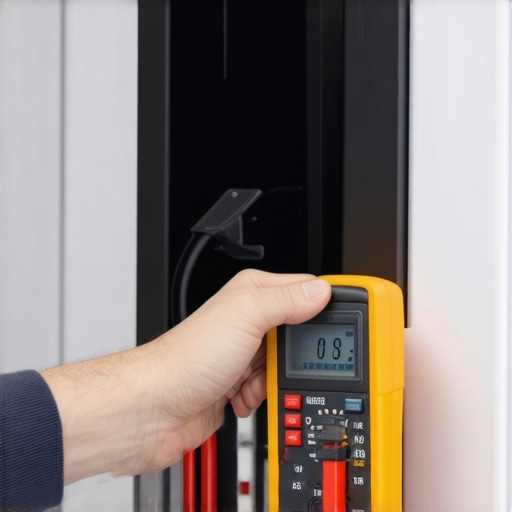
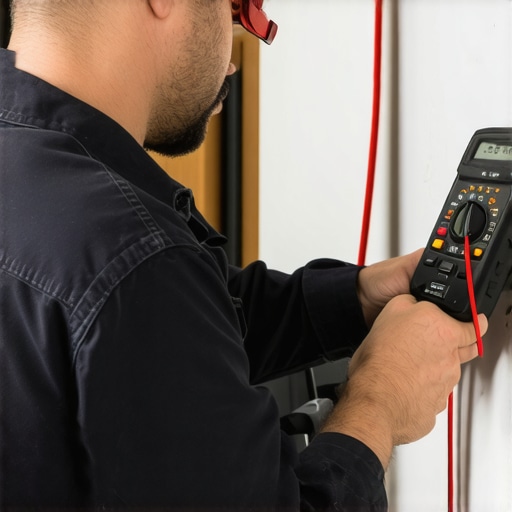
Unplug the charger and examine the outlet for signs of scorch marks, loose wires, or corrosion—common culprits of power flickering. Then, test the outlet with a multimeter or a known-good device. Remember, faulty outlets are like clogged arteries—they restrict vital flow, risking damage or failure.
Verify Charger and Connection
Reconnect and Test
After ensuring power is supplied properly, reconnect the charger securely. Use the troubleshooting steps outlined in this guide to verify if the connection stabilizes. I once swapped out a loose connector, which instantly resolved intermittent disconnects—small fixes with big impacts.
Examine the Charging Cable
Look for visible damage, cracks, or frayed wires. Like a damaged hose leaking pressurized water, a compromised cable can cause inconsistent charging and safety hazards. If unsure, consider testing with a spare cable or consulting a professional.
Assess Electrical Panel and Capacity
Panel Inspection
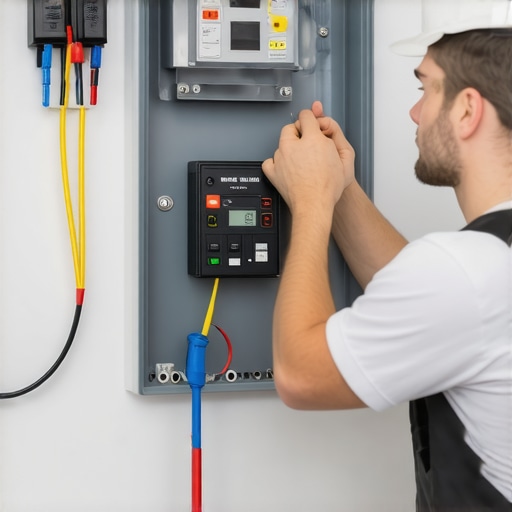
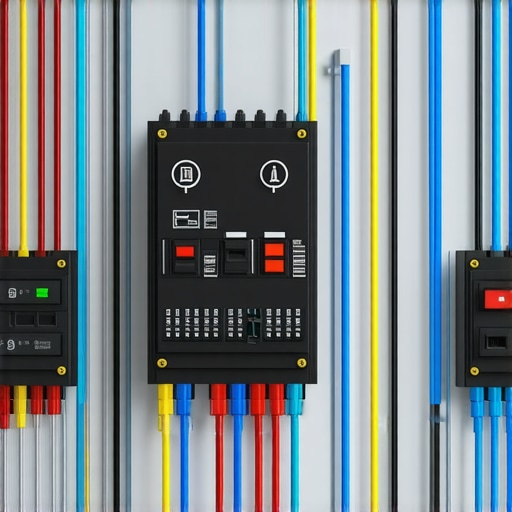
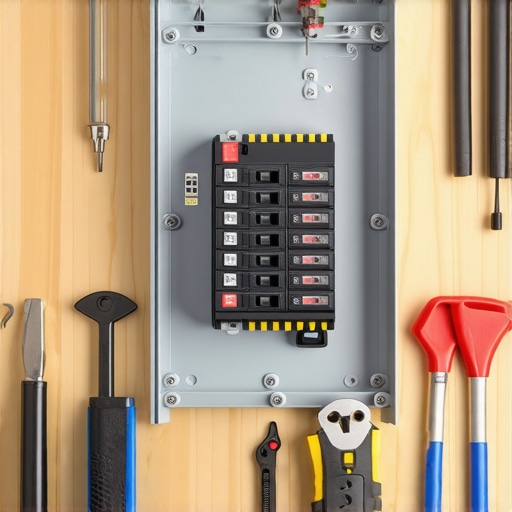
This step is crucial. An outdated or overloaded panel is like a supply chain bottleneck—limiting energy flow and causing flickering or outages.Learn more about panel upgrades here. I once upgraded my panel from a 60-amp to a 100-amp system, which eliminated frequent flickering and ensured my charger had ample power. Think of your electrical panel as a highway; if traffic is congested, everything slows down.
Confirm Circuit Capacity
Ensure your circuit is rated for the charger’s requirements. Overloading circuits is like trying to pour too much water through a funnel—clogs and spills follow. If the circuit is insufficient, you’ll need a dedicated, appropriately rated circuit installed by a professional.
Ensure Compliance and Safety
Verify Code Compliance
Installing or troubleshooting EV chargers without adhering to code is risky. Use this resource to cross-check your setup. When I faced recurring issues, a code compliance review revealed missing ground connections, which I corrected with professional help. It’s like following a recipe—miss a step, and the dish might not turn out safe or tasty.
Consult a Qualified Electrician
If uncertainty persists, contact an expert. I reached out to a licensed electrician when my troubleshooting efforts hit a wall. They identified a subtle wiring fault that was causing intermittent power issues. Think of them as the mechanic who spots the hidden defect beyond the obvious.
Document Your Steps
Keep a record of what you test and observe. It helps pinpoint patterns and provides valuable info if you need professional help later. Remember, troubleshooting is about methodical elimination—each step should clarify or eliminate potential causes.
Many homeowners fall into common traps when troubleshooting EV chargers, often based on misconceptions that can cost time, money, and safety. One widespread myth is that simply resetting the breaker solves all power issues. While sometimes effective, this approach overlooks underlying causes like overloaded circuits or faulty panels—issues that require professional assessment. Relying solely on basic fixes can be dangerous and may lead to neglected code violations, which compromise safety and legality. For instance, skipping proper code compliance checks might initially seem harmless but increases risk of fire or inspection failures. Embracing a nuanced understanding—like recognizing the importance of dedicated circuits and proper panel upgrades—is essential for truly safe and reliable EV charging.
Why Fixing the Symptom Often Masks the Root Problem
A common mistake is addressing only the immediate issue, such as a flickering light, instead of diagnosing the root cause, like an overloaded panel or improper wiring. This shortcut might temporarily restore function but risks future damage or safety hazards. For example, replacing a faulty cable without inspecting the circuit capacity overlooks potential overloads that could cause repeated failures or fires. Advanced troubleshooting involves sequential checks—from verifying circuit capacity to ensuring compliance—preventing recurring problems. Experts emphasize that understanding these nuances is vital; studies from the National Fire Protection Association show most electrical fires stem from overlooked code violations and improper installations, underlining the importance of thoroughness. If you’re serious about safe, long-term EV charging, it’s crucial to go beyond surface fixes. Learn more about proper practices from trusted troubleshooting guides that explain the advanced mistakes homeowners often make. Don’t let misconceptions lead to costly errors—stay informed and methodical.
How Can You Be Certain Your Panel Upgrades Comply with Regulations
Many assume that any upgrade will do, but failing to meet local codes can jeopardize safety and insurance. Advanced troubleshooting entails verifying that electrical improvements—like a panel upgrade—adhere to standards, ensuring safe and lawful operation. For example, installing a high-capacity charger without updating the panel to match the load can cause overloads, risking fire. To avoid this pitfall, consult detailed resources such as panel upgrade guidelines. Remember, a proper upgrade isn’t just about capacity; it involves ensuring all wiring, grounding, and receptacles meet current codes. A licensed electrician can perform a thorough inspection, satisfying both safety and legal requirements. This nuanced approach is what separates amateur fixes from professional-grade safety. Have you ever fallen into this trap? Let me know in the comments. Recognizing these deeper aspects ensures your EV setup keeps you safe and compliant, saving you from future headaches.
Keeping Your EV Charging System in Top Shape
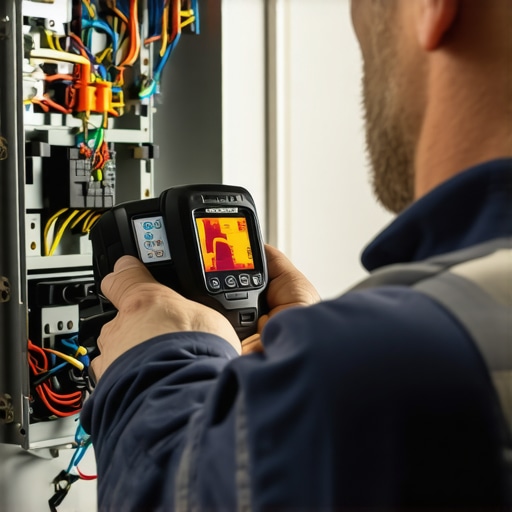
Maintaining a dependable home EV charging setup requires more than just occasional checks; it demands strategic use of specialized tools and consistent attention to detail. I personally rely on a combination of advanced diagnostic devices and professional software to ensure my system remains safe and efficient. One essential tool I use regularly is a clamp meter capable of measuring AC current on individual circuits without breaking the circuit. This non-invasive method allows me to verify that each component operates within safe parameters, especially after panel upgrades. For instance, using a device like the Fluke 324 Clamp Meter helps me quickly identify any overloads or anomalies that could lead to flickering or failure.
Beyond hardware, I depend heavily on specialty software to monitor circuit performance and maintain code compliance. Electrical testing apps like Elspec’s Multi-Logger or Fluke’s Power Quality Analyzer software enable me to review real-time data on voltage stability, harmonic distortion, and flicker levels. These insights are invaluable for proactively addressing potential issues before they escalate, especially as my EV charger draws high power loads. Regular data logging helps identify patterns, such as slight voltage drops during peak usage, which could signal the need for additional panel capacity or wiring upgrades.
In my experience, quarterly inspections combined with these tools have saved me from costly repairs and legal complications. For example, during a recent check, I discovered a minor grounding issue that was compromising safety—an issue I could only identify with detailed measurements provided by my tools. Upgrading my panel also involved analyzing load calculations to ensure full code compliance, which I confirmed using resources like expert troubleshooting guides. Staying ahead in maintenance not only extends the longevity of your system but also assures safety for everyone in your household.
How do I maintain my EV charging setup over time? Stay proactive by adopting a scheduled maintenance routine that incorporates both physical inspections and data reviews. Regularly test circuits with a clamp meter, review system performance through specialized software, and verify that your panel upgrades meet current code standards. Remember, the future of EV charging points toward smarter, integrated monitoring solutions that can alert you to issues before they affect your daily routine. Embracing these advanced tools now ensures your system remains reliable, safe, and efficient for years to come. Ready to take your maintenance to the next level? Try setting up a quarterly data review session with your monitoring software, and see the difference it makes in preempting issues early.Three Lessons That Caught Me Off Guard About Troubleshooting
- Patience Outweighs Quick Fixes: I used to jump straight into replacing cables or resetting breakers, but I learned that taking a step back to analyze systematically saves time and prevents oversight.
- Understanding the Whole System Is Key: Focusing only on the charger or outlet without inspecting the electrical panel or circuit capacity often leads to recurring issues. The big picture makes all the difference.
- Safety Cannot Be Compromised: Overlooking code compliance or skipping professional assessments might seem like a shortcut, but it can jeopardize your home and loved ones’ safety. Prioritizing proper upgrades has protected my investments and peace of mind.
Tools and Resources That Made My Journey Easier
- Advanced Diagnostic Devices: Using tools like a clamp meter helped me identify overloads or grounding issues quickly. I trust brands like Fluke because their reliability guides me through safe troubleshooting.
- Expert Guides and Checklists: Resources such as this troubleshooting guide simplified complex steps and ensured I didn’t miss critical safety measures. Following curated checklists keeps me on track.
- Licensed Electrician Services: When in doubt, consulting professionals like Bright Spark Electric has prevented costly mistakes and maintained compliance with local regulations. My investments in expertise are well worth it.
< li>Local Code Standards Information: I always review local regulations via reputable sources to confirm my upgrades adhere to safety and legal standards, which gives me confidence in long-term reliability.
Embracing the Future of Safe, Reliable Charging
< li>Local Code Standards Information: I always review local regulations via reputable sources to confirm my upgrades adhere to safety and legal standards, which gives me confidence in long-term reliability.
Stepping into the world of electric vehicle charging has taught me that mastering troubleshooting, safety, and code compliance isn’t just about fixing problems—it’s about fostering peace of mind and protecting your home investment. By staying curious, employing the right tools, and committing to professional guidance when needed, you set yourself up for seamless and secure EV experiences. Your journey towards that reliable, worry-free charge starts today—don’t wait for a flicker or outage to remind you how crucial these practices are.
Have you ever faced a challenging troubleshooting step with your EV charger? Share your experience below and let’s learn from each other!
,