Ever woken up to a tripped breaker and wondered what on earth happened overnight? I remember the frustration vividly—expecting to wake up with a fully charged EV, only to find the circuit breaker had decided to shut everything down in the middle of the night. It’s a problem that’s become all too common for many EV owners, including myself, and like you, I was desperate to find a solution.
The Breaker Dilemma: Why Your Main Panel Might Be Troubling You
Once I started digging into this issue, I realized it’s not just about faulty hardware or random faults. There’s a complex interplay of electrical loads, code compliance requirements, and hardware limitations that can cause your main breaker to trip during overnight charging sessions. Given the increasing number of electric vehicles on the road—by 2030, it’s projected that over 70 million EVs will be on U.S. roads—the electrical infrastructure must be up to the task. Interestingly, the National Fire Protection Association reports that improper wiring or overloading circuits contribute to nearly 20% of electrical fires involving EV chargers, underscoring the importance of proper setup and maintenance (source).
But here’s the thing: before blaming the breaker or calling in an electrician, I learned that understanding my electrical panel and how I was using it can make a huge difference. I made a classic mistake early on—assuming that a standard 200-amp panel was enough for my EV charger and lifestyle, without considering the actual load and how it was balanced. That oversight led to frequent trips and created a cycle of frustration. The good news is, with some simple upgrades and adjustments, many of these issues can be fixed.
Have you faced this specific problem? If your breaker trips during overnight charging, you’re not alone.
In the next sections, I’ll walk you through the practical steps to identify whether your panel needs an upgrade, how to ensure code compliance, and what actions can prevent your breaker from misbehaving again. Trust me, solving this isn’t just about convenience; it’s about safety and peace of mind. If you’re ready to stop waking up to a reset button, let’s dive into the details that helped me regain control of my charging setup.
.
Assess Your Electrical Panel’s Capacity and Load
Start by examining your main electrical panel to determine if it can handle your EV charger’s demand. I once assumed my 200-amp panel was sufficient, but after measuring my household’s load using a clamp meter, I discovered I was already close to capacity, especially during peak usage. This overload causes the breaker to trip when my charger draws high current. To verify, review your panel’s capacity and compare it to your total household load. If unsure how to interpret this data, consult a licensed electrician or visit this guide on code compliance. If your load exceeds the panel’s limit, upgrading your panel or redistributing circuits becomes necessary.
Balance the Electrical Load for Stable Charging
Unequal load distribution can stress your panel, leading to trips. I fixed this by redistributing outlets and appliances to balance the load evenly. Think of your electrical system like a seesaw; if one side becomes too heavy, it tips over — similar to your breaker tripping. Use load calculators or consult a professional to identify overloaded circuits and reassign high-demand devices. For a detailed approach, explore expert tips on EV troubleshooting.
Upgrade Your Panel or Circuits to Meet Future Demands
If your current panel cannot support your EV charger or future expansions, upgrading is prudent. My experience with a DIY upgrade was messy; I installed a subpanel dedicated to my EV charger, which greatly reduced trips. This is akin to adding a dedicated lane on a highway for freight trucks — it prevents congestion and overloads. To handle high EV loads safely and efficiently, consider installing a dedicated 40–50 amp circuit with proper wiring. For specifics, see panel upgrade essentials. Remember, panel upgrades should always comply with local codes, which you can verify at this regulatory checklist.
Ensure Your System Meets Safety and Code Standards
Code compliance isn’t just about legality; it’s about safety. I failed to check this initially, which caused several issues when inspecting my setup. Use the compliance verification guides to confirm your installation adheres to the National Electrical Code (NEC) and local amendments. Proper grounding, correct wire sizing, and circuit protection are all critical. Remember, improper setup can lead not just to breaker trips but also fire hazards.
Monitor and Test After Upgrades
Once your upgrades are complete, testing your system ensures everything operates smoothly. Turn on your charger and monitor the breaker for a few cycles. I used a smart plug to log load data over several nights, which helped me identify lingering issues. If problems persist, revisit your load calculations or check connections. For troubleshooting, visit expert troubleshooting tips.
Maintain Regular Checks to Prevent Future Trips
Preventative maintenance is essential. Schedule periodic inspections to verify wiring integrity, clean connections, and update breakers if necessary. Keep an eye on your system’s performance,and don’t hesitate to consult professionals for comprehensive assessments. Maintaining your electrical system ensures safe, reliable EV charging and peace of mind. For ongoing guidance, consider reviewing phase loss fixes and other updates relevant to upcoming standards.
Many EV owners and even some electricians operate under misconceptions that can lead to costly mistakes or safety hazards. A common myth is that simply installing a high-capacity panel automatically ensures smooth EV charging. In reality, understanding the nuances of code compliance and proper panel upgrades is crucial for long-term safety and functionality. Overlooking these details often results in charging issues, or worse, code violations that delay permits and increase inspection costs (source).
Are Your Safety Assumptions Putting You at Risk
One trap many fall into is believing that only faulty hardware or a defective breaker causes trips. However, advanced mistakes include neglecting load analysis or ignoring new code requirements, such as the 2026 regulations that demand better load management and neutral bonding practices. Many assume that an upgraded panel is a foolproof fix, but without proper inspection and adherence to these mandates, you risk not just repeated trips but potential fire hazards. Advanced troubleshooting involves thorough load calculations and verifying that your installation aligns with all relevant standards (expert insights).
Another misconception is that code compliance is just about passing inspections. In truth, it’s about ensuring your system can handle the intricate demands of EV charging, especially as standards evolve. For example, the misapplication of AFCI breakers or improper wiring can trigger false trips, which look like hardware issues but are actually compliance oversights. Regular testing and quality control are necessary to stay ahead, especially when integrating smart chargers and load management systems.
The Hidden Danger of Oversimplified Upgrades
Many think that upgrading to a bigger panel guarantees future-proofing. Yet, advanced experts know that without addressing underlying issues—like neutral conductance, bonding practices, or phase balancing—these upgrades can become ineffective or even hazardous. New regulations, such as the 2026 rules on high-amperage safety and continuous load, mean that your upgrade must be strategic, not just bigger. Missteps here can cause your system to fail inspections or sustain damage over time (more details).
To avoid these pitfalls, consider consulting a professional who understands the latest code updates and can perform comprehensive evaluations. Always verify your installation adheres to all relevant standards, from grounding to conductor sizing, especially in multi-ev environments. Remember, adhering strictly to code isn’t just about compliance—it’s about safeguarding your home and loved ones from preventable hazards. Have you ever fallen into this trap? Let me know in the comments.
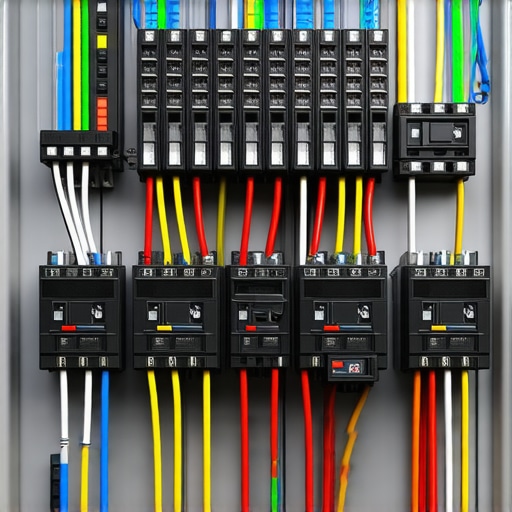
How Do I Keep My EV Charging Setup in Peak Condition Over Time
Ensuring your EV charger continues to operate reliably requires a combination of the right tools and consistent maintenance routines. I personally rely on a few key pieces of equipment to monitor and maintain my system effectively. A high-quality clamp meter, for example, is indispensable for measuring current loads without disconnecting wires. This device helps me identify uneven load distributions or unexpected spikes that might lead to breaker trips. When I notice anomalies, I use a digital multimeter to verify voltage levels and ensure wiring integrity, especially after upgrades or repairs.
In addition to physical tools, I harness advanced software solutions to track system performance over time. I recommend investing in smart monitoring devices that connect to your Wi-Fi network, providing real-time data on circuit loads and potential issues. These systems often come with alert functions, notifying you if a circuit exceeds safe thresholds or if maintenance is due, which is invaluable for of long-term reliability. Personally, I use a combination of smart plugs compatible with my system and dedicated load management apps to optimize charging times and prevent overloads during peak hours.
Regular visual inspections are equally crucial. Look for signs of wear, corrosion, or overheating on wiring connections, especially around panel upgrades or initial installations. A simple, yet effective, technique is to perform thermal imaging scans annually—these can reveal hotspots that aren’t visible to the naked eye, indicating potential problems before they escalate. I utilize handheld thermal cameras, which are surprisingly affordable and straightforward to operate, to routinely scan my main panel and charger connections.
As the industry advances, expect integration of AI-driven diagnostic tools that analyze data logs to predict failures before they happen. Already, some systems incorporate machine learning algorithms that adapt to your usage patterns, prompting you to perform maintenance proactively. Staying ahead of these trends will ensure your EV charging infrastructure remains safe, compliant, and efficient for years to come.
What If You Could Simplify Maintenance with a Dedicated System?
By setting up a dedicated monitoring and maintenance routine, you reduce downtime, prevent costly repairs, and extend the lifespan of your equipment. For example, I strongly recommend consulting resources like this comprehensive guide on code compliance to ensure your tools and methods adhere to current standards. Implementing regular checks with these calibrated instruments will keep everything running smoothly, even as standards evolve and your system expands.
In the future, the trend toward smarter, more integrated systems will make maintenance even easier, potentially automating diagnostics entirely. For now, integrating quality tools and establishing a routine yourself is the most effective strategy. Try the tip of performing an annual thermal scan coupled with load measurements—you’ll be surprised at how much peace of mind it offers, knowing your setup is optimized and safe.
Lessons That Changed My Approach to EV Charging
- One of the most surprising insights was that bigger panels alone don’t solve trip issues; thorough load analysis and proper grounding are crucial—it’s not just hardware but precise system management that counts.
- I underestimated the importance of adhering strictly to latest code regulations, especially as standards like the 2026 updates roll out; compliance isn’t just bureaucratic—it’s essential for safety and reliability.
- Having dedicated monitoring tools transformed my understanding of long-term system health. Regular thermal imaging and load logging revealed hidden stress points I never saw before, saving me costly repairs.
- Initially, I thought upgrading the panel was a quick fix, but I learned that addressing neutral conductance, bonding, and load balancing ensures the upgrade truly future-proofs my setup—size isn’t everything.
- Seeking professional advice became my best decision—I realized that complex upgrades require expert assessment to prevent overlooked code violations or unsafe configurations.
Tools and Resources That Could Change Your EV Charging Game
- High-quality clamp meter: Measuring real-time current loads without rewiring helps me identify overloads and balance circuits effectively. I trust Fluke for accuracy.
- Thermal imaging camera: Spot hotspots before they cause trouble; my Flir thermal camera streamlines preventative maintenance.
- Smart load management system: Devices like Sense or Neurio help track consumption patterns over time, alerting me to anomalies early. They make ongoing monitoring effortless.
- Relevant guides on code compliance: The detailed resources at this page keep me updated on the latest standards and best practices for safe installations.
Your Path to Confident EV Charging Starts Today
Taking control of your EV charging setup is a journey worth embracing. By applying these lessons, utilizing trusted tools, and staying informed about evolving codes, you empower yourself to create a safe, efficient, and reliable charging environment. Don’t wait for a breaker trip to remind you—be proactive, and enjoy the peace of mind that comes with a well-maintained system. Your future self will thank you for prioritizing safety and preparedness now.
What step are you most excited to try out first? Share your plans or questions below—let’s keep the conversation going!