Stop Guessing What Your Electrical Repairs Will Cost
Premium electrical work without the shocking price tag.
We deliver premium electrical work across Lake Mary, Winter Garden, and Orlando without the shocking price tag. You get an exact, itemized quote before we pull a single wire, backed by strict National Electrical Code compliance.
Electrical Services Priced With Total Transparency
⚡ 200-Amp Panel Upgrades
We replace outdated Federal Pacific or Zinsco panels with modern Square D or Eaton systems. You see the exact cost of materials and labor broken down to the dollar.
🚗 EV Charger Installations
Stop relying on a standard 120V outlet. We install hardwired 60-amp circuits for Level 2 chargers, including full load calculations to ensure your main breaker handles the draw.
🌩️ Whole-Home Surge Protection
A single lightning strike in Central Florida destroys thousands of dollars in appliances. We install Type 2 surge protective devices directly at your main service panel.
🔌 Aluminum Wiring Remediation
Homes built in the 1970s carry high fire risks from aluminum wiring. We apply AlumiConn retrofits to every junction box, securing your home and satisfying insurance requirements.
💡 Custom Lighting Design
From recessed LED layouts to exterior security floods, we handle the circuitry and switching. You receive a precise fixture allowance and wiring estimate upfront.
🏢 Commercial MEPFP Consulting
Managing complex commercial build-outs requires strict coordination. We provide load calculations, fault current studies, and complete electrical blueprints for Winter Garden businesses.
48-Hour
Quote Turnaround
You receive a fully itemized breakdown of materials and labor within two days of our site visit.
10,000+
Amps Installed
We have safely upgraded main service panels across Central Florida, strictly adhering to current NEC standards.
0
Hidden Fees
The price on your approved estimate is the exact price you pay upon final inspection.
Our Transparent 3-Step Electrical Process
1
Schedule Your Diagnostics
Book a site visit where we test your circuits, inspect your panel, and identify the exact root cause of your electrical fault. We charge a flat $89 diagnostic fee for this visit.
2
Review Your Itemized Estimate
We provide a line-item breakdown showing the exact cost of copper wire, breakers, conduit, and labor. You know precisely where every dollar goes before you approve the work.
3
Execute With Premium Safety
We pull the necessary municipal permits and complete the installation using commercial-grade materials. We do not leave until the local inspector signs off on the final permit.
Real Central Florida Homeowners, Real Numbers
José told me exactly what replacing my dangerous Zinsco panel would cost down to the penny. Another company quoted me double with zero explanation. The new 200-amp Square D panel passed city inspection on the first try.
Mark T. — Lake Mary, FL
We needed a Level 2 EV charger installed in our older garage. They did a full load calculation, upgraded the subpanel, and ran the 6-gauge wire perfectly. No surprise charges at the end.
Sarah L. — Orlando, FL
The aluminum wiring in my 1972 home was preventing me from getting homeowners insurance. Bright Sparkz installed AlumiConn connectors on all 84 outlets and switches. The insurance company accepted their detailed report immediately.
David R. — Winter Garden, FL
As a restaurant owner, electrical issues cost me thousands in lost inventory. José’s MEPFP background showed when he redesigned our kitchen circuits to handle three new commercial fryers without tripping the main breaker.
Elena M. — Orlando, FL
Frequently Asked Questions
Why do you charge a diagnostic fee when others offer free estimates?
Free estimates usually mean the contractor hides their travel and diagnostic time in an inflated repair bill. We charge a flat $89 to properly test your system with a multimeter, find the actual fault, and give you an honest, itemized repair cost.
Do I really need to upgrade my electrical panel to 200 amps?
If your home still has a 100-amp service and you plan to add an EV charger, hot tub, or new HVAC system, you will exceed your load capacity. We run a strict NEC load calculation to tell you exactly how many amps your current setup draws.
Are your prices negotiable?
No. We price our jobs based on the exact cost of commercial-grade materials and the hours required to install them safely. Negotiating means cutting corners on safety, and we refuse to install cheap, unlisted breakers in your home.
Do you handle the permitting process with the city?
Yes. We pull all necessary electrical permits in Lake Mary, Winter Garden, and Orlando. We schedule the rough-in and final inspections directly with the municipal building department so you stay completely compliant.
Stop Guessing. Start Fixing.
Book your diagnostic visit today and get a fully itemized, no-nonsense quote for your electrical project.
Written & Reviewed By
José Antonio Guzmán Santana
MEPFP Projects Manager & Sr …
José Antonio Guzmán Santana is a highly accomplished MEPFP Projects Manager with extensive experience
Latest from Our Blog
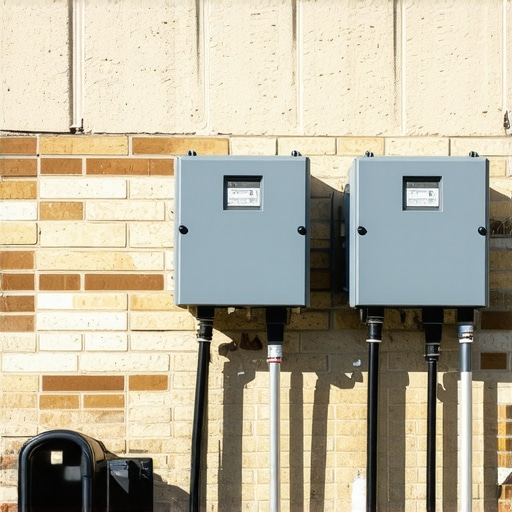
Why Your Utility Might Require a Separate Meter for Your Car
I was standing in my garage, admiring the green glow of my new charger, feeling like I’d finally beaten the…

The Hidden Rebates That Pay for Your Commercial Fleet Upgrade
I remember sitting in my office at 2 AM, staring at a spreadsheet that looked like a crime scene. I…
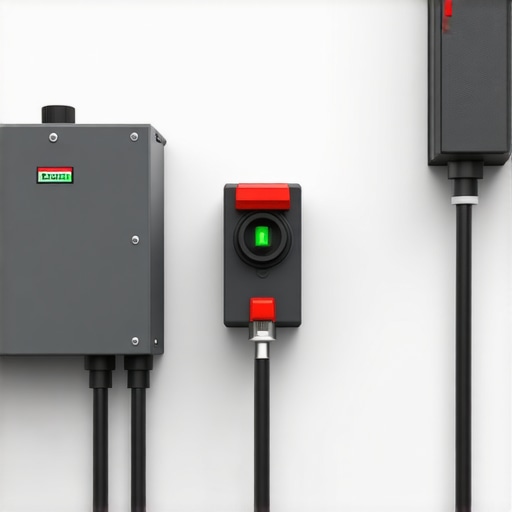
Why Your Wall Connector Needs a Dedicated Disconnect Switch
I’ll never forget the night I stood in my garage, staring at my expensive new EV charger while a faint…