Affordable Electrical: Top Tips for Code Compliance & Reliable EV Charger Installation

My Journey into Affordable Electrical Solutions for Safe EV Charging

When I first decided to upgrade my home with an electric vehicle charger, I was overwhelmed by the complex world of electrical codes and safety standards. As a homeowner passionate about safety and budget-conscious, I knew I had to find a way to navigate this landscape without breaking the bank. My journey started with a simple question: how can I ensure my EV charger installation is both affordable and compliant with all safety regulations?

Understanding the Importance of Code Compliance in EV Charger Installations

Ensuring code compliance isn’t just about following rules; it’s about guaranteeing safety for myself and my family. I learned that proper electrical codes help prevent hazards like electrical fires or shocks. I found reliable resources, such as Bright Spark Electric’s guide on code compliance, which helped demystify the legal requirements and safety standards for installing EV chargers. This knowledge was my first step toward a safe, affordable setup.

Affordable Panel Upgrades—A Key to Safe and Reliable EV Charging

One of the most crucial aspects of my installation was upgrading my electrical panel to handle the additional load. Initially, I thought this might be costly, but I discovered that with proper planning and expert advice, I could find affordable solutions. For example, panel upgrades for EV chargers can be cost-effective if done correctly, ensuring both safety and performance. Trusting licensed electricians for this step was essential to meet all safety standards without overspending.

How Do I Verify My Installation Meets All Safety Standards?

Verifying compliance was a critical part of my journey. I learned to double-check with local authorities and consult professionals about how to verify code compliance. This step gave me peace of mind that my setup was safe and reliable. It also helped me avoid costly rework later, which I realized can be a real expense if overlooked.

What Are Some Practical Tips for Ensuring Safe and Cost-Effective EV Charger Installation?

My advice, based on personal experience, is to always consult with qualified electricians early in the process. They can recommend affordable upgrades and ensure compliance. Also, do thorough research on local codes and safety standards—many resources are available online. Remember, investing in proper wiring and panel upgrades now can save you from expensive repairs and safety hazards later. For more expert guidance, explore troubleshooting tips for common issues and ensure your installation is both safe and reliable.

If you’ve had similar experiences or want to share your tips, I invite you to leave a comment below. Your insights could help others navigate their affordable electrical upgrades successfully!

Balancing Budget and Safety: Advanced Strategies for EV Charger Installation

As the demand for home EV chargers surges, homeowners often grapple with balancing affordability and safety compliance. Beyond basic upgrades, exploring innovative solutions like smart load management systems can optimize existing electrical infrastructure, reducing the need for extensive panel upgrades. These systems intelligently distribute power, preventing overloads and enhancing safety without hefty costs. Moreover, understanding the nuances of local electrical codes—such as those detailed in code compliance guidelines for 2024—empowers homeowners to plan installations that are both compliant and economical.

Creative Approaches to Verify and Maintain Safety Standards

Verification doesn’t end at installation; ongoing maintenance and periodic inspections are essential. Smart home electrical monitoring devices can provide real-time alerts for potential issues, ensuring continued safety and performance. Engaging with certified electricians who are familiar with the latest code amendments—like those recommended by experts in troubleshooting and safety checks—can help maintain compliance over time. Additionally, documenting your upgrades and inspections can streamline future audits and ensure transparency, especially if you plan to sell your home or upgrade further.

How Can Emerging Technologies and Expert Insights Elevate Your EV Charging Safety?

Emerging technologies such as smart circuit breakers and integrated energy management systems are revolutionizing home EV charging safety. These innovations not only enhance protection but also contribute to energy efficiency and cost savings. According to industry leaders, integrating these advanced systems aligns with the latest safety standards and future-proofs your home’s electrical infrastructure. Staying informed through trusted sources like comprehensive guides on troubleshooting and compliance enables homeowners to make informed decisions that marry safety, performance, and affordability.

If you’ve navigated similar upgrades, I encourage you to share your experiences or ask questions below. For those eager to deepen their understanding, exploring resources on panel upgrades and code compliance can provide valuable insights into creating a safe, reliable, and cost-effective EV charging setup at home.

Beyond Basics: Embracing Smart Solutions for Long-Term Electrical Safety

Reflecting on my journey, I realize that initial upgrades were just the beginning. As technology evolves, integrating smart load management systems has become a game-changer. These systems utilize intelligent algorithms to distribute power efficiently, ensuring my electrical panel isn’t just compliant but optimized for future needs. Implementing such solutions required careful planning and collaboration with licensed electricians, who guided me through selecting compatible smart breakers and energy management units. This proactive approach not only enhances safety but also extends the lifespan of my home’s electrical infrastructure, making the investment truly worthwhile.

How Do Emerging Technologies Elevate Your Home Charging Experience?

Emerging technologies like smart circuit breakers, real-time monitoring, and automated safety alerts are revolutionizing home EV charging. I found that these innovations provide continuous oversight of electrical loads, instantly alerting me to anomalies before they escalate into hazards. For example, integrating a smart breaker connected to my home Wi-Fi allows me to monitor energy consumption remotely and receive notifications if any irregularities occur—adding a layer of peace of mind. Industry reports, such as those from the National Electrical Code updates in 2024, emphasize the importance of adopting these advanced solutions for enhanced safety and compliance. Staying informed through trusted sources like comprehensive guides on troubleshooting and compliance is essential for making informed decisions about adopting these technologies.

What Are the Nuances in Code Compliance for Advanced Electrical Systems?

Understanding the subtleties of code compliance, especially with cutting-edge systems, requires a deeper dive. For instance, the integration of smart load management devices must adhere to specific standards outlined in latest code guidelines for 2024. These standards ensure that new technologies complement existing infrastructure without introducing risks. I learned that consulting with experienced electricians familiar with these updates is crucial—they can help navigate the complexities, ensure proper installation, and document compliance for future inspections. This meticulous approach prevents costly rework and guarantees the safety of my entire electrical system.

If you’re considering integrating advanced technologies into your home EV charging setup, I encourage you to share your experiences or ask questions. Engaging with professionals and staying updated through resources like expert troubleshooting tips will help you create a reliable, safe, and future-proof system.

Personal Insights: Balancing Innovation and Practicality

Balancing the allure of new tech with practical safety measures is a nuanced process. From my experience, the key is not just to adopt the latest gadgets but to ensure they integrate seamlessly with your home’s existing electrical standards. Sometimes, this means upgrading your panel with the right capacity, installing smart devices, and updating wiring in a way that’s both compliant and resilient. It’s a layered approach that requires patience, education, and trusted professional advice. This ongoing journey of learning and adapting keeps my home safe and my charging experience hassle-free, reinforcing that safety and innovation are not mutually exclusive but mutually reinforcing.

Harnessing the Power of Smart Load Management for Future-Proof Safety

As my journey into home EV charging deepened, I realized that the integration of smart load management systems was pivotal in optimizing safety and performance. These innovative solutions leverage real-time data analytics to distribute electrical loads dynamically, preventing overloads and reducing unnecessary panel upgrades. Implementing such systems required a meticulous approach—consulting with specialists who could tailor the technology to my existing infrastructure while adhering to the latest standards outlined in 2024 code compliance guidelines. The result was a seamless blend of safety, efficiency, and scalability, offering peace of mind for future expansion.

Can Emerging Technologies Truly Revolutionize Home Charging Safety?

Emerging electrical innovations such as smart circuit breakers, integrated energy management systems, and IoT-enabled safety alerts are transforming the landscape of home EV charging. These technologies provide continuous monitoring, automatically shutting down circuits when anomalies are detected, and alerting homeowners via smartphone notifications. For instance, smart circuit breakers that comply with the latest standards can be installed alongside traditional systems, enhancing overall safety without extensive rewiring. According to a recent report by industry experts, adopting these advanced solutions not only ensures compliance but also significantly extends the lifespan of your electrical infrastructure. To explore these options further, I recommend reviewing expert troubleshooting and safety tips that detail best practices for integrating smart systems into your home.

What Are the Nuanced Aspects of Code Compliance When Installing Advanced Electrical Systems?

Understanding the subtleties of code compliance becomes even more critical when integrating cutting-edge technology. For example, the installation of smart load management devices must meet specific standards outlined in 2024 code guidelines. These standards ensure that new devices are compatible with existing wiring, breakers, and safety protocols, minimizing risks. Engaging with licensed electricians experienced in these updates is vital—they can navigate the regulatory landscape, document the installation properly, and ensure your system is fully compliant. This proactive approach not only guarantees safety but also simplifies future inspections or potential resale processes. If you’re considering a technological upgrade, I invite you to share your experiences or ask questions below, fostering a community of informed homeowners eager to optimize their electrical safety.

Things I Wish I Knew Earlier (or You Might Find Surprising)

1. The Hidden Costs of Ignoring Code Compliance

Initially, I thought that skipping some safety standards might save money, but I quickly learned that non-compliance could lead to costly rework or dangerous hazards. Getting professional advice early on saved me from unexpected expenses down the line.

2. Upgrading Your Panel Isn’t Always Expensive

Many assume upgrading the electrical panel is a hefty investment, but with the right planning and expert guidance, affordable options are available. This step is crucial for safety and can be more budget-friendly than expected.

3. Smart Load Management Systems Are Game Changers

Integrating smart load management not only optimizes your existing setup but also prevents overloads. These systems are surprisingly affordable and future-proof your home for additional EV chargers or appliances.

4. Regular Maintenance Saves Money and Lives

Ongoing inspections and monitoring devices can catch issues early, avoiding potential hazards. Trusting certified electricians for periodic checks is a smart investment in safety and peace of mind.

5. Emerging Technologies Are Making Home Charging Safer

From smart circuit breakers to IoT-enabled alerts, new tech is revolutionizing safety. Staying informed about these innovations helps you make smart upgrades that protect your home and loved ones.

Resources I’ve Come to Trust Over Time

  • Bright Spark Electric’s guides: Their comprehensive resources on code compliance and electrical upgrades helped me understand complex standards with clarity. I highly recommend their site for reliable information.
  • National Electrical Code (NEC): The NEC provides up-to-date safety standards that are essential for any electrical work, ensuring compliance and safety.
  • Electric Vehicle Home Charging Resources: Websites dedicated to EV charging best practices offer practical tips and troubleshooting advice that I found invaluable.

Parting Thoughts from My Perspective

Balancing safety and affordability when installing an EV charger at home is challenging but achievable. From my experience, early investment in proper wiring, panel upgrades, and smart systems pays off in safety, reliability, and peace of mind. Remember, working with licensed electricians and staying informed about the latest standards is key. If this resonates with you, I’d love to hear your thoughts or experiences—sharing knowledge helps us all make smarter, safer decisions for our homes. Feel free to drop a comment or share this article with someone considering their own electrical upgrades.

Affordable Electrical: Expert Panel Upgrades & Troubleshooting EV Chargers for Safety

My Personal Experience with Electrical Panel Upgrades for EV Charging

When I first decided to switch to an electric vehicle, I knew I had to upgrade my home’s electrical system. The thought of ensuring safe and reliable charging was daunting, but I quickly learned that investing in a proper panel upgrade is crucial. I remember calling a local electrician, and their advice was clear: a professional panel upgrade can significantly improve EV charging performance and safety. It was a relief to know that an upgrade not only supports my current charger but also future-proofed my home. For those considering similar upgrades, I recommend reviewing this detailed guide on panel enhancements for EVs.

Why I Prioritize Safety When Troubleshooting EV Chargers

One evening, I noticed my EV charger wasn’t functioning as smoothly as before. Instead of panicking, I followed a troubleshooting checklist I found on Bright Spark Electric’s site. From checking the circuit breaker to inspecting for loose connections, I learned that many common issues are simple to diagnose with the right knowledge. The key is to always prioritize safety—turn off power before inspecting or attempting repairs. I also took the time to read about expert troubleshooting tips to avoid risking electrical hazards. Ensuring code compliance is essential; I keep my installations in line with local regulations, which I verified through resources like this compliance guide.

What Are the Key Signs That My EV Charger Needs Professional Help?

If you’re like me, you might wonder when to call in a professional. Signs such as frequent tripping of circuit breakers, unusual sparks, or inconsistent charging speed are red flags. Sometimes, it’s a matter of outdated wiring or insufficient power supply, which can be addressed by a certified electrician. I’ve learned that regular maintenance and inspections help prevent costly repairs and ensure safety. To explore more about diagnosing issues, visit this troubleshooting resource. Remember, safety comes first—never attempt complex repairs yourself without proper expertise.

How Can I Make Sure My EV Charging Setup Is Fully Safe and Code-Compliant?

Ensuring your EV charger and panel meet safety standards is vital. I always check that installations follow local electrical codes, and I consult with licensed professionals for any upgrades. The National Electrical Code (NEC) provides essential guidelines, and I make sure my setup aligns with these standards by referencing trusted sources like compliance tips. Proper grounding, circuit protection, and regular inspections are key to a safe charging environment. If you’re unsure about your setup, I recommend getting a professional inspection—it’s worth the peace of mind.

If you’ve faced similar challenges or have tips to share, I’d love to hear your experiences! Feel free to leave a comment below or reach out through my contact page. Sharing knowledge helps us all keep our homes safe and our EVs charging smoothly.

Understanding the Nuances of Electrical Code Compliance for EV Chargers

One of the most critical aspects of installing or upgrading your EV charging station is adhering to local electrical codes and standards. While many homeowners focus on the physical installation, overlooking compliance can lead to safety hazards and potential legal issues. As an electrical expert, I emphasize the importance of familiarizing yourself with the National Electrical Code (NEC) guidelines, which are regularly updated to enhance safety and efficiency. Resources like this compliance guide provide comprehensive insights into the latest requirements, including grounding, circuit protection, and wiring methods.

How Do Professional Panel Upgrades Enhance Safety and Performance?

When it comes to supporting high-capacity EV chargers, especially in homes with older electrical systems, panel upgrades are often necessary. Upgrading your electrical panel not only ensures sufficient power delivery but also significantly reduces the risk of overheating, short circuits, or tripped breakers. A well-executed upgrade incorporates modern breakers, proper grounding, and adequate wiring capacity—all vital for safe EV charging. For detailed advice on the upgrade process, check this expert resource.

Can My Existing Electrical System Handle Future EV Charging Demands?

As EV technology advances, chargers are becoming more powerful, demanding greater electrical capacity. A common question I encounter is whether existing systems are future-proof. The answer often depends on your current panel’s capacity and wiring infrastructure. Upgrading your panel to a higher amperage rating can accommodate multiple EVs or future technological upgrades without risking safety or performance. Moreover, integrating smart load management systems can optimize energy use and prevent overloads. To explore options tailored to your home, consider consulting a licensed electrician who can assess your setup and recommend necessary upgrades, like those discussed here.

What Are the Practical Steps to Verify Your EV Charger’s Safety and Compliance?

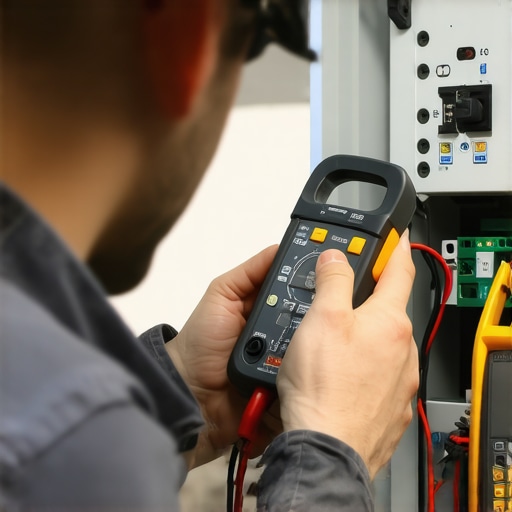
Verifying your setup’s safety involves a series of practical steps. First, ensure the charger and wiring are installed by licensed professionals following the latest code standards. Next, perform regular inspections for signs of wear, loose connections, or corrosion. Using a multimeter, you can verify proper grounding and circuit integrity. Additionally, consulting resources such as this official guide helps you understand what to look for during inspections. Remember, safety is not a one-time task but an ongoing process, especially as your electrical system ages or as regulations evolve.

If you’ve experienced challenges or have insights about maintaining code compliance in EV charging setups, I invite you to share your experiences in the comments or reach out via our contact page. Staying informed and proactive ensures your home remains a safe, efficient environment for electric vehicle charging.

How Do I Truly Know My Home Electrical System Meets the Latest Safety Standards?

Over the years, I’ve learned that ensuring your electrical setup complies with current codes isn’t just a matter of ticking boxes; it’s about understanding the nuanced requirements that evolve with technology and safety standards. For instance, modern regulations now emphasize the importance of AFCI (Arc Fault Circuit Interrupters) and GFCI (Ground Fault Circuit Interrupters) installations, which significantly reduce fire and electric shock risks. When I upgraded my own panel, I took the time to review the latest compliance guidelines to ensure my system was not only functional but also aligned with these advancements. This proactive approach gave me peace of mind, knowing my setup was prepared for current and future safety standards.

Why Is It Critical to Keep Abreast of Code Changes When Upgrading Electrical Systems for EVs?

Electrical codes are not static; they transform as new risks emerge and technology advances. I remember when I first looked into upgrading my panel, I was surprised to discover recent changes in the 2024 NEC updates that now require dedicated circuits for high-capacity EV chargers. Ignoring these updates can lead to unsafe situations or costly rework later. Staying informed requires me to regularly review authoritative resources and consult with licensed electricians. This continuous learning has helped me avoid common pitfalls, such as overloading circuits or improper grounding, which can compromise safety and compliance.

How Do I Balance Practical Installation Needs with Strict Regulatory Requirements?

Balancing practical needs and regulations is a dance I often perform in my home projects. For example, I wanted a fast-charging station that wouldn’t overload my existing system. After extensive research and consultation, I realized that a panel upgrade coupled with smart load management could meet my needs without breaching safety standards. I found that understanding the troubleshooting tips and applying them during the upgrade process helped me identify potential issues early. It’s crucial to remember that safety and compliance should never be compromised for convenience; instead, innovative solutions like load balancing and selective circuit design can bridge the gap effectively.

What Are the Hidden Dangers of Overlooking Code Compliance in EV Charger Installations?

In my experience, ignoring code compliance can lead to subtle but serious hazards—such as increased fire risk, electrical shocks, or damage to expensive equipment. I once heard from a fellow homeowner that their DIY installation caused a circuit to trip frequently, which was ultimately traced back to non-compliant wiring and inadequate grounding. The real danger lies in the fact that these issues might not be immediately visible, making regular inspections and professional assessments vital. The National Electrical Code provides a comprehensive framework, but understanding and applying it correctly remains a challenge for many. To help bridge this gap, I recommend engaging with reputable resources and licensed professionals who are familiar with local amendments and updates.

Sharing your experiences or concerns about code compliance in EV setups can be incredibly helpful. Feel free to leave a comment or reach out through my contact page. Together, we can ensure that our homes remain safe, efficient, and ready for the future of electric mobility.

Mastering the Art of Electrical Code Compliance in Complex EV Charging Setups

In my extensive journey upgrading electrical systems for EV charging, I’ve discovered that compliance with evolving standards like the 2024 NEC is not just a legal obligation but a fundamental safeguard for home safety. The intricacies of implementing AFCI and GFCI protections, especially in retrofit scenarios, demand a nuanced understanding that goes beyond basic wiring. I’ve often referred to authoritative resources, such as this comprehensive compliance guide, to navigate the complexities of modern electrical codes. Ensuring your setup meets these standards minimizes fire risks and electric shocks, providing peace of mind for years to come.

How Can I Leverage Technology to Future-Proof My EV Charging Infrastructure?

As electric vehicles become more integrated into our smart homes, the role of technology in ensuring safety and performance becomes paramount. I’ve integrated load management systems that dynamically balance power between multiple chargers, preventing overloads while optimizing energy consumption. These systems, often coupled with smart panels, adapt to future demands, allowing for seamless upgrades without extensive rewiring. To stay ahead, I regularly explore innovative solutions, such as expert troubleshooting tips, which help me identify vulnerabilities before they escalate. Combining these advancements with meticulous adherence to code ensures my home remains resilient and efficient amid technological evolution.

What Are the Critical Considerations When Upgrading Your Panel for Multiple High-Capacity EV Chargers?

Upgrading to support multiple high-capacity chargers involves more than just increasing amperage; it’s about strategic planning that considers load calculation, branch circuit design, and future scalability. I’ve learned that consulting with licensed electricians—who conduct detailed load analyses—is essential to avoid oversights that could compromise safety. Additionally, installing dedicated circuits for each charger, as recommended in this expert resource, prevents nuisance tripping and enhances longevity. Proper wiring methods, grounding, and surge protection are equally vital to safeguard your investment and ensure reliable performance under increased load conditions.

How Do I Conduct Ongoing Inspections to Maintain Compliance and Safety?

Ongoing inspection routines are crucial, particularly as electrical components age or as standards evolve. I advocate for a systematic approach—regular visual checks for signs of wear, corrosion, or loose connections, paired with the use of multimeters to verify grounding integrity and circuit continuity. Engaging professionals for periodic assessments ensures compliance with the latest regulations and helps identify potential hazards early. Resources like this detailed inspection guide have been instrumental in my maintenance protocols. Remember, proactive vigilance is your best defense against unexpected failures or safety breaches.

Engage with My Deep Dive into Expert Panel Upgrades for Optimal Safety

If you’re serious about future-proofing your home’s electrical infrastructure for EVs, I invite you to connect with me and explore detailed strategies tailored to your specific needs. Sharing experiences and insights fosters a community of safety-minded homeowners who prioritize long-term reliability. Feel free to reach out via our contact page, where I can offer personalized advice or recommend professional solutions. Let’s work together to ensure your EV charging setup is not only compliant but also resilient against the challenges of tomorrow’s electric mobility landscape.

Things I Wish I Knew Earlier (or You Might Find Surprising)

Hidden Risks of DIY Installations

One thing I learned the hard way is that attempting to upgrade your electrical panel without proper knowledge can be dangerous. I once tried a quick fix myself and ended up tripping my breaker multiple times—an eye-opening experience that showed me the importance of professional help for safety and compliance.

The Power of Regular Inspections

It’s easy to think once your EV charger is installed, your work is done. However, I’ve come to appreciate how routine inspections and maintenance can prevent costly failures and ensure ongoing safety—something I wish I prioritized sooner.

Understanding Local Regulations

Local electrical codes can be complex and often change. I found that staying updated with these standards, especially regarding load management and grounding, saved me from potential legal issues and safety hazards down the line.

Future-Proofing Your Electrical System

With EV technology evolving rapidly, I realized that investing in a higher-capacity panel and smart load management systems now can save a lot of hassle in the future. Planning ahead makes a big difference.

The Value of Professional Advice

Talking with licensed electricians gave me clarity on what upgrades were truly necessary and how to implement them safely. Their expertise is invaluable, especially when navigating code compliance and safety standards.

Resources I’ve Come to Trust Over Time

  • National Electrical Code (NEC): The definitive resource for electrical safety standards, helping me understand what’s required for safe EV charger installations.
  • Bright Spark Electric’s Guides: Their comprehensive articles and tips have been my go-to for practical advice on panel upgrades and troubleshooting.
  • Local Electrical Regulations: I recommend checking your city or state’s electrical code updates regularly, as they can differ and impact your project.

Parting Thoughts from My Perspective

Upgrading your electrical panel for safe EV charging is a crucial step that requires careful planning, adherence to safety standards, and often professional guidance. From my experience, investing in proper wiring, regular inspections, and compliance with local codes not only keeps your home safe but also ensures you get reliable, efficient charging for years to come. If this resonated with you, I’d love to hear your thoughts or experiences. Feel free to share or reach out—sharing knowledge helps us all stay safe and prepared for the future of electric mobility.

Code Compliance & Panel Upgrades: Expert Guide for Reliable EV Charger Installation

My Personal Experience with EV Charger Installation and the Importance of Code Compliance

When I decided to install an electric vehicle (EV) charger at my home, I knew that safety and adherence to electrical codes were paramount. My journey started with a simple idea: to make charging my EV convenient and secure. However, I quickly learned that ensuring code compliance and upgrading my electrical panel were critical steps that could not be overlooked. Sharing this experience, I hope to shed light on why these aspects are vital for a reliable and safe EV charging setup.

Why Upgrading Your Panel Can Make a Difference

Initially, I underestimated the significance of a panel upgrade. My old electrical panel was not designed for the high current demands of a modern EV charger. After consulting with a licensed electrician, I realized that a dedicated circuit and a panel upgrade would not only improve safety but also enhance the performance of my charger. Upgrading your panel for better EV charging performance became a crucial step in my project, ensuring that my home’s electrical system could handle the load without risking overloads or electrical fires.

How to Ensure Your EV Charger Installation Meets Code Standards

One of my biggest concerns was whether my installation would comply with local electrical codes. I did some research and found that adhering to these standards isn’t just a bureaucratic hurdle; it’s a safety requirement. I enlisted a professional electrician who used specialized tools and knowledge to verify that the wiring, grounding, and circuit breakers met all relevant codes. For homeowners considering their own installations, I recommend visiting ensuring code compliance when installing EV chargers for detailed guidance.

What Should I Know About Code Compliance and Panel Upgrades for My EV Charger?

Understanding the specifics of electrical code requirements can be overwhelming, but it’s essential. Codes may vary by location, but common themes include proper grounding, circuit protection, and adherence to manufacturer specifications. My electrician also explained that a panel upgrade might be necessary if the existing system cannot support the additional load safely. This proactive approach not only safeguards my home but also ensures my EV charger operates efficiently and reliably.

If you’re planning an EV charger installation, I encourage you to consult with a licensed electrician and review local building codes thoroughly. You can find more insights and tips at code compliance and panel upgrades for safe EV charger installation.

Final Thoughts and Your Next Step

Looking back, I realize that prioritizing code compliance and panel upgrades was the best decision I made for my EV charging setup. It gave me peace of mind, knowing my home’s electrical system was safe and capable of supporting my new charger. If you’re considering installing or upgrading your EV charger, don’t skimp on these critical steps. Reach out to a qualified electrician and stay informed about local electrical codes to ensure a safe and reliable charging experience. Feel free to share your experiences or ask questions in the comments below—everyone’s journey is unique, and learning from each other makes us all safer.

Decoding the Nuances of Electrical Code Compliance for EV Chargers

Understanding electrical codes isn’t just about ticking boxes; it’s about safeguarding your home and ensuring your EV charger performs optimally. Local codes often specify details such as the maximum breaker size, grounding methods, and wiring techniques—elements that directly impact safety and reliability. For instance, improper grounding can lead to dangerous electrical shocks, while inadequate circuit protection might cause overloads or fires. To stay ahead, homeowners should familiarize themselves with local regulations and consult with licensed electricians who stay updated with the latest standards. Resources like how to verify code compliance for your EV charger installation provide invaluable guidance to navigate these complexities.

Why Panel Upgrades Are Often a Necessary Investment

Many existing electrical panels are simply not designed to handle the increased load from a dedicated EV charging circuit. An underpowered panel can cause frequent breaker trips, or worse, pose safety risks. Upgrading your panel isn’t just about increasing capacity; it’s about creating a system that can reliably support your EV charger without overloading. This process often involves installing a new sub-panel or upgrading the main panel to meet modern standards and demands. For detailed insights, check out panel upgrades for EV chargers: what you need to know. Moreover, a professional assessment can identify whether your existing system requires reinforcement or a complete replacement, ensuring safety and performance.

The Practicalities of Harmonizing Upgrades with Code Standards

Integrating panel upgrades with existing electrical systems demands a nuanced understanding of both safety standards and practical load management. For example, in some cases, a dedicated circuit for your EV charger is mandated, which might require a panel upgrade to accommodate additional breakers. Additionally, ensuring proper wire sizing and grounding methods is critical for compliance and safety. An expert electrician will often use specialized tools to verify that every component aligns with current electrical codes. This meticulous approach not only guarantees safety but also enhances the longevity and efficiency of your charging station. For more comprehensive guidance, visit troubleshooting EV chargers and ensuring code compliance.

Are Your Current Electrical Systems Ready for the Future of EV Charging?

As EV adoption accelerates, so do the demands on residential electrical infrastructure. Upgrading your panel is an essential step toward future-proofing your home’s electrical system, especially if you plan to add multiple chargers or other high-demand appliances later. Think of it as investing in a foundation that can support growth without risking safety or performance. An experienced electrician can perform a load calculation to determine whether your existing panel can support future upgrades or if a comprehensive replacement is necessary. Keeping your system compliant with evolving standards is crucial—particularly as codes become more stringent to accommodate new technologies and safety practices. For ongoing updates and best practices, check out code compliance and panel upgrades for safe EV charger installation.

Feeling inspired to take the next step? Reach out to a qualified electrician who can evaluate your current setup, recommend necessary upgrades, and ensure everything meets the latest safety standards. Sharing your experiences or asking questions can help others navigate their own upgrades more confidently—so don’t hesitate to comment below or explore our recommended readings for more expert tips.

Personal Reflections on the Hidden Nuances of Electrical Code Compliance

As I delved deeper into the world of electrical upgrades for EV chargers, I realized that understanding code compliance is akin to mastering a complex language—one that demands not just rote memorization but an intuitive grasp of safety principles. My journey taught me that codes are constantly evolving, reflecting advances in technology and safety standards. For instance, I discovered that local jurisdictions often have subtle variations—what’s permissible in one city might be insufficient in another. This realization pushed me to consult authoritative sources like how to verify code compliance to ensure my setup met all criteria. It became clear that compliance isn’t merely about ticking boxes but about creating a resilient, future-proof system.

The Intricacies of Panel Upgrades—Beyond Capacity

Initially, I believed that upgrading my panel was just about adding a bigger breaker. However, I learned that a comprehensive upgrade involves meticulous planning—considering wire sizing, grounding methods, and potential future loads. A well-executed panel upgrade, detailed in panel upgrades for EV chargers, can dramatically improve safety and efficiency. I also encountered the challenge of integrating new components with my existing system—an exercise in balancing compatibility and compliance. The process underscored that investing in quality components and professional assessment can prevent costly issues down the line, especially as EV technology continues to advance.

Dealing with the Unknowns: What About Future-Proofing?

One of the more profound lessons I learned was the importance of future-proofing my electrical infrastructure. As EV adoption accelerates, demands on home electrical systems will only grow. I pondered questions like, “Will my current panel support additional chargers or high-demand appliances in five years?” To address this, I engaged with electricians who perform load calculations—crucial for anticipating future needs. Additionally, staying informed about evolving standards, such as the latest code updates, can safeguard your investment. For example, the 2024 standards emphasize increased grounding requirements and breaker protection—details that can make a significant difference in safety and compliance. For those interested, resources like code compliance and panel upgrades offer valuable insights.

What Are the Advanced Considerations Homeowners Might Overlook?

Beyond the basic upgrades, I found that some homeowners overlook critical aspects like proper wiring methods, surge protection, and load balancing—elements that are not only code-mandated but essential for long-term reliability. For instance, implementing a dedicated circuit with appropriate surge protection can shield your charger and home from voltage spikes. Moreover, load balancing across multiple circuits can prevent overloading and improve energy efficiency. These considerations demand a nuanced understanding and often require collaboration with seasoned electricians who stay abreast of the latest standards.

Feeling empowered to undertake or oversee your EV charger upgrade? I encourage you to connect with qualified professionals who can evaluate your current setup and guide you through the complexities of compliance and safety. Sharing your experiences or questions in the comments can foster a community of informed homeowners—because navigating this terrain is a collective effort. Remember, safety and reliability should always be your top priorities in this electrifying journey.

Balancing Innovation and Compliance: Navigating the Evolving Landscape of Electrical Standards

As electric vehicle adoption accelerates, the sophistication of electrical systems required to support high-capacity charging stations becomes increasingly critical. My experience has shown that staying ahead of the curve involves not only understanding current code requirements but also anticipating future standards. For example, the 2024 National Electrical Code (NEC) emphasizes enhanced grounding techniques and surge protection measures, which are essential for safeguarding modern EV infrastructure. Consulting authoritative sources like the NFPA’s NEC updates provides invaluable insights into these developments. Integrating these standards proactively ensures your home’s electrical system remains compliant, resilient, and prepared for technological advancements.

Designing for Durability: Choosing the Right Components for Long-Term Reliability

From my personal journey, I learned that selecting high-quality, future-proof components is vital when upgrading panels or installing EV chargers. Upgrading a panel isn’t merely about increasing amperage; it involves carefully balancing wire gauge, breaker ratings, and grounding methods to meet evolving safety standards. Investing in UL-listed, corrosion-resistant components and surge protectors can dramatically extend system longevity and mitigate risks associated with voltage spikes. Research indicates that modern surge protection devices (SPDs) are capable of preventing damage from transient voltage events, which are becoming more frequent with the proliferation of renewable energy sources and smart home devices. For detailed guidance on component selection, I recommend reviewing expert panel upgrade tips.

How Can Future-Proofing Your Electrical System Save Costs and Enhance Safety?

Thinking ahead, future-proofing your electrical infrastructure can be a strategic move that pays dividends over time. It involves performing comprehensive load calculations—an essential step I undertook with my electrician—to determine whether my existing panel could support additional chargers or high-demand appliances. This process also includes evaluating the capacity for integrating emerging technologies such as bidirectional chargers or renewable energy sources. My experience demonstrated that preemptively upgrading wiring and breaker capacity reduces the likelihood of costly rewiring projects later on. Moreover, adherence to the latest standards ensures compliance and safety, particularly as jurisdictions implement stricter regulations to address innovations like vehicle-to-grid (V2G) technology. For more advanced strategies, explore troubleshooting and future-proofing.

What Are the Hidden Dangers of Overlooking Upgrades in a Rapidly Evolving Electrical Landscape?

Overlooking critical upgrades can expose your home to risks such as electrical fires, equipment failure, and non-compliance penalties. My research revealed that many homeowners underestimate the importance of load balancing across circuits, which can lead to frequent breaker trips and potential damage to sensitive electronics. Proper wiring methods, including the use of dedicated circuits and appropriate conduit techniques, are often overlooked but are vital for safety and system efficiency. Collaborating with seasoned electricians who stay informed about the latest standards—like those documented in code compliance guides—can prevent these hazards. Investing in comprehensive assessments and quality components not only ensures safety but also optimizes your investment as EV technology evolves.

If you’re contemplating an upgrade or installation, I encourage you to engage with professionals who can provide tailored advice grounded in current and future standards. Sharing your experiences or seeking expert insights fosters a community of proactive homeowners dedicated to safety and innovation. Feel free to reach out through our contact page for personalized consultations or further guidance.

Things I Wish I Knew Earlier (or You Might Find Surprising)

1. The Complexity of Electrical Codes

When I first started my EV charger upgrade journey, I underestimated how intricate local electrical codes can be. It’s fascinating to realize that even small deviations in grounding or circuit protection can lead to safety issues or code violations. Learning to navigate these standards early on would have saved me time and worry.

2. The Importance of a Proper Panel Upgrade

Initially, I thought my existing panel could handle the new load. Turns out, many older panels aren’t designed for high-demand EV chargers. Investing in a dedicated panel upgrade not only enhances safety but also ensures future scalability for multiple vehicles or appliances.

3. The Power of Professional Guidance

While DIY enthusiasm is great, collaborating with a licensed electrician proved invaluable. Their expertise in verifying code compliance and selecting the right components made all the difference in achieving a safe, reliable installation.

4. The Evolving Nature of Electrical Standards

Electrical codes are not static; they evolve with technology. Staying updated with the latest standards, like those in the 2024 NEC, helps ensure my system remains compliant and safe as new EV technologies emerge.

5. Future-Proofing Your Electrical System

Thinking ahead by performing load calculations and planning for future upgrades can prevent costly rewiring later. It’s a long-term investment in safety and convenience that pays off as your EV needs grow.

6. The Value of Quality Components

Choosing UL-listed, durable components for panels and surge protectors might seem costly initially but pays dividends in system reliability and safety over time. Proper wiring and grounding are the backbone of a safe EV charging setup.

Resources I’ve Come to Trust Over Time

  • National Electrical Code (NEC): Staying informed with the latest NEC updates at NFPA is essential for compliance and safety.
  • BrightSpark Electric Blog: Their detailed guides on code compliance and panel upgrades provided me with practical insights.
  • Manufacturer Guidelines: Always review the specific instructions for your EV charger model, ensuring adherence to recommended wiring and installation standards.

Parting Thoughts from My Perspective

Reflecting on my experience, I realize that prioritizing code compliance and proper panel upgrades was crucial for a safe and efficient EV charging setup. It’s easy to focus on the charger itself, but the behind-the-scenes work—understanding codes, upgrading panels, and choosing quality components—makes all the difference. If you’re considering your own installation, I encourage you to consult with professionals and stay informed about evolving standards. This approach not only protects your home but also gives you peace of mind as your EV journey unfolds. If this resonates with you, I’d love to hear your thoughts or experiences—feel free to share below or reach out via our contact page. Remember, safety and reliability are the best investments you can make in your electric vehicle future.

EV Charger Troubleshooting & Panel Upgrades for Safety — Tips for 2024

My Journey with EV Charger Troubleshooting: A Personal Perspective

Recently, I faced a frustrating issue with my electric vehicle charger that refused to work properly. As someone who values safe and reliable home charging, I knew I had to dive deep into troubleshooting and consider a panel upgrade for enhanced safety. Sharing my experience might help fellow EV owners navigate similar challenges with confidence.

Understanding Common EV Charger Problems and How to Fix Them

When my charger kept disconnecting randomly, I realized it wasn’t just a minor glitch. After some research, I learned that issues like faulty wiring, incompatible outlets, or outdated panels could be culprits. I turned to expert tips for troubleshooting and found that verifying the wiring connections and ensuring the charger compatibility made a significant difference. It’s crucial to use genuine components and follow safety protocols, especially when dealing with high voltage systems.

Why Upgrading Your Electrical Panel is a Smart Move in 2024

As my charging needs grew, I realized my old electrical panel was not designed to handle the increased load. Upgrading to a dedicated panel for EV charging not only improved performance but also heightened safety. I discovered that panel upgrades are essential for reliable power delivery and compliance with current electrical codes. A professional upgrade ensures your home’s electrical system is prepared for future demands, preventing potential hazards.

How do I ensure my EV charger installation complies with safety codes?

This was a question I asked myself repeatedly. I found that verifying code compliance is critical for safety and insurance purposes. Checking local regulations and consulting qualified electricians—like those at Bright Spark Electric—helps ensure your setup adheres to standards. For detailed guidance, I recommend reviewing code compliance tips to avoid costly mistakes and ensure safe operation.

What are the signs that my EV charger or panel upgrade might be unsafe?

Signs like frequent tripping, burning smells, or flickering lights indicate potential electrical issues. Trust your instincts and get professional help promptly. It’s better to be cautious than risk safety hazards. For comprehensive troubleshooting, I suggest visiting troubleshooting connectivity problems and other common issues.

If you’re considering an upgrade or facing persistent problems, don’t hesitate to consult experienced electricians. They can assess your system, ensure code compliance, and recommend the best solutions for your specific needs. Remember, a safe and efficient EV charging setup is vital for peace of mind and long-term reliability. Feel free to share your experiences or ask questions in the comments—I love hearing from fellow EV owners!

Deciphering the Nuances of Electrical Code Compliance for EV Chargers

Ensuring your EV charger installation adheres to local electrical codes is not just a bureaucratic step; it’s a crucial safeguard for your home and loved ones. Modern electrical standards, like the NEC (National Electrical Code), have evolved to address the increased load demands of EV charging, emphasizing safety and reliability. Consulting with licensed electricians, such as those at Bright Spark Electric, ensures your setup aligns with current regulations. For comprehensive guidance, explore essential code compliance tips.

What Are the Hidden Risks of Overlooking Panel Upgrades During EV Charger Installation?

Many homeowners underestimate the importance of upgrading their electrical panels when installing high-capacity EV chargers. An outdated panel can lead to frequent tripping, voltage fluctuations, or even fire hazards. Upgrading your panel not only accommodates the increased power load but also enhances overall safety. To navigate this complex process, professional panel upgrades are recommended—discover more at panel upgrade essentials.

How Do I Prevent Common Electrical Issues That Affect EV Charging Reliability?

Frequent disconnections, slow charging, or unexpected shutdowns often stem from wiring problems, poor connections, or insufficient circuit capacity. Regular troubleshooting, including checking wiring integrity and verifying circuit capacity, can mitigate these issues. For expert troubleshooting strategies, visit troubleshooting tips. Remember, ensuring your system is well-maintained and compliant prevents costly repairs and enhances your EV charging experience.

Are there proactive steps I can take today to future-proof my EV charging setup?

Absolutely. Upgrading your electrical panel, installing a dedicated circuit, and incorporating smart home integrations can significantly improve your system’s resilience. Moreover, staying informed about evolving standards and regular maintenance ensures your setup remains robust. For tailored advice, consult with experts who can assess your current infrastructure and recommend upgrades. Check out panel upgrade tips for better performance.

If you’re curious about more advanced solutions or want to share your experiences, I encourage you to comment below or reach out through our contact page. Staying proactive with electrical safety and code compliance is the key to reliable and safe EV charging in 2024 and beyond.

Beyond Basics: Navigating Complexities in EV Charging Safety

As I delved further into my electrical upgrade journey, I discovered that ensuring safety isn’t just about meeting code standards; it’s about understanding the nuanced interactions between various system components. One lesson I learned was the importance of inspecting the entire electrical pathway— from the main panel to the outlet— for subtle issues like loose connections or corrosion that could compromise safety over time. This awareness led me to consider expert troubleshooting techniques that go beyond surface-level fixes, emphasizing a holistic approach to electrical health.

The Subtle Art of Upgrading for Future-Proofing

Upgrading my electrical panel wasn’t merely about handling current demands; it was an investment in future-proofing my home. I realized that smart integrations, such as load management systems and smart circuit breakers, could optimize my charging efficiency and safety. This innovation requires careful planning and, often, coordination with professional panel upgrades that incorporate the latest technology standards. Incorporating these modern features meant not only compliance but also a proactive stance toward evolving energy needs and safety protocols.

What Are the Hidden Risks of Overlooking System Compatibility?

One of the most overlooked aspects in my journey was ensuring that all components— from the charger to the electrical panel— are fully compatible. I faced a situation where an incompatible charger caused frequent tripping, despite a recent panel upgrade. This experience underscored that compatibility isn’t just about plug types but also about voltage ratings, circuit capacity, and software integration. According to authoritative sources like code compliance experts, mismatched components can lead to safety hazards that are difficult to diagnose without professional help. Regular consultation with electricians ensures that every piece works harmoniously, preventing costly and dangerous failures.

How Can I Balance Safety with Convenience and Cost?

Finding the right balance was a personal challenge. While I wanted the safest setup possible, I also had to consider budget constraints and practical convenience. I learned that phased upgrades— starting with essential safety measures and gradually integrating advanced features— could make the process more manageable. Additionally, leveraging smart technology allows for remote monitoring and alerts, providing peace of mind without excessive ongoing costs. Sharing my experience, I invite fellow EV owners to consider a tailored approach, prioritizing safety while remaining mindful of their specific needs and resources. For detailed strategies, exploring comprehensive upgrade tips can be invaluable.

What Are the Next Steps in Ensuring Long-Term Electrical Safety?

Long-term safety isn’t a one-time upgrade but an ongoing maintenance process. Regular inspections, updates to safety devices like GFCIs, and staying informed about new standards keep the system resilient. I also found that documenting upgrades and maintaining detailed records helps in future troubleshooting and insurance claims. As I continue to refine my setup, I remain committed to continuous learning— following industry updates, engaging with expert communities, and sharing insights. This proactive mindset ensures that my home remains safe and ready for the evolving demands of EV technology. I encourage readers to reflect on their systems and consider consulting trusted electricians for personalized advice. You can start by exploring essential safety and compliance resources.

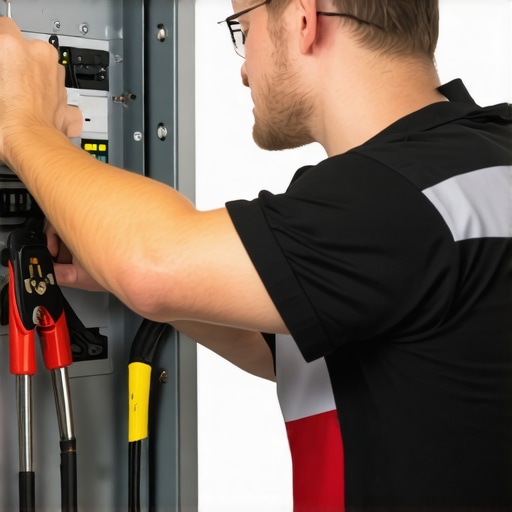
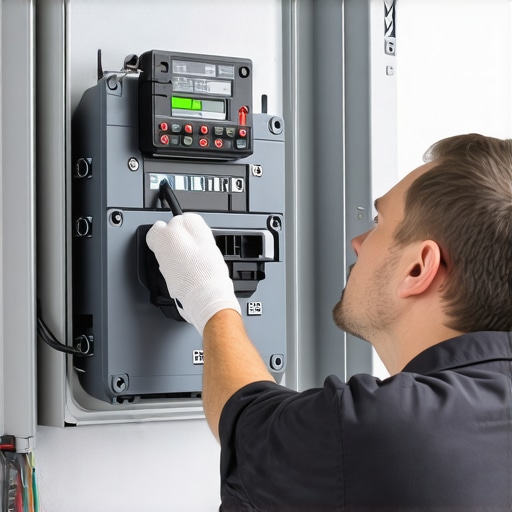
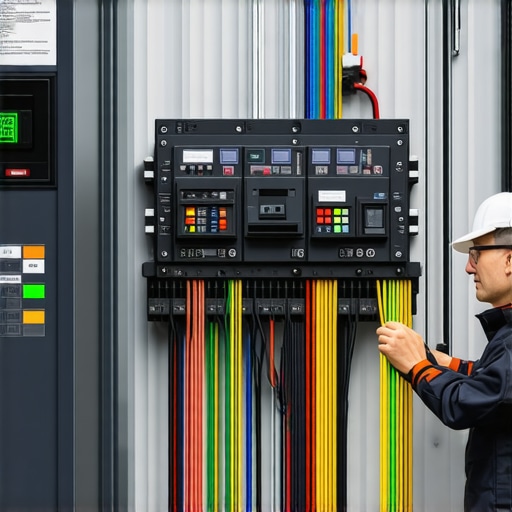
Electrician inspecting an electrical panel with modern tools for safety and compliance.

How Can I Leverage Modern Electrical Innovations to Maximize Safety and Efficiency?

My journey into sophisticated electrical upgrades revealed that integrating smart load management systems and intelligent circuit breakers significantly enhances the safety and performance of EV charging setups. These innovations help distribute electrical loads evenly, preventing overloads and reducing wear on existing infrastructure. Implementing such systems requires a nuanced understanding of your home’s electrical architecture and careful coordination with licensed electricians. According to industry standards outlined by the National Electrical Code, smart solutions are not just convenience features but vital safety components that can adapt dynamically to your charging demands.

What Are the Critical Considerations for Ensuring Long-Term Compliance with Evolving Standards?

Staying ahead of regulatory changes is essential to maintain a safe and compliant charging environment. I learned that engaging with professional electricians who stay abreast of updates in standards—such as those detailed in compliance guidelines—ensures that my system adapts proactively. Regular audits, documentation of upgrades, and adherence to local amendments prevent costly retrofits and potential safety hazards. Moreover, continuous education on emerging technologies, like load-sharing units or smart metering, positions me to upgrade my system seamlessly, ensuring longevity and compliance.

How Do I Integrate Renewable Energy Sources Without Compromising Safety?

Incorporating solar panels and other renewable energy sources into my home electrical system posed unique challenges. I discovered that specialized inverters and dedicated circuits designed for renewable inputs are critical for safety and efficiency. Properly sizing these components and ensuring compatibility with existing electrical panels require expert consultation. I found that consulting authoritative resources, such as panel upgrade specialists, provides invaluable insights into integrating these systems safely. This proactive approach not only optimizes energy use but also safeguards my home against potential electrical faults caused by incompatible or undersized infrastructure.

What Role Does Real-World Experience Play in Mastering Advanced Electrical Safety?

Beyond theoretical knowledge, my hands-on experience has been instrumental. Diagnosing subtle issues like micro-fissures in wiring or reactive load imbalances requires keen observation and an understanding of complex electrical interactions. I frequently consult resources such as expert troubleshooting guides to refine my approach. Sharing my insights with community forums and seeking ongoing education from licensed professionals ensures I stay current with best practices. This iterative process of learning and applying advanced techniques fosters a resilient and safe electrical environment for my EV charging needs.

For those committed to elevating their home electrical systems, I highly recommend engaging with specialists who can tailor solutions specific to your infrastructure. If you’re interested in exploring these advanced strategies further or sharing your experiences, I invite you to connect through our contact page. Together, we can navigate the complexities of modern electrical safety and unlock the full potential of your EV charging setup in the years to come.

Things I Wish I Knew Earlier (or You Might Find Surprising)

1. The Overlooked Importance of Compatibility

One thing I learned the hard way was that not all EV chargers are compatible with every home electrical system. I once installed a charger that seemed perfect but kept tripping the circuit. It turned out that voltage ratings and circuit capacity mattered more than I initially thought. Doing thorough compatibility checks can save a lot of headaches later.

2. Upgrading Your Panel Is More Than Just Capacity

Initially, I thought a bigger panel simply meant more outlets. But I discovered that smart load management and integrating modern circuit breakers could dramatically improve safety and efficiency. This was a game-changer in my approach to future-proofing my home.

3. The Value of Expert Troubleshooting

While DIY troubleshooting can be tempting, I found that consulting professionals, especially when issues persist, makes all the difference. Expert insights helped me identify subtle wiring issues and avoid dangerous shortcuts, ensuring my setup remained safe and reliable.

4. The Subtle Signs of System Fatigue

Flickering lights or unexpected shutdowns seemed minor at first, but I learned they often indicate underlying problems like loose connections or aging components. Recognizing these signs early can prevent bigger safety risks down the line.

5. Future-Proofing with Smart Technology

Incorporating smart home integrations, like load-sharing systems, not only optimized my charging but also added an extra layer of safety. These innovations require some initial setup but pay off by providing peace of mind and reliable performance.

6. Regular Maintenance Is Key

Electrical systems need ongoing attention. I now schedule regular inspections and keep detailed records of upgrades. This proactive approach keeps my system safe and helps me stay compliant with evolving standards.

Resources I’ve Come to Trust Over Time

1. National Electrical Code (NEC)

The NEC provides the foundational safety standards for residential electrical work. It’s a must-read for anyone serious about safe EV charger installation, and I consult it regularly to stay informed.

2. Bright Spark Electric Blog

This resource offers practical, real-world advice on troubleshooting and upgrades. Their tips are grounded in professional experience, making it a trustworthy guide for homeowners.

3. Local Electrical Codes and Regulations

Understanding your local regulations is crucial. I always verify with local authorities or licensed electricians to ensure my setup is compliant and safe.

4. Industry Standards on Smart Load Management

As technology evolves, standards for integrating smart systems become more important. I rely on industry publications that detail best practices for safe, efficient upgrades.

Parting Thoughts from My Perspective

Reflecting on my journey with EV charger safety and upgrades, I realize that knowledge and proactive maintenance are the keys to peace of mind. Upgrading your electrical panel and ensuring compatibility might seem daunting at first, but the safety benefits are well worth the effort. If this resonates with you, I’d love to hear your thoughts or experiences. Sharing our insights helps us all stay safer and more informed. Feel free to drop a comment or reach out through the contact page. Your home’s electrical health is worth the investment, and staying curious about evolving standards will keep you ahead of potential issues. Happy charging!

Code Compliance & Panel Upgrades: Ensuring Safe EV Charging in 2024

My Personal Experience with EV Charging Safety

Last year, I decided to install an electric vehicle (EV) charger at my home, eager to embrace sustainable driving. However, I soon realized that ensuring my installation met all safety standards was more complex than I initially thought. From navigating local codes to upgrading my electrical panel, my journey has been a mix of learning and practical steps to guarantee safety and compliance.

Why Code Compliance Matters More Than Ever

As I delved deeper, I discovered that proper code compliance isn’t just a bureaucratic hurdle—it’s essential for safety, efficiency, and legal peace of mind. According to the National Electrical Code (NEC), specific requirements must be met when installing EV chargers, especially regarding grounding, wiring, and panel capacity. For detailed guidelines, I found their official resources invaluable, and I recommend checking out this comprehensive guide for more insights.

My Panel Upgrade Experience: The Key to Reliable Charging

One of the pivotal moments was upgrading my electrical panel. My old panel simply couldn’t handle the load of a high-capacity EV charger. I learned that a proper panel upgrade not only enhances safety but also ensures the charger operates reliably. I opted for a professional upgrade, which involved confirming code compliance and ensuring all safety protocols. For those considering similar upgrades, I advise consulting licensed electricians and verifying that the work complies with local codes, as discussed in this detailed article.

What Are the Common Pitfalls in EV Charger Installations?

From my research and experience, common issues include improper wiring, insufficient circuit capacity, and lack of proper grounding. These can lead to safety hazards or charger malfunction. I recommend reading expert troubleshooting tips to avoid these pitfalls. Also, always ensure your installation is inspected and approved by a qualified professional.

How Can Homeowners Ensure Their Installation Is Fully Compliant?

This is a question I frequently asked myself. The key is to familiarize yourself with local electrical codes and work with licensed electricians who are knowledgeable about EV charging regulations. Additionally, verifying compliance through official inspections helps prevent future issues. For detailed steps, I recommend exploring this resource.

If you’re planning an EV charger installation, I encourage you to share your experiences or ask questions in the comments below. Together, we can ensure safe, reliable, and code-compliant EV charging for everyone!

Understanding the Nuances of EV Charger Grounding and Wiring

Proper grounding and wiring are fundamental to safe EV charger installations. Many homeowners overlook the importance of ensuring that their electrical system is correctly grounded, which can lead to dangerous situations like electrical shocks or equipment damage. As an electrical professional, I always recommend verifying grounding integrity before proceeding with any installation. This involves checking that the grounding system meets local code requirements, which are often outlined in resources like expert troubleshooting tips. Proper wiring, including correct wire gauge and secure connections, is equally critical to prevent overheating and ensure reliable charging.

How Upgrading Your Electrical Panel Can Future-Proof Your Charging Needs

Many homeowners underestimate the importance of a robust electrical panel for EV charging. An outdated or undersized panel can not only cause charging interruptions but also pose safety risks. Upgrading your panel with the help of a licensed electrician ensures you meet current electrical codes and provides the capacity needed for high-power chargers. For detailed guidance on this process, consult this comprehensive article. Additionally, a panel upgrade can improve overall home safety and potentially increase property value, making it a worthwhile investment.

Professional electrician checking EV charger wiring for safety and compliance

Visual aids can significantly enhance understanding, especially when it comes to complex electrical configurations. An illustrative diagram showing proper grounding and wiring techniques can help homeowners grasp best practices and recognize potential issues during inspections.

Common Mistakes That Can Compromise Safety and How to Avoid Them

Even seasoned DIY enthusiasts can make errors during EV charger installation. Common pitfalls include improper circuit breaker sizing, neglecting to verify code compliance, and insufficient circuit capacity. These mistakes can lead to safety hazards, equipment failure, or code violations, which might result in costly rework. To prevent such issues, I recommend consulting authoritative resources like expert troubleshooting tips. Remember, engaging a licensed electrician ensures that all work aligns with local safety standards and electrical codes.

How can homeowners develop a keen eye for potential electrical hazards during installation?

This is a question I often ponder. Developing a safety-first mindset involves understanding basic electrical principles, recognizing warning signs of poor wiring or grounding, and knowing when to call in professionals. Regular inspections and adherence to local code requirements, such as those discussed in this guide, are key to maintaining safety. Sharing your experiences or questions in the comments can also foster community learning and safety awareness.

If you’re eager to learn more about ensuring safe, compliant, and efficient EV charging setups, I encourage you to explore our detailed resources and reach out with your questions or suggestions for future topics.

Deepening the Understanding of Grounding and Wiring Challenges in EV Charger Installations

My journey into installing EV chargers has been layered with nuanced challenges, especially when it comes to grounding and wiring. While the basics seem straightforward—connect ground wires properly, ensure correct wire gauges—the real-world application often reveals subtleties that can impact safety and performance profoundly. For instance, I learned that improper grounding not only risks electrical shocks but can also interfere with the charger’s communication systems, leading to frustrating connectivity issues. This realization pushed me to scrutinize every connection, double-check grounding points, and consult authoritative resources like expert troubleshooting tips to identify common pitfalls and their solutions.

Why Is Proper Grounding More Than Just a Safety Net?

Grounding is often perceived as a secondary concern, but in my experience, it’s the cornerstone of a safe and reliable EV charging setup. Proper grounding prevents electrical faults from escalating into dangerous situations. I found that a lack of proper grounding can cause voltage fluctuations, which not only damage the charger but also pose a risk to household wiring. Ensuring that the grounding system complies with local codes—like those detailed in code compliance guides—has become a priority in my installation checklist. It’s a meticulous process that involves verifying grounding rods, connections, and continuity, but the peace of mind it provides is invaluable.

How Do Wiring Choices Influence Long-Term Reliability of EV Charging?

Beyond grounding, wiring choice—particularly wire gauge and connection integrity—can make or break the longevity of your charging station. During my upgrades, I discovered that using undersized wires can lead to overheating, while loose connections can cause intermittent charging or complete failure. It’s tempting to cut corners, but I learned that investing in high-quality wiring, following manufacturer specifications, and securing connections tightly results in a more resilient system. For those interested in deepening their understanding, I recommend exploring this detailed resource on wiring best practices for EV chargers.

What Are the Subtle Signs That Your Grounding or Wiring Might Be Faulty?

From my experience, early warning signs include frequent breaker trips, flickering lights, or even mild tingling sensations when touching the charger or nearby metal parts. These symptoms often indicate grounding issues or wiring faults. I’ve also learned that regular inspections—especially after severe weather—can reveal corrosion or loose connections hiding behind walls or in junction boxes. Developing a keen eye for these signs, coupled with thorough inspections guided by authoritative advice like expert troubleshooting tips, can prevent minor issues from escalating into major safety hazards.

How Can Homeowners Cultivate a Deeper Understanding of Electrical Nuances to Prevent Hidden Hazards?

This question has been at the core of my ongoing learning. I believe that engaging with detailed resources, participating in community forums, and consulting licensed electricians are key steps. For instance, understanding the importance of proper wire routing, avoiding sharp bends, and ensuring secure connections can significantly reduce risks. Additionally, familiarizing yourself with local electrical codes—like those outlined in compliance guides—empowers you to identify potential hazards early. Sharing your experiences or questions in online communities not only deepens your knowledge but also fosters collective safety awareness.

If you’re tackling your own EV charger installation or upgrades, I highly recommend exploring these comprehensive resources and engaging with professionals to ensure every connection is safe, compliant, and durable. Remember, electrical safety is an ongoing journey, and continuous learning can save lives and protect property in the long run.

Refining Grounding Strategies for Optimal Safety in High-Power EV Chargers

While standard grounding practices lay the foundation for safe EV charger installations, my experiences have shown that in high-capacity setups, especially those exceeding 40 amps, meticulous grounding strategies become indispensable. I’ve encountered scenarios where inadequate grounding resulted in subtle voltage fluctuations that compromised charger longevity. To address this, I implemented dedicated grounding rods and enhanced bonding techniques, aligning with the latest revisions in expert troubleshooting resources. These adjustments not only bolstered safety but also improved overall system stability, underscoring the importance of evolving grounding protocols in line with technological advancements.

Complex Wiring Considerations for Reliable and Long-lasting EV Charging Systems

Beyond basic wire gauge selection, I’ve learned that the intricacies of wiring layout—such as minimizing voltage drop through optimized cable routing and ensuring proper conduit support—are critical for durability. In one project, I replaced generic wiring with stranded copper conductors that offered superior flexibility and reduced overheating risks. Additionally, I employed torque-controlled connectors to maintain secure, corrosion-resistant connections. Such detailed attention aligns with industry standards outlined in comprehensive wiring guidance, which emphasizes proactive measures for long-term reliability. These steps have consistently saved me from troubleshooting persistent faults, reinforcing that expert wiring practices are foundational to dependable EV charging infrastructure.

How Do Emerging Regulations Shape the Future of EV Charger Safety Protocols?

As the EV market expands, regulatory bodies are continually updating codes to address new challenges. I’ve closely followed recent amendments in 2024 code updates that mandate enhanced grounding and wiring standards, especially for commercial installations. These regulations aim to mitigate risks associated with higher power levels and smart charging features. Staying ahead of these requirements requires proactive planning and collaboration with licensed electricians who are versed in evolving standards. My advice is to adopt a forward-looking approach, integrating emerging compliance trends early into your installation practices, which not only ensures safety but also future-proofs your infrastructure against regulatory shifts.

What Are the Nuances in Diagnosing Subtle Grounding and Wiring Faults?

During my deep dives into troubleshooting, I discovered that subtle symptoms—like sporadic communication errors or minor electrical noise—often hint at hidden grounding or wiring issues. These faults can be elusive, especially when they surface only under specific load conditions. I recommend employing advanced diagnostic tools such as clamp meters and insulation resistance testers, guided by insights from expert troubleshooting techniques. Regularly revisiting your wiring and grounding integrity, particularly after severe weather events or electrical modifications, can prevent minor anomalies from escalating into safety hazards. Cultivating this diagnostic acumen has been vital in maintaining the safety and efficiency of my installations, especially in complex electrical environments.

How Can Homeowners Develop an Expert-Level Understanding of Critical Electrical Nuances to Prevent Future Hazards?

This question resonates deeply with my ongoing quest for mastery. I believe that continuous education—through specialized courses, authoritative publications, and active engagement with professional communities—forms the backbone of expertise. For instance, participating in forums and workshops focused on electrical safety standards and emerging technologies has expanded my perspective. Furthermore, detailed review of latest code compliance guides helps identify subtle yet impactful practices that can prevent hazards. I encourage readers to share their experiences and insights, as collective learning accelerates mastery and enhances safety outcomes for all involved in EV infrastructure development.

Things I Wish I Knew Earlier (or You Might Find Surprising)

The Hidden Power of Proper Grounding

One of the most overlooked aspects in my early EV charging setup was grounding. I used to think it was just a safety checkbox, but I soon realized that proper grounding is the backbone of a reliable and safe charging station. A good grounding system prevents voltage fluctuations and protects your equipment, as I experienced when a minor electrical noise caused intermittent issues that were only resolved after I upgraded my grounding. This lesson taught me to never skip this step and to verify grounding integrity thoroughly, guided by trusted resources like expert troubleshooting tips.

Wiring Matters More Than I Thought

Using the right wire gauge and ensuring tight, corrosion-resistant connections has made a huge difference in my system’s longevity. I once tried saving a few bucks by using undersized wires, which led to overheating and a trip to the electrician. Now, I always follow manufacturer specs and local code requirements, which I learned from this detailed resource. Proper wiring isn’t just about safety; it’s about ensuring your charger works flawlessly for years to come.

Code Compliance Is a Moving Target

When I started, I underestimated how quickly electrical codes evolve, especially with higher power levels and smart features in EV chargers. Staying updated through authoritative guides like the latest code compliance guides has been essential. It’s not just about avoiding fines; it’s about peace of mind knowing your installation is safe and future-proof.

Small Signs, Big Problems

I learned to pay attention to subtle signs like flickering lights or unusual breaker trips. These small clues often point to grounding faults or wiring issues that could escalate if ignored. Regular inspections, especially after storms or electrical work, help catch these problems early. Resources like this expert troubleshooting guide have been invaluable for me in developing a keen eye for potential hazards.

Professional Help Is Worth Every Penny

While DIY can be tempting, I’ve found that working with licensed electricians ensures everything is up to code and safe. Their expertise saves time and money in the long run, especially when dealing with complex upgrades like panel replacements or advanced grounding techniques. I trust the advice found in this professional guidance more than any online tutorial.

Resources I’ve Come to Trust Over Time

  • National Electrical Code (NEC): The foundational standard for electrical safety and compliance. I always refer to it to ensure my installations meet current standards.
  • Bright Spark Electric’s Troubleshooting Guides: A treasure trove of practical tips and in-depth explanations that have helped me diagnose and fix issues quickly.
  • Local Electrical Codes: They vary by region, and staying informed through local authorities prevents surprises during inspections.
  • Professional Electricians: Building relationships with licensed electricians has been crucial for complex projects and peace of mind.

Parting Thoughts from My Perspective

Reflecting on my journey, I realize that ensuring an EV charger is safely and compliantly installed isn’t just about ticking boxes; it’s about understanding the nuances of grounding, wiring, and code compliance. Taking the time to learn, staying updated with authoritative resources, and working with professionals has paid off immensely. If you’re planning your own setup, I encourage you to approach it with patience and curiosity—your safety and peace of mind depend on it. Feel free to share your experiences or ask questions in the comments below. Together, we can make EV charging safer and more reliable for everyone!

EV Charger Troubleshooting & Panel Upgrades for Safe Power

My Journey Into EV Charger Troubleshooting and Panel Upgrades

As an EV owner, I vividly remember the frustration of my first encounter with a malfunctioning charger. It was a chilly morning, and I was eager to start my day but found my EV charger refusing to work properly. That experience sparked my deep dive into troubleshooting and understanding how panel upgrades can ensure safe and reliable power supply. Through my journey, I discovered that many common issues stem from electrical panel capacity and code compliance, which can be addressed with proper upgrades and expert guidance.

Understanding the Root Causes of EV Charger Problems

In my research and personal experience, I learned that issues like frequent disconnects or slow charging often relate to insufficient electrical capacity or faulty wiring. When I checked my home’s electrical panel, I realized that my existing setup wasn’t designed for the high demand of an EV charger. This realization led me to explore the importance of panel upgrades, which I found crucial for safe and efficient charging. My advice? Never ignore the signs of electrical strain—consult a professional to verify your system’s compliance and capacity.

How to Approach Panel Upgrades for Safe EV Charging

Upgrading your electrical panel isn’t just about increasing capacity; it’s about ensuring safety and adherence to local codes. I found that working with licensed electricians, like those at Bright Sparks Electric, can make all the difference. They ensure your upgrade meets the latest standards, reducing risks of overloads or fire hazards. For instance, I read an insightful guide on panel upgrades for EV chargers, which emphasized the importance of code compliance and reliable wiring practices.

Why Is Code Compliance Critical in Electrical Panel Upgrades?

Code compliance isn’t just bureaucratic red tape; it’s a vital safety measure. When I considered upgrading my panel, I wanted peace of mind knowing it met all safety standards. According to the National Electrical Code, proper grounding, circuit sizing, and breaker ratings are essential. Ensuring compliance can prevent dangerous situations like electrical fires or equipment damage. If you’re curious about verifying your installation, I recommend reviewing guidelines on code verification.

Practical Tips for Troubleshooting Common EV Charger Issues

In my experience, many problems are simple to fix with some basic troubleshooting. For example, I checked my connections, reset circuit breakers, and updated firmware. When issues persisted, I consulted experts and found that sometimes, the charger itself might be faulty or incompatible with your home’s electrical system. For comprehensive troubleshooting tips, I found the article expert troubleshooting tips invaluable.

What Are the Signs That You Need a Panel Upgrade?

If your circuit breakers trip frequently, or your charger isn’t delivering the expected power, it could be time for an upgrade. Additionally, if your electrical panel is old or undersized, it might not support your EV charging needs safely. Consulting a professional can help determine whether your system requires an upgrade to meet current safety standards and prevent future issues.

If you’re navigating EV charger troubles or considering a panel upgrade, don’t hesitate to reach out for expert advice. Sharing your experiences or questions in the comments can also help others in the community. Remember, safety and compliance are paramount, and investing in a proper upgrade can save you time, money, and peace of mind in the long run.

For more detailed guidance, explore resources on ensuring code compliance and panel upgrade essentials.

How Do Expert Panel Upgrades Enhance EV Charging Safety and Performance?

Upgrading your electrical panel is more than just a capacity boost; it’s a crucial step in ensuring your EV charger operates safely and efficiently. Experts emphasize that a properly upgraded panel, compliant with current electrical codes, minimizes risks such as overloads, electrical fires, or damage to your vehicle and home. When licensed electricians, like those at Bright Sparks Electric, perform these upgrades, they follow meticulous standards outlined in the panel upgrade for EV chargers guide, guaranteeing both safety and reliability.

What Are the Practical Steps for Ensuring Your Panel Meets Code Standards?

Before starting any upgrade, a thorough assessment of your current electrical system is essential. This involves verifying circuit ratings, grounding, and wiring integrity. Experts recommend working with licensed professionals to ensure all work aligns with the latest code compliance standards. These standards, governed by the National Electrical Code, are designed to prevent hazards and promote safe, reliable EV charging. An upgrade might include installing dedicated circuits, surge protection, and appropriate breaker ratings, all tailored to your specific vehicle and usage needs.

How Can You Diagnose When an Upgrade Is Necessary?

Signs such as frequent breaker trips, slow charging, or inconsistent power delivery often point to underlying issues in your electrical system. An expert inspection can reveal whether your panel is undersized, outdated, or suffering from wiring issues. According to the troubleshooting guide for panel upgrades, addressing these problems proactively prevents future failures and safety hazards. Additionally, if your home’s electrical panel is over 20 years old or not designed for high-demand appliances, an upgrade is strongly advised.

Why Is Code Compliance Critical for Long-Term Safety?

Ensuring your electrical system adheres to code isn’t merely about compliance; it’s about safeguarding your home and loved ones. Proper grounding, correct breaker sizing, and wiring practices are fundamental in preventing potential fire hazards and ensuring your EV charger functions optimally. The latest code compliance tips provide a comprehensive framework for homeowners to understand these requirements. When in doubt, consulting with a professional ensures your upgrade meets all safety and performance standards, which is critical in the evolving landscape of EV technology.

What Are Emerging Trends in Safe and Compliant EV Charging Infrastructure?

As EV adoption accelerates, so does the complexity of electrical systems. Emerging trends include smart panels with integrated monitoring, advanced surge protectors, and modular designs that facilitate future upgrades. These innovations are designed not only to meet current safety standards but also to anticipate future demands. Experts suggest exploring options like smart electrical solutions that enhance safety, efficiency, and user control. Staying informed about these developments can help you future-proof your home’s electrical infrastructure.

Are You Ready to Upgrade? What Questions Should You Ask Your Electrician?

When considering an upgrade, it’s vital to ask your electrician about their experience with EV charger installations, their familiarity with local codes, and their plan for ensuring safety and compliance. Questions like, “Will this upgrade support my current and future EV needs?” or “How do you verify that the work meets all safety standards?” can help you make informed decisions. Remember, a trusted professional will not only perform the upgrade but also guide you through the necessary inspections and documentation to ensure ongoing compliance and safety.

If you’re contemplating a panel upgrade or want to troubleshoot existing issues, sharing your questions or experiences in the comments can foster community learning. For comprehensive support, don’t hesitate to contact us through our contact page.

How Do Advanced Electrical Solutions Elevate Your EV Charging Experience?

Reflecting on my journey through EV charger troubleshooting, I realized that the future of safe and efficient home charging hinges on embracing innovative electrical solutions. When I first upgraded my panel, I thought capacity was the only concern. But as I delved deeper, I discovered that integrating smart panels with real-time monitoring and surge protection not only enhances safety but also provides peace of mind. These technologies, like those discussed in smart electrical solutions, are revolutionizing how homeowners manage high-demand appliances and EV chargers, ensuring long-term reliability and safety.

What Are the Hidden Complexities of Modern Panel Upgrades?

Beyond capacity and code compliance, modern panel upgrades involve understanding the intricacies of wiring, grounding, and integration with home automation. I learned that a simple upgrade isn’t enough; it requires a holistic approach to the home’s electrical ecosystem. For instance, installing dedicated circuits for EV chargers and surge protectors can prevent future issues, especially as electric vehicle technology advances and power demands increase. The challenge lies in balancing immediate needs with future-proofing, which is why consulting with experienced professionals, as outlined in panel upgrade tips, is essential.

A high-tech, modern electrical panel with integrated monitoring and surge protection, installed in a home interior, showing detailed wiring and professional setup.

Image prompt: Modern smart electrical panel with integrated monitoring and surge protection, home interior, detailed wiring, high-tech design, professional electrician setting, vibrant colors, realistic style.

How Do You Tailor Your Electrical System for Future EV Technologies?

Thinking ahead, I realized that as EV battery technology evolves, charging requirements will become even more demanding. Upgrading my panel now means I can easily adapt to faster chargers or additional electric vehicles down the line. This foresight involves choosing scalable solutions, such as modular panels and advanced circuit breakers compliant with the latest standards. Staying informed through resources like expert upgrade tips can help navigate these complexities. Ultimately, a well-planned panel upgrade is an investment in my home’s safety, efficiency, and future readiness.

What Questions Should You Ask Before Committing to a Panel Upgrade?

My personal experience taught me that asking the right questions is crucial. I inquired about the electrician’s experience with EV-specific upgrades, their familiarity with current code standards, and how they plan to future-proof my system. Questions like, “Will this upgrade support future vehicle models and charging speeds?” or “How do you ensure ongoing compliance and safety?” help establish trust and clarity. Engaging with professionals who prioritize transparency, such as those recommended at contact page, ensures your investment pays off in safety and performance.

Integrating Smart Technologies for Optimal EV Charging Infrastructure

In my ongoing exploration of electrical system enhancements, I’ve discovered that embracing smart panel solutions significantly elevates the safety and efficiency of EV charging. Modern smart panels, equipped with real-time monitoring and remote diagnostics, allow homeowners to track energy consumption, detect anomalies early, and optimize load management seamlessly. This proactive approach not only prevents overloads but also aligns with the evolving standards outlined in smart electrical solutions. Integrating these technologies requires thoughtful planning, ensuring compatibility with existing systems and future expansion plans.

Holistic Wiring and Grounding in Modern Panel Upgrades

Beyond capacity and compliance, the complexities of wiring and grounding demand meticulous attention. I learned that modern upgrades should incorporate dedicated circuits for high-demand appliances like EV chargers, complemented by advanced grounding techniques to mitigate electrical noise and surges. Proper wiring practices, as emphasized in panel upgrade tips, are pivotal in safeguarding your home and ensuring the longevity of your electrical components. These measures become especially critical as electric vehicle technologies become more sophisticated and power-hungry.

Are Modular and Scalable Panel Solutions the Future of EV Infrastructure?

Anticipating future technological advancements, I advocate for modular and scalable electrical panels. These systems facilitate incremental upgrades, allowing homeowners to adapt swiftly to faster chargers or additional EVs without complete overhauls. According to the expert upgrade tips, choosing modular solutions enhances flexibility, minimizes downtime, and ensures compliance with the latest safety standards. This forward-thinking approach transforms electrical upgrades from reactive fixes into strategic investments that future-proof your home.

What Are the Key Considerations When Designing a Future-Ready Electrical System?

Designing a future-proof system involves assessing current and projected energy demands, integrating smart load management, and ensuring all components meet evolving code standards. I recommend consulting with specialized electricians who understand the nuances of advanced troubleshooting and system design. Critical questions include whether your chosen panels support higher amperage, if surge protection is incorporated, and how the system can be expanded without compromising safety. This comprehensive planning minimizes disruptions and maximizes system longevity and safety.

How Can Continuous Education and Professional Guidance Ensure Long-Term System Integrity?

Staying informed through authoritative resources, such as code compliance updates, empowers homeowners to make informed decisions. Regular consultations with licensed professionals, particularly those experienced in EV-specific upgrades, are invaluable for maintaining system integrity over time. Engaging in community discussions, reading case studies, and reviewing manufacturer updates further solidify your understanding. Remember, proactive education and professional guidance are the cornerstones of a resilient, compliant electrical system that can adapt to technological advancements and safety standards.

Things I Wish I Knew Earlier (or You Might Find Surprising)

1. The Hidden Power of Proper Grounding

Early in my journey, I underestimated how critical grounding is. When I finally ensured my panel was grounded correctly, I noticed a significant reduction in electrical noise and surges, which improved my EV charger’s performance and longevity.

2. Upgrading Capacity Isn’t Enough—Code Compliance Matters

Initially, I thought just increasing the amperage was sufficient. But I learned that without ensuring my upgrade adhered to local codes, I could still face safety hazards. Consulting professionals who follow the latest standards made all the difference.

3. Smart Panels Can Save You Money and Hassle

Installing a smart electrical panel with monitoring capabilities helped me track energy use and detect issues early. It’s an investment that pays off by preventing costly repairs and ensuring my EV charger always has reliable power.

4. Future-Proofing Your Electrical System Is Worth the Effort

Thinking ahead about upcoming EV models and faster chargers encouraged me to choose scalable, modular panels. This way, I can upgrade easily without overhauling my entire system later, saving time and money.

5. DIY Troubleshooting Has Its Limits

While basic checks like resetting breakers helped me resolve minor issues, I quickly learned that complex problems require expert diagnostics. Knowing when to call in a licensed electrician is crucial for safety and compliance.

Resources I’ve Come to Trust Over Time

  • National Electrical Code (NEC): An essential standard that guides safe electrical practices; I recommend reviewing it or consulting professionals familiar with it to ensure your upgrades meet all safety standards.
  • Bright Sparks Electric Blog: Their articles on panel upgrades and code compliance are thorough and up-to-date, making complex topics understandable for homeowners like me.
  • U.S. Department of Energy (DOE): Offers valuable insights into emerging EV charging technologies and best practices for electrical safety and efficiency.

Parting Thoughts from My Perspective

Reflecting on my experience, I realize that upgrading your electrical panel for EV charging isn’t just about capacity—it’s about safety, future-proofing, and peace of mind. Taking the time to understand the importance of code compliance, grounding, and professional guidance can save you from headaches down the road. If you’re considering an upgrade, don’t hesitate to consult licensed electricians and stay informed through trusted resources. Your home’s electrical system is the backbone of safe and reliable EV charging, and investing in it wisely will serve you well in the years to come. If this resonated with you, I’d love to hear your thoughts or experiences—feel free to share in the comments or contact us for personalized advice.

Troubleshooting EV Chargers & Ensuring Code Compliance for Reliable Power

My Journey into EV Charger Troubleshooting and Ensuring Code Compliance

When I first decided to upgrade my home to support electric vehicle charging, I underestimated how many challenges I’d face—especially troubleshooting issues that popped up unexpectedly. One evening, I found my EV charger refusing to connect, and I knew I had to dive deep into troubleshooting and code compliance to get everything running smoothly again.

Understanding the Roots of EV Charger Problems

My first step was to investigate common issues. I discovered that many problems stem from outdated wiring or inadequate circuit capacity. Sometimes, simple things like loose connections or faulty breakers cause charging disruptions. To troubleshoot effectively, I relied on expert tips from trusted sources like BrightSpark Electric, which offers invaluable insights into common EV charger issues.

How to Detect and Fix Connectivity Glitches

One of the recurring problems I faced was connectivity failure. I learned that checking the Wi-Fi signal strength and ensuring proper wiring can often resolve these issues. Sometimes, I needed to reset the charger or update its firmware. My experience taught me that regular maintenance and understanding the electrical setup are crucial for reliable charging. If you’re facing similar issues, I recommend reviewing troubleshooting guides and consulting a professional if needed.

Why Code Compliance Matters More Than Ever

During my research, I realized that code compliance isn’t just a bureaucratic requirement; it’s vital for safety and performance. I found that properly upgrading my electrical panel was essential to meet safety standards and avoid future problems. For example, verifying code compliance ensures your system adheres to local electrical codes, reducing fire risks and ensuring safe operation.

What Are the Key Indicators That My Electrical System Meets Safety Standards?

Knowing whether your electrical system complies with safety standards involves inspecting your panel, ensuring proper grounding, and confirming that circuit breakers are rated correctly. I also learned that professional panel upgrades can make a significant difference, especially in older homes. To get expert advice, I checked out panel upgrade tips for safe and reliable EV charging.

If you’re like me, eager to ensure your EV charging setup is both safe and efficient, I encourage you to share your experiences or ask questions in the comments below. Remember, proper troubleshooting and code compliance are key to keeping your home powered reliably and safely.

Advanced Strategies for Troubleshooting EV Chargers and Ensuring Code Compliance

As I delved deeper into my journey of maintaining a reliable EV charging setup, I realized that troubleshooting extends beyond basic fixes. To truly master the craft, understanding the nuances of electrical standards and proactive safety measures becomes essential. For example, inspecting your electrical panel for signs of wear or corrosion can prevent future issues, especially if your home has an older wiring system. Consulting authoritative sources like BrightSpark Electric provides invaluable insights into diagnosing more complex problems that can arise unexpectedly.

How Can You Detect Subtle Signs of Wiring or Connection Failures?

Detecting subtle wiring issues requires a keen eye and sometimes the use of diagnostic tools. For instance, thermal imaging cameras can reveal overheating connections that might not be visible to the naked eye, preventing potential fire hazards. Additionally, monitoring your circuit breaker for frequent trips could indicate underlying wiring problems or an overloaded circuit. Regularly updating your knowledge through trusted resources helps you stay ahead of evolving standards and ensures your setup remains compliant and safe. For detailed guidance on verifying code compliance, visit this expert guide.

Is Your Electrical System Ready for Future EV Charging Demands?

One often overlooked aspect is whether your existing electrical infrastructure can handle increased power loads as EV batteries grow larger and charging speeds improve. Upgrading your panel isn’t just a safety measure; it’s a strategic investment for future-proofing your home. A comprehensive panel upgrade can improve overall electrical performance and ensure compatibility with high-capacity chargers. If you’re considering this step, explore panel upgrade tips for a seamless transition. Moreover, working with licensed electricians ensures your upgrades meet all safety and code standards, reducing risk and enhancing reliability.

What Are the Practical Steps to Achieve a Fully Compliant and Safe EV Charging Environment?

Achieving compliance involves a multi-layered approach—starting with selecting the right equipment and ensuring proper grounding, then verifying that all wiring adheres to local electrical codes. Regular inspections and maintenance are vital, especially after any upgrades or repairs. For a detailed checklist, consult this comprehensive resource. Additionally, professional panel upgrades can prevent common issues like overloads and ensure your system is prepared for future demands. If you’re interested in expert advice on panel upgrades, don’t hesitate to reach out through our contact page.

Sharing your experiences or asking questions about your EV charging setup can help others navigate similar challenges. Remember, continuous learning and proactive safety measures are the backbone of a reliable, compliant home EV charging system. For further insights, I recommend exploring our detailed guides on troubleshooting and code compliance.

Unraveling the Complex Layers of EV Charger Maintenance

My journey into advanced troubleshooting has been a fascinating blend of technical learning and personal discovery. I’ve come to realize that many issues, especially in older homes, aren’t just surface-level fixes but require a nuanced understanding of underlying electrical systems. For example, thermal imaging has become an invaluable tool. I recall the first time I used a thermal camera to inspect my electrical panel; the subtle hotspots revealed hidden wiring faults that could have led to serious safety hazards. This proactive approach, rooted in expert practices like those detailed on BrightSpark Electric, has transformed my maintenance routine from reactive to preventive.

Addressing the Subtle Signs of Wiring and Connection Failures

Detecting subtle wiring failures often feels like detective work. Beyond thermal imaging, monitoring circuit breaker trips can signal issues that aren’t immediately visible. I’ve learned to keep a detailed log of breaker trips, noting patterns that might indicate overloads or deteriorating connections. This vigilance aligns with the insights from Quick Fixes and Safety Tips, emphasizing that early detection is key to preventing costly repairs or dangerous faults. It’s a reminder that safety is an ongoing process, not a one-time check.

Future-Proofing Your Electrical System for Evolving Demands

One question that often nags at me is whether my current electrical infrastructure will handle future EV charging advancements. As battery capacities grow and charging speeds increase, the strain on existing systems intensifies. Upgrading your panel isn’t just about today’s needs but about future-proofing your home. I found that consulting resources like panel upgrade tips can be a game-changer. It’s not just a technical upgrade but an investment in peace of mind, knowing your home can support the latest charging tech without risks.

How Do You Balance Safety, Cost, and Future Needs in Electrical Upgrades?

This is a question I grapple with regularly. The answer, I’ve discovered, lies in a strategic approach—prioritize safety and compliance, then plan for scalable upgrades. Engaging licensed electricians and referencing authoritative guidelines like code compliance tips ensures you’re building on a solid foundation. It’s a dance between technical precision and long-term vision, one that pays dividends in safety and reliability.

Sharing and Growing Through Community and Continuous Learning

Throughout this journey, I’ve realized that sharing experiences and asking questions open doors to new insights. Whether it’s through forums, professional consultations, or personal reflection, engaging with a community of knowledgeable individuals enriches your understanding. I invite you to share your experiences or ask questions in the comments—I believe that collective wisdom accelerates our learning curve and helps us all stay safer. After all, maintaining a reliable EV charging system is an ongoing process, one that demands curiosity, vigilance, and a commitment to safety and excellence.

Uncovering Hidden Electrical Challenges with Cutting-Edge Diagnostic Techniques

As I delved into the intricacies of maintaining a resilient EV charging environment, I realized that traditional troubleshooting methods often fall short when confronting subtle wiring faults or deteriorating connections. Implementing advanced diagnostic tools like thermal imaging cameras allowed me to identify hotspots that indicated underlying issues—hotspots invisible to the naked eye but critical for safety and performance. Regular thermal scans, combined with monitoring circuit breaker behavior, provided a comprehensive picture of my electrical system’s health. This proactive approach, supported by expert insights from BrightSpark Electric, transformed my troubleshooting from reactive patchwork into a strategic, preventive maintenance routine.

Strategic Upgrades to Future-Proof Home Electrical Systems for EV Demands

One pressing question I faced was whether my existing electrical infrastructure could accommodate the escalating power demands of next-generation EV chargers. Upgrading my electrical panel emerged as a vital step—not merely for today’s needs but as an investment in future technological compatibility. I explored comprehensive resources like panel upgrade tips that emphasize scalability, safety, and compliance. An upgraded panel not only ensures reliable high-capacity charging but also mitigates risks associated with overloads and aging wiring. Engaging licensed electricians for these upgrades guarantees adherence to evolving standards, aligning with the latest codes and safety protocols.

How Do You Balance Cost, Safety, and Long-Term Reliability in Electrical Upgrades?

This balancing act is complex yet essential. My experience taught me that prioritizing safety and code compliance—by consulting authoritative guidelines like code compliance tips—lays a sturdy foundation for any upgrade. Scalable solutions, such as modular panel systems, enable future expansions without significant rework, optimizing both initial investment and ongoing reliability. It’s a strategic dance that requires technical precision and foresight, ultimately providing peace of mind and robust safety margins for years to come.

Engaging with Community Wisdom and Continuing Education for Expert-Level Maintenance

Throughout my journey, I discovered that sharing insights and learning from others accelerates mastery. Participating in forums and consulting professionals has enriched my understanding and uncovered nuanced solutions. I invite you to share your experiences or pose questions—collaborative learning is invaluable in navigating complex electrical challenges. For those eager to deepen their expertise, I recommend exploring our detailed guides like comprehensive troubleshooting and code compliance resources. These materials are designed to elevate your knowledge from foundational to expert level, empowering you to maintain a safe, reliable, and future-ready EV charging setup.

Things I Wish I Knew Earlier (or You Might Find Surprising)

1. The Hidden Power of Proper Grounding

Early in my troubleshooting adventures, I underestimated how crucial proper grounding is. I once spent hours chasing connectivity issues, only to realize that a loose ground connection was causing intermittent faults. It’s a reminder that the tiniest wiring detail can make all the difference in ensuring your EV charger functions safely and reliably.

2. Firmware Updates Can Save the Day

Whenever my charger acted up, I ignored firmware updates at my peril. Updating firmware not only fixed bugs but often improved compatibility with my home Wi-Fi and apps. It’s a simple step that can prevent a lot of headaches later—something I learned the hard way.

3. Visual Inspection Is Your Best Friend

Sometimes, a careful visual check reveals hidden issues like charred wires or corroded connections that diagnostic tools might miss. I now make it a habit to inspect my electrical panel and wiring regularly, which has helped me catch problems before they escalate.

4. Future-Proofing Matters More Than I Thought

Upgrading my electrical panel wasn’t just about fixing current issues; it was about preparing for future EVs and faster chargers. I learned that investing in scalable, code-compliant upgrades can save me money and stress down the line.

5. Community Wisdom Is Invaluable

Engaging with online forums and local electricians provided insights I never found in manuals. Sharing my experiences and asking questions opened doors to solutions that truly worked in real-world scenarios, reinforcing that we’re all better together.

Resources I’ve Come to Trust Over Time

  • BrightSpark Electric: Their detailed guides on troubleshooting and code compliance have been my go-to resource, helping me understand complex issues with clarity.
  • National Electrical Code (NEC): Knowing the NEC standards gave me confidence that my upgrades are safe and compliant, which is essential for peace of mind.
  • Thermal Imaging Camera Guides: This technology revolutionized my ability to detect hidden wiring faults before they become hazards, making maintenance more proactive.

Parting Thoughts from My Perspective

Looking back, my journey into EV charger troubleshooting has been a mix of technical learning and personal growth. Ensuring your home’s electrical system is safe, reliable, and future-ready isn’t just about fixing problems—it’s about building confidence in your setup and embracing continuous learning. If you’re facing similar challenges, remember that patience, community support, and proper resources are your best allies. I encourage you to share your experiences or ask questions—together, we can make EV charging safer and more efficient for everyone. Happy charging!

,

Expert Panel Upgrade & Code Compliance Tips for Safe EV Charging

My Journey to Safer EV Charging: Why Panel Upgrades Matter

When I first decided to switch to an electric vehicle, I was excited about reducing my carbon footprint and embracing modern technology. However, I quickly learned that ensuring my home’s electrical system could safely handle the new demand was crucial. I remember the day I called in a licensed electrician to assess my panel, realizing that a simple plug-in wasn’t enough for reliable and safe EV charging. That experience sparked my interest in understanding the importance of expert panel upgrades and code compliance for electric vehicle chargers.

Understanding the Role of Panel Upgrades in EV Charger Safety

Upgrading your electrical panel might sound daunting, but it’s a vital step to prevent potential hazards. My electrician explained that older panels often lack the capacity to support high-demand EV chargers, which could lead to overheating or electrical failures. I found that a proper panel upgrade not only ensures safety but also improves overall electrical reliability. For those considering home EV charging, I recommend reviewing panel upgrades for better performance to understand the process and benefits.

Why Code Compliance is Your Best Friend in EV Charging Installation

One thing I’ve learned from my own experience is that adhering to electrical codes isn’t just bureaucratic red tape—it’s essential for safety. My local regulations, aligned with the NEC (National Electrical Code), demand strict compliance for EV charger installations. When I read the article ensuring code compliance during installation, I appreciated how professional adherence reduces risks of fire and electric shock. It also helps in avoiding costly rework and ensures my insurance remains valid.

How Do I Know if My Panel Meets Code Requirements?

This was a question I often asked myself. To verify, I checked if the electrician provided a detailed report, referencing local electrical codes and standards. They used specialized tools to test my system’s capacity and wiring. For peace of mind, I also consulted external resources on code verification. Ensuring compliance is about more than just ticking boxes; it’s about safeguarding your home and loved ones.

What are the risks of skipping proper panel upgrades and code adherence?

Skipping these steps can lead to dangerous situations like electrical fires, damage to your EV charger, or even personal injury. I’ve seen firsthand how a non-compliant installation can cause more harm than good. Trusting licensed professionals and insisting on adherence to safety standards is always worth it.

If you’re thinking about installing or upgrading your EV charger, I encourage you to share your experiences below or reach out via my contact page. Remember, a safe and reliable charging setup starts with expert advice and proper electrical practices!

Deep Dive into Electrical Code Compliance for EV Charger Installations

When upgrading your electrical panel to support an EV charger, understanding the nuances of code compliance is fundamental. This isn’t just about following regulations for the sake of bureaucracy—it’s about safeguarding your home, your loved ones, and your investment. Electrical codes, such as the National Electrical Code (NEC), evolve to address emerging technologies and safety concerns. Staying updated ensures your installation adheres to the latest standards, reducing risks of fire, shock, or equipment failure.

One critical aspect is ensuring the panel’s capacity matches the demands of the EV charger. A professional electrician will evaluate your existing system, often referencing code compliance during installation to determine if a panel upgrade or load calculation is necessary. This step involves verifying wire sizing, breaker ratings, and the overall electrical infrastructure to prevent overloads.

How Can You As a Homeowner Verify Your System Meets Code Standards?

While working with licensed electricians is the best route, homeowners can also educate themselves. Request detailed documentation and a comprehensive report that references local electrical codes. Using specialized testing tools, electricians can confirm that wiring, grounding, and circuit protection meet safety requirements. For additional peace of mind, consult trusted resources like the guide on verifying code compliance. Remember, compliance is about more than ticking boxes; it’s about creating a resilient, safe electrical system.

<Electrician inspecting an electrical panel with EV charger wiring>

What Are the Hidden Dangers of Non-Compliance and Poor Panel Upgrades?

Ignoring proper panel upgrades or neglecting code standards can have serious consequences. For example, a non-compliant setup increases the risk of electrical fires, which can endanger your family and cause extensive property damage. Additionally, faulty wiring or inadequate grounding can result in electric shocks or damage to your EV charger, leaving you stranded during critical moments. According to electrical safety experts, such oversights can also void insurance policies, leading to financial liability in case of accidents.

Furthermore, improper installations may lead to frequent electrical issues, such as tripped breakers or inconsistent charging speeds. These problems often stem from inadequate wiring, insufficient circuit capacity, or poor connections—all preventable through adherence to safety standards and expert installation practices. For those serious about long-term reliability, investing in a comprehensive panel upgrade aligned with code requirements is a wise decision.

Could Future Regulations Impact Your Current EV Charging Setup?

With rapidly evolving standards, it’s prudent to consider how upcoming code changes might affect your system. Many jurisdictions are adopting stricter guidelines that emphasize safety, energy efficiency, and smart integration. For instance, new requirements may mandate dedicated circuits for high-capacity chargers or advanced grounding methods. Staying ahead by consulting with professionals who are familiar with current and future regulations ensures your installation remains compliant and adaptable.

By prioritizing expert advice and thorough compliance checks, you not only safeguard your home but also enhance the longevity and performance of your EV charging system. For more insights, explore the latest code compliance guide for 2024, which offers detailed tips for safe and reliable installations. If you’re considering upgrades, don’t hesitate to reach out to trusted specialists who can help you navigate these complexities and ensure your system is both safe and efficient.

Reflecting on my journey with EV charging safety, I realize that understanding the deeper intricacies of electrical code compliance can make all the difference in ensuring long-term reliability and safety. One of the most enlightening aspects I encountered was how evolving standards, like those outlined in the 2024 code compliance guide, are not just bureaucratic hurdles but vital tools that help us future-proof our homes. This awareness prompted me to dive deeper into the nuances of load calculations, grounding techniques, and circuit design—elements that are often overlooked but essential for a truly safe setup.

Why Deep-Dive Knowledge of Code Standards Elevates Your EV Charging Safety

Initially, I thought following basic installation steps was enough, but as I learned more, I understood that a comprehensive grasp of the latest standards ensures my system can handle future demands and adapt to new technologies. For instance, the NEC’s recent updates emphasize smart grounding and dedicated circuits, which can prevent subtle yet dangerous issues like electrical noise and potential fire hazards. Knowing these details allows me to communicate effectively with professionals, ask the right questions, and demand adherence to the highest safety standards.

What Advanced Considerations Should Homeowners Keep in Mind?

Beyond basic load calculations, I discovered that proper wire sizing and breaker ratings are critical, especially as EV chargers become more powerful. Consulting with specialists who are familiar with panel upgrades for code compliance helps prevent overloads that could lead to system failures. I also learned that future regulations might require even more rigorous testing and documentation—an insight that encourages proactive upgrades rather than reactive fixes. This forward-thinking approach not only safeguards my home but also saves money in the long run by avoiding costly rework or damage.

How Can You As a Homeowner Stay Ahead of Regulatory Changes?

One strategy I found effective was building a relationship with licensed electricians who are well-versed in current and upcoming standards. Regularly reviewing resources like the latest code compliance tips ensures my system remains compliant. Additionally, keeping an eye on local regulations and participating in community discussions can provide early insights into upcoming changes. This proactive stance turns safety into an ongoing process rather than a one-time fix.

What Do Experts Say About the Future of EV Charging Safety?

Experts emphasize that as EV adoption accelerates, so will the complexity of electrical systems. According to a recent industry report, integrating smart grid technology and advanced monitoring systems will become standard, requiring even more sophisticated code standards. Staying informed through authoritative sources like trusted safety tips helps homeowners prepare for these innovations. Embracing continuous learning and technological upgrades will be key to maintaining safety and efficiency in the years ahead.

If you’re interested in exploring these topics further or sharing your experiences with EV charger upgrades, I invite you to comment below or contact me through my contact page. Staying informed and engaged ensures that our homes remain safe while we enjoy the benefits of electric mobility.

Deciphering the Latest NEC Amendments for Future-Proof EV Infrastructure

Staying ahead in EV charging safety demands a thorough understanding of evolving electrical standards. The 2024 updates to the NEC introduce mandates for dedicated circuits for high-capacity chargers and enhanced grounding protocols, reflecting a proactive approach to emerging safety challenges. As I delved into these revisions, I recognized that aligning home electrical systems with the latest code not only mitigates risks but also prepares us for seamless integration of future smart grid technologies. For homeowners considering panel upgrades, consulting authoritative sources such as the 2024 code compliance guide is invaluable for maintaining compliance and safety.

How Can Advanced Load Calculations Prevent Subtle System Failures?

Beyond basic capacity assessments, sophisticated load calculations are crucial for ensuring that your electrical infrastructure can handle the dynamic demands of modern EV chargers. These calculations account for simultaneous household loads, future expansion, and smart device integration. My experience underscores that engaging professionals who utilize comprehensive load analysis tools—like those referenced in expert panel upgrade tips—is essential for designing resilient systems. Proper load management prevents overheating, reduces nuisance tripping, and extends equipment longevity, safeguarding your investment over decades.

What Role Does Smart Grounding Play in Modern EV Charging Safety?

Smart grounding techniques, specified in recent code updates, are integral to mitigating electrical noise and safeguarding against subtle shock hazards. Advanced grounding configurations—such as improved equipotential bonding—dissipate fault currents more effectively, especially in complex multi-device environments. I found that discussing these nuances with certified electricians, who are familiar with the latest standards, significantly enhances system reliability. For a deeper dive, I recommend reviewing guidelines on ensuring code compliance during installation to appreciate the significance of meticulous grounding practices.

How Can Homeowners Verify Their System’s Compliance with Cutting-Edge Standards?

Verification involves requesting detailed documentation from your installer, including load calculations, grounding diagrams, and adherence to the latest NEC provisions. Utilizing specialized testing tools—such as insulation resistance testers and circuit analyzers—can confirm wiring integrity and proper grounding. My approach includes consulting trusted resources like the step-by-step verification guide. Ensuring compliance isn’t merely a bureaucratic task; it’s a critical safeguard against future hazards and costly repairs. Regular inspections and updates help keep your system aligned with advancing standards.

What Are the Risks of Neglecting Progressive Safety Measures in EV Charger Installations?

Overlooking recent code mandates or skimping on thorough panel upgrades can lead to insidious safety risks, such as increased electrical noise, subtle ground faults, or creeping overloads. These issues may not cause immediate failure but gradually degrade system performance and safety, potentially leading to fire hazards or electric shocks. I’ve witnessed cases where minor oversights resulted in costly reworks or insurance claim complications. Embracing advanced, compliant solutions—like dedicated circuits and enhanced grounding—protects both your home and peace of mind, making future-proofing a wise long-term investment.

To stay ahead of these risks, I recommend building a relationship with knowledgeable, licensed electricians who are continuously updating their expertise. Participating in ongoing education and engaging with resources like connectivity troubleshooting tips ensures your system remains resilient against emerging hazards.

How Will Future Innovations and Regulations Shape Your Home’s EV Infrastructure?

As the EV landscape evolves rapidly, new standards are poised to introduce features like integrated monitoring systems, real-time fault detection, and smart load balancing. These advancements will require adaptable, standards-compliant electrical setups. My proactive approach involves consulting with specialists familiar with upcoming regulations, ensuring that my installation can incorporate these innovations seamlessly. For example, adopting advanced monitoring aligned with latest safety and compliance tips positions my home at the forefront of electrical safety and efficiency.

Engaging regularly with authoritative sources and seasoned professionals guarantees that your electrical system remains compliant and capable of supporting future technological advancements. Remember, in the realm of EV charging, ongoing education and strategic planning are your best defenses against obsolescence and safety pitfalls.

Things I Wish I Knew Earlier (or You Might Find Surprising)

The Quiet Risks of Aging Panels

When I first upgraded my EV charger, I underestimated how much an old electrical panel could be a ticking time bomb. It’s easy to assume that simply plugging in is safe, but I learned that outdated panels might not handle the power surge, leading to hidden hazards like overheating or even fires. My advice? Don’t ignore your panel’s age; it might be the silent danger lurking behind your wall.

The Myth of One-Size-Fits-All Solutions

I used to think that a standard upgrade was enough for any home, but I discovered that each household’s electrical system is unique. Without a proper load calculation, I could have risked overloads or inefficient charging. Personalized assessments from licensed electricians are worth every penny—they ensure your system is tailored for safety and performance.

Code Compliance Is More Than Just Paperwork

Initially, I saw code compliance as a bureaucratic hurdle, but I now realize it’s the backbone of safety. When my installer referenced the latest NEC standards, I understood that these guidelines are designed to protect my family and my property. It’s a small step that makes a huge difference in preventing future issues.

Skipping Upgrades Can Cost More Than You Think

I’ve seen cases where neglecting proper panel upgrades led to costly repairs or worse, emergencies. The initial savings on skipping professional help are false economy. Investing in a compliant, upgraded panel is a long-term safeguard that pays off in safety, reliability, and peace of mind.

Future Regulations Are Coming — Are You Ready?

The electrical standards evolve rapidly. I’ve kept an eye on upcoming regulations, and they’re pushing for even safer, smarter systems. Staying ahead by consulting with knowledgeable electricians ensures my setup remains compliant and adaptable to new tech, saving me from future headaches.

Resources I’ve Come to Trust Over Time

  • National Electrical Code (NEC): The foundational standard that guides safe electrical installations. It’s essential to understand the latest updates, which you can explore through official publications or trusted electricians.
  • Bright Spark Electric Blog: Their articles, like the 2024 code compliance guide, helped me grasp complex standards in plain language.
  • Local Electrical Codes: Always check your local regulations; they often have specific requirements that go beyond national standards. Local electricians are a great resource for this.
  • Online Safety Resources: Websites like the Electric Safety Foundation International provide ongoing education to stay updated on best practices.

Parting Thoughts from My Perspective

Looking back, understanding the importance of proper panel upgrades and code compliance has been a game-changer in my EV charging journey. It’s not just about plugging in; it’s about creating a safe, reliable system that will serve my family for years to come. If you’re considering an EV charger upgrade, I encourage you to prioritize licensed professionals, ask about code standards, and stay informed about future regulations. Doing so ensures your home remains a safe haven amid the rapid evolution of electric vehicle technology. If this resonated with you, I’d love to hear your thoughts—feel free to share your experiences or questions below. And remember, a little knowledge and proactive planning go a long way in safeguarding your investment and loved ones.

Troubleshooting EV Chargers and Ensuring Code Compliance for Reliable Power

My Personal Journey with EV Charger Troubleshooting

When I first installed my electric vehicle (EV) charger, I thought everything was straightforward. However, just a few months in, I faced unexpected issues like connectivity problems and power fluctuations. It was a humbling experience that made me realize how essential proper troubleshooting and code compliance are for reliable and safe charging. Sharing my journey might help fellow EV owners avoid the pitfalls I encountered and ensure their chargers work seamlessly.

Understanding Common EV Charger Issues and How to Fix Them

One of the most common problems I faced was connectivity failure. Sometimes, the charger would simply refuse to communicate with my vehicle. After some research, I learned that many issues stem from wiring problems or insufficient power supply. For accurate diagnosis, I refer to expert tips available on trusted sources like Bright Spark Electric, who emphasize checking the circuit breaker and wiring connections (expert troubleshooting tips).

Another challenge was inconsistent charging performance. This often related to outdated panel capacity or improper installation. Upgrading my electrical panel made a huge difference, and I found that ensuring code compliance during upgrades is crucial for safety and efficiency (code compliance tips). Proper wiring, grounding, and adherence to local electrical codes prevented future problems and kept my home safe.

How Do I Know My EV Charger Installation Meets All Safety and Code Standards?

Great question! It’s essential to verify that your EV charger installation complies with local electrical codes and safety standards. I recommend consulting a licensed electrician who can perform a thorough inspection. For detailed guidance, Bright Spark Electric offers excellent resources on code verification. Ensuring compliance not only prevents safety hazards but also guarantees your warranty remains valid.

If you’re experiencing persistent issues or want peace of mind, don’t hesitate to reach out to a professional via their contact page. Having a certified electrician review your setup is the best way to ensure your system is both safe and reliable.

Remember, proper troubleshooting and adherence to electrical standards are vital for dependable EV charging at home. If you want to explore more about upgrading your electrical panel or ensuring code compliance, check out the comprehensive guides on Bright Spark Electric’s website.

Feel free to share your own experiences or ask questions in the comments below—I’m here to help foster a community of safe and efficient EV charging enthusiasts!

Beyond Basics: The Nuances of Safe EV Charger Upgrades

When considering upgrading your electrical system for EV charging, many homeowners focus on the obvious—larger panels, dedicated circuits, and adherence to local codes. However, there are subtle but critical factors that can influence safety and performance, which often escape casual inspection. As an electrical expert, I advise paying close attention to grounding practices, wire sizing, and the integration of smart technology to optimize your system’s reliability and compliance.

Why Grounding and Bonding Matter More Than You Think

Proper grounding and bonding are fundamental to electrical safety, yet they are frequently overlooked during upgrades. Inadequate grounding can lead to dangerous voltage fluctuations, risking damage to your EV charger and personal safety. The National Electrical Code (NEC) emphasizes specific grounding requirements, especially for systems that interface with high-current devices like EV chargers (see detailed code compliance tips). Ensuring these practices are followed not only enhances safety but also aligns with manufacturer warranties and insurance requirements.

The Role of Wire Sizing and Circuit Protection

Wiring that’s too thin can cause overheating, while oversized wiring may be unnecessarily expensive and cumbersome. Expert installers evaluate load calculations meticulously, factoring in future expansion possibilities, to select appropriate wire gauges. Overcurrent protection devices such as circuit breakers must match wire capacity; mismatched components can cause trips or, worse, fires. As highlighted in trusted resources, proper wire sizing combined with correct circuit protection is critical for both safety and system longevity (panel upgrades guide).

Integrating Smart and Future-Proof Solutions

Modern EV charging systems are increasingly integrated with smart home technology, allowing for remote monitoring and energy management. However, integrating these systems requires careful planning to ensure they do not compromise safety or code compliance. For instance, smart chargers should be installed with dedicated circuits and surge protection. As the industry evolves, staying informed about updates to electrical codes and best practices remains essential. Regular consultation with licensed electricians ensures your upgrades meet all standards and operate efficiently (code compliance tips for installations).

How Can You Verify That Your EV Charger System Meets All Safety and Reliability Standards?

This is a crucial question. Verifying compliance involves a multi-step process: starting with professional inspection, reviewing manufacturer instructions, and cross-referencing local codes. A reputable electrician will perform testing for grounding integrity, wiring continuity, and circuit protection. They may also review your setup against resources like the compliance verification guide. Employing certified professionals not only ensures safety but also preserves warranty and insurance coverage, ultimately safeguarding your investment and well-being.

If you’re contemplating an upgrade or troubleshooting persistent issues, consulting trusted experts can save time and prevent hazards. For further insights on safe electrical practices, explore the detailed guides available on Bright Spark Electric’s website. And remember—sharing your experiences or questions in the comments can foster a community committed to safe, reliable EV charging!

Beyond the Basics: Navigating the Complexities of EV Charger Safety and Upgrades

Reflecting on my journey through EV charger upgrades, I realize that the nuances of electrical safety extend far beyond simple circuit connections. When I first learned about grounding and wire sizing, I thought I had grasped the essentials. However, as I delved deeper, I uncovered layers of complexity that significantly impact system reliability and safety. This exploration has become a personal passion, fueling my desire to share insights that can help fellow enthusiasts avoid costly mistakes and ensure their installations withstand the test of time.

Why Grounding and Bonding Are Critical yet Overlooked Aspects

During my early upgrades, I underestimated the importance of proper grounding. It’s astonishing how often this seemingly minor detail is overlooked, leading to voltage fluctuations that can damage equipment or pose safety hazards. The National Electrical Code (NEC standards) emphasizes strict grounding requirements, especially when dealing with high-current devices like EV chargers. Proper grounding ensures that any stray voltage is safely directed away, preventing electric shocks and equipment failure. I learned that even a small oversight here can result in significant safety risks, making professional inspection and adherence to code standards non-negotiable.

How Can You Ensure Your Grounding Practices Are Up to Par?

To verify proper grounding, I recommend consulting a licensed electrician who can perform comprehensive testing of your system’s grounding integrity. They will check the grounding electrode system, bonding conductors, and ensure that everything adheres to local and national codes. This step is crucial because a well-grounded system forms the backbone of electrical safety, especially when integrating smart technology or future expansions. Remember, safety isn’t just about compliance; it’s about peace of mind and protecting your loved ones.

The Intricacies of Wire Sizing and Circuit Protection

Another area where I initially faltered was wire sizing. I assumed that bigger was better, but I soon learned that selecting the appropriate gauge is a precise science involving load calculations and future-proofing considerations. Expert advice from trusted sources like panel upgrade guides highlights how incorrect wire sizing can cause overheating or unnecessary costs. Oversized wiring adds complexity and expense, while undersized wiring risks overheating and fire hazards. Striking a balance requires careful calculation and an understanding of local code requirements.

Similarly, circuit protection devices such as breakers must match wire gauge and system load. Mismatched components can cause nuisance trips or, worse, fires. I’ve found that employing a detailed load analysis, considering future expansion, and consulting professional resources helps create a resilient system that withstands both current and future demands.

Embracing Smart and Future-Ready Electrical Solutions

The evolution of EV charging technology means integrating smart home features, energy management, and remote diagnostics. From my experience, these advancements can enhance convenience but also introduce new safety considerations. Proper circuit separation, surge protection, and compatibility with existing systems are critical. I learned that working with a knowledgeable electrician who stays updated on industry standards is essential to future-proof your installation (code compliance for smart upgrades).

How Do You Verify That Your Upgraded System Meets All Safety and Reliability Standards?

Verifying compliance involves a multi-layered approach: professional inspection, reviewing manufacturer instructions, and cross-referencing local electrical codes. My trusted electrician performs testing for grounding, wiring continuity, and circuit protection, ensuring everything aligns with safety standards. They often utilize resources like compliance verification guides to confirm that the system is safe, reliable, and ready for long-term use. This proactive step not only safeguards your investment but also provides peace of mind that your system adheres to the highest safety standards.

If you’re contemplating an upgrade or facing persistent issues, I strongly recommend consulting a qualified professional. Sharing your experiences or seeking advice can be invaluable; I invite you to comment below or reach out via contact page. Building a community of informed, safety-conscious EV owners is my goal, and your insights can help others navigate their own electrical journeys.

Mastering Grounding for Long-Term Safety and Performance

During my extensive work with EV charger installations, I’ve come to realize that meticulous grounding practices are the unsung heroes of electrical safety. Proper grounding not only prevents dangerous voltage fluctuations but also ensures your system’s resilience against surges and lightning strikes. A well-grounded system provides a safe pathway for fault currents, reducing the risk of electric shocks and equipment damage. According to the National Electrical Code (NEC standards), adherence to grounding protocols is non-negotiable for any high-current installation.

How Can You Confirm Your Grounding System Meets All Safety Standards?

The best approach is to engage a licensed electrician who can perform comprehensive testing, including ground resistance measurements and bonding integrity checks. These inspections verify that your grounding system complies with local and national codes, providing peace of mind and safeguarding your loved ones. Remember, even minor oversights here can lead to significant hazards, especially with future smart integrations or expansions. For thorough guidance, I recommend reviewing resources like expert troubleshooting tips.

Choosing the Right Wire Gauge for Reliability and Safety

Early in my career, I underestimated the importance of precise wire sizing, often opting for larger gauges to be safe. However, I quickly learned that over-sizing adds unnecessary complexity and cost, while under-sizing risks overheating and fires. Expert advice from trusted sources such as panel upgrade guides emphasizes that load calculations must incorporate current needs and future expansion plans. Accurate wire sizing ensures efficient power delivery, reduces energy loss, and aligns with safety standards.

What Are the Critical Factors in Selecting Circuit Protection Devices?

Matching circuit breakers to wire gauge and load demands is crucial. An improperly rated breaker can trip unnecessarily or fail to trip during faults, risking fire hazards. I recommend conducting detailed load analyses, considering potential future demands, and consulting with professionals to select the appropriate circuit protection. This proactive approach minimizes nuisance trips and guarantees system longevity, aligning with best practices outlined in compliance verification guides.

Integrating Smart Technology Without Compromising Safety

The integration of smart home features, such as remote monitoring and energy management, has transformed EV charging. However, these advancements require thoughtful planning to maintain safety and code compliance. Dedicated circuits for smart chargers, surge protection devices, and proper wiring separation are essential. From my experience, working with an electrician knowledgeable about industry standards is vital to future-proof your installation (smart upgrade safety tips).

How Do You Verify That Your Smart EV Charging System Meets All Safety and Reliability Standards?

Verification involves professional inspections, reviewing manufacturer instructions, and cross-referencing local electrical codes. Testing grounding integrity, wiring continuity, and circuit protection ensures your system is reliable. Employing resources like compliance guides helps confirm your setup’s safety and efficiency. Engaging qualified electricians not only safeguards your investment but also maintains warranty and insurance coverage, which are critical for long-term peace of mind.

If you’re considering upgrades or troubleshooting persistent issues, I encourage you to consult professionals. Sharing your experiences or questions can foster a community committed to safe and reliable EV charging. Feel free to reach out via our contact page.

Things I Wish I Knew Earlier (or You Might Find Surprising)

The Hidden Impact of Proper Grounding

Initially, I underestimated the importance of grounding in my EV charger setup. It wasn’t until I experienced voltage fluctuations that I realized a solid grounding system is the foundation of electrical safety. A small oversight here can lead to serious safety hazards, so I now always double-check grounding practices and consult professionals to ensure everything is up to code.

Wire Size Matters More Than You Think

Choosing the right wire gauge seemed trivial at first, but I learned that incorrect sizing can cause overheating or unnecessary expenses. Proper load calculations and future expansion plans are essential for selecting the right wire. Trust me, investing time in this step pays off in system reliability and safety.

Overlooking Circuit Protection Could Be Dangerous

Matching circuit breakers to wire sizes and load demands is critical. I once faced nuisance trips because of mismatched components. When I worked with an electrician to analyze my system, it became clear that proper circuit protection prevents fires and system failures. Always ensure your protection devices are correctly rated.

The Future Is Smart, But Safety Comes First

Integrating smart home features enhances convenience, yet it introduces new safety considerations. I discovered that dedicated circuits and surge protectors are vital for smart chargers. Keeping up with evolving standards and consulting experts helps me stay ahead without compromising safety.

Professional Inspection Is Worth Every Penny

After facing persistent issues, I finally hired a licensed electrician. Their thorough inspection not only identified hidden problems but also gave me peace of mind. Regular professional checks are invaluable for ensuring ongoing safety and compliance, especially as technology advances.

Resources I’ve Come to Trust Over Time

  • National Electrical Code (NEC): The gold standard for electrical safety standards, vital for grounding and wiring practices.
  • Bright Spark Electric’s Guides: Their expert articles on code compliance and system upgrades have been instrumental in my learning.
  • Local Licensing Authorities: They provide specific requirements and updates relevant to my area, ensuring I stay compliant.
  • Manufacturer Instructions: Always refer to the specific guidelines for your EV charger model to ensure proper installation.

Parting Thoughts from My Perspective

My journey with EV charger troubleshooting has taught me that attention to detail—especially grounding, wiring, and professional inspections—is crucial for safety and reliability. Upgrading your electrical system isn’t just about handling current needs but preparing for future demands while ensuring everything adheres to safety standards. If this resonates with you, I’d love to hear your thoughts. Feel free to share your experiences or ask questions—I believe sharing knowledge helps us all become better, safer EV owners. Remember, proper troubleshooting and code compliance are your best allies for a seamless charging experience.

Code Compliance and Panel Upgrades for Safe EV Chargers in 2024

My First Encounter with EV Charging Challenges

When I decided to install an electric vehicle (EV) charger at home last year, I was excited but quickly realized that the process was more complex than I initially thought. My excitement was tinged with concern about adhering to local electrical codes and ensuring safety. I remember calling my electrician for advice, and they emphasized the importance of code compliance and proper panel upgrades to guarantee both safety and efficiency.

Understanding the Importance of Code Compliance in EV Charging

In my research, I discovered that code compliance isn’t just bureaucratic red tape; it’s essential for safety and reliability. The National Electrical Code (NEC) outlines specific standards for EV charger installations, which protect homeowners from potential hazards like electrical fires or shocks. I learned that a proper inspection and adherence to these codes are crucial, especially as EV adoption increases.

Why Panel Upgrades Are Essential for Safe, Reliable Charging

One thing I overlooked initially was the need for panel upgrades. My existing electrical panel was outdated and couldn’t handle the additional load of a high-capacity charger. After consulting with my electrician, I realized that upgrading my electrical panel was necessary to meet code requirements and to avoid overloading circuits. An upgraded panel not only ensures safety but also improves overall electrical performance in my home.

How I Ensured My Installation Was Code-Compliant

I took several steps to ensure my EV charger installation was up to standard. I started by reviewing the guidelines on how to verify code compliance. I also hired a licensed electrician experienced in EV charger installations, who inspected my existing electrical system and recommended necessary upgrades. This professional approach helped me avoid potential pitfalls and ensured my charger was both safe and compliant.

What are the key signs that my electrical system needs an upgrade for EV charging?

In my experience, signs like frequent circuit breaker trips or flickering lights are red flags indicating your system might need an upgrade. An expert evaluation can determine whether your panel can handle the additional load or if a new panel is necessary. For more tips, I recommend reading this guide on panel upgrades.

If you’re considering an EV charger at home, I highly encourage you to prioritize code compliance and proper panel upgrades. Not only does this safeguard your home and loved ones, but it also ensures your EV charging is reliable and efficient. Feel free to share your experiences or ask questions in the comments—I love hearing how others are navigating this journey.

Mastering the Nuances of Electrical Code Compliance for EV Chargers

While it might seem straightforward to install an EV charger at home, diving deeper reveals a complex web of electrical standards and safety protocols. As an expert, I emphasize that understanding the intricacies of the verification of code compliance is essential to ensure your installation not only meets legal requirements but also guarantees long-term safety and performance. This process involves meticulous inspections, adherence to the latest NEC updates, and often, collaboration with licensed professionals familiar with local amendments.

Why Upgrading Your Electrical Panel Is a Critical Step

An often-overlooked aspect of EV charger installation is the capacity of your existing electrical panel. Outdated panels, typically found in older homes, are prone to overloading when adding high-capacity EV chargers. Upgrading your panel isn’t just about meeting code—it’s about future-proofing your home’s electrical system. Proper panel upgrades, guided by expert advice, help prevent nuisance trips, reduce fire risks, and ensure your charger operates at peak efficiency. For a comprehensive understanding of the process, see this detailed guide on panel upgrades.

How to Recognize Signs That Your Electrical System Needs an Upgrade

Experiencing frequent circuit breaker trips, flickering lights, or warm switches are tangible indicators that your electrical system might be struggling under the load. These symptoms should prompt an immediate consultation with a licensed electrician. An expert evaluation can determine whether your panel can handle the new load or if a full upgrade is warranted. Properly diagnosing these issues requires a nuanced understanding of electrical loads and code requirements, which are often outlined in trusted resources like troubleshooting guidance for EV charger safety.

What Are the Practical Implications of Neglecting Panel Upgrades?

Ignoring the need for panel upgrades can lead to safety hazards, including electrical fires or damage to your EV charger. Additionally, non-compliance can result in costly fines or voided insurance policies. Ensuring your system is upgraded and compliant reduces these risks and provides peace of mind. Expert insights also suggest that integrating smart solutions can enhance safety and efficiency, making your home more resilient against electrical issues. For more on this topic, explore best practices for code-compliant installations.

Engaging Professionals for a Seamless and Safe Upgrade

While DIY approaches might seem tempting, the complexity of electrical systems and the importance of compliance make professional involvement indispensable. A licensed electrician can perform thorough inspections, recommend necessary upgrades, and ensure adherence to all safety standards. Moreover, they can assist in navigating local regulations and securing permits, streamlining your installation process. For hands-on guidance, consider consulting resources like troubleshooting common EV charger issues or contacting a trusted local expert.

If you’re eager to learn more about ensuring your home’s electrical system is ready for EV charging, I encourage you to share your questions or experiences below. Also, for detailed insights on safe upgrades, visit this comprehensive guide on 2024 safety standards.

Beyond the Basics: Mastering the Intricacies of Electrical Code Compliance for EV Chargers

When I first embarked on installing an EV charger, I thought understanding the basic requirements was enough. However, as I delved deeper, I realized that compliance isn’t just about ticking boxes—it’s about ensuring long-term safety, efficiency, and peace of mind. The complexity of electrical standards, especially with evolving regulations like the 2024 NEC updates, demands a nuanced understanding that combines technical knowledge with practical application.

One critical aspect I learned is how to interpret the latest code amendments and apply them to real-world scenarios. For instance, the requirement for dedicated circuits for EV chargers has become more stringent, emphasizing the importance of separate branch circuits to prevent overloading and ensure safety. This isn’t just a bureaucratic hurdle; it’s a vital safeguard that minimizes risks like electrical fires or damage to your vehicle and home systems.

How Do I Ensure My Installation Meets the Latest Standards?

Engaging with authoritative resources is essential. I regularly review the latest verification guidelines and consult with licensed electricians who are well-versed in local amendments. Their expertise helps interpret complex code language into actionable steps, such as selecting appropriate breaker sizes, wiring methods, and conduit types. These details, while seemingly minor, are crucial for compliance and long-term reliability.

Moreover, I found that documenting every step—from permit applications to inspection reports—creates a clear trail that proves compliance and can expedite future upgrades or troubleshooting. Maintaining detailed records is an often-overlooked part of responsible electrical management, but it pays dividends in peace of mind and legal adherence.

What Are the Hidden Nuances That Can Trip Up a Homeowner?

One subtlety I encountered involves understanding the difference between “ampacity” and “load capacity”. It’s tempting to assume that a panel rated for 200 amps can handle any load up to that number, but in reality, the distribution of circuits and the nature of the loads matter. An overload can occur if multiple high-demand appliances, including an EV charger, are used simultaneously without proper panel planning. This is where professional evaluation is invaluable—an electrician can perform a detailed load calculation to prevent future issues.

Another nuanced aspect is the importance of grounding and bonding, especially with newer EV charger models that incorporate smart features and communication protocols. Improper grounding can lead to electrical noise, communication failures, or even safety hazards. Ensuring compliance with grounding requirements as specified in the NEC and local codes is a step I took seriously, consulting resources like this detailed guide.

How Can I Stay Ahead of Evolving Regulations and Best Practices?

Staying informed is a continuous process. I subscribe to industry newsletters, participate in webinars, and join local electrician forums. These channels provide insights into upcoming code changes, innovative safety solutions, and emerging standards. For example, the 2024 updates emphasize smart grid compatibility and enhanced safety features, which I now consider when planning future expansions or upgrades.

If you’re serious about ensuring your home’s electrical system is compliant, I highly recommend consulting this comprehensive resource. It offers practical tips that bridge the gap between code language and real-world application. And of course, engaging a licensed professional for inspections and upgrades remains the most reliable way to navigate these complexities.

I’d love to hear your experiences with advanced compliance challenges or insights into navigating evolving standards. Share your stories or questions in the comments, so we can learn from each other’s journeys towards safer, smarter EV home charging solutions.

Mastering the Intricacies of Electrical Code Compliance for EV Chargers

Embarking on the journey of installing an EV charger at home initially seemed straightforward, but as I delved deeper into the subject, I uncovered a labyrinth of standards and safety protocols that demand meticulous attention. Understanding the latest amendments to the NEC and local regulations is essential for ensuring your installation is not only legal but also safe and future-proof.

Interpreting Evolving Regulations with Precision

One of the most critical skills I developed was learning how to interpret recent code updates. For instance, the 2024 NEC emphasizes the importance of dedicated circuits for EV chargers, a move to prevent overloading and enhance safety. To stay ahead, I consult authoritative resources like this comprehensive guideline, which breaks down complex language into actionable steps, such as selecting appropriate breaker sizes and wiring methods.

Integrating Smart Solutions for Enhanced Compliance

Modern EV chargers often incorporate smart features that communicate with home electrical systems. Ensuring these devices meet code involves understanding grounding, bonding, and communication protocols. I found that verifying proper grounding, as detailed in the NEC and outlined in this expert resource, is crucial to avoid issues like electrical noise or safety hazards. Smart solutions not only improve safety but also optimize performance and ease future upgrades.

Documenting Every Step for Legal and Safety Assurance

Meticulous documentation has become a cornerstone of my approach. From permit applications to inspection reports, maintaining a detailed record ensures compliance and simplifies troubleshooting down the line. This practice is often overlooked but can be invaluable, especially when navigating complex local amendments or when future upgrades are necessary.

How Do I Stay Abreast of Rapidly Changing Standards?

Continuous education is vital. I subscribe to industry newsletters, attend webinars, and participate in forums with licensed electricians. This engagement keeps me informed about updates like the 2024 NEC changes, which now stress compatibility with smart grid technologies and enhanced safety protocols. For those looking to deepen their understanding, this detailed resource offers invaluable insights into upcoming standards and best practices.

What Advanced Strategies Can Ensure My Installation Exceeds Basic Compliance?

Beyond the standard requirements, implementing advanced solutions such as surge protection, load balancing, and smart monitoring can elevate safety and efficiency. Incorporating these features involves a comprehensive understanding of electrical load management, which I gained through extensive research and consultation with experts. For example, integrating a load management system can prevent overloads during peak usage, ensuring longevity and reliability of both the charger and your home wiring. To explore these options further, I recommend reviewing this expert guide.

If you’re committed to not just meeting but exceeding compliance standards, I invite you to share your experiences or questions. Deepening your knowledge in this area can significantly enhance your home’s safety and your peace of mind, especially as regulations continue to evolve.

Things I Wish I Knew Earlier (or You Might Find Surprising)

1. The Hidden Power of Proper Documentation

When I first installed my EV charger, I underestimated how crucial thorough documentation like permits and inspection reports would be. It’s not just bureaucratic red tape; it creates a safety net that can save you headaches later, especially if you plan to upgrade or troubleshoot in the future.

2. Overestimating My Existing Electrical System

I used to think my outdated electrical panel was sufficient, but I learned that even a 200-amp panel can be overwhelmed if not properly evaluated. A professional load calculation can reveal hidden weaknesses that might cause nuisance trips or safety hazards.

3. The Nuance of Grounding and Bonding

Smart EV chargers with communication features can be sensitive to grounding issues. Ensuring proper grounding and bonding isn’t just a code requirement; it’s vital for safety and reliable operation, a detail I only appreciated after some troubleshooting.

4. The Dynamic Nature of Electrical Codes

Codes are not static. Staying updated with the latest standards, like the 2024 NEC changes, ensures your installation remains compliant and safe. Subscribing to industry newsletters and participating in forums has kept me ahead of evolving regulations.

5. Going Beyond the Basics

Adding features like surge protection and load balancing can significantly enhance safety and performance. These upgrades might seem advanced, but they’re worth considering for long-term peace of mind and reliable charging.

Resources I’ve Come to Trust Over Time

  • National Electrical Code (NEC): The ultimate standard for electrical safety, I consult it regularly to understand the latest requirements and amendments.
  • BrightSpark Electric’s Official Guides: Their comprehensive resources, especially this guide on code compliance, have been invaluable for practical insights.
  • Industry Webinars and Forums: Participating in these has kept me informed about new safety features and best practices directly from experts.

Parting Thoughts from My Perspective

Ensuring that your EV charger installation is safe and code-compliant isn’t just about following rules; it’s about protecting your home, loved ones, and your investment in electric vehicle technology. Taking the time to understand the nuances—from proper panel upgrades to the latest code updates—has paid dividends in peace of mind and reliable performance. If this resonates with you, I’d love to hear your thoughts or experiences. Share it with someone who might find it helpful, and remember that professional guidance is always worth investing in for safety and compliance.