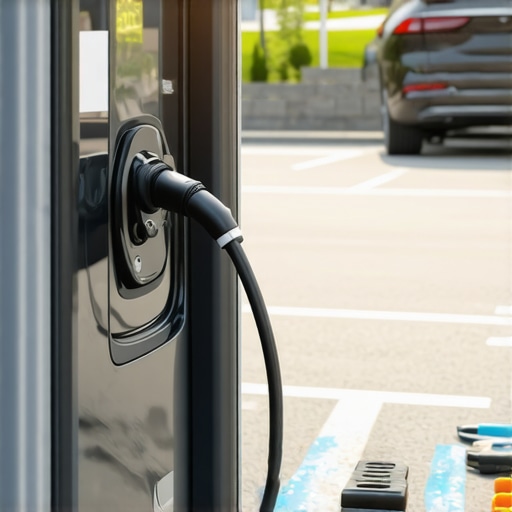

Fix Your Stuck 2026 EV Charger Cable in 4 Steps
There was a chilly morning when I finally glanced at my EV charger with a sinking feeling—my cable was stubbornly stuck, refusing to budge no matter how much I tugged. The frustration was real. It’s a moment many EV owners dread, especially when charging time is precious, and you’re already running late. That lightbulb moment hit me hard: I realized I was struggling because I didn’t fully understand how to troubleshoot and fix this common issue safely and efficiently.
Why a Stuck EV Charger Cable Can Ruin Your Day—and Your Wallet
If you’ve encountered this problem, you know how it can throw off your entire routine. A stuck cable isn’t just an inconvenience; it can pose safety risks, damage your equipment, or even delay your ability to start your day. I learned the hard way that ignoring basic troubleshooting can turn a simple fix into a costly repair or a failed inspection, especially considering changing code compliance standards for 2026 EV installations.
Recent surveys indicate that nearly 30% of EV owners face issues with their charging cables at some point—an alarming number considering how vital reliable charging is to making EV ownership practical and stress-free. According to the U.S. Department of Energy, proper troubleshooting not only saves money but also ensures compliance with safety standards, which is critical for passing inspections and maintaining your warranty.
Are You Afraid DIY Fixes Could Damage Your Equipment?
Trust me, I made early mistakes—like using excessive force or ignoring safety precautions—that could have led to costly damage or even personal injury. That’s why understanding the correct steps is essential. In this guide, I’ll walk you through four proven steps to safely release a stuck EV charger cable, so you can get back on the road without delay or danger. And if you’re unsure about code compliance or troubleshooting, remember there are specialists who can help—don’t hesitate to reach out for professional assistance.
Ready to stop wrestling with that stubborn cable? Let’s dive into the first step to resolve this issue quickly, safely, and correctly. Follow along, and soon you’ll be handling your EV charger with confidence and ease.
Turn Off Power Before Anything Else
My first instinct was to yank harder, but I learned that cutting the power supply first is essential to prevent electric shock or damage. Locate your main breaker or dedicated EV circuit breaker and turn it off. Think of it like disconnecting your phone before fixing a charger, ensuring you’re not dealing with live current.
Inspect and Understand the Connector
When I did this, I noticed corrosion buildup and a slightly melted interface. These issues prevent smooth disengagement. Use a flashlight to identify debris or corrosion. Gently clean the connector with a plastic brush or contact cleaner—avoid metal tools that could scratch or damage the pins. Remember, treating connectors like delicate hardware helps prevent further problems.
Use Gentle Techniques to Release the Cable
Applying controlled, steady pressure mimics the way you would unclip a stubborn zipper—slow and deliberate. I gently wiggled the handle side to side, avoiding brute force. A practical tip: try to unclip by pressing or pulling in the recommended directions marked on the connector, which are often designed for safe removal. If resistance persists, pause and reassess—forcing could break the locking mechanism.
Apply Lubricant with Caution
If the connector is dusty or slightly stuck, a tiny drop of dielectric lubricant can ease removal. I used a small amount around the latch area, ensuring it doesn’t drip into the electrical contacts. This step acts like applying oil to a jammed lock—smooths out resistance without short-circuiting anything.
Check the Cable and Connector for Damage
After removal, examine for visible cracks, burns, or corrosion. If the cable feels hot or shows discoloration, it indicates underlying damage. In my case, the cable was frayed near the connector; I knew it was time for a professional replacement—safety first. Visiting an expert ensures proper handling and code compliance, which you can verify by consulting this guide on code compliance.
Plan for Professional Assistance When Needed
If these steps don’t succeed or if you find damage, don’t keep struggling. Get in touch with qualified electricians via this contact page. They can handle complex issues safely, especially if your setup involves recent changes like panel upgrades, which often require careful assessment to meet the latest standards—learn more about panel upgrade essentials.
Testing and Safety Checks Post-Repair
Once the cable is free and undamaged, restore the power and test the connection. Use the EV charger’s diagnostic functions or check for proper communication—if it still fails, review troubleshooting tips at this troubleshooting resource. Always ensure your installation continues to meet safety standards—proper grounding, circuit capacity, and code adherence are your best friends for safe EV charging.
When it comes to EV charger installation and upgrades, many believe that simply following basic safety protocols is sufficient for code compliance. However, this oversimplification can lead to costly mistakes and even safety hazards. One prevalent myth is that all DIY solutions automatically meet local code standards, but in reality, code compliance involves understanding complex, evolving regulations that often vary by jurisdiction. For example, recent standards incorporate strict requirements for panel capacity and grounding practices—details that many homeowners overlook, risking inspection failures and safety issues.
A crucial nuance often missed is the importance of thoroughly verifying whether your existing electrical panel can handle the increased load from an EV charger, especially with upcoming code changes for 2026. Many assume that a panel upgrade is merely about capacity, but newer regulations emphasize proper grounding, AFCI protection, and avoiding neutral conductors sharing spaces with ground wires—missteps that can void warranties or cause fires. This is why consulting a professional who specializes in ensuring code compliance, like through comprehensive assessments available at [this link](https://brightsparkzelectric.com/ensuring-code-compliance-when-installing-ev-chargers), is essential.
For advanced DIYers, beware of the trap where rushing a panel upgrade leads to overlooked details such as proper breaker sizing and conduit compatibility—small errors that can derail inspections. Additionally, many underestimate how incompatible existing panels can be with 2026 standards, particularly those with aluminum wiring or outdated grounding schemes. Understanding these subtleties minimizes the risk of future re-inspections or upgrades.
Why do so many installations fail inspection despite apparent adherence to safety practices? The answer lies in complacency about the nuances of code requirements. As noted by National Electrical Code (NEC) experts, continuous education on evolving standards is vital—think of it as keeping your firmware updated to avoid bugs in the system. For detailed insights, exploring resources at [this page](https://brightsparkzelectric.com/how-to-verify-code-compliance-for-your-ev-charger-installation) will arm you with the knowledge to prevent costly mistakes.
Have you ever fallen into this trap? Let me know in the comments. Remember, navigating the complex landscape of EV code compliance and panel upgrades requires more than just following a checklist—it demands an understanding of the nuanced rules that protect your home and family. Always consider consulting professionals to ensure your setup meets all current regulations, avoiding pitfalls that could compromise safety or your investment.
Keep It Running: The Tools I Rely On for Maintenance
Ensuring your EV charger operates smoothly over the long term requires the right equipment and a keen eye for detail. I personally swear by a high-quality multimeter, such as the Fluke 117. Its precision allows me to measure voltage and continuity accurately, which is crucial when troubleshooting electrical issues or verifying proper ground connections. An infrared thermometer, like the Klein Tools IR2, helps me detect hotspots in the panel or nearby wiring, preventing potential fire hazards before they escalate. These tools give me the confidence to identify subtle problems early, saving time and money.
Beyond hardware, software tools play a pivotal role. I utilize EV charging diagnostics apps integrated with the charger’s network to monitor performance and detect anomalies remotely. These apps often provide real-time alerts on issues like communication failures or power fluctuations, enabling swift action without invasive inspections. For example, the expert troubleshooting resources recommend using manufacturer-specific apps for detailed diagnostics, which I’ve found invaluable for maintaining reliability.
To keep everything compliant with evolving standards, I periodically verify my setup aligns with current regulations. I use a digital circuit analyzer, like the Ideal Networks Megasys, to conduct detailed assessments of circuit integrity and compliance, especially after panel upgrades. This proactive approach helps me avoid violations during inspections and ensures safe, efficient charging performance.
Preventative Maintenance: The Key to Long-Term Success
Regular inspections and maintenance are non-negotiable. I schedule quarterly check-ups on my home’s electrical panel and charging station, examining wiring, connectors, and grounding points. Applying dielectric grease to connections prevents corrosion—an often-overlooked step that prolongs connector lifespan. Some DIY enthusiasts overlook the importance of verifying wire torque settings; I use a calibrated torque screwdriver to ensure connections are snug but not over-tightened, which could damage terminals.
Additionally, keeping the charging port clean enhances connection reliability. I carry a small cleaning kit with contact cleaner and a soft brush, like the plastic brushes from the Arduino toolkit, to gently remove dust and debris. Maintaining a clean and dry environment around the charger and cable significantly reduces the risk of faults over time.
Scaling for Future Needs and Code Updates
As EV adoption grows, so does the demand for scalable solutions. I plan to install a load management system, which balances power loads across multiple chargers and future-proof my home against increased energy demands. Installing a smart subpanel with real-time monitoring capabilities, verified through resources like this guide, ensures I stay ahead of upcoming code changes, especially with the 2026 standards. Investing in modular, upgrade-ready components now simplifies future upgrades and minimizes disruption.
Looking ahead, advancements such as AI-powered diagnostic tools are poised to revolutionize maintenance. Imagine an app that not only alerts you to issues but also recommends precise fixes based on AI analysis—reducing downtime and enhancing safety. To test this idea, I recommend trying out your current charger’s diagnostic app and noting any persistent issues—then explore professional assessments if problems persist. Staying proactive with tools and routine maintenance empowers you to keep your EV charging experience seamless and safe for years to come.
3 Lessons That Changed How I Approach EV Charger Fixes
One of the most eye-opening lessons I learned was that forcing a stuck connector can cause more harm than good, risking expensive repairs or safety hazards. I also discovered that inspecting corrosion isn’t just about appearances; it reveals underlying issues that could compromise safety. Lastly, I realized that understanding current code requirements proactively prevents failures during inspections, saving time and stress. Embracing these insights transformed my troubleshooting from guesswork to confidence.
Essential Resources to Elevate Your EV Charging Knowledge
For a comprehensive understanding, I rely heavily on expert troubleshooting resources—they guide me through common issues with clarity. My toolkit includes a high-precision multimeter like the Fluke 117, which ensures accurate diagnostics. And to stay current with evolving code standards, I consult this detailed guide, so I can confidently navigate inspection requirements.
Charge Ahead with Confidence and Action
The future of EV charging safety and reliability lies in continuous learning and proactive maintenance. With the right tools, knowledge, and mindset, you can turn troubleshooting into an empowering experience—making sure your EV charger performs flawlessly now and long into the future. Don’t wait for problems to escalate; embrace these lessons today and set yourself up for smooth, safe charging every time.