Category Code Compliance for Electric Vehicles

Code Compliance Tips for Safe EV Charger Upgrades in 2024

My Journey into Safe EV Charger Upgrades and Code Compliance

Last year, I decided it was time to upgrade my home’s EV charging station. As someone passionate about electric vehicles and home electrification, I knew that following proper code compliance was crucial. I remember feeling a mix of excitement and apprehension—especially when I realized just how many regulations and safety standards are involved. Diving into this process, I learned a lot about ensuring my installation was both safe and compliant, which I want to share to help others avoid common pitfalls.

Understanding the Importance of Code Compliance

When I first started exploring upgrades for my EV charger, I was surprised to discover that local electrical codes and standards play a vital role. They are designed to protect homeowners and ensure safe, reliable charging. In my case, I relied on resources like ensuring code compliance to guide my process. Proper adherence prevents electrical hazards and helps avoid costly rework later. It’s a lesson I learned the hard way—skipping these steps can lead to dangerous situations or failed inspections.

How to Approach Your EV Charger Upgrade Safely

What are the critical code standards I need to know?

In my experience, the National Electrical Code (NEC) provides comprehensive standards for EV charger installations. Specifically, articles related to wiring methods, grounding, and circuit protection are essential. I also found that consulting local amendments and regulations is equally important, since rules can vary by region. For example, ensuring that your circuit meets the requirements for dedicated circuits and proper GFCI protection is fundamental. For detailed guidance, I referred to code compliance tips tailored for residential setups.

Additionally, verifying your panel’s capacity is critical. Upgrading your electrical panel might be necessary to safely accommodate a new high-capacity charger. I personally opted for a panel upgrade, which I found to be a worthwhile investment for future-proofing my home’s electrical system. For insights on panel upgrades, check out panel upgrades for EV chargers.

My Practical Tips for Compliance and Safety

One thing I wish I had known earlier is how detailed the inspection process can be. I made sure to hire a licensed electrician familiar with local codes. We documented everything from proper wiring methods to correct breaker sizing. I also learned that installing a dedicated circuit for my EV charger not only improves safety but also optimizes performance. It’s worth noting that some problems, like connectivity issues, can be related to improper wiring or circuit overload, so troubleshooting can sometimes trace back to code violations. For troubleshooting tips, I recommend visiting troubleshooting common EV charger issues.

Why is it so important to verify code compliance before installation?

In my opinion, verifying code compliance isn’t just about passing inspections—it’s about safeguarding your home and loved ones. Non-compliance can lead to electrical fires, damage to your EV, or voided warranties. The process of verifying compliance, including inspections and testing, ensures your setup is safe and legally sound. I strongly encourage anyone undertaking this upgrade to consult authoritative sources and, when in doubt, hire a professional. For a thorough review, check out how to verify code compliance.

If you’re planning your EV charger upgrade, I invite you to share your experiences or ask questions in the comments below. Remember, safety and compliance should always come first. Happy charging!

Why Professional Inspection and Documentation Are Non-Negotiable for Your EV Charger Upgrade

One of the most overlooked aspects of upgrading your home’s EV charging station is the importance of meticulous inspection and thorough documentation. As an experienced electrician, I can attest that these steps are fundamental for long-term safety and compliance. When inspections are properly conducted, they not only verify adherence to local codes, but also identify potential issues before they become costly repairs or hazards.

During my own upgrade process, I engaged a licensed inspector to evaluate my entire electrical setup. This included checking wiring integrity, circuit breaker sizing, grounding, and GFCI protection. Proper documentation of these elements served as a safeguard, especially if I ever decided to sell my home or needed warranty claims. Remember, strict adherence to code compliance and panel upgrades is essential not only for safety but also for legal and insurance reasons.

How Can You Navigate the Complexities of Regional Electrical Codes?

Are local amendments and regional standards as critical as national codes?

Absolutely. While the NEC provides a solid foundation, regional amendments can introduce additional requirements that are crucial for your specific location. For example, in areas prone to flooding or high humidity, extra protective measures may be mandated. To navigate this complexity, I recommend consulting your local building department or a knowledgeable electrician familiar with regional standards. They can ensure your installation meets all regional requirements, preventing future compliance issues. For region-specific guidance, visit ensuring code compliance.

Additionally, staying updated on code changes is vital. Codes evolve over time to incorporate new safety innovations and technologies. Regularly reviewing resources like troubleshooting common EV charger issues can help you recognize if your setup adheres to current standards.

What Are the Practical Benefits of Upgrading Your Electrical Panel for EV Charging?

Many homeowners underestimate the importance of a dedicated, adequately rated electrical panel. An outdated or undersized panel can cause frequent tripping, reduced charging speeds, or even electrical fires—serious safety hazards. Upgrading your panel, especially if you plan multiple high-capacity chargers or household appliances, is a smart move. I personally invested in a panel upgrade, which significantly improved my home’s electrical performance and safety margin.

For detailed guidance on panel upgrades, see panel upgrades for EV chargers. Remember, this step often involves ensuring your new panel complies with local code requirements and is properly inspected. Proper panel upgrades, combined with correct wiring and grounding, form the backbone of a safe and reliable EV charging system.

How Can You Future-Proof Your EV Charging Infrastructure?

Investing in compliance now isn’t just about meeting current standards—it’s about preparing for future needs. Consider installing a Level 2 charger with higher capacity, or adding multiple circuits to support future vehicles and appliances. When planning these upgrades, it’s wise to consult with professionals who stay abreast of the latest code amendments and technological advancements.

To avoid common pitfalls, review troubleshooting common EV charger issues and ensure your system can handle future demands without compromise. Smart planning today will save you time, money, and stress down the road.

If you’re considering your own EV charger upgrade, I encourage you to ask questions or share your experiences in the comments. Remember, adhering to expert standards and local codes is the key to safe, reliable, and efficient EV charging at home.

Beyond Basics: Navigating the Nuances of Code Compliance and Home Electrical Complexity

As I reflect on my journey upgrading my EV charging station, I realize how layered and intricate the process truly is. It’s not just about following a checklist but understanding the subtleties that can make or break your safety and system longevity. One of the most overlooked aspects is how regional amendments and evolving standards can subtly influence installation requirements. For instance, in flood-prone zones, extra protective measures like specialized enclosures or elevated wiring are mandated—details that might seem minor but are crucial for compliance.

In my experience, staying ahead means regularly consulting local building departments and engaging with experts who stay updated on regional code changes. These nuances often aren’t apparent from national standards alone. For example, in some regions, the NEC’s guidelines are augmented with local amendments that demand specific grounding practices or wiring methods, which I learned the hard way through an inspection hiccup. To minimize surprises, I recommend setting aside time for ongoing education and building relationships with knowledgeable electricians familiar with your locale.

Furthermore, understanding the evolution of safety technology and how it impacts code standards can help future-proof your setup. Modern GFCI breakers and surge protectors have advanced significantly, and codes adapt to incorporate these innovations. Regularly reviewing resources like troubleshooting guides can help you recognize if your system aligns with the latest safety protocols. It’s a continuous learning process that, while demanding, pays dividends in safety and reliability.

What Are the Hidden Benefits of Upgrading Your Electrical Panel and How Do They Tie Into Long-Term Reliability?

Upgrading your electrical panel isn’t just about meeting current code requirements—it’s an investment in your home’s future. A robust, modern panel provides a dedicated, high-capacity backbone for your EV charger and household needs, reducing risks of overloads and electrical fires. I found that a well-planned panel upgrade, combined with proper wiring and grounding, significantly improves charging performance and energy efficiency.

One aspect I didn’t initially consider was how a new panel could facilitate easier upgrades down the line. For example, installing additional circuits for future EV models or smart home gadgets becomes straightforward when your panel is designed with expansion in mind. This forward-thinking approach aligns with the advice found in upgrading your panel for better EV charging performance, emphasizing that a solid foundation today prevents costly retrofits tomorrow.

Moreover, a modern panel often incorporates advanced safety features, like integrated surge protection and remote monitoring capabilities, which can alert you to potential issues before they escalate. These smart enhancements are increasingly becoming part of the standard safety protocols, and integrating them into your system ensures that your home remains both resilient and compliant as technology advances.

How Do You Balance Immediate Safety Needs With Long-Term Technological Flexibility?

Balancing the immediate demands of a safe, compliant installation with the flexibility to adapt to future technological changes is a nuanced challenge. My approach was to think beyond the present—considering not just the current EV model but potential future upgrades, additional chargers, or even integrating renewable energy sources like solar. This meant selecting wiring methods, breaker ratings, and protective devices with scalability in mind.

For instance, installing a higher-rated breaker and oversizing conduit where feasible can accommodate future upgrades without disruption. Additionally, choosing components that are compatible with emerging standards ensures longevity and reduces the need for early replacements. This strategic foresight aligns with the principles outlined in expert troubleshooting tips, which highlight the importance of using high-quality, adaptable components to prevent common issues and extend system lifespan.

Engaging with professionals who understand both current codes and future trends is essential. They can help you design an infrastructure that’s not just compliant today but resilient tomorrow—saving time, money, and headaches in the long run.

Unlocking the Nuances of Regional Amendments for Optimal EV Charging Safety

While the National Electrical Code (NEC) sets the foundational standards, regional amendments often introduce subtle yet critical variations that can significantly impact your installation’s safety and compliance. In my experience, understanding these nuances is akin to mastering a complex language—one that requires ongoing immersion and expert consultation. For example, in flood-prone areas, additional protective measures like elevated wiring and specialized enclosures are mandated, which are easily overlooked if one only considers national standards. To navigate these intricacies effectively, I recommend establishing a collaborative relationship with local building departments and seasoned electricians who are well-versed in regional codes. This proactive approach ensures that your setup not only passes inspection but also endures environmental challenges without compromise. For region-specific insights, visit ensuring code compliance.

How Do Evolving Safety Technologies Shape Future Code Standards?

Advancements in safety technology, such as smart surge protectors and integrated fault detection systems, are rapidly influencing code updates. These innovations are designed to provide real-time alerts and prevent hazards before escalation, aligning with the comprehensive safety ethos of modern electrical standards. According to the U.S. Department of Energy, integrating smart safety features not only enhances protection but also simplifies compliance by providing verifiable data during inspections. Staying ahead entails reviewing resources like troubleshooting guides and participating in industry forums that discuss upcoming code modifications. This continuous learning ensures your system remains resilient amidst changing regulations and technological landscapes.

Strategic Panel Upgrades as a Long-Term Reliability Investment

Upgrading your electrical panel goes beyond immediate safety; it’s a strategic move to future-proof your home’s electrical infrastructure. A modern, high-capacity panel facilitates seamless addition of multiple EV chargers and smart appliances, reducing the risk of overloads and enhancing overall system stability. I personally found that investing in a panel with integrated surge protection and remote monitoring features—outlined thoroughly at upgrading your panel for better EV charging performance—transformed my approach to home electrification. These enhancements allow for proactive maintenance and quick diagnostics, minimizing downtime and repair costs. Moreover, a well-chosen panel simplifies compliance with evolving codes and provides a reliable backbone capable of supporting future innovations like vehicle-to-grid integration or renewable energy coupling.

What Are the Key Considerations When Designing a Scalable, Future-Ready EV Charging System?

Designing a scalable EV charging system requires a balance between current needs and anticipated technological advancements. My recommendation is to oversize wiring conduits and select breakers rated for future load expansions, ensuring your infrastructure can accommodate higher-capacity chargers or additional circuits. Compatibility with emerging standards, such as the SAE J1772 or future V2G protocols, should also inform component selection. Engaging with professional electricians who stay abreast of these trends—like those referenced in expert troubleshooting tips—can help you craft a resilient, adaptable setup. Remember, strategic foresight today simplifies upgrades tomorrow and safeguards your investment against obsolescence.

Deep Dive: The Interplay Between Code Compliance and Long-Term System Integrity

Ensuring code compliance isn’t merely a bureaucratic hurdle; it’s the foundation of your system’s long-term integrity. A meticulous approach involves detailed documentation of wiring diagrams, component specifications, and inspection reports—elements that serve as a safeguard during resale or warranty claims. My experience underscores that engaging a licensed inspector to evaluate every facet of the installation—covering grounding, circuit protection, and wiring integrity—can preempt costly failures. For a comprehensive approach, I recommend reviewing code compliance and panel upgrades for safe EV charger installation. This proactive diligence not only ensures safety but also aligns with best practices for legal and insurance compliance, providing peace of mind for years to come.

Harnessing Continuous Education to Stay Ahead in a Rapidly Evolving Field

In my journey, staying ahead of the curve has involved consistent education—regularly reviewing updates from authoritative sources and participating in industry webinars. Given how swiftly safety standards evolve, subscribing to newsletters from organizations like the National Fire Protection Association (NFPA) and engaging with online communities has been invaluable. This ongoing education enables me to anticipate changes, adapt my systems proactively, and incorporate innovative safety solutions as they emerge. The landscape of electrical safety is dynamic, and embracing continuous learning is essential for anyone committed to excellence in home electrification. If you’re eager to deepen your understanding and ensure your system remains compliant and reliable, I invite you to explore these resources and share your experiences in the comments below.

Things I Wish I Knew Earlier (or You Might Find Surprising)

1. The Hidden Complexity of Regional Codes

When I first started my EV charger upgrade, I underestimated how much regional amendments could influence the process. It’s not just about following national standards; local requirements can add layers of safety measures, like special grounding or environmental protections. Learning this the hard way, I realized working closely with local inspectors and experienced electricians saves time and avoids costly rework.

2. The Power of Proper Documentation

Keeping detailed records of wiring diagrams, inspections, and component specs became invaluable for future troubleshooting and resale. It’s easy to overlook, but thorough documentation ensures your system’s integrity and simplifies warranty claims. I recommend treating this as an ongoing part of your upgrade, not an afterthought.

3. Upgrading the Electrical Panel Is a Game Changer

Many homeowners overlook how essential a modern, high-capacity panel is for reliable EV charging. Upgrading mine not only improved safety but also future-proofed my home for additional chargers and smart devices. It’s an investment that pays dividends in performance and peace of mind.

4. Continuous Education Keeps You Ahead

Codes and safety technologies evolve quickly. Staying informed through webinars, industry updates, and trusted resources like NFPA ensures my system remains compliant and safe. I’ve found that proactive learning is the best way to prevent surprises down the line.

5. The Nuances of Environmental Factors Matter

In flood-prone or humid areas, extra protective measures are necessary. It’s not just about following the book but understanding your environment. Consulting local codes and experts helps tailor your installation for maximum safety and durability.

Resources I’ve Come to Trust Over Time

  • National Fire Protection Association (NFPA): Their standards are the gold standard for electrical safety. I rely on their guidelines to stay updated on best practices.
  • Local Building Departments: They provide region-specific requirements that are crucial for compliance and safety.
  • Bright Spark Electric Blog: Their in-depth articles and troubleshooting guides have been instrumental in my journey, especially for understanding complex code requirements.

Parting Thoughts from My Perspective

Upgrading my home EV charger with a focus on safety and code compliance has been a rewarding journey. It’s clear that understanding regional nuances, maintaining thorough documentation, and investing in a future-ready electrical panel are key to long-term reliability. Staying educated and proactive ensures your home remains safe as technology and standards evolve. If this resonates with you, I’d love to hear your experiences or questions—sharing knowledge helps us all charge smarter and safer. Feel free to drop your thoughts in the comments or reach out through my contact page. Happy charging!

Code Compliance and Panel Upgrades for Safe EV Charger Installation

My First Encounter with EV Charger Installation: A Personal Reflection

When I decided to install an electric vehicle charger at my home, I knew it wouldn’t be as simple as plugging in a device. My journey began with a lot of research, and I quickly learned that ensuring code compliance and upgrading my electrical panel were crucial steps to keep everything safe and efficient. I remember feeling overwhelmed at first, but with a little guidance, I realized how essential these steps are for a smooth and safe EV charging experience.

Understanding the Importance of Code Compliance in EV Charger Installations

One of the first things I discovered was how vital it is to verify code compliance during installation. Not only does it ensure that the setup adheres to local electrical codes, but it also helps prevent future safety hazards. I found that my local regulations, as outlined by the National Electrical Code (NEC), have specific requirements for EV chargers, like proper grounding and circuit protection. This knowledge made me more confident in communicating with my electrician and understanding the process better.

Why Upgrading Your Panel Can Be a Game Changer

Another key aspect I learned was the need for panel upgrades for EV chargers. My existing electrical panel was not designed to handle the additional load, and I worried about overloading circuits. Upgrading my panel not only supported my current EV charger but also future-proofed my home for potential additional electrical needs. It’s fascinating how a simple upgrade can significantly improve charging performance and safety.

How Do I Know If My Electrical System Meets the Standards?

Curious about whether my electrical system was up to par, I contacted a licensed electrician and referred to authoritative resources like code compliance tips. They explained that inspections and proper documentation are essential to ensure safe installation, especially when dealing with high-voltage systems. Trusting expert advice, combined with reputable guidelines, can make a big difference in the safety and longevity of your EV charging setup.

What Are the Risks of Skipping Code Compliance or Not Upgrading?

Skipping these critical steps can lead to serious safety issues, such as electrical fires or damage to your vehicle and home wiring. I learned that adhering to proper standards is not just about legality but also about peace of mind. For comprehensive guidance, I also recommend reviewing troubleshooting tips to keep your system reliable.

If you’re considering installing an EV charger, I encourage you to consult with professionals and stay informed about code requirements. Feel free to share your experiences or ask questions in the comments—I love hearing how others are navigating this exciting journey!

The Hidden Complexities of Electrical Code Compliance for EV Chargers

While it might seem straightforward to install an EV charger, the reality involves navigating a labyrinth of regulations designed to safeguard your home and loved ones. Verifying code compliance is an often overlooked yet crucial step, especially given the specific requirements outlined by the National Electrical Code (NEC). These include proper grounding, circuit protection, and adherence to local amendments. Overlooking these can lead to not only safety hazards but also costly legal complications down the line.

Why Upgrading Your Electrical Panel Is More Than Just a Luxury

An outdated electrical panel can be the Achilles’ heel of your EV charging strategy. Upgrading your panel isn’t merely about supporting your current charger but preparing your home for future electrical demands. This process involves more than swapping out a box; it’s a strategic move to enhance safety and performance. For detailed guidance, visit panel upgrades for EV chargers. An upgraded panel can prevent overloads, reduce the risk of electrical fires, and ensure your charging sessions are smooth and reliable.

Assessing Your Home’s Electrical Readiness: Expert Strategies

To determine if your home’s electrical system is up to standard, consulting with a licensed electrician is essential. They will perform comprehensive inspections aligned with authoritative guidelines such as those found in code compliance tips. These include verifying circuit capacity, grounding methods, and proper wiring. Documenting these steps ensures your installation is both safe and compliant, reducing future repair or inspection issues.

What Are the Risks of Cutting Corners on Code Compliance?

Skipping critical safety protocols can have dire consequences — from electrical fires to damage that voids your home insurance. In fact, improper installations might not only pose immediate hazards but can also compromise your vehicle’s charging efficiency and lifespan. Experts emphasize that adhering to established standards isn’t just about legality but about long-term peace of mind. For practical troubleshooting, explore troubleshooting tips to keep your system running reliably.

If you’re contemplating an EV charger upgrade, consider reaching out to professionals who can guide you through the process, ensuring all safety and compliance measures are met. Want to share your experiences or ask questions? Drop a comment below or visit our contact page for personalized advice. For more insights on creating a safe and efficient EV charging environment, explore our detailed articles on ensuring code compliance and panel upgrades for better performance.

Unveiling the Hidden Layers of Electrical Code Compliance: My Personal Journey

As I delved deeper into the world of EV charger installations, I realized that understanding code compliance isn’t just a checkbox—it’s a complex, layered process that can truly make or break the safety and efficiency of your charging setup. My initial assumption was that following basic guidelines would suffice, but I soon discovered that local amendments, specific grounding requirements, and circuit protection nuances demand meticulous attention. It’s like peeling back layers of an onion—each layer revealing a new level of complexity and importance.

The Intricate Dance of Local Regulations and National Standards

One of the most enlightening aspects of my journey was learning how local regulations often add unique requirements to the national standards set by the NEC. For example, certain jurisdictions mandate specific grounding methods or additional inspection steps that aren’t always obvious at first glance. I recall a moment of clarity when my electrician explained how these local amendments are designed to address regional electrical risks—like flood-prone areas requiring specialized grounding techniques. This insight underscored the importance of not just trusting generic guidelines but tailoring the installation to my specific environment.

How Deep Does the Rabbit Hole Go? Advanced Considerations for Ensuring Full Compliance

Beyond the basics, I found myself asking: *What are the most overlooked yet critical compliance details that could jeopardize safety or legality?* A key example involves the proper sizing of circuit breakers and the significance of verifying wiring integrity throughout the system. An overlooked detail can silently undermine the entire setup, leading to potential hazards or costly rework. For this reason, I highly recommend exploring comprehensive code compliance tips. These resources often contain checklists and expert advice that go far beyond the surface, helping you understand the subtle but essential specifications that must be met.

Is It Really Safe to Skimp on Compliance? A Personal Reflection

In my experience, cutting corners on code compliance might seem tempting—saving time, money, or effort. However, the risks are far too significant. Electrical fires, damage to your vehicle, or even voiding your homeowner’s insurance are real consequences. I learned that investing in proper inspections, documentation, and expert consultation isn’t just about legal compliance; it’s about peace of mind and long-term safety. For those considering a DIY approach, I urge you to consider the complexity involved and consult professionals who understand the intricacies of troubleshooting and safety standards.

Reflecting on the Broader Impact of Proper Compliance

My journey into understanding these layers of compliance has transformed my perspective. It’s not merely about installing a device; it’s about safeguarding my home, my loved ones, and my investment. It’s a reminder that even in seemingly straightforward projects, the devil truly is in the details. As I continue to explore this field, I remain committed to ongoing learning—because a well-informed homeowner is a safer homeowner. If you’re embarking on your own EV charging project, I encourage you to share your experiences or ask questions. Perhaps, together, we can demystify this complex but crucial aspect of home electrification.

Deciphering the Nuances of Local Regulations and Their Impact on Your EV Charging Setup

As I delved further into the labyrinth of electrical codes, I uncovered how regional amendments can significantly influence the safety and legality of my installation. For instance, in flood-prone areas, specific grounding techniques are mandated to mitigate water-related electrical risks. This realization was pivotal; it underscored that compliance isn’t a one-size-fits-all process but a tailored approach based on local environmental factors. Engaging with local inspectors early in the planning phase proved invaluable, as it helped me align my setup with both national standards and regional amendments, ensuring a seamless approval process.

What Are the Most Overlooked Yet Critical Details in Achieving Full Compliance?

Beyond the basic requirements, meticulous attention to circuit breaker sizing, wiring integrity, and proper conduit routing is essential. An overlooked detail—such as undersized breakers—can silently compromise safety, leading to potential electrical fires or system failures. Ensuring that wiring is free from damage and appropriately rated prevents future malfunctions. Consulting comprehensive guides like code compliance tips provides checklists that help identify these subtle yet critical considerations, saving time and avoiding costly rework.

Is DIY Viable for Achieving Full Compliance, or Should I Rely on Professionals?

While DIY enthusiasts may feel confident handling certain aspects, the complexity of local amendments, detailed grounding requirements, and the intricacies of proper wiring strongly advocate for professional involvement. An experienced licensed electrician can interpret regional codes accurately and ensure all safety standards are met, thereby preventing hazards and legal issues down the line. For a deeper understanding of the technical standards, I recommend reviewing authoritative resources like ensuring code compliance when installing EV chargers.

Engaging experts not only guarantees safety but also provides peace of mind, knowing your setup adheres to the highest standards of electrical safety and efficiency. If you’re contemplating upgrades or installations, I encourage you to share your experiences or ask questions—your insights might help others navigate this complex process more confidently.

Deepening My Understanding of Panel Upgrades: Beyond the Basics

My exploration into panel upgrades revealed that modern electrical panels do more than support current loads—they are foundational to future-proofing your home’s electrical infrastructure. Upgrading involves selecting panels with sufficient amperage, integrated surge protection, and compatibility with smart home systems. This strategic move can prevent overloads during peak charging times and facilitate seamless integration of additional electrical devices, such as solar inverters or backup generators. The investment in a robust panel often translates into enhanced safety, reliability, and even property value. For detailed insights, I refer to upgrading your panel for better EV charging performance.

What Advanced Measures Can Ensure Your Electrical System Is Fully Optimized?

To optimize my electrical system, I implemented advanced measures like dedicated circuits for EV chargers, smart load management, and real-time monitoring. These strategies not only improve charging efficiency but also protect your system from unexpected surges or overloads. Incorporating smart monitoring devices allows you to track energy consumption and identify potential issues before they escalate. This proactive approach aligns with the latest electrical safety standards and ensures long-term system resilience. Consulting with professionals about integrating these solutions can be a game-changer, as they possess the expertise to customize systems based on specific household needs.

How Can I Leverage Expert Knowledge to Maximize Safety and Performance?

Engaging with experts who stay current with evolving standards is crucial. Regular inspections, system audits, and staying informed about updates in electrical codes can significantly enhance your setup’s longevity. Participating in professional forums or subscribing to industry publications offers insights into emerging technologies and best practices. For instance, I found that implementing surge protection devices recommended by troubleshooting expert tips can prevent costly damages. I invite you to share your strategies or ask questions—collaborative learning makes us all safer and more efficient in our electrification journey.

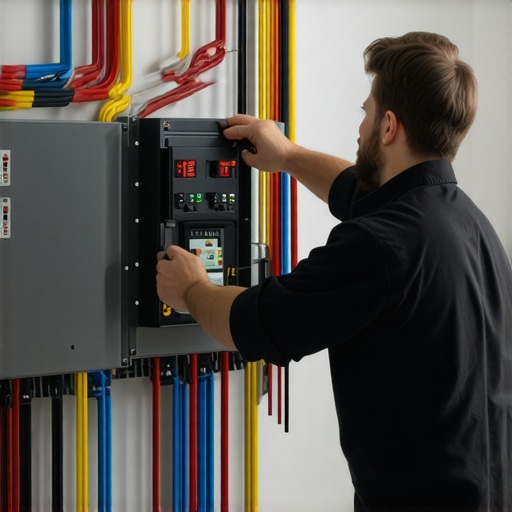
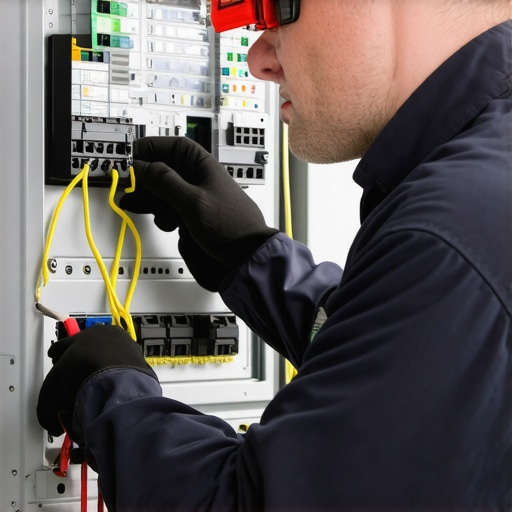
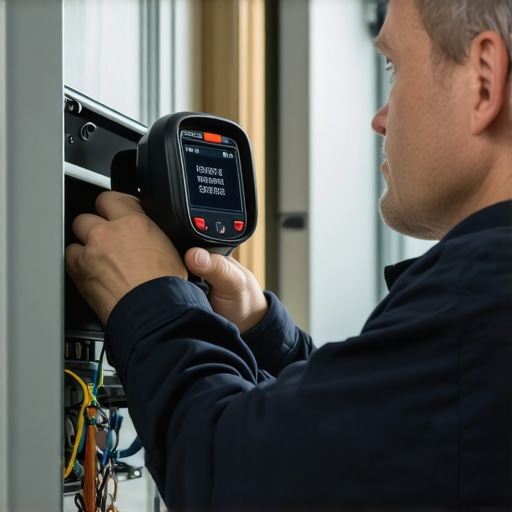
Electrician examining upgraded electrical panel with advanced features in home

Things I Wish I Knew Earlier (or You Might Find Surprising)

The Hidden Complexity of Local Regulations

Initially, I thought following the national electrical standards was enough. However, I soon discovered that local amendments and regional requirements could significantly impact the safety and legality of my EV charger setup. It was eye-opening to learn how specific grounding techniques or additional inspection steps tailored to my area made all the difference in avoiding future issues.

The Subtle Power of Proper Circuit Breaker Sizing

One of the most overlooked details during my installation was ensuring the circuit breakers were correctly rated. An undersized breaker might seem like a minor detail but can silently lead to overheating or fires. This realization underscored the importance of trusting professional advice and thorough inspections to keep my home safe.

Why Upgrading My Electrical Panel Was a Game Changer

My existing panel wasn’t designed for the increased load from EV charging. Upgrading it not only supported my current needs but also prepared my home for future electrical demands, reducing risks and improving overall performance. This experience taught me that investing in a robust electrical infrastructure is essential for long-term peace of mind.

The Value of Expert Guidance

Consulting with licensed electricians who understand regional codes saved me from costly mistakes. Their expertise ensured every aspect, from grounding to wiring, met safety standards. If you’re unsure about the process, I highly recommend seeking professional help to navigate these complex requirements confidently.

Beyond the Basics: Advanced Safety Measures

Implementing smart load management systems and real-time monitoring helped optimize my electrical system. These advanced measures not only enhanced efficiency but also provided early warnings for potential issues, ensuring my charging setup remains reliable and safe over time.

Resources I’ve Come to Trust Over Time

  • National Electrical Code (NEC): The foundational standard for electrical safety, essential for understanding legal requirements and best practices. I refer to it regularly to stay updated.
  • BrightSpark Electric Blog: Their detailed articles on code compliance and panel upgrades have been invaluable, offering practical tips and expert insights I trust.
  • Local Electrical Inspection Offices: Connecting directly with regional authorities helped me understand specific regulations and streamline my installation process.

Parting Thoughts from My Perspective

Ensuring code compliance and upgrading your electrical system are crucial steps in creating a safe and efficient EV charging environment. From understanding regional regulations to trusting expert advice, every detail matters. My journey taught me that investing time and resources now can save you from future headaches and safety hazards. If this resonated with you, I’d love to hear your thoughts. Share your experiences or ask questions—together, we can make home electrification safer and smarter for everyone.

Code Compliance Tips for Safe EV Charger Installation and Upgrades

My Journey into EV Charger Safety and Code Compliance

When I first decided to upgrade my home’s EV charging station, I quickly realized that ensuring code compliance isn’t just a technical requirement—it’s a vital part of keeping my family safe and my home running smoothly. I remember the first time I looked into the local electrical codes and standards; it was a bit overwhelming, but I knew that doing it right would save me headaches down the line.

Understanding the Foundation: Why Code Compliance Matters

Code compliance is the backbone of safe electrical installations, especially for high-power devices like EV chargers. It’s not just about following rules—it’s about protecting your home, your loved ones, and your investment. The National Electrical Code (NEC) provides clear guidelines, and I always recommend consulting professional resources like Bright Spark Electric’s guide to code compliance to ensure your installation meets all safety standards.

My Practical Tips for a Safe EV Charger Upgrade

Do I Need a Panel Upgrade for My EV Charger?

In my case, I found out that my existing electrical panel wasn’t equipped to handle the additional load of a fast EV charger. Upgrading the panel was essential, and I learned that a proper upgrade can prevent overloads and electrical fires. For detailed insights on panel upgrades, I recommend checking this comprehensive guide.

During my upgrade, I also ensured that the wiring and circuit breakers were compliant with local codes. This step is crucial because improper wiring can be a safety hazard, and code violations can lead to costly penalties or insurance issues. I always double-check with a licensed electrician to verify compliance.

Ensuring Safe and Reliable Charging: My Experience

After completing the upgrade, I noticed a significant improvement in the charging speed and reliability. However, I also learned that regular troubleshooting is key to maintaining safety and performance. Issues like connectivity problems or tripped breakers can often be resolved with proper troubleshooting, which I explore more in this troubleshooting guide.

What About Future Upgrades and Compliance?

Thinking ahead, I asked myself, “How do I keep my EV charging setup compliant as technology evolves?” Staying informed is essential. I keep an eye on updates from authorities like the NEC and local regulations, and I plan to periodically review my setup. For those considering future upgrades, I recommend reading this article on panel upgrades for optimal performance.

How Can I Verify That My EV Charger Installation Is Fully Code Compliant?

Verifying compliance involves checking that all components—wiring, circuit breakers, grounding—meet the latest codes. A licensed electrician can perform inspections or testing. For a DIY check, I refer to resources like this detailed guide. Remember, safety always comes first.

If you’re planning your EV charger installation or upgrade, I encourage you to consult professionals and stay informed about code requirements. Sharing your experiences and questions in the comments helps build a community of safe and responsible EV owners!

How Can I Ensure My EV Charger Remains Compliant with Evolving Codes?

Staying ahead of changing regulations is essential for any EV owner committed to safety and legality. As standards evolve, so do the requirements for electrical components, wiring practices, and installation procedures. Regularly reviewing updates from authoritative sources like the National Electrical Code (NEC) and consulting with licensed electricians can help you adapt your setup promptly. Moreover, periodic inspections can uncover potential compliance gaps before they become safety hazards or legal issues. For detailed guidance, consider visiting this resource on verifying code compliance.

What Are the Practical Steps to Future-Proof My EV Charging System?

Future-proofing your EV charger involves more than just meeting current standards; it requires foresight into emerging technologies and increased power demands. Upgrading your electrical panel to handle higher loads ensures your system can accommodate next-generation chargers or additional EVs without risking overloads. Additionally, selecting flexible and high-quality wiring and components can simplify future upgrades. For example, a well-planned panel upgrade not only enhances safety but also boosts overall performance, as explained in this comprehensive guide.

Another aspect of future-proofing is staying informed about advancements in EV charging technology. Wireless charging or faster charging standards might become more mainstream, requiring adaptable infrastructure. By investing in modular and compliant solutions now, you’ll save time and money down the road.

Expert Tips for a Seamless Transition to Advanced EV Charging Infrastructure

Transitioning to more advanced EV charging solutions can seem daunting, but with the right planning, it becomes manageable. Begin with a thorough assessment of your current electrical system, ideally with professional help. Upgrading your electrical panel, ensuring proper grounding, and verifying code compliance are foundational steps. For detailed technical advice, explore this expert resource on panel upgrades.

Don’t forget to document your upgrades meticulously and keep records of inspections and certifications. This documentation can be invaluable for future inspections and resale value. Also, consider installing smart chargers capable of software updates, which can adapt to future standards without requiring hardware changes.

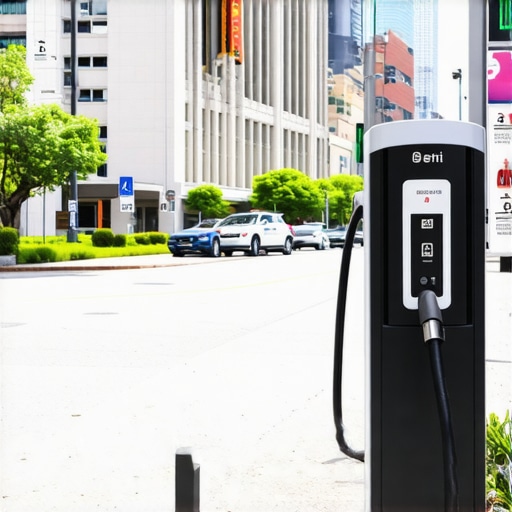
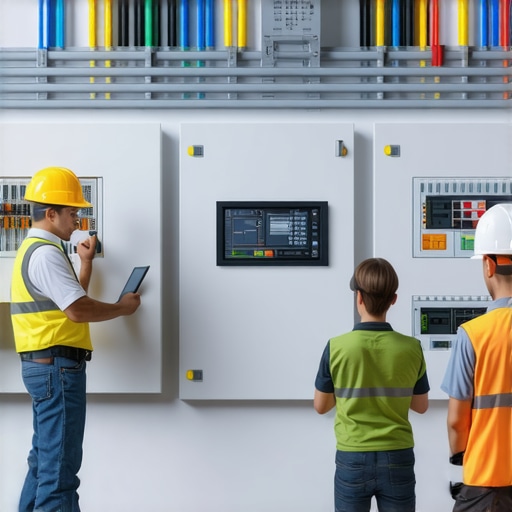
Electrician inspecting EV charger installation for safety and code compliance.

Are there hidden complexities in balancing safety, performance, and future growth?

Absolutely. Achieving the perfect balance requires understanding local regulations, your current electrical capacity, and anticipated needs. Overloading circuits can lead to dangerous overheating, while under-specifying components can limit performance and scalability. Consulting with certified electricians who are familiar with local codes and industry best practices ensures your system is safe, efficient, and adaptable. For more insights into troubleshooting and optimizing your EV charging setup, visit this troubleshooting guide.

If you’re considering upgrades or just want to ensure your current setup meets all safety standards, sharing your questions or experiences in the comments can foster community learning and support.

What Are the Hidden Challenges in Maintaining Long-Term EV Charger Safety?

As I reflect on my journey with home EV charger installations, I realize that one of the most complex aspects is not just meeting current standards but anticipating future challenges. Over time, I’ve learned that the landscape of electrical codes and EV technology is constantly evolving, and what’s compliant today might need revisiting tomorrow. The subtlety lies in understanding how to build a system that remains resilient as standards change and technology advances.

Take, for instance, the increasing demand for higher charging capacities. Installing a 50-amp circuit today might suffice, but as faster chargers become mainstream, that infrastructure could become a bottleneck. To future-proof, I invested in an upgrade to a 100-amp panel, aligning with the best practices for future compatibility. This proactive approach not only improves safety but also adds value to my home, making it adaptable to emerging standards and technologies.

How Do I Balance Upgrading for Safety Without Over-Engineering?

One of my personal challenges has been avoiding the trap of over-engineering—overbuilding beyond what current standards require, which can be costly and unnecessary. The key is to strike a balance: upgrade components that are on the cusp of obsolescence or that serve as critical safety points. For example, grounding systems and circuit breakers should be rated not just for today’s load but also for potential future increases.

Consulting authoritative resources like this expert guide helped me define a practical upgrade plan. The goal is to create a system that is both compliant now and adaptable in the future, avoiding frequent, costly rewiring. I also learned that documenting all upgrades and inspections is invaluable for maintaining compliance as standards evolve, especially when selling or refinancing a home.

Is There a Risk of Regulatory Obsolescence, and How Can I Prepare?

One nuanced concern I’ve grappled with is regulatory obsolescence—when standards change so rapidly that current compliance measures become outdated before the next inspection. Staying informed is crucial. I subscribe to updates from the NEC and local authorities to keep abreast of new requirements. Regular inspections by licensed electricians help identify gaps early.

Moreover, I’ve found it beneficial to engage with community forums and professional networks. Sharing experiences and learning from others’ challenges helps anticipate future regulatory shifts and adapt accordingly. This proactive mindset ensures that my home remains safe, compliant, and prepared for the evolving landscape of EV technology and electrical safety standards.

How Can I Leverage Technology to Maintain Compliance Over Time?

Integrating smart technology into my charging system has been a game-changer. Smart chargers that support software updates can adapt to new standards without hardware modifications, providing a layer of future-proofing I value highly. Additionally, monitoring systems that track circuit health and usage patterns help catch issues before they become safety hazards.

Investing in these intelligent solutions also means I can easily demonstrate compliance during inspections or insurance assessments. For those interested, I recommend exploring this resource for tips on troubleshooting and optimizing your setup. Embracing technology not only simplifies ongoing maintenance but also offers peace of mind that your system remains aligned with safety and compliance standards well into the future.

Ultimately, staying ahead in EV charger safety and compliance is an ongoing process—one that involves continuous learning, strategic upgrades, and embracing innovation. I invite you to share your experiences or ask questions in the comments, as we all benefit from a community dedicated to safe and responsible EV ownership.

Mastering the Art of Future-Ready Electrical Safety in EV Charging

As my experience deepened, I realized that staying ahead in EV charger safety isn’t merely about meeting current standards but embracing an anticipatory mindset that incorporates emerging technologies and evolving codes. A pivotal element I explored was the integration of advanced monitoring systems that not only alert me to potential faults but also support compliance documentation. These systems, often cloud-connected, facilitate proactive maintenance and facilitate seamless reporting during inspections, as highlighted in a detailed review by Bright Spark Electric.

Implementing Intelligent Infrastructure for Long-Term Resilience

One of my most valuable insights was the importance of designing an infrastructure that is both scalable and adaptable. For instance, installing a high-capacity, modular electrical panel allows for incremental upgrades aligned with future EV charging standards. This approach minimizes costly rewiring and ensures compliance with the latest safety protocols. The right choice of wiring, rated for higher loads and equipped with proper insulation, further enhances safety margins. For comprehensive guidance, I recommend reviewing this expert resource.

How Can I Stay Abreast of Rapid Regulatory Changes?

Keeping pace with regulatory shifts is a challenge I’ve embraced through continuous education and community engagement. Subscribing to updates from the NEC and local authorities provides early alerts about new standards. Attending industry seminars and participating in professional forums also allows me to exchange insights with peers and stay informed about practical compliance strategies. I’ve found that maintaining an open dialogue with licensed electricians who specialize in EV infrastructure is invaluable for interpreting and implementing new requirements effectively.

How Do I Balance Safety Upgrades with Cost-Effectiveness?

Striking this balance was a nuanced process. I prioritized upgrades that offered the greatest safety return—such as enhanced grounding systems and high-quality circuit breakers—without over-specifying components that exceed current needs. For example, selecting a 100-amp panel rather than a 60-amp one provided headroom for future chargers while remaining compliant. This pragmatic approach aligns with the principles outlined in this detailed guide, ensuring safety without unnecessary expenditure.

Can Technology Really Help Maintain Compliance Over Time?

Absolutely. The advent of smart, update-capable chargers has revolutionized ongoing compliance management. These devices can receive firmware updates to adhere to new standards, reducing the need for hardware replacements. Additionally, remote monitoring tools provide real-time insights into circuit health, allowing me to detect anomalies before they escalate. For those interested, I suggest exploring this troubleshooting resource for practical tips on leveraging smart technology for safety and compliance.

Engaging with these advanced solutions has transformed my approach from reactive to proactive, empowering me to safeguard my home investment long-term. If you’re ready to elevate your EV charging infrastructure and ensure it stands the test of time, I encourage you to share your questions or experiences in the comments—collective knowledge is our greatest asset in navigating these complex but rewarding upgrades.

Things I Wish I Knew Earlier (or You Might Find Surprising)

1. The Hidden Complexity of Grounding

When I first installed my EV charger, I underestimated how crucial proper grounding is. It’s easy to think that as long as wires are connected, everything’s safe—until a small oversight causes a tripped breaker or worse. I learned that grounding isn’t just a box to check; it’s the backbone of electrical safety, especially for high-power devices like EV chargers. Proper grounding can prevent dangerous shocks and protect your equipment in case of faults.

2. Upgrading Your Panel Can Be a Game Changer

I used to think my existing electrical panel was sufficient, but after some research, I realized that a panel upgrade can significantly enhance safety and future-proof your setup. Investing in a higher-capacity panel not only meets current code standards but also saves you from costly rewiring later. I found that a well-planned upgrade aligns nicely with emerging EV charging demands and can boost your home’s overall electrical resilience.

3. Regular Inspections Are Worth Their Weight in Gold

It’s tempting to set up your EV charger and forget about it, but I’ve come to appreciate that periodic inspections are essential. They help catch potential issues like loose connections or worn-out components before they become safety hazards. A quick check with a licensed electrician ensures your installation remains compliant and safe over time, giving peace of mind and protecting your investment.

4. The Future Is Faster and Smarter

As EV technology advances, so do the standards and requirements for charging infrastructure. I was surprised to learn that smart chargers capable of firmware updates are a smart way to stay compliant and adapt to new standards without hardware changes. Embracing these technologies makes future upgrades smoother and keeps your system safe and efficient for years to come.

5. Over-Engineering Can Be Costly and Unnecessary

Finding the balance between safety and cost is tricky. I initially considered overly robust components, but I learned that following recommended guidelines and code requirements is enough for most cases. Over-engineering can lead to unnecessary expenses and complexity, so I focus on practical upgrades—like a 100-amp panel when appropriate—that provide headroom without excess.

6. Staying Ahead of Regulations Is a Continuous Journey

Regulations evolve rapidly, and I’ve found that subscribing to updates from authorities like the NEC and engaging with community forums keeps me informed. Regularly reviewing my setup ensures I remain compliant and safe, even as standards change. This proactive approach saves me from surprises and helps maintain a secure, future-ready EV charging system.

Resources I’ve Come to Trust Over Time

  • National Electrical Code (NEC): This is the gold standard for electrical safety in the US. It’s the foundation I trust for understanding compliance requirements and is essential for any homeowner doing their own upgrades or working with electricians.
  • Bright Spark Electric’s Guide to Code Compliance: This resource provides clear, practical insights tailored for EV charger installations. I’ve referred to it multiple times to verify my setup and ensure I meet all safety standards.
  • Professional Electrician Consultations: Building a relationship with a licensed electrician has been invaluable. They bring expertise, local code knowledge, and peace of mind that my system is safe and compliant.

Parting Thoughts from My Perspective

After navigating the world of EV charger safety and code compliance, I realize that the key lies in ongoing education, strategic upgrades, and leveraging smart technology. Ensuring your system meets current standards isn’t a one-time task—it’s an ongoing journey of learning and adaptation. My advice? Stay curious, consult trusted resources, and don’t hesitate to seek professional help when needed. If this resonated with you, I’d love to hear your thoughts—sharing experiences helps us all build safer, smarter EV charging solutions. Feel free to drop your questions or stories in the comments and let’s keep the conversation going!