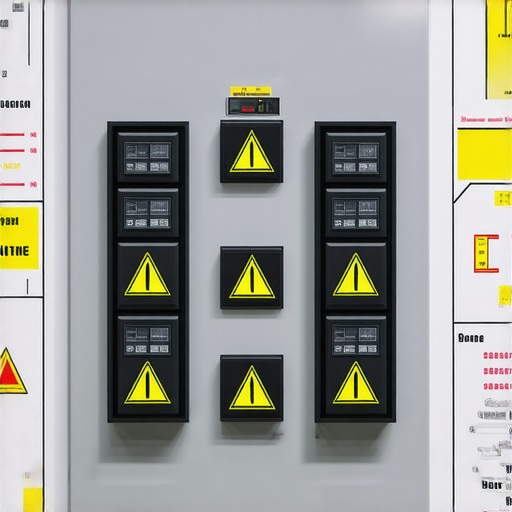

4 New 2026 Code Risks That Make Your Panel Upgrade Illegal
I remember the moment vividly: after hours of troubleshooting my home EV charger, I finally realized that my efforts were futile because my electrical panel was on the verge of failing the new 2026 code requirements. It was a lightbulb moment—the kind that hits you like a thunderclap—prompting me to question everything I thought I knew about safe and legal panel upgrades. If you’ve ever experienced that sinking feeling when your EV charging doesn’t work as it should, despite following all the advice out there, you’re not alone.
The Hidden Dangers in Your Panel You Might Not Know About
When I first started upgrading my electrical system to support faster EV charging, I thought I was doing everything right. But early on, I made a crucial mistake: I overlooked the latest 2026 code changes that introduced new requirements for panel capacity and safety. I assumed my old panel would just get a quick upgrade, but soon learned that some risks could make my entire project illegal—leading to costly fines or worse, dangerous electrical issues.
These new regulations are not just bureaucratic red tape; they safeguard your home, your investment, and your safety. Failing to adhere could result in non-compliance, invalidating insurance policies, or causing electrical fires. In fact, a recent study from the National Fire Protection Association highlights that improper electrical installations are responsible for nearly 13% of residential fires — a stark reminder of why compliance matters.
So, what exactly are these risks, and how can you steer clear of them? I’m going to walk you through the four most critical code pitfalls that could trip up your panel upgrade plans and how to avoid them. But first, ask yourself: have you recently checked whether your current electrical system meets the latest 2026 standards? If you’re unsure, it might be time for a professional assessment.
Let’s dive into the specifics and ensure your home stays safe, legal, and ready for the EV revolution.
Assess Your Existing Electrical Setup Carefully
Start by inspecting your current electrical panel to determine its capacity and age. Think of your panel as the heart of your home’s electrical system—if it’s outdated or overloaded, your EV charger won’t function safely or efficiently. Remove the panel cover and check the amperage rating labeled inside; if it’s below 200 amps, consider a full upgrade. Remember, newer standards demand more power, like upgrading from a bicycle to a sports car to meet your charging needs.
Identify Code Compliance Shortcomings
Next, compare your setup with the latest 2026 NEC requirements. Focus on sections related to panel capacity, grounding, and AFCI breakers. Use online resources or consult with a professional to verify if your current system meets these standards. Think of this step as a health check—missing compliance is like ignoring symptoms until a breakdown happens. If your system falls short, plan for a professional upgrade, as DIY fixes often overlook critical safety details. For detailed guidance, visit this resource.
Calculate Your Power Needs Accurately
Estimate the total load required for your EV charger plus existing appliances. Create a load calculation similar to budgeting your monthly expenses—overestimating can cause unnecessary upgrades, but underestimating risks power outages or code violations. Use a load calculator or consult a professional; this prevents surprises during inspection and ensures you install a panel capable of handling future growth. Remember, a slight overcapacity now saves headaches later.
Plan Your Panel Upgrade Strategically
Design your upgrade with future-proofing in mind. Consider installing a 200 amp panel with additional spaces or a subpanel for new circuits. Think of it as preparing your garage for a sports car—extra space and capacity prevent costly rewiring down the line. If unsure about the best layout, professionals can advise on the optimal configuration, ensuring compliance and safety. For comprehensive planning tips, see this guide.
Execute the Upgrade with Expert Help
Engage licensed electricians experienced in code-compliant panel upgrades. They will handle installation, grounding, and circuit breakers systematically—think of assembling a complex puzzle where each piece must fit perfectly to avoid future hazards. Never attempt to bypass safety protocols; improper installation can lead to fires or equipment failure. Schedule a consultation today through our contact page. Proper execution not only meets legal standards but also safeguards your home and family during EV charging.
Verify Safety and Compliance Post-Upgrade
Once installed, document the changes and request an inspection to confirm adherence to local codes. Use tools like an outlet tester or perform a visual check for grounding and breaker operation. Think of this as a quality assurance step—akin to a test ride before a race. Regularly review your system, especially when adding new EV chargers or appliances. Staying proactive ensures longevity, safety, and compliance, preventing costly fixes later. For detailed verification steps, visit this resource.
Many homeowners assume that troubleshooting EV chargers or upgrading panels is straightforward—simply follow a checklist or rely on online guides. However, I’ve seen countless cases where critical nuances are overlooked, leading to costly mistakes, code violations, or hazardous conditions. Let’s dig deeper into some common myths and advanced traps that even experienced DIYers often miss.
One pervasive misconception is that every electrical issue is just a quick fix—like resetting a breaker or tightening a loose wire. This oversimplification ignores the complex interplay of code compliance, load calculations, and system capacity. For instance, upgrading an EV charger without reevaluating the panel’s capacity can cause tripping, fire hazards, or failures to meet the 2026 code standards. Remember, your home’s electrical system isn’t just about power—it’s a safety system that demands precision.
A frequent trap is assuming that a panel rated at 200 amps now will automatically support future loads, especially with the upcoming 2026 regulations. This can be misleading; a 200-amp panel might be nearing its limit once you account for existing appliances and the extra load from faster EV chargers. Professional load calculations are critical here—simply upgrading the panel without this step is a rookie mistake. Find out how to properly assess your system in this guide on [upgrading your panel for better EV charging performance](https://brightsparkzelectric.com/upgrading-your-panel-for-better-ev-charging-performance).
Another myth is believing that code compliance is optional or can be skirted with DIY licenses. In reality, neglecting to follow the latest standards, like those specified in the 2026 NEC, can invalidate insurance and result in hefty fines. Plus, non-compliant installations increase fire risks, as highlighted in recent NFPA reports. It’s always safer—and smarter—to involve licensed electricians who understand these nuances deeply. To ensure your upgrade meets all standards, check this comprehensive [code compliance guide](https://brightsparkzelectric.com/ensuring-code-compliance-when-installing-ev-chargers).
<h3>Can You Troubleshoot an EV Charger Without a License?</h3>
This is a tricky question. While basic troubleshooting—like checking outlets or circuit breakers—can be done safely by knowledgeable homeowners, deeper diagnostics involving wiring, grounding, or software diagnostics should be left to professionals. Blindly attempting repairs can lead to misdiagnosis, which might cause safety hazards down the line. For common issues, see expert tips on [troubleshooting EV charger connectivity problems](https://brightsparkzelectric.com/troubleshooting-ev-charger-connectivity-problems).
Let’s not forget the importance of understanding these advanced nuances—because shortcuts in this domain can be dangerous. Always validate your approach against the latest standards and consult with experts when needed. Remember, your home’s safety and code compliance aren’t just about passing inspections; they’re about protecting your loved ones. Have you ever fallen into this trap? Let me know in the comments.Maintaining a dependable EV charger setup requires more than just initial installation; it demands ongoing care, the right tools, and a proactive mindset. One of my favorite tools for troubleshooting and regular checks is the Fluke 323 clamp meter. I personally use it to verify circuit currents without dismantling panels—saving time and enhancing safety. Its true RMS measurements ensure accurate readings even on complex loads, which is crucial when diagnosing issues or confirming that your system adheres to 2026 code standards. For software, I rely on the free NEC SmartCalculator app, which helps me perform accurate load calculations that factor in future growth, as recommended in my detailed guide on [panel upgrades for EV chargers](https://brightsparkzelectric.com/panel-upgrades-for-better-ev-charging). Predicting where this trend is headed, I believe remote monitoring tech—integrated with smart home systems—will become standard, allowing homeowners to receive real-time alerts about anomalies or overloads before they turn into costly problems. How do I keep my system functioning over the long term? Regular visual inspections, combined with quarterly electrical measurements, are key. Checking grounding connections with a simple continuity tester ensures safety and compliance. Also, staying updated on local code changes—like the upcoming 2026 NEC updates—helps prevent violations and ensures your home remains safe and efficient. Remember to schedule periodic professional inspections, especially after major code updates or panel upgrades. An effective approach I recommend is setting calendar reminders to test and verify your system at least twice a year. Consistent maintenance reduces the risk of tripping, failures, and code non-compliance, providing peace of mind and reliable power for your EV needs. To get started, try using a clamp meter for your next troubleshooting session and compare the readings to your system’s rated capacity. If you need guidance on safety procedures, visit this comprehensive [expert troubleshooting guide](https://brightsparkzelectric.com/ev-charger-troubleshooting-expert-tips-for-safe-reliable-power-2). By integrating these practices, you ensure your home’s charging station continues to serve you safely and efficiently for years to come.
What the Tough Lessons Taught Me About Safe EV Charging
One of the most profound realizations I had was that overlooking recent code updates could jeopardize everything—safety, legality, and performance. I learned the hard way that knowing the latest standards isn’t just for professionals; it’s essential for homeowners committed to safety. Additionally, I discovered that load calculations are like financial budgets—underestimating risks future failures, while overestimating leads to unnecessary expenses. Lastly, trusting unfamiliar resources without vetting can introduce dangerous shortcuts, emphasizing the importance of working with licensed electricians and trusted guides.
Tools and Resources I Rely On for Reliable, Safe EV Charging
My go-to toolkit includes a Fluke 323 clamp meter, which provides accurate current readings without requiring dismantling panels, ensuring safety during troubleshooting. The NEC SmartCalculator app has become an indispensable companion for load calculations, helping me plan capacity with future growth in mind. For staying current with code standards, I highly recommend visiting the detailed guides available on this resource. Lastly, consulting with licensed electricians through their professional services guarantees that my setup complies, is safe, and prepared for the standards set by 2026 and beyond.
Your Next Move Into Safer, Smarter EV Charging
Empowered with this knowledge, you’re now better equipped to tackle your panel upgrade and EV charging projects confidently. Remember, each step you take toward compliance and safety safeguards your home and loved ones. The path may seem complex, but with the right tools, guidance, and mindset, you can ensure your electric vehicle home setup is both reliable and compliant. Don’t wait until issues arise—start reviewing your system today and create a future-proof charging environment that keeps you on the road safely and legally. How are you planning to improve your EV charging setup? Share your thoughts below and join the conversation.