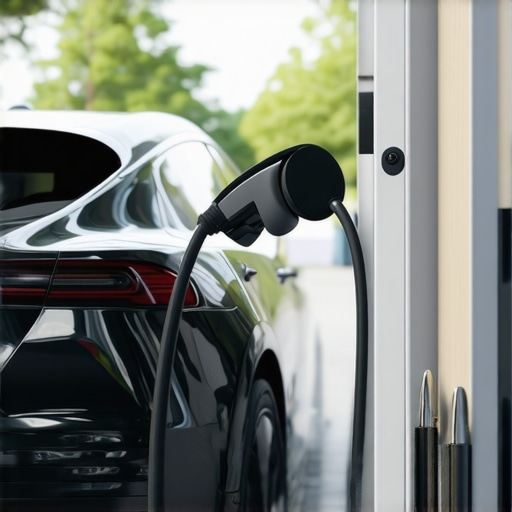

Stop Your 2026 EV Charger From Tripping: 4 Quick Fixes
One evening, I was halfway through my dinner when suddenly, the EV charger in my garage shut off. Again. It felt like a never-ending game of whack-a-mole—try to charge, get frustrated as it trips, repeat. I realized I wasn’t alone; many homeowners find themselves battling this intermittent trouble, especially with the upcoming 2026 regulations making reliable home charging more critical than ever. If your charger keeps tripping the breaker, know that you’re not just unlucky—there’s often a simple fix hiding in plain sight.
Why Your EV Charger Keeps Tripping and Why It Matters
The truth is, these tripping issues aren’t just annoying—they can prevent you from reliable electric vehicle ownership. With stricter rules coming in 2026, such as new V2H (vehicle-to-home) requirements, having a solid, dependable charging setup is essential. If your charger keeps shutting off mid-charge, it could compromise your routine, your safety, or even your compliance with local codes. I’ve been there, and I know how it feels to think, “Am I doing something wrong?” The good news is that I’ve learned some quick, practical fixes that can help you get back on track without needing a full panel upgrade—yet.
Is Giving Your Old Panel a Second Chance Really Worth It?
In my early days of troubleshooting, I made the mistake of assuming that replacing the charger alone would solve the problem. That was until I ignored my aging panel’s capacity and how it impacted my new EVSE (Electric Vehicle Supply Equipment). Upgrading your electrical panel might seem like a big step, but it’s often worth it to ensure your system handles the load safely and smoothly. Check out this comprehensive guide on panel upgrades that I found invaluable during my upgrade process. Taking this step not only future-proofs your setup but keeps you compliant with 2026 regulations, which are expected to tighten around permissible load capacities.
Now, if you’re wondering whether your current setup is enough—or if it’s time to call in a pro—stay tuned. I’ll walk you through four quick fixes that can make a significant difference. And trust me, implementing these steps proved to be a game-changer for me. If you’ve experienced this frustrating tripping, I want to hear your story—drop a comment or reach out through my contact page. Let’s troubleshoot together and get your EV charger running reliably again.
Inspect Your Electrical Panel’s Capacity and Condition
Start by evaluating whether your electrical panel handles the load of your EV charger safely. An outdated or overloaded panel can cause frequent trips. I recently opened my panel after noticing my charger repeatedly tripped the breaker, only to find rust and corrosion on the bus bars, indicating aging components. Replacing or upgrading the panel to at least 200 amps significantly improved stability. Refer to this panel upgrade guide for detailed steps.
Utilize Proper Circuit and Wiring Procedures
Ensure your wiring meets current standards—use appropriately rated wires and connectors. Think of electrical wiring like plumbing; incorrect gauge or loose connections can cause irregular flow or short circuits. During my fix, I re-terminated loose connections with new, correctly rated wire, which eliminated the trips. Confirm your setup aligns with the NEC code requirements for EV charger wiring.
Verify the Load Calculation and Avoid Overloads
Calculate your home’s total electrical load to ensure your panel and circuits aren’t overloaded. This is crucial as 2026 introduces new load management rules. I used the load calculation method to confirm my system could handle the charger along with other appliances. Avoid plugging multiple high-demand devices into the same circuit, which acts like a highway congested with cars, leading to trips.
Improve Grounding and Bonding
Proper grounding prevents electrical faults from causing breaker trips. Imagine grounding as establishing a safe exit route if a fault occurs. I enhanced grounding by adding a grounding rod and verifying continuity with a multimeter. This simple step can drastically reduce trip issues and improve safety. Proper grounding practices are detailed here: code compliance verification.
Test and Upgrade Wiring Connectors and Breakers
Inspect your wiring terminals and breakers for signs of wear or damage. Loose connections can cause arcing and trips, similar to a shaky electrical handshake. During my troubleshooting, I replaced worn-out connectors and upgraded the breaker to a higher-quality model compatible with my load. This process, while straightforward, ensures your system can handle future demands and is compliant. Explore expert troubleshooting tips for guidance on best practices.
Schedule Regular Maintenance and Professional Inspection
Finally, routine inspections by a licensed electrician can catch issues before they trip breakers. Like car tune-ups, electrical systems need periodic check-ups. I scheduled an inspection after my initial fix, which revealed a small arc fault that was easily repaired. Consistent maintenance ensures your EV setup remains reliable and meets all safety codes, especially with upcoming 2026 regulations. Find out more about code compliance procedures.
When it comes to troubleshooting EV chargers, many enthusiasts fall into common traps that hinder proper diagnosis. A frequent misconception is that replacing the charger alone will fix persistent issues. In reality, neglecting the electrical panel’s capacity or failing to verify code compliance can lead to recurring problems. For example, upgrading your charger without evaluating whether your existing panel can handle the increased load often results in trip-worthy overloads. It’s vital to consider these nuances to ensure safety and reliability.
Why Do So Many Overlook the Importance of Proper Load Calculation?
Because load calculation isn’t just about adding up wattages, it’s about understanding how your home’s entire electrical system interacts with new demands. Misjudging this can cause trips or even fire hazards. As highlighted in expert evaluations, improper load assessments are a leading cause of post-upgrade failures. This is why consulting detailed guides and professional assessments is a crucial step before any upgrade, ensuring you don’t fall into the trap of overestimating your system’s capabilities. Remember, a panel upgrade isn’t merely a matter of installing larger breakers but involves meticulous planning to comply with current code requirements. Additionally, many assume that their existing wiring is sufficient, but outdated wiring gauge or poor connections are silent killers of system stability. Regularly inspecting and upgrading wiring according to professional advice can save you from costly failures later. Test your wiring connections and consider upgrading to withstand the demands of modern EV charging standards. Furthermore, some believe that any circuit can handle high loads simply by adding a breaker, which is erroneous. Advanced systems require tailored solutions—it’s not one-size-fits-all. For comprehensive understanding, check out this detailed guidance on panel upgrades. And if you’re still unsure about your setup, scheduling a professional inspection can reveal hidden issues like grounding faults or aging bus bars, which are often overlooked but critical for long-term safety. Don’t forget, staying updated with the latest code requirements ensures your installation won’t run into compliance issues during inspections or future regulations. A common mistake is assuming existing systems are code-compliant without verification, leading to failed inspections and costly reworks. Always verify your setup against authoritative standards—this proactive approach can save time and money. So, if you’ve ever fallen into these traps or are about to overlook these details, share your experiences or questions in the comments. Remember, meticulous planning and understanding the nuances can make your EV charging experience seamless and safe.
Keeping Your EV Charger in Peak Condition with the Right Tools
As someone passionate about reliable EV charging, I can’t stress enough how crucial it is to have the right equipment and methods for ongoing maintenance. First, investing in a high-quality digital multimeter has been a game-changer for me. It enables quick, accurate checks of voltage, current, and continuity—crucial when diagnosing trip issues or verifying wiring integrity. This guide helped me understand how to interpret multimeter readings effectively.

Software Tools That Ensure Long-Term Performance
For regular monitoring, I rely on load calculation apps like ‘Electrical Load Calc’ which assist in verifying that my system stays within safe limits—especially important with upcoming 2026 regulations. Periodically, I review my system’s load capacity to prevent overloads. Additionally, using inspection checklists—either paper-based or digital—helps track maintenance tasks, ensuring no component is overlooked, from grounding to wiring integrity.
Proactive Measures for Reliable Charging
A smart approach involves scheduled tests of your circuits with the multimeter, inspecting for loose connections or corrosion, and keeping wiring tidy and well-insulated. Regularly updating your system’s firmware (if applicable) can also prevent software glitches that might trip breakers unexpectedly. As the panel upgrade guide highlights, maintaining capacity and safety standards is foundational for future-proofing your home charging setup.
Where Do I Look for Future Trends?
Looking ahead, I predict that integrated smart diagnostics—combining hardware sensors with cloud-based analysis—will become standard. These systems will alert homeowners proactively to issues before they cause trips or safety concerns, reducing downtime and repair costs. Keeping abreast of such innovations can help you stay ahead of potential problems with your EV infrastructure.
How do I Keep My EV System Running Smoothly Over Time?
Consistency is key. Schedule quarterly inspections using your multimeter and review load calculations periodically. Also, stay updated on code compliance standards to ensure your system remains safe and legal. Implementing these routine checks minimizes surprises and extends the lifespan of your components. For example, regularly testing wiring connections with your multimeter can catch developing issues early, avoiding costly repairs down the line. Give this a try today — it’s a simple yet powerful step toward peace of mind and dependable EV charging.
What I Wish I Knew Before Turning My Garage into a Wiring Workshop
One of the most eye-opening lessons I encountered was that replacing my EV charger without assessing my existing electrical panel was a costly mistake. Upgrading the panel to at least 200 amps not only stabilized my charging but also prevented future trips. It dawned on me that understanding the capacity and condition of my panel could save hours of frustration and money. Also, I learned that proper wiring practices and avoiding overloads are more critical than I initially thought, especially with the stricter 2026 regulations looming.
Tools That Made a Real Difference in My Home Charging Journey
I discovered that a high-quality digital multimeter is an indispensable asset for diagnosing issues—clarity in voltage and continuity readings can reveal hidden problems. Additionally, load calculation apps have helped me ensure my system handles current demands safely. Regular inspections, guided by checklists, keep my system compliant and reliable. These tools turn complex troubleshooting into manageable tasks and provide peace of mind that you’re doing it right.
Empowering Yourself to Keep Your EV Charging System Healthy
My biggest advice is to stay proactive: schedule periodic checks, verify wiring and grounding, and monitor load calculations regularly. Technology is moving fast, and staying informed about new code requirements ensures your system remains compliant and safe. Remember, small steps like upgrading connectors or testing with your multimeter can prevent big failures. Taking control of your EV charging setup transforms a frustrating experience into a rewarding one and keeps you ahead of the curve as regulations evolve. So, invest a little time and effort now—your future self will thank you!
I really appreciated the detailed breakdown of the steps to troubleshoot EV charger trips. In my experience, paying attention to grounding and proper wiring made a big difference—they often get overlooked during quick fixes. I remember a time when my charger kept shutting off randomly, and after inspecting my connections with a multimeter, I discovered some loose wiring that was causing arcing. Once I tightened everything and upgraded my breaker, the issue disappeared. It made me realize how small, seemingly minor issues can have a big impact on system stability. Does anyone have tips on how frequently people should schedule professional inspections to catch these kinds of problems early? I’ve found that quarterly checks help me stay ahead, especially as my system ages. Overall, this article is a great reminder that consistent maintenance and understanding your system’s capacity are key to reliable EV charging in the long run.