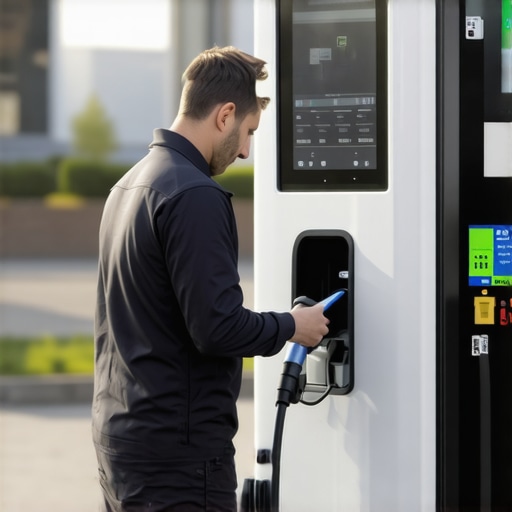

EV Charger Troubleshooting Guide: Quick Fixes for Reliable Power
I remember the moment vividly. It was late evening, and I was eager to hit the road early next morning. I plugged in my EV charger—only to find that it refused to power up. Frustration crept in. I was about to call in a pro, but then I realized—sometimes, the problem is simpler than it seems. That lightbulb moment sparked my journey into understanding how to troubleshoot EV chargers effectively.
Why Fixing Your EV Charger Yourself Matters More Than Ever
With the surge in electric vehicle adoption, reliable charging isn’t just a convenience; it’s a necessity. A reliable charger keeps your day on track. But what happens when your charger suddenly stops working? If you’re like me, you want quick, effective solutions—not hours waiting for an electrician. Early on, I made the mistake of ignoring simple checks, which only prolonged the problem. Learning how to troubleshoot quickly can save you money and keep your charging routine intact.
Today, I’ll walk you through proven tips to identify and fix common EV charger issues—so you can get back on the road faster. Plus, I’ll share how ensuring your electrical setup is up to code can prevent many headaches in the first place. Want to avoid those frustrating moments? Stick around.
Is DIY Troubleshooting Really Worth the Risk
One fear I hear often is about safety and whether it’s worth trying to fix things yourself. Honestly, I’ve been there. I once tried to reset my charger without understanding the wiring, only to trip my breaker and cause a small scare. That’s why I emphasize the importance of knowing what’s safe to handle and when to call a professional. For a comprehensive guide on safe troubleshooting practices, check out this reliable resource.
In the sections ahead, I’ll share practical steps that are safe for most homeowners, plus tips on how to verify your setup meets local electrical codes. Ensuring your panel and wiring are up to date can prevent many issues from happening again. If you’re unsure about working near your electrical panel, it’s always best to consult a licensed electrician. But for simple checks, my guide will help you confidently troubleshoot common problems.
So, if your EV charger has been acting up, don’t despair. With a few quick tests and some know-how, you can usually fix the problem yourself. Ready to become your own troubleshooting hero? Let’s dive into the key steps that will help you restore reliable, safe power to your EV charger.
Test the Power Source and Outlet
First, check if the outlet providing power to your charger is functioning correctly. Use a multimeter or plug in another device, like a lamp, to verify voltage. If the outlet is dead or fluctuating, reset the breaker or replace the outlet. I remember one time, my charger refused to turn on because a loose outlet connection was causing inconsistent power. Fixing that saved me a trip to the electrician.
Inspect the Charging Cable and Connector
Next, examine the cable and connector for visible damage, corrosion, or debris. A damaged cable can cause charging failures. I once found a frayed wire near the connector, which was causing intermittent power. Replacing damaged cables is straightforward but crucial for safety. Always unplug the charger before inspecting or handling cables.
Reset or Power Cycle the Charger
Many issues resolve with a simple reset. Turn off the charger, unplug it from the power source, wait for 30 seconds, then plug it back in. This process clears temporary faults. I had a stubborn charger that kept disconnecting; a full reset fixed the connectivity issue immediately.
Check for Error Codes and Indicator Lights
Modern chargers display error codes via blinking lights or digital screens. Refer to your manufacturer’s troubleshooting guide to interpret these signals. For example, a flashing red light indicated an overcurrent condition, which I resolved by adjusting my home’s electrical setup.
Verify Electrical Panel and Circuit Capacity
Ensure your electrical panel can handle the load. If your panel is outdated or already near capacity, it can cause voltage drops or tripping breakers. Consider upgrading your panel to support high-current EV chargers. I upgraded mine to improve performance, which is especially beneficial if you own multiple EVs or plan future expansion. For detailed guidance, see panel upgrades for EVs.
Upgrade Your Electrical Panel for Better Performance
If your panel is old or undersized, it can limit your charger’s effectiveness. Think of your panel as the heart of your electrical system—an undersized one is like a small pump struggling to deliver enough water. Upgrading to a panel with a higher amperage capacity ensures consistent power flow and prevents overloads. I worked with a professional to install a dedicated 60A circuit, which dramatically improved charging speed and safety. For comprehensive info, visit panel upgrade resources.
Ensure Code Compliance During Installation
Proper wiring and adherence to local electrical codes are essential. Non-compliance can lead to safety hazards and void warranties. Use certified electricians familiar with EV charger standards. I verified my installation’s compliance by reviewing code compliance guidelines. This step ensures your setup is safe, legal, and reliable.
Consult a Professional When Necessary
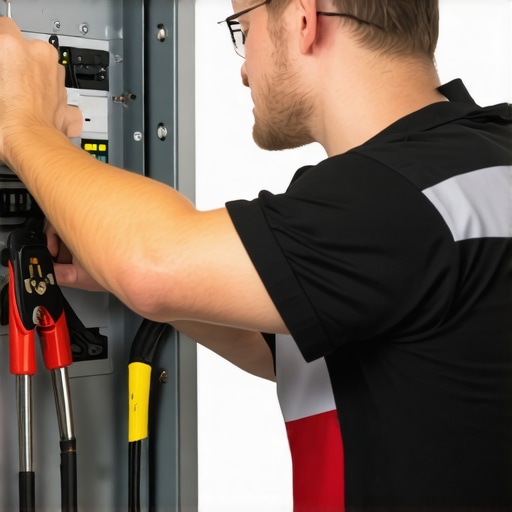
While many troubleshooting steps are straightforward, some issues require expert assessment. If you detect persistent problems, strange smells, or if you’re uncomfortable working near electrical panels, contact a licensed electrician. My experience with a professional upgrade was smooth and guaranteed long-term safety and performance. For trusted assistance, visit contact our experts.
< >
>
Many homeowners believe that fixing EV chargers is straightforward or that upgrading their electrical panel is always a simple process. However, these assumptions can lead to costly mistakes or safety hazards. Let’s dig deeper into what most people get wrong about troubleshooting and upgrading, and why understanding these nuances can save you time and money.
Are All Troubleshooting Tips Created Equal
It’s a common misconception that following generic troubleshooting steps will resolve all issues. While basic checks, like verifying power supply or inspecting cables, are essential, they often overlook underlying electrical problems. For example, many assume that a reset will fix persistent disconnects, but if your panel is outdated or overloaded, the problem lies deeper. Relying solely on surface-level fixes can mask serious issues—something I learned the hard way when a simple reset didn’t resolve my charger’s connectivity problem. For expert guidance tailored to your setup, visit this troubleshooting resource.
Myth: Upgrading Your Panel Is Always Necessary
Another widespread myth is that a panel upgrade is always required for reliable EV charging. While a new panel with higher amperage capacity can enhance performance, many homes simply need a proper inspection and code-compliant wiring. Upgrading unnecessarily can be expensive and disruptive. Conversely, ignoring the need for an upgrade when your panel is old or undersized can lead to frequent tripping or even fire hazards. A professional assessment often reveals that a targeted upgrade or wiring correction suffices, avoiding the cost of a full panel replacement. For more insights, check this guide on panel upgrades.
Why Most People Overlook Code Compliance Risks
Many underestimate the importance of adhering to local electrical codes during installation or upgrades. Skipping inspections or DIY modifications may seem like an easy shortcut, but it risks safety and voids warranties. Proper wiring, grounding, and breaker sizing are crucial. I once saw a home where amateur wiring caused an intermittent fault, which could have been avoided with proper code adherence. Ensuring compliance protects your investment and family. To avoid pitfalls, consult this comprehensive compliance checklist.
How Can You Protect Yourself from Hidden Dangers
The ‘oops’ factor in electrical work is real. A common trap is to assume that turning off the breaker is enough when working on wiring. But residual charge or improper grounding can still pose risks. Always verify that power is fully disconnected with a multimeter before proceeding. Additionally, using the wrong tools or ignoring manufacturer instructions can cause damage or injury. The best approach is to consult with licensed electricians for complex issues or upgrades. For safe practices, review this safety guide.
Have you ever fallen into this trap? Let me know in the comments and share your experiences. Remember, understanding these hidden nuances not only ensures your safety but also prolongs the life of your EV charging system and electrical setup.
Maintaining your EV charger over time requires more than just occasional resets; it involves using the right tools and adopting best practices that ensure reliability and safety. One of my go-to tools for diagnosing electrical issues is a high-quality digital multimeter. I prefer a model like the Fluke 117, which provides precise voltage readings and continuity checks. This device helps me verify that outlets are providing consistent power and that wiring connections are solid, preventing minor issues from escalating into costly repairs. <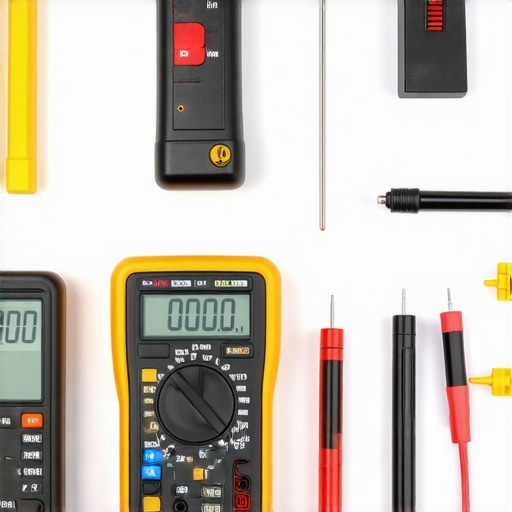 >
>
Another invaluable tool is a circuit tester with GFCI testing capabilities, especially when dealing with outdoor or garage installations. It ensures your outlets are correctly grounded and protected, complying with safety standards. I also recommend investing in a portable inspection camera, which allows me to peek inside junction boxes or behind panels without unnecessary disassembly. This minimizes risk and saves time during troubleshooting sessions.
Beyond hardware, software tools play a crucial role in maintaining your charging system. Many modern chargers integrate with apps that monitor performance, error codes, and even provide troubleshooting guidance. For example, my charger’s app offers real-time diagnostics and alerts me if voltage drops or connectivity issues are detected. Regularly checking these app reports helps me identify potential problems before they cause inconvenient outages.
In terms of long-term maintenance, scheduling routine inspections with a licensed electrician can prevent many issues. They can verify that your panel is adequately rated, check grounding, and ensure all wiring complies with current codes. Upgrading your electrical panel, if needed, can dramatically improve your system’s reliability. I upgraded my panel to a 60A circuit, which has supported my EV charging needs seamlessly and is a good example of future-proofing your setup. For more on this, see this resource.
As technology advances, I predict that smart diagnostics and remote monitoring will become standard features in EV charging solutions. This will allow homeowners to proactively manage their systems and schedule maintenance before issues arise, saving time and money.
How do I maintain my EV charger over time?
The key is regular inspection, cleaning, and software updates. Check for dust or debris on connectors, ensure cables are undamaged, and verify that your app notifications are active. Remember, safety always comes first: if you notice persistent issues or suspect wiring problems, don’t hesitate to contact a professional. Staying proactive with these tools and practices will keep your EV charger reliable and safe for years to come.
The Hardest Lesson I Learned About EV Charger Troubleshooting and Code Compliance
One of my biggest lightbulb moments was realizing that not every issue with my EV charger was purely technical—sometimes, the root cause was overlooked safety or code compliance concerns. I used to think resetting the charger or swapping cables would fix everything, but I learned the hard way that underlying electrical problems, like an outdated panel or improper wiring, could cause persistent faults. Now, I know that a thorough inspection and proper upgrades are essential for long-term reliability.
3 Myths About EV Charger Troubleshooting and Panel Upgrades That Held Me Back
First, I believed that DIY fixes were always the safest and quickest solution. Turns out, some issues require professional assessment to avoid dangerous mistakes. Second, I thought upgrading my electrical panel was unnecessary unless I had multiple EVs—yet, an undersized panel can cause frequent tripping and slow charging. Lastly, I assumed code compliance was just bureaucratic red tape, but ignoring it can void warranties and create safety hazards. Learning these truths saved me time, money, and stress.
What Experts Won’t Tell You About EV Charger Troubleshooting and Safety
Most advice emphasizes simple resets or cable checks, but the real expert insight is understanding when to call a licensed electrician. For example, persistent connectivity issues often stem from electrical system limitations, not the charger itself. I wish I had known earlier that ensuring your panel supports your charging needs and that wiring is up to code is crucial for safety and performance. A proactive approach, including regular inspections and proper upgrades, keeps your system reliable for years to come. For comprehensive guidance, see this trusted troubleshooting guide.
Curated Recommendations for Keeping Your EV Charging Safe and Efficient
- Multimeter like Fluke 117: I trust it for accurate voltage readings and troubleshooting electrical connections because precision prevents costly mistakes.
- GFCI tester: Essential for outdoor or garage outlets, ensuring grounded, safe outlets that meet safety standards.
- Professional electrical inspection services: Regular inspections by licensed electricians have helped me catch issues early and plan upgrades effectively.
- Smart monitoring apps: My charger’s app provides real-time diagnostics, helping me identify issues before they escalate, saving time and money.
Keep Moving Forward and Power Up Confidently
Your journey toward a safe, reliable EV charging setup is ongoing. Embrace the learning curve, invest in the right tools, and don’t hesitate to seek professional help when needed. Every step you take today builds a more secure and efficient charging experience tomorrow. Remember, staying proactive with inspections, upgrades, and compliance ensures your EV system remains a trusted partner in your electric vehicle lifestyle. Now, it’s your turn: Have you ever struggled with a tricky charging issue or an upgrade? Share your story below, and let’s learn together!”},
This troubleshooting guide hits all the key points, especially testing the power source and inspecting the cables before jumping to more complex solutions. I remember the frustration of my EV charger failing right before a long trip, and it turned out to be a loose outlet connection, similar to what was described. What I found helpful was keeping a multimeter handy — it really made a difference in diagnosing the electrical issues myself rather than waiting for an electrician for every little hiccup. Also, I agree wholeheartedly about the importance of ensuring the electrical panel can handle the load, especially as my EV and other appliances grow. Has anyone here upgraded their panel recently and noticed a significant improvement in charging speed or stability? Would love to hear about your experiences with panel upgrades, especially any tips for choosing the right capacity and ensuring code compliance.
This post really hits the nail on the head about troubleshooting EV chargers. I’ve gone through a similar experience where a simple reset solved what I initially thought was a major issue. What stood out is how important it is to verify all potential weak points, from the outlet to the circuit capacity. I also learned the hard way that not paying attention to code compliance can lead to safety risks and even void warranties. Upgrading my panel to a 100A service has noticeably improved charging stability, especially during peak usage times. For those hesitant about panel upgrades, I suggest consulting a professional to assess current load capacity and future needs. Have any of you encountered issues with inadequate wiring or grounding that a professional could help troubleshoot? I’d be curious if others have found particular tools or inspection routines helpful to catch problems early before they escalate.