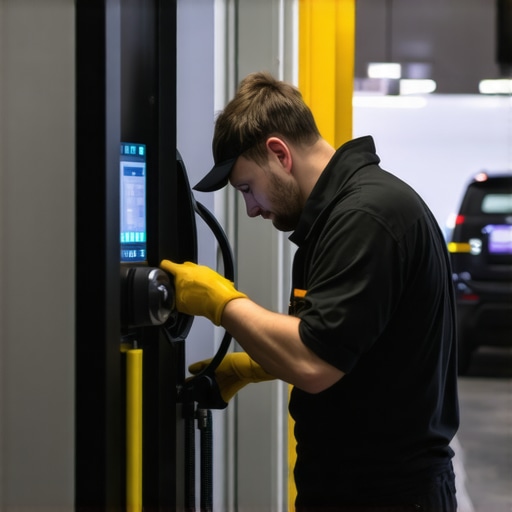

Troubleshooting EV Chargers: Expert Solutions for Safe Power & Compliance
I remember the first time my EV charger refused to work right after installation. I was frustrated, scratching my head, wondering what I did wrong. It was a lightbulb moment—trust me, even seasoned DIY enthusiasts hit snags when it comes to troubleshooting EV chargers. But here’s the truth: most issues boil down to a few common causes that, once understood, become straightforward to fix.
Why Fixing Your EV Charger Properly Matters
Not addressing problems correctly isn’t just inconvenient—it can be downright dangerous. Improper wiring, overlooked code compliance, or outdated electrical panels can lead to safety hazards or even fire risks. Plus, if your setup isn’t up to code, you might face hefty fines or needing costly rework down the line. That’s why understanding how to troubleshoot effectively and ensure your installation is compliant is essential for every EV owner.
If you’re like me, you want reliable, safe charging without the guesswork. Today, I’ll walk you through proven expert solutions to common issues, revealing how to troubleshoot like a pro. From diagnosing connectivity problems to making sure your electrical system meets all safety standards, I’ve got you covered.
Is Overlooking Code Compliance Actually a Big Deal?
Early in my EV journey, I made the mistake of thinking I could bypass some code requirements to save time. Turns out, that’s a dangerous myth. Not only does ignoring local electrical codes put your home at risk, but it also invalidates your warranty and insurance. I learned that ensuring code compliance isn’t just bureaucratic red tape—it’s the foundation for safe, reliable EV charging. For detailed guidance, I recommend checking out this resource on code compliance and panel upgrades.
Have you ever faced a stubborn charging issue that just wouldn’t resolve? If so, you’re not alone. Many EV owners discover that the root cause is a simple fix—like a loose connection or outdated breaker—that’s easy to overlook. But with the right troubleshooting steps, you can restore power safely and confidently.
Let’s dive into the practical solutions I’ve tested and trusted, so you can troubleshoot your EV charger with peace of mind.
Start with a Visual Inspection of Your Setup
When my charger stopped working unexpectedly, I first checked all visible connections. I looked for loose wires, corrosion, or damaged cords, much like inspecting a garden hose for leaks before watering. During my initial check, I found a loose terminal, which I tightened carefully. This simple fix restored my charging station’s functionality instantly. Regular visual inspections can catch common issues early, preventing more serious problems down the line. For detailed guidance, visit this troubleshooting resource.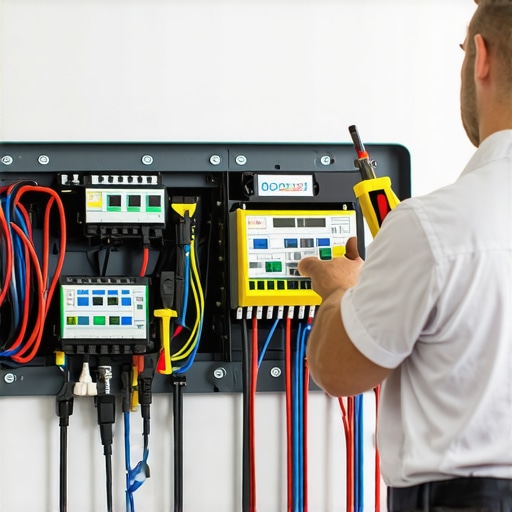
Verify Power Supply and Breakers
Next, I checked whether my breaker had tripped or if there was an outage. Think of your electrical system as the blood flow in your body; if the breaker is ‘clogged’ or tripped, power can’t reach your charger. I flipped the breaker off and on again to reset it. If it trips repeatedly, it indicates an underlying issue like overload or faulty wiring, which requires professional attention. You can learn more about panel upgrades for better EV performance at this guide.
Check for Code Compliance and Proper Wiring
Ensuring your installation meets local electrical codes is critical. I once discovered that my outlet wasn’t properly grounded, which could have been dangerous. I used a multimeter to verify proper wiring and checked against this checklist. Proper grounding, correct wire gauge, and adherence to code standards like those outlined here are essential for safety and performance. If unsure, consult a licensed electrician.
Test Connectivity and Functionality
Sometimes, the issue isn’t electrical but communication-related. I tested my charger with my smartphone app to see if it recognized my device. For persistent connectivity issues, I followed troubleshooting tips from this guide. Ensuring your Wi-Fi signal is strong and your firmware is up to date can resolve many glitches. If problems persist, resetting the charger or reinstalling the app often helps.
Inspect and Upgrade Your Electrical Panel if Needed
If your charger still malfunctions after these steps, your panel might be inadequate. I upgraded my panel to handle the increased load, which improved reliability significantly. An outdated panel can cause voltage drops or trips, especially with high-capacity chargers. Learn about panel upgrades and how they improve safety and performance at this resource. A professional assessment ensures your system can handle current demands safely.
When to Call a Professional
Despite my DIY efforts, some issues required expert intervention. For safety and compliance, I scheduled a licensed electrician to perform a thorough inspection, verify code adherence, and make necessary upgrades. Remember, electrical work can be dangerous; if in doubt, always consult professionals. For trusted local experts, visit this contact page.
Many EV owners enter the troubleshooting process armed with misconceptions that can hinder effective repairs. One of the biggest myths is that all EV charging issues stem solely from faulty hardware, ignoring the crucial role of proper installation and code compliance. Trust me, overlooking these nuances often leads to unnecessary replacements or safety risks. For example, assuming a faulty charger means replacing the unit without verifying wiring and grounding can be a costly mistake. In my experience, a thorough check of your electrical setup, including the panel and wiring standards, often reveals simple fixes that save time and money. For detailed insights, you can review this troubleshooting guide.
Are All Wiring Issues Easy to Spot and Fix?
It’s a common misconception that wiring problems are always obvious. In reality, many issues like subtle corrosion or loose connections can be hidden behind panels or inside connectors. Relying solely on visual inspection without using proper testing tools like multimeters can lead to missed problems. This trap often results in ongoing issues that appear to be hardware failures but are actually wiring or grounding faults. Remember, ensuring your installation adheres to local electrical codes is vital for safety and functionality. Don’t fall into the trap of assuming troubleshooting is only about replacing parts—sometimes, the fix is a matter of verifying and correcting wiring standards. Have you ever fallen into this trap? Let me know in the comments.
Another widespread myth is that upgrading your electrical panel is always unnecessary. However, in my experience, many charging issues can be traced back to an outdated or insufficient panel that can’t handle the increased load. Upgrading your panel not only improves charging reliability but also enhances overall home safety. You can learn more about this process at this detailed guide. Remember, a professional assessment can save you from future headaches and ensure your setup is both safe and compliant with current standards.
Finally, many believe that connectivity issues are purely software problems that will resolve with updates. While firmware updates are important, I’ve found that weak Wi-Fi signals or interference can cause persistent problems. Ensuring your router is positioned optimally, and your charger’s firmware is current, often resolves these issues. For advanced troubleshooting, check out this advice. Don’t forget, sometimes the simplest solutions—like resetting your router or reinstalling the app—are all that’s needed. Have you ever been frustrated by connectivity problems? Share your experience below!
Invest in Quality Tools for Troubleshooting and Maintenance
To keep your EV charger running smoothly over the years, investing in the right tools is essential. I personally rely on a high-quality digital multimeter, like the Fluke 117, because it provides precise readings of voltage, current, and continuity. This helps me quickly identify wiring issues or voltage drops, preventing potential safety hazards. Additionally, a non-contact voltage tester is invaluable for verifying live wires before working on the system, ensuring safety during troubleshooting.
For more advanced diagnostics, an infrared thermometer can help detect hotspots or overheating components that may indicate underlying problems. Regularly using these tools allows you to catch issues early, saving time and money in the long run. Remember, safety is paramount—always turn off power from the main panel before inspecting or fixing your charger.
Establish a Routine Maintenance Schedule
Keeping your EV charger in top shape involves routine checks. I recommend inspecting connections and wiring every six months, especially after extreme weather conditions. During these inspections, look for corrosion, loose terminals, or damaged cables. Cleaning terminals with contact cleaner and tightening connections can prevent many common issues.
Additionally, verifying your electrical panel’s capacity and ensuring it can handle your charger’s load is crucial. If you notice frequent breaker trips or voltage fluctuations, it might be time for an upgrade. Regular maintenance not only prolongs the life of your charger but also guarantees safe and reliable operation.
How do I maintain my EV charger over time?
To ensure long-term performance, keep firmware updated through the manufacturer’s app, and periodically test your Wi-Fi connection for connectivity issues. Also, schedule professional inspections if you notice persistent problems or after any electrical work in your home. The future of EV charging points toward smarter, connected systems that can self-diagnose issues—staying proactive now prepares you for these advancements.
If you want to streamline your troubleshooting process, I highly recommend trying out a comprehensive diagnostic app like the Fluke Connect. It allows you to log readings over time and identify patterns that might indicate developing issues. Remember, consistent maintenance and using the right tools are keys to keeping your EV charger working flawlessly for years to come.
For detailed troubleshooting techniques, check out this expert guide and stay ahead of any potential problems.
When I first installed my EV charger, I thought I had everything covered—until it suddenly stopped working. That frustrating moment taught me a crucial lesson: understanding the ins and outs of troubleshooting and ensuring code compliance is vital for safety and reliability. Over the years, I’ve learned some key lessons that can save you time, money, and potential hazards.
The Hardest Lesson I Learned About EV Charging Troubleshooting
One of my biggest mistakes was assuming that hardware failure was always the culprit. It turned out that loose wiring or improper grounding was often to blame. The lightbulb moment was realizing that a thorough visual inspection combined with proper testing tools like a multimeter can often reveal simple fixes. This experience taught me that patience and methodical checks outperform rushing to replace expensive parts.
3 Myths About EV Charger Safety That Held Me Back
- Myth 1: If the charger doesn’t work, it’s defective.
Truth: Wiring issues or tripped breakers are common culprits that are easy to overlook. - Myth 2: Upgrading my electrical panel isn’t necessary.
Truth: An outdated panel can cause voltage drops and frequent trips, making upgrades essential for reliable charging. - Myth 3: Firmware updates resolve all connectivity problems.
Truth: Wi-Fi interference and weak signals are often the real issues, not software.
Where to Go from Here
After years of experience, I recommend investing in quality diagnostic tools like a Fluke multimeter and a non-contact voltage tester. Regular maintenance, including checking connections every six months, can prevent many issues. Also, always verify your installation meets local electrical codes—this is the foundation for safety and optimal performance. To ensure your setup adheres to standards, check out this comprehensive guide.
Don’t Be Afraid to Start
Troubleshooting your EV charger might seem daunting at first, but with patience, proper tools, and knowledge of code compliance, you can keep your system safe and reliable for years to come. Remember, the effort you put in now will pay off in peace of mind and dependable charging. If you’ve faced specific challenges or found your own solutions, share your experiences below—your insights could help others on their EV journey!