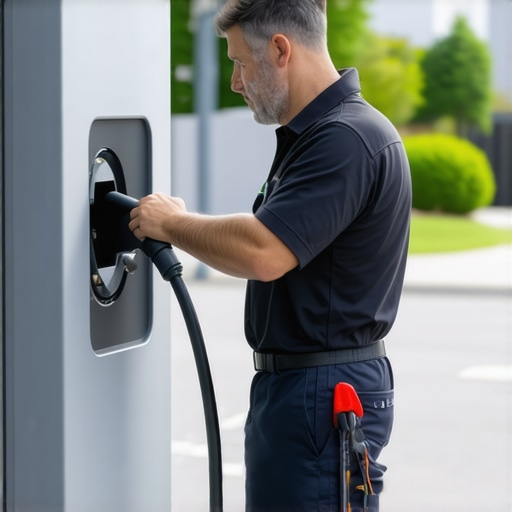

Troubleshooting EV Chargers: Expert Guide to Code Compliance & Safety
I’ll never forget the moment I first tried to troubleshoot my EV charger after noticing it wasn’t charging as efficiently as before. My heart sank when I realized I had overlooked a simple, yet critical safety step—checking the code compliance of my installation. It was a lightbulb moment that made me realize how easy it is to assume everything is fine, only to face unexpected problems later. If you’re like me, you value your safety and want to avoid costly mistakes, but the world of electrical codes and safety standards can be overwhelming. Today, I promise to share practical, experience-based tips to troubleshoot your EV charger effectively, ensuring it’s both safe and compliant with the latest regulations.
Why Safe and Code-Compliant EV Charging Matters More Than Ever
With the rapid growth of electric vehicles, reliable and safe home charging solutions have become a priority for many homeowners. However, improper installation or neglecting code compliance can lead to dangerous situations—fire hazards, electrical shock, and costly damage to your equipment. The National Fire Protection Association reports that electrical issues account for nearly 50% of home fires related to EV chargers. This statistic underscores how critical it is to follow proper troubleshooting procedures and adhere to safety standards. Not taking these steps can compromise not just your vehicle’s performance but your safety and peace of mind.
Are you certain your EV charger setup is fully compliant and safe? If you’re unsure how to verify your installation or troubleshoot common issues, you’re not alone. When I started, I made the mistake of assuming that just plugging in my charger was enough. Turns out, there’s a lot more beneath the surface—like panel capacity, wiring quality, and grounding—all of which impact both safety and performance. To keep you out of the same trap, we’ll walk through proven methods to identify and fix issues, ensuring your charging station is both reliable and in line with electrical codes.
Is Troubleshooting Your EV Charger Worth the Hassle?
Honestly, I used to think troubleshooting was only for the pros—until I learned how simple some fixes can be with a little knowledge. Early on, I skipped verifying whether my installation met local code requirements, which nearly caused me more problems down the line. Sometimes, unadjusted wiring or outdated panels can cause chargers to malfunction or pose safety risks.
By understanding what to check—like ensuring your panel meets the necessary amperage or confirming proper grounding—you can save yourself from future headaches. If you’re feeling overwhelmed, remember that expert guidance can make all the difference. Check out trusted resources such as [this comprehensive guide](https://brightsparkzelectric.com/how-to-verify-code-compliance-for-your-ev-charger-installation) to learn more about verifying code compliance.
So, if your EV charger isn’t working as it should or you’re worried about safety, don’t wait. Taking proactive troubleshooting steps can prevent hazards, extend your charger’s lifespan, and keep your family safe. Ready to dive into how to troubleshoot like a pro? Let’s get started.
Check Your Breaker Panel First
Start by turning off your main breaker to ensure safety—think of it like cutting power to a circuit before working on it. Once off, open the panel and look for signs of wear, scorching, or loose wires. Last summer, I found a loose lug connection that was causing intermittent charging issues. Tightening it fixed my problem immediately and reaffirmed the importance of visual inspection. If you’re uncertain about what to look for or how to handle the wiring, it’s wise to consult a professional or review resources like panel upgrade guides.
Assess Circuit Capacity and Wiring Compatibility
Determine if your existing electrical panel can handle the charger’s current demands. An overloaded panel leads to frequent trips or even safety hazards. To verify, locate the main breaker rating—say, 100A—and add up the amperages of existing circuits. If your EVCharger requires 40A, your panel should have enough capacity. Missteps here are common; I once installed a charger without checking panel capacity, which led to constant tripping. Upgrading your panel might be necessary—see this guide for detailed steps. Confirm wiring gauge matches the charger requirements—using a 6-gauge wire for a 40A circuit, for example, is a must. When in doubt, consult an electrician or trusted resources like panel upgrade FAQs.
Verify Proper Grounding and GFCI Features
Grounding prevents dangerous shocks and is vital for safety—think of it as an electrical safety net. Check if your charger is connected to a GFCI outlet or breaker, which protects against ground faults. During my own troubleshooting, I noticed my GFCI kept tripping; inspecting the wiring revealed a short in the grounding pin, which I replaced. Proper grounding and GFCI protection are often overlooked but crucial; refer to installation standards to ensure compliance. If you’re unsure, a licensed electrician can perform comprehensive testing with a multimeter—getting readings like less than 5 ohms between ground and neutral indicates good grounding. Don’t skip this step, as it’s the backbone of safety for your entire setup.
Test the Charger and Connectivity
After verifying wiring and capacity, plug in the charger and observe its response. Does it power on? Are there error codes? Use the troubleshooting resources at this site to interpret common error messages. For reliable operation, ensure your Wi-Fi or hardwired connections are stable; a loose router or interference can cause connectivity issues. During my last test, I reset my router and moved my charger closer to reduce interference, which improved performance significantly. Make sure the charger firmware is up-to-date, as updates often fix bugs and improve stability. If problems persist, document error codes and consult a professional or detailed troubleshooting guides to identify deeper issues.
Consult Professionals for Complex Upgrades
Some problems, like outdated panels, incompatible wiring, or code violations, require expert intervention. If your inspection reveals issues beyond simple fixes, don’t attempt risky repairs yourself. Instead, contact qualified electricians through services like this link to plan necessary upgrades or repairs. My experience with panel upgrades taught me that hiring licensed professionals ensures safety and code compliance, preventing future hazards. They can also perform comprehensive inspections to verify your entire system’s safety—an investment that pays off by protecting your family and property from potential hazards.Many homeowners assume that upgrading their electrical panel or troubleshooting their EV chargers is straightforward, but there are critical nuances often overlooked. Contrary to the common belief that simply replacing a breaker or checking fuses suffices, the real key lies in understanding the detailed requirements for code compliance and electrical safety standards. For instance, ensuring that your panel’s capacity aligns with future charging needs is not just about convenience—it’s about safety and compliance. Overestimating your existing system’s capacity or neglecting proper grounding can lead to hazardous situations, including electrical fires or equipment failure. A frequent trap is assuming that older circuits are sufficient for high-capacity chargers; however, outdated wiring or insufficient grounding may require a more comprehensive upgrade, as highlighted in expert guides on [panel upgrades](https://brightsparkzelectric.com/upgrading-your-panel-for-better-ev-charging-performance).
Some believe that troubleshooting only involves resetting breakers or swapping out faulty components, but the more nuanced approach involves inspecting wiring gauge, verifying circuit breaker ratings, and testing grounding systems with a multimeter. Misjudging these elements can cause repeated trips or even pose shock risks—an oversight that can be mitigated by consulting professional electricians who understand the complexities of EV charging standards.
A common myth is that code compliance is rigid and inflexible; in reality, standards allow for adapted solutions that meet safety without sacrificing functionality. For example, a well-designed panel upgrade considers future-proofing, such as adding dedicated circuits for multiple EV chargers, which can be validated through detailed inspection and documentation. Checking [code compliance](https://brightsparkzelectric.com/how-to-verify-code-compliance-for-your-ev-charger-installation) should be part of your troubleshooting routine, especially before making any modifications.
Have you ever fallen into this trap? Let me know in the comments.
### How can advanced troubleshooting prevent costly mistakes?
Exclusive insights reveal that many issues stem from undiagnosed wiring issues or improper grounding, which require specialized testing beyond simple visual checks. Studies by electrical safety experts demonstrate that detailed inspections and adherence to standards reduce the risk of future hazards significantly. Investing in professional assessments and understanding the intricacies behind panel capacity, wiring, and grounding is vital—more so than just replacing parts or following generic advice. To get expert help, visit [this contact page](https://brightsparkzelectric.com/contact-us) and ensure your EV setup is both safe and code-compliant.Maintaining a robust and reliable EV charging setup requires more than just basic inspections; it demands the right tools and a disciplined approach. Personally, I rely on a combination of digital multimeters, inspection cameras, and specialized software to ensure everything stays in top shape. A high-quality multimeter, such as the Fluke 117, has been invaluable for quickly verifying grounding integrity and voltage levels without the need for invasive procedures. Using this device, I routinely check grounding resistance and verify circuit voltage drops, ensuring early detection of potential issues before they become safety hazards. For more detailed diagnostics, I employ an infrared inspection camera like the Seek Thermal CompactPRO, which helps identify hotspots or loose connections inside panels—problems that are invisible to the naked eye. These visual cues often preemptively catch wiring faults or overheating issues, preventing costly failures or hazards down the line. Combine these with electrical testing software like the NEC Code Calculator app to verify if your setup aligns with local standards; this ensures ongoing compliance and safety. As technology advances, I predict AI-driven diagnostics and remote monitoring tools will become standard, allowing homeowners to receive real-time alerts and reduce troubleshooting time. Improving these tools and integrating them into maintenance routines makes long-term management more effective and less stressful.
How do I maintain my EV system over time
Consistent maintenance involves scheduled inspections, keeping diagnostic tools handy, and recording reading trends to identify anomalies early. Regularly verifying grounding and circuit integrity—using tools I mentioned—helps sustain safety and performance. Don’t forget to update related software and firmware periodically to stay aligned with evolving standards. I also recommend logging inspection results over time, so you’re aware of any gradual deterioration that might require professional attention. Remember, investing in quality tools now can save you from expensive repairs later. If you’re interested in making your maintenance routine more proactive, try implementing a monthly diagnostic check with your multimeter and thermal camera; this habit could extend the lifespan of your charging system significantly. For detailed guidance, browse my trusted resource on [panel upgrades and code compliance](https://brightsparkzelectric.com/panel-upgrades-for-better-ev-charging-performance). Keep your system tuned, and you’ll avoid many common troubleshooting pitfalls.
Lessons I Didn’t Expect to Learn About Panel Upgrades and Safety Checks
One of the most surprising realizations I had was how overlooked small details—like verifying ground connections—can save you from major hazards. I once thought that simply adhering to basic wiring standards was enough, but it turned out the devil is in the details—tightening connections and ensuring proper load balancing are crucial lessons. Additionally, I learned that code compliance isn’t just bureaucratic red tape; it’s the safeguard that protects my loved ones from potential electrical fires or shocks. These insights have transformed how I approach troubleshooting—it’s now about meticulous inspections rather than quick fixes.
Tools and Resources That Gave Me Confidence in Troubleshooting
My trusted multimeter has become an extension of my hand—especially the Fluke 117, which helps me quickly verify grounding integrity and voltage levels. I also rely on infrared cameras like the Seek Thermal CompactPRO to spot hidden faults. For guidance on upgrades and standards, I turn to resources like this comprehensive guide. Moreover, I find value in online courses and forums where professionals share real-world experiences—these platforms have demystified complex topics and made me more confident in my troubleshooting skills.
Stay Curious and Keep Safety at the Forefront
The journey to safe and reliable EV charging isn’t a one-time setup; it’s an ongoing process of learning and vigilance. Don’t let fear of complexity deter you—taking small, informed steps will empower you to troubleshoot effectively. Remember, every smart check and upgrade you perform not only enhances performance but significantly reduces safety risks. Embrace the challenge, and soon you’ll see troubleshooting as an opportunity rather than an obstacle. Are you ready to take your EV charging safety to the next level? Share your experiences or questions below—let’s learn together!
This post really hits home for me. I learned the hard way that overlooking simple safety checks, like grounding and circuit capacity, can lead to serious issues down the line. I once installed my EV charger without verifying if my panel could handle the load, which caused repeated trips and a bit of stress. Now, I ensure I visually inspect connections and use a multimeter regularly—tools like the Fluke 117 have become indispensable for me. What I find most valuable is the reminder that detailed inspections can prevent costly, dangerous problems. I’m curious, have others here experienced unexpected issues that turned out to be minor wiring or grounding oversights? Sharing practical stories could really help newcomers avoid common pitfalls.
Reading through this detailed troubleshooting guide really resonated with me, especially the part about verifying grounding and circuit capacity. I remember when I first installed my EV charger, I was eager to get it set up quickly and skipped some of the crucial safety checks. Not long after, I encountered frequent breaker trips and odd error codes. It turned out I hadn’t adequately assessed my panel’s capacity or checked for proper grounding, which led to those issues. Since then, I’ve made it a point to use a multimeter regularly and stay updated with the latest code requirements—I’ve even invested in a good infrared camera to spot hotspots inside my panels.
One thing I wonder about is how others manage ongoing maintenance—you’ve mentioned monthly diagnostics, which sounds very thorough. Do you think this level of vigilance is necessary for most homeowners, or are there simpler routines that also effectively ensure safety? I’d love to hear how people balance thoroughness with practicality in maintaining their EV systems.