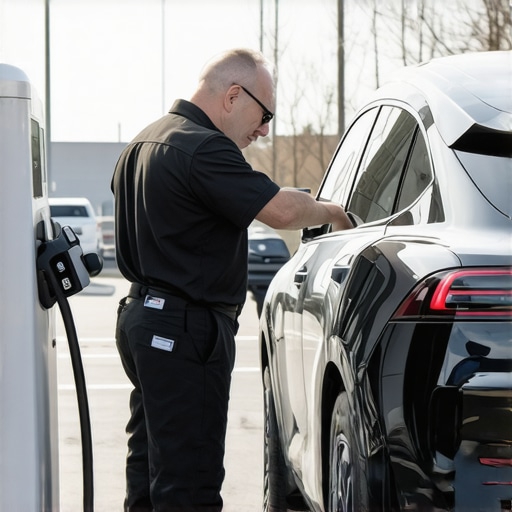

Troubleshooting EV Chargers: Expert Fixes for Reliable Power in 2024
I remember the moment vividly—my brand-new electric vehicle sat parked in the driveway, and I eagerly plugged in the charger, only to be met with a frustrating blinking light. That sinking feeling hit me: was I doing something wrong? As a homeowner eager to embrace clean energy, unreliable charging was not just an inconvenience; it felt like a setback. That light flickering told me one thing: my EV’s power source was not as trustworthy as I thought. And honestly, I wasn’t alone. Many EV owners face similar struggles, especially with the increasing complexity of home electrical systems and the critical importance of proper code compliance.
Why Reliable EV Charging Matters More Than Ever
In 2024, the adoption of electric vehicles continues to surge—according to the U.S. Department of Energy, there are now over 2.5 million EVs on the road nationwide, and that number is growing rapidly. But here’s the catch: if your charger isn’t working correctly, all those benefits of EV ownership—cost savings, environmental impact, and convenience—can quickly turn into frustration. Reliable power isn’t just a nicety; it’s a necessity for daily life and long-term satisfaction with your electric ride.
Many homeowners underestimate the importance of proper installation and troubleshooting when it comes to EV chargers. A mistake here can lead to persistent issues, safety hazards, or even code violations, which could cause insurance headaches or legal problems down the line. From ensuring your system meets safety standards—like those outlined in reliable sources such as this detailed guide—to diagnosing everyday glitches, understanding the nuances of troubleshooting can save you time, money, and headaches.
Have you faced those unreliable charging moments, perhaps during cold mornings or busy evenings? Believe me, I’ve been there. But changes I implemented, rooted in proper troubleshooting and ensuring code compliance, made all the difference. Today, I promise to share expert knowledge that can help you get the consistent, safe power you deserve. Whether it’s dealing with connection issues, circuit overloads, or checking your home’s electrical setup, you’re about to learn how to troubleshoot like a pro and prevent future frustrations.
Is It Worth the Hassle and Cost?
One early mistake I made was rushing the installation without verifying the system’s compliance with local electrical codes. That oversight caused more than a few headaches—including compliance violations and safety concerns. Trust me, proper installation and troubleshooting aren’t just optional—they are vital. To avoid these pitfalls, it’s best to understand the essentials of diagnosing common issues and what to look out for during setup and maintenance. In the next sections, I’ll guide you through expert tips to troubleshoot your EV charger effectively, ensuring reliable, safe power for years to come.
Assessing Your Electrical Panel Before Installation
Start by inspecting your existing electrical panel. Look for signs of overload, rust, or frequent tripping. Take a photo of the panel and compare it against official guidelines to evaluate if an upgrade is necessary. In my experience, during one especially cold winter, I noticed my breaker tripping every time I tried to start charging — a clear sign I needed a dedicated circuit.
Upgrading Your Panel for Reliable Power
If your panel is outdated or undersized, consider a comprehensive upgrade. This involves installing a new breaker dedicated solely to your EV charger, ensuring the current load doesn’t cause interruptions. For a specific project, I coordinated with professionals to upgrade my panel, which significantly improved reliability and safety. Check this resource for detailed steps about panel upgrades and how they impact code compliance.
Ensuring Installation Meets Code Compliance
Proper installation is crucial. Follow local electrical codes meticulously, including correct wiring sizes, grounding, and breaker ratings. Use a digital multimeter to verify voltage stability after installation. I once miswired my first setup, causing my charger to malfunction; troubleshooting required rechecking all connections and consulting code compliance tips. Remember, non-compliance can lead to safety hazards and void insurance coverage.
Diagnosing Connection and Power Issues
If your charger displays a blinking light or fails to start, start troubleshooting with the basics: confirm power supply, check circuit breakers, and inspect wiring connections. Use an expert troubleshooting checklist for common issues like loose contacts or faulty outlets. I had a situation where a loose plug caused frequent disconnections; reconnecting securely solved it immediately.
Verifying Proper Grounding and Circuit Rating
Grounding is vital for safety. Use a tester to ensure that your grounding connections are solid. Additionally, verify your circuit rating matches your charger’s requirements; an undersized circuit will cause trips or damage. During installation, I used a clamp meter to verify circuit current and made adjustments according to this verification guide. Neglecting this step risks safety violations and equipment failure.
Regular Maintenance to Prevent Future Issues
Once installed, schedule periodic inspections. Check for signs of wear, corrosion, or loose connections. Keep your panel clean and free of dust. I set reminders to inspect my setup seasonally, which helped catch a failing breaker early, preventing potential fire hazards. Consistent maintenance and adherence to guidelines ensure reliable and safe EV charging at home.
Many homeowners believe that simply upgrading their electrical panel or following basic code guidelines guarantees safe and reliable EV charging. However, this oversimplification can be a trap that leads to future issues. In my experience, a significant oversight is assuming that the biggest problem is always the panel size, neglecting critical nuances like load balancing and proper grounding. For instance, even a correctly rated panel can become a safety hazard if the wiring isn’t properly configured or if outdated components remain in use. Experts emphasize that comprehensive evaluation—beyond just panel size—is essential for true safety and performance, as highlighted in studies by the National Fire Protection Association, which underline thorough inspections to prevent electrical failures. Additionally, many owners overlook the importance of verifying circuit conditions under real operating loads, especially during peak usage times, which can cause unexpected trips or damage. When troubleshooting, some fall prey to common myths such as “resetting the breaker solves all issues,” not realizing that persistent trips often indicate underlying wiring or grounding problems. This misconception can delay proper diagnosis and increase fire risk. A sophisticated question I often receive is, “How can I ensure my existing wiring will support my upgraded panel and EV charger without costly rewiring?” The answer lies in detailed testing—using tools like clamp meters and load analyzers—to accurately assess circuit capacity and safety. Following expert guides to verify code compliance, such as those from trusted sources, is a step many skip but should integrate into every upgrade plan. Remember, neglecting these nuances can lead to false confidence and dangerous outcomes. So, before you proceed with your panel upgrade or troubleshooting, ask yourself: Am I considering all the critical factors, or am I just ticking boxes? When in doubt, consult a qualified professional to double-check your system’s integrity. Have you ever fallen into this trap? Let me know in the comments.
Maintaining your home EV charging setup isn’t just about occasional inspections; it demands a strategic approach with the right tools and practices to ensure enduring performance. One essential tool I always keep handy is a high-quality digital multimeter. I use it not just during initial installation, but regularly to verify voltage stability and grounding integrity, which are critical for safety and consistent operation. Reliable troubleshooting starts with precise measurements, and a well-calibrated multimeter allows me to detect anomalies before they cause bigger problems.
Why a Clamps Meter Should Be Part of Your Toolbox
Unlike standard multimeters, clamp meters are invaluable for measuring current without disconnecting wires. I rely on mine to monitor circuit loads during different times of day, especially when I suspect there’s overload or if recent upgrades may have shifted load balances. This real-time data helps me decide whether an upgrade, like a panel extension, is necessary to prevent trips or damage. As professional electricians emphasize, accurate load assessment is key to safe, long-term EV charging performance.
Leveraging Software for Ongoing Maintenance
Another game-changer is using smartphone apps connected to smart circuit breakers or energy monitors. These apps provide real-time alerts for unusual power consumption or circuit trips, enabling proactive maintenance. I set notifications to flag any deviations during off-peak hours, so I can troubleshoot before it impacts my charging routine. This approach aligns with the projected trend in smart home integrations, making maintenance more accessible and less reactive.
Future Trends in EV System Care
Looking ahead, I predict that integrated diagnostic tools will become standard, combining hardware sensors and AI-driven analytics. These systems will provide instant, actionable insights about issues like grounding faults or wiring degradation, essentially turning maintenance into a predictive process rather than reactive. Staying ahead involves familiarizing yourself with the latest tools—like those recommended in expert troubleshooting guides—and adopting smart monitoring solutions early.
How do I maintain my EV charging system over time?
Regular inspections using digital tools, mindful load management with clamp meters, and deploying monitoring apps help ensure your system remains safe and efficient. It’s also wise to schedule periodic professional checkups, especially after any electrical upgrades or unusual power issues, to verify code compliance and spot potential problems early. Implementing these strategies can extend the lifespan of your equipment and prevent costly failures down the line. To kickstart your maintenance routine, try integrating a load analysis session with your clamp meter this month—it’s a straightforward step that can reveal hidden issues before they escalate.
Little Secrets That Changed My Approach to EV Charging Safety
One of the most valuable lessons I learned was never to assume that a simple reset will fix persistent charging issues. Often, challenges like breaker trips or unreliable power are symptoms of deeper wiring or grounding problems, not just malfunctioning equipment. Recognizing these nuances early on, and verifying every connection meticulously, can save you from costly repairs and safety hazards.
Another insight was the importance of load analysis before upgrading your electrical panel. Just increasing circuit capacity without understanding your home’s overall load can lead to overloads and tripping. Using tools like clamp meters to monitor real-time energy consumption revealed hidden loads, guiding smarter upgrade decisions and ensuring consistent power delivery for my EV charger.
I also discovered that code compliance isn’t just bureaucratic red tape—it’s about safeguarding your home and loved ones. A small oversight during installation, like improper grounding, might seem insignificant but could have serious safety implications. Regularly consulting trusted resources and verifying your setup helps keep everything within safe, legal standards.
Tools and Resources That Keep My Charging Systems in Check
My go-to resource is the detailed guides provided by electrical professionals on trusted sites like this comprehensive page. They break down complex regulations into manageable steps, which I’ve found invaluable during upgrades and troubleshooting.
A digital multimeter and a clamp meter have become staples in my toolbox. They allow me to perform accurate voltage and current measurements, helping identify issues from loose connections to overloaded circuits. I trust this troubleshooting guide for practical tips, ensuring my setup remains safe and reliable.
Smart home energy monitoring apps have added a new dimension to my maintenance routine. With real-time alerts on unusual power fluctuations, I can address potential problems before they escalate, making maintenance proactive rather than reactive. Embracing these tools has transformed my approach from guesswork to precision.
Keep Your Power Flowing and Your Confidence Growing
The journey to a safe, reliable home EV charging system involves continuous learning, regular checks, and smart upgrades. Don’t wait for issues to disrupt your routine—embrace a proactive mindset and leverage the right tools. Remember, meeting local code requirements isn’t just about compliance; it’s about ensuring your safety and peace of mind.
Have you ever questioned whether your electrical setup is truly ready for your EV charger? Let me know your experiences or questions below—I’d love to hear how you’re navigating this essential process!