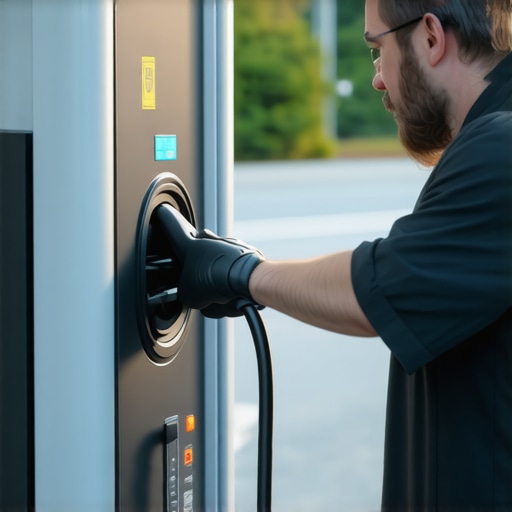

Troubleshooting Common EV Charger Issues: Expert Solutions for Reliable Charging
My Unexpected Encounter with an EV Charger Glitch
Not long ago, I found myself in a frustrating situation where my EV charger suddenly refused to work just as I was about to head out for an important trip. As someone passionate about electric vehicles and sustainable living, I knew I had to troubleshoot the problem myself before calling in a professional. That moment sparked my curiosity about common issues that plague EV chargers and how to resolve them effectively.
Understanding the Root Causes of EV Charger Problems
In my experience, many EV charger issues stem from simple electrical glitches, outdated software, or code compliance hiccups. I learned that a lot of problems can be fixed with some basic troubleshooting steps, which I documented from my own trials and errors. For example, checking the power source, inspecting the charger’s connection, and ensuring the circuit breaker is functioning correctly can often reveal the culprit.
What Are the Most Common EV Charger Troubles?
From my research and personal experience, common problems include connectivity issues, error messages, slow charging, and sometimes complete failure to initiate charging. A helpful resource I came across is the BrightSpark Electric troubleshooting guide. It provided practical tips that I applied to my own setup, which significantly improved the reliability of my charging station.
How Do I Diagnose and Fix These Problems?
Initially, I checked the power supply and made sure the circuit breaker was ON. Sometimes, simple things like loose cables or outdated firmware can cause issues. I also verified if the charger was compatible with my installation codes by consulting the code compliance verification guide. Ensuring that my installation met all safety standards was vital for reliable operation.
Why Is It So Important to Follow Proper Code Compliance?
Proper code compliance not only guarantees safety but also ensures your EV charger functions correctly without causing electrical faults. During my troubleshooting, I realized that some issues could be avoided entirely if the installation adhered to the latest electrical codes. I recommend visiting this resource for detailed guidance on code adherence.
After some persistence, I managed to identify a faulty circuit breaker that was causing intermittent power supply. Replacing it improved my charger’s performance immensely. If you ever face similar issues, don’t hesitate to consult a professional or visit trusted resources to ensure everything is up to code and functioning smoothly.
If you’re experiencing persistent problems, I encourage you to share your experience in the comments or explore more about upgrading your electrical panel for better EV charging performance by visiting this page. Troubleshooting can be rewarding, especially when it leads to a more reliable and safe charging experience.
Advanced Troubleshooting Techniques for Persistent EV Charger Issues
While basic troubleshooting can resolve many common problems, some issues require a deeper understanding of electrical systems and software diagnostics. For instance, if your charger exhibits intermittent connectivity despite a solid power supply, it might be due to firmware incompatibilities or interference from other electronic devices. Updating the firmware through official channels or resetting the system can often resolve such glitches. Additionally, inspecting the wiring for any signs of wear or corrosion can prevent future faults. For more detailed guidance, consult the BrightSpark Electric troubleshooting resources.
The Critical Role of Electrical Panel Capacity and Upgrades
One often-overlooked aspect of reliable EV charging is ensuring your home’s electrical panel can handle the increased load. An undersized or outdated panel can cause voltage drops or tripped breakers, which manifest as slow charging or connectivity errors. Upgrading your panel not only improves charging performance but also enhances overall household safety. If you’re considering this step, it’s wise to review your current electrical capacity and consult with professionals to determine if a panel upgrade is necessary. For comprehensive advice, check out this expert resource.
How Can Proper Installation and Code Compliance Prevent Future Problems?
Proper installation aligned with the latest electrical codes is essential for safe and reliable EV charger operation. Non-compliance can lead to electrical faults, voided warranties, or safety hazards. Ensuring your installation adheres to local codes requires careful planning and knowledge of the National Electrical Code (NEC). A certified electrician will verify wiring, grounding, and circuit protection measures. To ensure your setup is compliant, consider reviewing this detailed guide. Doing so minimizes the risk of future issues and guarantees your system remains safe and efficient.
What Are the Practical Steps to Maintain Long-Term EV Charger Reliability?
Beyond initial troubleshooting and compliance, ongoing maintenance plays a vital role. Regular inspection of cables, connectors, and the charger enclosure can catch potential problems early. Keep firmware updated and periodically verify circuit integrity, especially after power surges or storms. Documenting your maintenance routines ensures you stay proactive. For expert tips on troubleshooting persistent problems, visit BrightSpark Electric’s maintenance advice.
If you’ve encountered persistent issues or want to ensure your setup is optimized, don’t hesitate to reach out for a professional assessment. Properly maintained and code-compliant EV charging stations are key to a seamless, safe, and efficient EV ownership experience. Share your experiences or questions in the comments, and explore more about upgrading your electrical system for better performance at this resource.
Beyond Basic Troubleshooting: Navigating the Nuances of EV Charger Maintenance
As I delved deeper into the complexities of EV charger systems, I realized that simple checks like power and firmware updates often only scratch the surface. There’s an intricate web of factors—thermal management, environmental influences, and subtle wiring issues—that can quietly undermine your charging station’s performance. During a particularly rainy season, I noticed my charger’s intermittent failures coincided with humidity levels rising. Such conditions can cause corrosion or moisture intrusion in connectors, leading to unpredictable faults. Regularly inspecting and maintaining connection points and enclosures became a ritual I adopted, knowing that proactive measures save time and prevent costly repairs later.
How Does Firmware Compatibility Impact Long-Term Reliability?
Firmware updates are a double-edged sword. While they introduce new features and security patches, incompatible or poorly executed updates can trigger conflicts, causing connectivity or charging issues. I learned this firsthand when my charger started exhibiting erratic behavior after a firmware upgrade. Consulting the manufacturer’s official channels and verifying compatibility before applying updates proved vital. For advanced users, understanding the firmware’s role in communication protocols can reveal underlying issues—sometimes, a rollback to a previous version restores stability. Seeking guidance from trusted resources like BrightSpark Electric can help navigate these technical nuances effectively.
What Are the Hidden Risks of Improper Electrical Panel Upgrades?
Upgrading your electrical panel isn’t just about increased capacity; it’s about ensuring safety and system compatibility. In my experience, rushing into a panel upgrade without thorough planning can inadvertently introduce new hazards—overloading circuits, improper grounding, or inadequate protection. I once observed a neighbor’s installation where a subpar upgrade caused frequent breaker trips, despite sufficient capacity. It highlighted the importance of working with licensed electricians who understand the subtle demands of EV charging loads. For those contemplating a panel upgrade, I recommend reviewing this comprehensive guide to avoid common pitfalls and ensure your home’s electrical infrastructure is truly prepared for the future.
How Can I Balance Cost, Safety, and Performance in My EV Charging Setup?
Balancing these factors requires a nuanced approach. Investing in quality components and professional installation might seem costly upfront but pays dividends in reliability and safety. For example, I opted for a certified charger with built-in safety features and had a dedicated circuit installed, which minimized interference and voltage drops. Considering the long-term perspective, choosing compliant components reduces the risk of code violations and insurance issues. Moreover, ongoing maintenance—like periodic inspections and firmware updates—is essential to sustain optimal performance. To explore tailored solutions, visiting this contact page can connect you with experienced professionals who can help craft a balanced, future-proof system.
What Are the Most Overlooked Factors That Can Sabotage Your EV Charging Reliability?
While many focus on hardware and software, environmental and user behavior factors often remain undervalued. For instance, frequent power surges or storms can damage sensitive electronics, emphasizing the need for surge protectors and weatherproof enclosures. Additionally, improper cable handling or neglecting regular inspections can introduce wear and tear, gradually degrading performance. I learned this the hard way when a minor cable kink led to increased resistance and slower charging. Regularly inspecting cables, connectors, and enclosures, combined with employing high-quality surge protection, can dramatically extend your system’s lifespan. Remember, a well-maintained system is your best defense against unexpected failures and safety hazards.
Have you faced similar challenges or discovered unique solutions in maintaining your EV charger? Sharing your experiences can help build a community of informed and proactive EV owners. For personalized advice or a professional assessment, don’t hesitate to reach out through our contact page. Continuous learning and vigilant maintenance are keys to unlocking the full potential of your EV charging infrastructure—and ensuring it serves you reliably for years to come.
Harnessing Diagnostic Tools for Precision Troubleshooting
As my experience deepened, I realized that mastering advanced diagnostics can significantly elevate the reliability of your EV charging setup. Modern diagnostic tools, such as clamp meters and circuit analyzers, enable precise measurement of current flow and voltage stability, revealing issues that basic checks might overlook. For example, during a routine inspection, I employed a multimeter to detect subtle voltage drops across the wiring, uncovering a degraded connection that was causing intermittent charging faults. Integrating these tools into your maintenance routine not only saves time but also prevents potential safety hazards, especially in complex or high-capacity installations.
The Subtle Art of Environmental Consideration in System Longevity
Beyond technical components, environmental factors play a crucial role in system longevity. Moisture ingress, temperature fluctuations, and airborne contaminants can accelerate corrosion and wear in connectors and enclosures. During a particularly humid season, I observed increased error messages from my charger, prompting me to upgrade to weatherproof enclosures and install additional sealing measures. This proactive approach underscores the importance of assessing environmental conditions comprehensively, ensuring your equipment is resilient against local climate challenges. Consulting authoritative sources, such as the BrightSpark Electric guide, offers valuable insights into best practices for environmental protection and long-term system integrity.
Strategic Firmware Management for Future-Proofing
Firmware updates can be both a boon and a bane. While they enhance functionality and security, incompatible or rushed updates may introduce unforeseen issues, especially in sophisticated systems. I learned this firsthand when an unverified firmware upgrade disrupted my charger’s communication protocol. To mitigate such risks, I now meticulously verify update compatibility via manufacturer documentation and community forums. Sometimes, rolling back to a previous firmware version restores stability, highlighting the importance of cautious management. For advanced users, understanding the firmware’s role in communication protocols can illuminate hidden issues—consulting resources like BrightSpark Electric provides comprehensive guidance on this front.
Ensuring System Compatibility with Evolving Electrical Codes
Electrical codes evolve to incorporate new safety standards, which can pose challenges during upgrades or new installations. I recommend regularly reviewing the latest code requirements—such as those detailed in this comprehensive guide—to ensure your system remains compliant. Properly understanding and implementing these standards helps prevent code violations that could lead to safety hazards or insurance complications. Collaborating with licensed electricians familiar with local regulations is paramount in this process, ensuring your installation adheres to the highest safety benchmarks without compromising performance.
Proactive Maintenance Strategies for Enduring Reliability
Long-term reliability demands a structured maintenance approach. Regularly inspecting cables, connectors, and enclosures for signs of wear or corrosion can preempt failures. Additionally, scheduling periodic firmware updates and testing circuit integrity after events such as storms or power surges maintains system robustness. Documenting each maintenance activity not only keeps you organized but also facilitates troubleshooting in case issues arise unexpectedly. For advanced maintenance techniques and troubleshooting insights, I recommend exploring BrightSpark Electric’s expert advice. This proactive vigilance ensures your EV charger remains dependable, safe, and efficient over years of use.
Engaging with Expert Resources for Cutting-Edge Solutions
If you’re eager to elevate your understanding or encounter persistent challenges, reaching out for professional guidance can be transformative. Whether it’s a detailed system assessment or tailored upgrade recommendations, experts can help you navigate complex scenarios. Feel free to connect through our contact page for personalized support. Sharing your experiences and questions fosters a community of informed EV owners dedicated to safety and performance excellence. Remember, continuous learning and strategic maintenance are your best tools for unlocking the full potential of your EV charging infrastructure, ensuring it serves you reliably in the long run.
Fine-Tuning Your System for Optimal Performance and Safety
Achieving peak performance isn’t solely about hardware; it involves a nuanced understanding of system interactions and environmental influences. Regularly evaluating your electrical panel’s capacity, verifying code compliance, and employing high-quality surge protection can make a tangible difference. For instance, I installed a dedicated circuit with surge suppression, which shielded my system from voltage spikes during thunderstorms. Such measures extend the lifespan of your components and uphold safety standards, aligning with evolving code requirements. To explore customized solutions, consult with qualified professionals via our contact page. Informed choices today lay the foundation for safer, more reliable EV charging tomorrow, merging technical excellence with proactive care.
Things I Wish I Knew Earlier (or You Might Find Surprising)
The Quiet Impact of Environment
One surprising realization was how much environmental factors like humidity and temperature can quietly affect my EV charger’s performance. During rainy seasons, I noticed subtle errors that made me rethink my maintenance routine. Now, I make it a point to inspect weatherproof enclosures and use protective measures, understanding that these small steps prevent bigger problems later.
Firmware Updates Are Double-Edged
Firmware upgrades seemed straightforward at first, but I learned that incompatible updates can cause unpredictable glitches. Carefully verifying each update and sometimes rolling back to earlier versions has saved me from headaches. It’s a reminder that even software needs cautious handling, especially in systems as critical as EV chargers.
Code Compliance Matters More Than I Thought
Ensuring my installation met all local electrical codes was more than just a safety checkbox. Proper compliance prevented many issues before they could even start, emphasizing the importance of working with knowledgeable professionals and referencing trusted resources to stay up-to-date with evolving standards.
Regular Maintenance Saves Money
Early on, I underestimated routine checks—like inspecting cables and connectors—that now save me from costly repairs. A little effort on preventive care keeps my system running smoothly and extends its lifespan, proving that proactive maintenance is truly worth it.
Advanced Troubleshooting Can Be a Game Changer
Using diagnostic tools such as multimeters and circuit analyzers helped me pinpoint hidden issues that basic checks missed. Investing in these tools and learning how to use them has given me peace of mind and a much more reliable charging experience.
Community Knowledge Is Invaluable
Engaging with online forums and trusted resources like BrightSpark Electric has broadened my understanding. Sharing experiences and learning from others’ mistakes and successes has made troubleshooting more manageable and less intimidating.
Resources I’ve Come to Trust Over Time
- BrightSpark Electric: Their troubleshooting guides and expert tips have been my go-to for resolving complex issues, offering clear, actionable advice.
- National Electrical Code (NEC): Staying informed about the latest standards helps me ensure my setup is safe and compliant, avoiding future problems.
- Manufacturer’s Support: Official firmware updates and technical support from EV charger brands provide reliable, up-to-date solutions for firmware and hardware issues.
Parting Thoughts from My Perspective
Reflecting on my journey troubleshooting EV chargers, I realize that the key to long-term reliability lies in understanding the subtle influences of environment, software, and compliance. Staying proactive with maintenance and continuously learning from trusted sources empowers you to keep your system running smoothly and safely. If this resonated with you, I’d love to hear your thoughts or experiences. Sharing knowledge helps us all become better at maintaining our EV charging setups and enjoying the benefits of sustainable living with confidence.
The detailed troubleshooting steps and emphasis on proper code compliance really resonated with me. I had a similar issue last winter where my charger kept disconnecting intermittently. It turned out that a simple reset of the firmware and upgrading my electrical panel’s capacity resolved the problem. I agree with the importance of environmental considerations—I’ve noticed that moisture intrusion, especially during rainy seasons, can cause unexpected faults. My question is, how often do you recommend inspecting the wiring and enclosures for early signs of corrosion or wear, especially if you live in a humid climate? Regular maintenance seems crucial, but I’d love to hear about any specific routines or tools that others find most effective for proactive detection. Also, is there a particular diagnostic tool you’ve found invaluable for pinpointing hardware issues without extensive disassembly? Thanks again for sharing such insightful tips; they’ve definitely helped me understand how to keep my EV charger reliably operational.