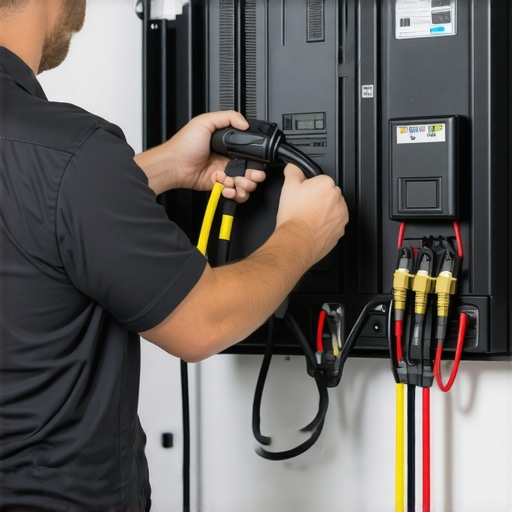
Category Panel Upgrades and Electrical Safety

Panel Upgrades & Code Compliance: Ensuring Safety with EV Chargers in 15 Steps

Imagine this: You’re excited about your new electric vehicle, eager to charge it at home, but suddenly your charger flickers, or worse, trips your circuit breaker. That sinking feeling of realizing your electrical system isn’t quite ready can be frustrating—and dangerous. I’ve been there. Early on, I thought simply plugging in my EV charger was enough. I didn’t realize how crucial proper panel upgrades and strict adherence to electrical codes are for safety and performance. That oversight almost turned my dream of convenient home charging into a costly headache.

Why This Matters More Than Ever

As more folks switch to electric vehicles, the demand on home electrical systems skyrockets. According to the U.S. Department of Energy, proper electrical setup not only ensures your charger works reliably but also keeps your home safe from electrical fires and damage. I learned this the hard way when an improperly installed charger caused a small electrical fire that could have been avoided with the right upgrades and compliance measures. It’s a stark reminder—skipping steps or rushing through installation can have serious consequences.

So, what’s the fix? Today, I’ll guide you through the 15 essential steps to upgrade your panel and ensure your EV charger installation meets all safety and code standards. Think of it as your personal roadmap to peace of mind and reliable charging. Whether you’re a DIY enthusiast or working with a professional, understanding these steps will empower you to make informed decisions and avoid common pitfalls.

Is Skipping Code Compliance Worth the Risk?

Early in my journey, I underestimated the importance of verifying code compliance. I thought a quick, inexpensive upgrade would suffice. Instead, I ended up needing a full panel replacement after a failed inspection. Not only did that cost more, but it also delayed my charging setup by weeks. Trust me, ensuring your installation adheres to local electrical codes is not just bureaucracy—it’s about safety. For detailed tips on how to verify code compliance, check out this guide.

Now, if you’ve faced similar frustrations or are just starting to explore your home’s electrical upgrades for EV charging, you’re in the right place. Over the next sections, I’ll walk you through each step, from assessing your current panel to final testing, so you can charge safely and confidently. Ready to get started? Let’s dive into the first step—evaluating your electrical panel’s capacity and readiness.

Assess Your Current Electrical Panel

Start by inspecting your existing electrical panel. Look for the main breaker’s amperage rating—ideally, it should be at least 200 amps to support an EV charger alongside your household needs. I once skipped this step and immediately faced breaker trips; after upgrading, my charging became more stable. Use a voltage tester or hire a professional to verify capacity and condition.

Calculate Your Home’s Power Needs

Estimate your total power consumption, including your EV charger, appliances, and HVAC. This helps determine if your panel can handle additional load or if a full upgrade is necessary. Remember, overloading can compromise safety and efficiency. I used online calculators for a rough estimate, then confirmed with a professional assessment.

Check Local Electrical Codes and Permits

Review local regulations to ensure your upgrade complies. Non-compliance can lead to safety hazards and failed inspections. I visited the city’s electrical department website and found specific requirements for EV charger installations. For guidance, visit this resource.

Consult a Licensed Electrician

Engage a professional with experience in EV charger installations. They can accurately assess your panel, suggest upgrades, and ensure code compliance. I learned this the hard way when I tried DIY wiring; a licensed electrician caught issues I missed, saving me from future hazards.

Plan for a Full Panel Upgrade or Sub-Panel Addition

If your current panel lacks capacity, consider upgrading to a higher amperage panel or adding a dedicated sub-panel. This isolates the EV charger, preventing overloads. I opted for a sub-panel, which was quicker and less invasive, and it improved my charging reliability.

Choose the Right Breakers and Wiring

Use the correct breaker size—generally 40-50 amps for Level 2 chargers—and appropriate gauge wiring (e.g., #6 AWG for 50 amps). Mismatched components can cause overheating or trips. I replaced outdated breakers with newer, reliable models to enhance safety.

Install a Dedicated Circuit

Ensure the EV charger has its own circuit, separate from other appliances. This prevents overloads and allows for easier troubleshooting. I dedicated a circuit during my upgrade, which made future maintenance straightforward.

Verify Grounding and Bonding

Proper grounding prevents electrical shocks and fires. Confirm that your panel’s grounding system is intact and compliant. I had an electrician double-check this step after noticing minor grounding issues, which they corrected immediately.

Implement Surge Protection

Install a whole-home surge protector to shield your panel and charger from voltage spikes. This adds an extra layer of safety and equipment longevity. I added a surge protector, which has protected my system during storms.

Obtain Necessary Permits and Pass Inspection

Secure permits before starting work, and schedule an inspection afterward. This ensures your installation meets all safety standards. I experienced delays by skipping this step initially but avoided penalties after proper permitting.

Document Your Upgrades

Keep detailed records of all work, permits, and parts used. This simplifies future troubleshooting and resale. I created a digital folder with photos and receipts, which proved invaluable later.

Test Your System Thoroughly

Before regular use, test your setup with a professional. Check for proper operation, no tripping, and adherence to safety protocols. I ran multiple test charges, monitored breaker behavior, and confirmed stability.

Monitor and Maintain Regularly

Schedule periodic inspections and keep your system clean and free of debris. Regular maintenance prolongs system life and safety. I set reminders to check connections annually, catching minor issues early.

Stay Informed on Code Updates and Best Practices

Electrical codes evolve; stay updated by subscribing to industry news or consulting your electrician. I subscribed to local electrical authority updates to ensure my system remains compliant. This proactive approach keeps my home safe and ready for future upgrades.

Many homeowners assume that simply installing a new breaker or upgrading the panel size will automatically guarantee safe and efficient EV charging. But in practice, there are nuanced pitfalls that can trip up even experienced DIYers and professionals alike. Let’s dig deeper into what most people get wrong when it comes to these electrical upgrades—and how to avoid costly mistakes.

Common Myths That Could Cost You

One prevalent misconception is that a larger amperage panel alone ensures your home can handle a Level 2 charger. While increasing panel size is necessary, it’s not sufficient. Proper wiring, breaker selection, grounding, and adherence to local codes are equally critical. Overlooking these details can lead to dangerous scenarios, including electrical fires or equipment damage. For example, using the wrong gauge wire for a higher amperage breaker can cause overheating, a mistake that’s surprisingly common. To get this right, consult resources like this detailed guide.

What’s the Danger of Rushing the Permitting Process?

Another trap is rushing through permits and inspections. Some assume that since the work is behind the scenes, it’s minor enough to skip official channels. This is a dangerous gamble. Permits ensure your upgrade meets safety standards and local codes, which are based on extensive research and expert consensus. Skipping this step can lead to failed inspections, costly rework, and even insurance issues if an accident occurs. Remember, the goal is to create a safe, long-lasting installation. For more on this, check this comprehensive overview.

How Do You Know if Your System Is Truly Ready

Many underestimate the importance of thorough testing after the upgrade. It’s not enough to just flip the switch; you need to verify that everything functions correctly under load, and that no safety features are compromised. This includes testing grounding, checking for proper breaker trips, and ensuring no overheating occurs during prolonged charging. Professional testing can detect hidden issues that might not be apparent during a visual inspection. For troubleshooting tips, see this resource.

Have you ever fallen into this trap? Let me know in the comments. Remember, a well-planned, code-compliant upgrade not only keeps your home safe but also ensures your EV charger performs reliably for years to come. Don’t cut corners—invest in the right expertise and thorough testing for peace of mind and optimal performance.

How do I maintain my electrical system over time

Keeping your EV charging setup in top shape requires more than just initial upgrades. Regular maintenance and the right tools can prevent minor issues from turning into costly repairs. I personally rely on a combination of professional-grade testing equipment and software to monitor my system’s health, ensuring safety and efficiency over the long haul.

One of my go-to tools is a digital multimeter with clamp meter functionality. This device allows me to measure voltage, current, and resistance accurately, which is essential for troubleshooting wiring issues or verifying proper breaker operation. I use it monthly to check for any irregular readings that could indicate degradation or loose connections. For example, I recently detected a slight voltage drop that, if left unchecked, could have compromised my charger’s performance.

Alongside the multimeter, I employ a thermal imaging camera periodically. This tool helps me spot hotspots or overheating components before they cause damage. Thermal imaging is particularly useful for inspecting breaker panels and wiring connections that might look fine visually but are under stress. I’ve found that addressing these issues early extends the lifespan of my electrical components and maintains safety standards.

For software, I recommend using a dedicated system monitoring app compatible with your home electrical setup. While many smart panels come with their own apps, I prefer a third-party monitoring system that aggregates data from multiple sensors around my home. This way, I can receive alerts if voltage levels fluctuate unexpectedly or if there’s an abnormal power draw. Keeping an eye on real-time data helps me schedule maintenance proactively rather than reactively.

In addition to tools, establishing a regular inspection routine is key. I set a quarterly reminder to visually check all connections, ensure no corrosion is forming, and confirm that grounding is intact. This simple step can prevent many issues and is often overlooked by homeowners eager to just plug in and go. Remember, safety is paramount—never attempt repairs if you’re unsure or uncomfortable with electrical work. When in doubt, consulting a licensed electrician is always the best move.

Looking ahead, I predict that home electrical systems will become increasingly integrated with smart diagnostics. Future systems might automatically alert you to emerging problems or even schedule maintenance visits automatically. Until then, using reliable tools like digital multimeters, thermal cameras, and monitoring apps will keep your EV charging system running smoothly for years to come. Try incorporating a thermal imaging scan into your routine—it’s a game-changer for early detection of issues and peace of mind.

When I first installed my home EV charger, I assumed that a simple upgrade to my electrical panel would suffice. But I quickly learned that true safety and reliability come from understanding the deeper lessons that most guides overlook. If you’re planning your own upgrade, here are some insider insights to avoid common pitfalls and ensure your home is ready for reliable, safe EV charging.

The Hardest Lesson I Learned About Electrical Panel Upgrades

One of the most eye-opening moments for me was realizing that increasing your panel size isn’t enough. Without correct wiring, breaker selection, and grounding, you risk dangerous overloads and fires. I once overlooked the importance of proper grounding, which nearly caused a short circuit during a storm—an experience that taught me to double-check all safety measures rather than assume bigger is better.

3 Myths About EV Panel Upgrades That Held Me Back

  • Size Matters Alone: Bigger panels don’t guarantee safety unless all components match code requirements. Trust me, using the wrong gauge wire or breaker can cause overheating.
  • Permits Are Optional: Skipping permits might seem like saving time but can lead to failed inspections and costly rework. Never underestimate the value of proper approvals.
  • DIY Is Always Cheaper: Attempting to do it yourself without expertise can be dangerous. Professional consultation saves money and lives.

The Best Advice I Got From Experts

Consulting with a licensed electrician was a game-changer. They helped me understand that code compliance isn’t just bureaucracy—it’s about protecting my family. Trusted sources like this troubleshooting guide and this resource on code standards provided clarity and confidence.

Where to Go from Here

If you want to ensure your EV charging setup is both safe and efficient, focus on thorough planning, consulting professionals, and keeping up with code updates. Regular testing with tools like a multimeter and thermal camera, plus proper documentation, will keep your system reliable for years. Remember, investing in safety now prevents costly repairs and hazards later.

Your Turn to Take Action

Are you considering a panel upgrade for your home EV charger? What’s your biggest concern or question? Share below, and let’s keep the conversation safe and informed!

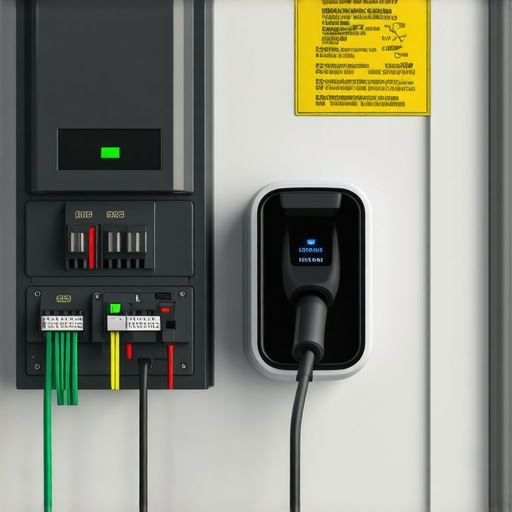
Panel Upgrades & Code Compliance: Ensuring Safe EV Charger Installation

I’ll never forget the moment I realized I’d overlooked an essential detail when installing my EV charger. It was late at night, and my new charger kept tripping the breaker. Frustration turned into concern when I learned that improper panel capacity could pose serious safety risks and even violate local codes. That lightbulb moment made me dive deep into understanding how to upgrade my electrical panel properly and ensure everything complied with safety standards. Today, I want to share that knowledge with you, because I’ve been there—struggling with unreliable charging and fearing I might be risking my home and family’s safety.

Why Making the Right Panel Choices Matters

Choosing to upgrade your electrical panel isn’t just about faster charging; it’s about safety, reliability, and peace of mind. An outdated or undersized panel can’t handle the demand of a high-capacity EV charger. This can lead to frequent trips, potential electrical fires, or damage to your vehicle and home. Plus, many local building codes now mandate specific requirements for EV charger installations to prevent hazards and ensure efficient operation. Ignoring these can result in costly fines or needing to redo work later. So, what’s the secret? Properly assessing your home’s electrical system and ensuring your panel meets all code standards.

Is the Hype Around Code Compliance Overblown?

Early in my journey, I made the mistake of assuming that a quick upgrade would be enough. I didn’t verify whether my panel was code-compliant, and I paid the price when my charger kept malfunctioning. It turns out that many homeowners overlook this step, risking not only their safety but also voiding their warranty. According to the National Fire Protection Association, proper electrical inspections and adherence to local codes are crucial for safe installations. If you’ve ever wondered whether your setup is up to snuff, I highly recommend checking out this guide on verifying code compliance. Trust me, it’s worth the investment to get this right the first time.

So, are you facing issues like tripped breakers, flickering lights, or just feeling uncertain about your current electrical system? If so, don’t wait. Addressing these concerns now can save you trouble—and money—down the line. Next, I’ll walk you through the practical steps for evaluating your panel and ensuring your EV charging setup is both safe and compliant with all codes. Let’s make your home a reliable, safe haven for your electric vehicle journey.

Assess Your Home’s Electrical Capacity

Start by evaluating your current electrical system. Turn off all appliances and switch on your main breaker, then check your panel’s amperage rating—usually marked on the main breaker. If it’s 100 amps or less, consider that your home might need an upgrade to handle a high-capacity EV charger safely. I learned this the hard way when my 100-amp panel struggled with the new charger, causing frequent trips. I hired a licensed electrician to perform a load calculation, which revealed my system was undersized. Upgrading to a 200-amp panel provided the headroom I needed for reliable charging and safety.

Verify Local Building Codes and Regulations

Before making any changes, consult your local building department or a qualified electrician. Ensuring your setup is code-compliant prevents hazards and future legal issues. I once skipped this step, and my installation was flagged during inspection, causing delays and extra costs. Check this guide for detailed steps on verifying code compliance. Document all permits and inspections to avoid surprises later.

Choose the Right Panel Upgrade

Not all panels are created equal. Focus on panels with sufficient capacity, proper breaker slots, and compatibility with your home’s wiring. I opted for a panel with an integrated surge protector, which added an extra layer of safety. When selecting a panel, consider future expansions, such as additional outlets or appliances. An expert can help identify the best model for your needs, ensuring your system can handle high-demand devices without compromise.

Work with a Licensed Electrician

Electrical work is complex and dangerous. Never attempt a panel upgrade yourself. I learned this the hard way after a DIY attempt resulted in a minor shock and a costly repair. Instead, contact professional electricians who follow safety protocols and local codes. They will perform a thorough inspection, upgrade the panel, and ensure all connections are secure. Ask for a written plan detailing the work scope, timeline, and warranty.

Ensure Proper Wiring and Breaker Installation

Proper wiring is critical for safety and performance. Use the correct gauge wire for your system—typically 2 AWG for 200 amps—and ensure breakers are properly rated. I witnessed a friend’s faulty wiring causing frequent trips; a professional corrected the wiring and replaced mismatched breakers, stabilizing the system. Confirm that all connections are tight and insulated, preventing shorts or fires. After installation, have the system tested for proper operation and safety compliance.

Document and Maintain Your System

Keep detailed records of all upgrades, permits, and inspections. Regular maintenance checks, such as tightening connections and inspecting for wear, prolong system life. I schedule annual inspections with my electrician, which caught a minor loose connection before it became a safety issue. Proper documentation and maintenance ensure your system remains safe and efficient for years to come.

Many homeowners believe that upgrading their electrical panel is a straightforward task, but in reality, there are several nuanced pitfalls that can trip you up if you’re not careful. Let’s dig deeper into what most people get wrong when preparing their home for reliable EV charging.

Why the Myth That Bigger Is Always Better Can Backfire

One common misconception is that installing the largest, most capacity-rich panel available guarantees future-proofing your home. In truth, oversizing your panel without proper load calculations can lead to unnecessary expenses and even code violations. It’s crucial to perform a detailed load assessment—something a qualified electrician can expertly handle—to determine the optimal panel size. Overly large panels may also complicate wiring and increase the risk of faults if not installed correctly. For comprehensive guidance, check out this resource.

Beware of Overlooking Local Code Specifics

Many assume that national standards are enough, but local codes can vary significantly. Ignoring the specific requirements of your municipality can result in failed inspections, fines, or the need for costly rework. For instance, some regions have strict rules about breaker ratings or wiring methods that must be adhered to. The best approach is to verify all local code obligations early in the planning process—more details can be found in this guide. Failing to do so is one of the most common advanced mistakes homeowners make, often leading to dangerous situations or legal complications.

How to Avoid the Pitfall of Underestimating Future Needs

Another nuance many overlook is planning for future expansion. Installing a panel that just meets current demands can be shortsighted. As EV technology evolves, home energy needs may increase, especially if you plan to add solar or multiple EVs. A smart upgrade considers not only today’s requirements but also potential growth. This involves selecting a panel with extra breaker slots and capacity, which can save you from future costly upgrades. For expert insight, see this article.

Have you ever fallen into this trap? Let me know in the comments. Upgrading your electrical system is a significant investment, but understanding these nuances can make all the difference in ensuring safety, compliance, and long-term performance. Remember, when in doubt, consulting with a licensed electrician is always your best move.

How do I maintain my electrical system over time

Maintaining your EV charging setup is essential to ensure safety, reliability, and longevity. I personally rely on a few key tools and methods to keep my system in top shape. First, I use a high-quality digital multimeter, such as the Fluke 117, to regularly check voltage and current levels. This simple device helps me identify any irregularities early, preventing costly repairs or safety hazards. I also keep a dedicated inspection mirror and a flashlight handy for visual checks of wiring connections and breaker panels, especially in hard-to-reach spots.

For firmware and software updates, I subscribe to my EV charger manufacturer’s newsletter and regularly check their website. Firmware updates often include security patches and performance improvements that are crucial over the long term. Additionally, I utilize specialized electrical inspection apps, like ElectriCheck, which guide me through systematic safety checks and keep a log of past inspections. These digital tools help me stay organized and ensure nothing falls through the cracks.

Scheduling annual inspections with a licensed electrician is another cornerstone of my maintenance routine. They perform thorough tests, tighten connections, and verify compliance with current codes using professional equipment. During these visits, I ask them to review the system’s load capacity, inspect wiring, and confirm that all safety devices are functioning properly. Doing so not only extends the lifespan of my system but also provides peace of mind that my setup remains safe and compliant.

Future trends in EV system maintenance

Looking ahead, I anticipate that smart monitoring systems will become standard, providing real-time diagnostics and automatic alerts if something goes wrong. These advanced systems, integrated with IoT technology, can even predict component failures before they happen, saving time and money. As the technology evolves, I plan to invest in these smart solutions to streamline maintenance further.

Try this advanced tip today

One tip I highly recommend is installing a dedicated surge protector designed specifically for EV chargers. Not only does this safeguard against power surges, but some models also monitor voltage fluctuations and alert you via your smartphone if abnormal activity is detected. Implementing this simple upgrade can extend the lifespan of your charger and protect your entire electrical system. For detailed guidance, see this troubleshooting guide and start taking proactive steps to keep your system running smoothly today.

The Hardest Lesson I Learned About Panel Upgrades and Code Compliance

One of the biggest revelations I had was realizing that not verifying local code requirements could lead to costly rework or dangerous setups. I once ignored this step and faced inspection failures, which delayed my EV charger installation and increased expenses. Now I know that understanding your local regulations is crucial for a smooth, safe upgrade.

3 Secrets to Future-Proof Your Home’s Electrical System

Many homeowners fall into the trap of installing a panel just big enough for current needs, only to wish they’d planned for future growth. I recommend choosing a panel with extra capacity and breaker slots to accommodate future EVs or solar additions. This simple foresight can save you thousands in the long run.

Why Oversizing Your Panel Can Actually Set You Back

It might seem logical to install the largest panel possible, but I learned that oversizing without proper load calculations can lead to inefficiencies and code violations. A balanced approach, guided by a load assessment from a licensed electrician, ensures safety and cost-effectiveness.

My Essential Toolkit for Maintaining Electrical Safety

Regular checks with a quality multimeter, visual inspections, and firmware updates from your charger manufacturer keep your system in top shape. Scheduling annual professional inspections is the best way to catch issues early and maintain peace of mind.

Don’t Let These Mistakes Hold You Back from Safer EV Charging

Upgrading your electrical panel is a significant step towards reliable and safe EV charging. By learning from my mistakes—focusing on code compliance, future planning, and proper maintenance—you can avoid pitfalls and enjoy a worry-free experience. Remember, consulting an expert is always the safest move.

Panel Upgrades & Code Compliance: How to Ensure Safe EV Charging at Home

Ever had that sinking feeling when you plug in your electric vehicle charger and worry if your home’s electrical system can handle the load? I remember the first time I faced this dilemma. My charger kept tripping the breaker, and I was left questioning whether my electrical panel was up to code or if I needed a costly upgrade. That moment was a wake-up call. It made me realize how crucial proper panel upgrades and strict adherence to electrical codes are for safe, reliable EV charging at home.

Why Proper Panel Upgrades Matter for Electric Vehicle Charging

When you decide to go electric, your home’s electrical system needs to keep pace. Many homeowners overlook the importance of ensuring their existing panel can handle the additional load of EV chargers. An underpowered or outdated panel can lead to frequent outages, potential fire hazards, and non-compliance with electrical codes. According to the National Fire Protection Association, improper electrical work is a leading cause of home fires, often linked to outdated wiring or panels that can’t handle modern demands. Upgrading your panel isn’t just about convenience; it’s about safety, efficiency, and peace of mind. For those wondering how to start this process, I recommend consulting a professional who can evaluate your current system and advise on necessary upgrades. Check out this comprehensive guide on upgrading your panel for better EV charging performance.

Will I Need a Complete Overhaul or Just a Simple Upgrade?

This is a common question. The answer depends on your current panel’s capacity and your home’s overall electrical load. Sometimes, a simple sub-panel addition suffices; other times, a full panel replacement is necessary. Early on, I made the mistake of assuming I could just add a circuit without checking my panel’s capacity, leading to overloads. Trust me, that was a costly mistake. Proper assessment and adherence to the latest electrical codes are vital. To ensure your installation is compliant and safe, review this guide on ensuring code compliance when installing EV chargers.

Now that I’ve shared my story, it’s clear that safety and code compliance should never be afterthoughts. Next, I’ll walk you through the essential steps to upgrade your panel correctly and ensure your home is ready for reliable, safe EV charging. Ready to dive into the practical part? Let’s go!

Evaluate Your Current Electrical Panel

Start by turning off the main breaker and opening your electrical panel. Take detailed photos and notes of the existing components, including breaker ratings and wiring. Check the panel’s label for capacity—most residential panels are rated between 100 to 200 amps. If you’re unsure, consult a professional or review this guide on verifying code compliance.

Calculate Your Home’s Electrical Load

Estimate your total electrical demand, including your existing appliances and the new EV charger. Use this formula: sum of all circuit loads + 25% for future expansion. If the total exceeds your panel’s capacity, you’ll need an upgrade. This was my first mistake—assuming adding a 40-amp charger wouldn’t impact my system. After recalculating, I realized I needed a bigger panel, which led me to the next step.

Choose Between a Full Panel Replacement or Sub-Panel

Decide whether a complete overhaul or a simple sub-panel addition is appropriate. For minimal upgrades, a sub-panel can handle the EV charger load separately. However, if your panel is outdated or near capacity, a full replacement offers better long-term safety and flexibility. I opted for a full replacement, which involved coordinating with my electrician to ensure everything was up to code and future-proofed.

Ensure Code Compliance from the Start

Work with a licensed electrician to ensure your upgrade meets all local electrical codes. This includes proper grounding, breaker ratings, wire sizes, and permits. During my upgrade, I used this compliance checklist, which made the process smoother and prevented costly rework later.

Perform the Upgrade Safely

With the electrician, disconnect power, remove the old panel, and install the new one. Use appropriately rated breakers and wiring. Confirm connections are tight and correct. After installation, power up incrementally, testing each circuit. During my upgrade, I watched closely for any signs of loose connections or unusual smells—small details that can prevent bigger issues.

Verify and Document Compliance

After installation, have the system inspected by a qualified authority to verify it adheres to all safety standards. Keep documentation for future reference or resale. I kept my inspection report handy and uploaded it to my homeowner’s records, which provided peace of mind and legal protection.

Test Your System Before Charging

Finally, test your new setup with your EV charger. Use a process of elimination: plug in, check for trips, and monitor the circuit. If issues arise, consult troubleshooting guides like troubleshooting tips. My first test involved a trip that prompted a recheck of wire connections, saving me from future hazards.

By following these detailed steps, you will ensure your home’s electrical system is ready for safe, reliable EV charging. Proper evaluation, calculation, selection, and compliance are your best tools for peace of mind and safety at home.

Many homeowners believe they understand the ins and outs of upgrading their electrical panels for EV chargers, but in reality, misconceptions abound that can lead to costly mistakes. Let’s dig deeper into what most people get wrong and how to avoid these pitfalls.

Why Oversimplified Advice Can Backfire

One of the biggest myths is that a simple breaker swap or a minor upgrade will suffice for all EV charging needs. While some homes can handle a Level 2 charger with just an added circuit, this isn’t universal. The complexity of your existing electrical system and future expansion plans often require a more comprehensive approach. Relying solely on quick fixes without a proper load calculation or code review can result in overloads or safety hazards. Remember, your home’s electrical system is a delicate balance, and an upgrade needs to be tailored accordingly. For a detailed assessment, consult a licensed electrician and review this expert guide to panel upgrades for EV safety.

The Hidden Danger of Ignoring Future Expansion

Many homeowners focus only on their current needs, neglecting the importance of planning for future electrical demands. Installing a panel that just meets today’s requirements can become a bottleneck when you add more EV chargers, solar systems, or home automation devices. This oversight can lead to frequent trips, upgrades sooner than expected, or even safety issues. An advanced mistake is underestimating your future load, which can be costly in the long run. To avoid this trap, perform a comprehensive load calculation, considering upcoming upgrades. Check out this guide on future-proofing your electrical system.

Beware of Code Compliance Assumptions

Many assume that their existing wiring and panel are automatically compliant with current standards, but electrical codes evolve regularly. Installing an EV charger without verifying compliance can invalidate insurance, cause safety hazards, and lead to costly rework. It’s a common misconception that code compliance is a one-time check; in reality, it’s an ongoing process that should be verified by a professional. Working with a licensed electrician ensures adherence to local regulations, proper grounding, and wiring specifications. For more details, review this compliance checklist.

Have you ever fallen into this trap? Let me know in the comments.

How do I keep my EV charging system running smoothly over time?

Maintaining your home electrical system for EV charging isn’t a set-it-and-forget-it task. It requires the right tools and a proactive approach to ensure safety and reliability. Personally, I rely heavily on a digital multimeter, specifically the Fluke 117, because of its precision in checking voltage, continuity, and grounding. This tool helps me verify that each circuit is functioning correctly after an upgrade or repair, preventing potential hazards before they happen.

Another essential piece of equipment is a circuit tester with a built-in GFCI tester, which I use regularly to ensure my outlets are properly grounded and have no faults. This simple but effective gadget saves me from troubleshooting complex issues later, especially when I notice strange behaviors or trips in my breaker panel. Regular testing with these tools has kept my system safe and compliant with electrical standards.

Beyond handheld tools, I also recommend using software solutions like electrical load calculators. These apps help you keep track of your system’s capacity as you add new devices or plan upgrades. For example, I use a program called “Electrical Calc” to simulate different scenarios, ensuring my system can handle future expansions without overloads. It’s an investment that pays off by preventing costly rewiring or upgrades down the line.

Technology is evolving rapidly, and I predict that future maintenance will increasingly depend on smart monitoring systems integrated into your electrical panel. These systems can alert you to issues like overheating, circuit imbalances, or potential faults before they escalate. Companies like Schneider Electric are already offering smart panels with remote diagnostics, which I believe will become standard practice in the next few years.

What’s the best way to keep your system compliant and safe long-term?

Routine inspections by a licensed electrician are crucial. I schedule a professional check-up at least once a year, especially after any upgrades or repairs. During these visits, I ask my electrician to verify grounding, check for corrosion, and ensure all wiring remains compliant with the latest code standards. For peace of mind, I also keep documentation of these inspections, which can be useful if I decide to sell or upgrade my home later.

Don’t forget to keep your documentation and test results organized. This not only helps with ongoing maintenance but also provides a clear record for future inspections or troubleshooting. Combining the right tools with regular professional check-ups is the best strategy to keep your EV charging system working reliably for years to come.

Try implementing a monthly check with your multimeter and load calculator, and consider investing in a smart monitoring system when upgrading your panel. These steps will help you catch issues early, save money, and ensure your home remains a safe, efficient environment for your electric vehicle journey.

The Hardest Lesson I Learned About Panel Upgrades for EV Chargers

One of the most valuable lessons I learned was never to underestimate the importance of a thorough load calculation. I once assumed my existing panel could handle a new Level 2 charger without checking, which resulted in frequent trips and safety concerns. Realizing this mistake taught me that detailed assessments save money and prevent hazards. Trusting a professional to evaluate your system is the best way to avoid costly surprises down the line.

My Essential Toolkit for Ensuring Safe EV Charging

Over time, I’ve come to rely on specific tools that keep my electrical system in check. A high-quality digital multimeter like the Fluke 117 helps me verify voltage and grounding after upgrades. A GFCI tester ensures my outlets remain properly grounded, preventing potential shocks. I also use load calculators to simulate future demands, which guides my upgrade decisions. These tools, combined with regular professional inspections, are the cornerstone of a safe, efficient home EV charging setup.

Take Charge of Your Home’s Future

Upgrading your electrical system for EV charging isn’t just about today—it’s about preparing for tomorrow. Investing in a robust panel and ensuring code compliance now will save you headaches and money as your home’s electrical needs grow. Remember, safety and foresight go hand in hand. Start with a professional assessment, use the right tools, and keep informed through trusted resources. Your proactive steps today will power your electric vehicle journey smoothly for years to come.

Panel Upgrades & Code Compliance: Ensuring Safe EV Charging at Home in 15:29

Ever had that sinking feeling when you plug in your electric vehicle and something just doesn’t feel right? Maybe the charger flickers, or you notice a faint burning smell. I’ve been there, and let me tell you—those moments are a stark reminder of how crucial proper electrical upgrades are, especially when it comes to charging your EV safely at home. It’s easy to get excited about eco-friendly driving, but overlooking the importance of a compliant panel upgrade can turn that excitement into a costly and dangerous mistake.

Why Your Home’s Electrical Panel Matters More Than You Think

When I first decided to add an EV charger at my house, I thought I could just plug it into an existing outlet. Big mistake. I soon learned that not every panel can handle the additional load safely, especially if it’s outdated or not designed for such high demand. A subpar upgrade can lead to overheating, tripped circuits, or worse—fire hazards. According to the U.S. Fire Administration, electrical failures or malfunctions are the leading cause of home fires, many of which are preventable with proper upgrades and adherence to code. So, ensuring your panel is ready isn’t just about convenience; it’s about safety.

Have you ever faced a frustrating electrical problem that made you question your setup? If so, you’re not alone. I made the mistake early on of assuming my existing panel could handle an EV charger without a check. That slip-up almost cost me more than just time—it nearly compromised my home’s safety. That’s why I want to share what I’ve learned about making your upgrade both safe and compliant.

In the sections ahead, I’ll walk you through practical steps to verify your system’s readiness, avoid common pitfalls, and ensure your home’s electrical infrastructure can handle your EV charging needs without risking safety or violating local codes. Whether you’re just starting or already in the process, these tips will help you avoid costly mistakes. Want to get ahead of potential problems? Check out this guide on verifying code compliance for your EV charger installation. Let’s dive into how to upgrade your panel the right way—safely and reliably. Are you ready to take that critical step towards safer home charging?

Check Your Existing Panel for Capacity

The first step is to assess whether your current electrical panel can handle the additional load of an EV charger. Think of your panel as a highway—if it’s already congested, adding more cars (or amps) will cause traffic jams or accidents. I remember inspecting my panel, which was an old 100-amp service. It quickly became clear that upgrading was necessary. Use a flashlight and a screwdriver to open your panel cover safely, then look for the main breaker’s amperage rating. If it’s below 200 amps, a panel upgrade is likely needed. For detailed guidance, visit here for a comprehensive overview.

Hire a Licensed Electrician

Never attempt a panel upgrade yourself unless you are qualified. An electrician will ensure the upgrade meets local codes and safely handles the increased electrical demands. During my upgrade, I hired a licensed professional who verified the existing wiring, replaced the main breaker, and installed a new panel rated for 200 amps. This step guarantees your system’s safety and compliance with the National Electrical Code (NEC). To find a trusted expert, check this link.

Verify Code Compliance Before Proceeding

Before any physical work begins, verify that your plan adheres to local electrical codes. This is crucial because non-compliance can lead to safety hazards or failed inspections. I recommend reviewing the latest guidelines on code compliance for EV chargers. My electrician provided a detailed plan, including grounding, breaker sizing, and wire gauge, ensuring everything was up to standard. This proactive step prevents costly rework and guarantees your system is safe for daily use.

Upgrade the Panel with Future-Proofing in Mind

When replacing your panel, consider future needs. If you plan to add more EVs or solar, opt for a panel with extra capacity and slots. I chose a 200-amp panel with additional spaces for future circuits, which saved me from another upgrade down the road. For advice on selecting the best panel, visit this resource. A well-chosen panel ensures reliable charging now and flexibility later.

Proper Wiring and Circuit Breaker Installation

High-quality wiring and breaker installation are essential to safety and performance. Think of wiring as the blood vessels of your home’s electrical system—poor wiring can cause overheating or fires. Your electrician will select appropriate wire gauges, typically 6 AWG or larger for high-current circuits, and install a dedicated circuit breaker rated for your EV charger. This dedicated circuit prevents overloads and tripping. During my upgrade, I watched as my electrician meticulously checked each connection, ensuring tightness and proper grounding. This meticulous approach is critical to long-term safety. For troubleshooting common issues, explore this guide.

Test and Inspect the System

After installation, thorough testing is vital. The electrician will test the circuit, verify the charger’s operation, and ensure there are no faults. I remember the first time I plugged in my charger after the upgrade; it was smooth and without issues, thanks to proper testing. Make sure the system adheres to all safety standards before regular use. Regular inspections can also catch potential problems early, maintaining safety and reliability over time.

Stay Compliant and Keep Safety a Priority

Safety isn’t a one-time task but an ongoing process. Periodic inspections and adherence to code updates are essential. If you’re unsure about any step, consult with a professional or review this resource. Remember, a properly upgraded and compliant panel isn’t just about fast charging; it’s about protecting your home and loved ones from electrical hazards.

Many homeowners believe that simply installing a new EV charger is enough to ensure safety and compliance. However, this is a misconception that can lead to serious issues. One common myth is that if your current panel has a high amperage rating, no upgrade is necessary. In reality, the panel’s age, wiring condition, and local code requirements play a crucial role in determining whether an upgrade is needed. Overlooking these nuances can result in inadequate power delivery or safety hazards. For example, a 200-amp panel installed decades ago might not meet today’s standards for surge protection or grounding, which are vital for safe EV charging. Always verify the specifics of your system before proceeding with any upgrades, and consult a licensed electrician to avoid costly mistakes. Check out this resource for detailed guidance on ensuring your system’s compliance.

Are you aware of the common pitfalls that many homeowners fall into when upgrading their electrical systems?

One critical trap is neglecting to evaluate the wiring condition during panel replacement. Old wiring, especially aluminum, can pose fire risks if not properly inspected, upgraded, or replaced. Many assume that a new panel automatically means safe wiring, but this is not always the case. Proper wiring should be sized correctly and grounded according to current standards. Additionally, some believe that local code inspections are optional if everything seems fine visually. This is false; code inspections are essential to catch hidden issues and ensure safe operation. Ignoring these details can lead to frequent tripping, electrical fires, or damage to your EV charger. Remember, a thorough inspection and adherence to current standards are your best defenses. For expert advice, consider reaching out to a professional through this link.

Another advanced nuance is understanding the importance of future-proofing your upgrade. Many homeowners upgrade their panels solely based on current needs, but neglect considering future expansion—such as adding more EVs or solar panels. A panel with extra capacity and additional slots can save you significant costs later. This strategic planning requires a deep understanding of your electrical load and future plans. According to electrical safety expert this guide, proactive upgrades that incorporate future needs can significantly enhance safety and convenience. Have you ever fallen into this trap? Let me know in the comments.

Keep it Running Smoothly with the Right Tools

Maintaining your EV charging setup over time requires more than just initial installation. I recommend investing in a high-quality multimeter, like the Fluke 115, which I personally use to regularly check voltage and ensure consistent power delivery. Its precision helps me identify subtle issues before they become serious problems, saving time and money. Additionally, a clamp meter such as the Klein Tools CL800 allows me to measure current without disconnecting wiring, making routine inspections faster and safer. These tools have proven invaluable in my ongoing maintenance routine, ensuring my charging station remains safe and efficient.

Why I Trust Specific Equipment

The Fluke 115 is known for its durability and accuracy, which is why I never compromise on it. I use it to verify that my circuit breaker is providing the correct amperage and that wiring connections remain solid. The Klein clamp meter helps me monitor current draw during peak charging periods, making sure everything stays within safe limits. Regular use of these tools helps prevent issues like overheating or voltage drops, which can damage your charger or reduce its lifespan.

Establish a Routine for Long-Term Reliability

Beyond tools, setting a maintenance schedule is critical. I recommend visually inspecting your panel and wiring every six months, looking for signs of wear or corrosion. Keep an eye on circuit breakers for any signs of tripping or overheating. Additionally, scheduling periodic professional inspections can catch hidden issues early. This proactive approach extends the lifespan of your system and keeps your home and family safe. As electrical demands evolve, so should your maintenance routine, especially if you add more EVs or solar panels in the future.

What’s Next in EV Charging Maintenance

Looking ahead, smart diagnostics and remote monitoring are becoming more accessible. Installing a system that can alert you to potential problems via smartphone will soon be standard, making maintenance even easier. I predict that integrating IoT-enabled panels and chargers will allow for real-time performance analytics, helping identify problems before they cause disruptions. To get started today, try using a multimeter to perform a simple voltage check on your charger’s circuit—it’s a quick step that can prevent bigger issues down the line. For more detailed guidance, explore this resource.

How do I maintain my EV charging system over time?

Consistent inspection with reliable tools like a multimeter and clamp meter is key. Establish a routine schedule for visual checks and professional inspections, especially if you expand your charging infrastructure. Staying updated on technological advancements, such as smart monitoring, can help you spot issues early and save money in the long run. Remember, proactive maintenance not only keeps your system performing optimally but also ensures ongoing safety for your home and loved ones.

The Hardest Lesson I Learned About EV Charger Safety

One of the biggest mistakes I made early on was assuming my existing panel could handle an EV charger without a proper assessment. It almost led to dangerous overheating and potential fire hazards. The lightbulb moment came when I realized that outdated wiring and insufficient capacity could silently undermine safety, despite the panel’s outward appearance of being fine. From that experience, I learned that thorough inspection and professional advice are non-negotiable if you want safe, reliable EV charging at home.

3 Myths About Electrical Panel Upgrades That Held Me Back

Initially, I believed that a simple upgrade to a higher amp panel was enough, but I overlooked the importance of code compliance and future-proofing. I also thought that DIY upgrades were a quick fix—big mistake. And I assumed that once the panel was upgraded, the job was done. In reality, each step from wiring to grounding must meet current standards, and ongoing checks help prevent issues down the line. Busting these myths can save you from costly rework and safety risks.

What Experts Won’t Tell You About Safe EV Charging

Many homeowners don’t realize that the condition of wiring, grounding, and circuit breakers plays a crucial role in safety. Even with a new panel, old aluminum wiring or improper grounding can cause failures. I found that verifying each component’s condition and adhering strictly to the latest electrical codes is essential. Professional electricians often have insights that aren’t immediately obvious but are vital for long-term safety. Trusting expert guidance is the best way to prevent avoidable hazards.

My Essential Toolkit for Ensuring Safe Home EV Charging

To maintain my system, I rely on tools like the Fluke 115 multimeter, which measures voltage and checks for proper operation, and Klein Tools CL800 clamp meter to monitor current during charging. These tools have empowered me to catch issues early and verify that my setup remains safe over time. Investing in quality tools makes routine inspections manageable and effective, giving peace of mind that my home and family are protected.

Where to Go from Here for Your EV Charging Safety Journey

If you’re serious about safe, code-compliant EV charging, start by consulting trusted resources like this guide on code compliance. Consider scheduling an inspection with a licensed electrician to evaluate your current panel and wiring. Remember, ongoing maintenance and staying informed about upgrades ensure your system remains safe and reliable. Taking these steps today can save you from costly repairs and keep your home protected in the long run.

Your Turn to Take Action

Have you ever faced unexpected issues when upgrading your electrical system for EV charging? Share your experiences or questions below—I’d love to hear from you and help you avoid those pitfalls!

Panel Upgrades & Code Compliance: Ensuring Safe Electric Vehicle Charging

One evening, I was happily charging my electric vehicle when suddenly, the power flickered and my charger shut down. Turns out, my outdated electrical panel couldn’t handle the load, and I was risking more than just inconvenience. That lightbulb moment made me realize how crucial proper panel upgrades and code compliance are for safe, reliable EV charging at home.

Why Your Home Needs a Panel Upgrade for EV Charging

If you’ve recently bought an EV or are considering one, you’re probably excited about the future of driving. But behind the scenes, there’s a less glamorous but vital aspect: ensuring your home’s electrical system can support your new charger safely. An inadequate or outdated panel can lead to tripped breakers, electrical fires, or damage to your vehicle and home appliances. I’ve seen firsthand how neglecting this step can turn a dream into a nightmare. Luckily, a proper upgrade can transform your charging experience from stressful to seamless. Today, I’ll walk you through how to make sure your electrical system is up to the task and compliant with safety standards.

Is Panel Upgrading Really Necessary for Safe EV Charging?

When I first installed my charger, I thought I could get away with just plugging it in — big mistake. An early oversight was not verifying if my panel could handle the additional load. This mistake could have led to serious safety hazards. It’s a common misconception that existing wiring is sufficient. According to experts, a dedicated panel upgrade is often essential for optimal and safe EV charging, especially if your current system is more than 20 years old. Properly upgrading your panel not only ensures safety but also improves overall electrical performance. If you’ve faced issues like frequent breaker trips, it’s a sign your system may need an upgrade. For detailed guidance, check out this resource.

Have you experienced power fluctuations or breaker trips when charging your EV? If so, you’re not alone. Addressing these problems early can save you from costly repairs and dangerous situations down the line. Now, let’s look at what steps you should take to upgrade your panel correctly and ensure your home is fully compliant with current electrical codes.

Assess Your Current Electrical System

Start by inspecting your existing electrical panel. I once had a client with a 30-year-old panel that looked rusty and overwhelmed. I recommended a thorough inspection before proceeding. Turn off your main breaker, open the panel, and look for signs of corrosion, outdated components, or insufficient capacity. If you’re unsure, it’s best to consult a licensed electrician, as they can evaluate whether your system meets current standards and supports EV charging demands. For detailed guidance, check out this resource.

Calculate Your Power Needs

Determine your EV charger’s power requirements. Most home chargers operate between 30 to 50 amps. I recommend using a load calculator or consulting an electrician to ensure your panel can support the additional load without risking overload. Think of your electrical system as a highway; adding an EV charger is like building a new lane. If the highway is already congested, you need a bigger road — in this case, a larger panel or additional circuits. Visit this guide for more details.

Choose the Right Panel Upgrade

Select a panel with sufficient amperage capacity, ideally 200 amps, to future-proof your home. When I upgraded my own panel, I opted for a 200-amp panel with dedicated circuits for my EV charger. This setup prevents overloads and improves safety. Consider installing a dedicated circuit for your charger, which isolates it from other home circuits, reducing the risk of tripping and interference. Remember, a panel upgrade isn’t just about capacity; it’s also about compliance with local electrical codes. For expert tips, see this article.

Hire a Licensed Electrician

Always hire a professional for panel upgrades. I learned this lesson the hard way when I attempted a DIY upgrade and ended up with a tripped breaker and a frantic call to my electrician. A licensed electrician will ensure proper wiring, grounding, and adherence to safety standards. They will also handle obtaining necessary permits and inspections, which are critical for code compliance. To find qualified professionals, visit this contact page.

Ensure Code Compliance and Safety

Verify that your upgrade meets all local electrical codes. I used a checklist from this resource to confirm compliance. Proper grounding, breaker sizing, and wire gauge are non-negotiable. Keep records of all permits and inspections for future reference. Remember, code compliance isn’t just legal; it’s essential for your safety and your home’s protection.

Test and Troubleshoot

After installation, test your system thoroughly. I experienced some initial issues with breaker trips, which I resolved by consulting this troubleshooting guide. Regular maintenance and periodic inspections help ensure ongoing safety and performance. If issues persist, don’t hesitate to contact your electrician for further diagnosis and repairs.

Many homeowners believe that simply installing a higher-capacity breaker is enough to support their EV charger, but this is a dangerous misconception. In reality, a comprehensive panel upgrade involves more than just increasing amperage; it requires proper wiring, grounding, and adherence to electrical codes to ensure safety and reliability. Overlooking these details can lead to serious safety hazards, including electrical fires or damage to your vehicle and home appliances. According to electrical safety experts, a properly planned panel upgrade considers the entire system, not just the breaker size. Check out this troubleshooting guide for common issues that indicate your system might need an upgrade.

Another myth is that older panels are sufficient if they haven’t caused problems yet. This is false; outdated panels often lack the capacity and safety features required for modern EV chargers. For example, panels more than 20 years old may not support the dedicated circuits needed, increasing the risk of overloads. Regular inspections by licensed electricians can reveal hidden issues before they become dangerous. Remember, code compliance is not optional—it’s essential for your safety and your home’s integrity. For more details, visit this resource.

What Advanced Signs Indicate Your Panel Needs More Than a Simple Upgrade?

Experienced electricians look beyond basic symptoms like tripped breakers. Signs such as persistent flickering lights, burning smells near your panel, or frequently blown fuses suggest deeper issues that require professional assessment. These symptoms could indicate wiring problems, insufficient grounding, or outdated components that don’t meet current safety standards. Ignoring these signs can lead to catastrophic failures or fires. According to a 2022 study by the National Fire Protection Association, electrical fires caused by improper wiring and outdated panels account for a significant percentage of home fires, emphasizing the importance of proactive upgrades. Ensure your system’s compliance before installing or upgrading your EV charger.

Have you ever fallen into this trap? Let me know in the comments. Remember, a thorough and compliant upgrade isn’t just about supporting your EV — it’s about protecting your home and loved ones from preventable hazards. Always consult licensed professionals and verify that your system meets all safety standards to enjoy reliable, safe charging for years to come.

How do I maintain my EV charging system over time?

To keep your EV charging setup functioning smoothly and safely, regular maintenance and the right tools are essential. I personally rely on a combination of specialized electrical testing equipment and software to monitor system health and troubleshoot issues early. For example, a digital clamp meter allows me to measure current flow without disconnecting wiring, which is invaluable during routine checks. I also use a multimeter with high-precision probes to verify voltage levels and ensure that wiring connections remain solid. These tools help me catch potential problems before they escalate, saving time and expense.

When it comes to software, I recommend using a dedicated electrical system monitoring app compatible with your home’s smart electrical panel. Such apps can alert you to irregularities like voltage drops or circuit overloads in real time, so you can take action immediately. This proactive approach minimizes downtime and extends the lifespan of your system.

Looking ahead, I believe that the future of EV system maintenance will involve more integrated solutions, such as IoT-enabled panels that automatically report issues and schedule maintenance. This evolution will make it even easier for homeowners to keep their systems in top shape without needing specialized knowledge. Until then, combining reliable hardware tools with modern monitoring software is the best way to ensure your system remains safe and operational over the long term.

For ongoing safety and compliance, I also recommend periodic inspections by licensed electricians, especially if you notice symptoms like flickering lights or frequent breaker trips. Regular professional assessments can identify hidden issues, such as wiring degradation or grounding problems, before they cause serious damage. For detailed guidance on routine maintenance, check out this resource.

Don’t forget that keeping a detailed log of maintenance activities helps track system performance over time and simplifies troubleshooting. Try integrating your monitoring tools with your logging process for even better results. Remember, a well-maintained system not only ensures safety but also guarantees reliable charging — a crucial factor for every EV owner.

Lessons from My Most Challenging Upgrade

One of the hardest lessons I learned was the importance of not underestimating the complexity of electrical panels. I once thought a simple breaker upgrade would suffice, but it turned into a full panel replacement after discovering outdated wiring and grounding issues. This experience taught me that thorough inspections and respecting safety standards are non-negotiable for a safe EV charging setup.

Tools and Resources That Changed My Approach

Over time, I found that investing in a high-quality digital clamp meter and a smart electrical monitoring app made a huge difference. These tools help me catch potential problems early and ensure everything remains compliant with local codes. I also rely heavily on trusted resources like expert troubleshooting guides and detailed checklists from professional electricians.

Embracing a Safety-First Mindset in Every Step

The most valuable insight I can share is to prioritize safety above all. Upgrading your electrical panel isn’t just about supporting your EV — it’s about protecting your home and loved ones. Regular inspections, proper grounding, and compliance with local codes are your best defenses against hazards like electrical fires. Remember, investing in a professional upgrade is the best decision you can make for peace of mind and long-term reliability.

Ready to Take Action

If you’re considering an EV charger upgrade, don’t wait until problems emerge. A proactive, professional approach will save you money and prevent dangerous situations down the road. Have you already experienced issues with your electrical system while charging your EV? Share your story below and let’s learn from each other’s experiences.

Expert Panel Upgrades & Code Compliance for Safe EV Charging

I remember the moment clearly. I was sitting in my garage, staring at my new EV charger, feeling a mix of excitement and dread. I had just bought the latest charger, eager to power my daily commute at home. But then I realized—would my existing electrical panel handle this new load? Was I risking a fire or code violation just because I skipped the essential upgrades? That lightbulb moment hit hard. It made me question everything I thought I knew about safe EV charging.

Why Upgrading Your Electrical Panel Isn’t Just a Good Idea—It’s Essential

As more homeowners jump into the EV world, the importance of ensuring your electrical system is up to code becomes crystal clear. An expert panel upgrade can seem like an unnecessary expense or a daunting project. But the reality is, without it, you could be exposing your home and loved ones to serious safety risks. I learned this the hard way when my first attempt at installing an EV charger led to flickering lights and a faint smell of burning plastic. Turns out, my panel wasn’t rated for the additional load.

According to electrical safety guidelines, improper wiring or outdated panels are among the top causes of home electrical fires. So, how do you avoid falling into this trap? That’s exactly what I’ll walk you through today—step-by-step, practical advice based on my personal experience and expert insights. We’ll cover everything from recognizing the signs you need an upgrade to verifying code compliance, so your home stays safe and your EV charging is reliable.

Have you ever faced a frustrating or dangerous EV charging issue that made you question your home’s electrical setup?

If so, you’re not alone. I’ve been there, and I know how overwhelming it can be. But trust me, taking the right steps to upgrade your panel and ensure code compliance is worth every penny. It not only protects your home but also guarantees that your EV charger performs at its best. For more detailed guidance on what safety standards to follow, check out this comprehensive expert resource.

Ready to get started? Let’s dive into the practical steps that will make your EV charging safe, efficient, and stress-free.

Assess Your Current Electrical System

Start by inspecting your existing electrical panel. During my first attempt to install a home EV charger, I noticed flickering lights and a faint burning smell. This was my wake-up call. Open your panel and check for the main breaker’s amperage rating—most homes with outdated panels have 100-amp service, which may not suffice for EV charging. If you’re unsure, consult a professional or verify details on your panel door. Remember, an underpowered panel can cause overloads or fires, making this initial step crucial.

Identify Your Power Needs

Next, determine the power requirements of your EV charger. For example, a Level 2 charger typically demands 40-50 amps. Think of your panel like a highway—adding a heavy-duty truck (your EV) requires a wider lane (more amperage). If your current panel can’t support the load, it’s time to plan an upgrade. For detailed specifications and to compare your existing capacity with your needs, visit this resource.

Engage a Licensed Electrician

Never attempt to upgrade your panel yourself; electrical work requires expertise. I hired a licensed electrician who performed a thorough inspection and confirmed that my panel was outdated. They explained that code standards have evolved, and outdated panels often lack the capacity or safety features needed for modern EV chargers. The electrician then recommended a panel upgrade. In my case, the upgrade involved installing a 200-amp panel with dedicated circuits for the EV charger—this ensures both safety and performance. You should also verify your local code requirements and obtain necessary permits. For guidance, see this compliance guide.

Verify Code Compliance Before Proceeding

Before finalizing the upgrade, ensure your electrical system meets current safety standards. During my project, I used a checklist from this resource. It covered grounding, breaker sizing, wiring methods, and surge protection. Proper compliance not only guarantees safety but also prevents future issues with inspections or insurance claims. Don’t skip this step; it’s the backbone of a safe, reliable EV charging setup.

Implement the Upgrade and Test

Once approved, your electrician will replace or upgrade your panel. After installation, they will test all circuits to ensure everything functions correctly. I vividly remember the moment the power was restored—lights were brighter, and the charger powered up without issues. It was a relief to know my investment was safe. Keep an eye on your system over the first few weeks for any abnormalities, and consult your electrician if problems arise. Remember, regular maintenance and troubleshooting can extend your system’s lifespan and safety. For troubleshooting tips, visit this guide.

Many homeowners believe they understand everything about upgrading their electrical panels for EV chargers, but in reality, some misconceptions can lead to costly mistakes. Let’s dig deeper into what most people get wrong and how you can avoid these pitfalls.

Why the Size of Your Panel Isn’t the Whole Story

It’s a common myth that simply having a larger amperage panel guarantees safe EV charging. While a 200-amp panel sounds impressive, it doesn’t automatically mean your home is ready for a heavy-duty EV charger. The real issue lies in the quality of wiring, breaker quality, and proper distribution of load. An expert electrician evaluates these nuances, ensuring your upgrade is effective and safe, instead of just bigger.

The Danger of Overestimating Your Needs

Many homeowners assume they need the maximum possible amperage, but over-sizing can be inefficient and unnecessary. For instance, a Level 2 charger typically requires 40-50 amps, so investing in a 100-amp dedicated circuit might suffice. Overspending on capacity can lead to higher upfront costs and complicate future upgrades. My advice? Consult a professional to accurately assess your real needs, aligning your system capacity with your lifestyle and future plans.

Common Mistake: Overlooking Code Compliance

Some think that just installing a bigger panel is enough. However, without verifying that your system complies with current safety standards, you risk failing inspections or voiding insurance. Proper grounding, breaker sizing, and wiring methods are critical. An expert inspection and adherence to local codes can prevent these issues, saving you money and ensuring safety. For detailed standards, check this guide.

What About Future-Proofing? Is It Worth It?

Some think that upgrading now for future EV models is unnecessary. But the truth is, technology advances quickly, and your home wiring should be prepared. Investing in a versatile, code-compliant upgrade now can save you from costly rewiring later. An experienced electrician can help you choose a system that accommodates current and future charging needs, ensuring your home remains safe and efficient long-term. Learn more about future-proofing your system here.

Have you ever fallen into this trap? Let me know in the comments or contact us for expert guidance. Properly upgrading your electrical panel isn’t just about capacity; it’s about safety, compliance, and future readiness. Don’t let myths lead you astray—invest wisely for reliable, safe EV charging at home.

How do I keep my EV charging system running smoothly over time?

Maintaining your home EV charging setup is crucial to ensure safety, reliability, and longevity. From routine inspections to specialized tools, staying proactive can save you from unexpected breakdowns or hazards. I personally rely on a few key tools and methods that have proven effective in my experience, and I recommend them for anyone serious about keeping their EV charger in top shape.

First, invest in a quality multimeter like the Fluke 117. This device allows me to quickly check voltage levels, grounding, and circuit integrity without needing to call in a professional every time a minor issue arises. I use it monthly to verify that the voltage remains within safe ranges, especially after storms or electrical work in my neighborhood. Proper voltage levels are vital for preventing damage to your charger and ensuring efficient charging sessions.

Next, I recommend a dedicated circuit tester such as the Klein Tools ET300. This simple yet reliable tool helps me confirm that outlets and circuits are wired correctly—grounded, with the right polarity—and that no wiring faults exist. This is particularly useful before plugging in my charger after any electrical work or inspections.

For ongoing system health, I use a Wi-Fi-enabled energy monitor like the Sense Energy Monitor. It provides real-time data on electrical consumption, which helps me spot unusual spikes that could indicate wiring issues or faulty components. This proactive approach allows me to address potential problems before they escalate. For detailed troubleshooting, I refer to guides like this resource for expert tips on diagnosing common issues.

In addition to tools, I schedule annual inspections with a licensed electrician. They perform thorough testing of my panel, grounding system, and wiring to ensure everything remains compliant with current standards. This professional checkup is invaluable, especially since code requirements evolve, and outdated components may degrade over time.

Future Trends You Should Watch

The trend in EV charging maintenance is shifting toward smart diagnostics. Future systems will likely incorporate AI-powered sensors that alert homeowners to issues in real-time, potentially preventing costly repairs. As technology advances, integrating these smart tools into your routine will become more accessible and affordable.

To get started today, try using a multimeter to verify your system’s voltage and grounding. It’s a simple step that can significantly improve your safety and confidence in your home charging setup. Regular maintenance with these tools ensures your EV charger remains reliable, efficient, and safe for years to come.

The Hardest Lessons I Learned About Electrical Panel Upgrades for EV Chargers

  • Never underestimate the importance of a fully compliant electrical system. My early mistake was assuming size alone mattered, but I quickly learned that wiring quality and proper load distribution are vital for safety.
  • My biggest lightbulb moment came when I realized that local codes evolve. Upgrading my panel without verifying current standards could have been disastrous. Always check code compliance guidelines.
  • Over-sizing your system might seem like future-proofing, but it often leads to unnecessary costs. Consult a professional to find the right capacity for your current and near-future needs.
  • Proper testing after installation saved me from future headaches. Regular inspections and using tools like a multimeter can catch issues early, saving time and money.

My Essential Toolkit for EV Panel Upgrades and Maintenance

  • Multimeter (e.g., Fluke 117): Critical for verifying voltage, grounding, and circuit integrity. I use it monthly for peace of mind.
  • Dedicated Circuit Tester (e.g., Klein Tools ET300): Ensures wiring correctness before plugging in your charger, preventing faults.
  • Energy Monitoring System (e.g., Sense Energy Monitor): Offers real-time data on electrical usage, helping identify anomalies early.
  • Professional Inspection: Annual visits from a licensed electrician keep my system compliant and safe, especially as standards change.

Embrace Your Power to Protect Your Home and Future

Upgrading your electrical panel for EV charging isn’t just a technical task—it’s an act of safeguarding your home’s future. Take charge with confidence, stay informed, and don’t hesitate to seek expert guidance. Your home’s safety and your peace of mind depend on it. Ready to make that leap? Share your experience or questions below, and let’s keep the conversation going.

Affordable Electrical: Essential Panel Upgrades for Code Compliance & EV Safety

I remember the moment clearly. My old electrical panel was humming along, but I kept ignoring the subtle signs of aging—flickering lights, tripped circuits, and a growing sense that my home’s electrical system was playing catch-up. Then, one evening, my EV charger refused to turn on. That was my lightbulb moment. I realized that upgrading my panel wasn’t just about convenience; it was about safety, compliance, and future-proofing my home. If you’ve faced similar frustrations, you’re not alone.

Why Upgrading Your Electrical Panel Should Be a Priority Today

As more homeowners adopt electric vehicles and modernize their homes, the demand on electrical systems grows exponentially. An outdated or undersized panel can cause safety hazards, non-compliance with local codes, and unreliable charging experiences. The good news? Many of these issues are preventable with a smart, affordable upgrade. By investing in your electrical system now, you can ensure your home is safe, efficient, and ready for the future.

Make Sure You’re Not Missing Out on Critical Upgrades

In my early days, I made a costly mistake—assuming that my existing panel could handle everything. I didn’t realize how much electric vehicle charging, smart devices, and home renovations would push my system beyond its limits. This oversight led to frequent trips, potential fire hazards, and a lot of stress. Trust me, avoiding these pitfalls means understanding what upgrades are essential for code compliance and EV safety. Curious about what’s involved? Check out this guide to upgrading your panel for better EV charging performance.

What This Post Will Cover

Today, I’ll walk you through the key upgrades that can keep your electrical system safe and compliant. You’ll learn how to identify if your panel needs an upgrade, what steps to take, and how to do it affordably without sacrificing quality. Ready to ditch the guesswork? Let’s dive into the practical solutions that will protect your home, your loved ones, and your investment.

Assess Your Current Electrical System

The first step is to evaluate your existing electrical panel. Turn off all appliances and locate your panel. Check the amperage rating, usually printed on the door or inside the panel door. If it’s rated at 100 amps or less, you’re likely due for an upgrade. Take note of the number of circuits and the size of the main breaker. A quick way to test the load capacity is to compare your household’s total power needs with the panel’s rating. If you’re unfamiliar, consider consulting a professional or using a load calculator available online. When I did this for my home, I found my panel was undersized for my EV charger and smart home devices, prompting me to proceed with an upgrade.
Electrician installing a new electrical panel in a home

Determine Your Power Needs

Identify what appliances and devices you plan to run simultaneously, especially your EV charger. Modern homes often require a 200-amp panel to accommodate new technology and safety standards. Use a load calculation to quantify your needs. For example, if your EV charger demands 40 amps, and you have multiple smart devices, lighting, and HVAC, your existing panel might be insufficient. Upgrading your panel ensures you meet code requirements and provides headroom for future expansion. I learned this the hard way when my EV charger kept tripping the breaker because my old panel couldn’t support the load. To prevent this, I upgraded to a panel that could handle both my current needs and future upgrades, such as smart appliances and additional EV chargers. Check out this guide on panel upgrades for EV charging for detailed planning.

Choose the Right Panel and Components

Select a panel rated for your calculated load, with enough spaces for additional circuits. Consider a panel with a main breaker rated at least 200 amps and enough branch circuit spaces. Use high-quality, UL-listed components to ensure safety and compliance. I opted for a panel with a load center designed for easy expansion, simplifying future upgrades. When selecting components, pay attention to wire gauges and breaker ratings. For EV charging, a 40-50 amp circuit breaker is typical, but verify with your EV charger specifications. For detailed component selection, review this resource on panel component requirements.

Prepare for the Upgrade and Schedule a Professional

Electrical panel upgrades are complex and require adherence to local codes. Turn off the main power supply before beginning work. Carefully remove the old panel, labeling wires for re-connection. Use proper tools and safety gear. If you’re not experienced, this is a job best left to licensed electricians. When I upgraded my panel, I contacted a professional from Bright Sparks Electric, who completed the job safely and efficiently. They also ensured the installation was compliant with local codes, which you can verify at this guide on code compliance. Scheduling professional help minimizes risks and guarantees that your upgrade passes inspection.

Final Steps and Testing

Once the new panel is installed, reconnect all circuits, turn on the main breaker, and test each circuit individually. Check your EV charger to ensure it powers on correctly and no breakers trip under load. Use a multimeter to verify voltage levels and proper grounding. If issues arise, consult your electrician or troubleshoot using these troubleshooting tips. Proper testing confirms your system’s safety and readiness for reliable EV charging. I experienced a minor hiccup when my charger initially didn’t communicate with the circuit, but following troubleshooting steps from the experts resolved it swiftly.

Many homeowners assume that simply replacing an old electrical panel with a modern one will automatically ensure safety and compliance. However, this is a misconception that can lead to costly mistakes. One of the most overlooked nuances is understanding the importance of load balancing and proper circuit design. An upgrade without considering how to distribute power effectively across circuits can result in uneven load, increased wear, and potential safety hazards. This is precisely why consulting with an expert is crucial to achieve an optimal setup that not only meets current needs but also anticipates future expansion.

Why Do So Many Get Tripped Up on Code Compliance

Many believe that installing a new panel automatically guarantees code compliance. In reality, code requirements vary by location and are frequently updated. Failing to verify that your installation aligns with local standards can lead to inspections failures, fines, or the need for costly rework. The subtlety lies in ensuring that all components, wiring, and grounding meet the latest regulations. For instance, improper grounding or insufficient wire gauge can compromise safety and void warranties. To avoid this, always review this guide on verifying code compliance and work with licensed professionals who stay current with local codes.

Another common trap is underestimating the importance of surge protection and proper breaker sizing. Using a breaker rated below your EV charger’s requirements can cause frequent trips, damaging both the charger and the home’s electrical system. Conversely, oversized breakers do not necessarily improve safety and can be a code violation. Make sure your electrician designs a system that balances safety, efficiency, and future needs, referencing these troubleshooting tips for common issues to ensure your setup is resilient.

Advanced Mistake to Watch Out For: Ignoring Load Calculations

One of the most sophisticated errors is neglecting detailed load calculations. While a 200-amp panel might seem sufficient, if your calculations reveal that your combined appliances, smart devices, and EV charger demand more, you’re risking overload. This oversight can cause breaker trips, reduce lifespan of components, or even fire hazards. To prevent this, leverage professional load analysis or use online calculators, and always plan for future expansion. Remember, an upgrade is not just about today’s needs but also about safeguarding your home’s electrical health for tomorrow.

By understanding these nuances and avoiding common pitfalls, you ensure your electrical system upgrade is both safe and future-proof. Have you ever fallen into this trap? Let me know in the comments, and share your experiences or questions on upgrading your home’s electrical system.

How do I maintain my electrical system over time

Maintaining your electrical system, especially after upgrading your panel for better EV charging performance, is crucial to ensure longevity and safety. Personally, I rely on a few specific tools and methods that have proven effective. First and foremost, I recommend investing in a high-quality multimeter, such as the Fluke 117. This device allows me to regularly check voltage levels and verify that all circuits are functioning within safe parameters. I use it monthly to perform quick inspections, which helps catch any anomalies early before they become costly problems.

Another essential tool is a circuit tester, like the Klein Tools NCVT-3. It simplifies the process of confirming whether outlets or circuits are live, especially after a new installation or upgrade. I find this particularly useful when troubleshooting issues or verifying proper grounding after a panel upgrade.

In addition to hardware, software tools play a role in ongoing maintenance. I use load calculation apps, such as the Easy Load Calculator, to monitor my household’s power consumption. This helps me ensure my system isn’t overburdened, which is vital for avoiding trips and potential hazards. These apps are also handy for planning future expansions, giving me peace of mind that my setup remains safe and compliant.

For proactive maintenance, I schedule annual inspections with a licensed electrician. They can perform comprehensive tests, check for corrosion, inspect grounding systems, and verify code compliance. When I had my panel upgraded, I made sure to work with professionals from Bright Sparks Electric. Their expertise ensures that my system remains in top shape, reducing risks and extending its lifespan.

Looking ahead, I believe the trend will move toward smarter electrical systems integrated with IoT technology. These systems will continuously monitor load, detect faults instantly, and even predict maintenance needs before issues arise. Investing in such smart solutions now can save homeowners significant time and money in the long run.

Try This Advanced Maintenance Tip

One tip I highly recommend is installing a surge protector that monitors real-time energy flow and detects voltage fluctuations. This device can alert you to irregularities that might damage your EV charger or other sensitive electronics. Regularly reviewing data from these monitors helps you catch issues early and keep your system working reliably. For detailed guidance, check out this resource on troubleshooting and maintenance. Give this a try to enhance your system’s resilience and extend its lifespan!

What I Wish I Knew Before Upgrading My Electrical System

  • One of the biggest lessons I learned was the importance of a thorough load calculation. Assuming your current panel can handle new devices like EV chargers without proper assessment can lead to overloads and hazards. Always verify your home’s power needs before upgrading.
  • Another insight is that code compliance isn’t a one-time check. Local regulations evolve, and working with a licensed electrician who stays current can save you from costly rework and fines. Don’t skip this step, even if it seems tedious.
  • Lastly, I discovered that future-proofing your electrical system is essential. Investing in a panel with extra capacity and flexible components can save you money and stress down the line. Planning for expansion now makes all the difference.

Tools and Resources That Saved Me Time and Money

  • Load Calculation Apps: Tools like the Easy Load Calculator helped me accurately gauge my household’s power needs, preventing overloads and ensuring safety.
  • High-Quality Multimeter: The Fluke 117 was invaluable for regular checks on voltage and grounding, catching issues early before they escalated.
  • Professional Guidance: My trusted electrician from Bright Sparks Electric provided expert advice and ensured my upgrade met all safety and code standards. Their knowledge made all the difference.
  • Educational Guides: Resources like this comprehensive guide helped me understand the nuances of panel upgrades for EV charging and future needs.

Charge Forward with Confidence and Care

Remember, upgrading your electrical panel for safe EV charging isn’t just a DIY project; it’s a vital step toward a safer, more efficient home. By applying these insights and leveraging the right tools, you can avoid common pitfalls and enjoy reliable power for years to come. Are you ready to take the next step in your electrical upgrade journey? Share your experiences or questions below — I’d love to hear from you!

Expert Guide to Panel Upgrades & Code Compliance for EV Safety in 16:15

I remember the moment I decided to upgrade my home’s electrical panel for my electric vehicle charger. It was late at night, and I was staring at my charger blinking with error codes, feeling that sinking sensation of worry. My first attempt to install or even troubleshoot the system was a rookie mistake—ignoring the importance of proper code compliance and panel capacity. That mistake almost cost me more than just time; it could have compromised my safety and the safety of my home.

Why Proper Panel Upgrades Matter for Electric Vehicle Safety

As more homeowners embrace EVs, the importance of ensuring your electrical system can handle the increased load is critical. Upgrading your panel isn’t just about faster charging; it’s about safety, efficiency, and peace of mind. Failing to upgrade or verify your panel’s capacity can lead to overloaded circuits, potential fire hazards, and non-compliance with local electrical codes. Trust me, I’ve been there—thinking I could get by without a proper upgrade, only to face frustrating outages and safety concerns.

Have you ever faced a charging interruption or worried if your current panel can handle your EV charger?

Many homeowners overlook this step, and it’s a mistake I made early on. A proper panel upgrade, paired with verifying code compliance, ensures your charging setup is both safe and reliable. Want to avoid costly repairs or dangerous situations? Keep reading. I’ll guide you through proven steps to upgrade your panel and ensure your installation complies with all safety standards. For a detailed look at how to verify your setup, check out this comprehensive guide.

Assess Your Current Electrical System

Start by inspecting your existing electrical panel. I once faced a messy situation when I tried to determine my panel’s capacity without proper tools. I turned off the main breaker, removed the panel cover, and checked the label for amperage. If you’re unsure or uncomfortable, hire a licensed electrician to evaluate whether your current setup can handle a dedicated EV charger. This initial step prevents costly oversights that could lead to overloads or fire hazards.

Verify Code Compliance Before Proceeding

Next, ensure your planned upgrade meets local electrical codes. I used this guide to cross-check my installation plan. It’s vital because non-compliance can result in failed inspections or unsafe conditions. Document all verification steps and obtain any necessary permits. Remember, a professional electrician can assist in confirming that your upgrade aligns with safety standards.

Calculate Your Power Needs Accurately

Determine your EV charger’s amperage and your home’s total electrical load. I once underestimated my charger’s draw, leading to frequent breaker trips. Use the formula: Total Load = Existing Load + New EV Charger Load. Consult your EV charger specifications and ensure your panel can support this load. If it’s close to capacity, consider upgrading your service panel to a higher amperage to avoid overloads and ensure reliable charging.

Select the Right Panel Upgrade

Choose a panel that exceeds your current needs. For example, upgrading to a 200-amp panel often provides ample headroom. I opted for a panel with additional slots for future expansions. Also, opt for panels with the latest safety features and compliance certifications. Proper selection minimizes future issues and enhances your home’s safety and efficiency.

Perform the Upgrade with Professional Help

While DIY might seem tempting, I strongly recommend hiring a licensed electrician. They have the right tools and expertise to handle complex wiring, grounding, and code adherence. During my upgrade, I watched a professional work meticulously, ensuring all connections were tight and compliant. This step guarantees safety and saves you from potential hazards or code violations.

Document Your Installation

Finally, keep detailed records of your upgrade process, permits, and inspections. This documentation helps during future troubleshooting or resale. It also serves as proof of compliance should any questions arise later. Remember, a well-documented upgrade reflects responsible ownership and commitment to safety.

Many homeowners believe that simply installing a larger panel will solve all their EV charging issues. But in reality, there are nuanced pitfalls that can trip up even the most well-intentioned DIYers. One common misconception is that bigger panels automatically mean better safety and performance. While upgrading to a 200-amp panel might seem like the obvious fix, it’s essential to consider the specific wiring, grounding, and code compliance requirements that come with such an upgrade.

For instance, some people overlook the importance of verifying that their existing wiring can handle the increased load. Upgrading your panel without upgrading or inspecting the wiring can lead to dangerous overheating or fire hazards. This is a trap I fell into early in my experience—assuming that a panel upgrade alone would suffice. Always check your wiring gauge and consult a professional or verify code compliance thoroughly before proceeding.

Why do so many get it wrong when upgrading panels for EV chargers?

One of the most overlooked details is the importance of proper load calculation and circuit balancing. Many assume that a panel with higher amperage will automatically support all future loads, but this isn’t true if your circuits aren’t properly balanced or if your overall electrical system isn’t designed for it. Overloading one circuit or neglecting the capacity of your main service can lead to frequent trips, reduced lifespan of your electrical components, or worse, fire hazards. Experts warn that a detailed load analysis should be performed to prevent these issues. To ensure thorough compliance, consider consulting an electrician or reviewing this guide.

Another mistake often made is ignoring future-proofing. While today’s EV chargers might draw 40-50 amps, tomorrow’s models might require more power or multiple chargers might be added. Choosing a panel that exceeds current needs guarantees better long-term reliability and safety. Upgrading to a panel with additional slots and circuits, along with verifying grounding and bonding, can save you from costly rewiring later. Remember, a thoughtful upgrade is not just about meeting today’s needs but preparing for the future.

Have you ever fallen into this trap? Let me know in the comments. The key takeaway is that a comprehensive approach—considering wiring, load calculations, code compliance, and future needs—is essential for a safe and reliable EV charging setup. Don’t rush the process; plan carefully and consult professionals when in doubt. For more detailed tips on ensuring your upgrade meets safety standards, check out this troubleshooting guide.

Keeping It Working: Essential Tools for Long-Term EV Charger Performance

Maintaining your EV charging setup isn’t just about initial installation; it’s an ongoing process that ensures safety, efficiency, and reliability over time. Having the right tools and techniques can save you headaches and costly repairs down the line. From basic testing devices to sophisticated software, I’ve found that equipping yourself properly makes all the difference.

One of my go-to tools is a high-quality multimeter. I personally use a Fluke 117 because it provides precise voltage and resistance readings, making it easier to verify circuit integrity and grounding. Regularly checking connections with a multimeter helps prevent issues like voltage drops or loose contacts that could compromise safety or charging speed. For example, if your charger suddenly trips the breaker, a quick multimeter check can identify if wiring or connections are to blame before escalating into a larger problem.

Next, I recommend investing in a dedicated circuit tester like the Klein Tools ET600. This device helps quickly verify that GFCI and AFCI outlets are functioning correctly, a crucial step in maintaining code compliance and safety. It’s simple to use and can alert you to issues before they become hazards, especially if you’re upgrading or adding new circuits for your EV charger.

Beyond hardware, software tools for monitoring and diagnosing can significantly extend the lifespan of your charging setup. I rely on smart monitoring systems like the Sense Energy Monitor, which can track electrical consumption patterns in real-time. This helps identify abnormal usage that might indicate wiring issues, inverter problems, or other inefficiencies. Over time, these insights enable proactive maintenance, reducing downtime and ensuring your system performs optimally.

For more advanced diagnostics, I turn to professional-grade load analyzers like the Dranetz PowerXplorer. These tools measure power quality and load balancing, which are critical when you’re upgrading your panel or adding additional circuits. Proper load analysis prevents overloads, reduces wear on your electrical components, and ensures compliance with safety standards. I recommend consulting a licensed electrician for these tests, but having the right equipment on hand makes the process smoother and more precise.

Looking ahead, the trend is moving toward integrated smart systems that automate monitoring and alert you to issues before they affect your charging. As technology advances, expect to see more affordable, user-friendly tools that combine hardware and software for comprehensive maintenance. Staying ahead of these trends means investing in versatile equipment now and keeping abreast of new developments.

How do I maintain my EV charging system over time?

Regular inspections are key. Use your multimeter and circuit testers monthly to verify connections and outlet functionality. Keep software monitoring systems updated and review usage data periodically. If you notice irregularities—such as flickering lights, inconsistent charging speeds, or unexpected power fluctuations—consult a professional immediately. Remember, a proactive approach not only extends the life of your equipment but also keeps your home safe and your EV ready to go whenever you are.

Try implementing a quarterly check-up routine with your digital tools, and you’ll enjoy peace of mind knowing your charging system is in tip-top shape. If you want detailed tips on troubleshooting or upgrading your setup, check out this expert guide.

Upgrading your electrical panel for electric vehicle charging is a crucial step toward safe and efficient home charging. But beyond the technicalities, there are some less obvious lessons I’ve learned through experience that can save you time, money, and headaches.

Lessons I Wish I Knew About Panel Upgrades

  • Overconfidence Can Lead to Costly Mistakes: I once assumed my existing wiring was sufficient for a higher amperage. It wasn’t. Always verify wiring gauge and capacity before upgrading to avoid dangerous overheating or fire hazards. Check out this guide for detailed code compliance steps.
  • Load Calculation Is Non-Negotiable: Rushing into a panel upgrade without performing a proper load analysis can cause frequent breaker trips and reduce system lifespan. Use accurate formulas and consider future needs. Remember, a licensed electrician can assist with this process.
  • Future-Proofing Saves Money: It’s tempting to upgrade only for today’s EV charger, but tomorrow’s models may demand more power. Choose a panel with extra capacity and slots for potential expansion. This proactive approach pays off in the long run.
  • Documentation Is Your Safety Net: Keep detailed records of permits, inspections, and the upgrade process. This documentation can be invaluable during resale or troubleshooting. It also demonstrates responsible ownership and adherence to safety standards.

My Essential Tools for Lasting Performance

Maintaining a safe EV charging setup involves more than the initial upgrade. I rely on a few key tools: a high-quality multimeter (like my trusted multimeter) for testing voltage and connections, a circuit tester to verify outlets, and a smart energy monitor to track usage and spot issues early. Investing in these tools helps me stay ahead of potential problems and ensures safety over time.

Take Action and Power Up Safely

Remember, a thoughtful, well-informed approach to upgrading your electrical panel not only guarantees your EV charger’s safety but also enhances your home’s overall electrical reliability. Don’t rush—plan, verify, and consult professionals when needed. The future of home EV charging depends on it.

What challenges have you faced during your panel upgrade or EV charger installation? Share your experience below—I’d love to hear your story!

Panel Upgrades & Code Compliance: Ensure Safe EV Charging at Home in 17:23.

Have you ever tried plugging in your electric vehicle at home only to be met with flickering lights or tripped circuit breakers? That frustrating moment of realizing your current electrical setup isn’t quite up to the task was a lightbulb moment for me. It made me question if my home was truly prepared for the surge in EV charging demands. As more homeowners embrace electric vehicles, understanding how to upgrade your electrical panel and ensure code compliance becomes not just a good idea but a necessity.

Why Your Home Needs a Power Upgrade for EV Charging

Electric vehicles demand a lot of power, and if your home’s electrical system isn’t ready, it can lead to safety hazards, damage to appliances, or worse. My mistake early on was neglecting the importance of a dedicated circuit and proper panel capacity. I learned this the hard way when my charger kept disconnecting, and I was left troubleshooting instead of enjoying my new car. The truth is, many homes need electrical panel upgrades to safely support EV chargers, especially if the existing system is outdated or undersized. An upgrade not only enhances safety but also ensures reliable charging performance. To get started, I recommend checking out this guide on upgrading your panel for optimal EV charging.

Is All Panel Upgrade Work Worth the Cost and Effort?

This is a common skepticism I hear from homeowners. The upfront expense can seem daunting, but consider the long-term benefits: safer operation, increased home value, and the peace of mind that your charging won’t cause outages or fires. My own experience taught me that rushing into an upgrade without understanding code requirements can lead to costly mistakes. Early in my project, I overlooked local electrical codes, which nearly delayed my installation. I found that ensuring your work complies with local standards is critical. For reliable guidance, check out this resource on code compliance. Properly upgrading your panel is more than just a box of wires—it’s about safety, efficiency, and peace of mind.

Start with a Professional Inspection

Before diving into any upgrades, schedule an electrical inspection with a licensed electrician. I learned this the hard way when I skipped this step and faced unexpected code violations. The electrician will assess your current panel capacity, wiring condition, and overall system safety. This initial step is crucial to determine whether your home needs a simple upgrade or a full panel replacement.

Determine Your Power Needs and Panel Capacity

Calculate your EV charger’s power requirements. For example, a Level 2 charger typically demands 240V and 30-50 amps. My experience showed that overshooting the capacity can lead to future issues, so I opted for a slightly higher amperage panel. Check your existing panel’s main breaker rating; if it’s below 100 amps, an upgrade is likely necessary. Use this guide on upgrading your panel to understand the technical specifics.

Upgrade Your Electrical Panel Safely and Legally

Replacing or upgrading your panel involves disconnecting the main power, removing the old panel, and installing a new one with sufficient capacity. I hired a licensed electrician who followed all local electrical codes strictly. Do not attempt this yourself unless you are qualified. Properly rated panels will have a main breaker rated for your new load, and the wiring must be sized appropriately. For detailed steps, review this comprehensive guide.

Ensure Code Compliance During Installation

Code compliance is non-negotiable for safety and legality. My electrician used a checklist based on local electrical codes, ensuring all connections, grounding, and circuit protections met standards. This step prevents fire hazards and ensures your warranty remains valid. I also verified the installation with local authorities, which is recommended. For guidance on compliance, visit this resource.

Install Dedicated Circuits for Your Charger

Connecting your EV charger to a dedicated circuit prevents overloads and flickering issues. During my upgrade, I installed a new 50-amp circuit breaker dedicated solely to the charger. This setup ensures consistent power delivery and safety. For specific wiring diagrams and best practices, see this troubleshooting guide.

Test and Verify Your Setup

After installation, it’s essential to test the system thoroughly. I used a multimeter to verify voltage and checked all connections. Then, I connected my charger and monitored its operation for any irregularities. Any issues should be addressed immediately, either by your electrician or by consulting troubleshooting resources like this troubleshooting guide. Proper testing guarantees safe, reliable charging and peace of mind.

Many homeowners believe that upgrading their electrical panel is a straightforward task, but in reality, there are nuanced pitfalls that can compromise safety, compliance, and long-term performance. Let’s dig deeper into what most people get wrong about panel upgrades for EV charging and how to avoid common traps that can turn a simple upgrade into a costly headache.

Why Overestimating Your Panel Capacity Can Backfire

One misconception is that installing a larger breaker automatically solves all charging issues. However, oversizing your panel or breaker without considering the home’s overall load can lead to inefficient power distribution or even overload other circuits. Proper load calculation, often overlooked, ensures your system is balanced and compliant with electrical standards. For example, a study from the National Fire Protection Association highlights that improper load management is a leading cause of electrical fires, underscoring the importance of precise planning when upgrading. To learn more about technical specifics, check out this guide on upgrading your panel.

The Myth of Universal Solutions

Many believe that a one-size-fits-all approach works for every home, but in practice, each electrical system has unique characteristics. For instance, older homes with knob-and-tube wiring require different considerations than modern copper systems. Failing to account for these nuances can cause code violations or safety hazards. The mistake is to assume that a standard panel upgrade fits all scenarios; instead, a detailed inspection and tailored solution are essential. An expert evaluation helps identify hidden issues like grounding problems or wiring degradation that might not be visible during a casual inspection. For comprehensive guidance, review this resource on code compliance.

Beware of Underestimating Future Needs

Another common mistake is installing a panel with just enough capacity for current charging needs, ignoring future expansions. With the rise of multiple EVs in a household or increased power demands from smart home devices, your initial setup might soon become insufficient. Proper planning involves considering not only the current charger but also potential future additions. I recommend consulting with a professional to determine a panel size that provides headroom for future growth, avoiding the hassle and expense of another upgrade down the line. This strategic foresight can save you money and ensure your system remains compliant as technology evolves.

Have you ever fallen into this trap? Let me know in the comments. Remember, a well-planned panel upgrade is about more than just size—it’s about safety, compliance, and future-proofing your home’s electrical system.

Keeping Your EV Charging System Running Smoothly with the Right Tools

Once you’ve upgraded your electrical panel and installed your EV charger, maintaining optimal performance becomes crucial. Having the right tools and a good maintenance routine can extend the lifespan of your system, ensure safety, and prevent costly repairs down the line. From testing equipment to software solutions, I’ve found that specific, high-quality tools make all the difference in keeping my home charging setup reliable and compliant.

One of my go-to pieces of equipment is a digital multimeter. I personally prefer the Fluke 117 because of its accuracy, durability, and ease of use. I use it regularly to verify voltage at the outlet, check wiring connections, and ensure that my charger is receiving proper power. Regular voltage checks help catch issues early, such as voltage drops or fluctuations that can cause charger malfunctions or safety concerns.

For ongoing system monitoring, I recommend installing a home energy management system (HEMS). These smart systems can track power consumption, alert you to irregularities, and even suggest optimizations. I personally use the Sense Energy Monitor, which integrates with my smart home setup. It provides real-time data, helps identify circuit overloads, and ensures that my EV charger operates within safe parameters. As technology advances, these tools are becoming more affordable and user-friendly, paving the way for smarter and safer home EV charging.

Another critical maintenance step is software updates. I regularly check for firmware updates from my charger manufacturer, as these often include security patches, performance improvements, and new features. Setting up automatic notifications for updates is a good habit. Manufacturers like Tesla and ChargePoint provide mobile apps that not only control your charger but also notify you of necessary updates or troubleshooting tips. Staying current with firmware can prevent many issues before they happen.

How do I maintain EV charging systems over time?

Consistent inspections are key. Schedule a professional inspection every few years to verify wiring integrity, grounding, and code compliance. Use your multimeter to verify voltage and circuit integrity monthly, especially if you notice any flickering or unusual behavior. Keep your software and firmware up to date to benefit from the latest security and performance patches. Additionally, clean and inspect your charging plug and cable regularly to prevent wear and damage. If you notice any irregularities, don’t hesitate to consult a qualified electrician or check trusted troubleshooting resources like this troubleshooting guide for expert advice.

The future of EV charging maintenance is heading towards greater automation and smarter diagnostics. As more devices become IoT-enabled, expect to see integrated systems that automatically alert you to issues and even perform self-diagnostics. Embracing these tools now not only ensures your current setup remains safe and reliable but also prepares you for the advancements ahead. Start by investing in a quality multimeter and exploring energy management apps today — your future self will thank you. Want to learn more about ensuring your system stays compliant and safe? Visit this resource for detailed guidance.

The Hardest Lesson I Learned About Electrical Panel Upgrades for EV Charging

One of my biggest realizations was that not all electrical panels are created equal, especially when it comes to supporting EV chargers. I once thought I could simply upgrade the breaker and call it a day, but I overlooked the importance of comprehensive load calculations and code compliance. This mistake nearly delayed my installation and cost me extra time and money. Now, I know that a proper evaluation by a licensed electrician is crucial to avoid safety hazards and ensure your home’s electrical system can handle the new demands.

3 Myths About Electrical Panel Upgrades That Held Me Back

First, I believed bigger is always better—installing a larger panel to future-proof my home. In reality, oversizing without considering overall load distribution can cause inefficiencies and safety issues. Second, I assumed that all panels are compatible with any EV charger, but older homes with outdated wiring require tailored solutions. Finally, I thought I could handle the upgrade myself, but DIY electrical work is dangerous and often violates local codes. Trusting a professional and understanding your home’s specific needs is the key to a successful upgrade.

What Experts Won’t Tell You About Preparing for EV Charging

Many professionals keep quiet about the hidden complexities involved in panel upgrades, such as hidden wiring issues or grounding problems that can compromise safety. I learned that detailed inspections and adherence to local codes are non-negotiable. Also, planning for future expansion—like adding a second EV or smart home devices—can save you from costly upgrades down the line. The bottom line: investing in a tailored, code-compliant upgrade is the best way to ensure safe, reliable EV charging now and tomorrow.

My Essential Toolkit for Safe and Reliable EV Charging

To keep my system running smoothly, I rely on a high-quality digital multimeter like the Fluke 117, which helps me verify voltage and wiring connections regularly. I also use a home energy management system, such as the Sense Energy Monitor, to track power consumption and detect anomalies early. Keeping firmware updated from my EV charger manufacturer ensures I benefit from the latest security and performance improvements. Combining these tools with routine inspections has given me peace of mind and a safe, efficient charging experience.

Take Action and Power Your Home Safely Today

Upgrading your electrical panel for EV charging isn’t just a task—it’s an investment in your home’s safety and future. Start by scheduling a professional inspection, then work with a licensed electrician to determine your exact needs. Remember, a thoughtful, code-compliant upgrade will pay off in reliable, safe charging and increased home value. Don’t wait until flickering lights or outages remind you that your system isn’t ready—be proactive and ensure your home can support your EV lifestyle with confidence. Are you prepared to take the next step in upgrading your electrical system? Let me know below, and share your experiences or questions about EV charger installations.

Panel Upgrades & Code Compliance for Reliable EV Charging at Home

Have you ever tried to plug in your electric vehicle at home only to find that your charger flickers, or worse, refuses to turn on altogether? That frustrating moment of realizing your home’s electrical system isn’t quite ready can feel like a punch to the gut, especially when you’re eager to embrace cleaner driving. I remember the first time I faced this—my charger kept disconnecting, and I was left questioning whether I’d overlooked something crucial about my home’s electrical setup. Turns out, I had skipped a vital step: ensuring my electrical panel could handle the load and meet code requirements. That lightbulb moment led me down a path of learning that many homeowners overlook, but it’s one that can make or break your EV charging experience.

Why Your Panel Matters More Than You Think

Your electrical panel, or breaker box, is the heart of your home’s power system. When adding an EV charger, especially a Level 2 fast charger, your panel needs to be capable of handling the increased electrical demand. If it isn’t, you risk not only unreliable charging but also potential safety hazards. Upgrading your panel isn’t just about faster charging; it’s about safety, compliance, and peace of mind. Many folks assume that plugging in a charger is as simple as connecting to an outlet, but in reality, code compliance and proper panel upgrades are essential to avoid issues like tripped breakers, electrical fires, or costly repairs down the line.

In my case, I initially thought I could just add a dedicated outlet and call it a day. But after consulting with a professional, I learned that my existing panel was already near capacity. Ignoring this could have led to serious problems, including code violations and voided insurance claims. To ensure your system is both safe and reliable, it’s vital to verify your home’s compliance with local electrical codes. This step is often overlooked but is crucial for a hassle-free EV charging experience. For a detailed look at how to verify your setup, check out this guide.

Is It Really Worth Upgrading Your Panel?

Many homeowners wonder if the expense and effort are justified. Honestly, I was skeptical at first. I’d seen folks talk about panel upgrades as a must-do, but it seemed like a hassle. Spoiler: it’s worth it. Not only does it improve your charging reliability, but it also future-proofs your home for other electrical needs. Plus, professional upgrades ensure everything is up to code, which is essential for safety and insurance purposes. One mistake I made early on was trying to save money by doing a DIY upgrade—big mistake. Electrical work is complex, and a poor installation can be dangerous. For reliable, safe upgrades, I recommend consulting licensed electricians familiar with code compliance standards.

So, if you’ve faced issues like flickering chargers or tripped breakers, it might be time to evaluate your panel. The good news? It’s a manageable project with the right expertise, and it can dramatically improve your EV charging experience. Ready to learn exactly how to do this? Let’s dive into the practical steps to upgrade your panel and ensure your system is both safe and code-compliant.

Assess Your Current Electrical System

Begin by inspecting your existing electrical panel. Turn off all appliances and EV chargers, then locate your breaker box. Open it carefully—if you’re unsure, consider hiring a licensed electrician. Check the amperage rating of your main breaker; most homes have 100-200 amps. If you plan to install a Level 2 charger, your panel must support an additional 40-50 amps dedicated circuit. Use a multimeter to measure voltage and ensure circuit breakers aren’t worn or damaged. For a detailed process, visit this verification guide.

While many homeowners focus on the basics of upgrading their electrical panels for EV chargers, there are nuances that can trip up even experienced DIYers or those who rely on professional installers. Let’s dig deeper into what most people get wrong about this crucial step and how to avoid costly mistakes.

Myth: The Bigger the Panel, the Better

A common misconception is that installing a massive panel with excess capacity guarantees future-proofing. In reality, oversizing your panel without proper planning can lead to unnecessary costs and complexity. An expert approach involves precise load calculations that consider all current and future electrical needs, including your EV charger, HVAC, and other appliances. Overbuilding not only wastes money but can also complicate your electrical system’s code compliance. For optimal results, consult a professional who can evaluate your specific load profile and recommend a panel size that balances capacity with efficiency.

Beware of Overlooking the Nuances of Circuit Layout

Many get caught up in the size of the panel but neglect how circuits are distributed within it. Proper circuit layout ensures your EV charger receives dedicated, reliable power without interfering with other systems. Poorly planned layouts can cause nuisance trips or overload circuits that seem adequate on paper. Advanced professionals use detailed load analysis and strategic circuit segmentation to prevent these issues. If you’re upgrading, ask your electrician about how they plan to organize circuits—this step is often overlooked but critical for long-term reliability. For more on best practices, see this guide.

What About Code Compliance and Future Proofing?

Many assume that simply upgrading to a larger panel will automatically meet code standards. However, code compliance involves detailed inspections and adherence to local regulations, which can vary widely. A common mistake is installing a panel that meets current standards but is not prepared for future code updates or increased loads. Working with an electrician familiar with latest code requirements ensures your upgrade is both legal and safe. Remember, a panel upgrade isn’t just about today’s needs but also about safeguarding your home’s electrical integrity in the years to come.

Have you ever fallen into this trap? Let me know in the comments. For a comprehensive approach on ensuring your upgrade is safe and code-compliant, check out this detailed article.

How do I maintain my electrical system over time?

Maintaining your EV charging setup isn’t a one-and-done task. Regular inspections and using the right tools can prevent costly issues and keep your system running smoothly. I personally rely on a high-quality multimeter, such as the Fluke 117, because it provides precise voltage readings and helps me identify any irregularities in my circuits before they escalate. Additionally, I use a thermal imaging camera like the FLIR ONE to detect hot spots or overheating components that could indicate underlying problems. These tools have saved me from unexpected outages and potential safety hazards.

Beyond hardware, software monitoring plays a vital role. I recommend installing smart circuit breakers that can alert you to overloads or faults remotely. Devices like the Sense Energy Monitor give real-time insights into your home’s electrical consumption, making it easier to spot anomalies early. As technology advances, integrating these smart tools into your routine will become even more essential, enabling proactive maintenance and long-term reliability.

Why investing in proper tools makes a difference

Using specialized equipment isn’t just about catching problems early; it’s about ensuring safety and compliance. For instance, a professional-grade clamp meter allows me to measure current without disconnecting circuits, minimizing downtime. When I upgraded my panel, I used a load analyzer to verify that the new setup met local code requirements and was future-proofed for additional loads. These tools provide peace of mind that my system is safe, efficient, and compliant with standards like NEC 625 for EV chargers.

What trends are shaping future maintenance practices?

Looking ahead, I predict that smart, connected tools will dominate. IoT-enabled circuit breakers and predictive analytics will help homeowners and professionals identify potential issues before they cause failures. AI-driven diagnostic software could analyze data from multiple sensors, offering tailored maintenance recommendations. Embracing these innovations now ensures you’re prepared for a future where maintenance becomes more automated and less invasive. Regularly updating your toolkit and staying informed through resources like expert troubleshooting guides will keep your system in top shape.

Try this advanced tip today

For a proactive approach, invest in a thermal imaging camera and regularly scan your electrical panel and charger connections. Spotting hot spots early can prevent serious failures and extend the lifespan of your components. Combine this with periodic load analysis, and you’ll have a comprehensive maintenance routine that keeps your EV charging system safe and reliable for years to come. Want to dive deeper? Check out this guide for detailed steps on inspection and upkeep.

When I first installed my electric vehicle charger, I underestimated just how critical my home’s electrical panel was to a smooth charging experience. Those flickering lights and tripped breakers weren’t just annoying—they were warnings that my system needed professional attention. Over time, I learned that a thoughtful panel upgrade isn’t just about faster charging; it’s about safeguarding your home and future-proofing your electrical system.

The Hardest Lesson I Learned About Panel Upgrades for EV Charging

  • Don’t assume bigger is better: I once believed that installing a massive panel would solve all my problems. Instead, I discovered that proper load calculations are key to avoiding unnecessary costs and ensuring safety. Consulting with a professional helped me find the right balance.
  • Circuits matter as much as capacity: An oversized panel with poorly organized circuits can lead to ongoing issues. I learned that dedicated circuits and strategic layout are essential for reliable charging and preventing nuisance trips.
  • Code compliance isn’t optional: Attempting DIY upgrades without understanding local regulations can be dangerous and costly. Working with licensed electricians who stay current with latest code standards saved me from future headaches.
  • Regular maintenance pays off: Using tools like a thermal imaging camera and load analyzers has helped me spot issues early, ensuring my system remains safe and efficient over time. Proactive checks are the best way to extend your equipment’s lifespan.

My Essential Toolkit for EV Charger Safety

  • High-quality multimeter (e.g., Fluke 117): Critical for verifying voltage and diagnosing circuit issues.
  • Thermal imaging camera (e.g., FLIR ONE): Helps identify hot spots before they cause failures.
  • Smart circuit breakers: Provide remote alerts for overloads or faults, making maintenance proactive rather than reactive.
  • Reliable load analyzers: Ensure your panel supports future loads safely, aligning with best practices.

Take Action and Charge Confidently

Upgrading your electrical panel might seem daunting, but with the right approach, it becomes a strategic investment in safety and convenience. Don’t wait for repeated issues to force your hand—evaluate your system today and consider professional guidance to ensure your home is ready for the demands of electric vehicle charging.

What has been your biggest challenge in upgrading your home’s electrical system for EV charging? Share your experience below—I’d love to hear your story!