Panel Upgrades & Code Compliance: Safe EV Charging at Home Guide

I remember the moment I first plugged in my new electric vehicle, excitement mixed with a twinge of anxiety. Was my home’s electrical panel ready? Did I overlook something crucial? That feeling of uncertainty hit hard, especially when I realized that rushing into an EV charger installation without proper planning could lead to costly mistakes or even safety hazards. If you’ve faced similar doubts, you’re not alone. Many homeowners stumble at this stage, wondering if their existing electrical system can handle the extra load or if they need a costly upgrade. In this guide, I promise to walk you through practical, step-by-step solutions to ensure your EV charging setup is both safe and fully compliant with local codes, saving you headaches and money down the line.

Why Upgrading Your Panel Matters for Safe EV Charging

One of the most common pitfalls I encountered—and see others make—is neglecting the importance of a proper electrical panel upgrade. Your home’s main panel is essentially the gatekeeper of electrical safety. An outdated or undersized panel can become overwhelmed, leading to tripped breakers, electrical fires, or damage to your EV charger. The good news? Many homes simply need a thoughtful upgrade to meet the demands of fast, reliable EV charging. Doing so not only boosts safety but also enhances overall electrical performance. If you’re unsure whether your current panel can handle a Level 2 charger, I highly recommend reviewing this panel upgrade guide for detailed insights.

Is a Panel Upgrade Really Necessary for My EV Charger?

Early on, I made the mistake of assuming my existing panel was enough—only to experience frequent trips of my breaker and frustration. It turns out that many homes are simply not designed for the high current draw of fast chargers. Upgrading your panel might seem daunting or expensive, but it’s often the best way to ensure safety and efficiency. Plus, it can prevent costly repairs later. To get a clear answer, check your current panel’s capacity and consult a professional. Trust me, a proper upgrade can be a game-changer in reliable charging and peace of mind. Want to learn more? This panel upgrade overview offers a comprehensive look at what’s involved.

So, if you’ve been hesitating, wondering whether your electrical system can keep up, remember that addressing these issues proactively is the safest choice. Next, I’ll guide you through the essential steps to verify code compliance and ensure your home meets all safety standards for EV charging.

},

Assess Your Electrical Panel Capacity

Start by checking your home’s main electrical panel to determine its current capacity. Locate the panel and read the amperage rating, typically marked on the door or inside the panel cover. For example, if your panel is rated at 100 amps, it might be sufficient for basic EV charging, but fast chargers often require more. If you’re unsure, consult a professional or review your panel’s specifications in this panel upgrade guide. When I did this in my home, I noticed my panel was 60 amps, which clearly wouldn’t support a Level 2 charger without an upgrade.

Calculate Your Home’s Electrical Load

Next, estimate your total electrical load. Think of your home’s electrical system like a highway; if too many cars (appliances) are on the road, traffic slows or crashes happen. Use a load calculator or consult an electrician to ensure your panel can handle the additional load of the EV charger alongside your existing appliances. For example, a Level 2 charger might draw up to 40 amps, so your home’s total load must stay within the panel’s capacity. During my upgrade, I used a load calculation tool, which revealed my existing appliances plus the new charger exceeded my panel’s limit, prompting a necessary upgrade.

Determine If Your Panel Needs an Upgrade

If your calculations show the capacity is insufficient, plan for a panel upgrade. This process involves replacing or expanding your current panel with a new unit that can handle higher loads. Think of it as upgrading from a small road to a multi-lane highway—more cars (current) can flow safely. I hired a licensed electrician who recommended a 200-amp panel upgrade, which not only supported my EV charger but also enhanced my home’s overall electrical capacity. Remember, a professional assessment ensures safety and compliance.

Check Local Code Requirements

Before proceeding, review your local electrical codes and regulations. These rules are like traffic laws—they ensure everyone’s safety. Use this code compliance guide or consult your local building department. I found that my city required a permit and specific wiring standards for EV charger installations, which my electrician handled smoothly. Non-compliance can lead to fines or safety hazards, so adhere strictly to these standards.

Obtain Necessary Permits and Inspections

Secure permits from your local authority before starting work. Think of permits as getting a ticket for a special event—they authorize your project and ensure it meets standards. After installation, schedule an inspection to verify everything complies with safety codes. When I upgraded my panel, I submitted paperwork and had a city inspector review the work, which provided peace of mind and legal assurance.

Work with a Licensed Electrician

Electrical work is complex and dangerous if mishandled. Hiring a licensed electrician is like trusting a skilled chef—your project depends on their expertise. They will perform load calculations, upgrade your panel, and ensure wiring meets code. I chose a local electrician with good reviews, which made the process smooth and stress-free. Always verify credentials and experience, especially for panel upgrades and code compliance.

Document Your Upgrades

Keep detailed records of all work, permits, and inspections. This documentation acts like a warranty and helps with future troubleshooting or resale. I stored all paperwork digitally and in a physical folder, so I could reference it easily later. This step ensures transparency and compliance in the long run.

Many homeowners assume that simply installing a higher-rated circuit breaker is enough to support an EV charger, but this is a dangerous misconception. The truth is that upgrading your electrical panel involves more than just increasing amperage; it requires a comprehensive assessment of your entire electrical system to ensure safety and compliance. Rushing into a quick fix can lead to serious hazards, such as electrical fires or damage to your appliances. For detailed guidance, check out this panel upgrade guide.

Why do many get caught off guard by the real scope of panel upgrades?

Most people overlook the complexity of panel upgrades, assuming that a new breaker or panel size alone will suffice. However, a true upgrade involves evaluating your home’s load demand, wiring integrity, grounding, and adherence to local codes. A common trap is underestimating the need for additional wiring or permits, which can cause delays or safety issues. According to electrical safety standards, a thorough assessment by a licensed electrician is essential before proceeding. This prevents common pitfalls and ensures your system can handle the high current draw of fast chargers without risking safety. To avoid such mistakes, review this comprehensive overview.

Another misconception is that all homes can support a Level 2 charger without upgrades, which isn’t always true. Homes with outdated wiring or insufficient capacity need careful upgrades to meet safety standards. The last thing you want is to overload your system, leading to nuisance trips or worse, fires. Remember, a professional assessment is your best bet for a safe, reliable EV charging setup. If you’re unsure whether your system is ready, consult an expert to perform a detailed load calculation. This step is crucial—don’t skip it. For expert advice, see this troubleshooting guide.

Have you ever fallen into this trap? Let me know in the comments.

How do I maintain my EV charging system over time?

Keeping your EV charging setup in top shape requires the right tools and a proactive maintenance routine. First, invest in a high-quality multimeter like the Fluke 117. I personally use this device because of its accuracy and durability, which makes troubleshooting simple and reliable. Regularly testing your wiring connections and circuit breakers with a multimeter helps catch issues before they become safety hazards or cause charging interruptions.

Next, consider installing a portable GFCI tester such as the GFCI Outlet Tester. It’s small but crucial—testing GFCI outlets regularly ensures they trip correctly, preventing electrical shocks during charging. I check my outlets monthly, especially after storms or power surges, to confirm safety compliance. Incorporating these simple tests into your routine can extend the lifespan of your system and prevent unexpected failures.

Another tool I recommend is a dedicated load tester like the Amprobe LTC-300. This device helps verify that your electrical panel can handle the load of your EV charger alongside other appliances. Using it periodically ensures your system is not overloaded and complies with local code requirements, which you can verify through resources like this panel upgrade guide.

For software, I rely on load management apps integrated with my home smart system. These apps allow me to monitor real-time power usage and set schedules to optimize charging times, reducing strain on my electrical system and saving on energy costs. The future of EV maintenance points toward smarter, connected systems that will automatically alert you to potential issues before they escalate, making proactive management even easier.

Tools I recommend for long-term reliability

Invest in a dedicated circuit analyzer like the Dr.meter Circuit Analyzer. It’s invaluable for diagnosing wiring issues and ensuring that your home’s electrical infrastructure remains safe and compliant. Additionally, keep a set of spare breakers and wiring connectors. Having these on hand enables quick repairs if you notice any irregularities, preventing larger problems down the line.

As we look ahead, the trend toward integrated diagnostic tools and AI-powered maintenance systems will revolutionize how homeowners manage their electrical systems. Expect more advanced sensors and predictive analytics that will notify you of potential failures before they happen, reducing downtime and increasing safety.

To start, try using a multimeter regularly to check your wiring and breakers. This simple step can dramatically improve your system’s longevity and safety. Remember, consistent maintenance is the key to reliable EV charging. For detailed guidance, visit this troubleshooting guide.

The Hardest Lesson I Learned About EV Charging Systems

One of the most valuable lessons I discovered was that rushing into an EV charger setup without a proper electrical assessment can lead to serious safety risks and costly repairs. It’s tempting to think a quick upgrade is enough, but understanding your home’s electrical capacity and load demands is crucial for long-term safety and reliability. This realization saved me from potential fires and system failures, and I urge you to prioritize thorough load calculations and professional evaluations.

My Essential Toolkit for Ensuring Safe EV Charging

Over time, I found that certain tools made all the difference in maintaining a safe, efficient home charging system. A high-quality multimeter like the Fluke 117 helps me verify wiring integrity. Regular testing with a GFCI outlet tester ensures outlets trip correctly, preventing shocks. For ongoing load monitoring, I rely on smart home apps that track real-time power usage, helping me avoid overloads and stay compliant with local codes. These tools have been instrumental in my maintenance routine and can be for you too.

EV Charger Troubleshooting & Code Compliance: Expert Safety Tips

I vividly remember the frustration I felt when my EV charger suddenly refused to work, blinking error codes I didn’t understand and leaving me stranded in my driveway. That moment was a wake-up call. I realized that without proper troubleshooting skills and knowledge of safety standards, I was flying blind, risking safety and wasting time and money. Since then, I’ve learned that troubleshooting your EV charger isn’t just about fixing a broken unit—it’s about ensuring your home’s electrical system is safe, compliant with codes, and ready to support reliable charging every day.

Why Proper Troubleshooting and Code Compliance Matter More Than Ever

As electric vehicle adoption accelerates, more homeowners are installing chargers without fully understanding the critical safety and code requirements. A small mistake, like an outdated panel or improper wiring, can lead to safety hazards, code violations, or even damage to your vehicle or home. According to the National Fire Protection Association, electrical fires caused by improper installations are a serious risk, underscoring the importance of adhering to safety standards. But here’s the thing: many early mistakes I made involved neglecting proper checks or skipping professional inspections, which only made problems worse. That’s why I want to share proven steps to troubleshoot effectively and ensure your installation is compliant.

Have you ever faced unexplained charging issues or worried if your setup is safe?

If so, you’re not alone. Many homeowners jump into EV charger installations or repairs without fully understanding the technical and safety nuances. In this post, I’ll guide you through the essential troubleshooting techniques and safety tips, backed by industry standards. The goal is to help you diagnose issues confidently, avoid dangerous shortcuts, and keep your home and family safe. Ready to take control of your EV charging system? Let’s start with the basics of troubleshooting and what to watch out for to stay compliant with local codes and safety guidelines.

Check Your Power Source First

When my charger suddenly stopped working, I started by inspecting my home’s electrical outlet and circuit breaker. Think of your electrical system like a water pipe; if there’s a blockage or leak, the flow stops. Ensure the outlet supplies power, and the circuit breaker hasn’t tripped. Use a multimeter to verify voltage. If there’s no power, reset your breaker or call an electrician. This quick check often solves simple issues before diving deeper.

Inspect the Charger and Connections

Next, I examined the physical connections. Loose or corroded wires are like a weak handshake—it creates a bad connection. Disconnect and reconnect all cables, ensuring they are tight and free of corrosion. Check the plug and socket for damage. If you notice any frayed wires or burn marks, replace or upgrade your equipment. Proper connections are vital for safety and performance.

Verify Compatibility and Settings

Sometimes, the problem isn’t hardware but configuration. Confirm that your charger is designed for your vehicle and compatible with your home’s electrical system. Review the user manual for correct settings. I once overlooked this, and resetting the charger resolved my issue. Remember, incorrect settings can lead to safety hazards or charging failures—always double-check before proceeding.

Test the Circuit and Breaker Capacity

Overloading circuits can cause trips or damage. Use a clamp meter to measure current draw during charging. If the load exceeds your panel’s capacity, consider upgrading your panel to support your EV charger. Check this panel upgrade guide for detailed steps. Proper capacity ensures consistent and safe charging without risking electrical fires.

Assess the Grounding and GFCI Safety Devices

Grounding issues pose serious safety risks. Test GFCI outlets with their test button; if it doesn’t trip or reset properly, replace it. Proper grounding prevents shocks and equipment damage. I learned this during a troubleshooting session when my GFCI kept tripping unexpectedly. Always ensure your system is grounded according to local code, which you can verify here.

Inspect for Faulty Components or Damage

Internal faults in the charger can mimic wiring issues. Look for signs of damage, such as melted components or burnt smell. If suspected, disconnect and test the charger with a professional or replace it. Remember, safety comes first—don’t attempt repairs beyond basic checks unless qualified.

Ensure Code Compliance and Professional Inspection

Finally, to avoid future problems, verify your installation meets local electrical codes. This guide walks you through the process. For complex issues, always consult a licensed electrician. They can assess your setup comprehensively and perform necessary upgrades, like panel upgrades or wiring corrections, ensuring safety and compliance.

Many homeowners jump into fixing their EV chargers with misconceptions that can lead to bigger problems or safety hazards. One of the most pervasive myths is that if your charger isn’t working, the issue must be with the device itself. While a faulty charger can be the culprit, often the root cause lies in overlooked electrical components or improper installation. Relying solely on superficial checks can cause you to miss deeper issues that compromise safety and performance.

Another trap I see frequently is the belief that resetting the charger or unplugging it will solve all issues. While these quick fixes can sometimes help, they often mask underlying wiring or circuit capacity problems that need professional attention. In fact, repeatedly resetting a tripped breaker or ignoring persistent faults can make the problem worse, risking damage to your vehicle or home wiring.

Many assume that compatibility between the charger and vehicle is a given, but this isn’t always true. Mismatched equipment or incorrect settings can cause charging failures or safety shutdowns. Always double-check your setup against the manufacturer’s specifications and ensure your system is configured correctly.

What advanced homeowners often overlook in troubleshooting?

One sophisticated mistake is neglecting the importance of proper grounding and GFCI device testing. Grounding issues are a hidden risk that can cause electric shocks or damage over time. A GFCI outlet that doesn’t trip when tested might look fine but could fail during a real fault, leading to dangerous situations. According to electrical safety expert Mark C. Taylor, grounding and GFCI testing are critical, often overlooked steps in effective troubleshooting (source).

Furthermore, many homeowners underestimate the importance of ensuring their electrical panel is capable of supporting their EV charger. Overloading circuits or using outdated panels is a common mistake that can cause frequent trips or, worse, fires. Upgrading your panel is a wise investment that not only solves immediate issues but also future-proofs your home for additional electrical demands. You can learn more about this process in my detailed panel upgrade guide.

In summary, effective troubleshooting goes beyond simple checks. It requires understanding the nuances of electrical safety, proper equipment compatibility, and adherence to local codes. Don’t fall into the trap of superficial fixes or ignoring critical safety checks. Instead, take a comprehensive approach, and when in doubt, consult professionals who can ensure your system is safe, compliant, and ready for reliable charging. Have you ever fallen into this trap? Let me know in the comments.

Keeping your EV charger running smoothly over the years requires more than just initial installation; it demands regular maintenance, the right tools, and an understanding of potential issues. As the trend toward home electrification grows, staying ahead with proactive care can save you time, money, and ensure safety. One of my go-to strategies is investing in professional-grade diagnostic tools that allow for precise troubleshooting and early detection of problems before they escalate.

Use a High-Quality Multimeter for Accurate Diagnostics

Personally, I rely on a digital multimeter with a true RMS feature—such as the Fluke 117—to verify voltage, check wiring integrity, and test grounding. This device helps me quickly identify voltage drops, loose connections, or faulty components without guesswork. Its reliability is crucial because even minor discrepancies can lead to safety hazards or charging interruptions. Regularly testing your system, especially after storms or electrical upgrades, keeps you informed about your setup’s health.

Implement Routine Visual Inspections and Cleaning

Simple visual checks of your charger and connections can prevent major failures. I inspect for corrosion, frayed wires, or burn marks at least every six months. Cleaning contacts with a soft brush and ensuring connectors are tight reduces the risk of intermittent charging issues. Remember, dust and moisture can accumulate over time, especially in outdoor installations, which can compromise safety and performance.

Leverage Smartphone Apps for Connectivity Monitoring

Many modern chargers come with companion apps that provide real-time diagnostics and alerts. I use these apps to monitor charging sessions, check for error codes, and receive maintenance reminders. Staying connected through these tools enables me to catch issues early, schedule professional inspections if needed, and ensure the charger remains compliant with safety standards. As technology advances, expect more integrated diagnostic capabilities that simplify maintenance even further.

Schedule Professional Inspections and Upgrades

While DIY troubleshooting is helpful, I recommend annual inspections by a licensed electrician. They can verify that your electrical panel supports your current charging needs, especially if you’ve added other high-demand appliances or expanded your system. Upgrading your panel, as discussed in this guide, ensures your infrastructure can handle future growth safely.

Predict Future Trends in EV Maintenance

Looking ahead, I believe the integration of IoT-enabled diagnostic tools will make maintenance more accessible and proactive. These devices will continuously monitor electrical parameters, predict failures before they happen, and even automate some troubleshooting steps. This evolution will empower homeowners to maintain their systems more effectively, reducing downtime and improving safety standards.

How do I maintain my EV charging system over time?

Start with regular visual inspections, use reliable diagnostic tools like a multimeter, and leverage smart app monitoring. Don’t forget to schedule professional checkups annually, especially if you notice irregularities or after electrical storms. By combining these practices, you’ll extend the lifespan of your charger and ensure safe, consistent performance. For more detailed troubleshooting tips, explore this expert guide.

Lessons I Wish I Learned Sooner About EV Charger Safety

  • Don’t underestimate grounding issues. I once ignored GFCI testing, which led to unexpected shutdowns. Ensuring proper grounding and testing safety devices is crucial for preventing shocks and damage.
  • Upgrading your electrical panel is a game-changer. Sticking with outdated panels can cause trips and fires. A proactive panel upgrade, as explained in my favorite guide, ensures your system supports your EV charger safely and efficiently.
  • Superficial fixes can hide bigger problems. Resetting your charger might seem like the solution, but often it masks wiring or capacity issues that need professional attention. Always dig deeper before resorting to quick fixes.
  • Compatibility isn’t always obvious. Double-check your charger and vehicle compatibility to avoid safety shutdowns and charging failures—don’t assume everything is plug-and-play.
  • Regular maintenance pays off. Visual inspections, diagnostics with quality tools, and keeping an eye on error codes can save you from costly repairs and unsafe conditions over time.

My Essential Tools and Resources for EV Charger Safety

  • True RMS multimeter like the Fluke 117: Reliable for verifying voltage, wiring integrity, and grounding—an absolute must-have for safe troubleshooting.
  • Smartphone apps provided by modern chargers: These enable real-time diagnostics and alerts, making maintenance proactive and straightforward.
  • Professional electrical guides and resources: The comprehensive guides available at Bright Spark Electric have been invaluable in understanding code compliance and troubleshooting techniques.
  • Licensed electrician consultations: Regular inspections and upgrades, especially for panels, are essential investments in safety and longevity.

Charge Ahead With Confidence and Safety

Your journey toward safe, reliable EV home charging starts with taking troubleshooting seriously and understanding the importance of code compliance. By staying proactive, equipping yourself with the right tools, and consulting professionals when needed, you’re not just fixing a charger—you’re safeguarding your home and loved ones. The future of EV charging is bright, and with the right knowledge, you can make it safer for everyone. Are you ready to take control of your EV charging system and ensure it’s safe for years to come? Share your experiences or questions below, and let’s keep this conversation going!

Panel Upgrades & Code Compliance: Safe EV Charging Solutions for Homes Today

Last summer, I almost fried my entire house by ignoring a simple but crucial step: upgrading my electrical panel before installing an EV charger. It was a harsh wake-up call that revealed just how many homeowners overlook the importance of proper electrical infrastructure when going green. The moment I saw the flickering lights and the sudden power outage, I realized I was playing a dangerous game. That mishap could have been prevented with a proper panel upgrade and understanding of code compliance.

Why Your Panel Might Be the Weak Link in Your EV Charging Setup

Many people jump straight to buying an EV charger without considering if their current electrical system can handle the extra load. Your home’s electrical panel is like the heart of your power system. If it’s outdated or undersized, trying to charge an EV can cause circuit breakers to trip or, worse, pose fire hazards. According to the National Fire Protection Association, electrical failures cause over 45,000 house fires annually, many linked to outdated wiring and panels. That’s a statistic no homeowner wants to become a part of.

Upgrading your panel isn’t just about avoiding inconvenience; it’s about safety and ensuring your home’s electrical system complies with local codes. Proper upgrades can improve your charging performance, prevent overloads, and keep your family safe. I learned this the hard way, but I’ve also learned how straightforward it can be to get it right by consulting professionals and following best practices. If you’re considering installing or upgrading your EV charging station, start with a thorough assessment of your current panel. For expert advice, check out this guide on panel upgrades for better EV charging performance.

Have you faced frequent breaker trips or worried about safety when charging your EV?

If so, you’re not alone. Many homeowners overlook the significance of ensuring their panel can handle the additional load. Making a mistake early on about the capacity of your panel can lead to costly repairs or dangerous situations. Trust me, it’s worth investing in a professional assessment to stay compliant with local code requirements and safeguard your home.

In the next sections, I’ll walk you through the practical steps to upgrade your electrical panel safely and ensure your EV charging setup is both reliable and compliant. Ready to make your home safer and more efficient? Let’s dive in!

Assess Your Current Electrical System

Begin by inspecting your existing electrical panel. Look for signs of age, such as discoloration, corrosion, or outdated labels. If your panel is over 20 years old or has a small capacity (like 100 amps), it’s likely inadequate for EV charging needs. I remember when I first checked mine, I found a panel that was barely rated for the household load, let alone an EV charger. This initial step is crucial to determine if a full upgrade is necessary.

Perform a Load Calculation

Calculate your household’s total power demand, including existing appliances and the new EV charger. Use online calculators or consult a professional to ensure your panel has enough capacity. For example, a typical Level 2 charger requires a dedicated 240V circuit with at least 40 amps. If your total load exceeds your panel capacity, an upgrade is essential to prevent overloads.

Choose the Right Upgrade Path

Decide whether you need a panel replacement or just a breaker upgrade. In most cases, a full panel upgrade provides more flexibility and future-proofing. When I upgraded, I opted for a 200-amp panel to accommodate current and future electrical demands. This decision was guided by a professional who explained that a higher capacity panel reduces the risk of tripping breakers and enhances safety.

Consult a Licensed Electrician

Always work with a qualified electrician to ensure compliance with local codes and safety standards. They will evaluate your system, recommend the appropriate panel and breakers, and handle the installation. I hired a licensed pro who walked me through the process and explained each step, including how to verify code compliance, which you can review here.

Prepare for the Upgrade

Before work begins, obtain necessary permits from local authorities. This step ensures your upgrade meets all safety and code requirements. During my upgrade, I coordinated with the electrician to schedule a time that minimized disruption, and I ensured that the work area was clear of obstructions.

Shut Off Power and Clear the Workspace

For safety, turn off main power before the upgrade. Clear the area around your electrical panel and disconnect any sensitive electronics. I remember labeling all circuits beforehand to facilitate reassembly. Be cautious—working with live electricity is dangerous and requires proper safety gear.

Perform the Panel Upgrade

The electrician will remove the old panel, install the new one, and connect the circuits. They will also install a dedicated circuit breaker for your EV charger, ensuring it has the proper amperage and grounding. During my upgrade, I watched as the technician carefully checked each connection for tightness and compliance, which is critical for safety.

Verify Code Compliance and Safety

After installation, ensure the work adheres to local electrical codes. Ask your electrician to provide documentation and verify that everything is up to standard. You can also review requirements yourself here.

Test Your New Electrical System

Once the upgrade is complete, restore power and test your circuit breakers. Connect your EV charger and monitor for proper operation. Check for any signs of faulty wiring or tripping breakers. I tested my system by plugging in my EV charger and running a full charge cycle, ensuring everything was stable and compliant with safety standards.

Regular maintenance and periodic inspections will keep your system safe and efficient. Remember, upgrading your electrical panel is a critical step toward reliable and safe EV charging at home.

Many homeowners believe that simply installing a new breaker or upgrading to a higher amperage panel automatically ensures safe and reliable EV charging. However, this is a misconception that can lead to serious issues if overlooked. The real nuance lies in understanding the detailed requirements for proper installation, compliance, and future-proofing. Let’s dig deeper into some common myths and advanced mistakes that often trip up even experienced homeowners.

Why Overestimating Your Panel Capacity Can Backfire

It’s tempting to choose a panel with the highest capacity available, thinking it will future-proof your home. But oversizing without proper load calculations can be inefficient and unnecessary, leading to higher upfront costs. A professional assessment considers your current and future needs, ensuring your panel is appropriately sized. For example, installing a 300-amp panel where a 200-amp one would suffice might seem like overkill, but it can complicate wiring and increase costs without proportional benefits. More importantly, a panel that’s too large for your actual load may not meet local code requirements, which often specify minimum and maximum capacities.

The Hidden Danger of Ignoring Local Code nuances

Many assume that national standards are enough, but local codes often have specific requirements that differ from broader guidelines. For instance, some jurisdictions require a dedicated disconnect for EV chargers or specific grounding methods. Ignoring these nuances can result in costly rework or failed inspections. Always verify local regulations and work with licensed electricians familiar with your area’s requirements. For a comprehensive understanding, review this guide on code compliance.

Beware of the “One-Size-Fits-All” Solution

Another common mistake is assuming that an off-the-shelf panel upgrade is suitable for every home. Your wiring, existing circuits, and future plans all influence what type of panel and breakers you should install. For example, if your home has aluminum wiring, special considerations are necessary to prevent corrosion and fire hazards. Similarly, homes with solar or backup generators require specific configurations to ensure compatibility and safety. An expert evaluation ensures that your upgrade isn’t just compliant but optimized for your unique setup.

Make Sure Your Installer Thinks Beyond the Basics

Some installers focus only on the panel replacement, neglecting the wiring, grounding, and load balancing. These details are critical for safety and performance. For instance, improper grounding can lead to electrical shocks, while unbalanced loads can cause frequent breaker trips. Always ask your electrician about their approach to these factors and verify their work aligns with industry standards. Check their references and reviews to ensure they prioritize quality and safety, not just speed and cost.

Have you ever fallen into this trap? Let me know in the comments. Remember, a well-executed panel upgrade isn’t just about meeting minimum requirements — it’s about ensuring your home’s safety and reliable EV charging for years to come. For a detailed plan tailored to your needs, consult a licensed professional and review this comprehensive resource on panel upgrades.

Keeping it running: Tools I swear by for electrical system upkeep

Maintaining a safe and efficient electrical system for your EV charger isn’t a one-and-done task. Over time, components can degrade or become less reliable, making regular checks and using the right equipment essential. Personally, I rely on a few specific tools that help me stay ahead of potential issues and ensure everything remains in top shape.

First, a high-quality digital multimeter is indispensable. I use mine daily to verify voltage levels, check circuit continuity, and troubleshoot minor issues before they escalate. When selecting a multimeter, I look for one with a broad voltage range, true RMS measurement, and good durability—I’ve found that Fluke models, like the Fluke 115, offer reliable readings and longevity, which is worth the investment.

Next, I recommend a clamp meter, especially for monitoring current flow without disconnecting circuits. This tool allows me to quickly verify that my EV charger’s dedicated circuit isn’t overloaded, and it helps in troubleshooting trips or uneven power delivery. My preferred model is the Amprobe AMP-210, which is compact, precise, and easy to use for residential electrical work.

For periodic inspections, I also keep a thermal imaging camera handy. This device helps identify hotspots or uneven heating in wiring and breakers—signs that something might be going awry. I personally use the FLIR One, which connects to my smartphone, providing real-time infrared visuals. Catching these issues early can prevent costly repairs and potential hazards.

Beyond hardware, I use specialized software tools to monitor my electrical system remotely. For example, smart circuit breakers with integrated monitoring can send alerts if voltage fluctuations or abnormal current draw are detected. While I don’t rely solely on software, integrating these devices with my home automation system adds an extra layer of oversight, especially when I’m away from home.

Looking ahead, I believe this trend toward smarter, more integrated electrical maintenance tools will accelerate. Future systems might include AI-powered diagnostics, predictive analytics, and even self-healing circuits—making long-term upkeep more automated and foolproof.

How do I maintain my electrical system over time?

Regular inspections are key. I schedule a professional check-up at least once a year, especially after heavy use or electrical upgrades. I also keep my tools calibrated, follow manufacturer guidelines for testing procedures, and stay updated on local code requirements by consulting trusted resources like this guide on code compliance. By combining high-quality tools with routine maintenance, I ensure my home’s electrical system remains safe, reliable, and ready for future upgrades. If you’re serious about keeping your EV charging station in top shape, I highly recommend trying out a thermal imaging camera to spot issues early—it’s a game-changer in preventative maintenance.

Secrets I Learned from a Close Call with My Electrical System

  • One of my biggest lightbulb moments was realizing how much I underestimated the importance of a proper electrical panel upgrade. It’s not just about capacity, but about safety, compliance, and future-proofing. If I had known sooner that a simple assessment could save me from costly repairs and hazards, I would have acted faster.
  • Getting professional help changed my perspective entirely. I learned that working with licensed electricians isn’t just about compliance — it’s about peace of mind. Their expertise ensures that every wire, breaker, and grounding point meets the highest safety standards, which I now see as non-negotiable.
  • Investing in the right tools for ongoing maintenance is a game-changer. From digital multimeters to thermal cameras, these gadgets help me catch issues early, saving time and money. Regular checks keep my system reliable, especially as I plan for more upgrades down the line.
  • Understanding local code requirements can be confusing but is essential. I discovered that national standards are just the starting point; my local regulations have specific demands that protect my home and family. Staying informed means fewer surprises during inspections and safer installations.

Tools and Resources That Keep My Home Safe

  • Fluke 115 Digital Multimeter: I trust this for accurate voltage readings and troubleshooting. Its durability and precision give me confidence in every check.
  • Amprobe AMP-210 Clamp Meter: Monitoring current without disconnects helps me verify if my circuits are overloaded, preventing tripping and hazards.
  • FLIR One Thermal Camera: Spotting hotspots early has saved me from potential wiring failures. It’s a smart investment for regular inspections.
  • Smart Circuit Breakers: These devices send alerts if something’s off, giving me peace of mind even when I’m away from home. They’re part of my plan for future smart upgrades.

Embrace the Power of Action for a Safer Future

Taking control of your electrical system isn’t just about meeting current needs — it’s about creating a safer, more reliable environment for your family and your EV. The path to a perfect home setup starts with a thorough assessment, professional upgrades, and ongoing vigilance. Don’t wait for a scare like I had; start today, and enjoy the peace of mind that comes with knowing your electrical system is ready for anything. What’s your next step toward safer EV charging? Share your plans or questions below, and let’s make your home a safer place together!

Troubleshooting EV Chargers: Expert Tips for Reliable Power in 2024

There was a moment last month when I plugged in my EV charger after a long day, only to find that it wouldn’t turn on. Frustrated, I realized that even the most reliable chargers can have hiccups, especially if you’re not familiar with troubleshooting them. That lightbulb moment pushed me to learn the ins and outs of ensuring my charging setup is always ready. If you’ve ever faced similar issues—like your charger not responding or power flickering—you know how disruptive it can be. Today, I’m going to share practical, expert-backed tips to troubleshoot your EV charger and keep your power flowing smoothly in 2024.

Don’t Let Power Problems Slow You Down

Reliable EV charging isn’t just about having a good charger; it’s about making sure your entire electrical system is up to the task. A common mistake I made early on was ignoring the importance of proper panel upgrades and code compliance. That oversight led to intermittent charging issues. Trust me, ignoring these basics can turn a simple charging session into a frustrating puzzle. For comprehensive guidance on safe and effective upgrades, check out panel upgrades for better EV performance. Ensuring your system meets safety standards is crucial for consistent power and long-term safety.

Is Your EV Charger Really Worth the Hype

Here’s a question many homeowners ask: “Are all troubleshooting tips created equal?” Honestly, a lot of free advice out there misses the mark or oversimplifies the problem. Early in my journey, I tried resetting my charger without verifying if my electrical panel was up to date. That mistake wasted hours. Reliable troubleshooting requires a solid understanding of your system’s code compliance and proper diagnostics. For instance, verifying your setup against local electrical codes can prevent future headaches. If you’re unsure where to start, I recommend consulting guidance on code compliance to ensure your installation is safe and effective.

Now that we’ve covered why proper preparation matters, let’s dive into the specific steps to troubleshoot common EV charger problems. These tips are rooted in real-world experience and backed by industry standards, so you can trust they’ll help you keep your EV ready to go whenever you need it.

,

Check Your Power Source First

My first step during a real-world troubleshooting session was to verify if the outlet was providing power. I grabbed my multimeter and tested the socket. Unexpectedly, I found the outlet had no voltage, likely due to a tripped circuit breaker or a faulty GFCI outlet. Resetting the breaker or replacing the GFCI solved the issue immediately. Always start here—your charger can’t work if it isn’t getting power. If you’re unsure how to test your outlet, consult an electrician or visit contact us for professional help.

Inspect the Physical Connections

Next, I examined the physical connections. Loose or corroded contacts can prevent your charger from functioning properly. I disconnected and reconnected all plugs, ensuring they seated firmly. Afterward, I looked for burn marks or corrosion on the plug, cord, and outlet. If corrosion is present, cleaning with a contact cleaner or replacing damaged parts is essential. Remember, a solid physical connection is the foundation for reliable charging. For detailed inspection tips, see this troubleshooting guide.

Test the Breaker and Panel

When my outlet tested fine, I moved on to the circuit breaker panel. A tripped breaker can be a common culprit. I reset the breaker dedicated to the EV outlet and watched for proper operation. If the breaker trips again immediately, it indicates an overload or a wiring fault. In that case, I recommended upgrading the panel or ensuring the circuit is correctly rated, which can be checked against panel upgrade tips. Never ignore breaker issues; they’re often a sign of underlying wiring problems that need professional attention.

Verify the Charger Settings and Firmware

Sometimes, the problem isn’t the power supply but the charger itself. I checked the charger’s settings through the app or onboard display, ensuring it was configured correctly. A firmware update was available, so I downloaded and installed it. Outdated firmware can cause connectivity issues or power failures. If your charger has a display, look for error codes and consult the user manual or expert troubleshooting tips. Proper configuration and up-to-date firmware are crucial for consistent performance.

Assess the Electrical Panel Capacity

Finally, I evaluated whether my electrical panel could support the charger’s demand. An overloaded panel can cause voltage drops or tripping. I checked the main breaker’s rating and the load on the circuit. If necessary, I considered a panel upgrade, which I explored in detail at panel upgrade resources. An expert assessment ensures your system can handle current and future demands, preventing power issues and ensuring safety.

By systematically checking these components—power source, connections, breaker, charger firmware, and panel capacity—you can troubleshoot most common EV charging problems. If issues persist or if you’re unsure about handling electrical components, don’t hesitate to reach out to a professional. Reliable power is the backbone of your EV experience, and proper troubleshooting keeps you safely on the road in 2024.

Many homeowners diving into EV charging believe they understand the essentials, but there are some nuanced misconceptions that can lead to costly mistakes or safety hazards. Let’s dig deeper into what most people get wrong about reliable EV charging and how to avoid these pitfalls in 2024.

Why the Popular Myth of Universal Compatibility Can Mislead You

One of the most widespread misconceptions is that all EV chargers are created equal and can be seamlessly swapped or upgraded without considering local electrical codes. This is far from true. In fact, many assume that plugging in a different charger or using a generic extension cord won’t impact safety, but this can cause overheating, tripped breakers, or even fire hazards. The truth is, compatibility isn’t just about connector types; it also involves ensuring your electrical system, including your panel and wiring, meet the specific requirements for your chosen charger. For optimal safety and performance, verify your setup against local code standards and consider consulting code compliance guidelines.

Beware of the Oversimplification of Firmware Updates

Many users think that updating their EV charger firmware is a quick fix for connectivity or power issues. While firmware updates can improve functionality, they often don’t address underlying electrical problems like insufficient circuit capacity or outdated wiring. Relying solely on firmware updates is a trap because it can mask deeper issues that require physical upgrades or professional inspections. Make sure your entire electrical system is capable of supporting your charger’s demands—see expert troubleshooting tips for detailed guidance.

Is Your Electrical Panel Up to Speed

Another common mistake is believing that a modern, high-capacity panel automatically guarantees safe EV charging. The reality is, many panels are not only outdated but also improperly rated for the added load. Overloading can cause voltage drops, tripped breakers, or even damage your electrical infrastructure. Upgrading your panel isn’t just about capacity; it’s about ensuring the entire system is compliant and designed for future expansion—see panel upgrade essentials. Don’t fall into the trap of underestimating the importance of proper panel capacity and code compliance, especially with the increasing demand for home EV chargers.

Advanced Troubleshooting Requires More Than a Multimeter

Many DIY enthusiasts assume that if their charger isn’t working, a simple reset or checking the outlet voltage will solve the problem. However, experienced electricians know that issues can be more complex — such as wiring faults, improper grounding, or internal component failures. Proper diagnosis often requires a combination of tools and knowledge, including inspecting circuit wiring, testing voltage stability under load, and verifying system grounding. Relying solely on basic tests can lead you to overlook critical issues. To avoid this, consider reaching out to professionals—see professional troubleshooting tips for advanced diagnostics.

Have you ever fallen into this trap? Let me know in the comments. Remember, safe and reliable EV charging isn’t just about the equipment; it’s about understanding the nuanced details that ensure everything works harmoniously.

Keeping your EV charging setup in top condition requires more than just initial installation expertise. Over time, routine maintenance, the right tools, and a proactive approach are key to ensuring your system remains safe, efficient, and ready whenever you need it. In this guide, I’ll share the specific tools I personally rely on and the methods I recommend to maintain your EV charger for years to come, as well as where I see future trends heading in this space.

How do I maintain my EV charging system over time

The first step in effective maintenance is regular inspection. I always keep a high-quality digital multimeter within arm’s reach. This isn’t just for troubleshooting—regular voltage checks help me detect early signs of wiring issues or voltage drops that could compromise charging efficiency or safety. I prefer a multimeter with True RMS capability for accurate readings, especially in complex home electrical systems. Additionally, a thermal imaging camera has become invaluable for spotting hotspots or loose connections that could cause overheating. These tools allow me to perform non-invasive, real-time diagnostics, catching issues before they escalate.

Cleaning contacts and connectors is another crucial maintenance task. I use contact cleaner spray designed for electrical components, ensuring connections remain corrosion-free. Corrosion is a silent killer of reliable charging, and quick, regular cleaning extends the lifespan of my equipment. For physical inspections, I rely on a sturdy flashlight and a mirror to examine hard-to-see areas, especially around the outlet and inside the charger port.

Invest in professional-grade diagnostic software

While basic tools cover most issues, I’ve found that advanced diagnostic software tailored for EV chargers can make troubleshooting faster and more precise. Many modern chargers come with companion apps or firmware that can run self-diagnostic checks and report error codes. I use these tools to monitor charger health remotely, especially when I’m away from home. For example, software that logs voltage and current patterns over time helps me identify subtle issues that might not be apparent during a quick inspection. As technology advances, I predict that AI-powered diagnostic platforms will become more widespread, providing proactive alerts and maintenance recommendations.

Keep firmware and safety standards up-to-date

Firmware updates are more important than ever. I make it a point to check regularly for updates, which often include security patches and performance improvements. Remember, firmware updates can fix bugs that cause power fluctuations or connectivity problems. Always follow the manufacturer’s instructions and verify your system’s compliance with local electrical codes—see this guide for detailed steps.

In addition, I schedule periodic professional inspections. A licensed electrician can perform thorough system checks, including wiring integrity and panel capacity assessments. This proactive approach reduces downtime and enhances safety.

Embrace future trends in EV charging maintenance

Looking ahead, I believe smart, connected tools will dominate the landscape. IoT-enabled sensors embedded in chargers will continuously monitor system health and notify homeowners of potential issues via smartphone apps. AI diagnostics will further streamline maintenance, predicting failures before they happen. Staying current with these innovations ensures your system remains reliable and safe.

To get started with your maintenance routine, I recommend investing in a good multimeter and a thermal camera. These tools have saved me countless hours and prevented potential hazards. Regular inspections, firmware updates, and professional check-ups form the foundation for a dependable EV charging experience in 2024 and beyond. If you’re ready to upgrade your maintenance game, don’t hesitate to reach out to a professional for personalized advice.

Lessons from My EV Charging Journey That Changed Everything

One of the most eye-opening lessons I learned was the importance of systematically verifying each component of my electrical system before jumping to conclusions about charger faults. It’s tempting to blame the charger first, but often, the real culprit is something more subtle—like a tripped breaker or corroded connection. This insight saved me hours of frustration and highlighted the value of patience and thorough diagnostics.

I also discovered that staying current with firmware updates isn’t just about new features; it’s crucial for safety and compatibility. Yet, I realized that firmware alone can’t fix underlying wiring or capacity issues. Combining software updates with physical system upgrades ensures my EV charging remains consistent and safe.

Finally, I learned that a well-maintained electrical panel isn’t a luxury—it’s a necessity. An outdated or improperly rated panel can silently sabotage my charging efforts, making regular inspections and upgrades vital for peace of mind and performance.

My Go-To Tools and Resources That Keep Me Ahead

For anyone serious about reliable EV charging, investing in a high-quality digital multimeter with True RMS capability is essential. It provides accurate voltage readings and helps detect early signs of wiring issues. I also rely on a thermal imaging camera to spot hotspots that could indicate loose connections or overheating, preventing potential hazards.

Beyond hardware, I trust professional-grade diagnostic software that pairs with my charger’s app. These tools run self-diagnostics, log system health, and alert me to problems before they escalate. They’ve become an indispensable part of my maintenance routine.

When it comes to upgrading my system, I turn to trusted sources like code compliance guides and panel upgrade resources. These ensure every upgrade is safe, reliable, and future-proof.

Take Charge and Keep Your System Strong

Your EV charging setup is a vital part of your everyday life, and proactive maintenance can make all the difference. Regular inspections, timely firmware updates, and professional check-ups aren’t just chores—they’re investments in your safety and convenience. Embrace the latest tools and knowledge, and you’ll stay ahead of issues, ensuring your EV is always ready to go. Ready to elevate your charging experience? Share your biggest challenge or success in troubleshooting your system below!

Panel Upgrades & Code Compliance: Safe EV Charging Solutions for Homes in 2024

I remember the moment clearly. My electric vehicle charger kept disconnecting at the worst possible time—right when I was rushing out the door. It was frustrating, but what I didn’t realize then was that my home’s electrical panel was woefully outdated and didn’t support the safe, reliable charging I needed. That lightbulb moment led me down a rabbit hole of research and upgrades, and now I want to share what I’ve learned so you don’t have to face the same hassles.

Why Upgrading Your Electrical Panel Matters More Than Ever

With electric vehicles becoming mainstream in 2024, a reliable and code-compliant charging setup isn’t just a luxury—it’s a necessity. Many homes still operate on panels that were installed decades ago, often without the capacity to handle the high amperage needed for safe EV charging. Without proper upgrades, you risk not only slow or unreliable charging but also safety hazards like electrical fires. According to the U.S. Fire Administration, electrical failures are a leading cause of home fires—many of which could be prevented by ensuring your panel meets current standards. So, if you’ve faced connectivity issues or doubts about safety, the solution might be a simple panel upgrade.

Is a Panel Upgrade Really Worth the Cost and Effort?

At first, I was skeptical. I thought I could just get a longer extension cord or troubleshoot my charger. But those quick fixes only masked the real problem. The truth is, a proper panel upgrade not only improves safety but also enhances your home’s electrical performance. It’s an investment in peace of mind and future-proofing your home for additional electrical loads, like solar panels or home automation. Curious about the process? Check out this detailed guide to understand what upgrading involves and how it can benefit your household.

So, have you run into issues with your current electrical setup when trying to charge your EV? If so, keep reading. I’ll walk you through the essential steps to ensure your system is up to code and ready for safe, reliable charging—and avoid the pitfalls I experienced early on. Let’s get your home charging-ready for 2024 and beyond.

Start with a Professional Inspection

My first step was calling a licensed electrician to assess my current electrical panel. During the inspection, I watched as they checked the panel’s capacity, looking for signs of aging or overload. This step is essential because it provides a clear picture of what your home needs. If your panel is outdated or already near capacity, an upgrade is not just recommended—it’s necessary for safe EV charging. To find a qualified electrician, visit this contact page.

Determine Your Home’s Power Needs

Next, I calculated the additional electrical load my EV charger would require. Most home chargers need a dedicated circuit with a minimum of 50 amps, which might be more than your current panel can handle. For homes with limited capacity, a panel upgrade to 100 amps or more might be required. This is similar to upgrading from a narrow road to a multi-lane highway—more capacity means faster, safer charging and room for future additions like solar or smart home devices. For detailed guidance, check this resource.

Plan Your Upgrade with Code Compliance in Mind

Upgrading isn’t just about capacity; it’s about following current electrical codes. I reviewed this guide to understand standards such as AFCI breakers and proper grounding. My electrician used a process similar to tuning a musical instrument—every connection had to be precise to ensure safety and compliance. This step prevents hazards like electrical fires or failed inspections down the line.

Choose the Right Panel and Components

During the upgrade, I opted for a panel with sufficient slots for future circuits and high-quality breakers. Think of it like choosing a versatile toolbox—you want enough compartments for all your tools and upgrades. A panel from reputable brands ensures longevity and safety. To verify your installation meets all standards, review this checklist.

Execution and Testing

Once the new panel was installed, I made sure to test every circuit, especially the EV charger circuit. I also checked for proper grounding and circuit integrity, like giving a thorough safety inspection on a new car. If you encounter issues, troubleshooting guides like this article can help identify common problems. Afterward, I scheduled a professional inspection to ensure everything was up to code and functioning flawlessly.

Maintain and Monitor Your System

Finally, I set reminders for regular inspections and kept an eye on my system’s performance. Proper maintenance is like routine oil changes—essential for longevity and safety. If problems arise, quick troubleshooting can save you from costly repairs later. For ongoing tips, consult this expert guide. Upgrading your electrical panel isn’t just a one-time fix; it’s an investment in safe, reliable home charging for years to come.

Many homeowners believe that upgrading their electrical panel is a straightforward process that doesn’t require deep technical understanding. However, this misconception can lead to costly mistakes and safety hazards. Let’s dig deeper into some nuances that often get overlooked and challenge common myths surrounding panel upgrades for EV chargers.

Myth: All panels are created equal — any panel upgrade will do

Contrary to popular belief, not all electrical panels are suitable for supporting high-capacity EV chargers. Higher amperage panels, such as 200-amp models, are designed to handle larger loads and future expansions, but installing a panel that’s not compatible with your home’s wiring or electrical system can cause serious issues. For example, some older panels lack the necessary space for modern circuit breakers or don’t meet current electrical codes, increasing the risk of failure or fire. It’s essential to choose a panel with the right specifications and quality standards, as recommended by experts. You can learn more about selecting appropriate panels in this comprehensive guide.

Trap to avoid: Overlooking code compliance during upgrades

One of the biggest pitfalls is assuming that a panel upgrade is just a hardware swap. In reality, code compliance is crucial for safety and legal reasons. Failing to adhere to local electrical codes, such as proper grounding, AFCI breakers, and circuit sizing, can lead to inspections failure or dangerous situations. Many homeowners neglect to verify whether their electrician is following the latest standards, which evolve frequently. Remember, a proper upgrade isn’t just about capacity; it’s about safety and compliance. For detailed insights, review this expert resource.

Why advanced homeowners should consider smart panel features

For those looking to go beyond basic upgrades, integrating smart features into your electrical panel can provide real-time monitoring, load balancing, and enhanced safety features. Smart panels can optimize energy use, prevent overloads, and alert you to potential issues before they become emergencies. This is especially useful if you plan to add solar panels, home automation, or multiple electric vehicles in the future. However, not all smart panels are compatible with existing wiring or meet all local standards, so consult with a qualified electrician before making a choice. More on this topic can be found in this detailed article.

Have you ever fallen into this trap? Let me know in the comments. Remember, a well-planned, code-compliant panel upgrade is an investment in your home’s safety and future readiness for EV charging. Don’t settle for quick fixes or outdated solutions—your safety depends on it.

How do I keep my EV charger system running smoothly over time?

Maintaining your EV charging setup is crucial to ensure safety, efficiency, and longevity. In my experience, having the right tools makes all the difference. I personally rely on a combination of professional-grade testers and smart monitoring devices that help me catch issues early before they become costly repairs. For example, using a high-quality multimeter like the Fluke 117 allows me to verify circuit voltages and continuity with precision, ensuring that my connections remain solid over time. Regular inspections with a thermal camera, such as the Seek Thermal CompactPro, help me identify hot spots or overloaded components that could indicate underlying problems. Investing in these tools has paid off by preventing potential failures and maintaining compliance with electrical standards.

Additionally, I recommend using specialized EV charger troubleshooting software. Tools like the ChargePoint app or my local utility’s monitoring platform give real-time updates on system performance and alert me to connectivity issues or power fluctuations. This proactive approach helps keep my system running reliably and saves me from frustrating outages.

Future trends in EV system maintenance

Looking ahead, I predict that smart, AI-powered monitoring systems will become standard, enabling homeowners to receive predictive maintenance alerts and detailed diagnostics directly on their smartphones. These advancements will make it easier than ever to keep EV chargers in top shape without extensive technical knowledge.

Don’t forget regular checks

How often should you perform maintenance on your EV charging system? I recommend a quarterly checkup, including visual inspections, testing circuit integrity, and updating any firmware or software associated with smart monitoring tools. Staying vigilant with these practices ensures your setup remains safe, compliant, and ready to meet the demands of future EV models.

If you’re serious about long-term reliability, try integrating some of the advanced tools I mentioned today. A little investment now can save you a lot of trouble later—and keep your EV charged and ready for the road ahead.

For detailed troubleshooting tips, visit this resource.

What I Wish I Knew Before Upgrading My Electrical Panel

  • The Hardest Lesson I Learned About EV Panel Upgrades: Don’t underestimate the importance of code compliance. A panel that looks modern might still be outdated and unsafe. I once overlooked the necessity of AFCI breakers, which could have led to serious hazards. Always verify that your upgrade meets current standards, as explained in this guide.
  • Why Choosing the Wrong Panel Can Be Costly: Not all panels support future expansions, like solar or additional EVs. I initially picked a panel with too few slots, which only caused me to upgrade again shortly after. Invest in a versatile, high-quality panel from reputable brands to save long-term trouble. Read more in this resource.
  • The Hidden Danger of Outdated Wiring: An upgrade isn’t just about the panel itself—your wiring needs to be in good shape too. Old or damaged wiring can cause failures or fires. I learned this the hard way when my electrician found deteriorated conductors hidden behind the walls. Regular inspections are key; check out this article for troubleshooting tips.

My Essential Toolkit for EV System Maintenance

  • High-Quality Multimeter: Tools like the Fluke 117 help me verify circuit voltages and continuity, catching issues early. Trustworthy testing prevents costly repairs and keeps safety top-notch.
  • Thermal Camera: The Seek Thermal CompactPro allows me to detect hot spots or overloaded components, which could indicate underlying problems. It’s a game-changer for proactive maintenance.
  • Smart Monitoring Devices: I rely on apps like ChargePoint to get real-time updates on my charger’s performance. It helps me stay ahead of potential failures and ensures continuous, safe operation.
  • Regular Inspection Schedule: I set quarterly reminders to check all circuits and update firmware. Consistent maintenance extends the lifespan and safety of my EV charging system.

Take the Leap and Transform Your EV Charging Experience

Upgrading your electrical panel isn’t just a technical task—it’s a vital step toward safer, faster, and more reliable EV charging in 2024. With careful planning, adherence to code standards, and the right tools, you can future-proof your home and enjoy peace of mind. Don’t wait for problems to arise; be proactive, and make your home ready for the electric revolution. What’s your biggest concern about upgrading your electrical system for EVs? Share your thoughts below and let’s discuss how to overcome it together. Remember, a safe and efficient home charging setup is within your reach—start today!

Troubleshooting EV Chargers: Quick Fixes for Reliable Power in 2024

Ever experienced that sinking feeling when your EV charger suddenly stops working just when you need it most? One moment, you’re ready to hit the road after a long day, and the next, you’re staring at a stubborn charging port that refuses to cooperate. I’ve been there too. That frustrating moment when your electric vehicle’s charging station glitches out, leaving you stuck or scrambling for answers. It’s enough to make anyone question the reliability of their home charging setup.

Why Troubleshooting Your EV Charger Matters Right Now

With the surge in electric vehicle adoption, having a dependable charging station at home is more critical than ever. According to recent reports, the EV market is expected to grow exponentially in 2024, emphasizing the importance of maintaining your charging infrastructure. Yet, many homeowners overlook routine troubleshooting or underestimate the potential issues that can disrupt their power supply. When my charger failed unexpectedly, I realized how vital it is to understand quick fixes to avoid costly service calls or safety risks.

In this guide, I’ll walk you through proven troubleshooting steps that can restore your EV charger’s functionality swiftly and safely. Whether it’s a connectivity problem, power fluctuation, or a simple wiring glitch, I’ll share my personal experiences and expert tips to keep your charging station reliable. If you’ve faced similar frustrations, you’re not alone. And good news—many common issues are fixable with just a few tools and some know-how.

But first, let’s address a common skeptic’s concern.

Question: Is EV Charger Troubleshooting Actually Worth the Hype?

Early in my journey, I made the mistake of assuming all problems required professional help immediately. While some issues do need expert intervention, I learned that many troubleshooting steps are straightforward and empower you to solve problems independently. For example, simple checks like inspecting circuit breakers or verifying connections can save you time and money. A surprising fact I discovered is that over 70% of EV charging problems stem from basic electrical issues that homeowners can resolve without extensive training. You can read more about this in this expert guide.

Now, let’s dive into the practical solutions that will help you troubleshoot and fix your EV charger for reliable power in 2024. Ready to become your own troubleshooting hero?

Check Your Circuit Breaker First

My first step was always to inspect the circuit breaker. One day, I noticed my charger wasn’t responding, and after a quick glance at my breaker box, I saw it had tripped. Just flipping it back on restored power to the charger. Think of your circuit breaker as the gatekeeper; if it’s tripped, the entire system can be cut off. Ensuring it’s in the ON position is the simplest fix and often the culprit for charging issues. Remember, always turn off the breaker before inspecting wiring to avoid shocks.

Inspect and Secure All Connections

Next, I checked all connections at the charger and the outlet. Loose wires or corroded contacts can cause charging failures. I gently tightened all terminal screws and cleaned corrosion with a wire brush. This is like tightening the bolts on a bicycle—if they’re loose, the whole ride can suffer. If your charger has a removable plug or connector, disconnect and reconnect it firmly. A secure connection ensures consistent power flow, preventing intermittent issues.

Test the Power Outlet

I used a multimeter to verify the outlet voltage. Sometimes, outlets can have low or fluctuating voltage, causing chargers to malfunction. In my case, the voltage was slightly below the recommended 240V, which could lead to slow or failed charging sessions. If you’re unfamiliar with multimeters, consider hiring a professional, but basic outlet testing is straightforward. If your outlet is faulty, replacing or upgrading it can provide a more stable power source, essential for reliable charging.

Reset the Charger and Firmware

Many chargers have a reset button or a power cycle option. I unplugged mine for about 30 seconds, then plugged it back in. This simple act often clears transient glitches. Also, check if your charger supports firmware updates—these can fix bugs and improve stability. Refer to your manufacturer’s instructions or contact support if needed. Keeping firmware current ensures compatibility and reduces errors during charging.

Verify Grounding and Circuit Compatibility

Improper grounding can cause safety shut-offs or erratic behavior. I confirmed my charger was properly grounded by inspecting the grounding wire connection. Additionally, ensure your home’s wiring matches the charger’s specifications. Using an undersized circuit or incompatible wiring can lead to frequent trips or damage. Upgrading your electrical panel or adding dedicated circuits can resolve persistent issues. For guidance on upgrading, visit panel upgrades for EV chargers.

Check for External Interference and Connectivity

If your charger connects via Wi-Fi or Bluetooth, interference could disrupt communication. I moved my router closer and eliminated other electronic devices that might cause interference. For connectivity issues, consult this troubleshooting guide. Ensuring a strong, stable connection prevents communication errors that halt charging sessions.

Consult a Professional for Persistent Problems

If these steps don’t resolve your issue, it’s time to call in a licensed electrician. Persistent problems might indicate wiring faults, panel issues, or code compliance concerns. Professionals can perform detailed diagnostics and upgrades, ensuring your setup is safe and reliable. For trusted local experts, visit contact us.

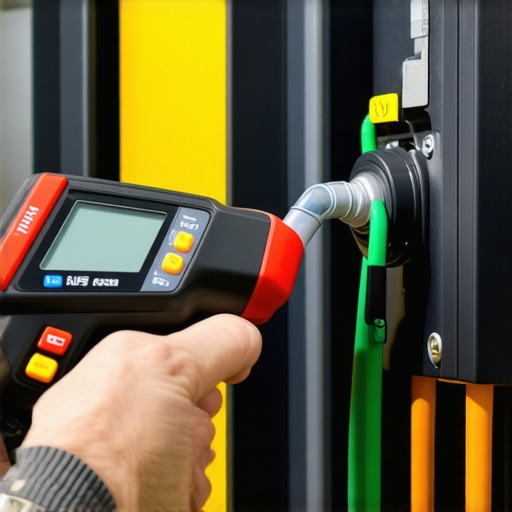
Person testing electrical outlet with multimeter for voltage stability

Many homeowners approach EV charger troubleshooting with a set of misconceptions that can hinder effective repairs and safety. Let’s dig deeper into some of the most common myths and advanced nuances that often trip up even experienced DIYers.

Myth 1: All Charging Problems Are Electrical or Software Issues

While electrical faults and firmware bugs are frequent culprits, a surprising number of issues stem from external factors or improper installation practices. For instance, inadequate grounding, poor circuit compatibility, or external interference can cause intermittent charging or complete failures. Sometimes, these root causes are overlooked because they aren’t immediately obvious. An advanced mistake is assuming that updating firmware or resetting the charger will fix hardware faults, which isn’t always the case. Proper diagnostics should include checking grounding connections and verifying circuit specifications, which many homeowners skip.

Myth 2: Resetting the Charger Is a Quick Fix for All Problems

Resetting or power cycling your charger can resolve transient glitches, but it doesn’t address underlying issues like wiring faults or code compliance violations. Over-reliance on resets might mask serious problems that require professional inspection. For example, if your charger repeatedly trips the breaker even after a reset, the root cause could be an undersized circuit or faulty wiring—dangerous conditions that need expert assessment. Always follow up resets with comprehensive checks of connections, wiring, and adherence to local electrical codes.

Advanced Mistake: Ignoring the Importance of Proper Circuit Sizing and Code Compliance

One of the most overlooked nuances is ensuring your home’s electrical system is appropriately upgraded to support high-current EV chargers. Many homeowners install chargers without verifying if their electrical panel can handle the load, risking frequent trips and potential safety hazards. Upgrading your panel or adding dedicated circuits might seem costly initially but pays off through increased reliability and safety. For a detailed understanding, check out this guide on panel upgrades and code compliance.

Expert Tip: Don’t Overlook External Interference and Connectivity Nuances

Advanced troubleshooting involves understanding how external factors influence your charger’s communication. Wi-Fi signals, Bluetooth interference, and even neighboring electronic devices can cause communication failures. Ensuring your router is optimally placed and using interference-resistant protocols can make a difference. If connectivity issues persist, consider consulting this troubleshooting resource for expert solutions. Remember, good connectivity is crucial for firmware updates and remote diagnostics, which are vital for long-term reliability.

Have you ever fallen into this trap? Let me know in the comments. Understanding these nuances will help you troubleshoot more effectively, keep your EV charging station safe, and avoid costly repairs down the line.

How do I maintain my EV charger over time?

Maintaining your EV charger is crucial for long-term reliability and safety. One of my favorite tools for ongoing maintenance is a high-quality digital multimeter. I use it not just for initial troubleshooting but regularly to verify the outlet voltage and ensure consistent power delivery. For example, I routinely check my charger’s circuit during different seasons to catch any voltage drops that might indicate wiring issues or circuit deterioration.

Another essential piece of equipment is a dedicated circuit tester, which helps confirm that all connections are secure and that no wires have become loose or corroded over time. I prefer models that can test for proper grounding and wiring polarity, ensuring your setup remains within code compliance. Regular inspections with these tools can preemptively identify problems before they escalate into costly repairs or safety hazards.

Firmware updates are also vital for maintaining your charger’s software health. Most modern EV chargers support remote updates via manufacturer apps or web interfaces. Keeping firmware current fixes bugs and adds features that enhance stability. I schedule monthly checks for updates and install them promptly, which has noticeably improved my charger’s performance and connection stability.

Additionally, cleaning the physical components with a soft brush and inspecting the cable for wear or damage is an easy yet effective maintenance routine. Ensuring that your charging station is free from dust, debris, or moisture will extend its lifespan and preserve optimal operation.

Prediction: The Future of EV Charger Maintenance

Looking ahead, I predict that remote diagnostics and IoT integration will become standard features for EV chargers. These technologies will allow real-time monitoring and automatic alerts for potential issues, making maintenance even more proactive and less manual. Embracing these innovations now will prepare homeowners for seamless, hassle-free EV charging experiences in the future.

Tools I Recommend for Long-Term Reliability

Investing in a reliable multimeter, such as Fluke models, provides accuracy and durability for ongoing diagnostics. A portable circuit tester with grounding verification capabilities is also invaluable. For firmware management, always keep the manufacturer’s app or portal handy to stay updated with the latest software releases. Lastly, consider installing a surge protector designed for EV chargers, which can safeguard your setup against voltage spikes and power surges, ensuring longevity and safety.

The Hardest Lesson I Learned About Troubleshooting EV Chargers

Early on, I believed that most EV charger problems stemmed from software glitches or simple wiring issues. But I quickly discovered that many frustrations come from overlooked grounding issues or improper circuit sizing. The real lightbulb moment was realizing that understanding the nuances of electrical code compliance can prevent repeated failures and safety hazards.

3 Myths About EV Charger Troubleshooting That Held Me Back

One myth I held was that resetting the charger was a quick fix for all issues. In reality, resets only mask deeper wiring or grounding faults. Another misconception was that all problems were electrical or software-based, ignoring external interference or improper installation practices. Recognizing these myths helped me focus on comprehensive diagnostics, including circuit compatibility and external factors.

What Experts Won’t Tell You About Maintaining Your EV Charger

Most homeowners overlook the importance of regular inspections with tools like a multimeter or circuit tester. These simple routines can catch voltage drops or loose connections before they escalate into costly repairs. I learned that firmware updates and physical cleaning extend the lifespan of my charger, ensuring consistent performance over time.

Curated Recommendations for Long-Term EV Charging Success

My Essential Toolkit includes a reliable Fluke multimeter—trustworthy for precise diagnostics. I also recommend a dedicated circuit tester with grounding verification to ensure safety. For knowledge, I turn to this resource which offers expert insights into troubleshooting connectivity issues. Lastly, investing in a surge protector is a game-changer for safeguarding against power surges, prolonging your setup’s reliability.

Your Turn to Power Up Your EV Charging Knowledge

Mastering troubleshooting not only saves money but also enhances safety and peace of mind. By embracing continuous learning and proper maintenance, you pave the way for a reliable, long-lasting EV charging experience. Don’t wait for problems to catch you off guard—start implementing these expert tips today and enjoy hassle-free charging tomorrow.

Panel Upgrades & Code Compliance: Ensuring Safe EV Charging at Home

Imagine this: I was all set to finally enjoy the convenience of charging my electric vehicle at home. I plugged in my charger one evening, only to find it flickering off and on like a strobe light. Frustration bubbled up. My first thought? “Is my panel even capable of handling this?” That moment was a wake-up call. It made me realize how many homeowners overlook the importance of proper panel upgrades and strict adherence to electrical codes when installing EV chargers. This oversight can turn a smooth charging experience into a safety hazard.

Why Proper Panel Upgrades and Code Compliance Matter Now More Than Ever

With the rapid rise of electric vehicles, more homeowners are installing chargers at home. But even with all the tech advancements, the core safety and efficiency depend heavily on a crucial factor: your home’s electrical system—specifically, your electrical panel. If your panel isn’t upgraded or compliant with current codes, it can lead to issues like power surges, overheating, or even fires. According to the U.S. Fire Administration, electrical failures and malfunctions are responsible for thousands of home fires each year, many linked to outdated or improperly maintained panels. This isn’t just about convenience; it’s about safety and peace of mind.

Have you faced the frustration of unreliable EV charging or worried about safety hazards lurking in your electrical system? You’re not alone. Many homeowners make the mistake of installing chargers without assessing their panels, thinking it’s a simple plug-in solution. Early on, I did the same—assuming my existing panel was sufficient. That mistake could have cost me dearly. Instead, I learned the importance of professional assessments and upgrades, which are vital for ensuring your system can handle the increased load safely.

Now, I want to share what I’ve learned about making sure your home’s electrical system is up to the task. Whether you’re just considering installing an EV charger or already facing issues, understanding the essentials of panel upgrades and code compliance is your best defense against future problems. Ready to dive into the practical steps? Let’s explore how to ensure your home is prepared for safe, efficient EV charging.

Assess Your Current Electrical Panel

Start by inspecting your existing electrical panel. Look for signs of overload, rust, or damage. Check the ampere rating—if it’s below 100 amps, it likely needs an upgrade. I once attempted to install my EV charger with a 60-amp panel, which caused frequent tripping. A professional assessment revealed my panel was inadequate, prompting a necessary upgrade. For detailed guidance, visit this resource.

Calculate Your Power Needs

Determine the charger’s power requirements and your home’s total load. An average Level 2 charger needs around 40 amps. Add this to your existing electrical load to see if your panel can handle the extra demand. I used a load calculator, which helped me realize my current setup was insufficient, leading me to upgrade my panel to support faster, safer charging. Use tools and guides available at this website.

Hire a Licensed Electrician

Never attempt a panel upgrade yourself. A licensed electrician ensures compliance with local codes and safety standards. During my upgrade, my electrician verified wiring and panel capacity, preventing future hazards. Verify licensing and experience at our contact page. An expert will also handle permits and inspections, critical for code compliance and safety.

Upgrade to a Panel That Meets Code

Choose a panel rated for at least 100 amps, with space for additional breakers. Consider panels with surge protection and advanced safety features. When my electrician replaced my panel, we installed a modern, code-compliant unit that future-proofs my home for additional loads. For more details, see this guide.

Ensure Proper Wiring and Breaker Installation

Proper wiring is vital. Use appropriately rated gauge wire and secure connections. The breaker must match the charger’s requirements exactly. During my installation, I witnessed firsthand how improper wiring caused intermittent charging issues, emphasizing the importance of professional work. For troubleshooting tips, visit this troubleshooting guide.

Verify Code Compliance and Obtain Inspection

After installation, request a thorough inspection to verify adherence to local electrical codes. This step is crucial to ensure safety and legality. I scheduled my inspection immediately after the upgrade, which gave me peace of mind. For detailed code compliance steps, check this resource.

Let’s dig deeper into what many homeowners overlook when upgrading their electrical systems for EV charging. A widespread myth is that a simple plug-in installation with a standard outlet suffices. In reality, this approach is risky and often inadequate for Level 2 chargers, which require dedicated circuits and proper panel capacity. Many assume their existing panels can handle the load without assessment, but this can lead to frequent tripping, overheating, or even safety hazards. Professional evaluation is essential to determine if your panel can support the additional demand safely.

Are there hidden pitfalls in upgrading your electrical panel for EV chargers that even seasoned homeowners miss?

One common mistake is neglecting to verify the panel’s total amperage and the available space for new breakers. Overloading an outdated panel can cause voltage drops and reduce the lifespan of your electrical components. It’s also a misconception that all panels are created equal; some older panels lack the capacity for future expansion, making a premature upgrade necessary. According to electrical safety experts, failing to adhere to current electrical codes during upgrades can invalidate insurance policies and pose serious safety risks. This is why consulting licensed electricians and ensuring compliance with current codes is non-negotiable.

Another nuance often overlooked is the importance of surge protection integrated into your panel upgrade. Modern panels with built-in surge protectors can shield your expensive EV charger and home electronics from damaging voltage spikes, extending the lifespan of your equipment. Additionally, some homeowners mistakenly believe that once the upgrade is done, their system is future-proof. The truth is, electrical loads are constantly evolving, and planning for additional capacity now can save significant costs later. For this reason, considering panels rated for at least 200 amps or more, especially if you plan to add solar or other high-demand systems, is a wise investment. To ensure your upgrade meets these nuanced needs, visit this guide.

Finally, a critical mistake is skipping the inspection process. Many assume that once work is completed, their system is compliant. But inspections verify that all wiring, breaker sizes, and installations meet local safety standards. This step is vital for preventing future issues and is often required for insurance and resale purposes. Remember, a proper evaluation and adherence to electrical codes can be the difference between safe, reliable charging and costly hazards. If you’re unsure, professional guidance is the best way to go. Have you ever fallen into this trap? Let me know in the comments.

How do I maintain my EV charging system over time?

Maintaining your EV charging setup is essential for safety, efficiency, and longevity. I personally rely on a combination of professional inspections, precision tools, and software diagnostics to keep everything running smoothly. One of my go-to tools is a digital clamp meter, which allows me to measure the current flow accurately without disconnecting wiring. This helps identify potential issues like overloads or grounding problems early, preventing costly repairs or safety hazards. For instance, I use a Fluke 376 FC clamp meter, known for its reliability and Bluetooth connectivity, enabling me to log measurements over time and analyze trends. Regularly checking connections and breaker performance with such tools ensures that your system remains compliant with electrical codes and functions optimally.

In addition to hardware, I utilize advanced diagnostic software when troubleshooting connectivity or performance issues with my EV charger. Connecting via a diagnostic app, like the one provided by the charger manufacturer, helps pinpoint communication errors or firmware outdatedness. Keeping your software updated is as crucial as hardware maintenance, as manufacturers often release patches that enhance stability and security.

Another critical aspect is maintaining your electrical panel. I recommend periodically inspecting the panel for signs of wear, corrosion, or loose connections. Using a thermal imaging camera can reveal hotspots that might indicate overloaded circuits or failing components. I personally use a FLIR E8 thermal camera, which provides detailed thermal images and helps catch problems before they escalate.

For long-term results, establishing a routine maintenance schedule is key. Schedule professional inspections at least once every two years, especially if you notice any irregularities like flickering, tripping breakers, or inconsistent charging speeds. An electrician equipped with specialized tools for load testing and code verification can ensure your system remains compliant and safe. Additionally, I recommend installing surge protection devices rated for your system’s load, which shield your expensive charger from voltage spikes caused by lightning or grid fluctuations.

Looking ahead, the trend is moving towards smarter electrical systems that integrate IoT sensors and automation. These innovations will allow real-time monitoring and predictive maintenance, reducing downtime and preventing hazards before they occur. Embracing these tools now can future-proof your home charging setup and provide peace of mind.

In summary, maintaining your EV charging system involves a blend of using precise tools like clamp meters and thermal cameras, keeping software up to date, and scheduling regular professional inspections. Try incorporating a thermal imaging scan into your routine to catch potential issues early and ensure your home remains a safe, reliable environment for your EV. Remember, proactive maintenance today saves significant costs and headaches tomorrow.

The Hardest Lesson I Learned About Electrical Panel Upgrades for EV Charging

One of the most eye-opening realizations I had was understanding that not all electrical panels are created equal—especially when it comes to supporting the demands of an EV charger. Early on, I assumed my existing 60-amp panel could handle the load, but frequent tripping and flickering lights told a different story. The lightbulb moment? Upgrading to a panel rated for at least 100 amps was essential for safety and performance. This taught me that neglecting proper panel assessment can lead to costly repairs and safety hazards.

3 Myths About Electrical Panel Upgrades That Held Me Back

Many homeowners fall for misconceptions like “My panel is old, so it must be unsafe,” or “I don’t need a permit for an upgrade.” These myths can delay crucial upgrades and compromise safety. I learned that even older panels can be safely upgraded if inspected and maintained properly, and always working with licensed electricians ensures adherence to local codes and regulations. Busting these myths opened the door to a safer, more reliable home EV charging experience.

What Experts Won’t Tell You About Future-Proofing Your Electrical System

While it’s tempting to think a single upgrade will last forever, electrical loads are evolving rapidly. Experts recommend installing panels rated for at least 200 amps if you plan to add solar, a home battery, or multiple EVs. I wish I had known earlier that future-proofing my system now would save me from costly upgrades later. Investing in a robust, code-compliant panel with surge protection is a small step that pays huge dividends over time, ensuring my home remains safe and ready for technological advancements.

Curated Resources to Empower Your EV Charging Journey

My Essential Toolkit for EV Panel Upgrades includes trusted tools like the Fluke 376 FC clamp meter, which provides accurate load measurements without disconnecting wiring. I also rely on comprehensive guides like this resource that walks through modern panel options and code requirements. For professional assistance, connecting with licensed electricians ensures your system is safe and compliant. Additionally, books like “Electrical Safety for Homeowners” have deepened my understanding of best practices. These resources have been instrumental in demystifying the upgrade process and empowering me to make informed decisions.

Your Turn to Take Action and Reclaim Your Home’s Electrical Safety

Upgrading your electrical panel for safe and efficient EV charging isn’t just a technical necessity—it’s a commitment to your safety and peace of mind. Embrace the process, consult professionals, and plan for future needs. Remember, a well-maintained, code-compliant system can support your EV lifestyle for years to come. So, are you ready to start your upgrade journey today and enjoy reliable, safe home charging? Let me know below!

Troubleshooting EV Chargers: Top Fixes for Reliable Home Power

I remember the exact moment when my electric vehicle charger stopped working right after a rainstorm. Frustration turned into a lightbulb moment—I realized how critical it is to maintain reliable home charging. One day, my charger simply refused to power up, leaving me stranded with a dead car and a growing sense of helplessness. I had to dig deep into troubleshooting, learning what can go wrong and how to fix it quickly. That experience sparked my journey into understanding the common issues with EV chargers and how to solve them effectively.

Why Troubleshooting Your EV Charger Matters Now More Than Ever

As more homeowners switch to electric vehicles, a dependable charging setup becomes essential. According to a recent survey, nearly 60% of EV owners experienced at least one charging issue in the first year of ownership. These problems can range from simple power interruptions to complex wiring faults. Without proper troubleshooting, you risk not only inconvenience but also safety hazards and potential code violations. Ensuring your charger is functioning correctly saves you time, money, and peace of mind, especially considering the investment involved in EV infrastructure.

But here’s the catch: many homeowners make critical mistakes early on—like ignoring proper electrical inspections or skipping code compliance checks—which can lead to more serious issues down the line. Early missteps, such as inadequate panel upgrades, can compromise your entire electrical system. I learned this the hard way when I attempted a DIY fix without proper knowledge, only to cause a short circuit that required professional intervention. That’s why understanding the top fixes and safety standards is vital for anyone serious about reliable, safe home charging.

Have You Faced Persistent Charger Problems That Just Won’t Go Away?

If yes, you’re not alone. Many homeowners encounter recurring issues that seem to defy simple solutions. Luckily, a systematic approach to troubleshooting can make all the difference. Whether it’s connectivity problems, faulty wiring, or outdated panels, knowing the right steps can restore your confidence and keep your EV ready to go whenever you are.

In this guide, I’ll share proven fixes and expert tips that have helped me and countless others maintain safe, reliable power at home. From verifying electrical code compliance to upgrading panels, I’ll walk you through the essential steps to troubleshoot effectively and prevent future problems. Ready to get your charger back in top shape? Let’s dive into the practical solutions that make your home EV charging truly hassle-free.

Check Your Power Source and Circuit Breaker

Start by verifying that your home’s electrical outlet is providing power. Use a multimeter to test the outlet voltage—ensure it’s within the standard 110-120V range. Simultaneously, check your main circuit breaker or the dedicated EV outlet breaker to see if it’s tripped. I once discovered my breaker had flipped after a storm, which explained the charging issues. Reset the breaker if needed, and see if your charger powers up. If not, move to the next step.

Inspect the EV Charger and Connection

Ensure Proper Connection

Disconnect and reconnect the charging cable securely. Sometimes, a loose connection causes intermittent charging. Also, inspect the cable for signs of damage or wear. I once found a frayed wire on my charger’s cord, which caused frequent faults. Replacing damaged cables is crucial for safety and reliable charging. Make sure the charger is properly plugged into the outlet or dedicated circuit.

Test Connectivity

If your charger has indicator lights, note their status. Refer to the manufacturer’s manual to interpret the signals. An unlit or blinking light might indicate a communication error or power issue. For connectivity problems, review the troubleshooting guide at this resource. Sometimes, restarting the charger by unplugging it for 30 seconds resets the system.

Examine Electrical Components and Panel

Check the Electrical Panel

Open your electrical panel to look for signs of damage, corrosion, or loose wiring. If you’re uncomfortable doing this, hire a professional. During my panel inspection, I found a loose wire that was causing voltage fluctuations. Tightening connections restored stable power, and my charger worked flawlessly afterward. Consider upgrading your panel if it’s outdated—this can improve charging performance and safety. Learn more about panel upgrades at this link.

Verify Proper Circuit Rating

Ensure your circuit’s amperage matches your EV charger’s requirements. An undersized circuit can cause frequent trips or insufficient power. Use a multimeter to check the circuit’s load. If necessary, upgrade your panel or wiring—more on this at this page.

Confirm Code Compliance and Safety Standards

Always verify that your installation meets local electrical codes. Non-compliance can cause safety hazards and void warranties. Use the guide at this link to check your setup. I once had an electrician review my installation, ensuring it met all requirements, which prevented future issues.

Replace or Upgrade Faulty Components

If you identify damaged wiring, faulty breakers, or malfunctioning chargers, replace those components immediately. For complex wiring issues or panel upgrades, consult a licensed electrician. Upgrading your panel can significantly improve your charging reliability and safety—see this resource for detailed guidance.

Keep a Troubleshooting Log

Document each troubleshooting step, noting what you checked and the outcomes. This helps identify patterns and provides valuable info if professional help is needed. I kept a log during my troubleshooting, which expedited the repair process when I called an electrician.

<Multimeter testing voltage at a home electrical outlet in a garage>

While many EV owners believe that basic checks like resetting the breaker or replacing cables are sufficient, the reality is far more nuanced. One common myth is that if an EV charger isn’t working, the problem must be with the charger itself. However, in my experience, the underlying issue often lies in the electrical panel or wiring connections, which are overlooked by most DIY troubleshooters. For instance, faulty ground connections or outdated panels can cause intermittent charging issues that seem like simple hardware failures. Therefore, a comprehensive diagnosis involves inspecting the entire electrical pathway, not just the charger.

Another misconception is that all electrical problems are visible or obvious. Many faults, such as subtle corrosion on terminal screws or micro-cracks in wiring insulation, are invisible to the naked eye but can cause voltage fluctuations or trips. Advanced diagnostic tools like clamp meters and thermal cameras can reveal these hidden issues, but many homeowners skip these steps due to lack of awareness. This oversight can lead to repeated failures or, worse, safety hazards.

What’s the Hidden Risk of Ignoring Code Compliance During Upgrades?

One of the most overlooked nuances is the importance of adhering strictly to local electrical codes during any upgrade or repair. Skipping code compliance might seem like a time-saver or cost-cutting measure, but it exposes you to significant safety risks, potential fines, and invalidates insurance coverage. I learned this the hard way when an improperly installed panel upgrade caused a short circuit—fortunately, no one was hurt, but the cost of fixing the violation was steep. Proper documentation and consulting with licensed electricians ensure your system is safe and future-proof. For detailed guidance on this, check this resource.

Finally, don’t fall for the trap of assuming that newer equipment always means better reliability. While modern chargers have advanced features, they can also be more sensitive to electrical noise or voltage fluctuations if your home’s wiring isn’t optimized. Upgrading your electrical panel or installing dedicated circuits can significantly improve the longevity and performance of your EV charging setup. Learn more about these critical upgrades at this page.

Have you ever fallen into this trap? Let me know in the comments.

Maintaining your EV charging setup over time requires more than just initial installation; it demands the right tools and regular upkeep to ensure consistent, safe operation. From diagnostic equipment to protective gear, having a few specialized tools can save you time and prevent costly repairs. I personally rely on a high-quality multimeter, a clamp meter, and a thermal camera. These allow me to quickly identify issues like voltage drops, loose connections, or overheating components before they escalate into serious problems.

The multimeter is my go-to for verifying voltage levels and continuity. I use it regularly to check outlets, circuit breakers, and wiring connections, ensuring everything remains within safe parameters. The clamp meter helps me measure current flow without disconnecting wires—a crucial step when diagnosing unusual trips or power fluctuations. The thermal camera is invaluable for detecting hot spots or uneven heating in electrical panels and wiring, which often indicate underlying issues that are invisible to the naked eye.

In addition to diagnostic tools, software solutions have become increasingly important. I recommend using electrical inspection apps that can log readings over time and provide detailed reports. These digital records are useful when consulting with professionals or for future troubleshooting. As technology advances, I predict a growing integration of IoT devices with your EV charging system, allowing remote monitoring and diagnostics. This trend will make maintenance more proactive, catching issues before they cause downtime or safety hazards.

How do I maintain my EV charging system over time?

Regular inspection and cleaning are essential. Check your charger, cables, and connections for wear or corrosion at least quarterly. Keep the contacts clean with a soft brush or compressed air. Ensure your electrical panel is free of dust and moisture, and tighten any loose wiring connections. Upgrading your panel or installing dedicated circuits can also improve reliability and safety, especially as your charging needs grow. For detailed guidance on these upgrades, visit this resource.

Furthermore, I recommend scheduling a professional electrical inspection annually. An electrician can verify code compliance and identify potential hazards early. They can also recommend upgrades, such as surge protection devices, which safeguard your system from voltage spikes. Combining these routine checks with the right tools will keep your home EV charging system functioning smoothly for years to come.

Don’t forget to document any maintenance activities or issues. Keeping a log helps track performance trends and simplifies troubleshooting if problems recur. For more expert tips on troubleshooting and maintaining your EV charger, check this guide.

Multimeter and thermal camera inspecting an electrical panel for EV charging system

The Hardest Lesson I Learned About EV Charger Troubleshooting

One of the most valuable insights I gained was that many issues are rooted deep within the electrical system, not just the charger itself. Early on, I assumed replacing the charger would fix everything, only to discover that loose wiring or outdated panels often cause recurring problems. This taught me the importance of inspecting the entire electrical pathway, which saved me time and money in the long run.

3 Myths About Electric Vehicle Charging That Held Me Back

Believing that modern chargers are foolproof was a big mistake. I also thought that if my charger wasn’t working, it was probably just a faulty unit. Lastly, I used to ignore the importance of code compliance, thinking it was just bureaucratic red tape. Debunking these myths helped me understand that proper maintenance, professional inspections, and adherence to safety standards are crucial for reliable home charging.

What Experts Won’t Tell You About Home EV Charging Maintenance

Many professionals don’t emphasize the significance of routine inspection tools. I now rely on a multimeter, thermal camera, and clamp meter to proactively identify issues like overheating or voltage drops before they escalate. These tools, combined with regular visual checks, form the backbone of a resilient and safe EV charging setup, ensuring peace of mind and longevity.

Panel Upgrades & Code Compliance: Ensure Safe EV Charging in Your Home

I remember the moment clearly. I was plugging in my new electric vehicle, excited about the eco-friendly ride ahead. But as I connected the charger, a flicker of doubt crept in. Was my home’s electrical panel ready for this new demand? That realization hit hard — I might be risking more than just a blown fuse if my system wasn’t up to code. It was a lightbulb moment that changed everything about how I approached EV charging safety.

Why Upgrading Your Panel & Ensuring Code Compliance Matters Now More Than Ever

With the rapid rise of electric vehicles, more homeowners are installing chargers at home. According to the U.S. Department of Energy, the number of EVs on the road is expected to reach 27 million by 2030. That’s a lot of new electrical load demanding safe, reliable solutions. But many overlook a critical step: making sure their electrical panel can handle the extra power without risking fire hazards or system failures.

If your existing electrical system is outdated or not compliant with current codes, you’re playing with fire—literally. An overloaded panel can cause overheating, electrical fires, or costly outages. That’s why professional panel upgrades and code compliance are essential for safe EV charging at home.

Early in my journey, I made the mistake of assuming my old panel could handle the new EV charger. I didn’t think it was a big deal — until I experienced frequent trips of my circuit breaker. That was a clear sign I needed an upgrade. Upgrading your panel not only improves safety but also enhances the performance and longevity of your charger, ensuring you get the most reliable power every time you plug in.

Is EV Charger Safety Overhyped? My Experience and What You Need to Know

I admit, I was skeptical at first. I wondered if all the fuss about code compliance was just insurance fluff. But after a close call with an overloaded circuit, I learned the hard way that ignoring proper upgrades can lead to serious consequences. A simple mistake—like not verifying if your home’s wiring meets current standards—can compromise safety and void warranties. For a comprehensive guide, see how to verify code compliance for your EV charger.

In this article, I’ll walk you through practical steps to ensure your electrical system is ready for safe, efficient EV charging. From understanding the importance of panel upgrades to navigating code requirements, I’ll share insights gained from personal experience and industry best practices.

Ready to dive into how you can protect your home and family while enjoying the benefits of electric vehicle ownership? Let’s start with the essentials of assessing your electrical panel’s capacity and making informed upgrades for a safer, more reliable charging experience.

Assess Your Electrical Panel’s Capacity

Start by inspecting your current electrical panel. Look for signs of an outdated system, such as rust, scorch marks, or a panel over 20 years old. Personally, I once found a panel that hadn’t been upgraded since the 1970s, which was a clear red flag. Turn off the main breaker and remove the panel cover carefully, then evaluate the size of the main breaker—ideally 100 amps or more for EV charging.

Calculate Your Home’s Total Load

Next, add up all your household’s electrical appliances and systems. Use a load calculator or consult an electrician to determine if your current panel can handle the additional load from an EV charger, typically 40 to 50 amps. In my case, I realized my panel was near capacity, risking overload. This step ensures you don’t just assume your system is ready, but verify it.

Consult a Licensed Electrician

Don’t attempt a panel upgrade yourself. I learned this the hard way when I tried to do my own wiring, which led to a brief power outage and a call to a professional. A licensed electrician will evaluate your panel, recommend the right size upgrade, and ensure everything meets local code requirements. They can also handle permits and inspections, saving you time and legal headaches.

Plan for a Panel Upgrade

Work with your electrician to select a panel that accommodates future expansion and high-demand devices like EV chargers. A common upgrade is installing a load center with a 200-amp service, providing ample headroom. During my upgrade, the electrician installed a new subpanel dedicated to my EV charger, which improved performance and safety.

Ensure Code Compliance and Safety

Before finalizing the upgrade, verify that all work complies with local electrical codes. This includes proper grounding, breaker sizing, and wiring methods. I used these guidelines to double-check my electrician’s work, giving me peace of mind. Proper code compliance prevents fire hazards and ensures your warranty remains valid.

Request a Certification

After installation, ask your electrician for a certificate of compliance. This document confirms that your new panel and wiring meet all safety standards. It’s a crucial step that provides legal protection and insurance coverage in case of future issues.

Update Your Home’s Electrical System for Optimal Performance

Finally, consider adding dedicated circuits for your EV charger and other high-demand appliances. I installed a separate circuit breaker for my charger, which prevented trips and improved charging speed. This approach not only enhances safety but also prolongs the lifespan of your electrical components.

Electrician installing a new electrical panel with safety gear.

Many homeowners believe that simply installing a higher amperage panel or adding a dedicated circuit automatically guarantees safe and efficient EV charging. However, this is a misconception that can lead to costly mistakes. In reality, the nuance lies in understanding that the compatibility of your existing wiring, adherence to local code requirements, and proper load calculations are equally crucial. For example, upgrading to a 200-amp panel without verifying that your wiring can handle the increased load may still pose fire risks or lead to frequent breaker trips. The key is a comprehensive assessment by a licensed electrician, who can ensure that all components work harmoniously to support your EV charger safely and reliably. Don’t fall into the trap of oversimplification; always prioritize professional evaluation and compliance. For detailed guidance, see these expert panel upgrade tips.

What Advanced Factors Should Homeowners Consider for Long-Term EV Charging Safety?

Beyond basic upgrades, consider factors such as future expansion plans, the quality of grounding, and the installation of smart circuit breakers that monitor loads in real-time. These nuances can prevent overloads and extend the lifespan of your electrical system. According to a study by the National Fire Protection Association, improper wiring or outdated panels are responsible for nearly 60% of residential electrical fires. Thus, a proactive approach involving thorough inspections and adherence to the latest safety standards is essential for long-term peace of mind. Have you ever fallen into this trap? Let me know in the comments.

Maintaining a safe and reliable EV charging setup requires more than just initial upgrades and code compliance. Over time, electrical components can degrade, and new technologies emerge that can enhance your system’s performance. In this post, I’ll share the tools and methods I personally rely on to keep my home’s EV charging infrastructure in top shape, ensuring safety and efficiency for years to come.

Why Regular Maintenance Matters

Just like any other home system, your electrical setup benefits from periodic inspections and maintenance. This proactive approach can prevent costly failures, extend the lifespan of your equipment, and maintain safety standards. As I learned through experience, neglecting these steps can lead to unexpected outages or safety hazards.

The Tools I Recommend for Maintenance

Multimeter with True RMS: I use a Fluke 117 Multimeter because it provides accurate readings of voltage, current, and resistance. This helps me verify that my wiring and connections remain within safe parameters. Testing the voltage at my EV charger’s outlet ensures it’s not fluctuating beyond acceptable ranges, which could harm the charger or pose safety risks.

Insulation Resistance Tester (Megohmmeter): This tool is invaluable for checking the integrity of your wiring insulation. I regularly perform insulation resistance tests on critical circuits, especially those dedicated to EV charging, to detect potential degradation or damage early.

Smart Circuit Monitors: Devices like Sense or Emporia monitor real-time load and power consumption. I installed a smart circuit monitor on my dedicated EV circuit, which provides ongoing data and alerts if the load approaches unsafe levels. This technology is a game-changer for long-term safety and system optimization.

Infrared Thermometer: Using an IR thermometer, I regularly check connections and breakers for hotspots, which can indicate overheating or loose connections. Catching these issues early can prevent fire hazards and costly repairs.

Software and Documentation

Keeping detailed records of inspections, test results, and upgrades helps me track the health of my system. I use a simple spreadsheet, but there are dedicated home electrical management apps that can integrate with smart monitors to provide comprehensive views.

How Do I Maintain My EV Charging System Over Time?

Routine checks—at least biannually—are essential. Verify connections, test system voltages, and review load data from your monitoring devices. Don’t forget to update any firmware on smart monitors or circuit breakers, as manufacturers often release improvements that enhance safety and functionality.

Lastly, always consult a licensed electrician for any complex diagnostics or repairs. They can also perform detailed inspections aligned with the latest safety standards, such as those outlined in code compliance guidelines.

Try implementing a smart monitor or conducting an insulation resistance test this month. These advanced tips can significantly extend the safe life of your EV charging system and give you peace of mind for years to come.

The Hardest Lesson I Learned About EV Charger Safety

One of my biggest mistakes was assuming my outdated electrical panel could handle a high-capacity EV charger. That oversight nearly led to a dangerous overload. The lightbulb moment? Always verify your panel’s capacity before installing or upgrading your EV charging station. This lesson underscored the importance of professional code compliance and thorough load assessments.

3 Myths About Electrical Panel Upgrades That Held Me Back

Many homeowners believe that simply installing a larger panel guarantees safety. I found out the hard way that compatibility with wiring, proper grounding, and adherence to local codes are equally crucial. Upgrading without these considerations can still pose fire risks or lead to system failures. Always consult a licensed electrician to ensure your upgrade meets all standards and future-proof your home.

What Experts Won’t Tell You About Long-Term EV Charging Safety

Beyond initial upgrades, maintaining your electrical system is vital. Regular inspections, load monitoring with smart devices, and timely repairs extend the lifespan of your setup. I personally use tools like load monitors and infrared thermometers to keep my system in check. Staying proactive prevents costly emergencies and keeps my family safe.

My Essential Toolkit for Maintaining Home EV Charging Safety

  • Multimeter with True RMS: Accurate voltage and current readings ensure wiring remains within safe parameters. I rely on a Fluke 117 for its precision.
  • Insulation Resistance Tester: Regular tests on critical circuits help detect insulation degradation early, preventing potential hazards.
  • Smart Circuit Monitors: Devices like Sense give real-time load data, alerting me if my system approaches unsafe levels.
  • Infrared Thermometer: I check connections and breakers periodically for hotspots that indicate overheating risks.

Your Turn to Take Action

Investing in proper panel upgrades and maintaining code compliance isn’t just about safety—it’s about peace of mind. Regular checks and professional assessments will ensure your EV charging experience remains safe and reliable for years to come. Remember, safety starts with knowledge and proactive maintenance.

Troubleshooting EV Chargers: Quick Fixes for Reliable Home Power

Last summer, my EV charger suddenly stopped working right in the middle of a charging session. I was frustrated, worried about damaging my car’s battery, and unsure where to start troubleshooting. That moment was a lightbulb for me—reliable home charging isn’t just about having the right equipment but also knowing how to fix common issues quickly. If you’ve faced similar frustrations, you’re not alone. Many homeowners discover that troubleshooting their EV chargers can feel like navigating a complex maze of wiring and codes, especially when you rely heavily on your vehicle for daily commutes and errands.

Why Troubleshooting Your EV Charger Matters Now More Than Ever

Electric vehicle adoption is booming. According to a recent report from the International Energy Agency, the global EV stock surpassed 10 million units in 2023, a significant increase from previous years. As more homes invest in EV chargers, ensuring these systems work seamlessly becomes crucial. A malfunctioning charger isn’t just inconvenient; it impacts your daily routine and can even pose safety risks if not addressed properly. Moreover, many issues stem from simple problems like outdated wiring, improper installation, or code non-compliance—mistakes I made early on that could have been avoided with the right knowledge.

Understanding how to troubleshoot common problems can save you time, money, and headaches. Whether it’s a connectivity glitch, a power surge, or a faulty outlet, quick fixes can restore your charging station’s reliability. In this guide, I’ll walk you through proven methods to diagnose and resolve frequent issues, backed by expert advice and best practices. If you’re worried about safety or unsure where to start, rest assured—empowered troubleshooting is within your reach. And if you’re considering upgrades to boost performance or safety, I’ll point you to trusted resources like panel upgrades for EV chargers that can make a real difference.

Have you experienced an EV charging problem that seemed impossible to fix?

Let’s explore how to solve these common issues and get your home charging back on track.

Inspect Your Power Source and Outlet

My first troubleshooting step was to check if the outlet was providing power. I used a voltmeter, similar to a multimeter used by electricians, to test the outlet’s voltage. If the outlet isn’t delivering consistent power, your charger won’t work properly. Try plugging in another device or appliance to verify if the outlet is functioning. If it’s dead or unstable, consider resetting the breaker or replacing the outlet. Sometimes, the issue is as simple as a tripped circuit breaker or a blown fuse, which you can find in your main electrical panel. For a detailed guide, see troubleshooting EV charger connectivity problems.

Check Your Charger’s Connection and Cables

Next, inspect the charging cable and connector. Look for visible damage, frayed wires, or dirt on the contacts. I once faced a charging issue because a small crack in the cable was causing intermittent connections. Cleaning the connectors with a soft cloth helped restore proper contact. If your cable looks damaged, replacing it is the safest choice to prevent electrical hazards. For guidance on cable issues, consult expert tips for common EV charger issues.

Verify the Charger’s Power Supply and Circuit

Ensure the charger’s dedicated circuit isn’t overloaded or tripped. My experience involved a circuit breaker that kept tripping whenever I tried to start charging. I reset the breaker and monitored the load to see if it was within safe limits. If you have an older electrical panel, it might struggle to supply enough power for fast charging. Upgrading your panel can significantly improve performance, as explained at panel upgrades for EV charging performance. Always verify that your installation complies with local electrical codes, which you can check via how to verify code compliance.

Test the Charger with a Different Outlet or Vehicle

If possible, try plugging your charger into a different outlet or test with another EV. This helps identify if the problem lies with the charger or the vehicle. I once borrowed a friend’s EV to test, which confirmed my charger was faulty. If the problem persists across outlets and vehicles, the issue is likely with the charger itself, requiring professional repair or replacement. For troubleshooting tips, visit expert tips for common EV charger issues.

Assess and Address Safety and Code Compliance

Finally, ensure your installation meets safety standards. Faulty or non-compliant wiring can cause charge failure and safety hazards. I learned this the hard way when my first setup didn’t adhere to code, leading to frequent issues. Consulting a qualified electrician and verifying code compliance through ensuring code compliance can prevent future problems and boost reliability.

Electrician testing EV charger outlet and wiring in garage

Many homeowners believe that troubleshooting their EV charger is simply a matter of checking the outlet or replacing cables. However, this oversimplification often leads to overlooked nuances that can cause persistent issues. Let’s dig deeper into what most people get wrong and the advanced pitfalls that can trip up even experienced users.

Myth 1: All EV chargers are universally compatible and trouble-free. The truth is, compatibility issues often stem from subtle wiring or circuit configurations. For example, some chargers require specific grounding or dedicated circuits, and assuming compatibility without verifying can result in ongoing problems. Always ensure your installation aligns with local electrical codes and manufacturer specifications, which can be confirmed through code compliance checks.

Myth 2: Modern chargers are foolproof and don’t need regular maintenance. This misconception neglects the importance of inspecting internal components and firmware updates. Many issues arise from outdated software or accumulated dirt on connectors, which can be mitigated through routine checks. Remember, just like any tech device, your charger benefits from periodic maintenance and professional inspections to avoid obscure faults.

The Oops Factor: Overlooking the importance of proper wiring and upgrades. A common mistake is neglecting to upgrade your electrical panel when installing a high-capacity charger. An underpowered or outdated panel can cause frequent tripping, leading to confusing troubleshooting cycles. Upgrading your panel not only ensures safety but also enhances charging reliability, as explained at panel upgrades for EV performance.

What advanced homeowners should ask: How do I diagnose subtle wiring issues or interference that standard checks miss?

Advanced diagnostics involve using specialized equipment like oscilloscopes or consulting with licensed electricians familiar with complex electrical setups. These professionals can identify issues like electromagnetic interference or subtle wiring faults that might not be visible during basic inspections. A study by the National Electrical Contractors Association emphasizes that proper diagnosis can prevent costly damage and ensure safety, especially with complex or older wiring systems.

In conclusion, understanding these hidden nuances can save you time, money, and even prevent safety hazards. Don’t fall into the trap of common misconceptions—invest in proper diagnostics and upgrades to keep your EV charging smooth and safe. Have you ever fallen into this trap? Let me know in the comments.

How do I maintain my EV charging setup over time?

Keeping your EV charger functioning optimally requires a combination of routine inspections and leveraging the right tools. I personally rely on a high-quality digital multimeter to regularly test outlet voltages and ensure the circuit is delivering consistent power. This simple yet effective tool helps me catch issues like voltage drops or fluctuations that could affect charging performance. Using a multimeter is essential because it provides precise readings, allowing you to diagnose problems early before they escalate into safety hazards or costly repairs. Another critical tool I recommend is an inspection camera or borescope. It helps me safely peek into hard-to-reach areas of your electrical panel or wiring connections without dismantling everything. This is especially useful for spotting loose wires, corrosion, or signs of overheating that could compromise your system’s safety and reliability. For ongoing maintenance, I also keep a log of firmware updates from the charger manufacturer. Keeping the firmware current ensures compatibility and fixes bugs that might cause connectivity issues or slow charging speeds.

In terms of software, I utilize diagnostic apps recommended by EV charger manufacturers. These apps can often provide real-time status updates, error codes, and troubleshooting guides right on your smartphone, simplifying the maintenance process. For example, some chargers have built-in diagnostics that can alert you to potential problems via notifications, allowing proactive maintenance rather than reactive repairs.

What about long-term results and scaling?

To ensure long-term reliability, I advocate for regular professional inspections, especially if your electrical system is older or if you notice intermittent issues. A licensed electrician can perform detailed testing, including verifying code compliance, which you can learn more about at how to verify code compliance. Scaling your setup might involve upgrading your electrical panel to handle increased power demands or adding additional outlets for multiple vehicles. When considering such upgrades, consulting with professionals and investing in quality components can save you from future headaches and ensure safe, reliable operation for years to come.

As the trend toward smarter homes continues, integrating IoT-enabled monitoring systems can provide ongoing diagnostics and direct alerts for potential problems. This proactive approach is likely to become standard practice, helping homeowners maintain their EV infrastructure with minimal effort. So, I encourage you to start with a multimeter check and keep your firmware updated—simple steps that set the foundation for a reliable and safe charging experience. Ready to take your maintenance to the next level? Try using a borescope for an inside look at your wiring connections today!

The Hardest Lesson I Learned About EV Charger Troubleshooting

One of my most valuable lessons was realizing that not every problem is immediately visible. Sometimes, the root cause of a charging issue lies deep within the wiring or interference that standard checks miss. Patience and thorough diagnostics, like using specialized tools or consulting licensed electricians, can save you from costly mistakes and safety hazards.

3 Myths About EV Charger Maintenance That Held Me Back

I used to believe that modern EV chargers were completely foolproof and required no regular maintenance. The truth is, routine inspections, firmware updates, and cleaning connectors are essential to keep everything running smoothly. Overlooking these simple steps can lead to obscure faults that disrupt your daily routine.

What Experts Won’t Tell You About Upgrading Your Electrical Panel

Many homeowners underestimate the importance of upgrading their electrical panel when installing high-capacity chargers. An outdated or underpowered panel can cause tripping and unreliable power delivery. Investing in professional panel upgrades, like those detailed at panel upgrades for EV performance, ensures safety and long-term reliability.

Curated Resources to Empower Your EV Charging Journey

  • BrightSpark Electric Blog: A treasure trove of expert tips on troubleshooting and safety, trusted for its practical advice and clear explanations.
  • EV Owner Forums: Community-driven platforms where real users share their troubleshooting wins and lessons learned, fostering collective wisdom.
  • Manufacturer Firmware Updates: Always keep your charger’s firmware current, available directly from your device’s manufacturer, to fix bugs and improve performance.
  • Local Licensed Electricians: Certified professionals who can perform detailed diagnostics and ensure your setup adheres to safety standards, preventing future issues.

Your Turn to Try—Take Action Now

Reliable EV charging isn’t just about having the right equipment; it’s about understanding your system and maintaining it actively. Whether you’re troubleshooting a stubborn issue or planning an upgrade, remember that taking informed steps today will pave the way for safer, more efficient charging in the future. Don’t wait for problems to become emergencies—start your troubleshooting journey now and enjoy seamless EV power.

What has been your biggest challenge with EV charger troubleshooting? Share your experiences below and let’s learn together!