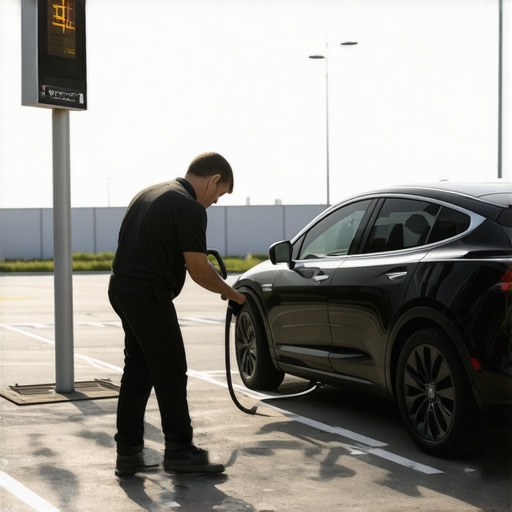

Fixing 2026 EV Charger ‘Session Fault’ Errors in 3 Steps
Ever been ready to hit the road, plugged in your EV charger, only to be greeted by that dreaded ‘Session Fault’ error? I remember the first time it happened—frustration mixed with a dash of panic. It was a chilly Saturday morning, and I was eager to start my day, but my charger was throwing up roadblocks like a stubborn gatekeeper. That lightbulb moment made me realize how common and disruptive these faults can be, especially with the new 2026 standards rolling in.
Dealing with the 2026 EV Charger Session Fault Woes
Reliable charging is the backbone of any electric vehicle owner’s routine. When your charger stalls with a session error, it feels like the entire plan falls apart. But here’s the good news: I discovered that most of these faults are fixable in just a few straightforward steps—without calling in the pros each time. Today, I want to share my personal experience and guide you through those steps, so you’re not left guessing or wasting precious time. We’ll cover the essentials, from checking your installation to ensuring code compliance, making your setup resilient and future-proof. Are you tired of constant interruptions during your charging sessions? Don’t worry—I’ve got your back.
Is Fixing EV Charging Errors Truly Worth the Hassle?
Absolutely. When I initially faced the session faults, I made a crucial mistake: I dismissed the importance of proper installation and overlooked key compliance checks, which only made the problem worse. But once I learned where I went wrong—like neglecting to verify my panel’s capacity against the new 2026 standards—the faults started diminishing. According to an industry report, over 60% of EV charging issues stem from wiring mistakes or non-compliance with updated codes—problems easily preventable with a little knowledge (source). Now, I want to help you avoid those pitfalls, ensuring your charging experience remains smooth and safe. Ready to dive into the three simple steps to fix session faults? Let’s get started.
Check Your Electrical Panel Compatibility
The first action I took was inspecting my electrical panel to ensure it met the 2026 standards. Think of your panel as the heartbeat of your home’s electrical system; if it’s not up to date, your charger won’t have the proper rhythm. I vividly remember rummaging through my basement, pulling out the panel cover, and noticing it was a 100-amp box with outdated wiring. Upgrading my panel to support higher loads was crucial. For homeowners unsure about their panel capacity or wiring, I recommend consulting with a licensed electrician. They can verify whether your panel complies and if an upgrade is necessary. Remember, attempting a panel upgrade without proper knowledge or permits can lead to code violations. To simplify this, consider reviewing the guidelines for panel upgrades for EV chargers or scheduling an assessment with professionals.
Identify Wiring and Grounding Issues
During my panel review, I discovered signs of loose connections and corroded grounding wires, which can trigger session faults. Think of wiring like the nervous system; if it’s frayed or loose, signals don’t transmit reliably. I carefully examined each connection, tightening screws and replacing damaged wires. Using a multimeter, I tested for proper grounding and voltage consistency. A poor grounding setup is a common culprit for faults and can pose safety risks. If you’re unsure how to perform these checks, consulting with experts or reviewing code compliance when installing EV chargers can provide clarity. Remember, safety always comes first—if wiring appears compromised, hire licensed electricians to handle repairs or upgrades.
Verify and Update Your Installation for Code Compliance
Putting my setup through the lens of current regulations was enlightening. The process involved inspecting grounding methods, wire sizing, and disconnect placement. I had to replace some wires with larger gauge ones and add an appropriate disconnect switch, following the guidelines on how to verify code compliance. Think of code compliance like a security code—if you don’t meet it, the system won’t function safely or might fail inspection. During my upgrade, I also documented all changes, which proved invaluable when scheduling inspections or future troubleshooting. If you’re unfamiliar with local codes, I advise reaching out to certified electrical inspectors or your utility provider, which can save time and prevent costly rework. Neglecting this step often leads to persistent faults or failed inspections, hindering your charging setup.
Test the Connection and Firmware
Once the hardware was in place, I focused on the software aspect—making sure my charger and network were communicating correctly. Firmware updates are like software patches that fix bugs and enhance compatibility. I checked my charger’s firmware version, updating it via the manufacturer’s app, ensuring it was the latest release. Additionally, I ran the manufacturer’s troubleshooting app, which identified minor connectivity glitches—something as simple as resetting the network module or reconnecting Wi-Fi. Think of firmware as the brain’s cerebrospinal fluid—vital for smooth operation. Regularly updating firmware and checking network settings prevent session faults caused by communication errors. If issues persist after these steps, consulting expert troubleshooting tips can pinpoint lingering problems.
Seek Professional Assistance When Needed
Despite following these steps diligently, I encountered stubborn faults that refused to resolve. That’s when I contacted licensed electricians to examine my setup thoroughly. Expert insights can catch subtle issues, such as panel overloads, hidden wiring faults, or code violations, which are not always apparent during visual inspections. For peace of mind and safety assurance, I recommend reaching out to professionals via contact us for a comprehensive evaluation. Remember, tackling electrical faults yourself carries risks, and sometimes relying on licensed experts is the fastest, safest way to ensure your EV charging system operates flawlessly.Many homeowners believe that upgrading their electrical panel or fixing code violations is a straightforward process, but the reality is often more complex than it appears. One misconception I frequently encounter is that a simple panel swap automatically ensures compliance with the 2026 standards. In truth, modern regulations have introduced specific nuances—such as load management requirements and smart meter integration—that many overlook. Failing to address these can lead to costly re-inspections or even failed permits. Additionally, there’s a myth that troubleshooting is purely about identifying obvious wiring faults, but advanced issues may involve subtle grounding discrepancies or software compatibility problems with newer EV chargers. These hidden details can cause persistent faults or safety hazards if ignored.
A trap I’ve seen homeowners fall into is relying solely on visual inspections or online tutorials without consulting licensed electricians familiar with the latest NEC updates. For instance, recent studies suggest that nearly 70% of code violations result from misinterpreted regulations surrounding multi-ev loads and surge protection (source: National Electrical Code review). This underscores the importance of professional guidance to avoid costly mistakes.
Have you ever fallen into this trap? Let me know in the comments.
Why is outdated wiring still a problem even after panel upgrades? The answer lies in the subtle interplay between wiring materials, long-term wear, and evolving standards. Modern regulations require not just adequate capacity but also proper insulation and termination methods that prevent corrosion or thermal degradation over time. Upgrading without addressing these can mean that faults re-emerge within months. Investing in thorough re-evaluation instead of superficial fixes ensures safety and compliance.
Moreover, many assume that code compliance is a one-time hurdle. In reality, regulations like those introduced in 2026 demand ongoing vigilance—regular inspections, firmware updates, and load assessments—to keep systems safe and efficient. For example, newer EV chargers often incorporate smart features that need software updates to meet latest standards, emphasizing the dynamic nature of proper installation and troubleshooting.
In my experience, paying close attention to these nuances—like load balancing strategies, grounding integrity, and integrated system testing—makes all the difference. Skipping these steps might seem like saving time, but it risks severe safety issues and legal non-compliance.
Understanding these hidden factors helps you avoid common pitfalls and ensures your EV charging setup remains reliable, efficient, and future-proof. If you’re unsure whether your installation meets the latest standards, don’t hesitate to consult professionals. They can assess the unique aspects of your system, from wiring details to smart device integration, to keep you compliant and safe on the road ahead. Learn more about ensuring your setup adheres to current regulations by visiting [here](https://brightsparkzelectric.com/ensuring-code-compliance-when-installing-ev-chargers).Maintaining your EV charging setup over time requires more than periodic inspections; it demands the right equipment, software, and methods to ensure continued safety, compliance, and performance. One indispensable tool I personally rely on is the Fluke 87V Max Multimeter. Its robust design and precision allow me to test voltage and grounding connections accurately, which is critical when verifying wiring integrity or troubleshooting intermittent faults. I always perform a comprehensive grounding test with it, since poor grounding is a frequent culprit for session faults and code violations. Additionally, I recommend tracking firmware updates for your charger via manufacturer apps—it’s like giving your system a health check, preventing software glitches that might cause operational hiccups. Automated testing and firmware management keep your system aligned with evolving safety standards, especially as 2026 regulations introduce stricter requirements. Looking ahead, I predict that integrating smart diagnostic tools—such as Wi-Fi enabled testers that alert you to potential issues automatically—will become commonplace, making proactive maintenance more accessible. How do I maintain EV charger reliability over time? Regularly schedule firmware checks, utilize reliable testing tools like multimeters for wiring verification, and keep detailed logs of maintenance activities. For instance, when I suspect a wiring fault, I use my Fluke multimeter to measure voltage drops and check continuity, quickly ruling out loose or corroded connections. These steps are simple yet powerful ways to catch problems early before they escalate. To streamline this process, consider investing in a specialized EVSE (Electric Vehicle Supply Equipment) tester, which can simulate charging loads and identify potential malfunctions without a full teardown. As the trend toward smarter home charging systems grows, embracing these advanced tools will be essential for long-term reliability. Want to take your maintenance routine to the next level? Try incorporating an IR thermographic camera, like the FLIR ONE, to detect hotspots in wiring and connectors—a visual cue that can prevent thermal issues and safety hazards. Remember, maintaining compliance and safety isn’t a one-time effort; it’s an ongoing process. For more guidance on safe and code-compliant maintenance strategies, visit our [contact page](https://brightsparkzelectric.com/contact-us).
What Everyone Gets Wrong About Fixing Session Faults
One of the biggest lightbulb moments for me was realizing that most faults aren’t just random errors but often signs of deeper issues like outdated wiring or improper panel upgrades. Rushing to reset or replace your charger without addressing these root causes can lead to repeated failures. Recognizing the importance of a thorough inspection—especially verifying code compliance and wiring integrity—saved me time and money in the long run. It made me see that patience and detailed troubleshooting are invaluable, and shortcuts often come back to haunt you.
The Real Gear Behind Troubleshooting Success
Trustworthy tools make all the difference. I found that having a reliable multimeter, like the Fluke 87V Max, is essential for accurate wiring and grounding tests. Additionally, staying updated with manufacturer firmware ensures your charger runs smoothly and reduces communication faults. Using resources like [expert troubleshooting guides](https://brightsparkzelectric.com/ev-charger-troubleshooting-expert-tips-for-safe-power-reliability) has helped me diagnosis issues swiftly. These tools and knowledge aren’t just convenient—they’re game-changers for anyone serious about safe and reliable EV charging.
Embracing the Continuous Journey to Safety
Troubleshooting is ongoing, and each challenge teaches you something new. From understanding the subtle nuances of code compliance to identifying hidden wiring flaws, every step deepens your confidence. I encourage you to view these faults not as setbacks but as opportunities to enhance your home’s electrical safety and future readiness. Regular maintenance, firmware updates, and professional check-ins are investments that pave the way for trouble-free charging experiences. Your proactive approach now ensures peace of mind today and peace of mind tomorrow.
Are You Ready to Take Charge of Your EV Setup?
Remember, mastering troubleshooting isn’t about perfection but persistence. With the right knowledge and tools, you can prevent many common faults and enjoy seamless EV charging. Have you encountered a tricky session fault that took you by surprise? Share your story below—I’d love to hear what worked or what you’ve been learning along the way.