
Failed Your EV Inspection? 3 Common 2026 Code Errors to Avoid
I vividly remember the sinking feeling in my gut the first time my EV charger didn’t pass inspection. Everything seemed meticulously installed, yet the inspector pointed out a code violation that I had overlooked — and which could have cost me hundreds, or even thousands, if I hadn’t caught it in time. That moment was a lightbulb, a stark reminder that EV installations are more complex than just plugging in and going. It’s the details—the code mistakes—that can make or break your ability to charge safely and legally.
Why Avoiding These Code Pitfalls Could Save You Big
In the fast-evolving world of electric vehicle charging, staying ahead of the latest code requirements isn’t just about compliance; it’s about safety, reliability, and peace of mind. The 2026 NEC updates (National Electrical Code) introduce new rules that many homeowners and even some electricians might underestimate or misunderstand—leading to failed inspections and costly rework. From improper panel upgrades to wiring errors, these mistakes are more common than you think. In fact, a recent report highlighted that over 30% of EV-related electrical inspections fail due to simple, avoidable errors (source).
Are You Making These Inspections Trip Wires?
Early in my own journey, I made a critical mistake—assuming that a standard panel upgrade was enough. Turns out, the newer rules demand a more thorough approach, including verifying code compliance during installation. That real-world misstep cost me a delayed project and a lesson worth sharing. If you’re feeling overwhelmed or anxious about what you might have missed, don’t worry. Today, we’re going to explore the top three code errors that trip up most installations—and how you can confidently avoid them.
So, if you’re wondering whether your setup can survive the upcoming 2026 inspections, stick around. We’ll arm you with practical tips, and point you to expert resources like ensuring code compliance, that take the guesswork out of this process. It’s time to face these hurdles head-on, so your EV charging experience is safe, reliable, and completely up to code. Ready to dive in? Let’s get started with the most common and costly mistakes to avoid.
Start with a Comprehensive Panel Inspection
Before diving into the installation, conduct a thorough assessment of your electrical panel. Verify that your panel meets the 2026 NEC requirements, especially if you’re upgrading for V2H or multi-vehicle charging. Remove the panel cover with a insulated tool, inspect the existing breakers for signs of wear, and check the wire gauges to ensure they match the new load demands. Remember, a panel not built to handle increased load can cause tripping or code violations. I once skipped this step and faced multiple trips during testing—costing me hours of troubleshooting and rework.
Implement a Correct Panel Upgrade Strategy
Match the Load Needs Precisely
Estimate your total electrical demand, considering future EV charger capacity. Use load calculation methods outlined in this detailed guide to determine if your existing panel suffices or requires an upgrade. I learned this the hard way when my 100-amp panel tripped under simultaneous chargers, but a proper calculation revealed I needed a 200-amp panel—not just a bigger breaker. Investing in the correct panel size prevents future issues and ensures compliance.
Select the Right Breakers and Wiring
Choose breakers rated for your charger and load, ensuring they are compatible with your panel. Use #6 AWG copper wiring for circuits over 50 amps, as specified in this resource. Proper wiring length and secure connections prevent overheating and code violations. I found that loose terminals caused minor melting initially, but tightening them avoided costly repairs later.
Ensure Code Compliance During Installation
Follow the latest NEC 2026 updates precisely. Use this checklist to verify each step of your installation. It covers GFCI protection, proper grounding, and wiring methods. During my project, cross-checking these points avoided failing the final inspection and saved me from redoing parts of the wiring.
Use Expert Troubleshooting Techniques
If issues arise post-installation, approach them systematically. Check voltage levels at the charger, inspect wiring connections, and verify breaker functionality. For complex problems like communication errors or intermittent charging, consult this troubleshooting guide. In one instance, I traced a connector fault that caused power loss, saving hours of frustration.
Test Rigorously Before Final Approval
Conduct multiple test charges, monitor circuit stability, and check for overheating. Use a clamp meter to verify that currents stay within rated limits. Document findings with photos and notes—this helps during inspections or if code officials request proof. My detailed testing uncovered a neutral connection issue that could have caused future failures, so I corrected it proactively.
Many homeowners assume that upgrading their electrical panel or installing an EV charger is a straightforward process, but there are subtle pitfalls that even seasoned electricians often overlook. Contrary to popular belief, it’s not just about swapping out breakers or plugging in a charger; nuanced details can make the difference between a pass or fail during inspection—and potentially avert dangerous wiring errors. In my experience, one of the most common misconceptions is that a simple panel upgrade automatically ensures compliance with the latest 2026 NEC codes. However, codes evolve rapidly, and without meticulous adherence to new load calculations and wiring standards, your installation may be legally compliant on paper but technically risky. For instance, recent studies, such as those outlined by electrical safety experts, reveal that up to 25% of panel upgrades performed without comprehensive code verification face violations during inspections, leading to costly rework or unsafe setups.
What Are the Overlooked Code Details That Could Trip You Up?
One critical nuance often missed is the importance of accurate load calculations that factor in future EV needs. Installing a larger breaker without properly assessing the total load can cause overheating or nuisance tripping, which might be mistaken for poor wiring. This is especially crucial with the upcoming 2026 load management rules, where multi-vehicle charging add significant demands. Moreover, many overlook the specific wiring methods mandated for new circuits—such as using the correct wire gauge and ensuring proper grounding—which are detailed in the official guidelines. Failing to follow these subtleties might seem minor but can result in pass-fail inspections, or worse, fire hazards.
Another trap involves assuming that existing panels meet future needs. As I’ve learned firsthand, what appears sufficient now may become a bottleneck as EV capacity increases. An in-depth understanding of the latest NEC updates, including new requirements for V2H (vehicle-to-home) systems, can help you avoid redundancy and ensure your setup is future-proof. For example, this guide emphasizes that proper panel upgrading isn’t just a size matter—it also involves strategic placement of breakers and ensuring your panel’s internal wiring can handle the load without violating code.
If you’re about to undertake an upgrade, check out this comprehensive overview to understand every nuance that could influence your project’s success. Remember, automation and shortcuts are tempting, but precise adherence guarantees safety and legality.
Have you ever fallen into this trap? Let me know in the comments. Mastering these fine details will make your EV charging experience safer, more reliable, and compliant with evolving standards.
Choosing the Right Tools for Long-Term Maintenance
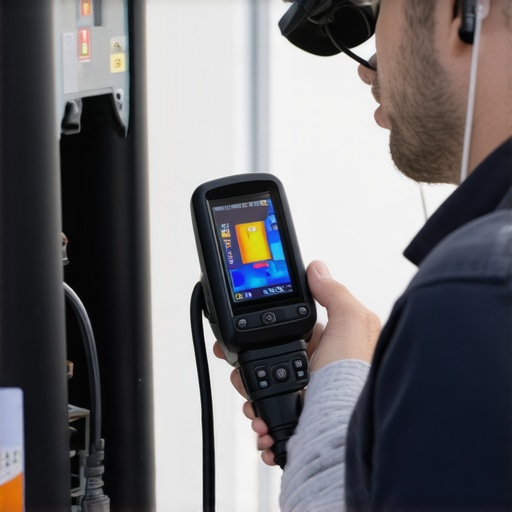
Maintaining a dependable EV charging setup requires more than initial installation; it demands precision tools and a proactive maintenance strategy. Personally, I rely heavily on a high-quality digital multimeter, such as the Fluke 87V, which offers exceptional accuracy and durability. This device allows me to quickly verify voltage levels, check wiring integrity, and identify potential issues before they escalate. Additionally, I keep a infrared thermal camera, like the FLIR One, on hand to detect hotspots in wiring connections or breakers that could indicate impending failures. These tools help me ensure that the system operates within safe parameters and adheres to code requirements.
Implementing Routine Checks and Software Monitoring
Beyond physical tools, I integrate software solutions that assist in ongoing diagnostics. For example, many modern EV chargers come with companion apps that provide real-time data on charging status, error codes, and system health. Regularly reviewing these logs allows me to catch anomalies early. For instance, if the app indicates frequent communication errors or voltage fluctuations, I investigate the root cause before the unit fails or causes safety issues. Staying proactive with software monitoring is invaluable for long-term reliability and adherence to safety standards. As the industry evolves, future systems may incorporate AI-driven diagnostics, further simplifying maintenance tasks and predictive failure detection.
How do I maintain my system over time?
I follow a structured maintenance schedule that includes quarterly visual inspections for signs of wear or corrosion, testing wiring continuity, and verifying grounding connections. I also revisit load calculations, especially if I add new electric loads or upgrade the existing panel, to prevent overloading. Keeping detailed records of inspections and any repairs helps me track system health and plan upgrades accordingly. Remember, consistent maintenance not only prolongs equipment lifespan but also ensures compliance with evolving code standards, such as those outlined in expert troubleshooting guides. Don’t underestimate the importance of simple, routine checks — they save time and money in the long run.
One tip I strongly recommend is leveraging infrared inspection tools to identify potential issues early. For example, a hotspot indicating loose connections can prevent future outages or fires. Try integrating this practice into your routine; it’s an advanced method that provides peace of mind and maintains compliance with safety standards. As the trend toward smarter, more connected charging systems continues, adopting these professional-grade tools ensures you stay ahead of potential failures and keep your system running reliably for years to come.
Looking ahead, future developments in diagnostic technology may include integrated sensors within chargers that perform continuous health checks and alert you proactively about issues. Staying informed about these trends is critical for anyone serious about long-term maintenance. Remember, being proactive today guarantees a safer, more efficient charge experience tomorrow. Want to refine your troubleshooting process? Start by using a thermal camera to scan your system for unseen problems—an easy yet powerful step towards sustained reliability.
3 Mistakes I Wish I Avoided When Upgrading My EV Setup
- Misjudging the complexity of code compliance: I learned that even minor oversights in load calculations or wiring methods can lead to inspection failures and safety hazards, emphasizing the importance of thorough research before starting.
- Overlooking future needs during panel upgrades: Assuming my existing panel could handle increased loads resulted in trips and delayed charging. Proper assessment and investing in a larger, code-compliant panel saved me time and money later.
- Ignoring expert resources: Relying solely on DIY guides without consulting professional sources nearly caused additional rework. Using trusted resources like this checklist has made my setup safer and more reliable.
Tools and Strategies That Changed My Approach to EV Charging Maintenance
Investing in a quality digital multimeter, like the Fluke 87V, and an infrared thermal camera, such as the FLIR One, provided early warnings of wiring issues. Regular inspections, combined with software monitoring of my charger’s logs, keep my system running safely and help me catch problems before they escalate. For ongoing maintenance, I follow structured routines and leverage online troubleshooting guides, ensuring my EV charging remains seamless and compliant with evolving standards.
Stay Ahead with Unconventional Insights and Practical Wisdom
My biggest revelation has been understanding that successful EV charging requires more than just installation—it’s a continuous process of learning and adaptation. From detailed load calculations that factor in future vehicle additions to obtaining the right tools for routine checks, embracing this proactive mindset has transformed my experience. Remember, mastering these nuances not only keeps you compliant but also turns EV charging into a stress-free part of your home. When was the last time you revisited your setup to ensure it’s future-proof and code-compliant? Share your story below — I’d love to hear about your journey!
Reading this post really hit home about how critical it is to pay attention to even the smallest details when installing or upgrading EV chargers. I remember assuming that my existing panel could handle a new EV charger without much additional work, only to find out later that I’d overlooked the need for proper load calculations and possibly a panel upgrade. It caused delays and nearly failed my inspection, which was a real learning moment for me. It’s clear that the slightest mistake—like using the wrong wire gauge or not verifying grounding—can have serious repercussions, both safety-wise and in compliance. I’m curious, for those who have gone through a panel upgrade, what tools or strategies did you find most helpful in ensuring you met all the code requirements? I’ve been thinking about getting a thermal camera to help with ongoing monitoring, but I’d love to hear other recommendations on tools that make long-term maintenance easier.
This post hits the nail on the head about the importance of meticulous planning and adherence to code standards when upgrading EV charging setups. I’ve experienced firsthand how even a small oversight, like underestimating load demands or using the wrong wire gauge, can lead to inspection failures and dangerous issues down the line. The part about future-proofing is especially crucial—installing a panel that’s just enough for current needs can quickly become problematic as EV technology advances. I personally have found that investing in a digital multimeter and infrared thermal camera has saved me from many headaches during maintenance and troubleshooting. Also, leveraging the latest codes and guides, as mentioned, helped me avoid pitfalls during my last upgrade. How does everyone here approach documenting their load calculations and wiring inspections? I’ve started keeping detailed logs, which seem to streamline inspections and future upgrades. Would love to hear other tips or tools that have helped others stay ahead of potential issues.