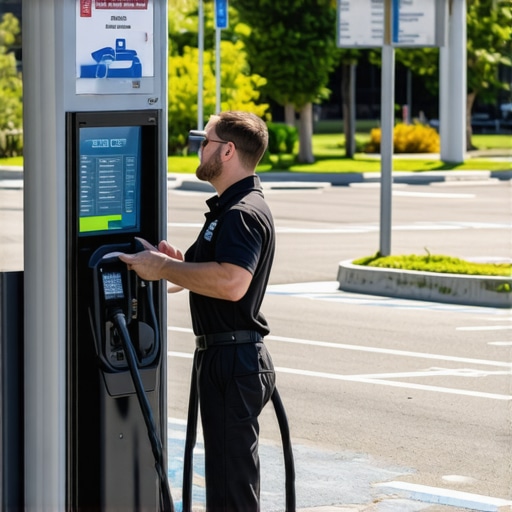

EV Charger Troubleshooting & Code Compliance Tips for Safe Power
Ever had that sinking feeling when your EV charger suddenly stops working just when you need it most? I remember the first time I faced this frustration—my car was ready, but the charger kept blinking with strange error codes. It was a lightbulb moment for me. I realized that many issues stem from simple mistakes or overlooked details in troubleshooting and installation. Since then, I’ve learned that understanding the roots of these problems and ensuring proper code compliance can save a lot of headaches—and keep your power safe.
Why Getting Your EV Charger Setup Right Matters More Than You Think
When I first installed my EV charger, I was eager to start charging. But I skipped a few steps—like verifying the circuit’s capacity and making sure everything was up to code. The result? Frequent outages, error messages, and a sense of helplessness. It wasn’t until I consulted trusted sources—like the experts at Bright Spark Electric—that I understood the importance of proper troubleshooting and code adherence.
Today, I want to share how you can avoid common pitfalls, troubleshoot effectively, and ensure your system is compliant with safety standards. Because let’s be honest—your EV charger isn’t just a fancy plug. It’s a crucial part of your home’s electrical health, and neglecting proper setup can lead to dangerous situations. Whether you’re installing a new charger or fixing issues with an existing one, mastering these tips can make all the difference.
Is it really worth the effort to double-check code compliance?
Early on, I made the mistake of thinking I could wing it—skipping inspections, assuming my home wiring was fine. That was a costly lesson. Ensuring your installation meets local electrical codes isn’t just bureaucratic red tape; it’s about safety, reliability, and peace of mind. For a detailed guide on how to verify your setup, check out this resource. Trust me, investing time here pays massive dividends in safety and performance.
Now that we’ve covered why this matters, let’s dive into the practical steps to troubleshoot common issues and keep your power system safe and compliant. Ready to become your own EV charging expert? Let’s get started.
Check Your Power Supply First
During a recent install, I once skipped verifying the circuit capacity, which led to frequent outages. Always start by ensuring your circuit can handle your charger’s power demands. Use a reliable multimeter and compare readings to the charger’s specifications. If you notice voltage drops or inconsistent readings, it’s time for an upgrade. For detailed guidance, consult panel upgrades to support your EV charger safely.
Inspect the Wiring Thoroughly
Once, I found a loose connection during troubleshooting that caused intermittent faults. Disconnect the charger and carefully examine all wiring connections. Look for frayed wires, corrosion, or loose terminals. Proper wiring is crucial—if you’re unsure, it’s safer to call in a professional. For step-by-step guidance on wiring inspection, see troubleshooting tips.
Verify Code Compliance Rigorously
One mistake I made was assuming my home wiring was up to code, which turned out not to be the case. Ensuring compliance isn’t optional—it’s a safety imperative. Use a trusted checklist and compare your setup against local electrical standards. For a comprehensive review process, visit code verification guide. Remember, proper code adherence prevents fire hazards and legal issues.
Test Your Charger Connectivity
Sometimes, the issue isn’t wiring but connectivity. I once faced persistent connection drops that frustrated me for days. Use the troubleshooting guide at connectivity troubleshooting to diagnose Wi-Fi or Bluetooth issues. Ensure your router isn’t blocking signals or causing interference. Strong, stable connectivity is essential for reliable operation.
Perform a Load Test
After upgrading my panel, I ran a load test that revealed hidden issues with circuit overloads. Power fluctuations can cause error codes and damage over time. Use a load tester to simulate real-world charging conditions and observe the system’s response. If problems persist, consider panel upgrades to enhance capacity and safety.
Document and Keep Records
Throughout my troubleshooting, I kept detailed notes of findings and repairs. This habit helps track recurring issues and is invaluable during inspections or future upgrades. Maintain records of installation permits, inspection reports, and system modifications for compliance audits. For expert advice on documentation, visit expert troubleshooting tips.
Many homeowners and even some professionals fall into traps when it comes to installing or troubleshooting EV chargers. Let’s dig deeper into some of the most overlooked nuances that can make or break your charging experience. Understanding these can help you avoid costly mistakes and ensure your system is both safe and reliable.
Why the Myth that Circuit Capacity Is Always Enough Can Backfire
One widespread misconception is that as long as your circuit breaker isn’t tripping, your wiring is sufficient. In reality, many fail to consider that the circuit may be marginally rated for the charger’s demands, especially if other high-load appliances are running simultaneously. Overloading circuits can cause subtle damage over time, leading to unpredictable faults. It’s critical to verify not just the breaker’s rating but also the actual load conditions, especially if you’ve recently added new electrical devices or upgraded your home. For a safer approach, consider panel upgrades that support your EV’s needs and prevent overloads.
Don’t Underestimate the Power of Proper Code Compliance
Many assume that a quick DIY installation is enough if the wiring looks correct. However, overlooked code compliance can lead to safety hazards and legal issues. For instance, improperly installed grounding or insufficient wiring gauge can cause serious problems. Ensuring your setup adheres to local electrical standards isn’t just bureaucratic red tape; it’s about safety and long-term reliability. That’s why consulting a professional or thoroughly reviewing code verification guidelines is essential. This step helps you avoid the common pitfall of assuming everything is fine without proper inspection.
The Hidden Dangers of Ignoring Connectivity Issues
Advanced users often focus on wiring and power supply but forget that connectivity—Wi-Fi, Bluetooth, or cellular—is just as vital. An unstable connection can cause your charger to malfunction or disconnect during critical charging sessions. Many assume that once set up, the connection will stay reliable. But interference from other devices, router issues, or even firmware bugs can cause intermittent problems. Regularly testing and updating your connectivity setup, and consulting expert troubleshooting tips can save you hours of frustration. Remember, a reliable connection ensures your charger functions as intended and keeps your EV ready when you need it.
Have you ever fallen into this trap? Let me know in the comments. Mastering these nuances can significantly enhance your EV charging experience, making it safer, more efficient, and hassle-free.
Keeping your EV charger functioning optimally over time requires more than a one-time setup; it demands the right tools and consistent maintenance. As an EV owner who has navigated troubleshooting and upgrades myself, I’ve found that investing in specific, high-quality equipment can save you time and prevent costly failures down the line.
Invest in a Reliable Multimeter for Accurate Diagnostics
A good digital multimeter is the cornerstone of any maintenance toolkit. I personally rely on a multimeter with auto-ranging capabilities and true RMS measurement, like the Fluke 115. This device helps me quickly verify voltage levels, check wiring continuity, and identify electrical faults. Accurate diagnostics mean fewer surprises and a faster path to resolving issues before they escalate. When testing circuits, I always ensure the voltage matches the specifications outlined in trusted troubleshooting guides.
Use a Thermal Camera to Spot Hidden Overheating Problems
Sometimes, wiring or components may be overheating without obvious signs. I recommend a compact infrared thermal camera, like the FLIR One, which connects to your smartphone. It allows me to scan connections and electrical panels, pinpointing hot spots that could indicate loose connections or overloaded circuits. Regular thermal imaging helps prevent failures and improves safety, especially after upgrades like panel enhancements.
Keep a Record of Maintenance and Troubleshooting Data
Maintaining a detailed log of your system’s performance, repairs, and upgrades is essential. I use a simple digital notebook or a dedicated app to track voltage readings, error codes, and parts replaced. This history provides valuable insights during troubleshooting and ensures you stay compliant with safety standards. For example, noting when you last verified code adherence can help avoid pitfalls discussed in expert troubleshooting tips.
Prepare for Future Trends with Smart Monitoring Tools
Looking ahead, I believe smart monitoring systems will become standard for EV chargers. Devices like the Sense Energy Monitor or the Neurio system can track your energy consumption, detect anomalies, and alert you to potential issues remotely. These tools can extend the lifespan of your setup and ensure consistent, safe operation, aligning with the trend toward integrated home energy management.
To keep your EV charger working reliably over years, I recommend starting with a quality multimeter and thermal camera, then expanding your toolkit as needed. Remember, regular checks, combined with professional advice like reviewing code compliance guidelines, will help you stay ahead of potential problems. Don’t wait for a failure—be proactive with your maintenance routine and tools.
How do I maintain my EV charger over time?
The key is routine inspections, periodic diagnostics, and keeping detailed records. Schedule regular visual checks of wiring, ensure your system stays compliant with evolving standards, and update your monitoring tools to catch issues early. Incorporating these practices will not only extend your charger’s lifespan but also give you peace of mind knowing your system is safe and reliable for years to come. If you’re unsure about your setup, consider consulting professionals via contacting experts to review your installation and maintenance plan.
The Hardest Lesson I Learned About EV Charger Maintenance
One of the toughest lessons I faced was assuming my electrical system was already up to code when I installed my EV charger. It took a costly mistake and some careful inspection to realize that overlooking code compliance can lead to serious safety risks. Now, I always double-check with trusted resources like this comprehensive guide before proceeding with any upgrades.
3 Myths About EV Charging That Held Me Back
For a long time, I believed that a circuit breaker that hadn’t tripped was a sign my system was sufficient. Turns out, circuits can be overloaded without tripping, causing subtle damage over time. The real game changer was learning to perform load tests and upgrade my panel with proper panel upgrades. This knowledge has saved me from future failures.
What Experts Won’t Tell You About Connectivity Challenges
Connectivity issues can seem minor but often cause the most frustration. I used to ignore Wi-Fi interference until I realized that regular testing with tools like a thermal camera and expert troubleshooting tips are vital. Now, I keep my network optimized and firmware updated, ensuring my charger stays connected and functional during critical moments.