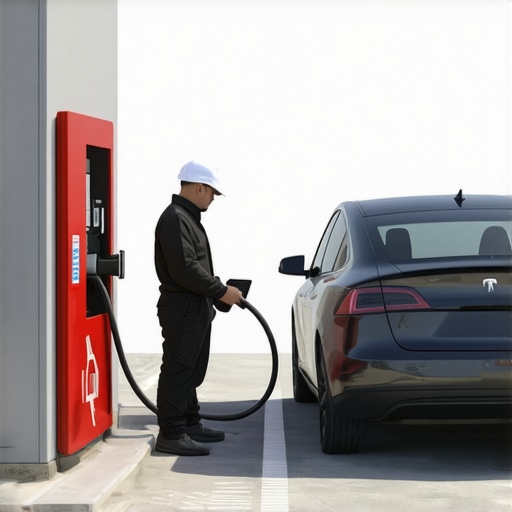

EV Charger Troubleshooting & Code Compliance Tips for Safe Power
My Personal Journey into EV Charger Troubleshooting and Code Compliance
As someone who recently invested in an electric vehicle, I was excited about the benefits of eco-friendly driving. However, I quickly realized that ensuring my EV charger operated safely and efficiently required more than just plugging it in. I faced initial issues like inconsistent charging and occasional error codes, which prompted me to dive deep into troubleshooting and understanding the importance of code compliance for safe power.
Why Troubleshooting Your EV Charger is a Game Changer
One of my first discoveries was that many problems stem from simple issues like loose connections or outdated wiring. Regular troubleshooting can save a lot of headaches and prevent safety hazards. I learned that common issues such as communication errors or voltage fluctuations often have straightforward fixes—like resetting the charger or inspecting the circuit breaker. For more complex problems, consulting expert tips from trusted sources like Bright Spark Electric proved invaluable.
How I Navigated the World of Electrical Code Compliance
Ensuring my installation met all electrical codes was a priority. I found that understanding the National Electrical Code (NEC) guidelines, especially around panel upgrades and circuit protection, was essential. I reviewed resources such as how to verify code compliance and learned that proper grounding, breaker sizing, and panel upgrades not only ensure safety but also optimize charging performance. It’s reassuring to know that adherence to these standards reduces fire risks and electrical faults.
What Are the Common EV Charger Problems and How Do I Fix Them?
After some trial and error, I identified typical issues like failed communication, power surges, or tripped breakers. For instance, a tripped breaker might be due to an overloaded circuit, which I resolved by upgrading my panel following tips from panel upgrade guides. When I encountered persistent connectivity problems, I used troubleshooting techniques outlined in expert troubleshooting tips for quick fixes.
How Can I Be Sure My EV Charger Installation Fully Complies with Safety Standards?
It’s crucial to verify that your installation meets all safety and code standards. I recommend consulting with licensed electricians and reviewing local regulations. For comprehensive guidance, I always refer to authoritative resources like the code compliance verification guide. Ensuring compliance not only keeps your home safe but also prolongs your charger’s lifespan.
If you’re tackling similar issues or just starting your EV charging setup, I encourage sharing your experiences or questions below. Troubleshooting and understanding code compliance might seem daunting at first, but with the right resources and professional help, it becomes manageable and rewarding.
Understanding the Nuances of Electrical Code Compliance for EV Chargers
While troubleshooting is vital, ensuring your EV charger installation adheres to the latest electrical codes is equally crucial. Modern regulations, such as the 2024 NEC updates, emphasize proper grounding, circuit protection, and dedicated circuits for EV chargers. These standards are designed not only to prevent hazards but also to optimize charging efficiency. Consulting trusted resources like how to verify code compliance is a smart move when planning upgrades or new installations.
How Do Panel Upgrades Influence Safe and Efficient EV Charging?
Upgrading your electrical panel often becomes necessary to support higher amperage demands of modern EV chargers. A panel upgrade ensures sufficient capacity, reduces the risk of overloads, and aligns with safety standards. For instance, professional guidance from panel upgrade guides can help homeowners navigate the process seamlessly. An upgraded panel not only enhances safety but also improves overall electrical reliability, preventing frequent breaker trips and voltage dips that hamper charging performance.
Are My Wiring and Connections Truly Safe and Code-Compliant?
One of the most overlooked aspects of EV charger safety is the integrity of wiring and connections. Loose or outdated wiring can lead to arc faults, which are a leading cause of electrical fires. Regular inspections and professional upgrades help maintain safety standards. Resources like ensuring code compliance when installing EV chargers offer comprehensive checklists for homeowners to follow, ensuring every connection adheres to the prescribed safety protocols.
What Are the Critical Signs That Indicate a Need for Troubleshooting or Upgrades?
Persistent issues such as frequent breaker trips, slow charging rates, or error messages can signal underlying problems—be it wiring faults, insufficient capacity, or outdated components. Recognizing these signs early and consulting expert troubleshooting tips, like those found here, can save time and prevent hazards. Additionally, understanding the importance of proper grounding and surge protection plays a crucial role in safeguarding your investment and ensuring reliable operation.
What Are the Practical Steps to Guarantee My EV Charger Meets Safety and Code Standards?
Start by engaging licensed electricians experienced in EV charger installations. They will perform thorough inspections, verify wiring and panel capacity, and ensure adherence to local regulations. For guidance on specific upgrades, consult authoritative resources like troubleshooting and ensuring code compliance. Remember, a certified professional’s assessment is invaluable for identifying potential issues before they escalate into safety concerns or costly repairs.
If you’re interested in expanding your knowledge further, I recommend exploring detailed articles on panel upgrades and troubleshooting techniques. Sharing your experiences or asking questions below can foster a community of informed homeowners dedicated to safe and efficient EV charging.
Unearthing the Nuances of Code Compliance in My EV Charging Journey
As I immersed myself further into the world of electrical standards, I realized that code compliance is far more than a set of static rules—it’s a dynamic, evolving landscape that demands ongoing attention. The 2024 NEC updates, for instance, introduced significant changes, especially around dedicated circuits and surge protection, which I had to carefully incorporate into my setup. This experience underscored the importance of staying current with regulations, as static compliance can become a liability when standards shift.
One revelation was how subtle wiring practices can influence overall safety. For example, proper conductor sizing and termination techniques are often overlooked but critically impact the system’s integrity. I learned that even seemingly minor details—like the choice of wire connectors or the routing of cables—can make a difference in preventing arc faults or overheating. Delving into authoritative resources, such as the compliance guides, helped me appreciate the complexity of these considerations and the necessity of meticulous installation practices.
What Are the Most Overlooked Yet Critical Aspects of Code Compliance for Home EV Chargers?
In my experience, one of the most overlooked aspects is the grounding system. Proper grounding ensures that in the event of a fault, the excess current is safely diverted, preventing shock hazards or fire risks. I discovered that many DIY installations, even if they follow basic wiring diagrams, fail to meet the specific grounding requirements outlined in current codes. This gap can sometimes be addressed with targeted upgrades or professional inspections, which are vital for long-term safety.
Another crucial element is surge protection—something I initially underestimated. Integrating surge protective devices (SPDs) compatible with EV charging circuits not only protects expensive equipment but also aligns with the latest safety standards. According to expert troubleshooting tips, these devices can prevent power surges caused by lightning or grid fluctuations, which are increasingly common with climate-related weather patterns.
How Can I Ensure My Upgrades Remain Future-Proof in a Rapidly Changing Regulatory Environment?
Remaining compliant isn’t a one-time effort but an ongoing process. I started by subscribing to updates from local electrical authorities and regularly consulting trusted resources like the panel upgrade guides. Furthermore, engaging with professional electricians who specialize in EV infrastructure has been invaluable—they bring insights into upcoming code changes and innovative safety solutions. This proactive approach helps me not only stay compliant but also adapt seamlessly to future requirements, avoiding costly retrofits down the line.
Sharing my journey, I invite fellow EV owners and DIY enthusiasts to reflect on their experiences. Have you encountered subtle compliance issues that caught you off guard? What strategies have you found effective in maintaining a safe and code-compliant charging environment? Your insights can help build a community committed to electrical safety and sustainable energy solutions.
How Do I Balance Cost-Effective Upgrades with the Necessity of Meeting All Safety Standards?
Cost considerations are always present, yet I learned that cutting corners can lead to far greater expenses—and safety risks—later. The key is prioritizing upgrades that deliver maximum safety and compliance benefits within a reasonable budget. For example, professional panel upgrades, though an investment, can significantly reduce the risk of overloads and improve overall system reliability. Resources like affordable electrical upgrades have provided guidance on balancing affordability with safety. Ultimately, partnering with certified professionals ensures that every dollar spent enhances safety and longevity, safeguarding your home and investment for years to come.
Deepening Your Understanding of Electrical Code Nuances for Optimal EV Charging Safety
My journey into EV charger safety has revealed that staying abreast of evolving electrical standards is not just advisable but essential. The 2024 NEC updates, for example, introduced vital changes emphasizing the importance of dedicated circuits and surge protection, which I meticulously incorporated into my setup. This proactive approach ensures compliance and safeguards my investment against future code shifts, illustrating the significance of continuous learning in electrical safety.
The Subtle Art of Conductors and Connectors in High-Performance EV Systems
Delving into the minutiae of wiring practices, I discovered that conductor sizing, termination techniques, and connector quality profoundly influence system integrity. Proper conductor sizing prevents overheating, while high-quality connectors reduce arc fault risks. I learned that even minor oversights—like inadequate crimping or routing cables improperly—can compromise safety. Consulting authoritative guides, such as the compliance guides, underscores the importance of meticulous installation for long-term reliability.
What Are the Hidden Risks of Inadequate Grounding and Surge Protection?
In my experience, grounding systems are often undervalued, yet they are the cornerstone of electrical safety. Proper grounding prevents shock hazards and limits fault currents. I found that many DIY installations neglect this critical element, risking severe consequences. Additionally, surge protection—particularly SPDs compatible with EV circuits—is vital for safeguarding expensive chargers against lightning strikes and grid fluctuations, which are becoming more frequent due to climate change. Integrating these safety measures aligns with the latest standards and enhances overall system resilience. For detailed guidance, I recommend reviewing expert troubleshooting tips to identify and rectify potential vulnerabilities.
How Do I Keep My EV Charging Infrastructure Adaptable to Future Regulations?
Anticipating future code requirements is a strategic necessity. I stay informed by subscribing to updates from local authorities and engaging with professional electricians who specialize in EV infrastructure. This ongoing engagement ensures my system can be upgraded or modified easily, avoiding costly retrofits. Embracing modular components, such as adaptable panels and surge protection devices, facilitates seamless compliance with upcoming standards, making my charging setup resilient against regulatory shifts.
Engaging Your Expertise: Share Your Advanced Insights and Experiences
If you’ve navigated similar challenges or have insights into integrating cutting-edge safety features, I invite you to share your experiences. Your practical knowledge can enrich our collective understanding and foster a community dedicated to excellence in EV safety and compliance. Remember, continuous education and meticulous implementation are the keys to reliable and future-proof EV charging solutions.
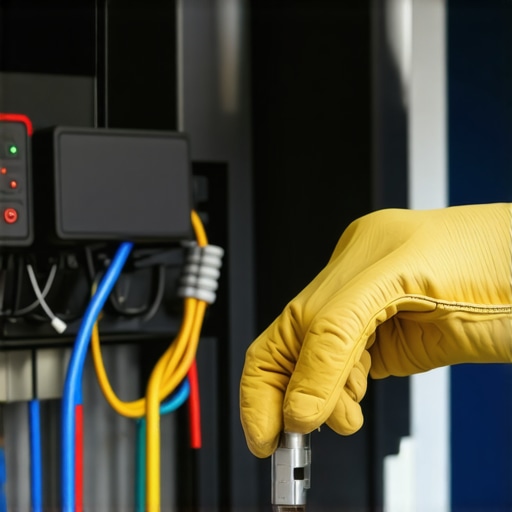
Things I Wish I Knew Earlier (or You Might Find Surprising)
The Hidden Impact of Proper Wiring
One thing I underestimated was how crucial wiring quality is. I once tried a DIY fix that seemed simple but ended up causing intermittent connection issues. It taught me that investing in professional wiring ensures long-term safety and performance, avoiding costly repairs down the line.
The Power of Regular Maintenance
I used to think once installed, my EV charger would just work forever. However, regular inspections and maintenance have helped me catch small problems early, preventing bigger safety hazards and ensuring my charging remains efficient and safe.
Understanding Code Compliance Is Not Just for Pros
Initially, I thought electrical codes were only for professionals. But after diving into resources like how to verify code compliance, I realized that knowing the basics empowers me to ask better questions and work more confidently with electricians, ensuring my setup is safe and up to standard.
Upgrading Your Panel Can Save You Future Hassles
Upgrading my electrical panel was a significant step I hesitated on, but it made a world of difference. It supports higher amperage, reduces overload risks, and is a key component of compliant, safe EV charging infrastructure, as explained in panel upgrade guides.
Grounding and Surge Protection Are Critical
One overlooked aspect was grounding and surge protection. Proper grounding prevents shocks, and surge protectors shield my charger from lightning strikes and power surges, which are more common than I thought, especially during storms. These safety features are essential for peace of mind and equipment longevity.
Resources I’ve Come to Trust Over Time
- National Electrical Code (NEC) – The backbone of electrical safety standards, essential for understanding compliance requirements.
- Bright Spark Electric’s Guides – A great resource for practical advice on code compliance and troubleshooting.
- Local Electrical Regulations – Always check with your local authority for specific requirements in your area.
- Professional Electricians – Their expertise is invaluable, especially for complex upgrades and ensuring full compliance.
Parting Thoughts from My Perspective
My journey into EV charger troubleshooting and code compliance has been eye-opening. I learned that safety and reliability come from understanding the details—proper wiring, panel upgrades, grounding, and adherence to codes. It’s a continuous process, but one that pays off by protecting my home and ensuring my EV charges safely and efficiently. If this resonates with you, I’d love to hear your experiences or questions. Sharing knowledge helps us all stay safe and make the most of our clean energy investments.
Reading through this detailed journey of troubleshooting and ensuring compliance with EV charger installation really resonated with me. I recently faced similar issues with intermittent charging and had to upgrade my breaker panel to handle the increased load. What I found most helpful was consulting with a licensed electrician early on to verify everything met code standards, especially considering the latest NEC updates. It’s clear that paying attention to details like proper grounding, conductor sizing, and surge protection can prevent major hazards down the line. I also learned that regular maintenance, including inspecting wiring connections and testing surge protectors, can catch potential problems before they become serious safety risks. My question is: for homeowners with little electrical experience, what are the most critical signs they should watch for that indicate an urgent need for professional inspection? Also, do you have tips on how to select a qualified electrician familiar with the latest EV-specific code requirements? Thanks for sharing such an insightful post—definitely a reminder that safety and compliance are ongoing efforts, not just one-time checks.