Category EV Charger Installation and Maintenance

EV Charger Installation & Troubleshooting Tips for Safe Power

I remember the first time I tried to install my own EV charger. I was eager, a bit cocky, and definitely overconfident. Two hours in, I was staring at a blinking light on the charger that refused to turn on. Turns out, I had wired it incorrectly, and my lack of proper troubleshooting turned a simple task into a mini electrical fire scare. That moment was a real wake-up call. It made me realize how crucial safe, correct installation and troubleshooting are for EV chargers. If you’ve faced similar frustrations or just want to avoid costly mistakes, you’re in the right place. Today, I’ll share my best tips to help you install and troubleshoot your EV charger safely, reliably, and without unnecessary stress.

Why Safety Should Never Be an Afterthought When Installing EV Chargers

EV chargers are more than just a plug-and-play device. They draw significant power and, if mismanaged, can pose serious safety risks—everything from electrical fires to electrocution. According to the National Fire Protection Association, electrical failures account for over 45,000 house fires annually, many linked to improper wiring or outdated panels. That’s why ensuring your installation meets all safety standards is non-negotiable. I learned this the hard way early on, when I ignored the importance of a proper panel upgrade for my home’s electrical system. Had I checked out panel upgrades for EV chargers, I might have avoided the whole mess. Proper installation isn’t just about following the manual; it’s about ensuring your entire electrical system can handle the load. In the sections ahead, I’ll guide you through the critical steps to make sure your setup is both safe and efficient.

Ever Wonder if Your Setup Is Really Safe?

One common mistake I made early on was rushing through the wiring without verifying code compliance. It seemed harmless at the time, but I later discovered that improper wiring or skipping inspections can lead to serious safety issues. To avoid this, I recommend consulting reliable resources and getting a professional opinion if you’re unsure. For instance, checking code compliance tips can save you from future headaches. Remember, a safe installation is the foundation of reliable EV charging, so don’t cut corners. Now that you know why safety matters, let’s explore the practical steps to ensure your setup is rock-solid from the start.

Start with Your Electrical Panel

Before you even think about connecting your EV charger, ensure your electrical panel can handle the extra load. I once tried to skip this step and ended up tripping circuit breakers every time I plugged in. To prevent this, evaluate your current capacity and consider a panel upgrade if necessary. Check out panel upgrade tips for detailed guidance. A robust panel acts like a sturdy foundation for your charging station—skimping here leads to future issues.

Proper Wiring Is Non-Negotiable

Think of wiring like the nervous system of your home. Poor wiring is like a clogged nerve—inefficient and dangerous. I learned this the hard way when I rushed my wiring and saw sparks fly. Use the right gauge wire for your charger’s amperage and always follow local electrical codes. If you’re unsure, consult code compliance resources to avoid costly mistakes. Correct wiring ensures your charger will work reliably and safely, like a well-oiled machine.

Secure the Connection and Ground Properly

Imagine your EV charger as a high-performance sports car—without proper grounding, it’s like leaving the engine unzipped. Proper grounding prevents electric shocks and fires. During my install, I made sure to connect the ground wire securely to a grounding rod. Use a dedicated, grounded outlet and verify connections are tight and corrosion-free. This step might seem minor, but it’s crucial for safety and performance. For detailed grounding procedures, check grounding best practices.

Test Your Setup Before Full Use

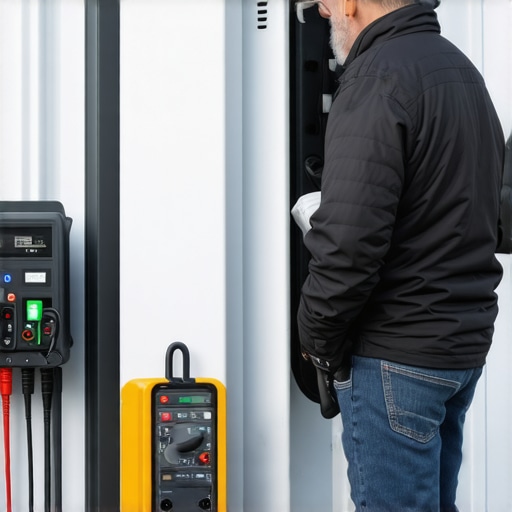
Once wired, don’t just assume it works—test it thoroughly. Plug in a multimeter or use the charger’s diagnostic mode to check voltage and current. I once skipped this step and faced a non-functioning charger for days. Testing is like a pre-flight check—spot potential issues before taking off. Ensure that the charger is communicating properly with your vehicle and that all safety features are active. If problems arise, visit troubleshooting guides for expert tips.

Troubleshoot Common Problems Effectively

If your charger isn’t working as expected, don’t panic. Start with simple checks: power supply, connections, and compatibility. For persistent issues, consult troubleshooting resources like expert troubleshooting tips. Remember, most problems have straightforward fixes—like resetting the breaker, cleaning contacts, or updating firmware. Patience and methodical steps save time and money.

Always Prioritize Safety Over Convenience

In my experience, rushing to finish the job often leads to safety oversights. Double-check all connections, ensure proper grounding, and verify code compliance. It’s worth investing in professional inspection if you’re unsure—think of it as a safety net. For comprehensive safety and code compliance checklists, see code compliance tips. Your home and loved ones will thank you for prioritizing safety every step of the way.

Many homeowners believe that installing an EV charger is a straightforward task, but the reality is far more nuanced. One of the most widespread misconceptions is that following the manual is enough to ensure safety and reliability. In truth, every home’s electrical system has unique characteristics, and overlooking these can lead to serious issues later. For example, some assume that a standard outlet can handle the load, but without proper panel upgrades, your charger might trip breakers or worse, cause damage.

Why do so many get this wrong? It’s not just about wiring; it’s about understanding your entire electrical mesh. Skipping the evaluation of your system’s capacity often results in underperformance or safety hazards. For instance, a common mistake is neglecting grounding. Proper grounding isn’t just a formality; it’s a safety essential that, if ignored, increases the risk of electric shocks and fires. Use code compliance resources to verify that your setup meets all safety standards.

Another trap homeowners fall into is assuming that wiring gauge doesn’t matter. Incorrect wire sizing can lead to overheating, which is a leading cause of electrical fires. Always use the correct gauge wire for your charger’s amperage, and consider consulting a professional to assess your wiring integrity. This small step can save you from costly repairs down the line and ensure your EV charger operates at peak safety and efficiency.

Advanced questions homeowners ask

One common advanced concern is: “How do I ensure that my installation will pass local inspection standards without unnecessary delays?” The answer is to familiarize yourself with local code requirements and document every step of your process. This not only streamlines inspections but also provides a clear record should issues arise later.

Finally, don’t underestimate the importance of testing and troubleshooting. Many overlook thorough testing after installation, which can mask underlying issues. Using a multimeter or diagnostic mode to verify voltage consistency and proper communication with your vehicle ensures a safe, reliable charge. If you encounter persistent problems, consult expert troubleshooting tips rather than guessing. These small but critical nuances can mean the difference between a safe, efficient charging experience and a dangerous, unreliable setup.

In conclusion, the hidden nuances of EV charger installation are often overlooked by well-meaning homeowners eager to get started. Recognizing these advanced details and avoiding common pitfalls will not only keep you safe but also ensure your investment performs optimally for years to come. Have you ever fallen into this trap? Let me know in the comments.

How do I keep my EV charger running smoothly over time

Maintaining your EV charger isn’t just about fixing issues as they arise; it’s about proactive care to ensure reliable performance for years. From selecting the right tools to establishing a routine, I’ve found that a few key practices make all the difference. First, invest in a quality multimeter. I personally use a Fluke 117 because of its accuracy and durability, which allows me to verify voltage levels and check wiring connections confidently. Regular testing with this device helps catch potential issues early, saving you from costly repairs down the line.

Next, keep a detailed maintenance log. Every time I perform inspections or troubleshoot an issue, I note what was checked and any anomalies. This habit helps me identify patterns, such as recurring grounding problems or loose connections, before they become serious. For software-related troubleshooting, I rely on manufacturer apps and diagnostic tools provided by brands like ChargePoint or JuiceBox. These apps often give real-time insights and firmware updates that enhance safety and efficiency.

Additionally, I recommend periodically inspecting physical components—wires, connectors, and grounding points—for corrosion or damage. A simple, safe cleaning with contact cleaner and a brush can prevent many issues. For more complex diagnostics, a professional electrical inspection is invaluable. An electrician can verify that your panel and wiring meet current standards, especially if you’ve experienced frequent breaker trips or voltage drops.

Looking ahead, the trend is moving toward smarter, self-diagnosing chargers that can alert you to issues remotely. As these innovations become more affordable, integrating them into your setup will simplify ongoing maintenance. My prediction is that in the next few years, you’ll see an increase in AI-driven diagnostics that will further reduce downtime and improve safety.

What’s the best way to maintain your EV charger over time

One of the most effective strategies I’ve adopted is scheduling regular check-ups—at least once every six months. During these visits, I use my multimeter to verify voltage consistency and inspect all connections. I also update the charger firmware using the manufacturer’s app, which often includes security patches and performance improvements. Remember, keeping your software up-to-date is just as important as hardware checks.

Finally, never underestimate the importance of adhering to local code requirements. Regularly reviewing code compliance guidelines ensures your setup remains safe and can pass inspections if needed. This proactive approach not only prolongs the life of your charger but also guarantees safe, efficient charging for your vehicle.

Try implementing a quarterly diagnostic routine with your multimeter and keep detailed logs. Small, consistent efforts like these will pay off by preventing major failures and extending your charger’s lifespan. Remember, a well-maintained EV charging station is key to enjoying hassle-free, reliable EV ownership for years to come.

After my own rough start with EV charger installation, I learned that the real key to a safe and reliable setup is not just following instructions but understanding the nuances that many overlook. Here are some insider lessons I wish I knew from the beginning:

  • Don’t underestimate the importance of a thorough electrical system evaluation. Skipping a panel capacity assessment or wiring check can lead to tripped breakers or worse, fires. Taking the time to evaluate your home’s electrical capacity and considering a panel upgrade pays off in safety and performance.
  • Never assume your wiring gauge is sufficient without verification. Using the wrong gauge wire can cause overheating. Always follow local code and consult code compliance resources to ensure your wiring is up to standard.
  • Proper grounding is your best friend for safety. A secure ground connection prevents electric shocks and fires. During my install, I learned that a loose grounding wire can be dangerous. Always verify tight, corrosion-free connections with grounding best practices.
  • Test thoroughly before regular use. Use a multimeter to verify voltage and communication with your vehicle. Skipping this step may hide issues that could compromise safety or charging speed. For troubleshooting tips, visit expert troubleshooting guides.
  • Prioritize safety over convenience at every step. Even if it takes extra time, double-check all connections and get a professional inspection if unsure. This mindset has saved me from potential hazards and costly repairs.

These lessons have transformed my approach from DIY disaster to confident, safe, and efficient EV charger management. Remember, safety isn’t just a box to tick—it’s an ongoing commitment that ensures your home and loved ones stay protected while enjoying the benefits of electric vehicle ownership.
Top Tips for Safe EV Charger Installation & Code Compliance in 14:25

I’ll never forget the moment I nearly fried my new EV charger during my first DIY installation attempt. It was a sobering lightbulb moment that pushed me to learn the ins and outs of safe installation and code compliance. Trust me, rushing into this without proper knowledge can lead to dangerous situations, costly repairs, or even voiding your warranty. But here’s the good news: with a few expert tips, you can get your home charging setup right the first time and stay safe while doing it.

Why Safe EV Charging Matters More Than Ever

Electric vehicles are becoming a staple in our driveways, and the convenience of home charging is undeniable. However, as with all electrical work, safety and adherence to local codes are non-negotiable. An unsafe installation can cause electrical fires, damage your home’s wiring, or result in the charger not functioning properly. According to the U.S. Fire Administration, electrical failures are a leading cause of home fires, emphasizing the importance of correct installation and code compliance. This isn’t just about avoiding fines; it’s about protecting your loved ones and your property.

Initially, I made the mistake of assuming that plugging in a charger like an appliance would suffice. But as I learned, EV chargers have specific requirements—proper wiring, circuit protection, and grounding—that must be followed. Overlooking these details can lead to serious issues down the line. If you’re unsure, it’s best to consult a professional or at least verify your setup with reliable resources. For example, this guide provides clear steps on how to verify code compliance for your installation.

Have you faced the challenge of figuring out if your home wiring can handle an EV charger? If so, you’re not alone. Many homeowners underestimate the complexity involved, but there’s no need to feel overwhelmed. Today, I’ll walk you through the essential tips to ensure your EV charger is installed safely and complies with all relevant electrical codes. This way, you don’t just get a fast charge—you get peace of mind.

Is Cutting Corners Really Worth the Risk?

One of my biggest early mistakes was skipping the step of a proper panel upgrade when I saw my existing breaker panel was close to capacity. I thought I could just add a new circuit, but that’s a common mistake. Not only does it risk code violations, but it can also lead to overheating and electrical failure. Upgrading your panel is often a necessary step for safe, reliable EV charging—something I wish I had done from the start. For detailed advice on this, check out this resource.

So, if you’re like I was, eager to get your charger working without fuss, pause for a moment. Proper planning, adherence to safety standards, and sometimes a professional touch are key. In the next sections, I’ll share the top tips I’ve gathered over years of experience to help you install your EV charger safely and stay fully compliant with the code. Ready to make sure your home charging station is safe as well as efficient? Let’s dive in.

Assess Your Electrical System Before You Start

Begin by inspecting your existing electrical panel to determine if it can support an EV charger. I once skipped this step and faced a tripped breaker every time I tried to charge my EV. To avoid this, turn off the main power, open your panel, and look for available capacity or signs of wear. If your panel is near capacity or outdated, consider scheduling a panel upgrade. For detailed guidance, check this resource.

Calculate Your Power Needs Accurately

Determine the charging speed you want—Level 1, Level 2, or faster. For example, a Level 2 charger typically requires a dedicated 240V circuit with at least 40 amps. I once underestimated this and installed a 30-amp circuit, which limited my charging speed and caused frequent breaker trips. Use a voltage and current calculator or consult an electrician to get precise specs. Ensuring your wiring matches these requirements is crucial for safety and performance.

Choose the Right Components and Materials

Select high-quality, UL-listed wiring, outlets, and circuit breakers. Avoid cheap alternatives that can overheat or fail prematurely. For my installation, I used a heavy-gauge wire and a breaker rated exactly for my charger’s specifications, which prevented potential fire hazards. Remember, the correct wire gauge prevents overheating, and the breaker protects your wiring from overloads.

Follow Local Electrical Codes Rigorously

Research your local electrical codes or consult a licensed electrician. The code ensures safety standards are met, preventing hazards. I verified my setup with this guide and found that my initial plan missed some ground fault protection requirements. Adjusting my setup accordingly kept me compliant and safe.

Ground Properly and Use Residual Current Devices

Grounding is non-negotiable. Ensure your charger is properly grounded and protected with a GFCI or AFCI device. I once experienced a minor shock due to improper grounding, which was fixed by installing the correct GFCI outlet. This step prevents electric shocks and protects your home.

Hire a Professional When in Doubt

While DIY installation is possible, complex setups or code requirements often demand an expert. I made the mistake of attempting a DIY upgrade without proper experience and ended up calling a professional, which cost more but guaranteed safety and compliance. If unsure, contact a licensed electrician through this contact page.

Test Thoroughly and Document Your Work

After installation, test your charger with a multimeter and check for proper operation. I once installed everything correctly but forgot to test the GFCI, which tripped during usage. Document your setup, including circuit details, for future reference or inspections. Proper testing ensures your system is safe and ready for daily use.

Keep Up with Maintenance and Updates

Regularly inspect your wiring and connections for signs of wear or damage. Update your setup if your EV or home electrical system changes. Staying proactive can prevent safety issues and prolong equipment life. For troubleshooting common issues, visit this page.

Many homeowners jump into installing their EV chargers with good intentions but often overlook the nuanced details that can make or break their setup. Contrary to popular belief, simply following the basic wiring instructions or relying on a DIY guide isn’t enough to guarantee safety or code compliance. In fact, some of the most common misconceptions can lead to dangerous situations and costly repairs down the line.

Why Most People Overlook the Importance of Proper Grounding

One of the biggest pitfalls I’ve seen is assuming that grounding is a minor detail. The truth is, improper grounding can cause electric shocks, damage your charger, or even start a fire. Many assume that because their outlet is grounded, their entire setup is safe, but EV chargers often require specific grounding methods and devices like GFCI or AFCI. Skipping this step or using incorrect grounding can nullify your warranty and lead to serious safety hazards. Always verify that your grounding complies with local codes, which you can do by reviewing this guide. Keep in mind that even small errors here can have big consequences.

The Hidden Trap of Circuit Breaker Ratings

Many homeowners believe that installing a larger breaker will allow faster charging, but this is a dangerous misconception. Using a breaker rated higher than what your wiring can handle can cause overheating and fire hazards. For example, installing a 50-amp breaker with wiring rated for 40 amps is a recipe for disaster. To stay safe, you must match your breaker size with the wire gauge and your charger’s requirements, as outlined in this resource. Overlooking this detail is one of the most common and costly mistakes I’ve encountered.

How Many Homeowners Miss the Importance of Professional Inspection

While DIY can be cost-effective, skipping a professional inspection is a mistake that can haunt you later. A licensed electrician will verify that your entire electrical system, including panel capacity, wiring, and safety devices, is up to code. They will also identify hidden issues like outdated wiring or insufficient grounding that might not be apparent to the untrained eye. Remember, a proper inspection can prevent electrical failures and ensure your setup is compliant, which is especially critical given the evolving standards. For more details on this, check this guide.

Have You Ever Fallen Into This Trap?

If you’ve ever rushed into installing your EV charger without paying attention to these nuanced details, you’re not alone. The truth is, understanding these hidden nuances is what separates a safe, compliant installation from one that could jeopardize your safety or void your warranty. Always remember, safety and code compliance are worth the extra effort and investment.

Want to ensure your setup is done right? Consult a professional or verify your work with trusted resources. And if you want expert advice tailored to your situation, don’t hesitate to reach out to a licensed electrician.

Keep Your System Running Smoothly With Proper Maintenance

Maintaining your home EV charging setup is crucial to ensure consistent performance and safety over time. One of my top recommendations is investing in a quality multimeter, such as the Fluke 117. I personally use it because of its accuracy and durability, making it easier to verify voltage levels and check wiring connections without guesswork. Regular testing with a multimeter can help catch issues like voltage drops or loose connections before they become major problems.

Another essential tool is a thermal imaging camera, like the FLIR One Pro. I find it invaluable for detecting hotspots around circuit breakers and wiring, which can indicate overloads or loose contacts. Catching these early prevents potential fire hazards and extends the lifespan of your system. Plus, many electricians now recommend thermal cameras for routine inspections, especially in older homes with aging wiring.

Automate Monitoring for Long-Term Peace of Mind

As EV charging technology advances, smart monitoring tools are becoming more accessible. I recommend using a Wi-Fi-enabled energy monitor such as Sense Energy Monitor. It provides real-time feedback on power usage and alerts you to unusual activity. This helps ensure your charger operates within safe parameters and detects problems like circuit overloads or faulty wiring instantly. These devices often come with user-friendly apps, making routine checks simple and proactive.

Looking ahead, I believe the trend will shift towards more integrated home energy management systems that combine solar, battery storage, and EV charging. Investing in a system that can adapt dynamically to your home’s energy profile will become essential for maximizing efficiency and safety.

How do I maintain my EV charging system over time?

Consistency is key. Schedule annual inspections, ideally with a licensed electrician, who can verify your wiring, circuit protection devices, and grounding. Keep your software and firmware updated if your charger supports it, as updates often include security patches and performance improvements. Also, periodically clean your charging port and inspect cables for wear or damage. Staying vigilant can prevent unexpected outages and extend the life of your equipment.

Don’t forget to review your local code requirements regularly—standards evolve, and staying compliant is crucial for safety and warranty considerations. For comprehensive guidance, check this resource.

Finally, consider integrating a surge protector or a dedicated circuit breaker with arc fault detection. These additions can provide extra protection against electrical surges or faults that could damage your charger or wiring. I highly recommend trying out a combination of these tools and habits—it’s a small investment for peace of mind and long-term reliable operation.

The Surprising Lessons That Changed My Approach to EV Charging

  • One of my toughest lessons was realizing that even minor shortcuts, like skipping grounding checks, could lead to serious safety hazards. That lightbulb moment made me prioritize thorough inspections over convenience.
  • I learned the hard way that matching circuit breakers with wiring size isn’t just a suggestion but a necessity. Overrating breakers can be dangerous, something I’ll never overlook again.
  • In my experience, consulting a licensed electrician isn’t an expense but an investment in peace of mind. Their expertise can catch issues that DIY might miss, ensuring your setup is both safe and compliant.
  • Finally, I discovered that proper documentation and regular maintenance aren’t just bureaucratic steps—they’re essential for long-term safety and performance of your home EV charger system.

My Go-To Resources for Safe EV Charging Setup

  • This guide on code compliance verification is my first stop to ensure my installation meets all local standards. It’s straightforward and helps me stay updated with evolving regulations.
  • Reliable troubleshooting tips from BrightSpark Electric have saved me hours when unexpected issues arose. Their expert advice ensures I don’t guess my way through repairs.
  • High-quality tools like the Fluke 117 multimeter are part of my toolkit. They’re durable, accurate, and indispensable for verifying voltage and identifying wiring issues.
  • Thermal imaging cameras help me spot hotspots before they become hazards, extending the lifespan of my system and preventing costly repairs.

Your Next Step Toward Confident EV Charging

Installing an EV charger safely and in full compliance with electrical codes is an achievable goal that rewards you with peace of mind and reliable performance. Remember, the effort you put into proper setup today safeguards your home and loved ones tomorrow. Don’t hesitate to reach out to a licensed electrician through this contact page if you’re unsure about any step. Your home’s safety depends on it!