
7-Step Checklist to Get Your 2026 Federal EV Charger Rebate
I remember the moment I realized my EV charger upgrade might actually cost me more than it should. I had just finished a long day of troubleshooting connectivity issues—frustrating enough to make me question if I was missing something obvious. It hit me: I was about to spend thousands on a project that, with the right knowledge, could have been subsidized or even fully covered by a rebate. That lightbulb moment changed everything.
<-- more -->
When I first looked into the 2026 federal EV rebate, I was overwhelmed. The rules seemed complicated, and I feared I might miss out on thousands of dollars simply because I didn’t follow the correct steps. The process looked daunting—an endless maze of code compliance, panel upgrades, and documentation. Sound familiar?
But here’s the thing: securing your rebate isn’t about luck; it’s about understanding the process and following a clear, proven checklist. After navigating my own challenges, I’ve compiled a straightforward 7-step plan that can help you maximize your rebate potential. Today, I’ll guide you through those steps, so you’re not left guessing or worrying about costly mistakes.
Before we dive into the steps, let me address a common concern: “Is chasing this rebate really worth the effort?” I get it. You might think, “It’s just paperwork, and I’m no expert in code compliance.” Early on, I made a mistake—trusting a contractor who overlooked a crucial grounding rule, which nearly cost me my rebate and my safety. That experience taught me how critical attention to detail is when it comes to electrical code and rebate eligibility.
So, if you’ve faced the frustration of trying to upgrade your home’s EV setup and feeling lost in the paperwork or worried about compliance, you’re not alone. Many homeowners overlook small but vital steps, jeopardizing their rebate opportunities. That’s why I’ve created this guide—to simplify the process and help you avoid my mistakes.
Ready to turn your EV charger upgrade into a rebate success story? Let’s get started with the first step and make sure your project is on the right track from the very beginning.
Verify Your Home’s Electrical Capacity
Before starting any upgrades, check if your current electrical panel can support an EV charger. Think of your panel as a highway: if it’s too narrow, traffic (electricity) can’t flow smoothly. I once attempted to install a charger without verifying this, leading to overloads and delays. To prevent this, use the guidelines in this troubleshooting resource to assess your panel’s capacity accurately.
Upgrade Your Panel if Necessary
If your panel is insufficient, consider upgrading it, akin to widening a road to handle more traffic. This process involves professional assessment and adherence to local codes. My experience with a panel upgrade taught me the importance of working with licensed electricians familiar with panel upgrade standards and safety requirements.
Ensure Code Compliance from Start
Getting your project code-compliant is like following a recipe—it ensures the final dish is safe and approved. Use the comprehensive checklist in this guide to verify every aspect of your install, from grounding to breaker sizing. I once overlooked a grounding issue, which caused a failed inspection; fixing it before inspection saved me from costly rework.
Document Every Step Carefully
Think of documentation as your project’s passport—it proves your compliance and readiness for rebate approval. Keep detailed records of permits, receipts, and photos during installation. When I kept thorough documentation, submitting my rebate claim was straightforward, avoiding unnecessary delays.
Consult with Professionals Early
Expert advice is like having a GPS—it guides you around pitfalls. Engaging licensed electricians early ensures your setup meets all safety and code standards. My consultation with a specialist, especially on issues like code compliance, prevented potential rejections.
Troubleshoot Common Problems Before Rebate Filing
Addressing issues proactively is like fixing leaks before they sink your boat. Use resources like this troubleshooting guide to resolve connectivity or performance issues, ensuring your system functions flawlessly when needed and avoiding re-inspection or rework.
Claim Your Rebate Correctly
Properly submitting your rebate is akin to presenting a complete puzzle—missing pieces cause rejection. Follow all instructions precisely and include all required documentation. My experience showed that a well-prepared submission, with clear evidence of code compliance, increases approval speed and likelihood.
Stay Updated on Policy Changes
Policy landscapes change like weather—staying informed helps you plan accordingly. Regularly check official updates and adapt your plans to leverage new incentives or requirements, ensuring ongoing eligibility and maximizing benefits.Many homeowners assume that upgrading their electrical panel or installing an EV charger is as straightforward as swapping out components and following basic safety guidelines. However, this simplified view often overlooks critical nuances that can jeopardize your project’s success and compliance. Let’s explore some misconceptions and advanced pitfalls that even experienced DIY enthusiasts and professionals frequently encounter.
Myth that Bigger Panels Automatically Mean Better Compatibility. A common misconception is that simply installing a higher-amp panel ensures seamless EV charging and future-proofing. While a larger panel provides more capacity, it doesn’t guarantee code compliance or correct grounding. Advanced mistakes include neglecting to assess your home’s overall load management and failing to incorporate demand response systems. As expert insights from this resource suggest, proper load balancing is vital to prevent overloads and inefficiencies.
Why Does Overlooking Demand Management Lead to Hidden Costs?
Ignoring demand management during an upgrade can cause subtle yet costly issues like frequent breaker trips or system overheating. Advanced users often miss integrating smart load controllers, leading to uneven distribution, especially when multiple EVs or high-power appliances operate simultaneously. This oversight can invalidate rebates or safety certifications. Incorporating demand response solutions is a nuanced strategic move documented by industry experts to optimize safety and efficiency.
Overestimating Code Compatibility Without Expert Assessment. Many believe that following a generic checklist suffices for code compliance. But the reality is that each jurisdiction has unique interpretations, and code updates frequently introduce new requirements—like the 2026 grounding rules and surge protections. For example, failing to use the latest code compliance guidelines can result in failed inspections, costly rework, or even legal issues. The trap here is relying solely on online checklists without consulting a licensed electrician familiar with local amendments.
How Can Advanced Troubleshooting Save You from Costly Failures?
Troubleshooting EV charging issues isn’t limited to fixing simple connectivity errors. Advanced troubleshooting involves analyzing communication protocols within smart chargers, V2G interactions, and potential conflicts with home automation systems. In many cases, problems stem from subtle wiring errors or outdated firmware that a superficial check can overlook. Use expert-recommended resources like this troubleshooting guide to diagnose and resolve issues efficiently.
The key takeaway is that mastering these nuances can prevent underperformance and ensure your system’s longevity, safety, and compliance. Don’t fall into the trap of thinking that surface-level fixes suffice. Advanced understanding, attention to detail, and professional guidance are indispensable.
Have you ever fallen into this trap? Let me know in the comments.
Invest in Reliable Monitoring Equipment
To ensure your EV charging setup remains operational and code-compliant, I recommend installing a dedicated energy management system like the Sense Home Energy Monitor. This device provides real-time insights into your home’s electrical loads, preventing overloads during high-demand periods. It also helps identify irregular patterns that could indicate wiring issues or device failures, making proactive maintenance much easier. I personally use it because it integrates seamlessly with my smart home setup and alerts me instantly if an anomaly occurs, allowing quick troubleshooting before minor issues escalate into costly repairs.
Use Diagnostic Software for Troubleshooting
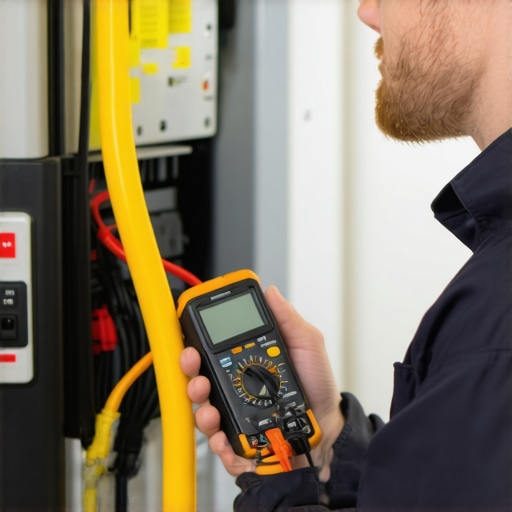
Comprehensive software tools like the Fluke 1650 Series Megohmmeter are game-changers. These allow precise measurement of insulation resistance and ground continuity, which are critical for maintaining code compliance and safety. I rely on such tools during periodic inspections because they help me quickly identify subtle wiring degradation or grounding faults that could compromise system safety or invalidate rebates. Regular testing with these tools can extend your system’s lifespan and ensure consistent performance.
Keep Up with Code Updates and Maintenance Records
Staying informed is essential. Regularly reviewing updates from authorities like the local electrical code ensures your upgrades remain compliant as standards evolve. Additionally, maintaining meticulous records of inspections, repairs, and upgrades not only simplifies future troubleshooting but also strengthens your case when applying for rebates or inspections. I keep a dedicated digital folder for all related documents, which has saved me hours during my last inspection and helped me catch overlooked issues early.
Plan for Scale and Future Compatibility
As EV technology advances, your charging systems must adapt. Consider installing flexible wiring pathways and modular panels that allow easy upgrades. Investing in a panel with higher capacity than your current needs can save costs down the line. I recommend reviewing this resource to understand your options. Future-proofing your system not only ensures ongoing compliance but also promotes peace of mind as your EV needs grow.
How do I maintain my system over time?
Schedule regular inspections, at least annually, to check for loose connections, signs of overheating, and corrosion. Use diagnostic tools periodically to verify ground integrity and insulation resistance. Keep detailed logs of all maintenance activities and any anomalies detected. These proactive steps can extend the lifespan of your equipment, enhance safety, and help you avoid costly re-inspections or repairs. Remember, a well-maintained system is less likely to fail unexpectedly, saving you time and money and ensuring your EV charging remains efficient and safe for years to come.