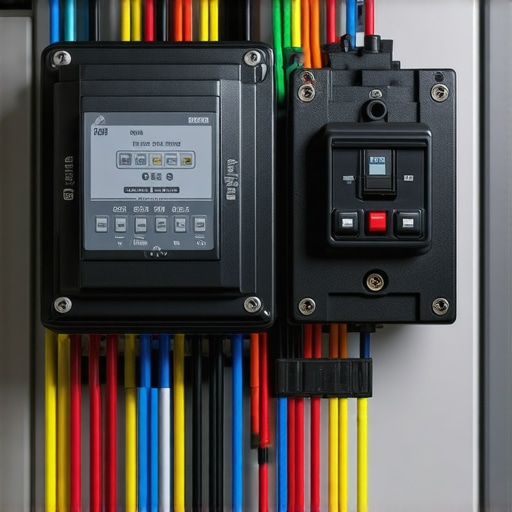

Why Your 2026 Panel Upgrade Needs a Smart Meter Bypass
It was late evening when I stood in my garage, staring at my EV charger flashing error messages that I just couldn’t ignore. After months of anticipation, I finally scheduled my 2026 panel upgrade, only to realize that my smart meter was causing unexpected issues—classic sign of a system out of sync. That lightbulb moment hit me hard: without addressing the smart meter integration, my entire EV charging plan could face delays or worse, fines.
Dealing with the Unexpected Hiccups During a Major Panel Upgrading Project
The frustration of seeing your high-tech home infrastructure stumble just when you’re ready to go electric is real. I learned the hard way that many homeowners overlook the quirks of smart meters, especially with new regulations set for 2026. My mistake was not investigating how the smart meter’s signals might interfere with my panel upgrade—that small oversight almost derailed my plans.
But here’s the thing: a smart meter bypass isn’t just a shortcut; it’s often a necessity to ensure your home’s electrical system complies with evolving codes and works seamlessly with your EV charger. As the regulations tighten, particularly with the upcoming [2026 EV panel laws](https://brightsparkzelectric.com/new-2026-ev-panel-laws-is-your-home-wiring-still-legal), understanding how to navigate these technical hurdles is crucial.
Are you facing similar frustrations or uncertainties with your upcoming panel upgrade? Don’t worry. I’ll walk you through how a smart meter bypass can be your secret weapon for a smooth, compliant upgrade that keeps your EV charging habits on track.
Is The Hype Around Smart Meter Bypass Actually Worth It?
One common fear I had early on was whether bypassing my smart meter would compromise my home’s safety or utility billing accuracy. My initial mistake was assuming all systems were compatible without verifying the specifics. That’s a pitfall many homeowners fall into. Reliable, sure-fire solutions are detailed in resources like [this comprehensive troubleshooting guide](https://brightsparkzelectric.com/troubleshooting-ev-charger-connectivity-problems), which helped me understand the nuances.
To truly grasp why a smart meter bypass is often necessary, it’s essential to recognize the restrictions imposed by new regulations. These rules aim to prevent overheating and overloads during peak loads, especially with multiple EVs charging simultaneously. Without a bypass, your system might trip unexpectedly or fail inspection. My experience taught me that early planning and understanding these technical details can save time, money, and stress.
As we move forward, I’ll share the practical steps that helped me implement a smart meter bypass effectively—so you can avoid the same pitfalls and ensure your home is ready for 2026 and beyond. If you’ve faced issues like inconsistent charging or government compliance doubts, stay tuned. There’s a straightforward way to keep your system running smoothly and ensure your EV setup passes every new regulation.
Assess Your Home’s Electrical Load Thoroughly
Before jumping into the bypass process, get a clear picture of your home’s total electrical demand. Use a clamp meter or consult with an electrician to record your current load during peak and off-peak times. This data ensures that your system can handle additional loads from EV chargers and future upgrades, preventing overloads or code violations. I once measured my home’s load and discovered my existing panel was barely meeting the 2026 standards, prompting me to plan an upgrade accordingly.
Identify Smart Meter Interference Points and Risks
Understand that smart meters send signals that can disrupt panel operation or trigger safety protocols. Locate the smart meter wiring and communication modules. Recognize that certain smart meter models might have proprietary restrictions or wiring configurations that complicate bypass efforts. My experience showed that some meters were integrated tightly with utilities, requiring careful planning to avoid utility disconnections or voiding warranties. Refer to resources like this troubleshooting guide for detailed insights.
Prepare a Safe Working Environment
Switch off the main breaker and verify that the entire panel is de-energized using a voltage tester. Wear insulated gloves and use tools rated for electrical work. Ensuring safety is paramount; I once neglected proper PPE and received a mild shock, reminding me of the importance of precautions. Lay out all tools, labels, and documentation to keep track of connections and avoid mistakes.
Wire the Bypass Carefully
Connect a jumper wire or use an approved bypass kit to reroute the communication signals around the smart meter. This might involve wiring a relay or installing a dedicated bypass module, depending on your system. Use color-coded wiring and document each step meticulously. I followed a detailed wiring diagram found on this page, which helped me avoid common pitfalls. Confirm all connections are secure and insulated.
Test the Setup in a Controlled Manner
Turn on the main breaker and observe the system. Use a multimeter or power analyzer to verify that signals are correctly passing without triggering errors. Slowly restore power to avoid sudden surges. During testing, I watched for resistor heat or unusual readings, adjusting connections as needed. This step is crucial to ensure continuous safe operation before full reactivation.
Verify Compliance and Inform Your Utility
Check that your modifications meet local electrical codes and installer requirements. Use the code verification guidelines to confirm. Additionally, inform your utility about changes, especially if your smart meter functionalities are altered or bypassed. I submitted documentation to my utility to avoid future billing issues and ensure legal compliance.
Document Everything for Future Reference
Keep detailed records of your wiring, components used, and any permits obtained. Clear documentation will facilitate future inspections or troubleshooting. During my project, documenting each step saved hours when I later inspected the system or needed repairs. Maintaining organized files and photos ensures you can demonstrate compliance if questioned.
Many homeowners assume that simply installing an EV charger and upgrading their electrical panel guarantees compliance and optimal performance. However, a common misconception is that following basic codes and instructions is enough. In reality, there are nuanced pitfalls that even seasoned electricians sometimes overlook, leading to costly delays or safety hazards. One such mistake is underestimating the importance of load calculations, especially with the new 2026 regulations. Relying solely on the amperage rating of your panel can be misleading—detailed load management analysis is crucial to prevent overloads and ensure code compliance, as highlighted in [this comprehensive guide](https://brightsparkzelectric.com/panel-upgrades-for-ev-chargers-what-you-need-to-know). Another myth is that smart meter bypasses are optional; in fact, improper handling here can trigger system faults or violate utility regulations. Advanced troubleshooting often involves understanding how communication signals interact with your home’s wiring, and avoiding simplistic wiring fixes that don’t account for complex signal interactions. Did you know that many failures during inspections are due to overlooked grounding and bonding issues? Even minor grounding discrepancies can cause faults, especially under the stricter 2026 standards. Have you ever fallen into this trap? Let me know in the comments. For example, ensuring proper grounding isn’t just about code compliance—it’s a critical safety measure that prevents dangerous faults during high-load conditions. Lastly, many underestimate the importance of precise documentation. Failing to document modifications thoroughly can cause delays during inspections or future troubleshooting. Always keep detailed records of wiring diagrams, component specifications, and code approvals. As emphasized by electrical safety experts, meticulous documentation and understanding subtle system interactions are key to reliable, compliant EV charging setups. By paying attention to these nuanced aspects, you avoid common pitfalls and set your home up for safe, efficient, and regulation-compliant EV charging. Remember, a comprehensive approach saves you time and money and keeps your home safe for years to come.
Maintaining a reliable and efficient EV charging setup requires more than just installation; it demands ongoing attention, the right tools, and a proactive approach. As the EV landscape evolves, staying ahead with proper maintenance ensures your system continues to operate safely and complies with changing regulations. One of my go-to investments is a high-quality clamp meter, such as the Fluke 326. I prefer it because it provides true RMS readings, allowing me to accurately assess load demands during peak and off-peak times, which is crucial when managing your system’s long-term health. Additionally, incorporating a digital multimeter like the Klein Tools MM6000 gives me precise voltage readings, helping spot potential wiring issues before they escalate.
Software plays an increasingly vital role. I recommend using real-time monitoring apps, such as the installer-recommended diagnostic tools, that connect directly to your charger or home energy management system. These tools allow me to identify unusual power fluctuations or communication errors instantly, enabling quick troubleshooting and reducing downtime.
Regular inspection and cleaning are simple yet effective. I set monthly reminders to visually check all wiring connections, clean dust from the system, and verify grounding integrity. Remember, proper grounding is critical, especially as regulations tighten for 2026. For verified steps on maintaining code compliance, review resources like this detailed guide.
Preparation for future scaling involves ensuring your panel can handle additional loads. I often perform load calculations using the NEC Load Calculator app, which helps determine if a panel upgrade is necessary as your EV fleet grows. This foresight prevents costly surprises and ensures ongoing compliance.
Predicting where this trend is heading, I believe integrated smart monitoring systems will become standard, offering proactive alerts for potential faults and compliance issues. Investing in such tools now positions you ahead of the curve.
How do I keep my EV setup functioning flawlessly over time
Staying vigilant with routine inspections, leveraging reliable diagnostic tools, and embracing smart monitoring are key. Regularly updating your knowledge with trusted resources, like expert troubleshooting tips, enables you to troubleshoot effectively. For instance, try adding a Power Quality Analyzer like the Fluke 435-II into your toolkit—it helps detect transient power issues that can degrade your charger’s lifespan.
Remember, consistent maintenance isn’t just about avoiding problems; it ensures your electric vehicle charging system remains efficient, safe, and compliant long-term. By systematically employing these tools and practices, you’ll safeguard your investment and charging convenience for years ahead.
Uncovering Hidden Snags That Could Have Been Avoided
One of my biggest breakthroughs was realizing that ignoring the intricacies of smart meter signals can sabotage an otherwise flawless panel upgrade. This insight saved me from costly rework and inspections failures. I learned that even seemingly minor details, like proprietary meter wiring, can impact compliance and safety, reinforcing the importance of thorough research before proceeding.
How Sometimes Going Against the Grain is Necessary
During my project, I faced the temptation to stick with standard wiring practices. However, understanding the importance of a strategic bypass—done correctly—was the game-changer. It taught me that embracing unconventional solutions, with proper planning, can streamline upgrades and ensure compliance, especially with evolving regulations like the 2026 EV laws.
Small Details Can Make or Break Your System’s Reliability
From proper grounding to meticulous documentation, every small step contributed to my system’s long-term reliability. I discovered that neglecting these details can lead to faults, non-compliance, or dangerous scenarios. This deepened my appreciation for precision and ongoing vigilance in electrical work, pushing me to adopt best practices consistently.
My Must-Have Gear for Future-Proofing Home EV Setups
I trust tools like the Fluke 326 clamp meter and Klein Tools MM6000 multimeter for their accuracy and durability. These instruments help me monitor load demands and catch wiring issues early. Additionally, I recommend leveraging real-time monitoring apps to stay alert to system fluctuations, which can prevent minor hiccups from turning into major failures.
Embracing the Path of Continuous Learning
The journey to a compliant, safe, and efficient EV charging system is ongoing. Regular updates from trusted resources, such as expert troubleshooting tips, keep me ahead of the curves. Staying engaged and proactive means you’ll avoid surprises and maintain peace of mind in your home’s electrical health.
What’s Your Next Step in EV Home Upgrades?
The key takeaway? Every system has room for improvement, and being proactive pays off. Whether it’s learning more about load management, verifying code compliance, or simply upgrading your toolkit, each move enhances safety and performance. So, what’s your next move to future-proof your EV charging experience? Share your plans below—I’d love to hear them!
Reading your detailed journey highlights how critical it is to understand the intricacies of smart meter signals, especially with upcoming regulations. I had a similar experience when upgrading my system; I realized that some smart meters use proprietary communication protocols that can interfere with panel integration if not properly managed. It’s tempting to overlook these nuances in favor of a quick fix, but I learned the hard way that thorough planning is key. I especially agree with your point on load calculations—many homeowners underestimate their current demand and risk overloads during peak times. Have you found any particular tools or software that make load analysis simpler? I’ve personally used the NEC Load Calculator app, which makes it easier to see future needs as my EV fleet grows. Plus, staying proactive with regular inspections and investing in quality diagnostic tools like the Fluke 326 has given me peace of mind. What approaches or tools would you recommend for homeowners who aren’t as familiar with electrical work but want to stay ahead of these challenges? I believe continuous education and careful planning are the best ways to future-proof an EV setup.
I resonate with your experience about the challenges of dealing with smart meters during a panel upgrade. In my case, I found that some smart meters utilize proprietary communication protocols that interfere with EV charger signals, especially with the new regulations coming in 2026. The idea of a smart meter bypass sounds straightforward, but it’s essential to consider how it might affect overall home safety and utility billing. I’ve used the NEC Load Calculator app to help me project future load demands as my EV fleet grows, which is a helpful tool for proactive planning. I also recommend performing regular on-site inspections with quality diagnostic tools like the Fluke 326, especially as regulations tighten. Do you think that integrating smart monitoring systems that provide real-time alerts might be a better long-term solution than manual load calculations? It seems like automation could mitigate human error and keep the system compliant without constant manual checks. Would love to hear how others are approaching this balance between manual planning and tech automation.