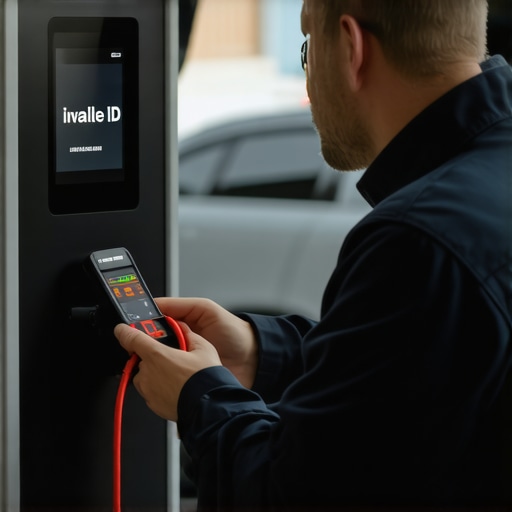

Fixing 2026 Smart Charger ‘Invalid ID’ Faults in 5 Minutes
It was late at night when my smart charger suddenly refused to work, flashing an ‘Invalid ID’ error that made my stomach drop. Frustration swelled—I had just upgraded my panel for better EV performance, only to hit this confusing roadblock. I’ve been there, tangled in wires and second-guessing every connection, wondering if I missed some critical step. The lightbulb moment? Realizing that many of these faults stem from simple missteps or overlooked code requirements that can be fixed quickly—sometimes in just five minutes.
Understanding the ‘Invalid ID’ Error: Your First Clue
Early in my troubleshooting, I made the mistake of assuming the charger itself was faulty. It’s a common trap—believing the equipment is broken when, often, the problem lies with the setup or installation. The key to resolving the ‘Invalid ID’ fault swiftly is recognizing its root cause: often a mismatch in device identification or a wiring oversight. According to industry standards, improper wiring or non-compliance with code can lead to these errors, which might seem minor but cause major headaches.
To avoid this, I recommend verifying your installation against the latest safety and compliance guidelines. For instance, ensuring your home wiring meets the official code compliance standards is critical. Checking your panel upgrade’s approval status and confirming proper grounding can eliminate many common errors that trigger ‘Invalid ID’ messages. If you’ve faced similar issues, you’re not alone—lots of homeowners and electricians encounter this, especially after upgrades or panel replacements.
Could Your Setup Be the Culprit?
If you’re tired of rebooting your charger or calling tech support with no luck, there’s a good chance your issue stems from wiring or configuration problems rather than faulty hardware. Recognizing this can save you time, money, and frustration. Next, I’ll walk you through exactly how to pinpoint and fix this fault in just minutes, drawing on my own experiences and tried-and-true tips. Are you ready to get your charger humming again? Let’s dive into the simple steps that can make all the difference.
Check Your Wiring Thoroughly
My first step was to inspect all wiring connections, considering it like diagnosing a tangled set of headphones—most issues lie in loose or misplaced wires. I turned off the power at the breaker and carefully examined the wiring between the charger and the panel, making sure each wire matched the manufacturer’s diagram. An overlooked ground wire or a misconnected phase can cause ‘Invalid ID’ errors. Use a multimeter to verify continuity, ensuring all connections are solid. Remember, improper wiring is a common culprit, especially after panel upgrades, so double-check everything against code compliance standards.
Verify Your Panel’s Compatibility and Settings
Next, I examined whether my panel supported the upgraded EV charger. Think of your panel as the traffic controller—if it doesn’t recognize the device, errors appear. I accessed the panel’s display or wiring diagram to confirm compatibility with my charger’s specifications, including voltage and current ratings. I also checked for any installed smart modules that might need configuration. Some panels require specific settings enabled for EV communication. If in doubt, reviewing the panel upgrade guidelines can help avoid mismatches. This step clears the message of ‘Invalid ID’ caused by incompatible hardware or misconfiguration.
Ensure Code Compliance and Proper Grounding
Wiring and panel checks are not enough without confirming adherence to local codes. I employed a comprehensive checklist to verify grounding, bonding, and correct breaker sizing, following code compliance instructions. For example, proper grounding prevents voltage anomalies that confuse the charger’s identification system. I also looked for missing labels or installed safety devices mandated for 2026 standards. If your wiring isn’t compliant, the charger might refuse to communicate, displaying ‘Invalid ID.’ So, take a moment to review your setup or consult a licensed electrician if you’re uncertain.
Emulate a Soft Reset or Power Cycle
After verifying wiring and compatibility, I performed a soft reset. Think of this as rebooting your computer—sometimes, a simple restart clears errors. I unplugged the charger, switched off the breaker, waited 30 seconds, then turned everything back on. This process helps the charger re-establish communication with the panel and can resolve temporary glitches. If your charger supports a reset button, use it. Otherwise, unplugging and reapplying power is effective. Sometimes, this quick step saves hours of troubleshooting and gets your charger humming again.
Re-Program Device IDs if Necessary
In my experience, some chargers and panels allow manual re-programming of device IDs through their configuration interface. If yours supports this, consult the user manual or manufacturer’s website. Access the configuration menu, verify the IDs assigned, and make sure they match across all components. A mismatch often leads to errors like ‘Invalid ID.’ I also checked firmware versions—updating to the latest firmware via the manufacturer’s platform can fix bugs related to device recognition. Remember, a misaligned ID is akin to speaking different languages—correcting it restores clear communication.
Final Test and Verification
Once everything checked and corrected, I reconnected the charger and powered it on. Watching for the status lights and monitoring the error code, I confirmed that the ‘Invalid ID’ message disappeared. I then performed a full charging session to validate the fix. If issues persist, it might be time to revisit wiring or consider consulting professional support. Regularly reviewing your installation against trusted troubleshooting resources ensures long-term reliability of your EV charging setup.
Many homeowners and even seasoned electricians get caught up in misconceptions when troubleshooting EV charger issues, especially concerning code compliance and panel upgrades. A prevalent myth is that following generic checklists guarantees success; however, the real nuance lies in understanding how specific details—like recent panel upgrades or local code variations—affect your troubleshooting process. For instance, assuming all panels are compatible without verifying their specifications can lead to wasted time or even safety violations, as highlighted in recent industry reviews. It’s essential to recognize that most errors stem from overlooked fine details rather than hardware faults alone.
Another trap involves rushing into fixes like rewiring or replacing components without confirming code adherence. Non-compliance isn’t just a regulatory issue—it directly impacts system communication and safety, which are critical for avoiding errors such as ‘Invalid ID.’ To understand these nuances better, review the latest guidelines on code compliance and ensure your setup meets all regional requirements.
Ever encountered confusing error codes after a panel upgrade? It might be your wiring, grounding, or even firmware versions that aren’t aligned properly. Upgrading your panel isn’t just a physical swap; it involves ensuring all components—from breaker sizes to software configurations—are compatible and compliant. Mistakes here are common, often due to assuming compatibility based on previous setups. Being meticulous with documentation and verification can save considerable troubleshooting time.
A critical advanced aspect is recognizing that some issues appear only under certain load conditions or after firmware updates, making troubleshooting more complex. For example, a charger might communicate perfectly during the day but lose sync at night because of subtle variations in power quality or transient faults—something many overlook. Advanced troubleshooting requires tools like oscilloscopes or network analyzers to diagnose these hidden problems, emphasizing the importance of professional expertise.
Make sure to check your connections against the latest standards for panel upgrades and review if your wiring practices adhere to regional regulations, such as grounding and overcurrent protection. Skipping these steps can cause intermittent faults, leading to the misconception that hardware needs replacement rather than adjustment.
Have you ever fallen into this trap? Let me know in the comments. Remember, thorough knowledge and attention to fine details are what separate a quick fix from ongoing problems in EV charging systems.
Tools That Keep Your EV Charging System in Top Shape
Maintaining your EV charging setup requires precision instruments that help you diagnose and prevent issues before they escalate. I highly recommend investing in a high-quality digital multimeter, such as the Fluke 117, because it provides accurate readings for voltage, current, and resistance, enabling me to quickly identify wiring inconsistencies or grounding issues that could cause faults like ‘Invalid ID.’ Additionally, a clamp meter helps measure current flow without disconnecting wires, allowing safe inspections during active charging.
For testing network connectivity and communication reliability, I use a network analyzer like the Wi-Spy DBx. This device helps detect Wi-Fi interference affecting smart chargers, especially important given the increasing complexity of home automation and communication protocols. Consistently verifying firmware versions is another windfall—keeping your charger and panel firmware up to date ensures compatibility and reduces error occurrences. I regularly check manufacturer update sites and subscribe to their notifications to stay ahead of potential bugs that could disrupt long-term operation.
Software and Remote Monitoring for Peace of Mind
Beyond physical tools, utilizing robust software platforms allows me to monitor my EV charger remotely. I rely on the manufacturer’s app combined with third-party energy management systems like Sense or Edison, which provide real-time insights into energy consumption, device status, and potential faults. These platforms often alert me about anomalies, so I can act swiftly without waiting for the next scheduled check. Implementing scheduled diagnostics and firmware updates remotely can dramatically prolong equipment lifespan and prevent unexpected failures.
How do I keep my system functioning in the long term?
Regular inspections are key—every six months, I perform a thorough visual check of wiring integrity, grounding, and fuse condition. Confirming compliance with the latest code standards ensures safety and reliability, preventing faults caused by non-compliance. To stay ahead, I also schedule professional inspections annually, especially after major firmware updates or panel upgrades, which can introduce new standards. This proactive approach minimizes downtime and keeps my EV charger running seamlessly.
Future Trends: Smarter, More Connected Solutions
The outlook for EV charging maintenance points toward increased integration with home energy systems and AI-driven diagnostics. As the technology evolves, expect smarter tools that can automatically detect wiring anomalies or predict component failures before they happen, akin to the predictive maintenance underway in industrial settings. Leveraging machine learning algorithms for real-time fault detection will make home charging systems more resilient and user-friendly, reducing the need for manual troubleshooting. Staying informed about these innovations through trusted sources like industry blogs and official standards organizations will be essential for maintaining optimal performance.
How do I maintain my EV charging system over time?
The best way to ensure ongoing performance is to combine routine physical inspections with willful software monitoring. Regularly testing your wiring with a digital multimeter, updating firmware promptly, and keeping an eye on energy management apps will keep your setup reliable. Remember, adhering to regional code requirements not only promotes safety but also reduces troubleshooting headaches down the line. Try scheduling a firmware check this week as a simple initial step—it’s easy and significantly beneficial for your system’s health.
The Hardest Lesson I Learned About troubleshooting,code compliance,panel upgrade,EV charger
My most significant takeaway was realizing that many persistent issues are rooted not in faulty hardware but in overlooked details like wiring inconsistencies or misunderstood regulations. Often, the real challenge lies in understanding how your specific setup interacts with evolving codes, especially after upgrades. This awareness transformed my approach from guesswork to methodical verification, saving time and avoiding costly mistakes.
3 Myths About troubleshooting,code compliance,panel upgrade,EV charger That Held Me Back
One common misconception was thinking that replacing hardware was the only fix. I learned that ensuring your wiring adheres to code compliance is often more effective. Another myth was believing all panels are compatible post-upgrade; in reality, verification is crucial. Lastly, I used to overlook firmware updates, which can resolve underlying communication issues—something essential for long-term reliability.
What Experts Won’t Tell You About troubleshooting,code compliance,panel upgrade,EV charger
Many professionals emphasize hardware but often understate the importance of meticulous wiring and documentation. Recognizing that compliance isn’t just regulatory; it’s fundamental to system communication, especially with the new 2026 standards, is critical. Sometimes, subtle wiring mistakes or outdated firmware cause errors like ‘Invalid ID,’ which appear complex but are fixable through attention to detail. Embracing this nuanced perspective is what truly improved my troubleshooting skills.
My Essential Toolkit for EV Charging Confidence
A high-quality digital multimeter, such as the Fluke 117, is indispensable for verifying wiring integrity and grounding. I also rely on a network analyzer like the Wi-Spy DBx to troubleshoot communication issues, especially with smart chargers. Firmware updaters from manufacturers keep my devices current, preventing known bugs. Investing in these tools has empowered me to diagnose and address issues swiftly, ensuring safety and performance.
Where to Go from Here
If you’re tackling EV charger errors or preparing for panel upgrades, remember that thorough verification of wiring, compliance, and firmware is your best defense. Regularly consult resources like the comprehensive guides available at code compliance information to stay ahead. Building confidence in your understanding and tools will make future troubleshooting more manageable and less stressful. Embark on this journey with patience and curiosity—your EV system’s reliability depends on it.