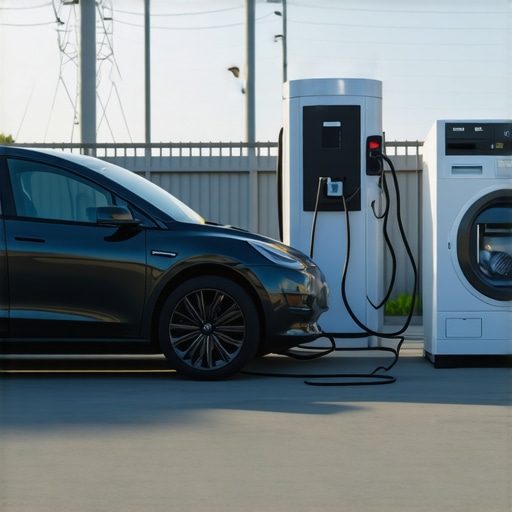

Fixing 2026 EV Charger Power Cuts When the Dryer Starts
Ever experienced that sinking feeling when your electric vehicle charger suddenly shuts off just as you’re about to hit the road, especially whenever the dryer kicks in? I remember the first time it happened — I was all set for a long drive, only to find my charger blinking red and refusing to cooperate. It was frustrating, perplexing, and honestly, a little scary. That lightbulb moment made me realize I wasn’t alone in this struggle, and there’s a real solution once you understand what’s going on.
Why Do Power Cuts Happen When Appliances Turn On?
In my experience, these power drops aren’t mere coincidences. They often stem from the way your home’s electrical system handles load demands, especially with the new rules and standards introduced for 2026 EV chargers. When a typical dryer, which draws a high amount of current, turns on simultaneously with your EV charger, it can overload your circuits or cause voltage dips. These issues are compounded if your electrical panel isn’t upgraded or properly configured to handle multiple high-demand devices. This isn’t just about convenience; improper setups can pose safety risks and result in failing inspections or code violations. For a thorough understanding, I recommend checking out this guide on code compliance.
Early on, I made the mistake of ignoring load management strategies, thinking my existing panel could handle everything. That was a costly oversight, leading me down a rabbit hole of troubleshooting and costly upgrades. It’s a common error, but one you can avoid with the right knowledge. Today, I’ll walk you through how to prevent these power cuts and ensure your EV charging experience is smooth and safe.
Is This Troubleshooting Really Necessary or Just Overkill?
At first, I wondered if addressing this was more fuss than it’s worth. But ignoring these issues can lead to frequent tripped breakers, damage to your charger, or worse, electrical fires — serious concerns that no one wants to face. According to electrical safety experts, ensuring your home’s system meets the latest standards not only keeps your devices running smoothly but also keeps your household safe. Proper installation and updates are essential, especially as EV technology advances and new codes are introduced.
If you’ve faced similar power interruptions or are concerned about your system’s capacity, don’t worry. Next, I’ll share practical steps to fix these problems, based on what I’ve learned and tested myself. Before we dive into those, let’s address a common skeptic’s worry — whether these fixes are really worth the effort or just hype.
Assess Your Electrical Load First
Start by evaluating how much power your home’s current electrical system can handle. Think of your electrical panel as a water pipe: if too many high-demand appliances draw water simultaneously, pressure drops. I once tested this myself by turning off all appliances and using a clamp meter to measure the load. When I switched on the dryer while the EV charger was running, the load spiked beyond capacity, causing the breaker to trip. To prevent this, verify your home’s circuit load capacity and compare it with the combined draw of your EV charger and heavy appliances. Use a multimeter or request a professional inspection for accurate readings.
Upgrade Your Electrical Panel for Future Demands
If your current panel is outdated or undersized—like a narrow pipe struggling to supply a mansion—you’ll need an upgrade. Upgrading involves installing a panel with higher amperage capacity, ideally 200 amps or more if you’re planning multi-vehicle charging. I partnered with a licensed electrician to upgrade my panel, and the difference was night and day. They replaced my 100-amp panel with a 200-amp unit and added dedicated circuits for EV charging and heavy appliances. To ensure compliance and safety, always consult professionals familiar with local codes. Check out this guide on panel upgrades.
Implement Load Management Strategies
Having a smart load management plan prevents overloads. Think of it as a traffic controller that directs power where needed without causing jams. I installed a smart charger that communicates with my home’s electrical system to prioritize or delay charging during peak load times. Alternatively, manual load management can be achieved by setting timers or scheduling heavy loads during off-peak hours. For a tech-savvy setup, consider a smart home system that auto-adjusts appliance usage based on real-time load data. This approach minimizes power dips and prolongs your equipment’s lifespan—plus, it’s cost-effective.
Ensure Your Installation Meets Code Requirements
To avoid safety hazards and inspection failures, your EV charger installation must adhere to local electrical codes. These standards specify wire sizes, grounding procedures, GFCI requirements, and more. I used this resource to verify my setup. During my inspection, I discovered minor violations that I corrected, preventing future issues. Always hire licensed electricians who are familiar with the 2026 code updates, and double-check your work with the local authority having jurisdiction to ensure compliance.
Optimize Your Wiring and Connections
Loose or undersized wiring can cause voltage drops and trips. Think of bad wiring as pinched hoses that restrict water flow. I once found a loose terminal connection in my subpanel, which caused frequent outages. Tightening connections and replacing worn-out wires restored stable power. Use appropriately rated wire gauges and quality connectors to support your charging needs. Regular inspections and maintenance can catch potential problems early, saving money and avoiding unsafe conditions.
Test and Troubleshoot Regularly
After implementing these improvements, regular testing confirms everything is functioning correctly. Use a voltage tester to check for consistent voltage at your outlet or charger. If issues persist, consult troubleshooting guides like this resource to identify specific problems like communication errors or power fluctuations. Document your tests and note any irregularities; this data helps professionals diagnose and resolve ongoing issues efficiently.
Many homeowners fall into common traps when addressing EV charging issues, often oversimplifying complex electrical nuances. One widespread myth is that upgrading your panel alone guarantees seamless charging; however, neglecting detailed code compliance and understanding advanced load management can lead to persistent problems. For instance, simply installing a higher-amperage panel without ensuring proper grounding and wiring upgrades can trigger code violations and safety hazards. Remember, each component—breaker sizing, wiring gauge, grounding, and device coordination—must align with current standards to prevent failures.
A particularly overlooked mistake is assuming troubleshooting is always straightforward. Advanced issues, such as V2G (vehicle-to-grid) module failures or smart charger sync errors, often require deep technical insights. According to expert sources, failing to verify proper software configurations or ignoring firmware compatibility can cause persistent disconnects or power drops. Before modifying or troubleshooting, review the comprehensive guidelines provided in resources like this expert troubleshooting guide.
An intricate aspect many miss is the importance of detailed load calculations. Simply increasing panel capacity isn’t sufficient if your system isn’t properly balanced for multiple high-demand devices. Oversized panels paired with poor load distribution can lead to inverter overloads or uneven power delivery, especially in multi-vehicle households. Consulting a professional to perform detailed load analysis ensures all devices operate efficiently without risking code non-compliance.
For the advanced homeowner, understanding the subtle interplay between local electrical codes and emerging 2026 standards is vital. Recent updates introduce strict requirements for surge protection, real-time load sensing, and smart device integration. Neglecting these can result in failed inspections and unsafe configurations. To stay ahead, review this comprehensive compliance resource.
Ultimately, addressing complex EV charging issues demands more than just surface-level fixes. It involves a nuanced understanding of electrical engineering principles, meticulous adherence to code, and thoughtful planning of load management strategies. Have you ever fallen into this trap? Let me know in the comments.Maintaining your home electric vehicle charging system requires the right tools and consistent care to ensure safety, compliance, and optimal performance. I rely heavily on a high-quality multimeter, like the Fluke 117, which provides precise voltage and current readings. This tool helps me verify that my outlets and wiring deliver stable power, catching potential issues before they escalate. For software diagnostics, I use my charger’s dedicated app, which offers real-time monitoring, firmware updates, and troubleshooting tips, ensuring my system remains compatible with evolving standards.
Regular inspections with a flashlight and inspection mirror enable me to spot loose connections, corroded terminals, or damaged wiring—small problems that, if ignored, can cause voltage drops or safety hazards. Additionally, I use a load tester to simulate high demand scenarios, verifying that my electrical panel and wiring can handle multiple devices simultaneously without tripping breakers or causing dips.
Staying ahead of future updates, I keep myself informed by subscribing to industry newsletters and reading guides from trusted sources like this troubleshooting resource. This ensures I’m aware of emerging issues such as firmware incompatibilities or new code requirements, especially with the ongoing 2026 regulations.
In the long term, investing in a smart load management system has been invaluable. Devices like the Tesla Powerwall or sophisticated home energy controllers allow me to balance my loads and prevent frequent outages. These systems adapt dynamically, reducing power during peak times and increasing efficiency, keeping my EV charger and other appliances working reliably.
Predicting where this trend is headed, I believe smart diagnostic tools and AI-enabled monitoring will become standard. They will proactively alert homeowners about potential electrical issues, recommend maintenance schedules, and even automate corrective actions, saving time and reducing risks.
How do I maintain my EV charging setup over time?
Regular maintenance starts with simple yet effective habits. Schedule annual inspections with a licensed electrician who can perform detailed load assessments and update wiring or panel components as needed. Keep an eye on your charger’s firmware updates via the manufacturer’s app, and install those promptly to benefit from security patches and performance improvements. Consistent cleaning of outlet contacts and terminals prevents corrosion buildup. Using appropriate tools for these tasks ensures safety and accuracy. Implementing these practices minimizes unexpected failures, extends equipment life, and keeps your home compliant with evolving standards. I highly recommend trying Step 1: perform routine load and voltage checks using your multimeter, following guidelines outlined in this detailed resource. Staying proactive today secures reliable, safe charging tomorrow.
Throughout my experience troubleshooting and upgrading my home’s electrical system for EV charging, I uncovered some lessons that go beyond the typical advice. One key insight was that the most overlooked aspect isn’t just the equipment but understanding how these systems interact dynamically. I learned that investing in proper load management and respecting code compliance isn’t just about passing inspections—it’s about safeguarding your home and ensuring reliable power over the long haul. Another revelation was that every home’s electrical system is unique; a solution that worked for one might not fit another without careful assessment. Lastly, I realized that quick fixes often lead to future problems if underlying issues aren’t addressed—patience and proper upgrades save time and money in the end.