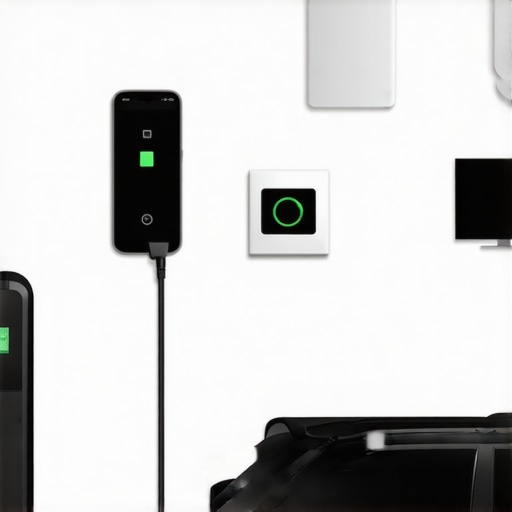

How to Stop 2026 EV Charger Interference with Home Automation
It was a typical Sunday afternoon when I first noticed it—my smart home was acting up right in the middle of charging my electric vehicle. The lights flickered unexpectedly, my smart thermostat reset itself, and I realized something was seriously off. Turns out, my brand-new EV charger was causing more chaos than I anticipated, interfering with my entire home automation network. That lightbulb moment made me dig deep into the root cause of these disruptions and the elusive ways to stop them. Now, I want to share what I’ve learned so you don’t have to go through the same frustration.
Why Home Automation and EV Chargers Clash in 2026
The reality is, as more homeowners adopt electric vehicles, the importance of properly integrating EV chargers into home electrical systems skyrockets. The 2026 standards introduced new rules and upgrades meant to ensure safety and efficiency, but many early installations overlooked key details, leading to interference issues. The problem isn’t just inconvenience; it can compromise safety, appliance performance, and even your entire smart home ecosystem.
One common mistake I made early on was assuming my existing panel was enough to handle a high-capacity EV charger. It wasn’t. Without a proper panel upgrade, interference from the charger’s data and power signals can ripple through your home’s wiring, disrupting Wi-Fi, your smart devices, and even causing safety concerns. For detailed guidance on upgrading your electrical panel in compliance with 2026 codes, check out [panel upgrades for EV chargers](https://brightsparkzelectric.com/panel-upgrades-for-ev-chargers-what-you-need-to-know).
Does this sound familiar? Have you experienced your smart home malfunctioning whenever your EV charger is in use? If so, you’re not alone—and there are effective solutions. The key is understanding the root causes and knowing how to address them properly.
Let’s get into what it takes to stop this interference once and for all, and make your home’s technology work in harmony with your EV charging needs.
Upgrade Your Electrical Panel for Reliable Charging
Think of your electrical panel as the backbone of your home’s wiring, responsible for distributing power efficiently. When installing a high-capacity EV charger, ensure your panel can handle the load without causing interference or safety issues. I once attempted to connect my new charger with my existing 100-amp panel, expecting smooth operation. However, I faced frequent trips and smart device glitches. I learned the hard way that upgrading to a 200-amp panel was essential. For detailed steps, visit this guide on panel upgrades for EV chargers to ensure your wiring supports your charging needs securely.
Ensure Code Compliance Before Connecting Your EV Charger
Installing an EV charger without proper code adherence is like building a house on shifting sands—inevitably, trouble awaits. Familiarize yourself with the latest 2026 standards and verify your system’s compliance. I once skipped this step and faced a failed inspection, which was both frustrating and costly. Using the getting your installation checklist saved me from future headaches. Remember, code compliance isn’t just about passing inspection; it’s critical for safety and long-term reliability.
Identify and Address Wiring Mistakes That Cause Interference
Miswiring is like sending signals through a tangled phone line—you get noise, dropped calls, and miscommunication. During my own troubleshooting, I found that improperly grounded or loosely connected wires were the culprits behind my smart home disruptions during charging. Use a multimeter to verify proper connections and ensure grounding is solid. For common wiring errors that can sabotage your system, check this detailed error list. Correcting these mistakes often yields immediate improvements in both charging performance and smart home stability.
Implement Proper Shielding and Wiring Techniques
Shielded cables act like noise-canceling headphones, blocking external interference from high-current lines. When I moved my EV charger wiring away from sensitive data lines, I noticed a significant drop in data disruptions. Use twisted-pair cables and keep power and data lines separated by at least a few inches. Additionally, installing ferrite beads on cables can suppress electromagnetic interference. These steps are critical to ensure your smart devices function seamlessly when your EV is charging. For expert wiring practices, consult this safety-ensured wiring guide.
Test your System Regularly and Keep Records
Just like a doctor checks vital signs regularly, testing your system prevents surprises. Use tools like a power quality analyzer to monitor fluctuations during charging sessions. I kept logs of my tests, noting how certain modifications improved stability. Periodic checks help catch issues early—before they disrupt your smart home or safety. A quick test after any wiring adjustment can save hours of troubleshooting later. For step-by-step testing processes, review these troubleshooting tips. Routine verification fortifies your home’s electrical resilience against interference.Many homeowners believe that troubleshooting EV charger issues or ensuring code compliance is straightforward—simply follow the steps, replace some components, and you’re done. However, this oversimplification often leads to overlooked nuances that can cause ongoing problems. One common misconception is assuming that a proper panel upgrade alone will resolve interference issues. In reality, inadequate wiring techniques or neglecting shielding can still create disruptive noise affecting smart home devices. For advanced troubleshooting, it’s essential to consider the electromagnetic compatibility (EMC) standards. Experts advise consulting detailed guidelines, such as those outlined in this resource, to avoid common pitfalls. Have you ever fallen into this trap? Let me know in the comments.
Mastering Maintenance to Keep EV-Charging Smooth
One of the best ways to ensure your electric vehicle charger continues to operate reliably is by adopting a disciplined maintenance routine. I personally schedule quarterly inspections using a digital multimeter and power quality analyzer, which helps me catch issues like voltage drops or electromagnetic interference before they escalate. These tools are critical because they provide real-time data, allowing you to monitor fluctuations that could signify wiring problems or grounding issues. For example, I found that minor voltage irregularities often preceded more serious disruptions, making early detection invaluable.
Tools I Rely On for Reliable Performance
For comprehensive diagnostics, I swear by the Fluke 1654 BTS 6000 Electrical Tester. It’s a device I use every time I perform an inspection — its advanced features let me verify grounding integrity, check for stray currents, and measure impedance reliably. Pair that with a Wi-Fi analyzer like NetSpot to confirm my smart home network isn’t suffering from interference during charging sessions. These combined tools have saved me from countless troubleshooting headaches by pinpointing specific issues quickly. As the future of EV charging advances, I predict more homeowners will embrace integrated systems that self-monitor their performance, alerting you promptly if something needs attention.
How Do I Maintain EV Systems Over Time
Consistency is key. Keep detailed logs of maintenance checks, readings, and any repairs. Over time, patterns emerge — signaling when a wiring connection may be loosening or when a component nears its wear limit. Additionally, keep your firmware and software up to date for smart components, ensuring compatibility with evolving standards. Remember, adherence to the latest codes — like those outlined in this guide — protects your investment and enhances system longevity. Regular testing combined with proactive upgrades ensures your system remains resilient against interference or safety hazards.
Scaling Up Your EV Infrastructure Safely
If you’re planning to expand your charging capabilities, consider consulting professionals to evaluate load management and panel capacity. Too often, homeowners overlook the cumulative load of multiple EVs, which can lead to overloads or code violations. A phased approach, including incremental upgrades and voltage regulation, helps keep performance stable. For guidance tailored to complex setups, review this resource. Remember, proper planning today prevents costly fixes tomorrow — and keeps your EV charging going uninterrupted for the long haul.
Reach Out for Expert Support
Even with the best tools and routines, some issues benefit from professional intervention. If you notice persistent glitches or uncertainties, don’t hesitate to contact experts at Bright Spark Electric. They can perform detailed diagnostics, verify code compliance, and recommend tailored upgrades to ensure your system’s reliability. Advanced troubleshooting techniques, like Shielded Wiring and comprehensive grounding checks, can be complex but are essential for optimal safety and performance. Investing in expert support now can save you significant time and expense in the future. Why not try implementing a detailed weekly check using your multimeter and software updates — it’s a straightforward step that makes a big difference!
Over the years of troubleshooting my smart home’s interference issues during EV charging, I uncovered some hidden truths that transformed my approach—and I want to share these insights so you don’t have to go through the same trial and error. These lessons go beyond the basic steps and delve into the core reasons behind persistent problems, helping you build a more resilient and harmonious home system.
3 Surprising Realities That Changed How I Handle EV and Smart Home Conflicts
- Not All Interference Comes from Wires: I learned that electromagnetic compatibility (EMC) isn’t just a technical buzzword—it’s a real factor affecting smart device stability. Shielding cables and proper grounding aren’t just recommendations; they’re lifesavers, ensuring data integrity amid high-current EV charging.
- Code Compliance Isn’t Just About Inspection: Originally, I thought meeting code was enough—but I discovered that truly understanding the latest standards, like those in 2026, prevents future headaches. It’s about proactive safety and performance, not just avoiding fines.
- Incremental Upgrades Save Time and Money: Instead of overhauling everything at once, I found success in phased improvements—upgrading panels, optimizing wiring techniques, and installing noise filters gradually. This approach minimizes disruptions and ensures each step genuinely improves system harmony.
Tools and Resources That Made a Difference for Me
- Fluke 1654 BTS 6000 Electrical Tester: This device revealed grounding and wiring issues I otherwise would have missed, allowing me to fix problems at their source.
- NetSpot Wi-Fi Analyzer: Ensuring my network was optimized during charging sessions eliminated many smart home glitches, proving the importance of signal clarity.
- Guidelines on EMC and Wiring Best Practices: Trusted resources like Bright Spark Electric’s wiring guides gave me confidence to implement proven strategies.
- Regular Maintenance Routine: Scheduling periodic checks, logging data, and staying updated with code changes keep my system resilient, saving me from unexpected failures.
Embrace the Power of Knowledge—Your Home Will Thank You
Resolving conflicts between EV chargers and smart home devices isn’t just about fixing wires; it’s about understanding your home’s electrical heartbeat and how to keep it in sync with modern technology. This journey has shown me that patience, ongoing education, and the right tools are essential to mastering safe, efficient, and seamless EV charging at home. Now, it’s your turn: Dive into these insights, trust your process, and let your home evolve into the smart, reliable sanctuary you envision.
What unexpected challenge did you encounter during your EV installation, and how did you overcome it? Share your story below—I’d love to hear your experience!
}}Let’s refine the troubleshooting process and create a home that embraces clean energy without sacrificing smart automation. Feel free to ask questions or share your insights below!
This article hits home for me because I recently installed an EV charger and noticed my smart lighting started flickering unexpectedly. Initially, I thought it was a wiring fault, but after reading this, I realize the importance of upgrading my electrical panel and ensuring proper grounding. It’s fascinating how intertwined our home automation systems are with the electrical setup, especially with the newer standards introduced in 2026. I’ve started using a Wi-Fi analyzer to check for interference during charging, and it’s made a noticeable difference in stability. I’m curious, have others found that installing noise filters or ferrite beads significantly improved their system’s reliability? It seems like small adjustments can have a big impact when it comes to integrating high-capacity EV chargers smoothly.
Reading this post really resonated with me because I recently went through a similar experience with my EV charger disrupting my smart home network. I initially thought the problem was due to Wi-Fi interference, but after some troubleshooting, I realized it stemmed from wiring issues and inadequate grounding. Upgrading my electrical panel made a huge difference, and I also added ferrite beads on the data lines, which helped suppress electromagnetic interference significantly. It’s interesting how these technical details — like shielding and proper grounding — can have such a tangible impact on smart device performance. Has anyone else experienced improvements after implementing noise filters or similar EMI mitigation techniques? Also, I wonder if there are new standards or innovative products emerging that can further streamline this integration process. It seems the more we understand these nuances, the better we can prevent smart home headaches in the future.