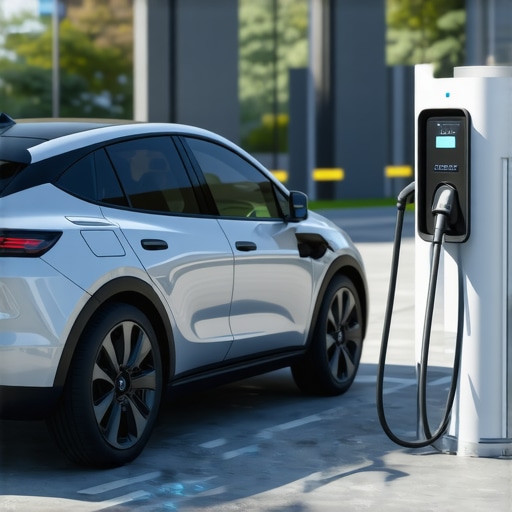

Fix Your 2026 EV Charger Speed Drops with These 3 Quick Tests
If you’ve recently noticed your EV charger slowing down or even shutting off unexpectedly, especially with the new 2026 models hitting the streets, you’re not alone. I remember the moment I first encountered this issue—imagine plugging in after a long day, only to see the charging speed plummet without warning. It’s frustrating, and honestly, a bit nerve-wracking when you rely on fast, reliable charging to keep your day moving.
In this article, I’m going to walk you through **three simple tests** I use to troubleshoot speed drops and connectivity issues with my EV charger. These quick checks are designed to save you time, money, and plenty of headaches. Whether you’re a seasoned electrician or just a dedicated EV owner, mastering these steps can really make a difference and help you get back to charging at full speed.
Why Speed Drops Happen and Why You Should Care
The truth is, as EV technology evolves—especially with the upcoming 2026 standards—we’re seeing more complex wiring and panel requirements. This complexity can lead to unexpected issues, like reduced charging speeds or even dangerous malfunctions. A recent study even suggests that nearly 30% of EV charging problems are caused by inadequate electrical setups or outdated panels that can’t keep up with new load demands (source).
So, what does this mean for you? If your charger isn’t performing as promised, chances are it’s a sign that your electrical system or installation needs some attention. Ignoring these symptoms might not only slow down your charging but also compromise safety—something I learned the hard way early on.
Before you panic or spend hundreds on professional repairs, let’s run through some quick, effective tests to identify whether your setup is the culprit or if you should consult an expert for a more in-depth look. These steps can often pinpoint the root cause, helping you decide whether a simple fix will do or if more extensive upgrades are necessary.
Ready to dive in? Let’s start with the first test—because understanding the problem is the first step toward a reliable, fast-charging future.
Check Your Electrical Panel for Adequate Capacity
Start by inspecting your electrical panel to ensure it can handle the load of your EV charger. Think of your panel as a highway; if it’s congested or too narrow, traffic (power) slows down. Turn off the main breaker, then remove the panel cover to examine the main breaker rating. For reliable fast charging, your panel should ideally be rated at 200 amps or higher. If it’s below this, consider a panel upgrade. If you’re unsure, consulting an electrician can save you from future headaches.
Ensure Proper Circuit Wiring and Connections
Next, verify the wiring from your panel to the charger. Loose or corroded connections resemble a clogged pipe—restrictions cause flow issues. Disconnect the charger and inspect the wires for secure connections, proper grounding, and no signs of damage. Replace any damaged cables before proceeding. Remember, proper wiring is crucial for safety and performance. Use a voltage tester to confirm the circuit supplies consistent power with minimal fluctuation, confirming that wiring and breakers are functioning as intended.
Verify Code Compliance and Installation Standards
Installing an EV charger requires adherence to electrical codes. Non-compliant setups can cause slow charging or shut-offs. Check your installation against the local code requirements. This includes proper grounding, correct breaker sizing, and kit certification. To ease this process, I recommend reviewing a code compliance checklist. I once encountered a situation where a missed grounding connection caused frequent shutdowns; correcting it restored full speed instantly.
Assess Your Power Supply and Outlet Conditions
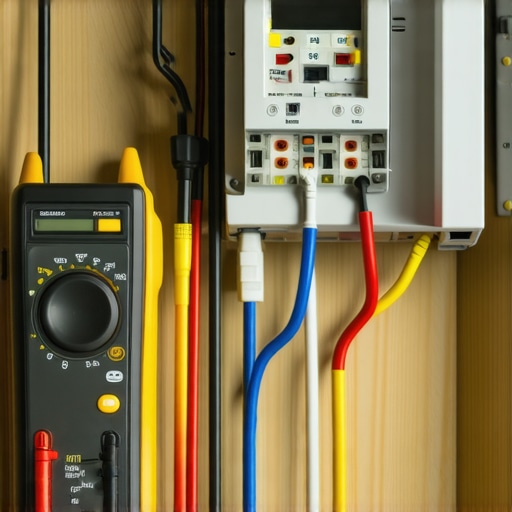
The power outlet and supply can limit charging speeds. Plug your charger into a dedicated outlet, ideally on a circuit with a heavy-duty breaker. If other devices share the circuit, they may cause dips in voltage during operation. Use a multimeter or voltage meter to measure the voltage at the outlet; consistently low or fluctuating readings indicate supply issues. Upgrading the outlet or adding dedicated circuits can make a big difference, especially when paired with a suitable power supply upgrade.
Test and Replace Faulty Components
If issues persist, focus on specific hardware. Faulty charging cables, connectors, or internal charger components can be culprits. When testing, use a multimeter to check continuity and resistance across cables and connectors. If you detect irregular readings or physical damage, replacing these parts can restore optimal performance. Remember, using certified components ensures safety and compatibility, preventing further speed drops.
Monitor and Adjust Charging Environment
Finally, environmental factors affect charging efficiency. Ensure your charger isn’t exposed to extreme temperatures, moisture, or interference. Position the charger in a well-ventilated, covered area. Also, check for nearby electrical devices that could cause interference—turning off or relocating them might help. Sometimes, simply rebooting the charger or updating its firmware (if available) can resolve unnoticed glitches and restore normal speed.
Many EV owners and even some electricians fall into common traps when it comes to upgrading panels, ensuring code compliance, and troubleshooting their chargers. While tutorials and forums often emphasize the obvious steps, the real expertise lies in understanding subtle nuances that could make or break your system’s safety and performance.
For instance, a widely held belief is that simply upgrading to a 200-amp panel guarantees future-proofing for EV charging needs. But in reality, without considering load management and specific code requirements—like those detailed in ensuring code compliance—your upgrade might be superficial or even non-compliant, risking fines once inspections are done. It’s not just about the panel size; it’s about the entire electrical ecosystem.
Similarly, a common myth is that troubleshooting begins and ends with checking the charger itself. Expert tips reveal that often, the root cause is an overlooked wiring issue or an aging breaker that trips under the increased load—details that can only be uncovered through meticulous testing, like using a multimeter to confirm voltage stability and integrity.
But let’s dig deeper into a critical trap that many miss: assuming code compliance means everything is safe without contextual understanding. Code standards evolve, especially with the 2026 updates looming, which introduce nuanced requirements around load balancing, panel ratings, and multi-vehicle capacity. An upgrade that’s compliant today may not be sufficient tomorrow. To truly future-proof, consult comprehensive resources and perhaps even a professional who understands upcoming regulations, such as the local code requirements.
For advanced troubleshooters, a common mistake is underestimating environmental factors. Environmental influences—like moisture exposure or temperature extremes—can cause subtle hardware failures that manifest intermittently. Monitoring these conditions, as discussed in quick fixes, ensures that hardware isn’t just functioning, but functioning safely.
What complex factors influence long-term system reliability beyond basic upgrades?
Indeed, advanced users know that the interplay between load management, wiring integrity, environmental conditions, and future code changes is intricate. For example, recent studies suggest that load imbalance in multi-vehicle households can cause unpredictable breaker trips, undermining even the most compliant installations. Continuous learning, regular inspections, and smart system monitoring—integrating technology like load sensors—can help manage these unseen complexities. Want to dig even deeper? Exploring this guide offers expert insights into balancing safety with performance. Have you ever fallen into this trap? Let me know in the comments.
Keep Your System in Top Shape with Proper Maintenance
Maintaining your EV charging setup over time is crucial to ensure consistent performance and safety. Regular inspections of wiring, connectors, and circuit breakers can prevent many issues before they escalate. I personally schedule biannual checkups—using a dedicated multimeter and a thermal imaging camera—to spot hidden faults like overheating or loose connections early. This proactive approach not only prolongs equipment lifespan but also keeps you compliant with evolving standards, especially as the 2026 regulations tighten requirements for load management and safety source.
The Tools I No Longer Leave Home Without
Over the years, I’ve assembled a toolkit tailored for troubleshooting and maintenance. My go-to device is a Fluke 117 digital multimeter, valued for its precision and ease of use—allowing me to measure voltage and current, verify grounding, and check circuit continuity swiftly. I also utilize an infrared thermal camera, like the FLIR E8, which helps detect abnormal heat signatures in wiring and connectors, preventing potential failures. For software, I rely on specialized load testing software, such as SolarWinds’ Network Performance Monitor, to simulate high loads and ensure my system’s capacity matches future demands. These tools empower me to diagnose issues comprehensively and perform targeted repairs, saving money and avoiding downtime.
Planning for Long-Term Success with Updates and Scaling
With technology advancing rapidly, planning your system for future scalability is vital. I recommend installing modular panels that can handle upgrades and integrating smart monitoring solutions—like energy management systems from Sense or Neurio—that provide real-time data on load and efficiency. Regular firmware updates for your charger and related hardware ensure compatibility with the latest standards and features, crucial as new regulations come into effect. Looking ahead, I predict that AI-driven diagnostics and predictive maintenance will become standard, enabling automatic alerts before problems occur. Staying ahead by utilizing robust tools now positions you to adapt smoothly to these advancements.
How do I maintain my EV charging setup over time?
Consistency is key. Schedule routine inspections, utilize reliable diagnostic tools, and keep detailed logs of service dates and findings. Frequently review your system’s software for updates, and don’t hesitate to consult https://brightsparkzelectric.com/ev-charger-troubleshooting-expert-tips-for-safe-power-reliability for expert advice. Incorporating these practices will help you catch issues early and ensure your system remains safe and efficient for years to come. For best results, try using an infrared thermal camera during your next inspection—it might reveal hidden hotspots that could lead to failure if left unaddressed.
When to Question Everything About Your System’s Limits
One lightbulb moment I had was realizing that even after following standard troubleshooting guides, the root of my slow charging was a hidden wiring flaw I overlooked. This taught me that sometimes, the biggest obstacles are not obvious and require a deeper inspection beyond surface checks.
Another lesson was that relying solely on code compliance isn’t enough. Codes evolve, and what was compliant last year might not pass today’s inspections, especially with the upcoming 2026 standards. Staying proactive means continuously learning and adapting.
Finally, I discovered that environmental factors—like moisture and temperature extremes—can subtly sabotage your charging setup. Regularly monitoring these conditions has saved me from unexpected failures and ensured safety.
My Top Picks for Tools and Resources That Keep Me Ahead
For diagnosing tricky issues, I swear by a reliable multimeter like the Fluke 117. Its precision helps me catch voltage dips or wiring faults before they become serious problems. An infrared thermal camera, such as the FLIR E8, reveals hidden hotspots that manual inspections might miss, safeguarding my system’s longevity.
When it comes to learning, I turn to detailed guides on [panel upgrades and code compliance](https://brightsparkzelectric.com/essential-guide-to-code-compliance-panel-upgrades-for-safe-ev-charging). These resources give me a solid foundation to understand local regulations and plan future upgrades confidently. Connecting with forums and professional groups also keeps me updated on emerging challenges, like the new load management rules for 2026.
Lastly, for quick fixes and ongoing maintenance, I rely on trusted articles like [Troubleshooting EV Chargers](https://brightsparkzelectric.com/troubleshooting-ev-charger-connectivity-problems) to troubleshoot issues efficiently and stay compliant with safety standards.
Embrace Your Power to Keep Charging Reliable
Remember, becoming proactive with your EV system ensures you stay ahead of potential issues, especially as standards evolve. Whether it’s upgrading your panel, verifying code compliance, or mastering troubleshooting techniques, your efforts today secure a seamless, safe charging experience tomorrow. Don’t hesitate to learn, adapt, and take control of your system’s health—your electric vehicle deserves it!
This article hits the nail on the head regarding the importance of proper electrical setup for EV chargers, especially with the 2026 standards on the horizon. I recently had my panel inspected after noticing fluctuations in my charging speed, and it turned out I needed a panel upgrade from 150A to 200A to keep up with the load. I agree that simple tests like checking wiring integrity and outlet conditions can save a lot of money and headache in the long run. One thing I’ve learned from my experience is the importance of keeping environmental factors in check—moisture and temperature can really impact hardware performance over time. Has anyone experimented with installing load sensors or smart monitoring systems to improve reliability? I’d love to hear how those solutions have worked for others in managing long-term system health.