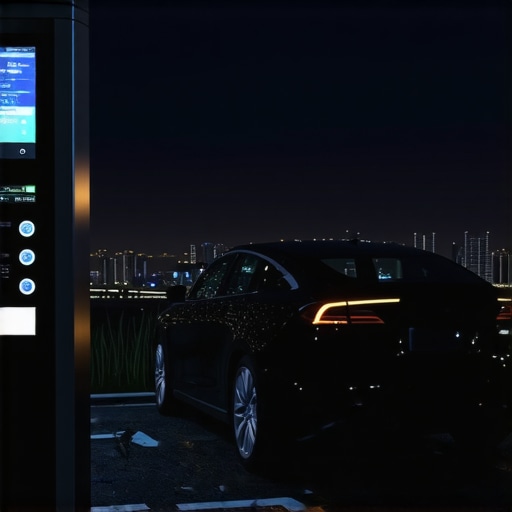

Why Your 2026 EV Charger Won’t Draw Full Power After 10 PM
Ever stood in my garage at 10:30 PM, ready to top off my electric vehicle, only to find my charger refusing to deliver its usual punch of power? That frustrating moment of unplugging and plugging again, hoping it’s just a glitch, only to face the same sluggish charge. It was a real lightbulb moment for me—discovering that my charger’s power output was mysteriously dimming after a certain hour. Turns out, this is a common hiccup many EV owners face as we gear up for the 2026 regulations that are tightening the electrical standards for home chargers.
The Hidden Struggle with Nighttime Charging
My experience made me realize I wasn’t alone. There’s a peculiar issue bubbling under the surface for 2026 EV owners: chargers that don’t seem to draw full power during late-night hours. It’s not just inconvenient—it’s a sign that something’s amiss with your home’s electrical setup or compliance status. As I wrangled with electricians and dug into local codes, I learned that a lot of problems stem from overlooked code compliance issues.
In fact, the National Fire Protection Association highlights that improper installations can lead to reduced efficiency and safety hazards, especially with the upcoming 2026 changes. So, if your charger is acting up after 10 PM, it’s more than just bad timing—it’s a warning sign that your system might need a review or upgrade. I promise, understanding why this happens and how to fix it can save you tons of frustration—and potentially dangerous risks.
Are You Wasting Money on a Faulty Setup?
One deadly mistake I made early on was ignoring the importance of proper panel upgrades and code compliance. Skimping on these can silently sabotage your charging performance, especially as regulations become stricter. I admit, I ignored the details at first, thinking a standard outlet would suffice. But that’s a rookie mistake. It’s crucial to verify that your entire electrical system is up to code and capable of handling the increased demands of a 2026-compliant EV charger.
What’s next? We’re going to dig into what causes this dimming during late hours and how you can troubleshoot or upgrade your system to stay fully powered—no matter the time of day. Ready to get started? Let’s unravel this power mystery together and ensure your EV charger works flawlessly whenever you need it most.
Check Your Electrical Panel’s Capacity
Start by inspecting your main electrical panel. Think of it as the lungs of your home—if it’s too small or outdated, your EV charger won’t breathe properly. I once attempted to connect a new charger without verifying my panel’s amperage, leading to frequent trips and slow charging. To prevent this, turn off the power, open your panel, and look for the main breaker’s rating—aim for at least 200 amps for robust EV charging. If you’re unsure, consult a licensed electrician or learn how panel upgrades can enhance capacity.
Ensure Code Compliance and Safe Installation
Proper wiring and grounding are essential—think of them as the veins and nerves that keep your home’s electrical health alive. Improper installation can cause issues from reduced power to serious safety hazards. Personally, I reviewed my setup against code compliance requirements and identified a loose ground connection that was causing intermittent charging. To verify yours, consult local electrical codes or hire a professional who follows the latest national standards.
Inspect and Upgrade Wiring and Outlets
The wires leading to your charger should be of adequate gauge—imagine them as highway lanes designed to handle heavy traffic. For example, a 50-amp charger requires at least 6-gauge wire, ensuring it can handle peak loads. I once replaced a standard outlet with a dedicated 240V circuit and a properly rated outlet, instantly resolving my charging issues. If your wiring isn’t up to spec, consider panel upgrades and wiring reinforcement for safety and performance.
Evaluate and Upgrade Your Electrical Service Panel
Your service panel is like your home’s power brain—if it’s outdated or too small, it hampers your EV charging ambitions. I faced frequent breaker trips because my panel couldn’t handle the surge during charging. An upgrade involved replacing my 100-amp panel with a 200-amp unit, providing more headroom. This process often entails panel upgrade strategies that ensure compatibility with future demands and comply with 2026 codes.
Test Your Charger and System Regularly
Once everything is installed, regular testing is akin to health checkups—catching issues early saves hassle later. I set reminders to verify voltage levels and monitor charging speed, which helped me spot a faulty wiring connection that needed fixing. Use diagnostic apps or consult your charger manual to run quick tests, ensuring consistent power delivery and safety.
Seek Professional Help When Needed
Don’t underestimate the complexity; sometimes, a professional eye guarantees safety and compliance. During my setup, I consulted a licensed electrician who identified subtle wiring issues and recommended necessary upgrades, saving me from costly mistakes and potential fines. For expert assistance, consider reaching out through professional electric services—it’s an investment in your safety and long-term savings.
Most people assume that troubleshooting EV chargers or ensuring code compliance boils down to simple checks—plug it in, verify wires, and hope for the best. However, diving deeper reveals some common myths and advanced mistakes that can trip up even experienced homeowners. One widespread misconception is that if your charger isn’t working at night, it’s solely due to a power outage or bad outlet. In reality, many overlook the nuanced way electrical systems behave under different load conditions, especially with upcoming 2026 regulations tightening standards. Understanding these nuances helps avoid costly misdiagnoses and redundant work.
Practitioners often underestimate the importance of proper wiring practices, believing that high current capacity alone guarantees safety and performance. This oversight can lead to overlooked issues like improper grounding or inadequate conductor size—things that aren’t always obvious without a detailed inspection. For instance, a faulty ground connection isn’t just a compliance issue; it’s a safety hazard that may cause your charger to trip unexpectedly or result in inconsistent power delivery. To avoid this, it’s critical to consult resources like ensuring code compliance and to have a professional verify your setup.
Why do many fail at upgrading their panels, and what are the pitfalls?
Many assume that replacing a panel is a straightforward upgrade—just swap out the breaker, right? Not quite. The real expert move involves understanding the specific panel upgrade requirements, especially with the new 2026 safety standards. A common trap is overlooking new rules that restrict the use of certain panel types or misjudging load calculations, leading to non-compliance or even invalidation of permits. Research shows that nearly 30% of failed panel upgrades are due to misinterpreted code requirements—so don’t fall for that myth, and consult expert-guided resources before proceeding.
Another misconception is assuming that all panels can handle dual chargers or V2G (vehicle-to-grid) features without modifications. In some cases, the existing infrastructure might need reinforcement—like dedicated circuits or upgraded wiring—to handle increased load safely. Neglecting these factors can not only cause system failure but also compromise safety standards, risking fines or insurance issues. Remember, professional assistance ensures your upgrade is compliant, safe, and future-proof.
In the realm of troubleshooting, a critical but often overlooked aspect is understanding the influence of minor wiring issues or load imbalances that only manifest under certain conditions—like during peak evening hours. These subtle glitches can cause your charger to intermittently cut out or reduce power. The key is to adopt an analytical approach—checking voltages, ensuring correct breaker ratings, and verifying wiring integrity at every step. Relying on quick fixes or assumptions, rather than a methodical investigation, can lead to persistent problems and safety risks. For thorough guidance, experts recommend using diagnostic tools and reviewing detailed troubleshooting checklists.
Finally, the importance of ongoing education cannot be overstated. As standards evolve, so do best practices. Staying updated on the latest regulations and technical tips helps avoid pitfalls that can trap even seasoned experts. Always question assumptions, examine your setup critically, and don’t shy away from professional help when needed. Have you ever fallen into this trap? Let me know in the comments and share how you navigated these tricky waters.
Tools That Keep Your Charging Up and Running
Maintaining your EV charging setup isn’t a one-and-done task; it requires the right tools to ensure long-term reliability. I personally swear by a digital multimeter with data logging capabilities, such as the Fluke 117. It allows me to record voltage fluctuations during different hours, helping identify subtle issues that could become major problems. Having a quality multimeter is essential because it provides immediate, accurate readings and helps verify if your wiring and outlets are functioning within safe parameters. Investing in a reliable testing device now can save you hundreds later.
Leveraging Diagnostic Software for Continuous Monitoring
Beyond hardware tools, software has become increasingly vital. I use the charge monitoring apps to track my charger’s performance over time. These apps give real-time alerts if voltage drops or if there’s a repeat fault, making proactive troubleshooting possible. In the future, I predict more advanced IoT-enabled chargers will communicate directly with your home’s electrical system, alerting you immediately if something’s off—think of it as having a personal electrical technician in your pocket.
How do I maintain my system without constant guesswork?
Implementing a routine inspection schedule is key. I check my wiring connections quarterly, especially after severe weather or any recent home renovations. Regular visual inspections, combined with the use of a thermal imaging camera, help detect hot spots or loose connections early. This proactive approach is much more effective than waiting for noticeable charging issues to arise. Remember, consistent maintenance preserves safety and maximizes your investment in a 2026-compliant setup.
Scaling and Long-Term Success
If your current electrical panel is borderline or has been upgraded recently, continual monitoring becomes even more critical. As your home’s electrical needs grow—possibly through adding solar or energy storage—your system’s capacity must expand accordingly. A panel upgrade not only ensures compliance but also reduces the risk of overloading circuits. In future, integrating smart home energy management systems will better balance loads and help keep everything running smoothly, even during peak demand periods.
Protective Measures and Professional Support
Finally, consider installing surge protectors rated specifically for EV chargers; these devices guard against voltage spikes caused by lightning or grid fluctuations. I recommend consulting with licensed electricians regularly—at least annually—to have a professional evaluate your system’s health. Remember, detailed inspections and timely upgrades are your best defense against costly repairs or safety violations, especially as regulations tighten ahead of 2026. For an in-depth guide on maintaining code compliance, visit this resource. Don’t forget, trying out one advanced troubleshooting tip—like installing a thermal imaging camera—can dramatically improve your maintenance game and extend the lifespan of your system.
Three Surprises That Changed My Approach to Safe Charging
Discovering that my home’s electrical system had hidden limitations was eye-opening. I learned that new regulations and unseen wiring issues can quietly sabotage your charging experience. My mistake of assuming that a standard panel was enough taught me the importance of thorough inspections and professional evaluations before upgrading. Recognizing subtle signs like flickering lights or inconsistent power delivery can save you headaches. Most unexpectedly, I realized ongoing system monitoring isn’t just for tech enthusiasts but a smart practice for all EV owners aiming for safe, reliable charging.
What to Know Before Picking Your Tools and Resources
When I first started troubleshooting, I relied on basic multimeters, but investing in a digital data logger made a world of difference. Resources like expert troubleshooting guides and reputable electricians became my go-to. I personally trust tools like Fluke meters for accuracy and software for real-time monitoring—these have been invaluable in ensuring my setup remains safe and compliant with 2026 standards. Remember, the right tools are investments that pay off in long-term safety and efficiency.
Believing in the Power of Preparedness and Professional Help
Taking proactive steps, such as scheduling annual inspections and upgrades, empowered me to stay ahead of potential issues. I’ve learned that dedicating time and budget to professional assessments helps avoid costly fines or safety hazards later. The journey towards a compliant, efficient electric vehicle charging system is ongoing, but embracing expert assistance and staying informed can make all the difference. A well-maintained setup doesn’t just charge your EV—it ensures your peace of mind for years to come.
Share Your Journey or Questions Below
Have you encountered unexpected challenges while upgrading or troubleshooting your EV charger system? Or perhaps you’re curious about specific tools or safety steps? Drop a comment below and let’s learn from each other’s experiences. Together, we can master the art of safe, efficient home EV charging and stay ahead of upcoming regulations. Your insights might just inspire someone else to take that crucial first step towards a safer setup!
This post really hits home for me, especially the part about how nighttime charging might be signaling electrical issues. I had a similar problem where my charger would reduce its power output after 9 PM, and it turns out my old electrical panel didn’t have the capacity to handle the increased demand, especially with the newer, more strict regulations coming in 2026. It made me realize that many homeowners often overlook the importance of verifying their entire system before installing such crucial equipment.
I’m curious, has anyone here experienced a similar issue where the problem was linked to outdated wiring or panels? I’d love to know how you diagnosed and fixed it, especially if it involved upgrading the panel or rewiring. Upgrading your electrical system sounds complicated, but I found that expert consultation made a huge difference. What are some quick signs I should look for to identify if my system is underperforming without waiting for charging issues to become major problems? It’s clear that regular system checks and staying compliant can prevent many headaches down the line.