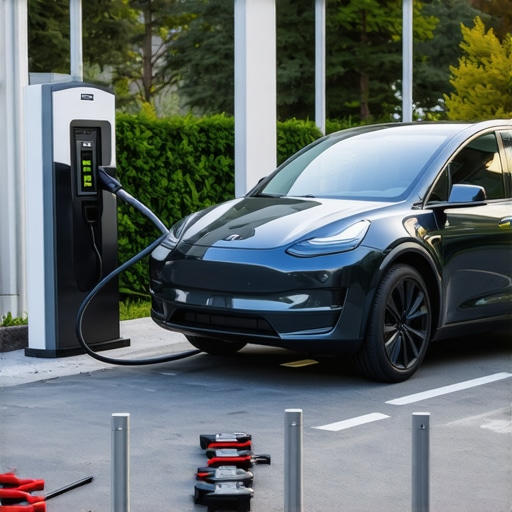

EV Charger Troubleshooting: Quick Fixes for Safe Power and Reliability
Have you ever been in a rush to leave, only to find your EV charger refusing to cooperate? Maybe it lights up, but your car won’t charge, or worse, it trips your breaker every time you plug in. That frustrating moment of helplessness hits hard, especially when you’re counting on your vehicle to get you somewhere. I’ve been there more times than I’d like to admit, and I know how overwhelming it can feel. The good news is, many common issues are simple to fix once you know what to look for. Today, I’ll share the quick troubleshooting tips I’ve picked up over the years—things that can save you time, keep your power safe, and ensure your EV charges reliably every time.
Why It’s Crucial to Tackle EV Charger Problems Head-On
Let’s face it: a reliable EV charging setup isn’t just about convenience; it’s about safety and protecting your investment. Faulty wiring, improper installation, or outdated panels can all lead to hazards like electrical fires or damage to your vehicle. According to the U.S. Fire Administration, electrical failures are among the leading causes of residential fires, with improper wiring a major contributor (source). That’s why taking a proactive approach to troubleshooting isn’t just smart—it’s essential. If you’ve faced those frustrating trips to the breaker box or unexplained outages, you’re not alone. Many homeowners overlook simple fixes that could restore safe, reliable power without calling in an expensive electrician right away. But how do you know where to start? That’s what I’ll help you with today.
Have you run into this specific problem?
If your charger flickers, trips the circuit, or refuses to start, you’re probably missing some basic checks. Early on, I made the mistake of assuming it was a faulty charger unit when in reality, a loose connection or outdated panel was the culprit. Trust me, verifying your wiring, ensuring code compliance, and upgrading your panel if needed can make all the difference. If you want to avoid costly repairs and keep your home safe, understanding these quick fixes is a must. Ready to get started? Let’s dive into the practical steps that can get your EV charging smoothly again.
Inspect Your Wiring Connections
Start by turning off your main power supply and removing the charger cover to access the wiring. Check for loose or corroded connections, especially at the terminals. I once found a loose ground wire in my charger that caused intermittent power loss. Tightening the connections and applying dielectric grease kept my charger running smoothly and prevented future issues.
Verify Proper Grounding and Breaker Compatibility
Ensure the charger is properly grounded and the circuit breaker matches the amperage requirements. Think of your electrical system as a highway; if the lanes (wires) aren’t clear or the toll (breaker) isn’t suitable, traffic (power) gets blocked or trips the system. Upgrading your panel might be necessary if your breaker is frequently tripping due to overload. For detailed steps, visit this guide.
Assess Your Circuit Panel for Adequacy
If your panel is outdated or lacks sufficient capacity, it can hinder reliable charging. Imagine trying to push water through a narrow pipe—no matter how strong the pump (charger) is, the flow (power) is limited. Upgrading your panel can dramatically improve performance. I recently had my panel upgraded by a professional, which not only fixed my charging issues but also enhanced overall safety. Check out this resource for insights on panel upgrades.
Ensure Code Compliance and Safety Standards
Proper installation and adherence to electrical codes aren’t just bureaucratic hoops; they’re vital for your safety. Think of code compliance as a recipe—if you skip steps, the dish (system) might turn out unsafe. Use these tips to verify your setup meets local regulations. I once had an inspector flag an installation because of improper wire routing, which was easily fixed with professional guidance.
Upgrade Your Panel If Needed
If your current panel is old or undersized, consider a dedicated circuit or panel upgrade. It’s like installing a new highway lane—more capacity means smoother traffic flow. I opted for an upgrade during my last home renovation, which eliminated frequent breaker trips and improved my charging speed. For expert advice, see this article.
Test Your Setup Regularly
Once everything is in place, test your system by plugging in your EV and monitoring the process. Look for flickering lights or trips—these are signs something’s amiss. Regular checks can prevent unexpected failures, much like a car’s routine maintenance. If issues persist, don’t hesitate to contact a professional through this contact page for a thorough inspection.
Many homeowners approach EV charger issues with a simplistic mindset, but the reality is far more nuanced. A widespread myth is that if your charger isn’t working, replacing the unit will solve the problem. While sometimes this is true, often the root cause lies elsewhere—such as outdated wiring, improper grounding, or code non-compliance. Rushing to swap out hardware without understanding the underlying electrical system can lead to more problems and safety hazards.
Another trap many fall into involves the so-called “standard” code compliance checks. Some believe that following the basic installation guidelines is enough. However, advanced errors—like improper circuit breaker sizing or insufficient panel capacity—are frequently overlooked. These oversights can cause intermittent trips or even long-term damage. Always verify your setup against comprehensive standards, and consider expert consultation. Visit this resource for detailed troubleshooting strategies.
What advanced mistakes do homeowners often miss when upgrading panels for EV charging?
The most common mistake is underestimating the importance of proper panel sizing. An undersized panel not only limits charging speed but can also compromise safety, increasing the risk of fire or damage. Many assume a simple upgrade is enough, but neglecting to follow proper load calculations can leave you vulnerable. Upgrading your panel with a dedicated circuit, and ensuring it meets local code requirements, is critical. Professional guidance is recommended—see this article for insights.
Moreover, some assume that code compliance is just a bureaucratic hurdle. In reality, code standards are designed to prevent hazards and ensure reliable operation. Skipping steps or taking shortcuts during installation can invalidate warranties and expose you to legal liabilities. For a detailed overview, check this guide.
Lastly, the “oops” factor involves overlooking the importance of regular testing. Even a properly installed system can develop issues over time—loose connections can corrode, breakers can weaken, and wiring can degrade. Scheduling periodic inspections and testing can prevent unexpected failures. Remember, proactive maintenance is your best safeguard. If you’re unsure how to verify your system’s health, reach out through this contact page.
In summary, mastering the nuances of EV charger troubleshooting requires more than just replacing parts or ticking boxes on a checklist. It demands a comprehensive understanding of electrical systems, adherence to standards, and ongoing vigilance. Don’t fall into the trap of oversimplification—your safety and your vehicle’s longevity depend on it. Have you ever fallen into this trap? Let me know in the comments.
Keeping your EV charger functioning optimally over time requires more than just initial installation; it demands a proactive maintenance approach and the right set of tools. In this article, I’ll share the specific equipment and methods I personally rely on to ensure my home charging station stays safe, reliable, and compliant with evolving standards. Regular maintenance not only extends the lifespan of your charger but also prevents costly repairs and safety hazards down the line.
Invest in a Digital Multimeter for Accurate Diagnostics
One of my most valuable tools is a high-quality digital multimeter. I use it to verify voltage levels, check wiring continuity, and confirm proper grounding. Unlike basic testers, a good multimeter provides precise readings that help me identify issues like undervoltage or poor connections. I recommend models with True RMS functionality for accurate AC measurements, especially when diagnosing complex electrical faults. This tool allows me to perform quick onsite checks without calling a professional for minor issues, saving time and money.
Use a Circuit Tester to Avoid Dangerous Mistakes
While a multimeter is versatile, a dedicated circuit tester simplifies the process of confirming circuit status. I prefer testers with indicator lights that clearly show whether a circuit is live, grounded, or improperly wired. When performing maintenance or upgrades, this ensures I don’t accidentally work on a live circuit, preventing electrical shocks. It’s a simple but essential safety step that I always include in my routine.
Implement Software Tools for System Monitoring
Beyond physical tools, I rely on specialized software for monitoring my EV charger’s performance over time. Many modern chargers come with Wi-Fi or Bluetooth connectivity, allowing me to track charging sessions, voltage stability, and error logs via manufacturer apps or third-party platforms. These tools help me spot patterns that might indicate underlying issues, such as fluctuating power levels or communication failures, long before they cause a shutdown. As smart home technology advances, I predict that integrated monitoring apps will become standard, making maintenance even easier.
Schedule Regular Visual Inspections and Testing
Tools alone aren’t enough—you need a systematic approach. I set a quarterly reminder to perform visual inspections of wiring, connectors, and circuit breakers. During these checks, I look for signs of wear, corrosion, or overheating. I also verify that the charger’s firmware is up to date, which can improve reliability and security. Combining manual inspections with digital diagnostics ensures comprehensive oversight. Remember to consult this resource for detailed troubleshooting techniques.
Prepare for Future Upgrades and Scaling
As the demand for EV charging grows, I recommend keeping a close eye on your electrical system’s capacity. When planning to scale up, consider installing a dedicated circuit or upgrading your panel. Tools like load calculators and professional consultation can help determine the best options. Investing in adaptable infrastructure now can save significant hassle later, especially with the rapid evolution of EV technology. For detailed guidance, visit this page.
How do I maintain my EV charger’s performance over time?
The key is consistency. Regularly use your multimeter and circuit testers to verify electrical parameters, keep firmware updated through reliable software platforms, and perform visual examinations. Additionally, staying informed about new code requirements and safety standards ensures your setup remains compliant and safe. By integrating these tools and habits into your routine, you can enjoy peace of mind knowing your EV charger will serve you reliably for years to come. Ready to take your maintenance to the next level? Try implementing a quarterly diagnostic checklist using your multimeter and monitoring software—simple steps that make a big difference. For more tips on troubleshooting and maintaining your system, check out this resource.
What I Wish I Knew Before My First EV Charger Fix
One of the toughest lessons I learned was that rushing to replace a faulty charger often meant overlooking simple wiring issues or outdated panels that could be fixed with a few adjustments. The importance of verifying grounding and breaker compatibility early on saved me from costly mistakes and safety hazards.
Another insight was that code compliance isn’t just bureaucratic red tape; it’s a safeguard. I once ignored a small detail in wiring that later caused my system to trip frequently. Following detailed standards and trusting professional resources like this guide helped me build a safer, more reliable setup.
Finally, regular testing with the right tools—especially a quality multimeter—proved to be invaluable. It’s not enough to install everything properly; ongoing checks can catch deterioration or faults before they become emergencies, ensuring my EV charger stays dependable for years.
Tools That Transformed My Approach to EV Maintenance
My go-to device has become a high-quality digital multimeter. It’s the most accurate way to verify voltage levels and wiring integrity, and I trust models with True RMS functionality for complex diagnostics. For safety, a simple circuit tester with clear indicator lights is essential—so I never accidentally work on a live circuit.
Beyond hardware, I’ve adopted monitoring apps that connect with my EV charger via Wi-Fi. These tools let me track performance, detect fluctuations, and get error alerts remotely. Combining manual inspections with digital diagnostics has made my maintenance routine more effective and less stressful.
Lastly, load calculators and professional consultations about future upgrades help me plan for increased demand, ensuring my electrical system can handle the load safely. Staying proactive with these tools saves time and money while keeping my home safe and my EV charged efficiently.
What I Hope You Take Away from My Journey
Mastering EV charger troubleshooting and understanding the nuances of code compliance and panel upgrades isn’t just about fixing problems—it’s about creating a safer, more reliable home energy ecosystem. From my experience, the biggest mistake is underestimating the importance of ongoing maintenance and proper system design.
So, my challenge to you: don’t wait for a breakdown to learn these lessons. Invest in the right tools, stay informed through trusted resources like this expert guide, and plan ahead for future upgrades. Your safety and your vehicle’s longevity depend on it.
Where to Go from Here
If you’re ready to deepen your knowledge or need personalized assistance, don’t hesitate to reach out through this contact page. Remember, mastering the art of EV charger maintenance and code compliance will empower you to keep your home safe and your EV always ready to go. What’s the first step you’re planning to take today? Let me know below and share your experiences—your story might inspire someone else to get proactive about their EV setup.