
EV Charger Troubleshooting Tips for Safe, Reliable Power in 2024
I remember the exact moment my EV charger refused to work just as I was leaving for an important meeting. The frustration was real. I had no idea what was wrong, and the fear of being stranded with a dead battery hit hard. That experience was a lightbulb moment for me—realizing how crucial proper troubleshooting is for safe, reliable EV charging. If you’re like I was, probably scratching your head wondering why your charger isn’t cooperating, you’re not alone. Today, I want to share practical tips to help you troubleshoot your EV charger effectively and avoid those nerve-wracking moments.
Why Safe and Reliable EV Charging Matters More Than Ever
As electric vehicles become more common, the importance of troubleshooting issues swiftly and correctly can’t be overstated. A malfunctioning charger isn’t just an inconvenience; it can pose safety risks and lead to costly damage if ignored. Reliable charging depends on proper setup, maintenance, and quick identification of problems. According to the Department of Energy, improper electrical connections can cause fires or equipment failure, which is why understanding troubleshooting basics is essential for every EV owner.
Have you faced a stubborn charger refusing to connect, or worse, tripping your circuit breaker? If so, you’re in good company. I’ve made my share of mistakes early on—like ignoring loose wiring or assuming my charger was compatible with my electrical panel. Trust me, those mistakes can be costly in time and safety. That’s why I recommend learning the core troubleshooting steps and knowing when to call in a professional.
In the sections ahead, I’ll guide you through common issues, safety checks, and when it’s best to seek expert help. If you want to dive deeper into specific troubleshooting techniques, check out this comprehensive guide. Getting your EV charger working safely and reliably isn’t just about convenience—it’s about protecting your home and loved ones too. Ready to become your own troubleshooting hero? Let’s get started.
Check Your Power Supply First
When my charger suddenly stopped working before a trip, I started by inspecting the power source. Think of your electrical outlet as the fuel line to your car—if it’s clogged or loose, the engine won’t run. Use a voltage tester to verify that your outlet supplies consistent power, ideally 120V or 240V depending on your charger. If you notice fluctuations or no power, reset your circuit breaker and check for tripped switches. Sometimes, the problem is as simple as a loose plug or a blown fuse, which you can fix by tightening connections or replacing the fuse.
Inspect Connections and Cables Carefully
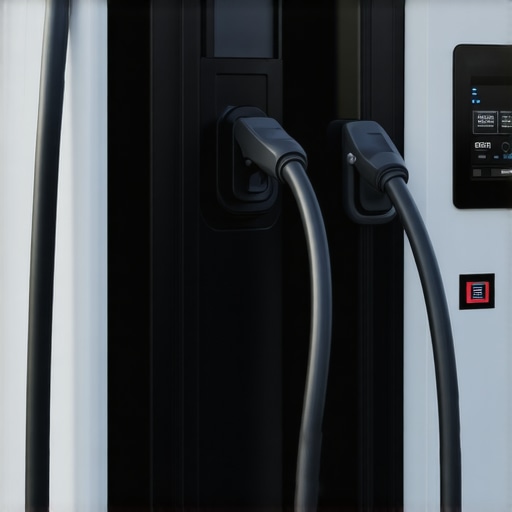
Next, I examined the cables and connectors. A damaged cable is like a cracked pipe—leaking or blocking flow. Look for frays, cuts, or burns in the cable insulation. Also, ensure the connectors are firmly plugged in and free of corrosion or debris. I once found my connector slightly loose, which caused intermittent charging. Tightening it resolved the issue instantly. Remember, a loose connection can cause sparks or short circuits, so always handle with care and avoid forcing connections that don’t fit properly.
Test the Charger with a Different Outlet
If the connection seems fine, I moved the charger to a different outlet—much like testing a device on another socket to rule out outlet problems. This helps identify whether the issue lies in the electrical circuit or the charger itself. If the charger works elsewhere, the original outlet or circuit may have issues—possibly a wiring fault or insufficient amperage. For reliable, consistent power, verify that your electrical panel can handle the load, especially if you have multiple high-power devices running simultaneously. Consider consulting a professional if you suspect wiring problems.
Examine the Charger and Its Indicators
Many chargers have status lights or displays indicating errors or readiness. When troubleshooting, I checked these indicators—think of them as the dashboard lights of your EV setup. A blinking or red light often signals specific issues such as overheating, communication errors, or safety shutoffs. Refer to your charger’s manual or manufacturer’s website for decoding these signals. If the lights indicate an internal fault, resetting the charger by unplugging it for a few minutes can sometimes clear minor glitches. If issues persist, professional repairs or replacements might be necessary.
Verify Compatibility and Settings
Sometimes, the problem isn’t hardware but compatibility. I once tried to use a charger incompatible with my vehicle’s charging protocol, leading to failed connections. Check your EV and charger specifications, ensuring they match and support standard protocols like CCS or CHAdeMO. Additionally, confirm that your charger’s settings—such as voltage or current limits—are appropriate for your vehicle and electrical system. Incorrect settings can prevent charging or cause safety trips. Consult the user manuals or contact the manufacturer if unsure.
Ensure Code Compliance and Safety Standards
Safety is paramount. I learned the hard way that improper wiring or non-compliant installations can be dangerous. Always verify that your charger installation adheres to local electrical codes and standards—like those outlined in this guide. If you’re unsure, hire a licensed electrician who can perform a thorough inspection and upgrade your electrical panel if needed. Upgrading your panel for better EV performance, as detailed here, ensures safe, reliable power flow.
When to Call in the Experts
If you’ve gone through these steps and still face issues, it’s time to seek professional help. A licensed electrician can diagnose wiring faults, panel limitations, or other complex problems that are unsafe for DIY fixes. Remember, safety comes first—never attempt to repair electrical components beyond your expertise. For assistance, contact Bright Sparks Electric or similar professionals who specialize in EV charging solutions.
Many EV owners operate under assumptions that can lead to costly mistakes or safety hazards. Let’s dig deeper into some of the most pervasive myths and reveal the nuanced truths that experienced technicians know. These insights can save you time, money, and ensure your charging setup remains safe and reliable.
Why the Popular Belief That Regular Inspection Is Enough Might Be Wrong
It’s a common misconception that visually inspecting cables and connections periodically is sufficient. While this is a good practice, many overlook the importance of electrical testing using proper tools like a voltage tester or multimeter. Visual checks won’t reveal issues like subtle wiring faults, insulation breakdown, or circuit imbalances that can cause intermittent charging failures or safety risks. According to electrical safety standards, periodic comprehensive testing can prevent potential fire hazards and ensure everything remains within code. Relying solely on visual inspection might leave hidden issues undetected, leading to unexpected failures or dangerous situations. For the best results, combine visual checks with professional testing, especially if you notice inconsistent charging or erratic indicator lights. Learn more about safe troubleshooting practices in this in-depth guide.
Misleading Assumption: All Chargers Are Compatible with Every Vehicle
Many believe that any EV charger will work seamlessly with their vehicle. However, compatibility depends on both the charging protocol (like CCS, CHAdeMO, or Tesla’s proprietary connector) and the power output capacity. Using an incompatible charger might not only result in failed connections but could also cause internal damage to your vehicle or charger. Advanced users understand that matching the correct protocol and ensuring proper power settings is crucial. Failing to verify this can lead to troubleshooting dead ends or even voiding warranties. Always double-check your vehicle’s specifications and the charger’s compatibility before installation. For detailed compatibility checks, refer to this resource.
Beware the Trap of Ignoring Circuit Capacity and Overloading
A significant yet often overlooked issue is circuit overload. Many assume their electrical panel can handle multiple high-demand appliances and EV chargers simultaneously. This oversight can cause frequent circuit trips, overheating, or long-term damage to your electrical system. Advanced troubleshooting involves calculating the total load and ensuring your panel has sufficient capacity, which often requires a professional panel upgrade. Upgrading your electrical panel not only resolves overload issues but also ensures compliance with local codes and enhances safety. If you suspect your panel is inadequate, check out this guide on panel upgrades.
Have you ever fallen into this trap? Let me know in the comments! Remember, proper troubleshooting isn’t just about fixing problems—it’s about understanding the nuances that keep your home safe and your EV charging reliable. Keep learning, stay safe, and enjoy hassle-free charging experiences.
Maintaining your EV charger over time is essential for ensuring reliable and safe charging. From specialized diagnostic tools to software applications, I rely on a few key resources that have proven invaluable in my own experience. These tools not only help me identify issues early but also streamline the troubleshooting process, saving time and reducing costs. In this article, I’ll share the specific equipment and methods I recommend for keeping your EV charging setup in top shape.
Invest in a High-Quality Multimeter
A versatile multimeter is the cornerstone of any troubleshooting toolkit. I personally use a digital multimeter with auto-ranging capabilities because it allows me to quickly check voltage, current, and resistance without fuss. When inspecting your charger or electrical connections, a multimeter helps verify proper power delivery and identify wiring faults that might be hidden behind insulation or connectors. Regularly testing your electrical outlets and panels with a multimeter ensures your system remains within safe operating parameters and helps catch issues before they escalate.
Use a Voltage Tester for Quick Checks
While a multimeter is great for detailed diagnostics, a non-contact voltage tester is perfect for quick safety checks. I use mine to confirm whether outlets are energized before plugging in my charger, preventing accidental shocks. These testers are inexpensive but crucial for safe maintenance routines, especially when working in unfamiliar or older electrical systems.
Leverage Smartphone Apps for Connectivity Monitoring
Many modern EV chargers come equipped with Wi-Fi or Bluetooth connectivity, enabling remote monitoring and diagnostics. I recommend using the manufacturer’s app to track charging sessions, check for error codes, and receive troubleshooting tips directly on your phone. For instance, troubleshooting connectivity problems can often be resolved with a simple app update or network reset, which saves a trip to the breaker box or calling a professional. Regularly updating the firmware of your charger through these apps can prevent many common issues and extend the lifespan of your equipment.
Implement a Reliable Data Logging System
For those serious about long-term maintenance, I suggest setting up a data logging system. Using a smart energy monitor or a dedicated power logger connected to your electrical panel, you can track power usage patterns and identify potential inefficiencies or overloads over time. This proactive approach helps prevent unexpected outages or damage caused by circuit overloads, especially as your EV charging needs grow. Monitoring data regularly also aids in planning for future upgrades, such as panel enhancements, which are crucial for safe, scalable charging.
Plan for Periodic Professional Inspections
While DIY tools are excellent for routine checks, I strongly recommend scheduling professional inspections annually. Licensed electricians can perform comprehensive tests using specialized equipment like insulation testers and circuit analyzers that are beyond DIY capabilities. They ensure your system complies with current electrical codes and standards, which is vital for safety and insurance purposes. If you’re unsure about your panel capacity or suspect wiring issues, professional guidance is the best insurance against costly repairs or hazards.
Future Trends in EV Maintenance Tools
Looking ahead, I predict that AI-powered diagnostic tools and IoT-integrated systems will become more accessible for homeowners. These advancements will enable real-time health monitoring of your entire electrical system, alerting you to potential issues before they manifest as charging failures. As technology evolves, staying updated with the latest tools and firmware updates will be key to maintaining a safe and efficient EV charging environment.
How Do I Maintain My Charging System Over Time?
The best way to maintain your EV charger is a combination of regular inspections, using the right diagnostic tools, and professional checkups. Make it a habit to periodically test your outlets with a multimeter, keep firmware updated via manufacturer apps, and schedule annual inspections with qualified electricians. This proactive approach helps catch minor issues early, extends the lifespan of your equipment, and ensures your home remains safe for reliable EV charging.
Ready to take your EV charging maintenance to the next level? Try incorporating a data logging system or updating your firmware regularly. These small steps can make a big difference in your long-term charging experience. For more detailed troubleshooting tips and tools, check out this comprehensive guide.
The Hardest Lesson I Learned About EV Charging Safety
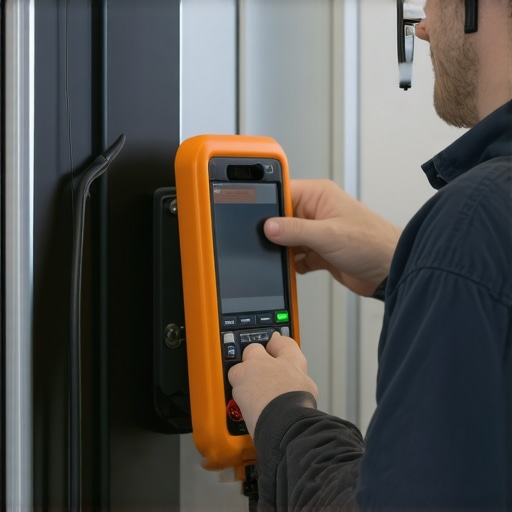
Early in my EV ownership, I ignored subtle signs of wiring issues, thinking a little flickering light was normal. It wasn’t until I experienced a sudden circuit trip that I realized the importance of thorough electrical checks. Now, I always verify connections with a multimeter, understanding that what seems minor can be a safety hazard.
My Go-To Tools That Keep My Charging Reliable
Investing in a high-quality digital multimeter transformed my troubleshooting. It helps me detect voltage inconsistencies before they become problems. Additionally, a non-contact voltage tester provides quick safety checks, preventing shocks and ensuring outlets are energized safely. I also rely on manufacturer apps for remote diagnostics, which often catch issues early, saving me time and stress.
What I Wish I Knew Before Starting My EV Troubleshooting Journey
One key insight is that not all chargers are compatible with every vehicle. Double-check your EV’s specifications against your charger’s protocol—this simple step can save hours of frustration. Also, never underestimate the importance of verifying your electrical panel’s capacity; overloading circuits is a common mistake that leads to trips and potential hazards. Regular professional inspections are invaluable for peace of mind, catching hidden wiring faults and ensuring code compliance.
Take Action and Keep Your EV Charging Safe
Troubleshooting your EV charger isn’t just about fixing issues—it’s about ensuring your home’s safety and your vehicle’s longevity. Stay proactive: test outlets regularly, keep firmware updated, and schedule annual professional inspections. Remember, your commitment to safety today prevents costly repairs and hazards tomorrow. Ready to become your own troubleshooting hero? Check out this comprehensive guide for more expert tips. Have you ever struggled with a stubborn EV charger? Let me know below!