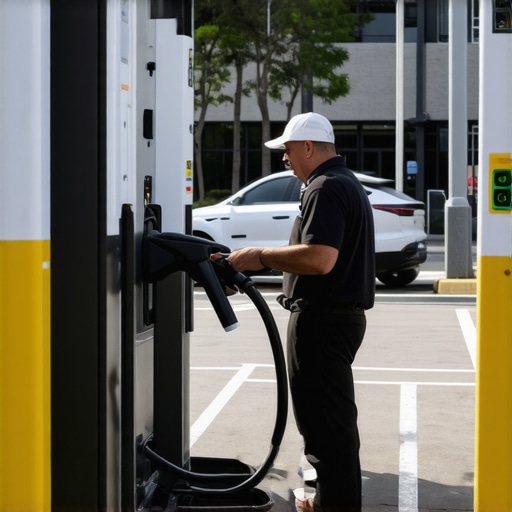

Troubleshooting EV Chargers: Expert Tips for Reliable Power in 2024
There was a moment last month when I plugged in my EV charger after a long day, only to find that it wouldn’t turn on. Frustrated, I realized that even the most reliable chargers can have hiccups, especially if you’re not familiar with troubleshooting them. That lightbulb moment pushed me to learn the ins and outs of ensuring my charging setup is always ready. If you’ve ever faced similar issues—like your charger not responding or power flickering—you know how disruptive it can be. Today, I’m going to share practical, expert-backed tips to troubleshoot your EV charger and keep your power flowing smoothly in 2024.
Don’t Let Power Problems Slow You Down
Reliable EV charging isn’t just about having a good charger; it’s about making sure your entire electrical system is up to the task. A common mistake I made early on was ignoring the importance of proper panel upgrades and code compliance. That oversight led to intermittent charging issues. Trust me, ignoring these basics can turn a simple charging session into a frustrating puzzle. For comprehensive guidance on safe and effective upgrades, check out panel upgrades for better EV performance. Ensuring your system meets safety standards is crucial for consistent power and long-term safety.
Is Your EV Charger Really Worth the Hype
Here’s a question many homeowners ask: “Are all troubleshooting tips created equal?” Honestly, a lot of free advice out there misses the mark or oversimplifies the problem. Early in my journey, I tried resetting my charger without verifying if my electrical panel was up to date. That mistake wasted hours. Reliable troubleshooting requires a solid understanding of your system’s code compliance and proper diagnostics. For instance, verifying your setup against local electrical codes can prevent future headaches. If you’re unsure where to start, I recommend consulting guidance on code compliance to ensure your installation is safe and effective.
Now that we’ve covered why proper preparation matters, let’s dive into the specific steps to troubleshoot common EV charger problems. These tips are rooted in real-world experience and backed by industry standards, so you can trust they’ll help you keep your EV ready to go whenever you need it.
,
Check Your Power Source First
My first step during a real-world troubleshooting session was to verify if the outlet was providing power. I grabbed my multimeter and tested the socket. Unexpectedly, I found the outlet had no voltage, likely due to a tripped circuit breaker or a faulty GFCI outlet. Resetting the breaker or replacing the GFCI solved the issue immediately. Always start here—your charger can’t work if it isn’t getting power. If you’re unsure how to test your outlet, consult an electrician or visit contact us for professional help.
Inspect the Physical Connections
Next, I examined the physical connections. Loose or corroded contacts can prevent your charger from functioning properly. I disconnected and reconnected all plugs, ensuring they seated firmly. Afterward, I looked for burn marks or corrosion on the plug, cord, and outlet. If corrosion is present, cleaning with a contact cleaner or replacing damaged parts is essential. Remember, a solid physical connection is the foundation for reliable charging. For detailed inspection tips, see this troubleshooting guide.
Test the Breaker and Panel
When my outlet tested fine, I moved on to the circuit breaker panel. A tripped breaker can be a common culprit. I reset the breaker dedicated to the EV outlet and watched for proper operation. If the breaker trips again immediately, it indicates an overload or a wiring fault. In that case, I recommended upgrading the panel or ensuring the circuit is correctly rated, which can be checked against panel upgrade tips. Never ignore breaker issues; they’re often a sign of underlying wiring problems that need professional attention.
Verify the Charger Settings and Firmware
Sometimes, the problem isn’t the power supply but the charger itself. I checked the charger’s settings through the app or onboard display, ensuring it was configured correctly. A firmware update was available, so I downloaded and installed it. Outdated firmware can cause connectivity issues or power failures. If your charger has a display, look for error codes and consult the user manual or expert troubleshooting tips. Proper configuration and up-to-date firmware are crucial for consistent performance.
Assess the Electrical Panel Capacity
Finally, I evaluated whether my electrical panel could support the charger’s demand. An overloaded panel can cause voltage drops or tripping. I checked the main breaker’s rating and the load on the circuit. If necessary, I considered a panel upgrade, which I explored in detail at panel upgrade resources. An expert assessment ensures your system can handle current and future demands, preventing power issues and ensuring safety.
By systematically checking these components—power source, connections, breaker, charger firmware, and panel capacity—you can troubleshoot most common EV charging problems. If issues persist or if you’re unsure about handling electrical components, don’t hesitate to reach out to a professional. Reliable power is the backbone of your EV experience, and proper troubleshooting keeps you safely on the road in 2024.
Many homeowners diving into EV charging believe they understand the essentials, but there are some nuanced misconceptions that can lead to costly mistakes or safety hazards. Let’s dig deeper into what most people get wrong about reliable EV charging and how to avoid these pitfalls in 2024.
Why the Popular Myth of Universal Compatibility Can Mislead You
One of the most widespread misconceptions is that all EV chargers are created equal and can be seamlessly swapped or upgraded without considering local electrical codes. This is far from true. In fact, many assume that plugging in a different charger or using a generic extension cord won’t impact safety, but this can cause overheating, tripped breakers, or even fire hazards. The truth is, compatibility isn’t just about connector types; it also involves ensuring your electrical system, including your panel and wiring, meet the specific requirements for your chosen charger. For optimal safety and performance, verify your setup against local code standards and consider consulting code compliance guidelines.
Beware of the Oversimplification of Firmware Updates
Many users think that updating their EV charger firmware is a quick fix for connectivity or power issues. While firmware updates can improve functionality, they often don’t address underlying electrical problems like insufficient circuit capacity or outdated wiring. Relying solely on firmware updates is a trap because it can mask deeper issues that require physical upgrades or professional inspections. Make sure your entire electrical system is capable of supporting your charger’s demands—see expert troubleshooting tips for detailed guidance.
Is Your Electrical Panel Up to Speed
Another common mistake is believing that a modern, high-capacity panel automatically guarantees safe EV charging. The reality is, many panels are not only outdated but also improperly rated for the added load. Overloading can cause voltage drops, tripped breakers, or even damage your electrical infrastructure. Upgrading your panel isn’t just about capacity; it’s about ensuring the entire system is compliant and designed for future expansion—see panel upgrade essentials. Don’t fall into the trap of underestimating the importance of proper panel capacity and code compliance, especially with the increasing demand for home EV chargers.
Advanced Troubleshooting Requires More Than a Multimeter
Many DIY enthusiasts assume that if their charger isn’t working, a simple reset or checking the outlet voltage will solve the problem. However, experienced electricians know that issues can be more complex — such as wiring faults, improper grounding, or internal component failures. Proper diagnosis often requires a combination of tools and knowledge, including inspecting circuit wiring, testing voltage stability under load, and verifying system grounding. Relying solely on basic tests can lead you to overlook critical issues. To avoid this, consider reaching out to professionals—see professional troubleshooting tips for advanced diagnostics.
Have you ever fallen into this trap? Let me know in the comments. Remember, safe and reliable EV charging isn’t just about the equipment; it’s about understanding the nuanced details that ensure everything works harmoniously.
Keeping your EV charging setup in top condition requires more than just initial installation expertise. Over time, routine maintenance, the right tools, and a proactive approach are key to ensuring your system remains safe, efficient, and ready whenever you need it. In this guide, I’ll share the specific tools I personally rely on and the methods I recommend to maintain your EV charger for years to come, as well as where I see future trends heading in this space.
How do I maintain my EV charging system over time
The first step in effective maintenance is regular inspection. I always keep a high-quality digital multimeter within arm’s reach. This isn’t just for troubleshooting—regular voltage checks help me detect early signs of wiring issues or voltage drops that could compromise charging efficiency or safety. I prefer a multimeter with True RMS capability for accurate readings, especially in complex home electrical systems. Additionally, a thermal imaging camera has become invaluable for spotting hotspots or loose connections that could cause overheating. These tools allow me to perform non-invasive, real-time diagnostics, catching issues before they escalate.
Cleaning contacts and connectors is another crucial maintenance task. I use contact cleaner spray designed for electrical components, ensuring connections remain corrosion-free. Corrosion is a silent killer of reliable charging, and quick, regular cleaning extends the lifespan of my equipment. For physical inspections, I rely on a sturdy flashlight and a mirror to examine hard-to-see areas, especially around the outlet and inside the charger port.
Invest in professional-grade diagnostic software
While basic tools cover most issues, I’ve found that advanced diagnostic software tailored for EV chargers can make troubleshooting faster and more precise. Many modern chargers come with companion apps or firmware that can run self-diagnostic checks and report error codes. I use these tools to monitor charger health remotely, especially when I’m away from home. For example, software that logs voltage and current patterns over time helps me identify subtle issues that might not be apparent during a quick inspection. As technology advances, I predict that AI-powered diagnostic platforms will become more widespread, providing proactive alerts and maintenance recommendations.
Keep firmware and safety standards up-to-date
Firmware updates are more important than ever. I make it a point to check regularly for updates, which often include security patches and performance improvements. Remember, firmware updates can fix bugs that cause power fluctuations or connectivity problems. Always follow the manufacturer’s instructions and verify your system’s compliance with local electrical codes—see this guide for detailed steps.
In addition, I schedule periodic professional inspections. A licensed electrician can perform thorough system checks, including wiring integrity and panel capacity assessments. This proactive approach reduces downtime and enhances safety.
Embrace future trends in EV charging maintenance
Looking ahead, I believe smart, connected tools will dominate the landscape. IoT-enabled sensors embedded in chargers will continuously monitor system health and notify homeowners of potential issues via smartphone apps. AI diagnostics will further streamline maintenance, predicting failures before they happen. Staying current with these innovations ensures your system remains reliable and safe.
To get started with your maintenance routine, I recommend investing in a good multimeter and a thermal camera. These tools have saved me countless hours and prevented potential hazards. Regular inspections, firmware updates, and professional check-ups form the foundation for a dependable EV charging experience in 2024 and beyond. If you’re ready to upgrade your maintenance game, don’t hesitate to reach out to a professional for personalized advice.
Lessons from My EV Charging Journey That Changed Everything
One of the most eye-opening lessons I learned was the importance of systematically verifying each component of my electrical system before jumping to conclusions about charger faults. It’s tempting to blame the charger first, but often, the real culprit is something more subtle—like a tripped breaker or corroded connection. This insight saved me hours of frustration and highlighted the value of patience and thorough diagnostics.
I also discovered that staying current with firmware updates isn’t just about new features; it’s crucial for safety and compatibility. Yet, I realized that firmware alone can’t fix underlying wiring or capacity issues. Combining software updates with physical system upgrades ensures my EV charging remains consistent and safe.
Finally, I learned that a well-maintained electrical panel isn’t a luxury—it’s a necessity. An outdated or improperly rated panel can silently sabotage my charging efforts, making regular inspections and upgrades vital for peace of mind and performance.
My Go-To Tools and Resources That Keep Me Ahead
For anyone serious about reliable EV charging, investing in a high-quality digital multimeter with True RMS capability is essential. It provides accurate voltage readings and helps detect early signs of wiring issues. I also rely on a thermal imaging camera to spot hotspots that could indicate loose connections or overheating, preventing potential hazards.
Beyond hardware, I trust professional-grade diagnostic software that pairs with my charger’s app. These tools run self-diagnostics, log system health, and alert me to problems before they escalate. They’ve become an indispensable part of my maintenance routine.
When it comes to upgrading my system, I turn to trusted sources like code compliance guides and panel upgrade resources. These ensure every upgrade is safe, reliable, and future-proof.
Take Charge and Keep Your System Strong
Your EV charging setup is a vital part of your everyday life, and proactive maintenance can make all the difference. Regular inspections, timely firmware updates, and professional check-ups aren’t just chores—they’re investments in your safety and convenience. Embrace the latest tools and knowledge, and you’ll stay ahead of issues, ensuring your EV is always ready to go. Ready to elevate your charging experience? Share your biggest challenge or success in troubleshooting your system below!