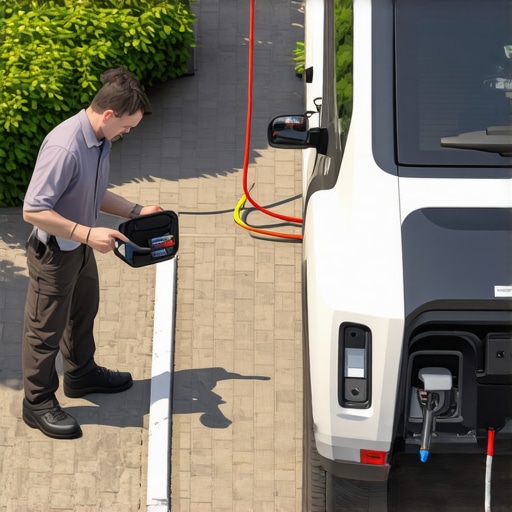

Troubleshooting EV Chargers: Quick Fixes for Reliable Home Power
Last summer, my EV charger suddenly stopped working right in the middle of a charging session. I was frustrated, worried about damaging my car’s battery, and unsure where to start troubleshooting. That moment was a lightbulb for me—reliable home charging isn’t just about having the right equipment but also knowing how to fix common issues quickly. If you’ve faced similar frustrations, you’re not alone. Many homeowners discover that troubleshooting their EV chargers can feel like navigating a complex maze of wiring and codes, especially when you rely heavily on your vehicle for daily commutes and errands.
Why Troubleshooting Your EV Charger Matters Now More Than Ever
Electric vehicle adoption is booming. According to a recent report from the International Energy Agency, the global EV stock surpassed 10 million units in 2023, a significant increase from previous years. As more homes invest in EV chargers, ensuring these systems work seamlessly becomes crucial. A malfunctioning charger isn’t just inconvenient; it impacts your daily routine and can even pose safety risks if not addressed properly. Moreover, many issues stem from simple problems like outdated wiring, improper installation, or code non-compliance—mistakes I made early on that could have been avoided with the right knowledge.
Understanding how to troubleshoot common problems can save you time, money, and headaches. Whether it’s a connectivity glitch, a power surge, or a faulty outlet, quick fixes can restore your charging station’s reliability. In this guide, I’ll walk you through proven methods to diagnose and resolve frequent issues, backed by expert advice and best practices. If you’re worried about safety or unsure where to start, rest assured—empowered troubleshooting is within your reach. And if you’re considering upgrades to boost performance or safety, I’ll point you to trusted resources like panel upgrades for EV chargers that can make a real difference.
Have you experienced an EV charging problem that seemed impossible to fix?
Let’s explore how to solve these common issues and get your home charging back on track.
Inspect Your Power Source and Outlet
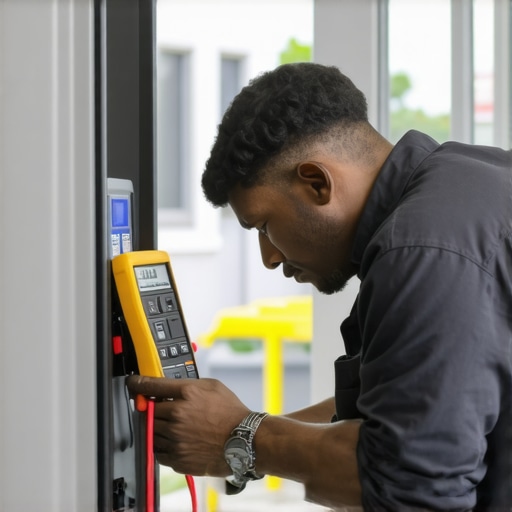
My first troubleshooting step was to check if the outlet was providing power. I used a voltmeter, similar to a multimeter used by electricians, to test the outlet’s voltage. If the outlet isn’t delivering consistent power, your charger won’t work properly. Try plugging in another device or appliance to verify if the outlet is functioning. If it’s dead or unstable, consider resetting the breaker or replacing the outlet. Sometimes, the issue is as simple as a tripped circuit breaker or a blown fuse, which you can find in your main electrical panel. For a detailed guide, see troubleshooting EV charger connectivity problems.
Check Your Charger’s Connection and Cables
Next, inspect the charging cable and connector. Look for visible damage, frayed wires, or dirt on the contacts. I once faced a charging issue because a small crack in the cable was causing intermittent connections. Cleaning the connectors with a soft cloth helped restore proper contact. If your cable looks damaged, replacing it is the safest choice to prevent electrical hazards. For guidance on cable issues, consult expert tips for common EV charger issues.
Verify the Charger’s Power Supply and Circuit
Ensure the charger’s dedicated circuit isn’t overloaded or tripped. My experience involved a circuit breaker that kept tripping whenever I tried to start charging. I reset the breaker and monitored the load to see if it was within safe limits. If you have an older electrical panel, it might struggle to supply enough power for fast charging. Upgrading your panel can significantly improve performance, as explained at panel upgrades for EV charging performance. Always verify that your installation complies with local electrical codes, which you can check via how to verify code compliance.
Test the Charger with a Different Outlet or Vehicle
If possible, try plugging your charger into a different outlet or test with another EV. This helps identify if the problem lies with the charger or the vehicle. I once borrowed a friend’s EV to test, which confirmed my charger was faulty. If the problem persists across outlets and vehicles, the issue is likely with the charger itself, requiring professional repair or replacement. For troubleshooting tips, visit expert tips for common EV charger issues.
Assess and Address Safety and Code Compliance
Finally, ensure your installation meets safety standards. Faulty or non-compliant wiring can cause charge failure and safety hazards. I learned this the hard way when my first setup didn’t adhere to code, leading to frequent issues. Consulting a qualified electrician and verifying code compliance through ensuring code compliance can prevent future problems and boost reliability.
Many homeowners believe that troubleshooting their EV charger is simply a matter of checking the outlet or replacing cables. However, this oversimplification often leads to overlooked nuances that can cause persistent issues. Let’s dig deeper into what most people get wrong and the advanced pitfalls that can trip up even experienced users.
Myth 1: All EV chargers are universally compatible and trouble-free. The truth is, compatibility issues often stem from subtle wiring or circuit configurations. For example, some chargers require specific grounding or dedicated circuits, and assuming compatibility without verifying can result in ongoing problems. Always ensure your installation aligns with local electrical codes and manufacturer specifications, which can be confirmed through code compliance checks.
Myth 2: Modern chargers are foolproof and don’t need regular maintenance. This misconception neglects the importance of inspecting internal components and firmware updates. Many issues arise from outdated software or accumulated dirt on connectors, which can be mitigated through routine checks. Remember, just like any tech device, your charger benefits from periodic maintenance and professional inspections to avoid obscure faults.
The Oops Factor: Overlooking the importance of proper wiring and upgrades. A common mistake is neglecting to upgrade your electrical panel when installing a high-capacity charger. An underpowered or outdated panel can cause frequent tripping, leading to confusing troubleshooting cycles. Upgrading your panel not only ensures safety but also enhances charging reliability, as explained at panel upgrades for EV performance.
What advanced homeowners should ask: How do I diagnose subtle wiring issues or interference that standard checks miss?
Advanced diagnostics involve using specialized equipment like oscilloscopes or consulting with licensed electricians familiar with complex electrical setups. These professionals can identify issues like electromagnetic interference or subtle wiring faults that might not be visible during basic inspections. A study by the National Electrical Contractors Association emphasizes that proper diagnosis can prevent costly damage and ensure safety, especially with complex or older wiring systems.
In conclusion, understanding these hidden nuances can save you time, money, and even prevent safety hazards. Don’t fall into the trap of common misconceptions—invest in proper diagnostics and upgrades to keep your EV charging smooth and safe. Have you ever fallen into this trap? Let me know in the comments.
How do I maintain my EV charging setup over time?
Keeping your EV charger functioning optimally requires a combination of routine inspections and leveraging the right tools. I personally rely on a high-quality digital multimeter to regularly test outlet voltages and ensure the circuit is delivering consistent power. This simple yet effective tool helps me catch issues like voltage drops or fluctuations that could affect charging performance. Using a multimeter is essential because it provides precise readings, allowing you to diagnose problems early before they escalate into safety hazards or costly repairs. Another critical tool I recommend is an inspection camera or borescope. It helps me safely peek into hard-to-reach areas of your electrical panel or wiring connections without dismantling everything. This is especially useful for spotting loose wires, corrosion, or signs of overheating that could compromise your system’s safety and reliability. For ongoing maintenance, I also keep a log of firmware updates from the charger manufacturer. Keeping the firmware current ensures compatibility and fixes bugs that might cause connectivity issues or slow charging speeds.
In terms of software, I utilize diagnostic apps recommended by EV charger manufacturers. These apps can often provide real-time status updates, error codes, and troubleshooting guides right on your smartphone, simplifying the maintenance process. For example, some chargers have built-in diagnostics that can alert you to potential problems via notifications, allowing proactive maintenance rather than reactive repairs.
What about long-term results and scaling?
To ensure long-term reliability, I advocate for regular professional inspections, especially if your electrical system is older or if you notice intermittent issues. A licensed electrician can perform detailed testing, including verifying code compliance, which you can learn more about at how to verify code compliance. Scaling your setup might involve upgrading your electrical panel to handle increased power demands or adding additional outlets for multiple vehicles. When considering such upgrades, consulting with professionals and investing in quality components can save you from future headaches and ensure safe, reliable operation for years to come.
As the trend toward smarter homes continues, integrating IoT-enabled monitoring systems can provide ongoing diagnostics and direct alerts for potential problems. This proactive approach is likely to become standard practice, helping homeowners maintain their EV infrastructure with minimal effort. So, I encourage you to start with a multimeter check and keep your firmware updated—simple steps that set the foundation for a reliable and safe charging experience. Ready to take your maintenance to the next level? Try using a borescope for an inside look at your wiring connections today!
The Hardest Lesson I Learned About EV Charger Troubleshooting
One of my most valuable lessons was realizing that not every problem is immediately visible. Sometimes, the root cause of a charging issue lies deep within the wiring or interference that standard checks miss. Patience and thorough diagnostics, like using specialized tools or consulting licensed electricians, can save you from costly mistakes and safety hazards.
3 Myths About EV Charger Maintenance That Held Me Back
I used to believe that modern EV chargers were completely foolproof and required no regular maintenance. The truth is, routine inspections, firmware updates, and cleaning connectors are essential to keep everything running smoothly. Overlooking these simple steps can lead to obscure faults that disrupt your daily routine.
What Experts Won’t Tell You About Upgrading Your Electrical Panel
Many homeowners underestimate the importance of upgrading their electrical panel when installing high-capacity chargers. An outdated or underpowered panel can cause tripping and unreliable power delivery. Investing in professional panel upgrades, like those detailed at panel upgrades for EV performance, ensures safety and long-term reliability.
Curated Resources to Empower Your EV Charging Journey
- BrightSpark Electric Blog: A treasure trove of expert tips on troubleshooting and safety, trusted for its practical advice and clear explanations.
- EV Owner Forums: Community-driven platforms where real users share their troubleshooting wins and lessons learned, fostering collective wisdom.
- Manufacturer Firmware Updates: Always keep your charger’s firmware current, available directly from your device’s manufacturer, to fix bugs and improve performance.
- Local Licensed Electricians: Certified professionals who can perform detailed diagnostics and ensure your setup adheres to safety standards, preventing future issues.
Your Turn to Try—Take Action Now
Reliable EV charging isn’t just about having the right equipment; it’s about understanding your system and maintaining it actively. Whether you’re troubleshooting a stubborn issue or planning an upgrade, remember that taking informed steps today will pave the way for safer, more efficient charging in the future. Don’t wait for problems to become emergencies—start your troubleshooting journey now and enjoy seamless EV power.
What has been your biggest challenge with EV charger troubleshooting? Share your experiences below and let’s learn together!
This is such a comprehensive guide! I had my own troubleshooting experience last year when my charger kept disconnecting randomly, and it turned out to be a loose connection inside the outlet box. It’s amazing how small issues like that can cause so much frustration. I’ve since started using a multimeter regularly to monitor the outlets and have found it really helpful in catching potential problems early. One thing I’d love to hear more about is how to diagnose interference issues, especially with older wiring that might not be obvious. Have others experienced subtle problems caused by electromagnetic interference or wiring faults that don’t show up with basic checks? It seems like these hidden issues could be a hidden trap for many homeowners trying to keep their EV charging smooth. I’m curious about the best professional tools or techniques to identify these obscure problems without tearing apart too much of the wiring. Would love to get everyone’s thoughts on that.
I completely relate to the frustration of intermittent charging issues—it can be tricky to pinpoint subtle wiring problems like electromagnetic interference (EMI), especially with older wiring setups. From my experience, one effective method is to use a clamp meter to detect EMI or electrical noise around the wiring during operation. Sometimes, interference from nearby appliances or poor grounding can cause inconsistent charging sessions. I’ve also found that installing additional grounding rods or ensuring proper shielding around sensitive wires can help mitigate these subtle issues. Have others tried using specialized filters or ferrite beads to reduce EMI and improve signal stability? It might seem advanced but definitely worth exploring if basic checks fail. The key is to collaborate with a licensed electrician who has access to diagnostic tools like oscilloscopes; they can identify hidden faults without invasive work. Diagnosing such issues often requires a combination of equipment and professional insight. What’s everyone’s go-to troubleshooting step for elusive interference or wiring faults that don’t show up with regular tests? Would love to hear more experiences or tools others have found helpful.