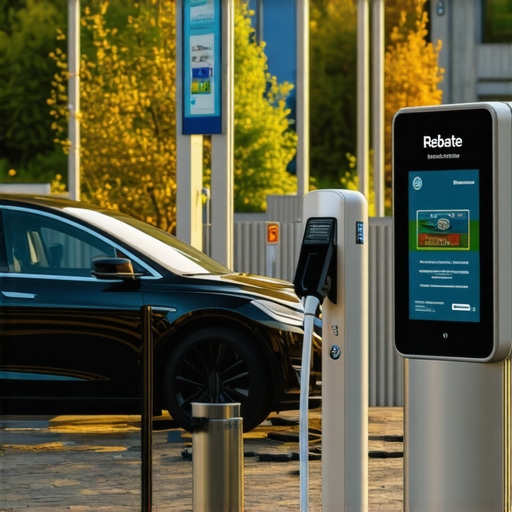

7-Step Checklist to Get Your 2026 Federal EV Charger Rebate
I remember the moment clearly—standing in my garage, staring at my new electric vehicle charger, feeling a mix of excitement and overwhelm. I had spent months researching rebates, codes, and the confusing maze of requirements, only to realize I’d overlooked a crucial step. It hit me hard: I was about to miss out on a significant federal rebate because I didn’t have my paperwork in order or understand the recent code changes for 2026. That lightbulb moment made me determined to get it right this time, and I want to share that journey with you.
Why Getting Your 2026 EV Charger Rebate is More Critical Than Ever
In today’s climate-conscious world, many of us are eager to make our homes smarter, greener, and more cost-efficient. The federal government has introduced a generous EV charger rebate program designed to make EV ownership more accessible. But here’s the catch: the process isn’t as straightforward as filling out a form. Missing a single step could mean losing thousands in potential savings.
When I first attempted to navigate the rebate process, I was hit with unexpected hurdles. From understanding new code requirements to ensuring my installation was compliant, the hurdles seemed endless. I learned that the rebate isn’t just about the money—it’s also about making sure your installation is safe, compliant, and future-proof. According to the U.S. Department of Energy, these rebates aim to accelerate EV adoption while promoting safety and code compliance [source: energy.gov].
Here’s my promise to you: I will outline a proven 7-step checklist that will help you unlock your rebate, avoid common pitfalls, and ensure your installation passes inspection seamlessly. Whether you’re installing your charger yourself or working with a professional, this guide will make the process clear and manageable.
Before we dive into the steps, I want to ask—have you already faced frustrations with qualifying for your rebate or dealing with unexpected code issues? If so, you’re not alone. Many homeowners underestimate the importance of proper planning and compliance, which can result in delays or even disqualification. But don’t worry—by the end of this post, you’ll be equipped with everything you need to succeed.
Let’s start transforming that garage chaos into a streamlined, rebate-winning project.
Assess Your Electrical System Before You Begin
Start by evaluating your home’s electrical panel. Imagine it as the heart of your electrical system—if it’s outdated or undersized, installing a new EV charger can be like trying to run a marathon on a tricycle. I once attempted to install my charger without upgrading my panel, leading to frequent trips and frustrating delays. To prevent this, consult panel upgrade guides to determine if your existing setup can handle the load or needs an upgrade. An upgraded panel not only ensures safety but also helps in passing inspections easily.
Verify Compliance and Documentation Needs
Compliance is the backbone of a successful rebate claim. Think of it as following a recipe; missing an ingredient might ruin the dish. I recommend reviewing the latest code compliance checklist to identify all required safety features and standards. Proper documentation—receipts, inspection reports, photos—is your proof that you’ve met all requirements. I once forgot to document my panel upgrade, which held up my rebate approval for weeks. To avoid this, keep thorough records and double-check the latest code amendments, especially the new grounding and safety rules.
Plan for a Professional Installation
Even if you’re handy, expert intervention can save headaches. Think of a professional installer as a seasoned pilot—they know how to navigate complex airspace safely. During my installation, I faced unexpected wiring issues—think of it like trying to tune a guitar; if it’s out of tune, it just won’t sound right. An experienced electrician ensures connections are secure, compliant, and optimized. For specific technical challenges, visit compliance assurance tips, or if troubleshooting issues arise, check troubleshooting common problems.
Test and Document Your Installation Thoroughly
Before submitting your rebate application, conduct comprehensive testing. Think of it as doing a dress rehearsal—better to catch issues early. Use multimeters to verify voltage levels, test charger connectivity, and monitor for heat buildup—like checking the engine temperature during a drive. I once discovered a loose connection that could have caused a failure during inspection, but because I caught it early, I fixed it without rework. Keep detailed records of test results, photos, and any adjustments made. These documents serve as your leverage during the final evaluation, ensuring your installation meets all inspection standards.
Maintain Ongoing Compliance and Troubleshooting Readiness
Post-installation, stay proactive. Regular maintenance is like a tune-up for your vehicle—it keeps everything running smoothly. Bookmark trusted troubleshooting resources and stay updated on new code updates. If issues crop up, catch them early to avoid costly re-inspections or rebate rejections. Being proactive is your best strategy—know when to call a pro by visiting contact page for expert support. Remember, successful rebate approval depends on consistent adherence to evolving standards and careful documentation at every step.When it comes to troubleshooting EV chargers, many homeowners cling to myths that could cost them time and money. One prevalent misconception is that if your charger doesn’t work immediately, replacing it is the best option. In reality, most issues stem from wiring or code compliance oversights, which can often be resolved through careful diagnostic steps—without a costly replacement. Failing to thoroughly check your electrical connections or grounding can lead you down a rabbit hole, chasing phantom faults, and delaying your rebate process.
Another common mistake involves underestimating the importance of a proper panel upgrade. Some assume that a basic upgrade without considering load management or recent code amendments will suffice. But recent advancements and stricter safety standards mean that a comprehensive approach, including proper grounding and surge protection, is essential. Visit expert troubleshooting tips to avoid common pitfalls.
Now, let’s address an advanced question:
Why do so many high-tech or smart EV chargers fail to pass the latest code compliance tests?
This issue often emerges from overlooked nuances in newer safety regulations—like the 2026 rules—that require not just proper installation but also integration with smart grid management systems. According to electrical safety experts, failure to update your wiring to accommodate these innovations leads to compliance rejection. A quick review of code compliance verification can highlight these hidden pitfalls before they trip you up during inspection.
Make sure your troubleshooting approach isn’t superficial. Many skip the step of diagnosing wiring integrity or grounding issues thoroughly, assuming the problem is with the charger itself. This oversight can result in ongoing connectivity or safety issues that compromise your rebate eligibility. Remember, a well-diagnosed system grounded in up-to-date standards is crucial for passing inspections and ensuring long-term reliability.
Finally, avoid the trap of delaying panel upgrades until a failure occurs. Proactive upgrades, aligned with the latest 2026 safety and grounding rules, prevent costly re-inspections and ensure your entire system is future-proof. If you’re unsure whether your setup meets current standards, consult experts or review the latest panel upgrade guidelines.
Have you ever fallen into this trap? Let me know in the comments, and share your experiences with troubleshooting or upgrading your EV system. Getting ahead of these issues means fewer surprises and more peace of mind in your EV journey.Maintaining your EV charging system requires more than just initial installation knowledge; it demands the right tools, regular checkups, and an understanding of evolving standards. To keep your system running smoothly for years, I rely on a combination of specialized diagnostic equipment and smart software solutions. One tool I personally endorse is the Fluke 177 Multimeter—its precise voltage and continuity testing capability helps me identify wiring issues early, preventing costly repairs and ensuring code compliance. Additionally, employing a thermal camera like the Seek Thermal CompactPro allows me to spot hot spots or overheating components that might compromise safety or efficiency, especially important with recent 2026 safety standards in mind. For ongoing management, I use software that logs charger activity and fault codes, such as the ChargePoint app, which provides real-time troubleshooting insights and alerts. These tools help me not only detect problems early but also verify that my installation remains compliant with current regulations, such as those outlined in https://brightsparkzelectric.com/how-to-verify-code-compliance-for-your-ev-charger-installation.
3 Hidden Truths That Transformed My Approach to EV Charger Rebates
One of the toughest lessons I learned was the importance of thorough documentation—missing a single receipt or inspection report could delay or even disqualify my rebate. Also, I underestimated how evolving code requirements could derail my progress if I didn’t stay updated; now, I subscribe to dedicated EV compliance resources. Lastly, trusting the process and expert guidance saved me from costly mistakes. These insights aren’t just personal wins—they’re the core of a much smarter approach I want to share.
My Trusted Arsenal for Navigating EV Compliance and Installation
First, I rely on the comprehensive guidelines provided by Verify Your Code Compliance to stay ahead of regulation changes. For practical troubleshooting, Expert Troubleshooting Tips have saved me countless hours. When planning upgrades, the Panel Upgrade Guide helped me identify critical wiring and grounding needs. These tools keep my system safe, efficient, and compliant.
Remember, Success Is About Confidence and Action
Embarking on your EV charger rebate journey might seem daunting, but with the right knowledge and tools, you can navigate it confidently. Don’t wait for problems to find you—stay proactive, keep learning, and lean on trusted resources. Your garage, your home, and your wallet will thank you for it. The future of EV charging infrastructure depends on smart, informed homeowners like you—so take that first step today.
What has been your biggest challenge in ensuring your EV charger installation is rebate-ready? Share your experience below—I’d love to hear your story.
,