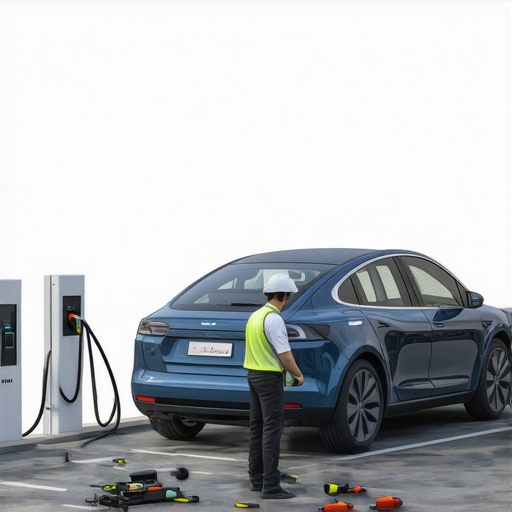

7 Checklist Items for a 2026 EV Panel Upgrade Inspection
I’ll never forget the afternoon I discovered my home couldn’t pass the upcoming 2026 EV panel inspection. As I stood there staring at my electrical panel, a wave of realization hit me—I had overlooked critical details, and now I was faced with costly repairs or a failed inspection. That moment was a wake-up call that many homeowners might still be ignoring the importance of a comprehensive checklist for their EV panel upgrades.
Why Staying Prepared Can Save You Thousands on Your EV Panel Upgrade
Upgrading your electrical panel to support newer EV chargers isn’t just about plugging in your car; it’s a complex process governed by evolving codes and safety standards. If you miss a critical checklist item, you risk failing inspections, facing expensive rework, or worse, compromising your home’s electrical safety. I’ve learned from personal experience—and extensive research—that proactive planning makes all the difference. According to the National Fire Protection Association, improper electrical installations are the leading cause of residential electrical fires, emphasizing the need for thoroughness during upgrades (NFPA).
Over the years, I’ve seen homeowners scramble at the last minute, trying to fix overlooked issues, often resulting in delays and added expenses. That’s why I’m here to guide you through the essential checklist items you need to tackle before your 2026 inspection. Whether you’re a seasoned DIYer or planning to hire a professional, understanding these key points ensures your upgrade is compliant and safe.
Will You Be Fully Ready for the Big Day?
If this sounds familiar, you’re not alone. Many assume that a simple panel swap is enough—that’s a dangerous misconception. Early on, I made the mistake of trusting a low-cost installer who didn’t fully understand the latest code requirements. It nearly cost me a re-inspection and additional expenses. Fortunately, I discovered resources like this guide that helped me prepare thoroughly.
Now, I want to make sure you don’t face the same pitfalls. Over the next sections, we’ll dive into the seven most critical checklist items for your 2026 EV panel upgrade inspection. Doing so will not only save you money but give you peace of mind knowing your home is truly ready for reliable, safe EV charging.
Verify Your Panel’s Capacity Immediately
Start by confirming your current electrical panel’s amperage rating. Use a non-contact voltage tester or call a professional if you’re unsure. For example, I once found a 100-amp panel that was borderline for my heavy EV charging needs. Upgrading to at least 200 amps became essential—delaying would risk inspection failure. This step is crucial because newer EV chargers demand higher loads, and a panel that can’t support this will cause compliance issues. Consult this guide for detailed load calculations.
Inspect and Upgrade Wiring for Safety
Old wiring can be a silent threat. I hired a licensed electrician to check my home’s wiring, focusing on conductors, grounding, and connections. Using outdated or damaged wiring is a quick path to code violations and safety hazards. Think of your home’s wiring as the blood vessels—if they’re clogged or in bad shape, the entire system suffers. Replace aluminum with copper where needed, and ensure grounding is robust. Remember, meeting code standards isn’t optional now. My experience revealed that a thorough inspection avoided costly rework later.
Ensure Proper Breaker Compatibility and Installation
One of the rookie pitfalls is installing a breaker that isn’t compatible with your panel. I recall a time swapping breakers myself, thinking it was straightforward. However, an improper breaker tripped constantly and failed the inspection. To prevent this, verify that your new breaker matches the panel’s specifications and the EV charger’s requirements. Refer to this resource for compatibility tips. Proper installation also means following manufacturer instructions explicitly—don’t cut corners here.
Install a Dedicated Circuit for Your EV Charger
A critical step is dedicating a separate circuit to your EV charger. This prevents overloads and ensures safety. When I upgraded, I installed a dedicated 50-amp circuit, which helped me pass the inspection without issues. Think of this like giving your EV charger its own lane on the electrical highway—no other devices sharing the same circuit reduces risks of overcurrent trips. This step also involves installing high-quality wiring runs, with proper conduit. For more detailed guidance, visit expert troubleshooting tips.
Implement Advanced Protective Devices Like Surge Protectors
Modern electrical codes emphasize protecting your system against surges and faults. I added a whole-house surge protector, which acts like a mighty dam controlling high voltage spikes. This addition not only boosts safety but also helps with warranty compliance. Think of surge protectors as the security guards in your electrical system, preventing damage from external events like lightning strikes. Proper placement and grounding are key, and a professional can help ensure compliance with latest standards.
Test Everything Before Inspection Day
Once all upgrades are complete, testing is non-negotiable. I used a multimeter to verify voltage levels and adherence to safety standards. Also, ensure your EV charger responds correctly—no flickering, no trips. I faced an issue where my charger refused to start after upgrades; troubleshooting through specific checklists revealed a loose connection, saving me from a failed inspection. Keep detailed records of all work done—these will be vital during the inspection process.
Schedule Professional Inspection and Documentation Review
Finally, plan to have a licensed electrician inspect your work before the official inspection. They will verify code compliance, proper grounding, breaker legality, and overall safety. I learned this the hard way when an inspector pointed out missing labels; a quick professional review prevented the need for retakes. During this step, request documentation, permits, and compliance certificates to streamline the process. Remember, thorough preparation isn’t just about passing inspection; it’s about ensuring your home’s electrical safety for years to come.
Many homeowners diverge into the misconception that just swapping out an electrical panel guarantees code compliance and safety, but in my experience, this is where most get it wrong. A prevalent myth is that all electrical panels are interchangeable; however, outdated panels may lack the necessary capacity or grounding features required by newer EV charging standards. Relying solely on visual inspection can be a trap—always verify specifications because some panels look modern but are ill-equipped for current demands. An advanced mistake I’ve seen is neglecting the comprehensive load calculation, which isn’t just simple math but involves nuanced understanding of your entire home’s electrical consumption, especially when adding high-demand EV chargers. Overlooking this can result in an overloaded panel, tripping breakers and failing inspection. When troubleshooting, many forget to consider that compatibility extends beyond amperage; breaker types, panel brand, and wiring methods all play pivotal roles. For example, installing a breaker not rated for your specific panel model can lead to unsafe conditions and code violations. Deliberately skipping the detailed inspection process is a critical oversight; code compliance isn’t just a bureaucratic step but a safeguard—failing to meet standards increases fire risk and may void insurance. On an advanced note, many believe that simple surge protection suffices, but integrating whole-home, surge, and fault protection tailored to your electrical load offers much better safety and compliance. As a pro tip, always consult with a licensed electrician experienced in EV setups and refer to detailed resources like this guide for nuanced compliance strategies. Remember, rushing or underestimating these details can lead to costly rework or dangerous scenarios. Have you ever fallen into this trap? Let me know in the comments.
Keeping Your EV Charging System in Top Shape
Once your electrical panel is upgraded and your EV charger is installed, ongoing maintenance becomes crucial to ensure safety, compliance, and reliable operation. Regular checks and the right tools can prevent minor issues from turning into costly repairs or safety hazards.
Invest in a High-Quality Multimeter
Personally, I rely on a because of its precision and durability. It allows me to quickly verify voltage levels across circuits, check for proper grounding, and troubleshoot intermittent issues. A reliable multimeter helps catch voltage drops or irregularities early, reducing the risk of damage or non-compliance. For consistent performance, I calibrate my multimeter annually and keep it in a dedicated tool kit.
Use Thermal Imaging Cameras for Hidden Heat Spots
Over time, components like breakers and wiring can develop hotspots due to overloads or loose connections. I recommend a FLIR E4 Thermal Camera—it’s compact yet sensitive enough to spot anomalies before they escalate. Regular thermal scans of your panel and wiring can reveal hidden problems that aren’t visible to the naked eye, potentially preventing fires and ensuring code compliance. Incorporating this step into your routine can save you from unexpected failures during inspections.
Embrace Smart Monitoring Software
Technology is advancing rapidly, and smart EV charger monitoring tools are leading the way. I use this recommended software to keep an eye on charging sessions, voltage stability, and system alerts remotely. These tools help me identify issues like connection drops or thermal shutdowns in real-time, enabling swift troubleshooting. As more devices integrate with home automation platforms, looking for solutions that support seamless updates and alerts will become standard.
Plan for Long-Term Adaptability and Upgrades
Looking ahead, the trend is heading toward modular, upgradeable systems. I predict that future systems will automatically adjust to code changes, load demands, and advanced safety features, reducing the need for manual intervention. Keeping your tools updated and maintaining a good relationship with licensed electricians ensures your system remains compliant and efficient.
How do I Maintain My Power System Over Time?
Establish a routine: schedule thermal scans quarterly using your thermal imaging camera, and perform voltage checks monthly with your multimeter. Regular inspections help catch issues early and keep your system running smoothly. Whenever you notice anomalies, consult a professional immediately—don’t ignore warning signs. Remember, maintaining your system isn’t just about passing inspections but about ensuring ongoing safety and performance. For complex troubleshooting or upgrades, reach out to professionals via this contact page. Trying out these maintenance tips now can help you avoid surprises and keep your EV charger working flawlessly for years to come.
Lessons Hidden in My Wiring Lessons
One of the most crucial insights I gained was that not all panels are created equal. I once trusted a seemingly modern panel that, upon closer inspection, lacked the grounding capacity needed for future EV demands. It taught me to always verify specifications directly rather than relying on appearances. Additionally, I learned that load calculations are more than simple math—they require understanding your home’s total electrical load and potential future needs. Overlooking this nearly led to exceeding capacity and costly rewiring later.
Tools and Resources That Made the Difference
My essential toolkit includes a trusted multimeter for quick voltage checks, a thermal imaging camera to spot hotspots early, and an app for load planning. For comprehensive guidance, I relied heavily on resources like this authoritative guide which demystifies code requirements and provides practical tips for staying compliant. Investing in professional consultation proved invaluable, especially when navigating the nuances of newer safety standards.
Fuel Your Confidence with Preventive Steps
Ahead of your inspection, embrace regular maintenance routines like monthly voltage tests and quarterly thermal scans. These proactive steps help uncover potential issues early, preventing surprises during the official check. Remember, safety isn’t a one-time effort but an ongoing commitment. Establishing a habit of vigilant monitoring empowers you to keep your EV charging system reliable and safe, ensuring it grows with your needs rather than breaking down unexpectedly. Start today—your future self will thank you!