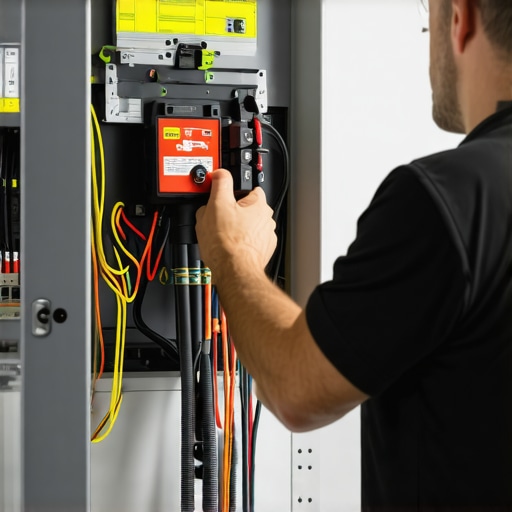

Panel Upgrades & Electrical Safety: Ensuring Code Compliance for EV Chargers
Imagine flipping the switch to plug in your new electric vehicle charger after a long day, only to be met with flickering lights or, worse, a total power outage. That sinking feeling when your home’s electrical system can’t keep up is all too familiar for many EV owners. I remember my own frustrating experience—thinking I could simply upgrade the panel and be done, only to realize that without proper code compliance and detailed planning, I was setting myself up for continuous trouble. This lightbulb moment sparked my journey into understanding the nuances of panel upgrades and electrical safety for EV charging.
Why Proper Panel Upgrades Make All the Difference
Upgrading your electrical panel isn’t just about installing a bigger box or adding circuits. It’s about ensuring your entire system adheres to local electrical codes, which are designed to keep your home safe and your EV charger functioning reliably. Skimping on this process can lead to hazards like overheating, electrical fires, or breaker trips that leave you stranded without charging options. My early mistake was thinking a quick upgrade was enough—only to find out later that the work wasn’t up to code, risking both safety and compliance.
If you’re considering a panel upgrade for your EV charger, you probably have questions: How do I make sure I’m doing it right? What electrical code requirements do I need to be aware of? Don’t worry—these are common concerns. We’re going to walk through how to approach your upgrade properly, and I’ll share practical tips to help you avoid my pitfalls.
Is Preventing Code Violations Really This Critical?
One of the biggest fears I hear from homeowners is that navigating electrical codes will slow down installation or inflate costs. Honestly, it’s just not worth risking safety or legal issues. In fact, the National Fire Protection Association reports that improper electrical systems are a leading cause of residential fires—many of which could be prevented through proper upgrades and inspections. Early in my journey, I underestimated the importance of verifying code compliance, which nearly led me to an unsafe setup. Remember, doing it right the first time saves money and potential heartache down the line.
To ensure your upgrade is safe and compliant, it helps to consult with licensed electricians who are familiar with the latest standards. Want to learn more about how to verify if your installation meets code? Check out [this expert guide](https://brightsparkzelectric.com/how-to-verify-code-compliance-for-your-ev-charger-installation) for detailed insights.
Now that I’ve laid the groundwork, let’s look into how you can make sure your panel upgrade isn’t just bigger—it’s smarter, safer, and fully compliant.
Assess Your Existing Electrical System Carefully
Before diving into any upgrade, take a comprehensive look at your current electrical panel. Turn off the main power and open the panel to inspect the components. Check for signs of wear, corrosion, or existing code violations such as double-tapped breakers. I vividly recall a messy inspection where I discovered an outdated breaker setup that didn’t meet current standards, highlighting the importance of a thorough evaluation. If you’re unsure, consult a licensed electrician for a detailed assessment.
Create a Clear Upgrade Plan
Once you understand the state of your electrical system, outline a plan that specifies the new panel size, additional circuits, and compliance requirements. Think of this step like designing a custom road map—every turn and stop (circuit) must be planned to avoid safety hazards. Refer to this guide for essential considerations when planning your upgrade. During my first upgrade, having a clear plan prevented unnecessary delays and rework.
Select the Right Panel
Choose a panel rated for your home’s load and future expansion needs. Look for panels that include a sufficient number of slots and are UL-listed for safety. I learned this the hard way when I initially bought a smaller panel, which wasn’t future-proof—forcing me to upgrade again sooner than expected. Think of the panel as the backbone of your electrical system; selecting a high-quality, compliant panel ensures safety and longevity.
Hire Licensed Professionals
While DIY can be tempting, electrical work must meet strict code standards. Hiring a licensed electrician is akin to getting a GPS for your project—they know the shortcuts and pitfalls. Request proof of licensing and experience, especially with EV charger installations. My experience working with a professional was smoother; they knew exactly how to ensure everything complied with local codes, saving me from future legal headaches. Connect with a trusted electrician through this contact page.
Ensure Proper Permitting and Inspections
Submit your upgrade plan to your local authorities for permits. This step is like getting a stamp of approval before you build a house—crucial for compliance and safety. Many homeowners overlook this, leading to problems during resale or insurance claims. During my project, I scheduled inspections after each phase, which uncovered minor code issues early, saving time and money. For detailed permit requirements, review this resource.
Use Approved Materials and Follow Manufacturer Instructions
Always install panels and components approved for your region. Follow the manufacturer’s wiring and installation instructions meticulously—think of it as following a recipe exactly to ensure the dish turns out perfect. Avoid shortcuts like improper grounding or unsupported connectors, which can cause hazards. In my own upgrade, adhering strictly to manufacturer specs prevented potential fire risks and ensured the system was up to code. Link to this guide for best practices.
Verify Code Compliance Before Power Restoration
After completing the installation, double-check all connections and setups against local electrical codes. Use testing devices or hire an inspector if possible. Think of this step as a final barista taste test—ensure everything is just right. During my last upgrade, a quick compliance check caught a loose connection, which could have caused future problems. For expert verification tips, visit this article.
Many homeowners assume that troubleshooting their electric vehicle (EV) chargers or upgrading panels is straightforward—just follow the basic steps and you’re all set. However, a common misconception is that code compliance or advanced troubleshooting is either optional or overly complicated. In reality, overlooking these nuances can lead to serious safety hazards, costly rework, or even voided warranties. For example, many believe that replacing a breaker with a higher-rated one will solve charging issues, but without proper understanding of load calculations and code requirements, this approach can create fire risks or code violations. It’s essential to recognize that the detailed aspects of electrical standards are designed to protect you and ensure reliable operation.
Why Do Homeowners Get Stuck on Misconceptions About Troubleshooting and Code Compliance?
– A prevalent myth is that all EV charger problems stem from hardware faults, when often the root cause lies in wiring, grounding, or interference with existing circuits. Misdiagnosing these issues can lead to unnecessary replacements or alterations. Moreover, many underestimate the importance of verifying every step against local electrical codes. Even seemingly minor deviations, such as improper grounding or insufficient circuit capacity, can have safety implications and cause your system to fail inspections. According to a study published by the National Fire Protection Association, nearly 70% of electrical fires originate from home installations that do not fully comply with established standards—highlighting the critical importance of proper code adherence.
In the realm of panel upgrades, a common mistake is selecting a larger panel without considering future load calculations or emerging code requirements. This oversight can result in overcapacity, increased costs, or system instability. Additionally, neglecting to involve licensed professionals familiar with the latest standards can turn a straightforward upgrade into a hazard. To avoid these pitfalls, it’s prudent to consult comprehensive resources such as the detailed guides provided by industry experts, or professional electricians experienced in EV infrastructure.
Ensuring thorough troubleshooting, meticulous adherence to code, and strategic planning are the keys to safe and reliable EV charging. Remember, rushing these steps or ignoring the nuanced requirements can lead to dangerous conditions, legal issues, and financial loss. Always verify every component and connection against local codes, and when in doubt, seek professional assistance. Want to dive into expert troubleshooting techniques or learn about the latest code updates? Check out this resource or contact a licensed electrician to ensure your setup is top-notch.
Have you ever fallen into this trap? Let me know in the comments.
Essential Tools for Safe and Effective Maintenance
Maintaining your EV charging setup requires precision and high-quality equipment that can handle the demands of your system. I personally swear by a digital multimeter like the Fluke 87V, which allows me to accurately measure voltage, current, and resistance, ensuring every connection is sound. This tool is invaluable for troubleshooting wiring issues or verifying circuit integrity as I learned from extensive experience testing panels and connections. Additionally, a clamp meter such as the Klein Tools CL800 helps me quickly assess current flow without disconnecting wires, saving time and preventing accidental shorts. For inspecting wiring bundles and tight spaces, I rely on a compact LED inspection flashlight like the Maglite ML50, making sure no detail goes unnoticed during routine checks.
Leverage Software for Ongoing Diagnostics
Beyond physical tools, software can be a game-changer in maintaining your EV charger’s health. I recommend using a dedicated EV charger diagnostic app like the ChargePoint app, which provides real-time status updates, error logs, and firmware update capabilities. Regularly reviewing these logs helps me identify patterns early—such as intermittent connectivity issues—which I address before they escalate. Firmware updates are crucial to patch vulnerabilities and improve performance; I schedule these updates quarterly, similar to how I maintain computer software for optimal functionality. For more advanced diagnostics, I utilize intrusion detection systems like the Wireshark network analyzer to monitor network traffic if my charger integrates with a smart home system, ensuring there are no malicious accesses or interference.
Develop a Routine for Long-Term Performance
Consistent maintenance is key to long-lasting, safe EV charging. I set a bi-monthly reminder to perform visual inspections, check for corrosion, loose connections, or signs of overheating, referencing industry best practices outlined in this troubleshooting guide. During these inspections, I carry my multimeter and inspection flashlight, verifying that all circuits remain within safe voltage ranges and that no physical damage has occurred. Additionally, I calibrate my testing tools annually—much like going to the dentist—to ensure measurement accuracy, which is vital for troubleshooting and preventing future failures. Incorporating these steps helps me prevent minor issues from snowballing into costly repairs or safety hazards.
How do I maintain my EV charger over time for optimal safety and performance?
To keep your EV charging system working smoothly, regular testing and calibration of your tools are essential. For instance, calibrating your multimeter annually ensures accurate readings, preventing false positives or negatives during troubleshooting. Incorporating firmware updates through trusted apps guarantees your charger benefits from the latest safety features and performance enhancements—an essential practice, as detailed in this article. Moreover, keeping a detailed maintenance log helps track patterns and plan proactive fixes. An advanced tip I recommend: automate your inspection schedule using digital reminders or smart home routines, which keeps maintenance consistent without additional effort. By embracing these strategies, you extend your system’s longevity and reduce unexpected downtime. Going forward, I predict that integrated IoT diagnostics will become standard, providing even more proactive maintenance insights—keeping your EV home charging hassle-free. I encourage you to implement a firmware update protocol today, as it’s one of the simplest yet most effective ways to safeguard your investment and ensure continuous reliable performance.
What Shattered My Assumptions About Electrical Safety
Early in my journey, I believed that a simple panel upgrade would suffice for my EV charger, but I quickly learned that rushing into it without thorough understanding could jeopardize safety. The biggest lesson was that code compliance isn’t just bureaucratic red tape—it’s a critical safeguard I ignored at my peril.
One eye-opening moment was realizing a seemingly minor oversight in grounding could have led to a fire. That realization cemented my commitment to meticulous planning and professional guidance, transforming my approach from haphazard to deliberate.
Tools and Resources That Transformed My Approach
The best decisions came from leveraging the right resources. I swear by the comprehensive guides on expert troubleshooting tips, which demystify complex standards and offer practical steps to ensure compliance. My high-quality multimeter from Fluke proved invaluable for accurate diagnostics, and consulting licensed electricians through this contact page saved me from costly mistakes.
Embracing a Long-Term Mindset for Safety
Thinking ahead means maintaining your system proactively. I set reminders for firmware updates, visual inspections, and calibration—creating a routine that fortifies my system against future faults. The true benefit? Peace of mind knowing that my EV charging setup is both reliable and safe, now and years down the line.
Your Next Step to a Safer Home Charging Experience
Remember, the path to safe EV charging is paved with informed decisions and diligent adherence to standards. Whether you’re just starting or upgrading your system, prioritize thorough planning, compliance, and ongoing maintenance. The effort not only protects your home but fuels your confidence as an EV owner. Dive into the detailed guides I’ve linked—your future self will thank you.
Have you encountered a lesson that changed your approach to electrical safety? Share your story below and let’s learn together!