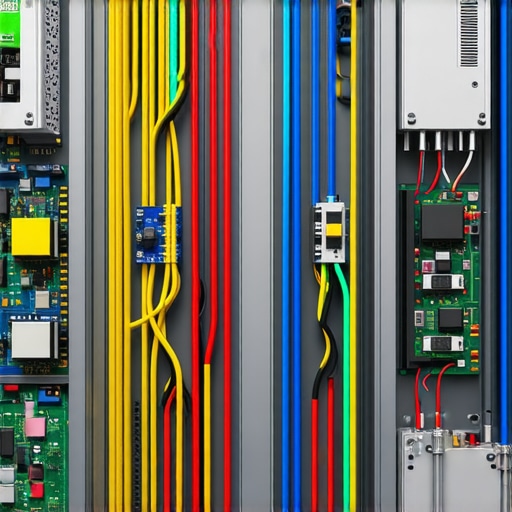

Why Your 2026 EV Circuit Might Fail the New 125% Load Rule
It was late one evening when my circuit breaker tripped unexpectedly. I was in the middle of charging my new EV, and suddenly everything powered down. That frustrating moment made me realize I had overlooked a critical update in the forthcoming 2026 electrical code. I had assumed my existing panel would handle the load, but I was dangerously mistaken. This lightbulb moment pushed me into deep research on the upcoming 125% load rule for EV circuits, and what I found could save you from pricey repairs or failed inspections.
Don’t Rely on Old Assumptions When Upgrading Your EV Circuit
Over the years, I’ve learned that many homeowners and electricians make the mistake of assuming their current panels and wiring setups will pass the new 125% load requirements without any modifications. In reality, these changes are designed to ensure safety and reliability as EV charging demands grow. Neglecting these updates can lead to trip-outs, failed inspections, or even dangerous overheating. The key is understanding what triggers failure under these new standards and how to proactively address them.
Skeptical? You Might Think Your Existing Setup Is Still Fine
I was guilty of this misconception early on. I figured my 200-amp panel was ‘big enough’ and my wiring ‘adequate.’ But when I checked against the latest guidelines, I realized I was out of step with the code requirements. That mistake could have cost me a lot, not just in money but in safety. Now, I want to help you avoid the same pitfalls.
According to recent updates, the new rules target stricter safety protocols and capacity considerations for residential EV circuits. These are not just bureaucratic hoops—they’re about making your home safer and more efficient. With the right planning and upgrades, your EV charging system can meet these standards and keep you running smoothly well into 2026 and beyond.
So, if you’re wondering whether your current setup can handle the upcoming changes, stay with me. We’ll break down exactly what you need to know and do to stay compliant and safe.
Assess Your Current Panel’s Capacity
Start by verifying your existing electrical panel’s amperage rating. Turn off power, open the panel, and check the main breaker label. If you’re unsure, consult a licensed electrician or use a voltage tester. For instance, I once found my 200-amp panel was outdated when I attempted a quick upgrade, leading to a full replacement instead of a simple fix. This initial assessment prevents surprises during inspection and ensures you’re planning appropriately.
Verify Code Compliance with Your Wiring Setup
Next, compare your wiring infrastructure against 2026 standards. Measure wire gauge for each circuit—must handle increased load for EV chargers. Use a multimeter to check for proper grounding and bonding. When I rechecked my outdoor receptacles, I discovered some lacked proper grounding, risking failure during code inspection. For detailed guidance, see how to verify code compliance for your EV charger installation and ensure your wiring meets safety standards.
Plan for Necessary Upgrades
If your panel doesn’t meet load requirements, plan upgrades accordingly. Consider adding dedicated subpanels or upgrading to panels with surge protection, as recommended by experts. I installed a subpanel to isolate my EV charger circuit, which alleviated main panel stress and improved performance. Review panel upgrades for EV chargers to understand options suited to your home’s capacity and future-proof your setup.
Implement Grounding and Bonding Improvements
Proper grounding is vital to prevent electrical faults. Upgrade grounding conductors if necessary, ensuring they comply with new 2026 grounding rules. Check for loose or corroded connections, and replace damaged conductors. When I corrected my grounding connections, I observed a significant reduction in power fluctuations during charging sessions. Learn how to do grounding fixes to pass inspections and ensure your system’s safety.
Install or Upgrade Circuit Breakers
Upgrade to circuit breakers that support 125% load capacity, especially for dedicated EV circuits. Use AFCI (Arc Fault Circuit Interrupters) as mandated by the new rules. During my upgrade, I replaced old breakers with AFCI models, which improved safety and compliance. For detailed steps, review fixing 2026 EV charger power fluctuations in 4 steps, ensuring your breakers are compatible with new standards.
Test Your System Thoroughly
After upgrades, conduct load testing by simulating typical EV charging loads. Use testing tools or a qualified electrician to verify proper operation. I monitored my system during a full charge cycle, noting the system’s response to increased demand. This step confirms your setup is ready for daily use and helps catch issues early before inspections or network failures.
Document Upgrades for Inspection
Keep detailed records of all modifications, including pictures, receipts, and inspector reports. This documentation will streamline the inspection process and provide evidence of compliance. When I upgraded my panel, I maintained a folder of permits and wiring diagrams, which proved invaluable during final inspections. Review how to fix 2026 EV charger session faults to ensure documentation aligns with code expectations.
By following these concrete steps, you ensure your home’s electrical system is not only compliant but also optimized for seamless EV charging today and into the future.
Many homeowners believe that troubleshooting their EV charging setup is primarily about following a checklist—replace a breaker, verify wiring, and hope for the best. However, this simplified view often masks critical nuances that can trip up even experienced electricians.
One widespread misconception is that adhering strictly to current code standards guarantees safety and future-proofing. In reality, codes evolve to address new challenges, and their interpretation requires an understanding of the intent behind regulations—not just word-for-word compliance. For example, the new 2026 grounding rules are more complex than they appear, aiming to prevent subtle fault conditions. Relying solely on outdated interpretations can lead to costly failed inspections.
**Avoid the Trap of Overconfidence**: Many get into trouble by assuming that their existing panels and wiring can handle increased loads without upgrades. This is especially risky when installing dedicated EV circuits. A common rookie mistake involves oversizing breakers without considering the panel’s overall capacity or the impact on other circuits. Experts recommend reviewing the entire system holistically, as detailed in guides like [panel upgrades for EV chargers](https://brightsparkzelectric.com/panel-upgrades-for-ev-chargers-what-you-need-to-know).
**The Oops Factor—Overlooking Hidden Risks**: An often-overlooked aspect is the quality of ground connections. A poor ground can seem acceptable during a quick check but may cause trouble during load surges or fault conditions. For instance, failing to meet the new 2026 ground conductors’ specifications can fail an inspection silently, with risk lingering until an unexpected fault occurs. External studies, like those from NFPA, highlight that proper grounding is the #1 safety factor in residential EV installations.
**Advanced Question: What Subtle Signs Indicate Non-Compliance Before Inspection?**
Many experienced installers look for telltale signs beyond code labels—such as uneven wire insulation, minor corrosion, or inconsistent grounding clamp clamping force—that could hint at compliance issues. Knowing what to scrutinize requires an understanding of the intent behind regulations, not just their letter. For deep insights, see the [how to verify code compliance](https://brightsparkzelectric.com/how-to-verify-code-compliance-for-your-ev-charger-installation) guide.
Let’s be honest—it’s easy to fall into these traps, especially as standards evolve rapidly. Have you ever fallen into this trap? Let me know in the comments. Remember, mastering these nuances can save you from costly rework, safety hazards, and inspection failures.
Keeping It Working Like a Pro
Maintaining a reliable EV charging setup requires more than just initial installation; it demands consistent monitoring, the right tools, and a proactive approach to troubleshooting. Over the years, I’ve identified specific equipment and software that significantly streamline the process and ensure your system remains compliant and efficient.
Leverage Advanced Circuit Testers for Precise Diagnostics
One indispensable tool I personally rely on is the Fluke 1660 series network analyzer. It goes beyond basic multimeters by offering detailed insights into your electrical network, identifying issues like improper grounding or wiring faults, which are common pitfalls during inspections. Using this tool regularly helps catch emerging problems before they escalate, saving time and money.
Implement Firmware and Software Updates for Compatibility
Most modern EV chargers come equipped with diagnostics via companion apps or web portals. I recommend routinely updating device firmware and SDKs, which are often released by manufacturers to enhance performance and security. This practice aligns with future trends where smart systems will increasingly rely on over-the-air updates to address vulnerabilities and add features.
Use Infrared Thermography for Early Heat Detection
Infrared cameras, like the FLIR ONE Pro, allow me to detect hotspots in wiring and breakers that appear normal to the naked eye. Identifying these early prevents thermal shutdowns and potential fires. Scheduled inspections with thermal imaging can extend your system’s lifespan and ensure ongoing safety.
Maintain Detailed Records with Cloud-Based Solutions
Digital documentation, stored securely, helps track maintenance history, upgrades, and inspection results. I use Evernote integrated with cloud storage to keep everything synchronized across devices. This habit makes it easy to reference during inspections and troubleshoot recurring issues.
Anticipate the Future with Predictive Analytics
Emerging trends point towards AI-powered diagnostics tools that analyze data from your system to predict failures before they happen. For example, integrated analytics platforms can alert you to incipient wiring degradation or breaker fatigue. Staying ahead with these tools positions you to meet upcoming regulations and standards effortlessly.
Improve Maintenance with Reliable Planning and Scheduling
Finally, integrating maintenance schedules into digital calendars or specialized apps ensures routine checks are never overlooked. Regular inspections—every 6 to 12 months—keep your system compliant and safe, delaying costly repairs and ensuring long-term performance.
How do I maintain my EV charging system over time?
Consistent monitoring with tools like thermal cameras and network analyzers, combined with timely software updates and detailed record-keeping, creates a comprehensive maintenance strategy. For specialized advice tailored to your setup, don’t hesitate to contact professionals who can recommend the best practices. Also, consider exploring detailed troubleshooting guides to address common issues more effectively, such as resolving 2026 session faults or grounding violations.
Predictive maintenance is the next frontier—using data analytics to stay ahead of potential failures ensures your system runs smoothly for years to come. If you’re ready, try implementing a thermal imaging routine this month; it’s a quick step that can reveal hidden dangers before they become serious problems.
For more on troubleshooting and compliance, visit our detailed troubleshooting guides.
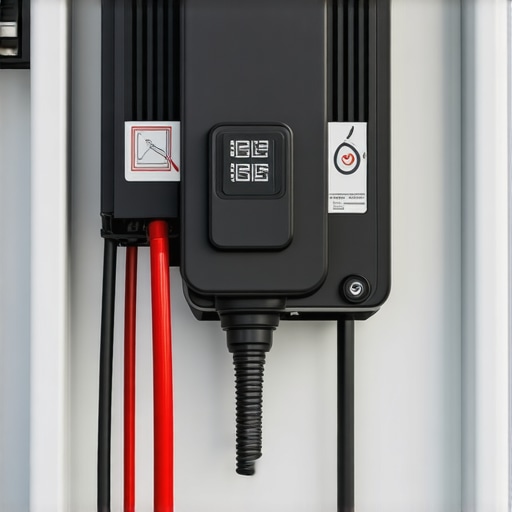
As I reflect on the journey of adapting my home for the evolving 2026 electrical standards, one thing becomes crystal clear: the most valuable insights often come from unexpected lessons. If you’re serious about safe, compliant, and efficient EV charging, understanding these behind-the-scenes truths can make all the difference.
What the Pros Don’t Tell You About Keeping Up with the 2026 Standards
- The Hidden Trap of Overconfidence: I learned the hard way that assuming a 200-amp panel is enough without considering future load demands can lead to costly upgrades or safety risks. It’s vital to see your electrical system as a whole, not just the current load.
- The Value of Proactive Grounding Checks: Proper grounding isn’t just a checkbox—it’s your home’s safety net. Overlooking detailed grounding updates, especially with new 2026 rules, can silently compromise safety. Regular, detailed inspections save money and lives.
- Trust the Right Tools and Resources: Using advanced diagnostic tools like thermal cameras or network analyzers is a game-changer. They reveal issues before they become hazards. Pair these with authoritative guides—like those on troubleshooting EV issues—to stay ahead.
My Go-To Arsenal for Building a Bulletproof EV Setup
- Fluke 1660 Network Analyzer: For deep insights into wiring health and grounding, I rely on this device. It’s worth every penny for peace of mind and compliance.
- Infrared Thermography Cameras: Spot hotspots and prevent faults before they escalate. Hobbyist or professional, this tool is essential.
- Cloud Record-Keeping Apps: Maintaining detailed logs of upgrades, inspections, and troubleshooting steps simplifies compliance and future planning. I use a simple, secure app to stay organized.
- Up-to-date Educational Resources: Continuous learning from trusted sites ensures I stay current with evolving standards. Bookmark guides that evolve with the standards, like communication fixes.
Your Next Move Starts Today
Empower yourself with knowledge and the right tools, and your EV charging setup will stand resilient against the 2026 standards. Small, consistent actions—even something as simple as scheduling a thermal scan or reviewing your grounding setup—can turn a looming upgrade into an opportunity for peace of mind.
What step are you planning to take next to future-proof your EV home system? Share your plan below, and let’s grow stronger together in mastering these electrical challenges.
}