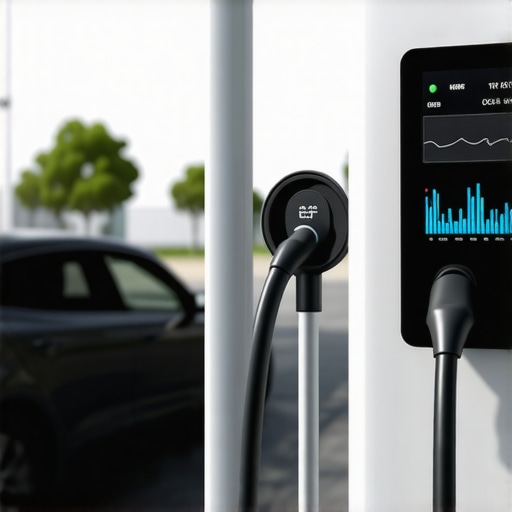

Why Your 2026 AI-Managed Panel Trips During Peak EV Loads
I remember the frustration hitting me hard last summer. I was charging my electric vehicle, finally having upgraded to meet the new 2026 standards. Suddenly, mid-charge, my panel trip, leaving my car stranded and my evening plans ruined. It felt like a punch to the gut—how could something so modern still be so unreliable? That moment was my lightbulb, realizing that despite all the hype about smart, AI-managed panels, they can still trip unexpectedly during the heaviest loads.
The Hidden Trap of Peak Load Charging
Ever experienced your EV charger shutting down just when you need it most? That’s no accident. With the rise of electric vehicles, homeowners are pushing their electrical systems to new limits, especially during peak times when everyone’s doing the same thing—plugging in. During these moments, many panels trip, causing delays and potential safety risks. Believe it or not, according to the experts, improper panel setups are behind a significant chunk of these failures. My own early mistake was ignoring the importance of proper load calculations, which led to unnecessary trips and even code violations. That’s why I want to help you avoid the frustration I faced firsthand.
Is All the Hype About 2026’s Smart Panels Just a Gimmick?
When I first installed my new setup, I assumed the AI management would handle everything seamlessly. But it didn’t. The panel kept tripping during those peak hours, and I wondered—was I doing something wrong? Turns out, many homeowners fall into the same trap, thinking that smart panels are foolproof. Early on, I overlooked a crucial aspect—ensuring my system was fully compliant with the latest codes—something I now realize is vital for smooth operation. For guidance, I checked out resources like how to verify code compliance before my next upgrade. This mistake taught me that tech alone isn’t enough; it requires proper planning and legal compliance to truly work. As we move forward, I’ll guide you through how to keep your system from tripping during those critical moments, saving you time, stress, and maybe even some future fines.
Calculate Your Load Capacity to Avoid Overloading
Start by understanding the total electrical load your home handles, especially when charging multiple EVs. I once attempted to upgrade without proper calculations, leading to frequent panel trips. To prevent this, list all appliances, including your EV charger, then add their wattages to see if your panel can handle the combined load. Use online calculators or consult a professional to ensure accuracy. Remember, overestimating is safer than underestimating, especially with peak load scenarios.
Upgrade Your Panel for Better Performance
If your current panel isn’t rated for the planned load, consider upgrading. I learned this the hard way by trying to install a 50-amp charger on a 100-amp panel, which strained the system. Visit this guide to understand your options. A panel with sufficient amperage and proper wiring is like a highway with multiple lanes—less congestion means fewer trips and smoother charging.
Ensure Compliance with Latest Codes
Code compliance is crucial. I once overlooked the requirement for dedicated circuits, which caused my breaker to trip repeatedly during peak charging times. Verify your setup aligns with current standards by reviewing these guidelines. This step is akin to updating your navigation system; it guides safe and efficient operation, avoiding costly fines or rewiring.
Implement Proper Load Management Strategies
Using load management devices can distribute power evenly, preventing overloads. I installed a smart load balancer that dynamically adjusted the charging rate based on overall home consumption, which significantly reduced trips. When choosing a device, ensure it’s compatible with your system and adheres to safety standards. Think of this as traffic control—keeping everything flowing smoothly during busy hours.
Schedule Charging During Off-Peak Hours
Shift your charging sessions to times when electricity demand is lower, typically late at night. I adjusted my EV to start charging after 11 pm, which kept my panel from overloading during peak hours. Many chargers now have timers or app controls—use them to automate this process. It’s similar to watering your garden early morning or late evening for better absorption and less stress on your system.
Regularly Inspect and Maintain Your System
Consistent inspections catch potential issues early. I experienced a ground fault that caused intermittent trips; a quick check revealed loose wiring. Schedule annual professional inspections and keep your system clean and free of debris. Think of this as your vehicle’s routine maintenance—prevents breakdowns and extends lifespan. For troubleshooting tips, visit this troubleshooting guide.
Partner with Certified Professionals
Lastly, always collaborate with licensed electricians when upgrading or troubleshooting your panels. I once attempted a DIY fix that backfired, causing more trips and code violations. Experts ensure your setup meets all safety and code requirements, much like a tailor expertly adjusts a suit for perfect fit. You can contact specialists through this contact page to get personalized guidance and peace of mind.Many homeowners believe that simply installing the latest smart panel or following the basic code checklist guarantees a smooth EV charging experience. However, in my years of hands-on experience, I’ve discovered that common misconceptions often lead to serious pitfalls. One widespread myth is that upgrading your panel to the highest amperage automatically ensures compatibility with all EV chargers. But in reality, without proper load calculations and adherence to nuanced code requirements, this can backfire, causing trips or fines. Experts emphasize that a misjudged upgrade might not just be inefficient—it could be unsafe, especially when dealing with complex multi-vehicle setups. During troubleshooting, I often see people overlook the importance of verifying actual wiring conditions; even the most advanced panels won’t function correctly if wiring isn’t up to standard. This mistake can trigger failures during peak loads, precisely when visibility on system health is most critical. Have you ever fallen into this trap? Let me know in the comments.
What Advanced Mistakes Do Homeowners Usually Overlook During EV Panel Upgrades?
Understanding the finer details—such as multi-ev load management and integration with V2G systems—can make a difference. A study by industry experts highlights that neglecting load balancing devices or failing to incorporate proper surge protection often results in ongoing issues, despite an upgrade that appeared sufficient on paper. This underscores that upgrading a panel isn’t just about increasing capacity; it involves a holistic approach that considers all system components and compliance nuances. For example, ensuring your system respects the latest code standards, like the new 2026 regulations, is vital. Non-compliance can lead to costly re-inspections or even legal violations. To avoid such issues, always verify your setup against authoritative resources or consult a licensed electrician familiar with recent standards—check out these guidelines. Remember, a successful upgrade is a mix of proper planning, expert execution, and continuous testing. From load calculations to installation wiring, each detail contributes to ensuring your EV charger operates reliably and safely. So, don’t just replace—upgrade thoughtfully. Want to dig even deeper? Visit our contact page to connect with certified professionals. |
Maintaining an efficient and reliable EV charging setup requires more than just selecting the right panel; it involves ongoing monitoring, troubleshooting, and using the best tools to ensure compliance and performance. Over the years, I’ve identified specific equipment and software that have become indispensable for my workflow, helping me diagnose issues quickly and keep the system in peak condition. In this section, I’ll share my tried-and-true tools, emphasizing why they matter and how they can save YOU time and stress.
Harnessing Reliable Load Calculation Devices
Accurate load calculations are the backbone of a safe, code-compliant upgrade. I personally use the Clamp Meter with True RMS functionality—specifically, the Fluke 381. Its precision allows me to measure current draw directly on circuits, helping me verify that my load remains within safe limits during peak use. This real-world data is crucial when planning upgrades or troubleshooting trips, especially under load stress. Ensuring your measurements are spot-on prevents overloading your system and helps demonstrate compliance during inspections.
Adopting Smart Monitoring Software
In addition to hardware tools, I rely on advanced panel monitoring solutions—like the Sense Home Energy Monitor. This device connects directly to your electrical panel and provides real-time data on power consumption, peak loads, and any unusual spikes. Its app displays trends over time, making it easy to spot deficiencies or potential faults before they escalate. This proactive approach reduces downtime and helps me address issues long before they cause trips or safety concerns.
Using Diagnostic Tools for Troubleshooting
When problems do arise, quick diagnosis is essential. I prefer the Fluke 971 Temperature Meter to check for hotspots that might indicate loose wiring or failing components. Additionally, having a digital insulation tester ensures wiring integrity—crucial when verifying that standards are met after upgrades. Regularly testing with these tools keeps my system safe and compliant with evolving standards like those detailed by experts on how to verify code compliance.
Future Trends and Better Tools on the Horizon
Looking ahead, I believe the integration of AI-driven diagnostic software will revolutionize maintenance. Imagine apps that predict failures based on usage data, alerting you before a trip or code inspection fails. As these innovations become more affordable and user-friendly, DIY homeowners and pros alike will benefit from automated system health checks, reducing downtime and enhancing safety.
In the meantime, I encourage you to experiment with the load measurement techniques and monitoring solutions outlined here. For example, try deploying the Sense Monitor on your panel this month—it’s a game-changer. By adopting these specific tools and methods, you’ll be well on your way to a system that works reliably long-term, keeps you code-compliant, and minimizes unexpected trips—saving time, money, and nerves. To get started with expert guidance, consider reaching out to licensed professionals through this contact page.
How do I maintain my EV panel system over time?
Regular inspections, updating software, and using precise measurement tools like clamp meters and smart monitors are critical. Schedule annual professional check-ups, ensure your wiring remains compliant with the latest codes, and keep a close eye on load trends. Investing in these tools and practices today prepares your system for the complexities of tomorrow’s EV charging needs.
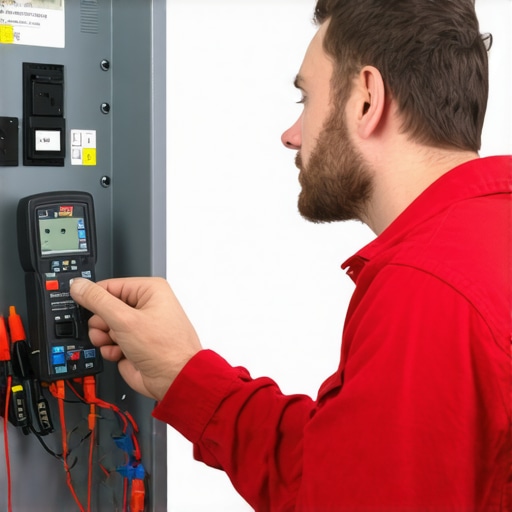
What the Real Challenges Taught Me About EV Panel Upgrades
- I realized that overlooking the importance of detailed load calculations could turn a straightforward upgrade into a troubleshooting nightmare. It’s tempting to assume your existing panel can handle new demands, but the truth is, precise measurements and planning save time and prevent safety issues.
- Trusting tech alone isn’t enough. I once believed that installing a smart panel would eliminate the need for ongoing inspections or compliance checks. That misconception nearly cost me, highlighting that continuous monitoring and understanding current code standards are essential for long-term reliability.
- I learned that improper wiring and neglecting recent code updates are common pitfalls. Regularly verifying your system’s compliance—like reviewing these guidelines—can be the difference between a smooth operation and costly re-inspections.
My Go-To Resources for Safe and Effective EV Panel Management
- Clamp meters with True RMS functionality like the Fluke 381 are invaluable for precise load measurements—trust me, they make troubleshooting more accurate and faster, ensuring your system stays within safe limits.
- Real-time energy monitoring solutions such as the Sense Home Energy Monitor help me identify peak loads and anomalies early, saving me from unexpected trips or failures.
- Guides and official standards, especially these resources, keep my upgrades compliant and my system safe, preventing costly mistakes.
The Last Word You Need to Make EV Charging Stress-Free
Embarking on EV panel upgrades or troubleshooting can seem daunting at first, but with the right knowledge, tools, and approach, you can turn complex challenges into manageable projects. Don’t let misconceptions or overlooked details hold you back—plan thoroughly, verify compliance, and embrace continuous learning. Your journey toward a safe and reliable EV charging setup is entirely within your control. Ready to upgrade with confidence? Reach out to licensed professionals through this contact page and take the next step.