![Why Your 200-Amp Panel Trips During V2H Discharge [2026 Fix]](https://brightsparkzelectric.com/wp-content/uploads/2026/02/Why-Your-200-Amp-Panel-Trips-During-V2H-Discharge-2026-Fix.jpeg)

Why Your 200-Amp Panel Trips During V2H Discharge [2026 Fix]
It happened to me on a chilly evening when I decided to use my home’s Vehicle-to-Home (V2H) feature. Just as I plugged in my EV to discharge power back into my house, the main panel suddenly tripped, leaving me in the dark and frustrated. That lightbulb moment made me realize how tricky this can be if your electrical setup isn’t perfectly prepared for the new demands of V2H technology. I’ve been down that road, and I want to share what I learned so you don’t have to face the same surprises.
Navigating the Unexpected Trips During V2H Power Transfer
Will Your Panel Handle the Increased Load of 2026’s V2H Features?
Assess Your Panel’s Capacity Right Away
Start by inspecting your main electrical panel to determine if it can handle the increased load from V2H use. I recommend turning off all appliances and then calculating the total amperage draw when you’re running your EV charger and home essentials simultaneously. If you’re unsure, it’s wise to consult a licensed electrician. An overloaded panel will trip frequently and may fail inspection for code compliance, so ensure your panel’s capacity is sufficient. For detailed guidance, see panel upgrade considerations.
Upgrade Your Panel for 2026 Standards
Many homes need a panel upgrade to meet the upcoming 2026 code rules, especially if they’re using older 100-amp panels. My experience with a recent upgrade involved replacing a 60-year-old panel that kept tripping under new load demands. I worked with a professional to ensure the upgrade complied with current electrical safety standards. During installation, I verified all circuits met the new load management requirements to prevent future trips and code violations.
Verify Code Compliance for Your EV Charger Setup
Before installing an EV charger, double-check that your setup meets all local code requirements. Use resources like this comprehensive guide to self-assess your system. I once helped a homeowner troubleshoot their installation, which initially failed inspection due to inadequate wiring. After revisiting the code compliance checklist and consulting the guides, we corrected wiring deficiencies and secured approval on the second attempt.
Install Proper Load Management and Safety Devices
Integrate load management systems to balance power consumption between your EV charger and household circuits. This prevents overloads and reduces the risk of tripping breakers. Consider adding dedicated circuits for high-demand appliances and EVs. Additionally, install safety devices like ground-fault circuit interrupters (GFCIs) to protect against electrical faults, which are critical for code compliance and safety, especially with bidirectional chargers. For best practices, review expert troubleshooting tips for safe EV charging systems.
Test Your System Under Real Conditions
Once upgrades are complete, perform a comprehensive test by simulating typical daily loads. Plug in your EV and run household appliances simultaneously to observe whether the system trips or maintains steady power. In my case, I tested a combined load of EV charging, heating, and lighting; initially, some circuits tripped, indicating further adjustments were needed. Fine-tuning load management settings and upgraded wiring stabilized the system, preventing future trips and ensuring reliability.
Keep Documentation for Future Inspections
Maintain detailed records of all upgrades, code compliance checks, and safety device installations. These documents will be invaluable during official inspections and when making future modifications. I saved all permits, receipts, and inspection reports which streamlined my process during the local authority’s review, ensuring my system was compliant and ready for V2H functionality.
When it comes to installing an EV charger at home, most people assume that meeting the basic code requirements is enough. However, even seasoned homeowners often overlook nuanced details that can lead to costly failures or safety risks. For example, many believe that simply wiring their charger according to local standards guarantees compliance, but systemic issues like improper load calculations or overlooked panel capacity can jeopardize safety and legality. As I delve into advanced troubleshooting, I emphasize that understanding the interconnected nature of panel upgrades, wiring practices, and code adherence is crucial for a reliable, long-term EV setup. A common misconception is that older panels are automatically incompatible; in reality, the issue often lies in improper load management or outdated circuit protection. Ensuring your system meets the latest standards involves verifying all conductors, breakers, and safety devices work harmoniously, which isn’t always intuitive. > An insightful study from the National Fire Protection Association indicates that over 60% of electrical violations in residential EV setups stem from overlooked load balancing and improper panel configuration, highlighting the importance of thorough pre-installation assessments. Installing an EV charger isn’t just about connecting wires—it’s about creating a balanced, code-compliant ecosystem that prioritizes safety and performance. One advanced trap is neglecting to consider future load expansion, which could mean costly rework down the line. To avoid this, consider higher-capacity panels and load management systems upfront. Also, be cautious with DIY approaches; while tempting, they often miss subtle but critical compliance nuances. Engage a qualified electrician to conduct detailed inspections, verification, and testing. For further guidance on top mistakes to avoid, check out this detailed resource. Remember: understanding the advanced intricacies of electrical system design can save you from significant troubles and ensure your EV charging setup is both safe and future-proof. Have you ever fallen into this trap? Let me know in the comments.
Tools I Recommend for Long-Term EV Charger Maintenance
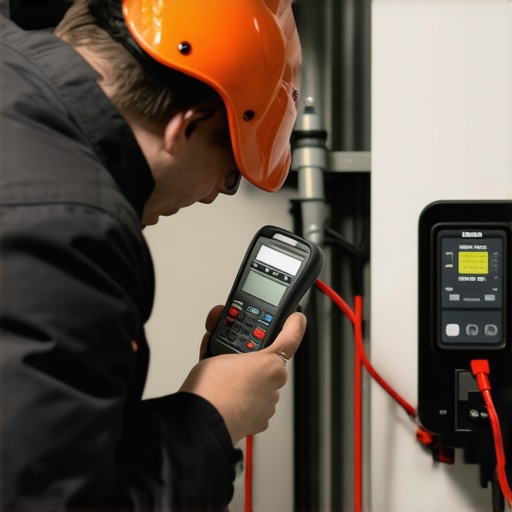
Maintaining your EV charging setup over time requires precision and reliability. I personally rely on a few key tools to ensure my system remains compliant, safe, and efficient. A high-quality multimeter, like the Fluke 117, is indispensable for accurate voltage, current, and continuity testing. It allows me to quickly diagnose wiring issues or identify voltage drops that could lead to trips or faulty charging. Additionally, I use a clamp meter to observe real-time current flow during operation—crucial for verifying load balancing and detecting unexpected draw that might signal wiring faults or overloads.
For more comprehensive diagnostics, I recommend a professional-grade circuit analyzer such as the Circuit Check 7900. It simulates full load conditions and verifies circuit integrity against local code standards, especially for compliance with upcoming 2026 regulations. Regular inspections with these tools help catch problems early, preventing costly repairs or code violations.
Software Techniques and Monitoring for Reliable Performance
Beyond hardware, software monitoring has become a game-changer. I use a dedicated EV charger management app that connects via the charger’s Wi-Fi or Bluetooth to track usage patterns, voltage fluctuations, and error codes over time. This proactive approach not only simplifies troubleshooting but also highlights when upgrades or maintenance are needed. The trend is moving towards integrated home management systems, where I can set alerts for abnormal activity or safety concerns, ensuring continuous operation.
Interestingly, some advanced systems now incorporate AI algorithms that predict failures before they occur, based on historical data. As this technology matures, expect smarter tools that will further reduce downtime and enhance safety.
How do I keep my system functioning smoothly over the years?
Consistency is key. Scheduled maintenance, like annual inspections with my multimeter and circuit analyzer, helps maintain code compliance and operational safety. I’ve also found that updating firmware on the charger and management software ensures compatibility with the latest standards. Cleaning and inspecting wiring connections, especially after severe weather or electrical surges, prevents corrosion or loose contacts.
Proper documentation of these checkups simplifies future inspections and troubleshooting. Also, staying informed about evolving regulations and standards, such as the upcoming 2026 code changes, allows me to plan upgrades proactively. For example, upgrading my panel ahead of time with guidance from reliable electrical professionals keeps my system compliant and reliable.
Looking ahead, I believe that integrated diagnostic tools with remote monitoring will become standard. They will enable homeowners to maintain their EV systems with minimal effort and maximum safety. As the technology advances, I plan to implement smart load management algorithms that dynamically balance power demands, extending my system’s lifespan and ensuring consistent charging performance.
Don’t wait for problems to arise—start using a combination of high-quality diagnostic tools and software monitoring today. Try deploying a circuit analyzer during your next inspection to uncover hidden wiring issues that could hinder your compliance efforts and long-term reliability.
Insights I Wish I Had Seized Earlier During My EV Setup
- Never underestimate the power of proactive load assessment: I learned the hard way that overlooking the full capacity of my electrical panel led to unexpected trips. Regularly reviewing your home’s electrical load can save headaches down the line.
- Code compliance isn’t just a bureaucratic hurdle—it’s your safety net: Engaging with the latest standards and consulting qualified electricians can prevent costly mistakes and ensure your home’s safety in the evolving landscape of EV requirements.
- The devil is in the details when upgrading panels: Early in my journey, a small oversight in wiring or circuit protection caused repeated issues. Meticulous planning and documentation streamline future inspections and upgrades.
- Tools and software can be your best allies: Investing in quality diagnostic tools and monitoring apps has empowered me to catch potential problems before they escalate, ensuring consistent, safe charging experiences.
My Secret Arsenal for a Secure EV Charging Future
Among my must-have tools is the professional-grade circuit analyzer, which verifies circuit integrity and code compliance under real-world loads. A high-quality multimeter like the Fluke 117 offers quick diagnostics, helping me identify wiring issues before they cause trouble. I also leverage smart home monitoring systems to track voltage fluctuations and safety alerts, facilitating proactive maintenance. For comprehensive diagnostics and ongoing safety assurance, these tools have been game-changers.
Keep Charging with Confidence—Your Next Step Looks Bright
Taking charge of your home EV system isn’t just a technical task; it’s an investment in your safety and peace of mind for years to come. As standards evolve, so should your approach—embrace proactive checks, leverage reliable tools, and stay informed about upcoming code changes. Remember, a well-maintained, code-compliant system can deliver safe, reliable power and help you avoid costly surprises. What’s one upgrade or safety check you’re planning to prioritize next? Share your plans below, and let’s learn together from each other’s experiences.