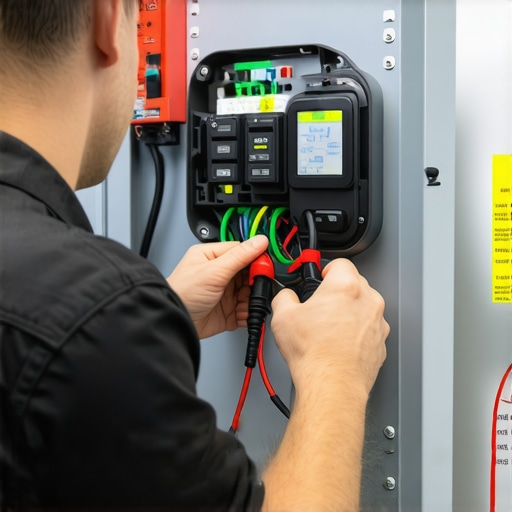

Panel Upgrades & Electrical Safety: Ensuring Code Compliance for EV Chargers
It was a sweltering summer afternoon when I heard that dreadful buzz from my garage. My heart sank as I watched my newly installed EV charger flicker and shut down unexpectedly. Frustration and a flicker of worry washed over me—was I risking my home and family’s safety? That experience was a wake-up call, revealing just how crucial proper panel upgrades and code compliance are for safe, reliable home EV charging.
Why Electrical Safety and Code Compliance Matter More Than Ever
As electric vehicle adoption surges, so does the demand for effective and safe charging solutions at home. But too many homeowners overlook critical electrical upgrades or ignore local codes, risking serious hazards. I learned the hard way that ensuring your electrical system meets current safety standards isn’t just about avoiding fines; it’s about protecting your loved ones and ensuring your EV charger functions flawlessly.
Electric vehicles are becoming common in households nationwide. According to a report by the U.S. Department of Energy, the number of EVs is projected to reach over 18 million by 2030. This rapid growth underscores the importance of proper wiring and panel upgrades—failing to do so can lead to electrical fires, damage, or costly repairs. Ensuring *code compliance* is not a bureaucratic hurdle; it’s a vital safeguard, supported by standards outlined in the National Electrical Code (NEC), which regularly updates to match technological advancements.
When I first installed my charger, I thought I could get by with a quick fix or a cheap upgrade. That was a mistake. Early on, I made the error of not verifying if my existing panel could handle the additional load, putting myself at risk for overload and potential fire hazards. Trust me, I learned that being diligent about panel capacity, grounding, and proper wiring makes all the difference. Curious if your home wiring is up to date? Check out [how to verify code compliance](https://brightsparkzelectric.com/how-to-verify-code-compliance-for-your-ev-charger-installation) and ensure your setup is safe.
In this post, I’ll guide you through the essential steps to upgrade your panel and ensure your EV charger is safe, compliant, and ready to serve your charging needs reliably. Whether you’re just starting or have faced setbacks before, understanding the ins and outs can save you trouble down the line. So, if you’ve ever wondered whether your home’s electrical system is truly safe for EV charging, keep reading. We’re about to turn that uncertainty into confidence and peace of mind.
Assess Your Electrical Panel’s Capacity Immediately
Start by turning off the main breaker and opening your electrical panel. Look for the amperage rating, typically marked inside the door. If it’s 100 amps or less, upgrading is essential before installing a high-demand EV charger. I once discovered my panel was rated at only 60 amps during a late-night inspection, which could have caused overload issues. To evaluate your panel accurately, consider consulting a licensed electrician or review detailed guides such as this resource.
Determine if Your Service Panel Is Ready for a Heavy Load
Compare your home’s total electrical load—sum existing appliance demands with the potential EV charger load. Use a load calculator or hire a professional. My experience taught me that an underestimated load can lead to tripping breakers or, worse, electrical fires. If your total exceeds the panel’s capacity, a professional panel upgrade is non-negotiable.
Perform a Precise Grounding and Wiring Inspection
Proper grounding prevents electrical shocks and protects your equipment. Check for a grounding rod or wire connected to a grounding bus bar. Ensure all wiring is intact, correctly rated, and free from corrosion. I found loose grounding wires during my upgrade—tightening them improved safety and device performance. For comprehensive steps, check troubleshooting guides.
Match the Wiring and Breaker Sizes with Code Requirements
Verify that the wiring gauge and breaker size match NEC standards for your EV charger’s power level. Typically, a 240V, 40A circuit requires #8 gauge wire and a 40A breaker. Using undersized wiring can cause overheating, while oversizing may violate code. I had to replace some wiring to meet code, which avoided future hazards and ensured compliance. Review this verification process.
Coordinate with Licensed Electricians and Obtain Permits
Always engage a licensed electrician to perform panel upgrades and wiring work. They understand local codes and can navigate permitting processes, preventing costly violations. I postponed my upgrade initially, which caused delays and inspection issues. During my project, the electrician provided official documentation and scheduled an inspection, saving me from future legal complications. For assistance, contact experts here.
Document Everything for Future Compliance
Keep detailed records of all upgrades, including permit approvals, inspection reports, and receipts. This documentation proves your system is compliant and safe. I stored digital copies of my permits and inspection notes, which proved valuable for warranty claims and future resale. Familiarize yourself with best practices for documentation.
Test Your System Before Use
Once completed, perform thorough testing: check for proper operation, no tripped breakers, and confirm that grounding is secure. Use a voltage tester to ensure correct power delivery. I once experienced flickering when plugging in the charger—initially alarming, but testing revealed a loose connection, fixed promptly. Regular tests safeguard against unforeseen issues and ensure ongoing compliance.
Remember, proper panel upgrades and strict adherence to code are not just bureaucratic steps—they are vital for safety, reliability, and peace of mind during your EV charging experience. When in doubt, consulting with qualified professionals is the safest route. For more detailed guidance, see this comprehensive overview.
Many homeowners believe that upgrading their electrical panel or ensuring code compliance is a straightforward process, but the reality is far more nuanced. One common misconception is that simply installing a larger panel guarantees safety and readiness for EV charging. However, without proper understanding of load calculations, grounding, and wiring standards, this can be a dangerous oversimplification. In fact, rushing into a panel upgrade without expert assessment can lead to overlooked issues like inadequate grounding or incompatible wiring, which increase the risk of electrical fires or equipment failure. For example, many assume that a 200-amp panel automatically provides the necessary safety margin for an EV charger, but if the existing wiring or grounding isn’t updated accordingly, the upgrade may not meet current safety standards. Homeowners often get tripped up by myths that code compliance is a bureaucratic barrier rather than a vital safety measure. In reality, local codes — like the NEC — reflect the latest understanding in electrical safety, especially with the added demands of EV charging. Ignoring these can void warranties or cause legal issues during resale. A hidden nuance many overlook involves the importance of comprehensive troubleshooting beyond initial installation. Advanced issues such as circuit interference or poor grounding might only be detected through meticulous testing. For example, I experienced persistent flickering issues with my charger, which a casual inspection missed. Only after conducting expert troubleshooting, including checking wiring gauges and breaker ratings, did I find loose connections that could have caused fires down the line. Moreover, a critical mistake is underestimating the importance of documentation and permits. Without proper documentation proving your system’s compliance, future repairs or inspections could become costly—and potential hazards unaddressed. Ultimately, understanding these nuances protects your investment and your safety. It’s crucial to engage licensed electricians who follow established standards and who are familiar with the latest updates in code compliance. For further insights on best practices, see how to verify code compliance for EV chargers or explore panel upgrade strategies that prioritize safety and reliability.Maintaining your home EV charging setup requires more than just initial installation; it involves ongoing vigilance and the right tools to detect and resolve issues early. One of my favorite devices is a reliable digital multimeter. I personally prefer the Fluke 117 because of its accuracy and user-friendly interface. It helps me verify voltage levels, check wiring continuity, and ensure grounding is solid—things I routinely test after any work or troubleshooting. For instance, after updating my panel, I used the multimeter to confirm that all connections met safety standards, preventing potential hazards. Additionally, a clamp meter like the Klein Tools CL800 enables me to measure current loads quickly without disconnecting wiring, an invaluable feature when monitoring my system’s performance during different charging sessions. These tools empower homeowners to identify overloads or faulty wiring early, saving money and enhancing safety. Predicting where this trend is heading, I believe integration with smart home systems will become standard, allowing real-time monitoring of electrical loads through apps—making proactive maintenance even easier. When it comes to long-term health of your system, regular inspections are vital. I suggest establishing a quarterly check routine, using your multimeter to test voltage and grounding, and inspecting wiring once every six months for signs of wear or corrosion. This proactive approach catches issues before they escalate. How do I maintain my EV charging system over time? First, I keep an organized record of all inspections, repairs, and upgrades in a dedicated log—this documentation simplifies troubleshooting and assures code compliance if you ever need professional verification. Second, I stay updated on local electrical code changes by consulting resources like [this guide](https://brightsparkzelectric.com/ensuring-code-compliance-when-installing-ev-chargers), ensuring my system remains compliant as standards evolve. Third, I schedule periodic professional inspections. Even with the best home tools, a licensed electrician brings expert eyes—spotting nuanced issues beyond my scope. For instance, during my last inspection, my electrician detected an insidiously loose connection that could have caused future failures—that’s the kind of insight only a professional can provide consistently. Finally, maintaining a clean, dry environment around your panel and wiring reduces corrosion risks and preserves system integrity. Keep these practices in mind, and you’ll enjoy safe, reliable EV charging for years to come. For specific advice tailored to your setup, consider reaching out to licensed experts through [this contact page](https://brightsparkzelectric.com/contact-us). Want to elevate your troubleshooting skills? Try using a clamp meter to measure your circuit’s load during peak charging—it’s a game-changer for early problem detection and ensuring your system isn’t being overtaxed.
The Hardest Lesson I Learned About Panel Upgrade, Troubleshooting, Code Compliance, and EV Chargers
One lightbulb moment was realizing that a massive panel upgrade alone doesn’t guarantee safety if grounding and wiring standards aren’t meticulously followed. Overlooking minor details—like matching the correct wire gauge—could create hazardous situations that are hard to foresee until it’s too late. I once underestimated this, leading to unexpected flickering, which I later traced back to loose connections—an experience that solidified the importance of comprehensive checks.
3 Myths About Electrical Safety That Caused Me Delays
Believing that DIY solutions can replace licensed professionals slowed my progress and risked my home’s safety. One myth was that existing panels are always sufficient for EV chargers—wrong. Another was that permits are optional—nothing could be further from the truth. Sorting through these misconceptions taught me that trusting experts and understanding code requirements save time and lives.
What Only Experience Can Teach About Troubleshooting and Compliance
Beyond wiring diagrams lies the reality that real-world issues often demand nuanced troubleshooting. For example, a simple breaker trip might indicate improper grounding, which only experienced electricians can diagnose efficiently. I found that establishing a relationship with knowledgeable pros—like the team at Bright Spark Electric—accelerates problem-solving and ensures compliance.
Where My Knowledge Has Evolved
Over time, I shifted focus from just panel capacity to understanding the entire safety ecosystem—including proper bonding, overload protection, and ongoing maintenance. Staying updated with resources such as expert troubleshooting tips helps me keep my setup reliable. Now, I see every upgrade as a chance to deepen my safety skills rather than just a necessary task.
Fueling Your Journey Toward Safe Charging Solutions
Remember, mastering safe home EV charging isn’t about avoiding risks—it’s about embracing a proactive mindset, staying informed, and trusting technical experts. Whether it’s verifying your wiring with accurate tools or securing permits, small steps make a big difference. If you’re ready to take the next step, explore how proper panel upgrades protect your home and loved ones.
Ready to Power Up Safely
Now it’s your turn—what’s the one electrical upgrade or troubleshooting tip that saved you time or prevented a mishap? Share your insights below and let’s empower each other to create safer, more reliable home EV charging experiences.