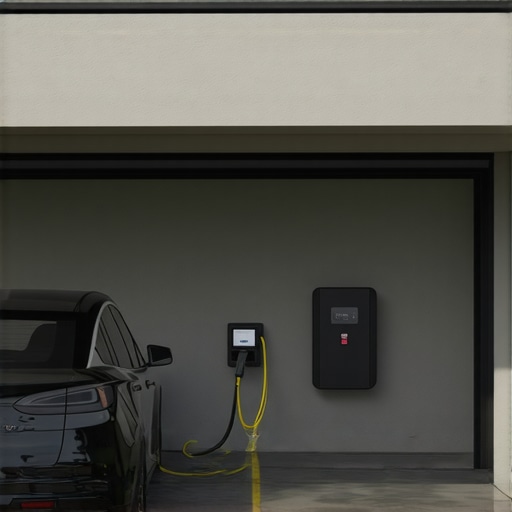

Panel Upgrades & Code Compliance: Safe EV Charging Solutions for Homes in 2024
I remember the moment clearly. My electric vehicle charger kept disconnecting at the worst possible time—right when I was rushing out the door. It was frustrating, but what I didn’t realize then was that my home’s electrical panel was woefully outdated and didn’t support the safe, reliable charging I needed. That lightbulb moment led me down a rabbit hole of research and upgrades, and now I want to share what I’ve learned so you don’t have to face the same hassles.
Why Upgrading Your Electrical Panel Matters More Than Ever
With electric vehicles becoming mainstream in 2024, a reliable and code-compliant charging setup isn’t just a luxury—it’s a necessity. Many homes still operate on panels that were installed decades ago, often without the capacity to handle the high amperage needed for safe EV charging. Without proper upgrades, you risk not only slow or unreliable charging but also safety hazards like electrical fires. According to the U.S. Fire Administration, electrical failures are a leading cause of home fires—many of which could be prevented by ensuring your panel meets current standards. So, if you’ve faced connectivity issues or doubts about safety, the solution might be a simple panel upgrade.
Is a Panel Upgrade Really Worth the Cost and Effort?
At first, I was skeptical. I thought I could just get a longer extension cord or troubleshoot my charger. But those quick fixes only masked the real problem. The truth is, a proper panel upgrade not only improves safety but also enhances your home’s electrical performance. It’s an investment in peace of mind and future-proofing your home for additional electrical loads, like solar panels or home automation. Curious about the process? Check out this detailed guide to understand what upgrading involves and how it can benefit your household.
So, have you run into issues with your current electrical setup when trying to charge your EV? If so, keep reading. I’ll walk you through the essential steps to ensure your system is up to code and ready for safe, reliable charging—and avoid the pitfalls I experienced early on. Let’s get your home charging-ready for 2024 and beyond.
Start with a Professional Inspection
My first step was calling a licensed electrician to assess my current electrical panel. During the inspection, I watched as they checked the panel’s capacity, looking for signs of aging or overload. This step is essential because it provides a clear picture of what your home needs. If your panel is outdated or already near capacity, an upgrade is not just recommended—it’s necessary for safe EV charging. To find a qualified electrician, visit this contact page.
Determine Your Home’s Power Needs
Next, I calculated the additional electrical load my EV charger would require. Most home chargers need a dedicated circuit with a minimum of 50 amps, which might be more than your current panel can handle. For homes with limited capacity, a panel upgrade to 100 amps or more might be required. This is similar to upgrading from a narrow road to a multi-lane highway—more capacity means faster, safer charging and room for future additions like solar or smart home devices. For detailed guidance, check this resource.
Plan Your Upgrade with Code Compliance in Mind
Upgrading isn’t just about capacity; it’s about following current electrical codes. I reviewed this guide to understand standards such as AFCI breakers and proper grounding. My electrician used a process similar to tuning a musical instrument—every connection had to be precise to ensure safety and compliance. This step prevents hazards like electrical fires or failed inspections down the line.
Choose the Right Panel and Components
During the upgrade, I opted for a panel with sufficient slots for future circuits and high-quality breakers. Think of it like choosing a versatile toolbox—you want enough compartments for all your tools and upgrades. A panel from reputable brands ensures longevity and safety. To verify your installation meets all standards, review this checklist.
Execution and Testing
Once the new panel was installed, I made sure to test every circuit, especially the EV charger circuit. I also checked for proper grounding and circuit integrity, like giving a thorough safety inspection on a new car. If you encounter issues, troubleshooting guides like this article can help identify common problems. Afterward, I scheduled a professional inspection to ensure everything was up to code and functioning flawlessly.
Maintain and Monitor Your System
Finally, I set reminders for regular inspections and kept an eye on my system’s performance. Proper maintenance is like routine oil changes—essential for longevity and safety. If problems arise, quick troubleshooting can save you from costly repairs later. For ongoing tips, consult this expert guide. Upgrading your electrical panel isn’t just a one-time fix; it’s an investment in safe, reliable home charging for years to come.
Many homeowners believe that upgrading their electrical panel is a straightforward process that doesn’t require deep technical understanding. However, this misconception can lead to costly mistakes and safety hazards. Let’s dig deeper into some nuances that often get overlooked and challenge common myths surrounding panel upgrades for EV chargers.
Myth: All panels are created equal — any panel upgrade will do
Contrary to popular belief, not all electrical panels are suitable for supporting high-capacity EV chargers. Higher amperage panels, such as 200-amp models, are designed to handle larger loads and future expansions, but installing a panel that’s not compatible with your home’s wiring or electrical system can cause serious issues. For example, some older panels lack the necessary space for modern circuit breakers or don’t meet current electrical codes, increasing the risk of failure or fire. It’s essential to choose a panel with the right specifications and quality standards, as recommended by experts. You can learn more about selecting appropriate panels in this comprehensive guide.
Trap to avoid: Overlooking code compliance during upgrades
One of the biggest pitfalls is assuming that a panel upgrade is just a hardware swap. In reality, code compliance is crucial for safety and legal reasons. Failing to adhere to local electrical codes, such as proper grounding, AFCI breakers, and circuit sizing, can lead to inspections failure or dangerous situations. Many homeowners neglect to verify whether their electrician is following the latest standards, which evolve frequently. Remember, a proper upgrade isn’t just about capacity; it’s about safety and compliance. For detailed insights, review this expert resource.
Why advanced homeowners should consider smart panel features
For those looking to go beyond basic upgrades, integrating smart features into your electrical panel can provide real-time monitoring, load balancing, and enhanced safety features. Smart panels can optimize energy use, prevent overloads, and alert you to potential issues before they become emergencies. This is especially useful if you plan to add solar panels, home automation, or multiple electric vehicles in the future. However, not all smart panels are compatible with existing wiring or meet all local standards, so consult with a qualified electrician before making a choice. More on this topic can be found in this detailed article.
Have you ever fallen into this trap? Let me know in the comments. Remember, a well-planned, code-compliant panel upgrade is an investment in your home’s safety and future readiness for EV charging. Don’t settle for quick fixes or outdated solutions—your safety depends on it.
How do I keep my EV charger system running smoothly over time?
Maintaining your EV charging setup is crucial to ensure safety, efficiency, and longevity. In my experience, having the right tools makes all the difference. I personally rely on a combination of professional-grade testers and smart monitoring devices that help me catch issues early before they become costly repairs. For example, using a high-quality multimeter like the Fluke 117 allows me to verify circuit voltages and continuity with precision, ensuring that my connections remain solid over time. Regular inspections with a thermal camera, such as the Seek Thermal CompactPro, help me identify hot spots or overloaded components that could indicate underlying problems. Investing in these tools has paid off by preventing potential failures and maintaining compliance with electrical standards.
Additionally, I recommend using specialized EV charger troubleshooting software. Tools like the ChargePoint app or my local utility’s monitoring platform give real-time updates on system performance and alert me to connectivity issues or power fluctuations. This proactive approach helps keep my system running reliably and saves me from frustrating outages.
Future trends in EV system maintenance
Looking ahead, I predict that smart, AI-powered monitoring systems will become standard, enabling homeowners to receive predictive maintenance alerts and detailed diagnostics directly on their smartphones. These advancements will make it easier than ever to keep EV chargers in top shape without extensive technical knowledge.
Don’t forget regular checks
How often should you perform maintenance on your EV charging system? I recommend a quarterly checkup, including visual inspections, testing circuit integrity, and updating any firmware or software associated with smart monitoring tools. Staying vigilant with these practices ensures your setup remains safe, compliant, and ready to meet the demands of future EV models.
If you’re serious about long-term reliability, try integrating some of the advanced tools I mentioned today. A little investment now can save you a lot of trouble later—and keep your EV charged and ready for the road ahead.
For detailed troubleshooting tips, visit this resource.
What I Wish I Knew Before Upgrading My Electrical Panel
- The Hardest Lesson I Learned About EV Panel Upgrades: Don’t underestimate the importance of code compliance. A panel that looks modern might still be outdated and unsafe. I once overlooked the necessity of AFCI breakers, which could have led to serious hazards. Always verify that your upgrade meets current standards, as explained in this guide.
- Why Choosing the Wrong Panel Can Be Costly: Not all panels support future expansions, like solar or additional EVs. I initially picked a panel with too few slots, which only caused me to upgrade again shortly after. Invest in a versatile, high-quality panel from reputable brands to save long-term trouble. Read more in this resource.
- The Hidden Danger of Outdated Wiring: An upgrade isn’t just about the panel itself—your wiring needs to be in good shape too. Old or damaged wiring can cause failures or fires. I learned this the hard way when my electrician found deteriorated conductors hidden behind the walls. Regular inspections are key; check out this article for troubleshooting tips.
My Essential Toolkit for EV System Maintenance
- High-Quality Multimeter: Tools like the Fluke 117 help me verify circuit voltages and continuity, catching issues early. Trustworthy testing prevents costly repairs and keeps safety top-notch.
- Thermal Camera: The Seek Thermal CompactPro allows me to detect hot spots or overloaded components, which could indicate underlying problems. It’s a game-changer for proactive maintenance.
- Smart Monitoring Devices: I rely on apps like ChargePoint to get real-time updates on my charger’s performance. It helps me stay ahead of potential failures and ensures continuous, safe operation.
- Regular Inspection Schedule: I set quarterly reminders to check all circuits and update firmware. Consistent maintenance extends the lifespan and safety of my EV charging system.
Take the Leap and Transform Your EV Charging Experience
Upgrading your electrical panel isn’t just a technical task—it’s a vital step toward safer, faster, and more reliable EV charging in 2024. With careful planning, adherence to code standards, and the right tools, you can future-proof your home and enjoy peace of mind. Don’t wait for problems to arise; be proactive, and make your home ready for the electric revolution. What’s your biggest concern about upgrading your electrical system for EVs? Share your thoughts below and let’s discuss how to overcome it together. Remember, a safe and efficient home charging setup is within your reach—start today!
Reading through this post really resonated with my own experience of upgrading my home’s electrical system. I initially underestimated how crucial it was to ensure that my panel met current code standards — I figured any 200-amp panel would suffice, but that was a mistake. Safety and future-proofing shouldn’t be overlooked; those details can make a big difference in the long run. I also invested in a good multimeter and now make it a point to do quarterly inspections, which has proactively caught potential issues early before they became costly repairs. My biggest challenge was ensuring proper grounding and compatibility with smart monitoring systems, but I found that consulting a qualified electrician and following detailed guides made the process smoother. For others considering this upgrade, what tools or safety precautions would you recommend to help you stay ahead in maintaining your system’s health? It’s fascinating to see how technology and good planning can keep our EV charging setups both safe and efficient in 2024.
This post really hits home for me. Upgrading my electrical panel was an eye-opening experience—I never realized how many intricacies are involved in making sure your home is truly ready for EV charging. I started with a professional inspection and quickly learned I needed a new panel with more capacity. What surprised me most was realizing that outdated wiring can be just as dangerous as an underpowered panel. I invested in a thermal camera and a good multimeter, which has been invaluable for regular safety checks. One thing I’ve found helpful is staying updated on local code changes—these standards seem to evolve rapidly, and ensuring compliance is crucial.
For anyone just starting out, do you have particular tools or safety strategies that helped you feel more confident during these upgrades? Also, how do you balance future-proofing—like planning for solar or additional EVs—with current budget constraints? It’s encouraging to see more homeowners taking proactive steps, and I think sharing our experiences can really help others navigate this process smoothly.