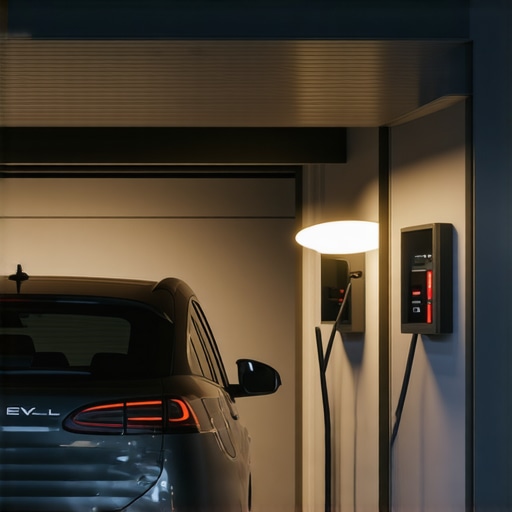

Panel Upgrades & Code Compliance: Safe EV Charging at Home Guide
I remember the moment I first plugged in my new electric vehicle, excitement mixed with a twinge of anxiety. Was my home’s electrical panel ready? Did I overlook something crucial? That feeling of uncertainty hit hard, especially when I realized that rushing into an EV charger installation without proper planning could lead to costly mistakes or even safety hazards. If you’ve faced similar doubts, you’re not alone. Many homeowners stumble at this stage, wondering if their existing electrical system can handle the extra load or if they need a costly upgrade. In this guide, I promise to walk you through practical, step-by-step solutions to ensure your EV charging setup is both safe and fully compliant with local codes, saving you headaches and money down the line.
Why Upgrading Your Panel Matters for Safe EV Charging
One of the most common pitfalls I encountered—and see others make—is neglecting the importance of a proper electrical panel upgrade. Your home’s main panel is essentially the gatekeeper of electrical safety. An outdated or undersized panel can become overwhelmed, leading to tripped breakers, electrical fires, or damage to your EV charger. The good news? Many homes simply need a thoughtful upgrade to meet the demands of fast, reliable EV charging. Doing so not only boosts safety but also enhances overall electrical performance. If you’re unsure whether your current panel can handle a Level 2 charger, I highly recommend reviewing this panel upgrade guide for detailed insights.
Is a Panel Upgrade Really Necessary for My EV Charger?
Early on, I made the mistake of assuming my existing panel was enough—only to experience frequent trips of my breaker and frustration. It turns out that many homes are simply not designed for the high current draw of fast chargers. Upgrading your panel might seem daunting or expensive, but it’s often the best way to ensure safety and efficiency. Plus, it can prevent costly repairs later. To get a clear answer, check your current panel’s capacity and consult a professional. Trust me, a proper upgrade can be a game-changer in reliable charging and peace of mind. Want to learn more? This panel upgrade overview offers a comprehensive look at what’s involved.
So, if you’ve been hesitating, wondering whether your electrical system can keep up, remember that addressing these issues proactively is the safest choice. Next, I’ll guide you through the essential steps to verify code compliance and ensure your home meets all safety standards for EV charging.
},
Assess Your Electrical Panel Capacity
Start by checking your home’s main electrical panel to determine its current capacity. Locate the panel and read the amperage rating, typically marked on the door or inside the panel cover. For example, if your panel is rated at 100 amps, it might be sufficient for basic EV charging, but fast chargers often require more. If you’re unsure, consult a professional or review your panel’s specifications in this panel upgrade guide. When I did this in my home, I noticed my panel was 60 amps, which clearly wouldn’t support a Level 2 charger without an upgrade.
Calculate Your Home’s Electrical Load
Next, estimate your total electrical load. Think of your home’s electrical system like a highway; if too many cars (appliances) are on the road, traffic slows or crashes happen. Use a load calculator or consult an electrician to ensure your panel can handle the additional load of the EV charger alongside your existing appliances. For example, a Level 2 charger might draw up to 40 amps, so your home’s total load must stay within the panel’s capacity. During my upgrade, I used a load calculation tool, which revealed my existing appliances plus the new charger exceeded my panel’s limit, prompting a necessary upgrade.
Determine If Your Panel Needs an Upgrade
If your calculations show the capacity is insufficient, plan for a panel upgrade. This process involves replacing or expanding your current panel with a new unit that can handle higher loads. Think of it as upgrading from a small road to a multi-lane highway—more cars (current) can flow safely. I hired a licensed electrician who recommended a 200-amp panel upgrade, which not only supported my EV charger but also enhanced my home’s overall electrical capacity. Remember, a professional assessment ensures safety and compliance.
Check Local Code Requirements
Before proceeding, review your local electrical codes and regulations. These rules are like traffic laws—they ensure everyone’s safety. Use this code compliance guide or consult your local building department. I found that my city required a permit and specific wiring standards for EV charger installations, which my electrician handled smoothly. Non-compliance can lead to fines or safety hazards, so adhere strictly to these standards.
Obtain Necessary Permits and Inspections
Secure permits from your local authority before starting work. Think of permits as getting a ticket for a special event—they authorize your project and ensure it meets standards. After installation, schedule an inspection to verify everything complies with safety codes. When I upgraded my panel, I submitted paperwork and had a city inspector review the work, which provided peace of mind and legal assurance.
Work with a Licensed Electrician
Electrical work is complex and dangerous if mishandled. Hiring a licensed electrician is like trusting a skilled chef—your project depends on their expertise. They will perform load calculations, upgrade your panel, and ensure wiring meets code. I chose a local electrician with good reviews, which made the process smooth and stress-free. Always verify credentials and experience, especially for panel upgrades and code compliance.
Document Your Upgrades
Keep detailed records of all work, permits, and inspections. This documentation acts like a warranty and helps with future troubleshooting or resale. I stored all paperwork digitally and in a physical folder, so I could reference it easily later. This step ensures transparency and compliance in the long run.
Many homeowners assume that simply installing a higher-rated circuit breaker is enough to support an EV charger, but this is a dangerous misconception. The truth is that upgrading your electrical panel involves more than just increasing amperage; it requires a comprehensive assessment of your entire electrical system to ensure safety and compliance. Rushing into a quick fix can lead to serious hazards, such as electrical fires or damage to your appliances. For detailed guidance, check out this panel upgrade guide.
Why do many get caught off guard by the real scope of panel upgrades?
Most people overlook the complexity of panel upgrades, assuming that a new breaker or panel size alone will suffice. However, a true upgrade involves evaluating your home’s load demand, wiring integrity, grounding, and adherence to local codes. A common trap is underestimating the need for additional wiring or permits, which can cause delays or safety issues. According to electrical safety standards, a thorough assessment by a licensed electrician is essential before proceeding. This prevents common pitfalls and ensures your system can handle the high current draw of fast chargers without risking safety. To avoid such mistakes, review this comprehensive overview.
Another misconception is that all homes can support a Level 2 charger without upgrades, which isn’t always true. Homes with outdated wiring or insufficient capacity need careful upgrades to meet safety standards. The last thing you want is to overload your system, leading to nuisance trips or worse, fires. Remember, a professional assessment is your best bet for a safe, reliable EV charging setup. If you’re unsure whether your system is ready, consult an expert to perform a detailed load calculation. This step is crucial—don’t skip it. For expert advice, see this troubleshooting guide.
Have you ever fallen into this trap? Let me know in the comments.
How do I maintain my EV charging system over time?
Keeping your EV charging setup in top shape requires the right tools and a proactive maintenance routine. First, invest in a high-quality multimeter like the Fluke 117. I personally use this device because of its accuracy and durability, which makes troubleshooting simple and reliable. Regularly testing your wiring connections and circuit breakers with a multimeter helps catch issues before they become safety hazards or cause charging interruptions.
Next, consider installing a portable GFCI tester such as the GFCI Outlet Tester. It’s small but crucial—testing GFCI outlets regularly ensures they trip correctly, preventing electrical shocks during charging. I check my outlets monthly, especially after storms or power surges, to confirm safety compliance. Incorporating these simple tests into your routine can extend the lifespan of your system and prevent unexpected failures.
Another tool I recommend is a dedicated load tester like the Amprobe LTC-300. This device helps verify that your electrical panel can handle the load of your EV charger alongside other appliances. Using it periodically ensures your system is not overloaded and complies with local code requirements, which you can verify through resources like this panel upgrade guide.
For software, I rely on load management apps integrated with my home smart system. These apps allow me to monitor real-time power usage and set schedules to optimize charging times, reducing strain on my electrical system and saving on energy costs. The future of EV maintenance points toward smarter, connected systems that will automatically alert you to potential issues before they escalate, making proactive management even easier.
Tools I recommend for long-term reliability
Invest in a dedicated circuit analyzer like the Dr.meter Circuit Analyzer. It’s invaluable for diagnosing wiring issues and ensuring that your home’s electrical infrastructure remains safe and compliant. Additionally, keep a set of spare breakers and wiring connectors. Having these on hand enables quick repairs if you notice any irregularities, preventing larger problems down the line.
As we look ahead, the trend toward integrated diagnostic tools and AI-powered maintenance systems will revolutionize how homeowners manage their electrical systems. Expect more advanced sensors and predictive analytics that will notify you of potential failures before they happen, reducing downtime and increasing safety.
To start, try using a multimeter regularly to check your wiring and breakers. This simple step can dramatically improve your system’s longevity and safety. Remember, consistent maintenance is the key to reliable EV charging. For detailed guidance, visit this troubleshooting guide.
The Hardest Lesson I Learned About EV Charging Systems
One of the most valuable lessons I discovered was that rushing into an EV charger setup without a proper electrical assessment can lead to serious safety risks and costly repairs. It’s tempting to think a quick upgrade is enough, but understanding your home’s electrical capacity and load demands is crucial for long-term safety and reliability. This realization saved me from potential fires and system failures, and I urge you to prioritize thorough load calculations and professional evaluations.
My Essential Toolkit for Ensuring Safe EV Charging
Over time, I found that certain tools made all the difference in maintaining a safe, efficient home charging system. A high-quality multimeter like the Fluke 117 helps me verify wiring integrity. Regular testing with a GFCI outlet tester ensures outlets trip correctly, preventing shocks. For ongoing load monitoring, I rely on smart home apps that track real-time power usage, helping me avoid overloads and stay compliant with local codes. These tools have been instrumental in my maintenance routine and can be for you too.