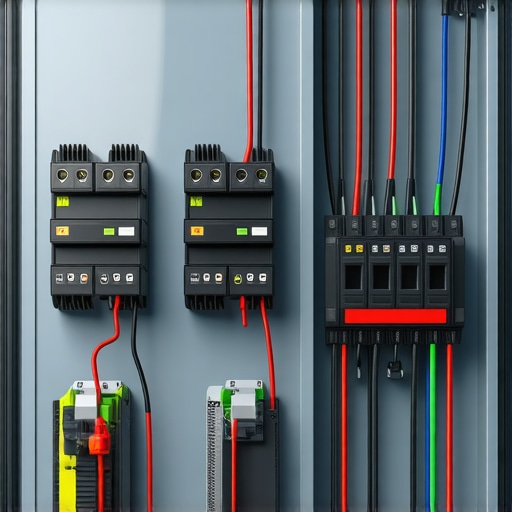

Panel Upgrades & Code Compliance for Safe, Reliable EV Charging in 2024
My Personal Journey: Navigating Panel Upgrades for Safe EV Charging
When I first decided to install an electric vehicle (EV) charger at home, I underestimated the complexities involved in ensuring safety and code compliance. I vividly remember the day I realized that my existing electrical panel might not be sufficient for reliable charging, which could lead to potential safety hazards. Sharing my experience, I hope to guide fellow EV owners in making informed decisions about panel upgrades and safety standards.
Why Upgrading My Electrical Panel Became a Priority
During a routine inspection, my electrician pointed out that my current panel was nearing its capacity, especially with future-proofing in mind. As I delved into the details, I discovered that a proper panel upgrade isn’t just about adding more amps—it’s about ensuring everything complies with local electrical codes for safety and performance. I learned that a **professional panel upgrade** can significantly improve charging speed and reduce risks of electrical faults.
How I Ensured Code Compliance for a Safe Installation
I was determined to follow the best practices for code compliance, which is critical for both safety and insurance considerations. I started by consulting resources such as the [Electric Code](https://brightsparkzelectric.com/ensuring-code-compliance-when-installing-ev-chargers) to understand the requirements. My electrician verified all aspects, from proper grounding and circuit breaker ratings to correct wiring methods, making sure everything met local standards. This process not only protected my home but also gave me peace of mind that my EV charging setup was safe and reliable.
What Are the Key Factors in Panel Upgrades for EV Chargers?
Based on my experience and research, the main factors include assessing your current electrical load, choosing the right amperage for your EV charger, and ensuring your panel can handle the additional load without overloading. Upgrading might involve replacing the main breaker, installing dedicated circuits, or even a full panel replacement—each step should be handled by licensed professionals. For deeper insights, I recommend reviewing [panel upgrade tips](https://brightsparkzelectric.com/upgrading-your-panel-for-better-ev-charging-performance) to ensure proper sizing and safety standards.
Is It Worth Investing in Professional Panel Upgrades?
Absolutely. While some homeowners consider DIY projects, electrical panel upgrades involve high voltage and strict code requirements. I found that working with licensed electricians not only guarantees compliance but also saves time and minimizes risks. Plus, a professional upgrade can enhance your home’s overall electrical system, making future additions easier. For more detailed guidance, check out [professional panel upgrade services](https://brightsparkzelectric.com/panel-upgrades-for-ev-chargers-what-you-need-to-know).
How Do I Know if My Panel Meets the Latest Safety Standards?
To verify whether your panel complies with current safety standards, I suggest consulting authoritative sources like the National Electrical Code (NEC) or local building codes. An experienced electrician can perform a comprehensive inspection and ensure your system aligns with all safety regulations. For a step-by-step process, see [how to verify code compliance](https://brightsparkzelectric.com/how-to-verify-code-compliance-for-your-ev-charger-installation).
If you’re planning to upgrade your electrical panel for safer, more reliable EV charging, I encourage you to share your experiences or ask questions in the comments below. Remember, proper panel upgrades and adherence to code are essential for protecting your home and loved ones. For personalized advice, don’t hesitate to reach out through our [contact page](https://brightsparkzelectric.com/contact-us).
Understanding the Nuances of Panel Capacity for EV Chargers
One often overlooked aspect when upgrading your electrical system for EV charging is the panel’s capacity to handle future load demands. It’s not just about adding a circuit or increasing amperage; it’s about a comprehensive assessment of your entire electrical infrastructure. For instance, a panel that’s nearing its maximum capacity could lead to frequent tripping or, worse, pose fire hazards. Consulting with a licensed electrician ensures your upgrade aligns with the latest safety standards and code requirements, like those outlined in the NEC guidelines. This proactive approach guarantees your system is prepared for current and future electric vehicle needs.
What Are the Hidden Risks of Skipping Professional Panel Upgrades?
While DIY might seem tempting to save costs, it often neglects crucial safety and compliance factors. An unlicensed upgrade can result in subpar wiring, incorrect breaker sizing, or poor grounding—issues that could compromise safety or invalidate your home insurance. Professional electricians conduct thorough inspections, verify code adherence, and employ quality components to mitigate these risks. Moreover, they can recommend panel enhancements like dedicated circuits for EV chargers, which not only improve safety but also optimize charging speed and efficiency. For detailed insights, visit panel upgrade essentials.
How Do I Ensure My Panel Meets the Latest Safety and Performance Standards?
Staying updated with evolving safety standards is vital. Modern code requirements, such as those outlined in the NEC 2023 updates, emphasize the importance of proper circuit protection and grounding. A qualified electrician can perform a comprehensive inspection and verify that your panel is compliant. This includes checking for appropriate breaker ratings, proper wiring, and ensuring that your system can handle the load without overloading. For a step-by-step process, see code compliance verification.
Have You Considered How Panel Upgrades Impact Future EV Technologies?
As EV technology advances, chargers are becoming faster and more sophisticated, demanding higher power levels. An expert considers not just your current needs but also future upgrades—perhaps installing a dual-port charger or integrating smart grid features. Upgrading your panel now ensures that your home remains adaptable, avoiding costly rewiring later. For tailored advice, explore panel upgrade strategies tailored to EV owners.
If you’re contemplating a panel upgrade for safer and more reliable EV charging, I invite you to share your questions or experiences below. Remember, a well-executed upgrade by a licensed professional is your best safeguard for home safety and energy efficiency. For personalized guidance, contact us through our contact page.
My Personal Reflections: Navigating the Complexities of Panel Capacity and Safety
As I delved deeper into the intricacies of electrical panel upgrades, I realized that my initial focus on amperage and code compliance was just the tip of the iceberg. Over time, I encountered scenarios where subtle nuances—like the quality of wiring insulation or the placement of new circuits—could significantly impact safety and efficiency. These experiences underscored the importance of working with seasoned professionals who bring not only technical expertise but also a nuanced understanding of local codes and safety standards.
What Are the Hidden Nuances in Future-Proofing Your Electrical Panel?
Thinking ahead is crucial. For instance, with the rapid evolution of EV technology, chargers are becoming more powerful, sometimes requiring 80 amps or more. But beyond simply upgrading to higher amperage, I learned that future-proofing involves assessing whether your current panel has enough physical space for additional breakers or if it needs a full replacement. Moreover, integrating smart load management systems can optimize energy distribution, preventing overloads during peak times. I found that discussing these advanced options with a licensed electrician can save a lot of headaches down the road. For a comprehensive understanding, I recommend exploring [panel upgrade strategies](https://brightsparkzelectric.com/upgrading-your-panel-for-better-ev-charging-performance), which detail how to plan for future expansions while maintaining safety.
How Do I Ensure My Upgraded System Remains Compliant Over Time?
Standards evolve, and what was compliant five years ago might not meet current safety codes. My approach has been to stay informed about updates in regulations, such as the latest NEC revisions. Regular inspections by qualified electricians can help identify potential issues before they become hazards. Additionally, documenting all upgrades and maintaining receipts can be invaluable if insurance claims or inspections are necessary. For a more detailed step-by-step process, check out [how to verify code compliance](https://brightsparkzelectric.com/how-to-verify-code-compliance-for-your-ev-charger-installation).
What Are the Advanced Considerations for Integrating EV Chargers with Your Home’s Electrical System?
One insight I gained is the importance of dedicated circuits for EV chargers. Sharing circuits with other high-load appliances, like dryers or ovens, can cause voltage drops and trip breakers unexpectedly. Upgrading to a dedicated, properly rated circuit ensures reliable charging without risking overloads. Furthermore, considering the integration of smart systems allows for dynamic load balancing, which can reduce costs and enhance safety. This level of sophistication requires careful planning and professional execution but pays dividends in safety and convenience. For those interested in these advanced features, reviewing [professional panel upgrade services](https://brightsparkzelectric.com/panel-upgrades-for-ev-chargers-what-you-need-to-know) can offer valuable insights.
How Can You Balance Cost, Safety, and Future Needs?
Balancing these factors is a challenge I faced personally. While it might be tempting to cut corners to save money, I learned that investing in quality components and professional installation ultimately saves money and stress over time. A well-designed upgrade not only ensures safety but also enhances your home’s electrical resilience. If you’re contemplating upgrades, I encourage you to share your experiences or ask questions—your insights could help others navigate similar decisions. Feel free to explore our [contact page](https://brightsparkzelectric.com/contact-us) for personalized advice or further information on ensuring your system’s safety and compliance. As I continue to learn from my own journey, I remain convinced that proactive planning and professional guidance are the best investments for any EV owner looking to future-proof their home’s electrical system.
Leveraging Smart Load Management for Enhanced Panel Efficiency
One of the most transformative advancements I discovered during my journey was the integration of smart load management systems. These intelligent devices dynamically allocate electrical capacity, ensuring your panel handles current and future EV charging needs without overloading. By monitoring real-time usage, they optimize power distribution, reducing energy costs and enhancing safety. Implementing such systems requires careful planning and professional installation, but the benefits—especially in terms of safety margins and adaptability—are substantial. For those interested in exploring this cutting-edge approach, I recommend reviewing panel upgrade strategies designed for future-proofing your home’s electrical infrastructure.
Assessing Physical Space and Circuit Capacity for Long-Term Flexibility
Beyond amperage, physical space within the panel is a critical factor for future expansion. I encountered scenarios where my existing panel lacked the slots for additional breakers, prompting a full panel replacement. This underscores the importance of comprehensive planning with an electrician who can evaluate whether your current enclosure can accommodate future upgrades. Additionally, considering the capacity of existing circuits—such as those powering HVAC or kitchen appliances—is vital to prevent overloads. Incorporating dedicated circuits for EV chargers not only enhances safety but also preserves the integrity of your overall electrical system. For insights on planning your panel’s physical and capacity needs, visit panel upgrade essentials.
Ensuring Long-Term Compliance Amid Evolving Safety Standards
Electrical codes are continually evolving, with recent updates emphasizing stricter safety protocols. My proactive approach involved regular consultation with licensed electricians to ensure my system’s compliance with the latest standards, such as those outlined in the NEC updates. Keeping detailed records of all upgrades and inspections creates a valuable audit trail, facilitating insurance claims and future inspections. Staying ahead of code changes is crucial to maintaining safety and avoiding costly retrofits. I encourage fellow EV owners to subscribe to industry updates and consult experienced professionals to keep their systems compliant and safe over time.
Integrating Advanced Load Management Technologies for Optimal Performance
Advanced load management is more than just a buzzword; it’s a practical solution to balance your home’s energy demands. I integrated smart load controllers that communicate with my panel and utility grid, allowing real-time adjustments based on usage patterns. This technology not only prevents overloads during peak times but also enables harnessing off-peak electricity rates, reducing overall costs. Such systems often require a combination of hardware and software, meticulously configured by a qualified electrician. If you’re considering this upgrade, I suggest exploring load management solutions tailored for EV-friendly homes.
Encouraging Community Dialogue and Shared Expertise
Throughout this process, I realized the value of connecting with a community of EV homeowners and electrical professionals. Sharing insights, troubleshooting tips, and experiences can significantly streamline your upgrade journey. I invite you to engage with others who are navigating similar challenges—your questions and insights might be precisely what someone else needs. For personalized advice or to discuss your specific setup, feel free to reach out through our contact page. Let’s build a safer, smarter, and more resilient electric future together.
Things I Wish I Knew Earlier (or You Might Find Surprising)
1. The Hidden Complexity of Panel Upgrades
When I first considered upgrading my electrical panel, I thought it was just about increasing amperage. Turns out, it’s a nuanced process involving grounding, wiring quality, and code compliance. Realizing this early could have saved me time and money, highlighting the importance of working with experienced professionals from the start.
2. Future-Proofing Isn’t Just About Amps
Many homeowners focus solely on current needs, but with EV technology rapidly evolving, planning for higher power levels and additional circuits is crucial. I learned that integrating smart load management systems can make a big difference in handling future demands without overloading your system.
3. The Risks of DIY Upgrades
Skipping professional help might seem cost-effective initially, but I’ve seen firsthand how it can lead to safety hazards or code violations. Proper wiring, breaker sizing, and grounding are complex tasks best left to licensed electricians to ensure safety and compliance.
4. Physical Space Matters
Upgrading isn’t just about capacity; it’s also about available space within your panel. I discovered that many panels lack room for additional breakers, which could mean replacing the entire unit—something a professional can advise on during an inspection.
5. Staying Ahead of Code Changes
Electrical standards evolve, and what was compliant five years ago might not be now. Regular inspections and staying informed through trusted sources can help keep your system safe and up-to-date, avoiding costly retrofits later on.
6. Integrating Smart Load Systems
One of the most exciting advancements I found was smart load management. These systems dynamically balance your home’s power, preventing overloads and optimizing energy use—an investment that pays off in safety and efficiency.
Resources I’ve Come to Trust Over Time
- National Electrical Code (NEC): The gold standard for electrical safety standards. Staying familiar with NEC updates has been invaluable for my upgrades.
- Bright Spark Electric’s Guides: Their detailed articles and tips, like panel upgrade tips, helped me understand what’s involved and what to ask my electrician.
- Local Building Agencies: I recommend checking your local regulations regularly to ensure compliance and safety in your area.
Parting Thoughts from My Perspective
Looking back, understanding the intricacies of electrical panel upgrades has been eye-opening. Prioritizing safety, future-proofing, and working with licensed experts has made a huge difference in my EV charging experience. If you’re considering similar upgrades, remember that investing in quality and professional guidance isn’t just about compliance—it’s about peace of mind. If this resonated with you, I’d love to hear your thoughts. Feel free to share your experiences or questions below, and don’t hesitate to explore resources like our contact page for personalized advice.