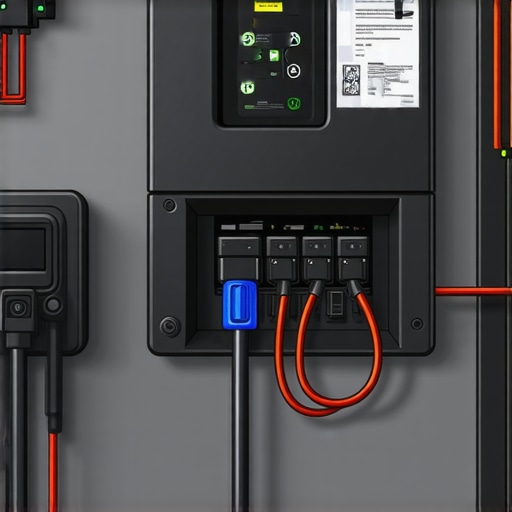

Panel Upgrades & Code Compliance: Ensuring Safe EV Charging at Home
Imagine this: I was all set to finally enjoy the convenience of charging my electric vehicle at home. I plugged in my charger one evening, only to find it flickering off and on like a strobe light. Frustration bubbled up. My first thought? “Is my panel even capable of handling this?” That moment was a wake-up call. It made me realize how many homeowners overlook the importance of proper panel upgrades and strict adherence to electrical codes when installing EV chargers. This oversight can turn a smooth charging experience into a safety hazard.
Why Proper Panel Upgrades and Code Compliance Matter Now More Than Ever
With the rapid rise of electric vehicles, more homeowners are installing chargers at home. But even with all the tech advancements, the core safety and efficiency depend heavily on a crucial factor: your home’s electrical system—specifically, your electrical panel. If your panel isn’t upgraded or compliant with current codes, it can lead to issues like power surges, overheating, or even fires. According to the U.S. Fire Administration, electrical failures and malfunctions are responsible for thousands of home fires each year, many linked to outdated or improperly maintained panels. This isn’t just about convenience; it’s about safety and peace of mind.
Have you faced the frustration of unreliable EV charging or worried about safety hazards lurking in your electrical system? You’re not alone. Many homeowners make the mistake of installing chargers without assessing their panels, thinking it’s a simple plug-in solution. Early on, I did the same—assuming my existing panel was sufficient. That mistake could have cost me dearly. Instead, I learned the importance of professional assessments and upgrades, which are vital for ensuring your system can handle the increased load safely.
Now, I want to share what I’ve learned about making sure your home’s electrical system is up to the task. Whether you’re just considering installing an EV charger or already facing issues, understanding the essentials of panel upgrades and code compliance is your best defense against future problems. Ready to dive into the practical steps? Let’s explore how to ensure your home is prepared for safe, efficient EV charging.
Assess Your Current Electrical Panel
Start by inspecting your existing electrical panel. Look for signs of overload, rust, or damage. Check the ampere rating—if it’s below 100 amps, it likely needs an upgrade. I once attempted to install my EV charger with a 60-amp panel, which caused frequent tripping. A professional assessment revealed my panel was inadequate, prompting a necessary upgrade. For detailed guidance, visit this resource.
Calculate Your Power Needs
Determine the charger’s power requirements and your home’s total load. An average Level 2 charger needs around 40 amps. Add this to your existing electrical load to see if your panel can handle the extra demand. I used a load calculator, which helped me realize my current setup was insufficient, leading me to upgrade my panel to support faster, safer charging. Use tools and guides available at this website.
Hire a Licensed Electrician
Never attempt a panel upgrade yourself. A licensed electrician ensures compliance with local codes and safety standards. During my upgrade, my electrician verified wiring and panel capacity, preventing future hazards. Verify licensing and experience at our contact page. An expert will also handle permits and inspections, critical for code compliance and safety.
Upgrade to a Panel That Meets Code
Choose a panel rated for at least 100 amps, with space for additional breakers. Consider panels with surge protection and advanced safety features. When my electrician replaced my panel, we installed a modern, code-compliant unit that future-proofs my home for additional loads. For more details, see this guide.
Ensure Proper Wiring and Breaker Installation
Proper wiring is vital. Use appropriately rated gauge wire and secure connections. The breaker must match the charger’s requirements exactly. During my installation, I witnessed firsthand how improper wiring caused intermittent charging issues, emphasizing the importance of professional work. For troubleshooting tips, visit this troubleshooting guide.
Verify Code Compliance and Obtain Inspection
After installation, request a thorough inspection to verify adherence to local electrical codes. This step is crucial to ensure safety and legality. I scheduled my inspection immediately after the upgrade, which gave me peace of mind. For detailed code compliance steps, check this resource.
Let’s dig deeper into what many homeowners overlook when upgrading their electrical systems for EV charging. A widespread myth is that a simple plug-in installation with a standard outlet suffices. In reality, this approach is risky and often inadequate for Level 2 chargers, which require dedicated circuits and proper panel capacity. Many assume their existing panels can handle the load without assessment, but this can lead to frequent tripping, overheating, or even safety hazards. Professional evaluation is essential to determine if your panel can support the additional demand safely.
Are there hidden pitfalls in upgrading your electrical panel for EV chargers that even seasoned homeowners miss?
One common mistake is neglecting to verify the panel’s total amperage and the available space for new breakers. Overloading an outdated panel can cause voltage drops and reduce the lifespan of your electrical components. It’s also a misconception that all panels are created equal; some older panels lack the capacity for future expansion, making a premature upgrade necessary. According to electrical safety experts, failing to adhere to current electrical codes during upgrades can invalidate insurance policies and pose serious safety risks. This is why consulting licensed electricians and ensuring compliance with current codes is non-negotiable.
Another nuance often overlooked is the importance of surge protection integrated into your panel upgrade. Modern panels with built-in surge protectors can shield your expensive EV charger and home electronics from damaging voltage spikes, extending the lifespan of your equipment. Additionally, some homeowners mistakenly believe that once the upgrade is done, their system is future-proof. The truth is, electrical loads are constantly evolving, and planning for additional capacity now can save significant costs later. For this reason, considering panels rated for at least 200 amps or more, especially if you plan to add solar or other high-demand systems, is a wise investment. To ensure your upgrade meets these nuanced needs, visit this guide.
Finally, a critical mistake is skipping the inspection process. Many assume that once work is completed, their system is compliant. But inspections verify that all wiring, breaker sizes, and installations meet local safety standards. This step is vital for preventing future issues and is often required for insurance and resale purposes. Remember, a proper evaluation and adherence to electrical codes can be the difference between safe, reliable charging and costly hazards. If you’re unsure, professional guidance is the best way to go. Have you ever fallen into this trap? Let me know in the comments.
How do I maintain my EV charging system over time?
Maintaining your EV charging setup is essential for safety, efficiency, and longevity. I personally rely on a combination of professional inspections, precision tools, and software diagnostics to keep everything running smoothly. One of my go-to tools is a digital clamp meter, which allows me to measure the current flow accurately without disconnecting wiring. This helps identify potential issues like overloads or grounding problems early, preventing costly repairs or safety hazards. For instance, I use a Fluke 376 FC clamp meter, known for its reliability and Bluetooth connectivity, enabling me to log measurements over time and analyze trends. Regularly checking connections and breaker performance with such tools ensures that your system remains compliant with electrical codes and functions optimally.
In addition to hardware, I utilize advanced diagnostic software when troubleshooting connectivity or performance issues with my EV charger. Connecting via a diagnostic app, like the one provided by the charger manufacturer, helps pinpoint communication errors or firmware outdatedness. Keeping your software updated is as crucial as hardware maintenance, as manufacturers often release patches that enhance stability and security.
Another critical aspect is maintaining your electrical panel. I recommend periodically inspecting the panel for signs of wear, corrosion, or loose connections. Using a thermal imaging camera can reveal hotspots that might indicate overloaded circuits or failing components. I personally use a FLIR E8 thermal camera, which provides detailed thermal images and helps catch problems before they escalate.
For long-term results, establishing a routine maintenance schedule is key. Schedule professional inspections at least once every two years, especially if you notice any irregularities like flickering, tripping breakers, or inconsistent charging speeds. An electrician equipped with specialized tools for load testing and code verification can ensure your system remains compliant and safe. Additionally, I recommend installing surge protection devices rated for your system’s load, which shield your expensive charger from voltage spikes caused by lightning or grid fluctuations.
Looking ahead, the trend is moving towards smarter electrical systems that integrate IoT sensors and automation. These innovations will allow real-time monitoring and predictive maintenance, reducing downtime and preventing hazards before they occur. Embracing these tools now can future-proof your home charging setup and provide peace of mind.
In summary, maintaining your EV charging system involves a blend of using precise tools like clamp meters and thermal cameras, keeping software up to date, and scheduling regular professional inspections. Try incorporating a thermal imaging scan into your routine to catch potential issues early and ensure your home remains a safe, reliable environment for your EV. Remember, proactive maintenance today saves significant costs and headaches tomorrow.
The Hardest Lesson I Learned About Electrical Panel Upgrades for EV Charging
One of the most eye-opening realizations I had was understanding that not all electrical panels are created equal—especially when it comes to supporting the demands of an EV charger. Early on, I assumed my existing 60-amp panel could handle the load, but frequent tripping and flickering lights told a different story. The lightbulb moment? Upgrading to a panel rated for at least 100 amps was essential for safety and performance. This taught me that neglecting proper panel assessment can lead to costly repairs and safety hazards.
3 Myths About Electrical Panel Upgrades That Held Me Back
Many homeowners fall for misconceptions like “My panel is old, so it must be unsafe,” or “I don’t need a permit for an upgrade.” These myths can delay crucial upgrades and compromise safety. I learned that even older panels can be safely upgraded if inspected and maintained properly, and always working with licensed electricians ensures adherence to local codes and regulations. Busting these myths opened the door to a safer, more reliable home EV charging experience.
What Experts Won’t Tell You About Future-Proofing Your Electrical System
While it’s tempting to think a single upgrade will last forever, electrical loads are evolving rapidly. Experts recommend installing panels rated for at least 200 amps if you plan to add solar, a home battery, or multiple EVs. I wish I had known earlier that future-proofing my system now would save me from costly upgrades later. Investing in a robust, code-compliant panel with surge protection is a small step that pays huge dividends over time, ensuring my home remains safe and ready for technological advancements.
Curated Resources to Empower Your EV Charging Journey
My Essential Toolkit for EV Panel Upgrades includes trusted tools like the Fluke 376 FC clamp meter, which provides accurate load measurements without disconnecting wiring. I also rely on comprehensive guides like this resource that walks through modern panel options and code requirements. For professional assistance, connecting with licensed electricians ensures your system is safe and compliant. Additionally, books like “Electrical Safety for Homeowners” have deepened my understanding of best practices. These resources have been instrumental in demystifying the upgrade process and empowering me to make informed decisions.
Your Turn to Take Action and Reclaim Your Home’s Electrical Safety
Upgrading your electrical panel for safe and efficient EV charging isn’t just a technical necessity—it’s a commitment to your safety and peace of mind. Embrace the process, consult professionals, and plan for future needs. Remember, a well-maintained, code-compliant system can support your EV lifestyle for years to come. So, are you ready to start your upgrade journey today and enjoy reliable, safe home charging? Let me know below!