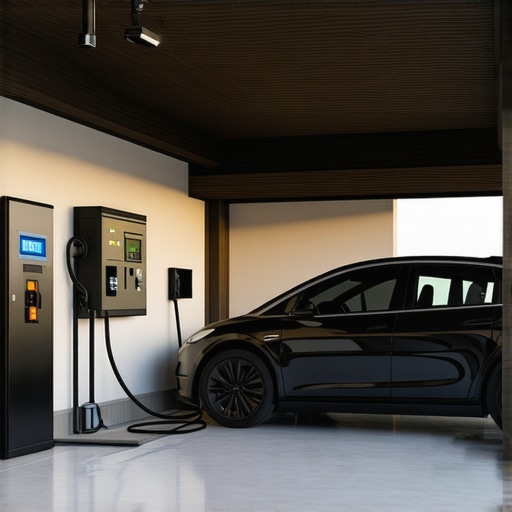

Panel Upgrades & Code Compliance: Ensure Safe EV Charging at Home Today
Last summer, I experienced it firsthand—tripped circuit breakers, a confusing maze of wires, and a lingering feeling that I’d overlooked something crucial during my home’s panel upgrade. It was a wake-up call. I realized that my enthusiasm for EV charging had outpaced my knowledge of electrical safety codes. That moment of frustration turned into a mission: to understand how to upgrade my panel properly and ensure my home was fully prepared for safe EV charging. Let me tell you, the difference between a smooth upgrade and a costly mistake is often just knowing what to check—and what to avoid.
Why Proper Panel Upgrades Matter
Upgrading your electrical panel isn’t just about keeping the lights on; it’s about creating a safe, reliable foundation for your EV charger, your home’s power needs, and your family’s safety. An improper upgrade can lead to overheating, electrical fires, or even damage your electric vehicle. According to the National Fire Protection Association, electrical failures contribute significantly to residential fires, underscoring why adhering to electrical codes is no joke. Properly upgrading your panel ensures you’re compliant with local codes, reduces fire risks, and optimizes charging performance.
But here’s the thing—many DIYers and even some electricians overlook critical aspects of code compliance, leading to expensive callbacks and safety hazards down the line. I’ve made my fair share of early mistakes, like underestimating the importance of a dedicated circuit for my EV charger or ignoring the need for proper grounding. Those omissions could have been dangerous. To prevent that, I started digging into the specifics of code requirements and consulting trusted sources, like an essential guide to code compliance. Now, I want to share what I’ve learned, so you don’t have to make the same mistakes.
Is Improving Your Panel Worth the Effort and Cost?
One of the biggest doubts I hear is whether a panel upgrade is truly necessary or just an overcautious expense. Having faced these questions myself, I can tell you: a quality upgrade isn’t just about doubling capacity; it’s about ensuring your entire electrical system can handle new loads safely. Cutting corners might seem tempting, but it’s a gamble—one you don’t want to take when it comes to fire safety and long-term reliability. If you’ve also worried about the cost or complexity, remember that professional guidance can be affordable and well worth the peace of mind. For a comprehensive understanding, check out this resource on affordable electrical troubleshooting.
Now, let’s explore the critical steps to ensure your panel upgrade is safe, compliant, and ready to support your EV charging needs without risking your home’s safety or your investment.
Assess Your Current Electrical System and Plan Accordingly
Before diving into upgrades, take a close look at your existing electrical panel—a process I learned the hard way when my first attempt led to tripped breakers. Turn off power at the main breaker, then open your panel and note the capacity, existing circuits, and wiring condition. For a clearer understanding, use a flashlight and a mirror if needed. Document the breakers, especially the main service rating and the amperage of existing circuits.
Verify Code Compliance to Meet Safety Standards
Jim from the local electrical supply store once told me, “Think of code compliance as the blueprint for safety.” To avoid costly mistakes, consult the official guide on code verification. Use a multimeter to check grounding and bonding, ensuring all are within safe parameters. Remember, simply having a working circuit isn’t enough; it must adhere to your local electrical codes for safety and permits.
Check Grounding and Bonding Connections
Proper grounding protects against electrical shocks and fires. Test grounding wires with an earth tester to confirm they meet the required resistance levels—think of grounding as the safety net beneath a tightrope. If you find loose or corroded connections, loosen and replace them with new, UL-listed grounding conductors.
Plan the Upgrade to Support Your EV Charger
For my garage, I specifically planned a dedicated 50-amp circuit using #6 AWG wire, similar to what’s recommended in upgrade guides. Measure the distance from your panel to the charging location to prevent voltage drop, which can be likened to a narrow straw limiting water flow. Ensure all wiring runs are properly secured and supported, avoiding damage or future hazards.
Choose the Correct Components for a Reliable Installation
Select an circuit breaker compatible with your panel—rarely worth improvising here. For example, if you’re upgrading to support Level 2 charging, pick a breaker rated for 50 amps with a manufacturer’s UL listing. Use an appropriately rated grounding bus and ensure your wiring insulation is rated for the voltage and environmental conditions. Use labels for circuits to simplify future troubleshooting, just like labeling wires in a home audio system.
Execute the Panel Upgrade with Precision
Turn off main power before removing the existing panel cover—this is foundational to safety. Carefully disconnect the old breakers and wires, noting their configuration. Install the new breaker and wiring following the manufacturer’s instructions strictly. For complex tasks, it’s wise to consult with a licensed electrician to verify your work, especially when adding circuits or upgrading capacity—quality work here prevents future hazards.
Document Your Work and Double-Check
Once everything is in place, restore power and activate the new breaker. Use a multimeter to test the voltage at your outlet and against the panel to ensure correct wiring, similar to a mechanic double-checking their work. Look for any signs of overheating or sparks during initial use. For more detailed troubleshooting of unexpected issues, see this troubleshooting guide.
Test the Complete System for Safety and Functionality
Finally, connect your EV charger and perform a test charge. Monitor the circuit for an hour to detect any abnormal heat or flickering lights—a red flag that requires immediate review. Proper testing ensures your upgrade not only meets code but also provides reliable power for daily charging, much like tuning a musical instrument to perfect pitch. Remember, a careful, methodical approach minimizes risks and maximizes performance, giving you peace of mind in your upgraded system.When it comes to complying with electrical codes during panel upgrades and EV charger installations, many assume they’ve got the essentials down. But in my experience working with reputable electricians, I’ve uncovered that most installers overlook nuanced requirements that can compromise safety and long-term performance. One common myth is that simply meeting the minimum code specifications guarantees safety. The truth is, codes are evolving, and what met standards five years ago might now be outdated. For example, newer regulations emphasize proper grounding and AFCI protection, which many overlook, risking fire hazards. An advanced mistake I see is underestimating the importance of wire placement and support; improper routing can cause insulation damage over time, leading to shorts. Additionally, some professionals neglect detailed load calculations, which are crucial to prevent overloads that trigger tripped breakers or, worse, fires. Recent studies, such as those highlighted by the National Fire Protection Association, show that ‘although code violations are often minor, they cumulatively increase the risk of electrical failure or fire.’ Also, don’t fall into the trap of assuming that a visual inspection suffices for code compliance. Using a multimeter and specialized testers to verify grounding, bonding, and voltage levels is essential for an accurate assessment. When troubleshooting EV chargers, many focus solely on the device itself, ignoring the upstream wiring and circuit protection devices. Properly diagnosing issues involves a systematic approach—checking the breaker, wiring connections, and grounding systems—so you avoid replacing a charger that’s actually fine, or worse, masking a wiring problem that could cause damage or safety hazards later. Remember, safety in electrical work is layered; ignoring minor details can lead to costly and dangerous outcomes. To get a comprehensive understanding, I recommend reviewing the official guide on code verification. Have you ever fallen into this trap? Let me know in the comments.
Keeping Your System Reliable Over Time
Once you’ve completed your panel upgrade and installed your EV charger, the real work begins—**maintenance**. Regular checks prevent small issues from escalating into safety hazards or costly repairs. Being proactive ensures your setup remains compliant, efficient, and safe for years to come.
One essential practice is periodic visual inspections. Look for signs of wear, corrosion, or loose connections—things that can develop over time due to temperature fluctuations or vibration. Remember, a loose wire can lead to overheating, which might cause a fire. Incorporate simple tools like a multimeter to verify voltage levels and grounding integrity periodically. This cheap yet powerful device helps detect any deviations from standard operating parameters, alerting you early to potential issues.
Tools I Recommend for Ongoing Maintenance
In my experience, having the right tools makes all the difference. I rely heavily on a high-quality digital multimeter such as the Fluke 117. Its accuracy, especially in measuring AC/DC voltages and resistance, is crucial when verifying wiring, grounding, and circuit functionality. Investing in a reliable multimeter minimizes guesswork during routine checks or troubleshooting.
For more advanced diagnostics, I use a clamp meter to assess current draw on circuits without disconnecting wires. This helps identify unexpected loads or subtle wiring issues. Additionally, a flashlight with a focused beam and a mirror are invaluable during inspections—illuminating hidden corners inside panels or behind appliances while keeping your hands free.
To ensure safety, keep a good ear out for unusual sounds like buzzing or clicking coming from the panel, which could indicate loose contacts or arcing. Regular tightness checks of connections with a torque wrench (following manufacturer specifications) safeguard against loosening over time.
Forecasting Future Trends in System Maintenance
The trend toward smart home integrations will likely extend into electrical systems. Imagine a connected panel that not only alerts you to problems via your smartphone but also schedules maintenance proactively. Technology like remote monitoring via IoT devices promises enhanced safety and peace of mind, reducing the need for frequent manual inspections.
How do I keep my EV charging system working flawlessly?
Implementing a scheduled maintenance routine with reliable tools like a multimeter, clamp meter, and proper lighting can vastly extend your system’s lifespan. Testing grounding periodically, verifying breaker operation, and inspecting wiring for wear are basic steps that save money and protect your home. Don’t forget to consult professional resources, such as this guide on code verification, for detailed procedures to stay compliant. I highly recommend trying out a regular voltage test with your multimeter once every six months to catch issues early. Staying vigilant now ensures your system remains safe, compliant, and reliable for the long haul.
Three Surprising Truths That Changed My Approach to Electrical Safety
- Never assume that a simple visual check guarantees code compliance—using a multimeter really opened my eyes to hidden faults I would have missed otherwise.
- Upgrading my panel wasn’t just a DIY weekend project; it was a long-term investment in safety and peace of mind, especially when I understood the nuances of grounding and proper wiring.
- The biggest pitfalls came from overlooking the importance of detailed load calculations—underestimating power needs could have led to dangerous overloads.
- Listening to professionals’ advice and not rushing through the permit process proved essential; shortcuts here could have impacted my family’s safety.
- My most valuable takeaway was that ongoing maintenance and periodic testing using trusted tools are key to reliable and safe EV charging years down the line.
Quality Tools and Resources That Make a Difference
- Fluke 117 Multimeter: Its precision in measuring voltage and resistance became my go-to for ensuring proper wiring and grounding—an investment that paid off in safety.
This guide helped me understand what to check for code compliance and avoid costly mistakes. - Clamp Meter: Allowed me to verify current draw without disconnecting wires, which was invaluable for troubleshooting unexpected issues and preventing overloads.
- Reliable Resources: Consulting expert troubleshooting guides and official safety standards ensured I stayed informed and compliant during my upgrade project.
- Official Documentation: Keeping records of my work has simplified future inspections and repairs, saving time and boosting confidence.
Seize the Moment and Embrace the Challenge
Upgrading your electrical panel and ensuring safe EV charging isn’t just about following rules; it’s about empowering yourself to create a safer, more reliable home. Remember, every step you take today, from verifying grounding to testing voltage, adds up to long-term safety and peace of mind. Don’t let fear or uncertainty hold you back—arming yourself with knowledge and trusted tools will guide you through confidently. Your home and loved ones depend on it. Ready to make that leap? Share your experiences or questions below—let’s learn together and make safe, efficient EV charging a family standard.